

TL;DR: Ybbsitz isn’t your typical Austrian postcard town—it’s where industrial grit meets alpine charm. Situated in Lower Austria’s Amstetten district, this underrated destination delivers serious heritage vibes, authentic Austrian hospitality, and a fascinating story of metalworking that shaped Europe. Whether you’re a history buff, an industrial heritage nerd, or someone craving that “real Austria” experience without the Salzburg crowds, Ybbsitz hits different. Budget 1-2 days, bring comfortable walking shoes, and prepare to surprise yourself.
- Know Before You Go
- Why Ybbsitz? (Because You’re Probably Never Heard of It)
- The Industrial Heart: Ybbsitz’s Metal Forging Legacy
- Where Medieval Craftsmanship Met Modern Enterprise
- The Forges That Built Empires
- Modern Heritage Tourism
- What to Actually Do in Ybbsitz
- The Practical Stuff (So You Don’t Mess Up)
- Hidden Opportunities for Connection
- Recap: Why Ybbsitz Deserves Your Time
- Disclaimer
Know Before You Go
| What | Details |
|---|---|
| Location | Amstetten district, Lower Austria (90 km west of Vienna) |
| Best Time to Visit | May-September (warm, dry weather); December for Christmas markets |
| Getting There | Train from Vienna (1.5-2 hours) or car (90 minutes) via A1 motorway |
| Language | German (English spoken in tourist areas; learn a few phrases!) |
| Currency | Euro (€); ATMs widely available |
| Main Attraction | Metal forging heritage, historic town center, Ybbs River walks |
| Accessibility | Mostly accessible; some cobblestone streets and older buildings may challenge wheelchairs |
| Average Daily Budget | €60-100 (budget accommodation, food, activities) |
| Hidden Gem Factor | ⭐⭐⭐⭐⭐ (genuinely underdiscovered) |
Why Ybbsitz? (Because You’re Probably Never Heard of It)
Look, we get it. When most travelers think Austria, they’re picturing Innsbruck’s mountains or Mozart’s Salzburg. But here’s the thing about Ybbsitz: it’s the real deal. This isn’t a town that’s been polished into a tourist commodity. It’s a working community with genuine character, built on centuries of metalworking mastery that literally supplied weapons and tools across Europe.
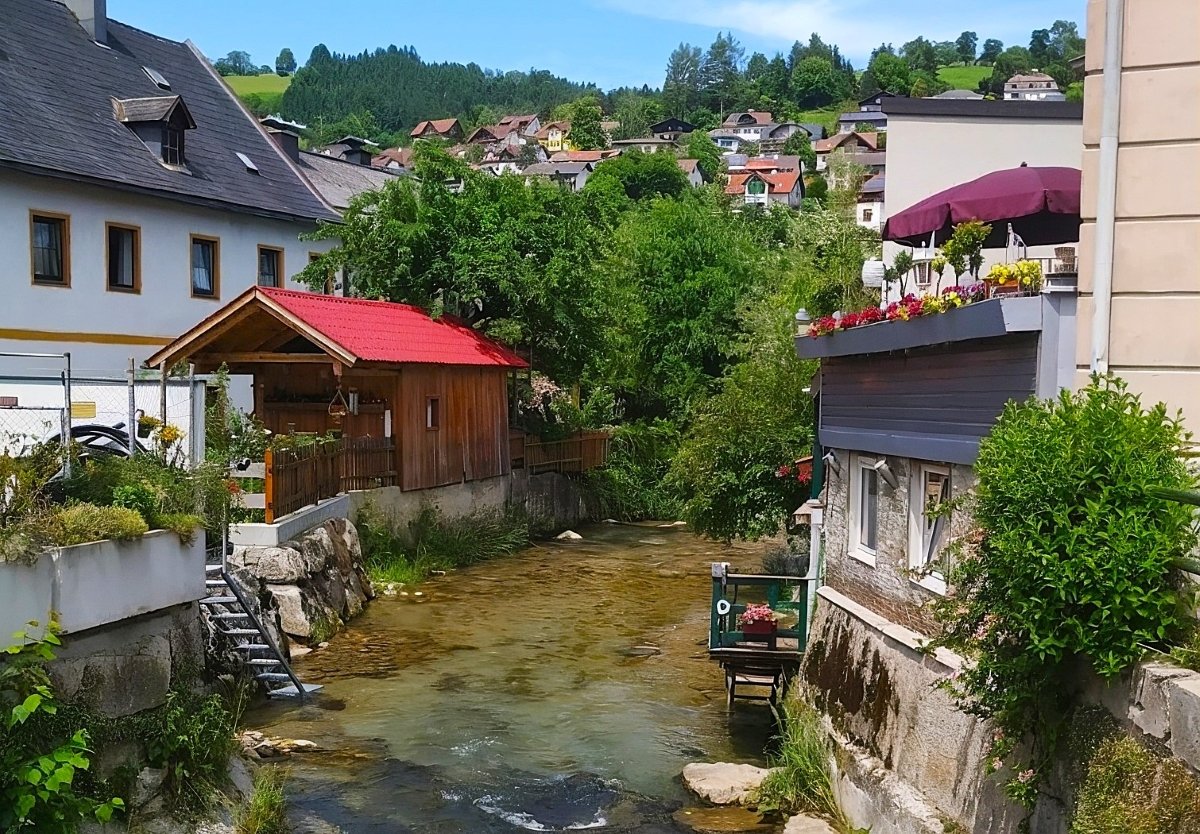
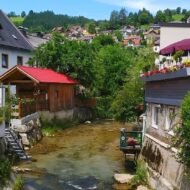
The Ybbs River flows through town like an artery, and historically, it was the resource that made Ybbsitz tick. Water-powered mills and forges lined its banks, turning raw iron into sought-after goods. Today, that heritage isn’t locked away in museums—it’s woven into the very fabric of the place. You’ll see it in the architecture, feel it in the local pride, and understand it when you’re exploring restored workshops and heritage sites.
The Industrial Heart: Ybbsitz’s Metal Forging Legacy
Where Medieval Craftsmanship Met Modern Enterprise
Ybbsitz’s story isn’t new. We’re talking about an industrial heritage that stretches back to the 13th century when the first forges were established along the Ybbs River. But this isn’t dusty, forgotten history—it’s literally still here, and it’s way more interesting than it sounds.
Why Ybbsitz became the metalworking hotspot:
The Ybbs River wasn’t just pretty—it was practical. The constant water flow powered mills and forge hammers, which meant Ybbsitz could produce metal goods on a scale other towns couldn’t match. By the Middle Ages, the town had earned a reputation across the Holy Roman Empire. Swords, armor, nails, tools—if it was made of iron and needed quality, Ybbsitz had a forgemaster for it.
The Forges That Built Empires
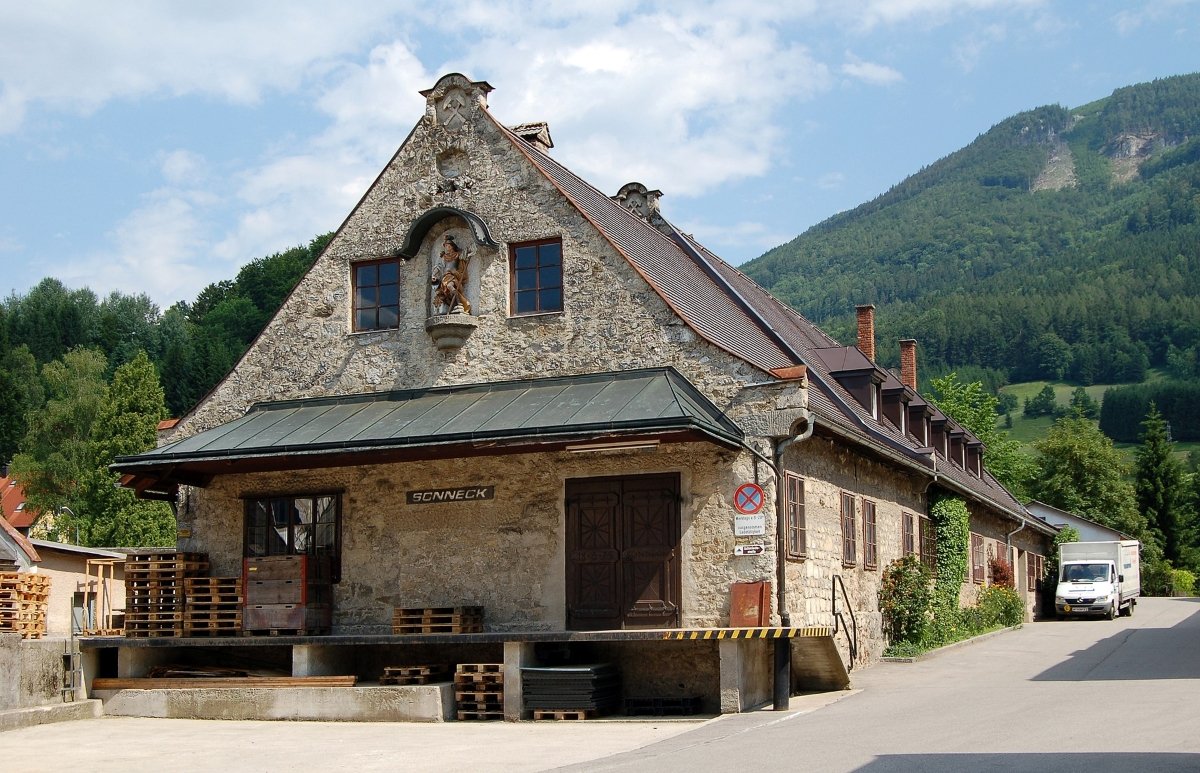
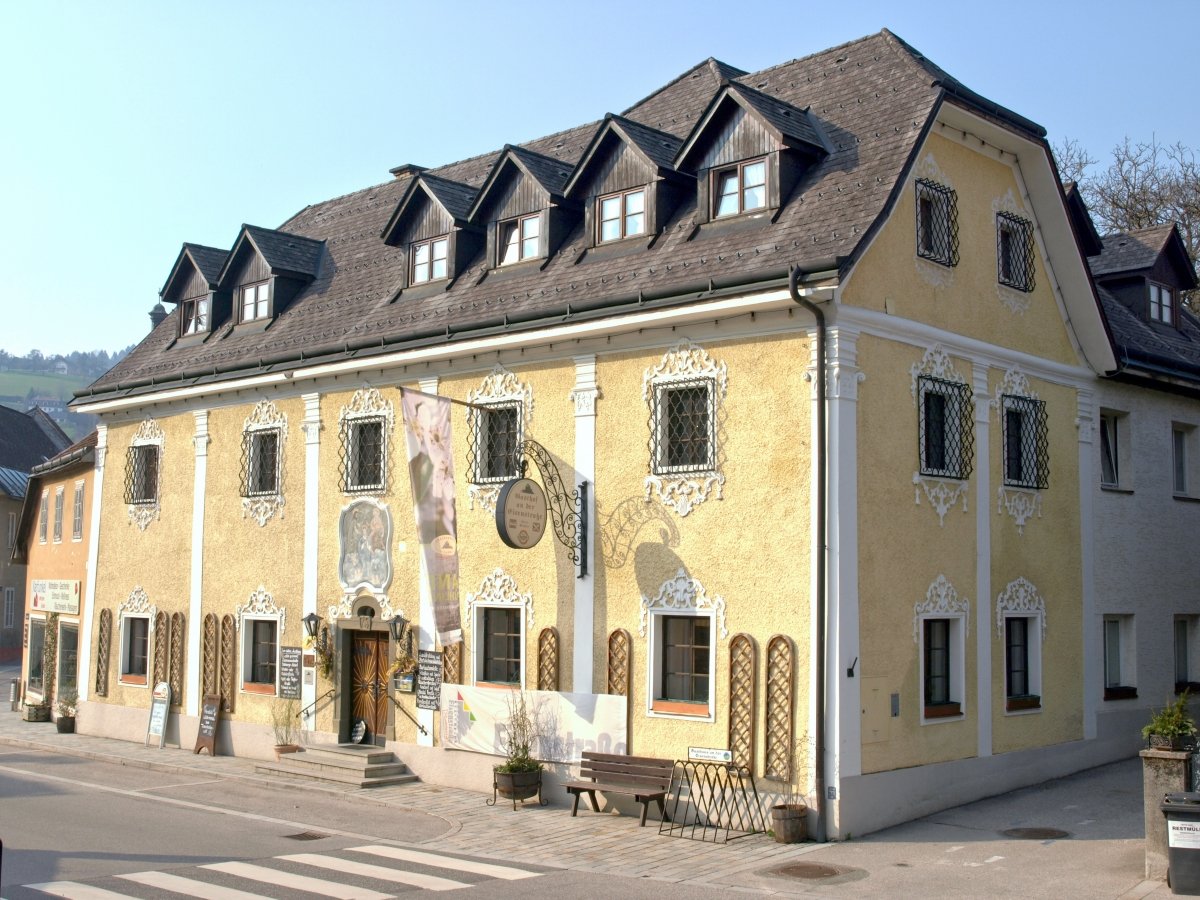
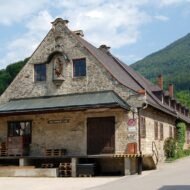
Walk through the old town center, and you’ll spot timber-framed buildings with distinctive features: wide openings (for ventilation and deliveries), reinforced stones, and strategic placement near the river. These aren’t accidents of architecture—they’re the physical evidence of a thriving metalworking economy.
The most fascinating part? Many of these forges operated continuously for centuries. Your great-great-great-grandparents might have carried a Ybbsitz-forged blade. That’s the kind of staying power you’re talking about here.
Modern Heritage Tourism
The local community has done an admirable job preserving this legacy without making it corny:
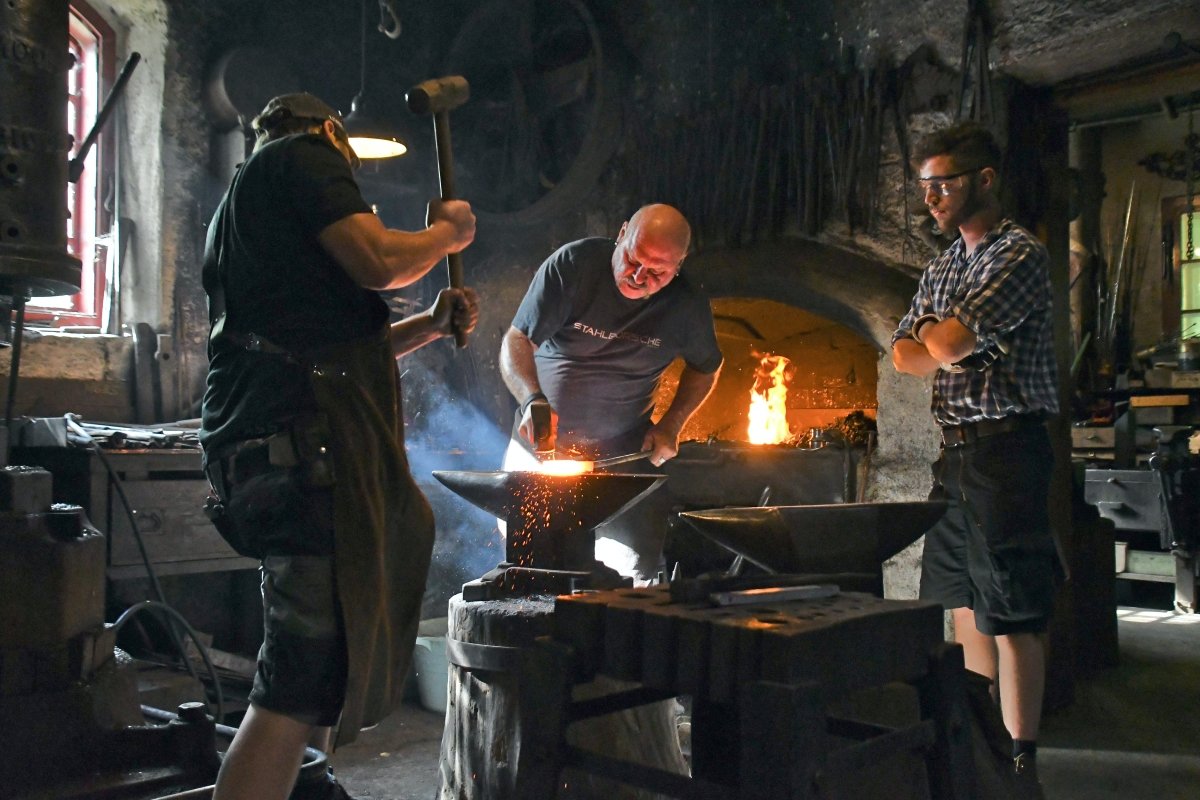
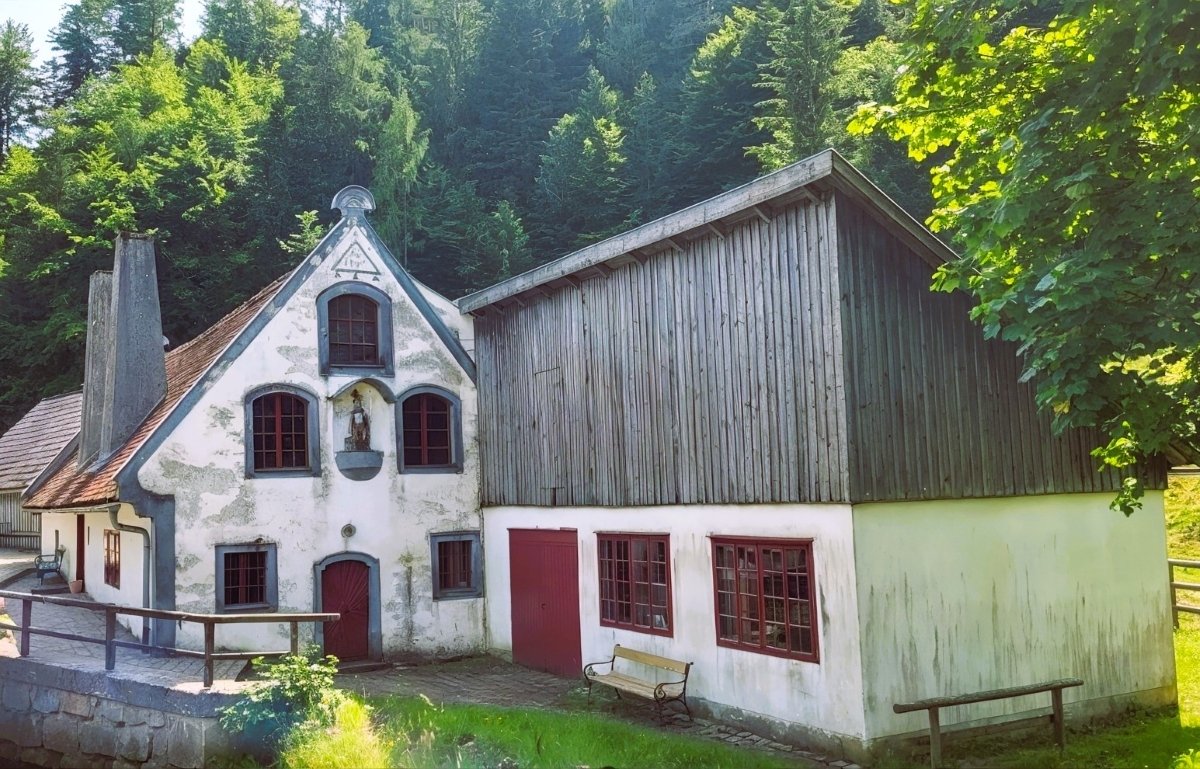
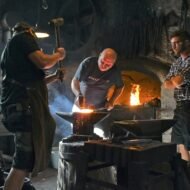
- Traditional Forge Demonstrations: During peak season, local artisans occasionally conduct live metalworking demonstrations in restored workshops. Watching a 20-pound hammer shaped by skilled hands is hypnotic—not gonna lie.
- The Ybbs Valley Heritage Route: A scenic walking/cycling trail connects historical forge sites, old mills, and former workshops. It’s designed so you can actually walk the history rather than just read plaques.
- Local Museums & Heritage Centers: Small, intimate collections showcase period tools, finished products, and archival documents that tell the story of individual families and their contributions to European metalworking.
Pro tip: Call ahead to arrange tours or demonstrations. The local tourism office (seriously, email them) can often connect you with passionate locals who love talking about their town’s heritage.
Related article : European Forging Heritage Travel Guide
What to Actually Do in Ybbsitz
Explore the Old Town on Foot
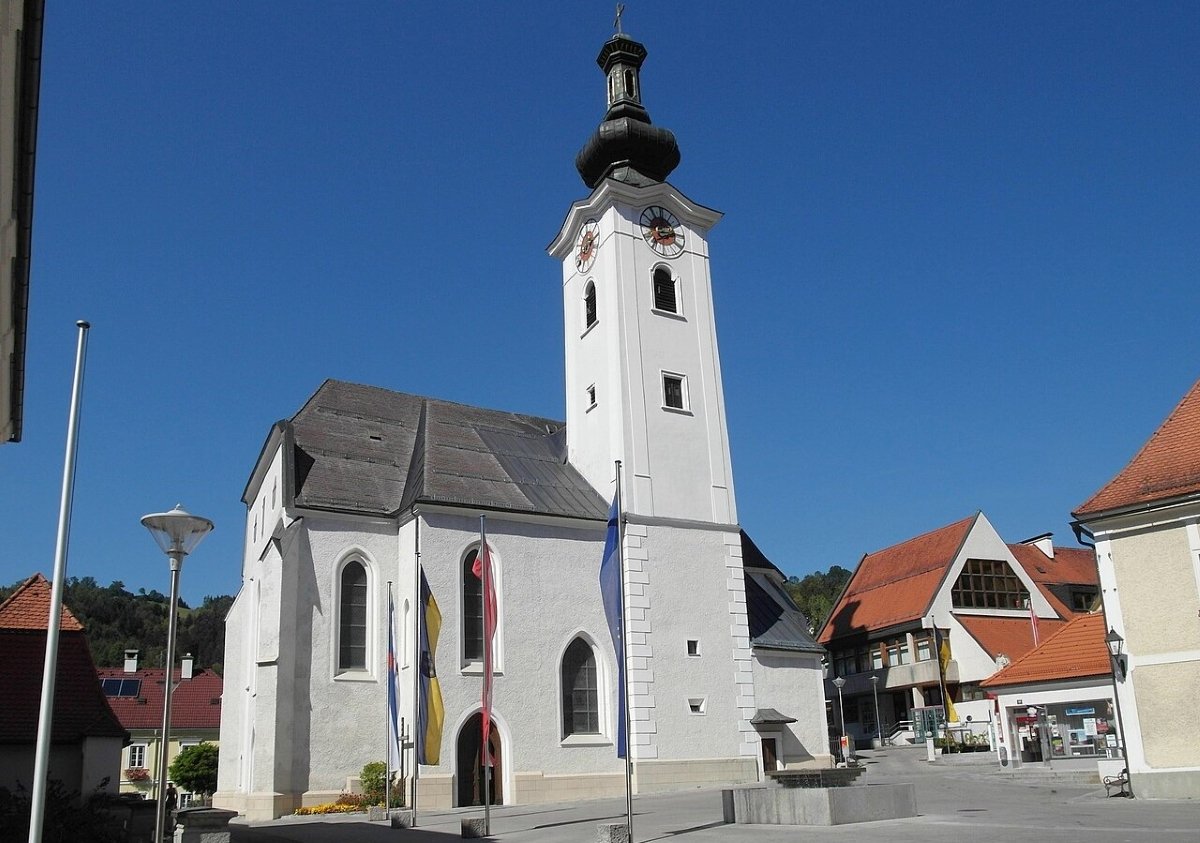
The medieval town center is compact and walkable—perfect for getting lost in the best way. You’ll find:
- Narrow cobblestone streets lined with restored burgher houses (many with forging-era heritage)
- Local cafés where you can grab a Melange (Austrian cappuccino) and eavesdrop on real Austrian conversations
- Small artisan shops selling everything from handmade ceramics to local honey
- Unexpected corners that photograph beautifully without the Instagram-tourist vibe
Don’t miss: The riverside promenades. The Ybbs itself is gorgeous, especially in late afternoon light.
Hike the Ybbs Valley
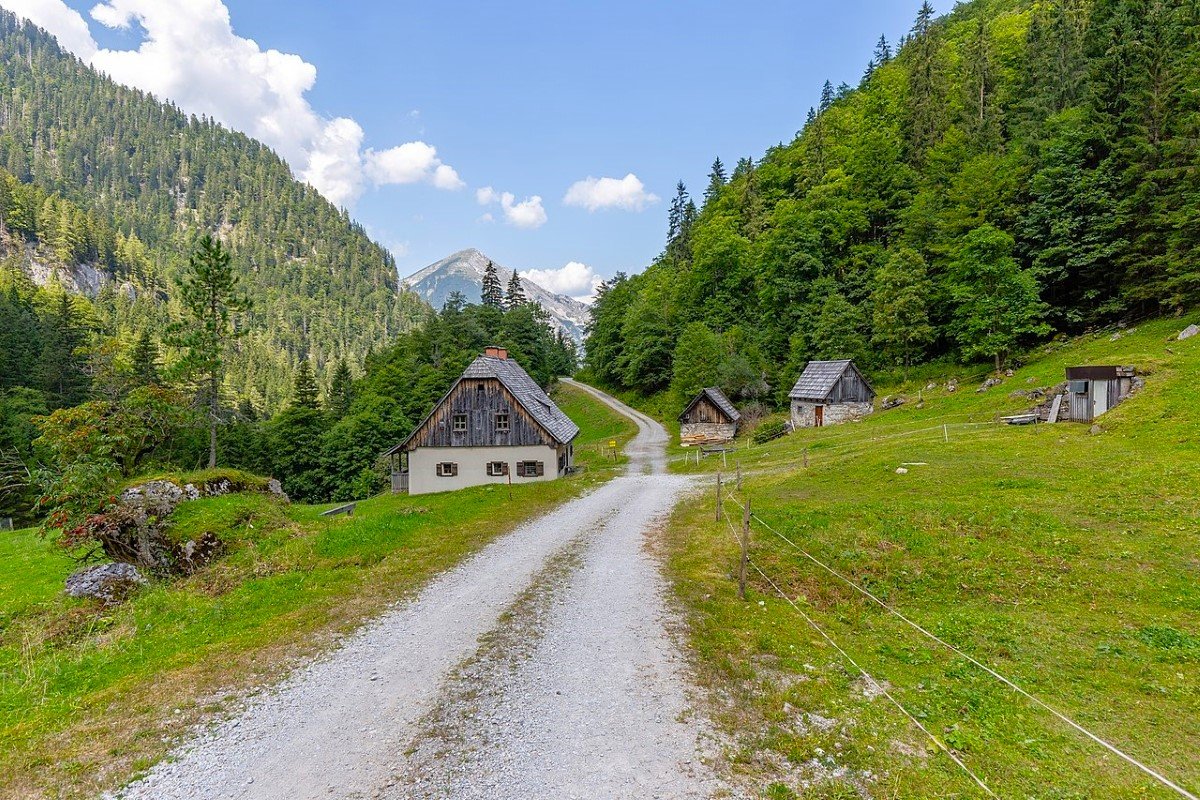
Whether you’re a serious hiker or just like “a nice walk,” the Ybbs Valley delivers. The terrain is moderate, the views are legitimately beautiful, and you’ll pass through villages that look like they’ve been decorated by someone’s very Austrian grandma.
Popular routes:
- Riverside Walk: Flat, easy, follows the Ybbs River for about 8-10 km depending on your loop choice
- Valley Rim Trail: Slightly more elevation, incredible views of both the valley and surrounding hills
- Medieval Mill Circuit: Combines history and scenery; connects various restored mills and heritage sites
Honest take: The hiking here isn’t as dramatic as the Alps, but it’s more intimate and more accessible for regular humans.
Eat Like You Live Here
Austrian cuisine gets a bad rap for being heavy, but Ybbsitz does it right:
- Schnitzel (breaded and fried meat cutlet): Get it at any local Gasthaus (inn). It should be paper-thin and crispy.
- Kasnocken (cheese dumplings): A regional specialty that’s basically comfort food engineered in a lab.
- Local trout: The Ybbs is clean enough that restaurants serve freshly caught trout. Order it grilled with lemon.
- Bread and spreads: Austrian bakeries are genuinely incredible. Buy fresh Brot (bread) and pair with local cheese or Marmelade (jam).
Where to eat: Ask locals. Seriously. The best places rarely advertise heavily and won’t be listed as “top 50” anywhere. The tourism office, your hotel staff, or the person behind the bakery counter can point you toward the genuine article.
The Practical Stuff (So You Don’t Mess Up)
Getting There & Around
From Vienna:
- Train: Direct ÖBB (Austrian Railways) trains from Wien Westbahnhof take 1.5-2 hours. Scenic route, cost-effective, and you can work/relax. A Klimaticket or rail pass often makes this cheaper than driving.
- Car: A1 motorway west, about 90 minutes. Parking in the old town is limited but doable. Pro tip: Use the peripheral parking areas and walk in.
- Bus: Regional buses connect Ybbsitz to larger towns. Slower, but budget-friendly and atmospheric.
Where to Stay
Ybbsitz has guesthouses (Gasthof), family-run pensions, and Airbnb-style apartments—not mega-hotels. This is actually a feature, not a bug. You’ll get authentic interactions and breakfast with your hosts.
Budget range: €50-80 per night for decent, clean, characterful accommodation.
Pro tip: Stay in town rather than surrounding villages if you want walkability. One or two nights is genuinely enough to see the main sites.
Language & Cultural Notes
- Austrians are polite but direct. They’ll appreciate efforts at German, even broken attempts.
- Greetings: “Guten Tag” (good day, formal) or “Servus” (casual, more Tyrolean vibe)
- Key phrases: “Ich spreche kein Deutsch” (I don’t speak German), “Sprechen Sie Englisch?” (Do you speak English?)
- Tipping: 5-10% is normal; round up for drinks
- Sunday closing: Many smaller shops close Sundays. Plan accordingly.
Best Time to Visit
| Season | Why | Why Not |
|---|---|---|
| May-June | Wildflowers, perfect hiking weather, fewer crowds | Early-season prices can be higher |
| July-August | Warmest, best outdoor activities | Most crowded (relative term) |
| September | Golden hour lighting, harvest season, still warm | Some facilities close mid-September |
| December | Christmas markets, snow possibility, festive vibe | Shorter days, colder |
| Winter (Jan-March) | Peaceful, authentic local experience | Limited daylight, some attractions closed |
Hidden Opportunities for Connection
Because Ybbsitz is genuinely small and underhyped, you have actual opportunities to:
- Meet local artisans at forging demonstrations (they often have incredible stories)
- Join community events (weekly markets, seasonal festivals) without navigating tourist crowds
- Eat at family-run restaurants where the owner recognizes you by the second visit
- Stay in family guesthouses where breakfast is made fresh while you’re eating it
This isn’t forced “authentic local experience”—it’s just what happens in towns that haven’t been Instagram-optimized.
Recap: Why Ybbsitz Deserves Your Time
Ybbsitz is:
✅ Genuinely underrated – You won’t see it on every “Top 20 Austria” list, which means fewer tourists
✅ Rich in legitimate history – Medieval metalworking heritage that actually means something
✅ Accessible & doable – Easy train access from Vienna, walkable town center, moderate hiking
✅ Affordable – Lower costs than Salzburg or Innsbruck without compromising experience quality
✅ Authentic – No Disney-fication here; this is a real working town with real character
✅ Perfectly scaled – Big enough to have good food and accommodation, small enough to feel intimate
Whether you spend one day exploring forges and hiking along the Ybbs, or you settle in for a few nights to really soak in Austrian small-town life, Ybbsitz delivers something increasingly rare: a place that feels like discovery rather than consumption.
Disclaimer
This travel guide is based on current information as of March 2026. Opening hours, local events, and regional attractions may change. Always verify specific details (museum hours, demonstration schedules, accommodation availability) with the Ybbsitz Tourism Office or directly with venues before visiting.
While we’ve aimed for accuracy, this is an informal guide meant to inspire and inform—not replace official tourist resources. For comprehensive, official tourism information, contact the Amstetten District Tourism Authority or visit the regional tourism board website.
Travel responsibly: respect local customs, support local businesses, and follow Leave No Trace principles on hiking trails. Be patient with language barriers and appreciative of the locals who keep these communities alive.
Ready to discover Ybbsitz? Start with the tourist office (they’re legitimately helpful), book your train ticket, and prepare yourself for a town that will surprise you in the best possible way.