























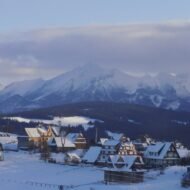

4. Bansko, Bulgaria 🏂
User Rating: 4.7/5 | Best For: Budget-Conscious Skiers & Après-Ski Lovers
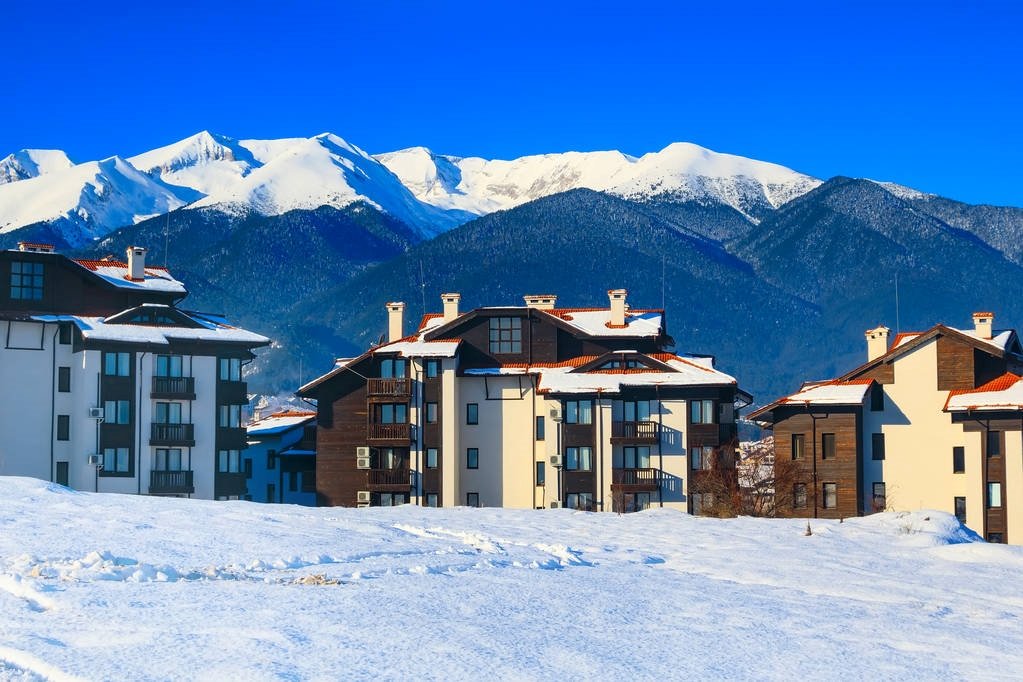
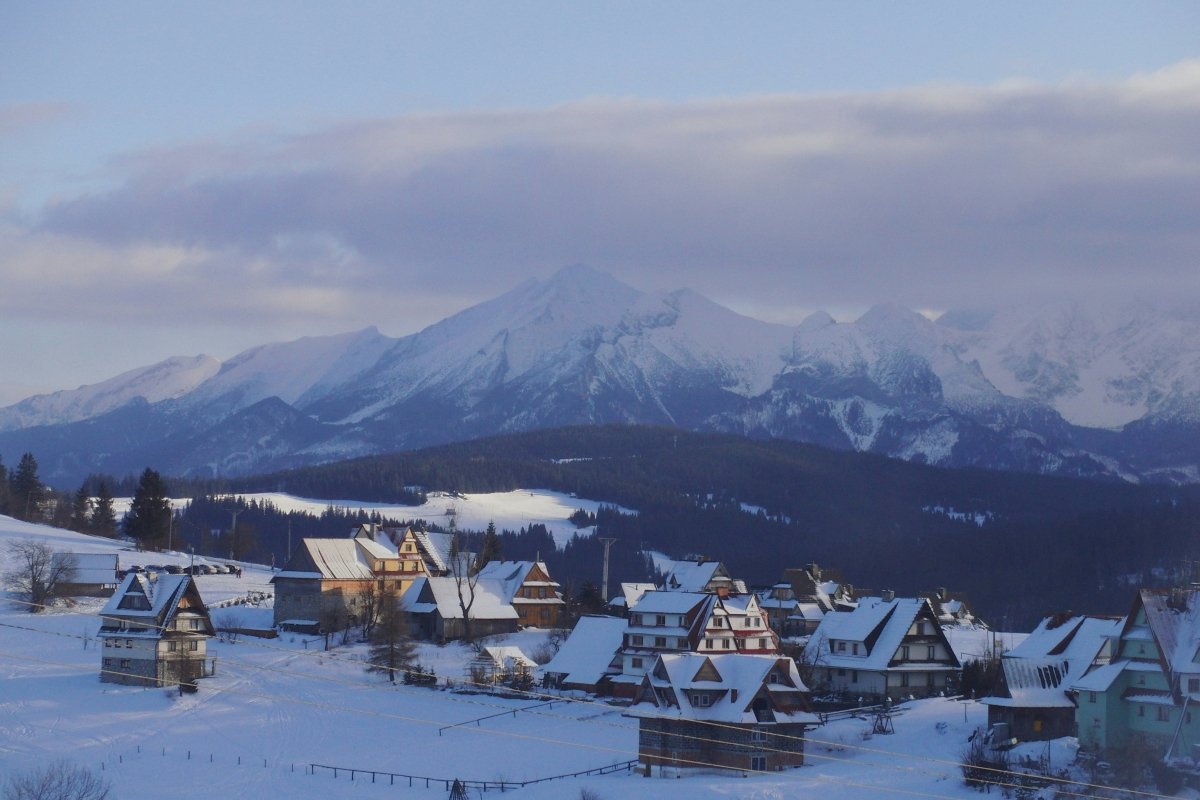
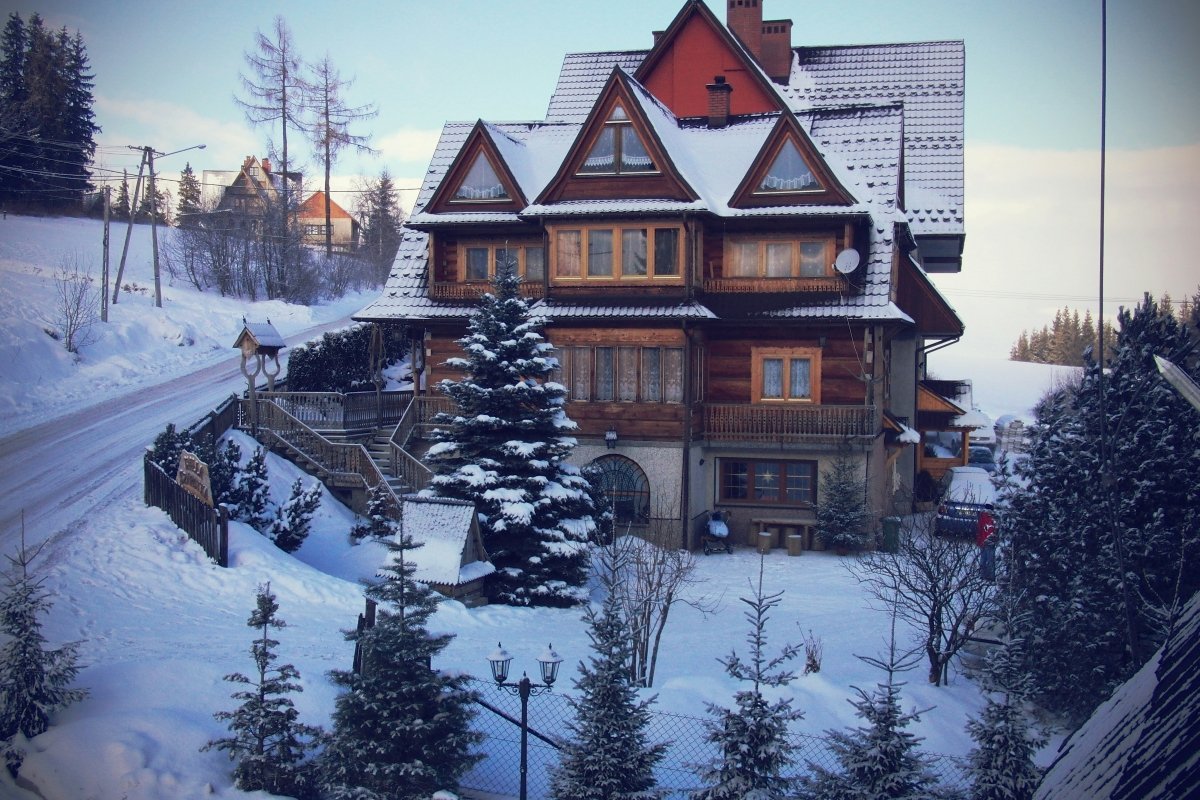
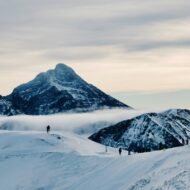
Bulgaria’s answer to the Alps costs about half as much and delivers twice the charm. Bansko combines serious skiing credentials (it hosted World Cup races) with a beautifully preserved Old Town and legendary hospitality. Plus, the après-ski scene? Absolutely buzzing.
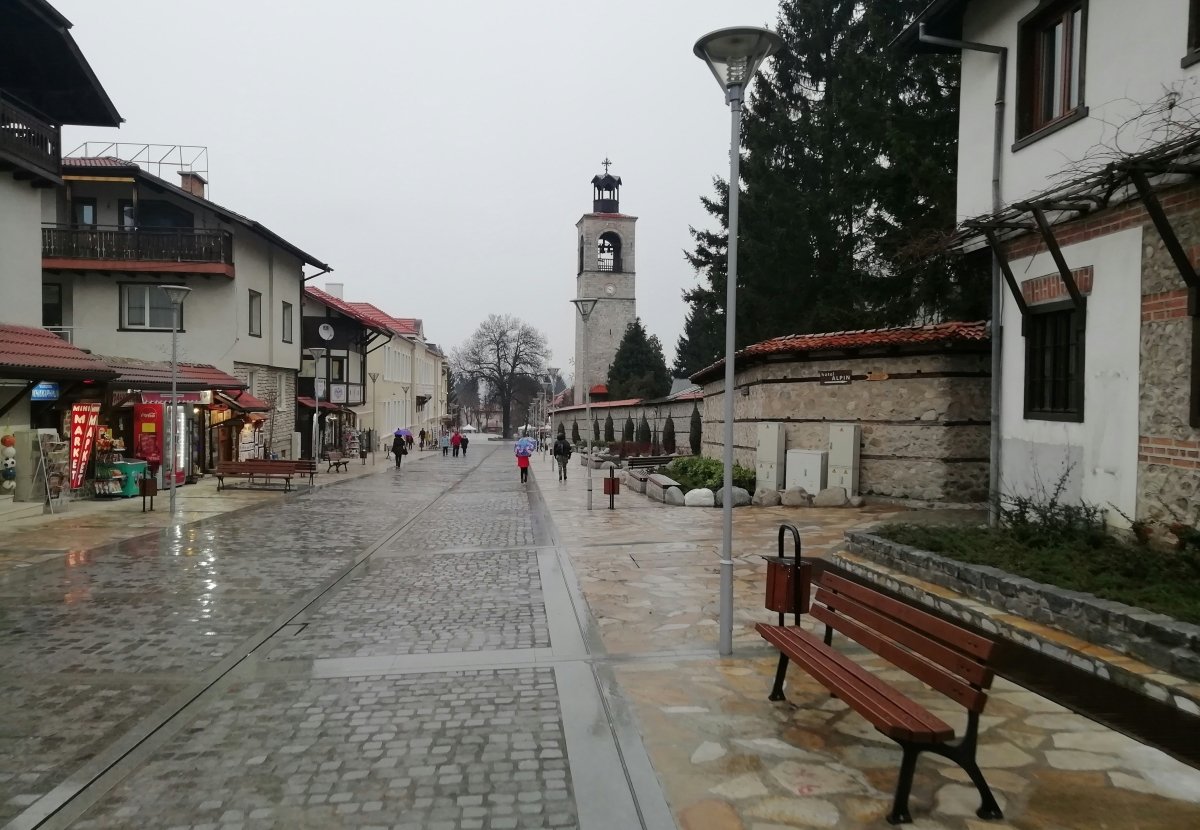
Why Families Love It: Bulgarian ski schools are known for excellent instruction at reasonable prices—your kids will actually progress while having fun. The resort offers a dedicated children’s area with magic carpet lifts and gentle terrain. Off the slopes, the Old Town provides cobblestone streets to explore, horse-drawn carriages, and restaurants where children are genuinely welcomed (not just tolerated). The nearby Banya thermal springs offer a relaxing break from skiing.
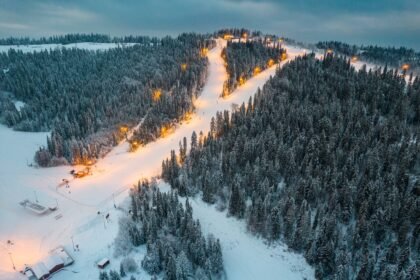
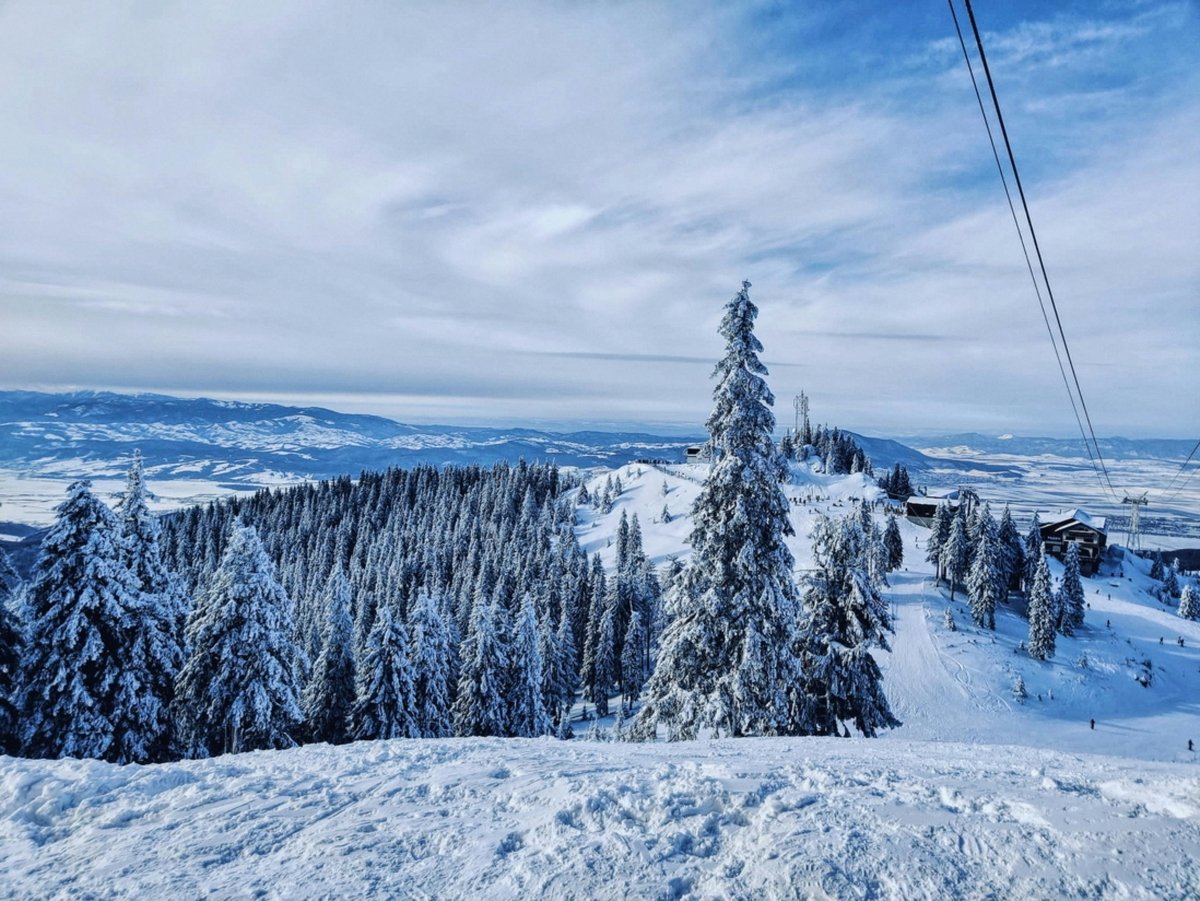
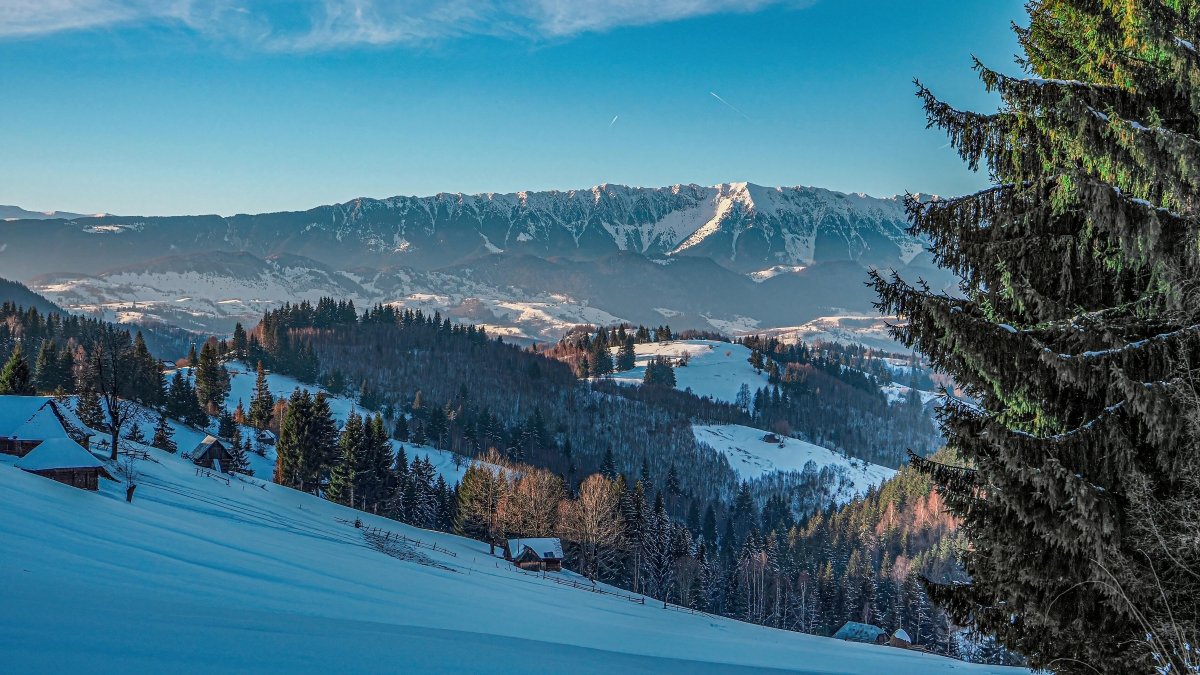
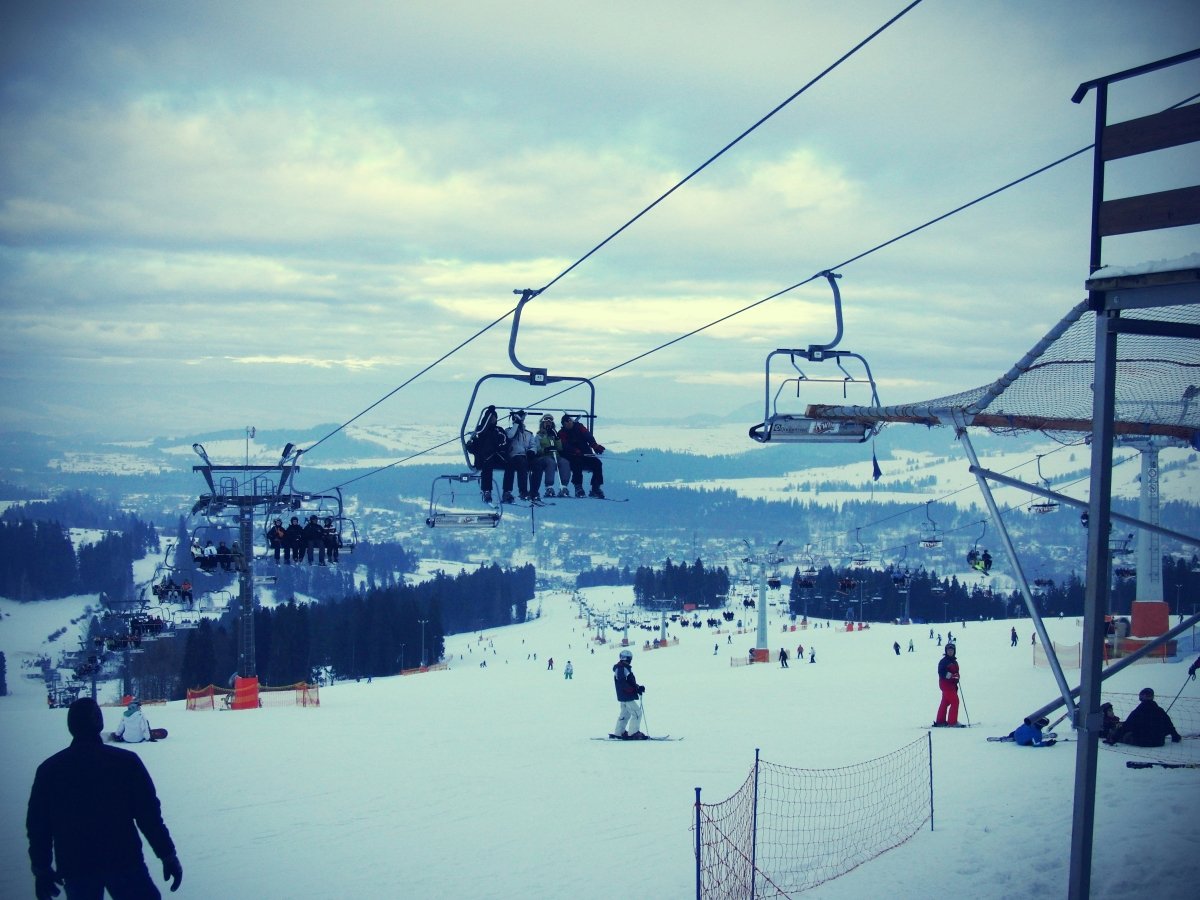
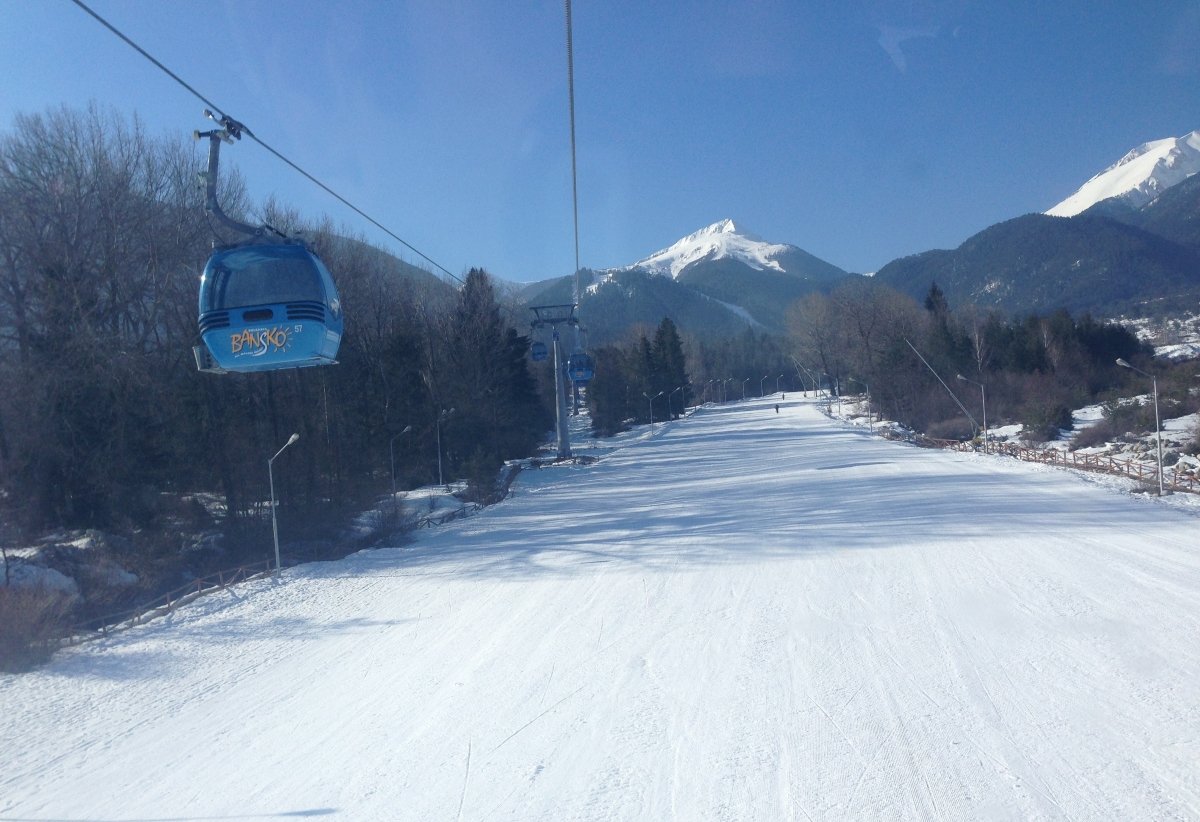
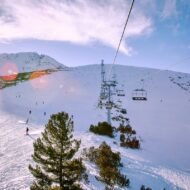
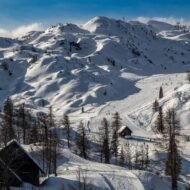
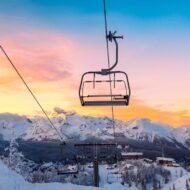
Skiing & Outdoor Adventures: Bansko’s modern gondola whisks you to 75km of varied terrain in the Pirin Mountains. The tree-lined slopes provide excellent conditions even in variable weather, and the vertical drop of 1,600m means serious skiing for those who want it. Beginners get dedicated areas, while advanced skiers can explore the challenging Tomba and Shiligarnika runs. Beyond skiing, try snowmobiling, winter hiking to mountain huts, or the exhilarating Bansko-Dobrinishte ski touring route.
Local Traditions: Bulgarian traditions add depth to your winter visit. “Survakane” (New Year’s blessing ritual) on January 1st involves children tapping adults with decorated cornel twigs—it’s sweet and chaotic. “Trifon Zarezan” (February 14th) celebrates wine with vineyard processions and tastings. Traditional “mehana” (taverns) host folk music and dance performances most evenings. During Lent, experience “kukeri” festivals where masked dancers chase away evil spirits in elaborate costumes.
Budget Breakdown:
- Ski pass: €30-45/day
- Traditional mehana dinner: €40-55 for a family
- Hotel/apartment: €50-90/night
- Group ski lesson: €15-20/person
- Beer at après-ski: €2-3 (yes, really)
Food Scene: Bulgarian cuisine is a delightful surprise. “Shopska salad” (tomatoes, cucumbers, onions, peppers topped with cheese) starts most meals. “Kavarma” (slow-cooked meat with vegetables), “moussaka” (different from Greek—with potatoes), and “banitsa” (cheese-filled pastry) are winter staples. Don’t miss “rakia” (fruit brandy) or Bulgarian wine—the local varietals are impressive. Dine at Mehana Bansko or Dedo Pene for authentic atmosphere.
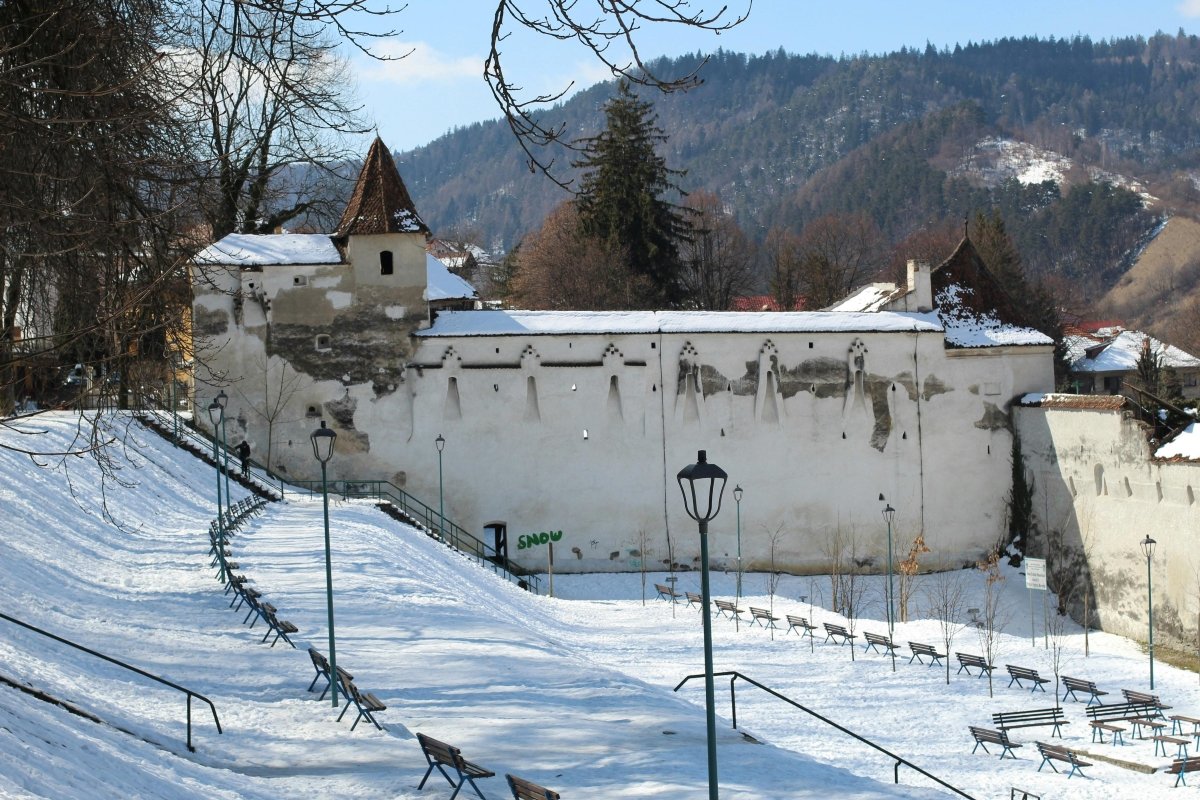
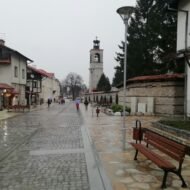
Cultural Highlights: Bansko’s Old Town preserves National Revival architecture with the Velyan House and Holy Trinity Church showcasing intricate woodwork and frescoes. The Icon Museum displays religious art spanning centuries. The town honors native son Neofit Rilski (19th-century educator) at his house-museum. Evening in the Old Town means live music spilling from mehanas and locals genuinely happy to chat with visitors.
Useful Info:
- Getting There: Fly to Sofia (2.5-hour drive) or direct charters to Bansko in peak season
- Best Time: Mid-January to early March for best conditions
- Language: Bulgarian (Cyrillic script), but tourism infrastructure has English speakers
- Special Tip: Book accommodations early—Bansko’s popularity is growing fast
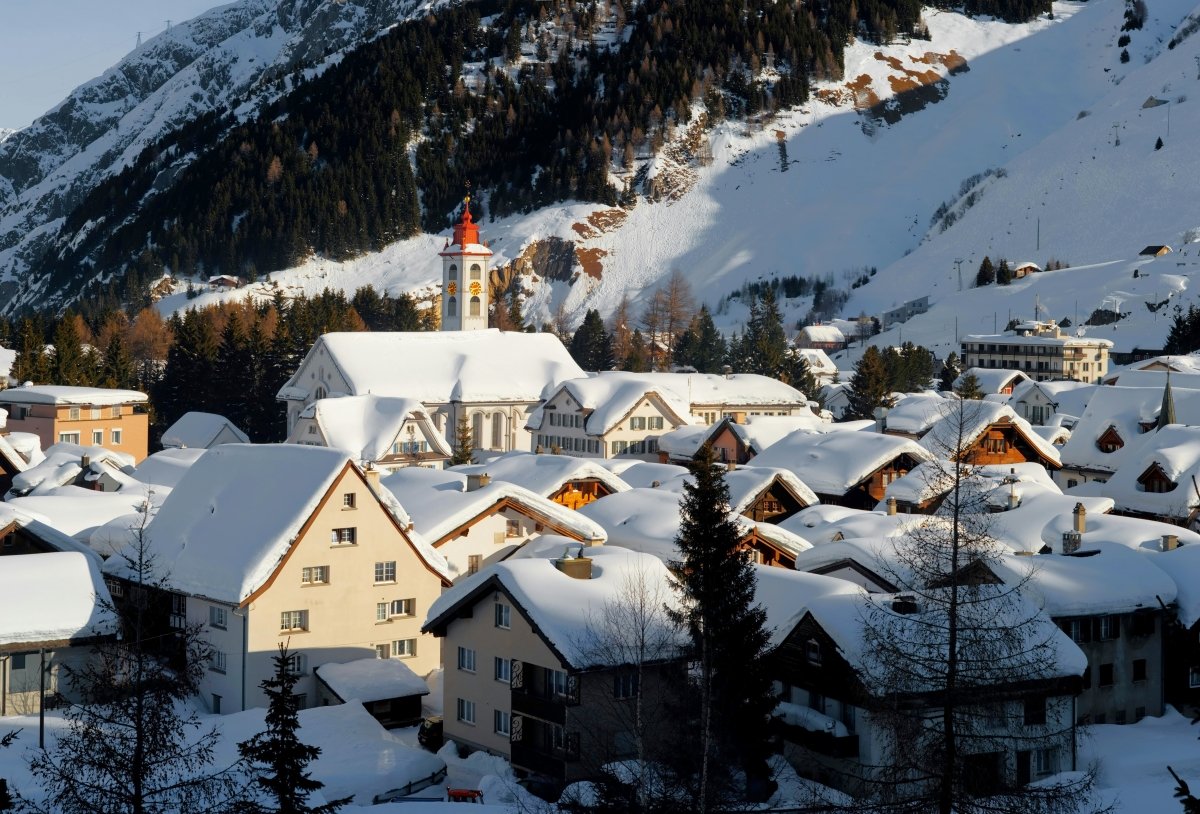
5. Andermatt, Switzerland (The Affordable Swiss Option) ⛷️
User Rating: 4.8/5 | Best For: Serious Skiers & Swiss Alps Lovers on a Budget
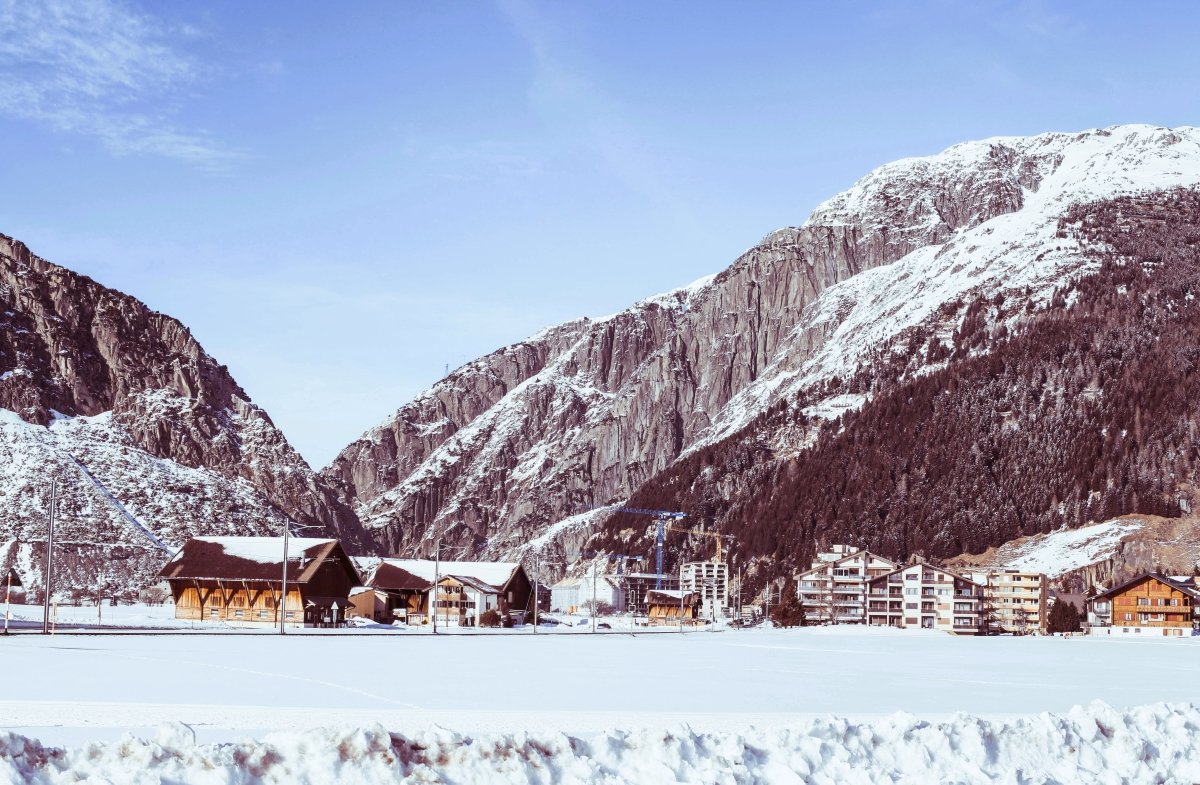
Wait—affordable Switzerland? Hear us out. While Andermatt has seen development recently, it remains significantly less expensive than Zermatt or St. Moritz while offering world-class skiing in the heart of the Swiss Alps. This is real Switzerland without the St. Moritz price tag.
Why Families Love It: Swiss precision meets family warmth in Andermatt. The car-free village center means kids can roam safely, and Swiss efficiency ensures everything runs smoothly (trains on time, lifts rarely break down). The Schneehüenerstock area provides perfect family terrain, while older kids can explore the massive SkiArena with parents. Swiss hospitality means clean facilities, quality equipment, and staff who genuinely care about your experience.
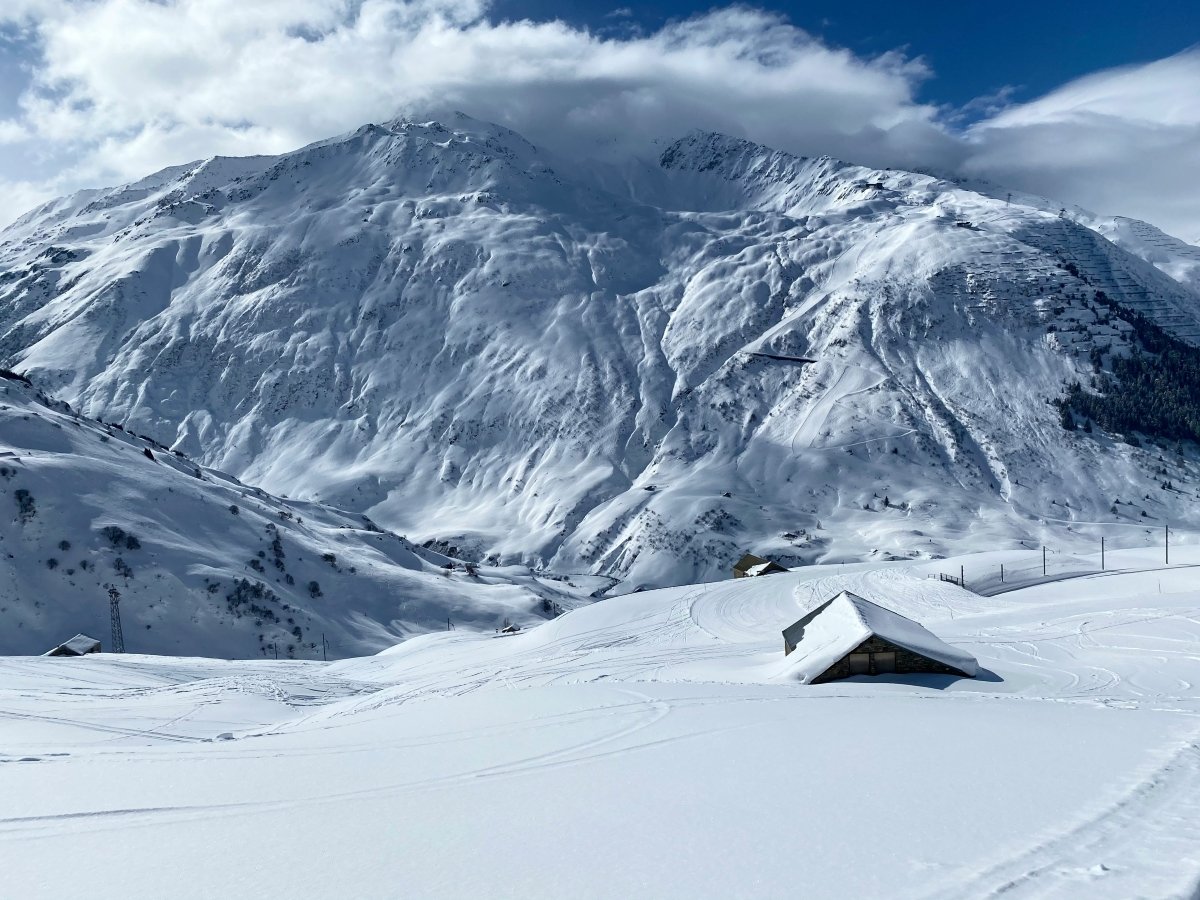
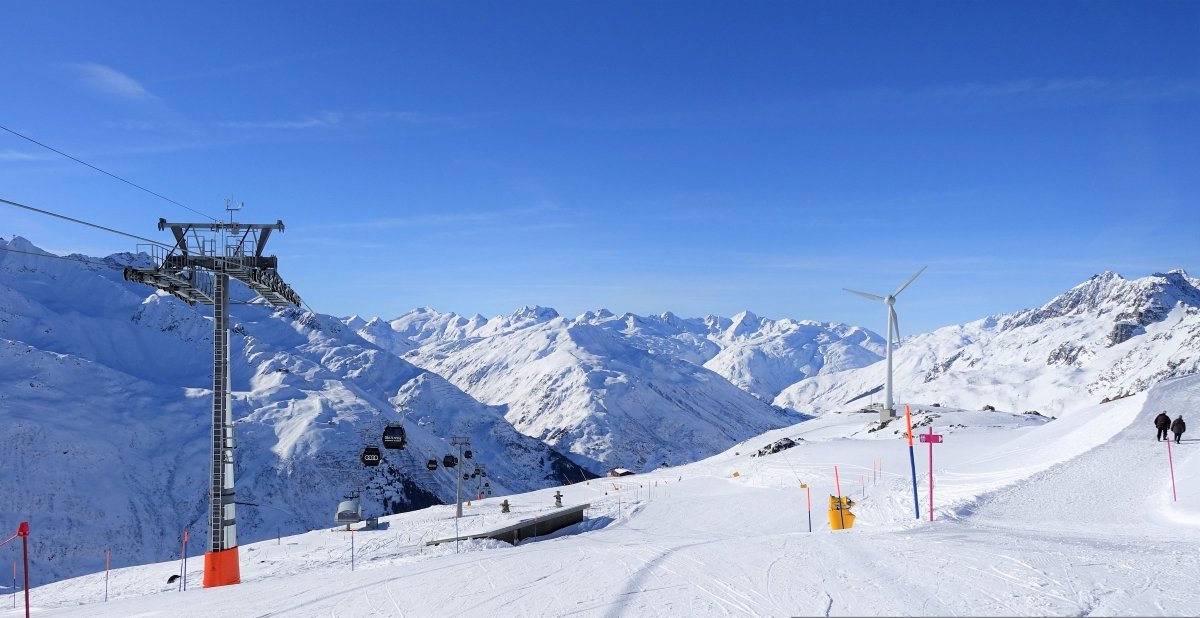
Skiing & Outdoor Adventures: The Andermatt-Sedrun-Disentis SkiArena spans 120km across spectacular terrain. The legendary Gemsstock is for advanced skiers only—steep, challenging, and absolutely thrilling. Families and intermediates will love the cruising runs on Nätschen-Gütsch. Backcountry opportunities abound for ski touring, with mountain guides available for glacier traverses. Non-skiers can snowshoe, take the cogwheel train to winter hiking trails, or simply breathe the pristine Alpine air.
Local Traditions: Swiss-German traditions infuse Andermatt’s winter. “Fasnacht” (Carnival in February/March) brings elaborate costumes and parades. December’s Christmas market in the village square is small but perfectly Swiss. The tradition of “fondue Sundays” means gathering with locals for cheese fondue at mountain restaurants—it’s social, delicious, and very Swiss. Watch for “Älpler” (Alpine farmer) demonstrations of traditional cheese-making.
Budget Breakdown:
- Ski pass: €60-75/day (still less than premium Swiss resorts)
- Mountain restaurant meal: €70-100 for a family (Swiss prices, but manageable)
- Mid-range hotel: €120-180/night
- Fondue dinner: €25-35/person
- Day pass on Glacier Express (nearby): €150 (splurge-worthy experience)
Food Scene: This is Switzerland, so expect quality. “Rösti” (crispy potato pancake), “raclette” (melted cheese with potatoes and pickles), and “fondue” are winter essentials. Mountain restaurants serve hearty “Älplermagronen” (Alpine macaroni with potatoes, cheese, and onions). Swiss chocolate and pastries need no introduction. Eat at The River House for modern Alpine cuisine or Gasthaus Skiklub for traditional fare.
Cultural Highlights: The Talmuseum showcases Andermatt’s transformation from remote mountain village to strategic pass crossing to modern resort. The Schöllenen Gorge with its Devil’s Bridge combines legend with dramatic scenery—the story involves the devil building the bridge in exchange for the first soul to cross (spoiler: locals tricked him). Nearby Hospental preserves medieval architecture, and the Gotthard Pass (closed in winter but visible) represents centuries of Alpine trade history.
Useful Info:
- Getting There: Train from Zurich Airport (2 hours) or drive
- Best Time: December-March for consistent snow
- Language: Swiss German, but English widely spoken
- Special Tip: Stay mid-week for better prices; avoid Swiss school holidays
Final Thoughts: Your European Winter Awaits
These five destinations prove you don’t need to follow the crowds to experience European winter magic. Whether you’re drawn to Romania’s affordability and medieval charm, Slovenia’s fairy-tale beauty, Poland’s authentic highland culture, Bulgaria’s value and vibrancy, or Switzerland’s Alpine perfection at reasonable prices—each offers something special that the famous resorts can’t match: authenticity.
The best part? You’ll meet locals who actually want to share their culture with you, ski slopes where you can breathe, and return home with stories that none of your friends have heard before. That’s the real luxury of travel.
Pro Tips for All Destinations:
- Book accommodations 3-4 months ahead for best prices
- Learn 5-10 phrases in the local language—doors open everywhere
- Travel mid-week and avoid school holidays for fewer crowds
- Consider purchasing comprehensive travel insurance
- Pack layers—mountain weather changes rapidly
- Download offline maps and translation apps
- Bring power adapters (Type C/F for most of Europe)
What to Pack: Thermal base layers, waterproof ski jacket and pants, warm mid-layers, quality gloves and hat, sunscreen (mountain sun is intense), lip balm, sunglasses and ski goggles, après-ski comfortable boots, and a good camera or phone for incredible photo opportunities.
Winter 2025 is calling. Which hidden gem will you choose?
Disclaimer
This travel guide was prepared based on information available as of December 2025. While we’ve made every effort to ensure accuracy, please note that:
- Prices, operating hours, and services are subject to change without notice
- Weather conditions and snow coverage vary by season and cannot be guaranteed
- Always check current travel advisories, visa requirements, and health recommendations for your specific nationality before booking
- Ski conditions, resort operations, and cultural events should be verified directly with local tourism boards
- This guide is for informational purposes only and does not constitute professional travel advice
- We recommend purchasing comprehensive travel insurance covering winter sports activities
- COVID-19 or other health-related restrictions may affect travel plans—check current regulations before departure
- Exchange rates and budgets are approximate and based on current averages
- Individual experiences may vary based on personal preferences, fitness levels, and travel circumstances
Always exercise common sense, respect local customs, and prioritize safety during your travels. Have a wonderful winter adventure!