







Ready to ditch the crowded cafés of Canggu and escape the sky-high rents of Portugal’s capital? These under-the-radar destinations are calling your name.
- Why the Nomad Map is Changing
- The New Nomad Hotspots You Need to Know
- Tbilisi, Georgia: The Caucasus Surprise
- Da Nang, Vietnam: Bali’s Cooler Cousin
- Mexico City: The Sophisticated Surprise
- Porto, Portugal: Lisbon’s Laid-Back Sister
- Medellín, Colombia: The Transformation Story
- Making the Smart Choice: What to Consider
- Internet Infrastructure Reality Check
- Time Zone Mathematics
- Community vs. Isolation Balance
- Visa Strategy Planning
- The Hidden Costs Nobody Talks About
- 2025 Predictions: Where the Nomad Wave is Headed
- Making Your Move: Practical Next Steps
Let’s be honest – if you’re still Googling “best digital nomad destinations,” you’re probably tired of seeing the same old suspects. Bali, Lisbon, Mexico City, Bangkok. Sure, they’re amazing (there’s a reason they’re popular), but they’re also packed with laptop warriors, overpriced “nomad-friendly” accommodations, and that weird feeling that you’re living in a digital nomad simulation rather than experiencing authentic local culture.
The good news? 2025 is shaping up to be the year of the hidden gem. While everyone’s fighting for table space at that famous Lisbon café, smart nomads are discovering incredible destinations that offer everything you need – blazing-fast internet, thriving communities, affordable living, and experiences that’ll actually give you something interesting to talk about on your next Zoom call.
Why the Nomad Map is Changing
Before we dive into these game-changing destinations, let’s talk about why the digital nomad landscape is evolving so rapidly. The post-pandemic world didn’t just normalize remote work – it completely rewrote the playbook.
Visa Wars Are Getting Serious Countries are literally competing for digital nomads now. Estonia launched its digital nomad visa program, Portugal tightened its golden visa requirements, and dozens of nations are rolling out red carpets (with fiber optic cables) to attract remote workers. This means better infrastructure, clearer legal frameworks, and often, some pretty sweet tax incentives.
The “Nomad Gentrification” Backlash Popular destinations are experiencing nomad saturation. Locals in Lisbon and Canggu are dealing with housing shortages and inflated prices. Smart nomads are getting ahead of this curve, seeking destinations where their presence contributes positively to local economies without disrupting communities.
Quality Over Instagram The nomad community is maturing. Instead of chasing the perfect sunset photo, experienced remote workers prioritize reliable internet, reasonable time zones for client calls, and genuine cultural experiences. This shift is opening up destinations that might not photograph as well but deliver where it actually matters.
The New Nomad Hotspots You Need to Know
Tbilisi, Georgia: The Caucasus Surprise
Average monthly cost: $800-1,200 Internet speed: 50-100 Mbps Visa: 365 days visa-free for most nationalities
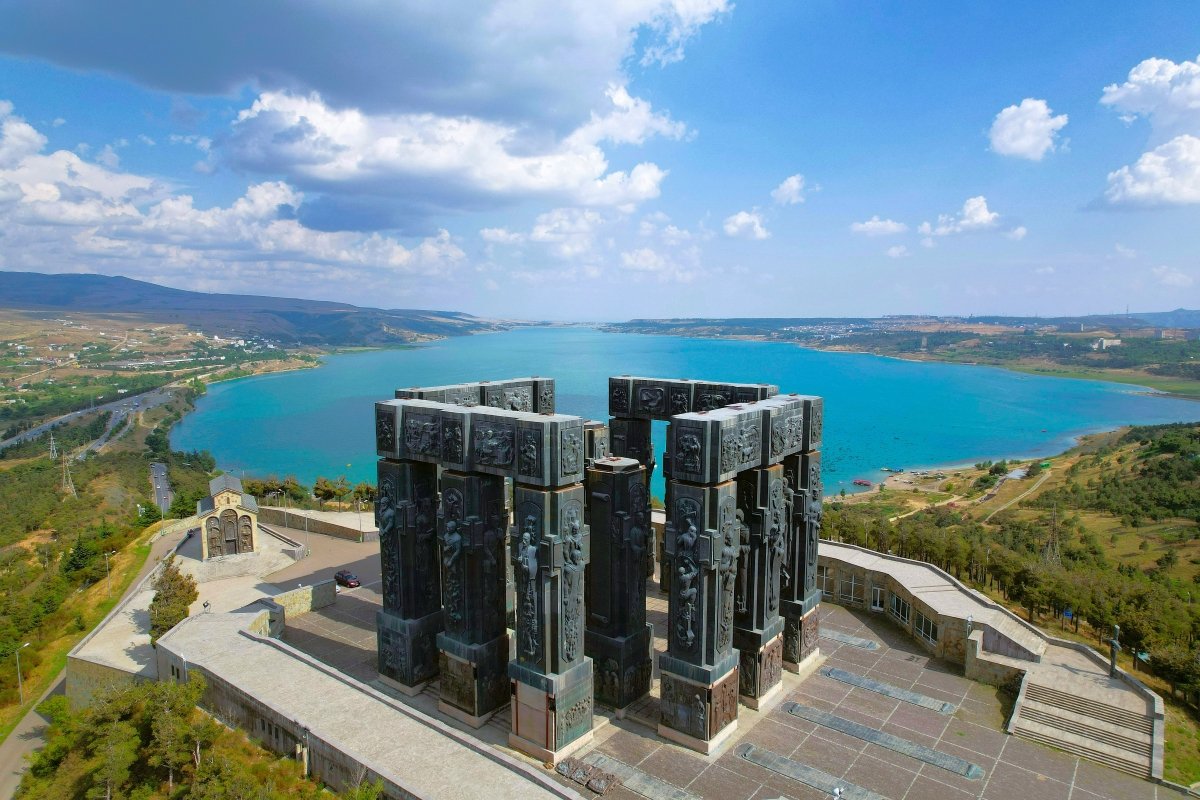
Tbilisi is having a moment, and it’s about time. This ancient city where Europe meets Asia has been quietly building one of the world’s most nomad-friendly ecosystems, and the secret’s finally getting out.
Why Tbilisi Works The country’s “Remotely from Georgia” program is pure genius – it’s designed specifically for digital nomads and freelancers. You can work legally for international clients while enjoying a cost of living that’ll make your Lisbon budget stretch like elastic. We’re talking $15 dinners that would cost $50 in Western Europe, and $500 apartments in trendy neighborhoods that would run $2,000+ in most major cities.
The internet infrastructure is surprisingly robust – Georgia invested heavily in fiber optics, and most cafés, coworking spaces, and apartments offer speeds that’ll handle your heaviest video calls without breaking a sweat. Plus, the time zone (GMT+4) is perfect for European clients and workable for US East Coast schedules.
The Reality Check Tbilisi isn’t without challenges. The language barrier is real (though English is increasingly common among younger locals), and some neighborhoods still lack the polished infrastructure Western nomads expect. Winter can be harsh, and if you’re vegetarian, you’ll need to get creative with the meat-heavy Georgian cuisine.
Nomad Community The expat community is tight-knit without being cliquey. Facebook groups like “Digital Nomads Tbilisi” are incredibly active, and monthly meetups happen regularly. The local startup scene is thriving, creating opportunities for networking and potential collaborations.
Da Nang, Vietnam: Bali’s Cooler Cousin
Average monthly cost: $600-900 Internet speed: 30-80 Mbps Visa: 45 days visa-free, with extension options
While Ho Chi Minh City gets most of the nomad attention in Vietnam, Da Nang is quietly building a reputation as the country’s most livable city for remote workers. It’s got the beaches without the party scene, the infrastructure without the chaos, and the community without the crowds.
The Da Nang Advantage This coastal city offers the rare combination of mountain and beach living. You can surf in the morning, work from a mountain café in the afternoon, and catch sunset on the beach – all within a 30-minute motorbike ride. The city is compact, clean, and increasingly international, with a growing number of Western restaurants and services that don’t sacrifice local character.
The cost of living is incredibly reasonable. A modern one-bedroom apartment near the beach runs $300-500 monthly, street food costs under $2, and even upscale restaurants rarely exceed $15 per person. Your biggest expense will probably be the motorbike rental ($50-80/month), which is practically mandatory for getting around.
Work-Life Balance Da Nang’s café culture is perfect for nomads. Places like The Garage and Lighthouse Coffee offer reliable WiFi, comfortable seating, and the kind of atmosphere where spending 4-6 hours with a laptop is completely normal. Many cafés stay open until 10-11 PM, perfect for accommodating clients in different time zones.
The Challenges Vietnam’s internet can be inconsistent, especially during typhoon season. Having a backup plan (mobile hotspot, multiple café options) is essential. The visa situation requires some planning – while 45 days visa-free is generous, extensions involve border runs or visa agency relationships.
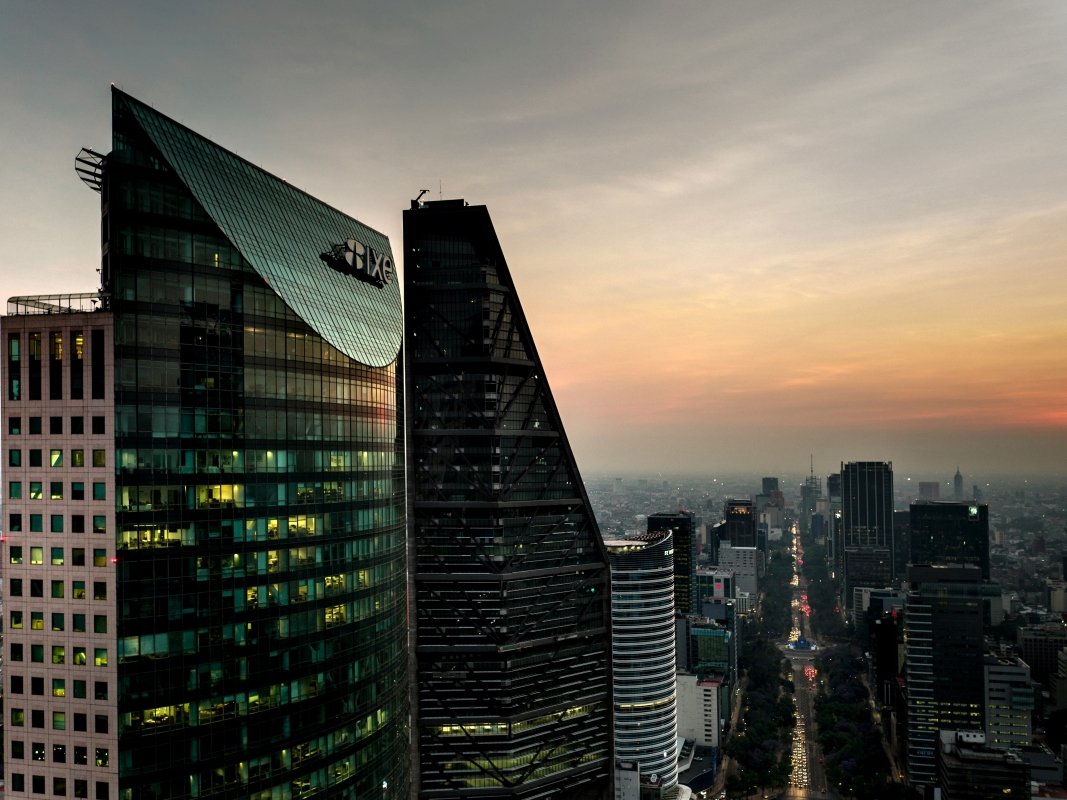
Mexico City: The Sophisticated Surprise
Average monthly cost: $800-1,400 Internet speed: 25-60 Mbps Visa: 180 days tourist visa
Mexico City deserves a spot on this list because it’s been flying under the radar despite offering everything nomads actually need. While Tulum and Playa del Carmen get the Instagram attention, CDMX (as locals call it) provides world-class culture, incredible food, and a cost of living that makes other major capitals look ridiculous.
Urban Nomad Paradise This is a real city with real infrastructure. The metro system actually works, Uber is reliable and cheap, and neighborhoods like Roma Norte and Condesa offer walkable streets lined with cafés, coworking spaces, and restaurants that rival any major international city.
The cultural scene is unmatched. World-class museums, incredible street art, live music every night of the week, and food that goes far beyond what you think you know about Mexican cuisine. This isn’t a destination where you’ll get bored after three months.
Practical Considerations The altitude (7,350 feet) takes some adjustment, and air quality can be challenging for sensitive individuals. The city is massive and can feel overwhelming initially. However, once you establish your routine and neighborhood, it becomes incredibly livable.
Networking Opportunities Mexico City has a thriving startup scene and an established expat community. Coworking spaces like WeWork and local options like Homework provide networking opportunities, and the city’s position as a Latin American business hub creates opportunities you won’t find in smaller nomad destinations.
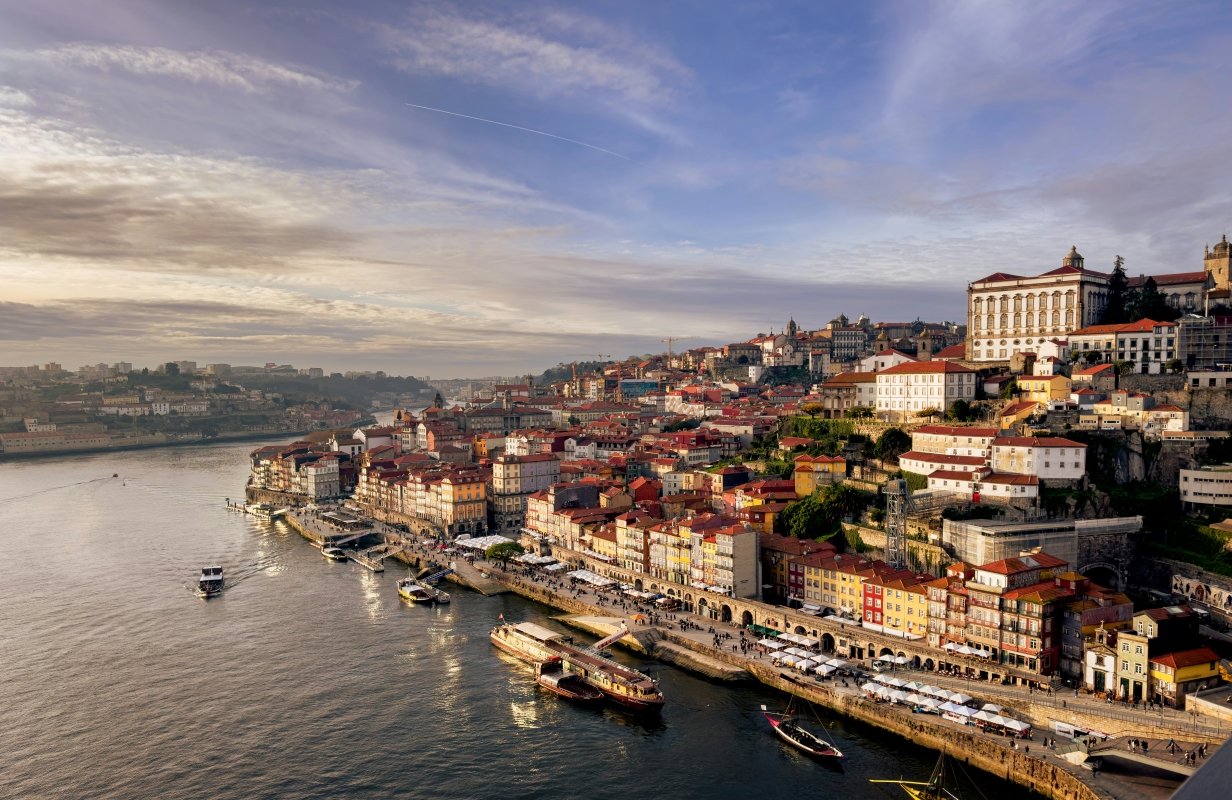
Porto, Portugal: Lisbon’s Laid-Back Sister
Average monthly cost: $900-1,500 Internet speed: 50-100 Mbps Visa: EU citizenship or various visa programs
Before you roll your eyes about another Portuguese city, hear me out. Porto offers everything people love about Lisbon – the culture, food, architecture, and nomad infrastructure – without the crowds and inflated prices that have made the capital increasingly challenging for remote workers.
Why Porto Makes Sense The city maintains authentic Portuguese character while offering modern amenities nomads require. Neighborhoods like Cedofeita and Miguel Bombarda are filled with independent cafés, affordable apartments, and a creative energy that feels genuine rather than manufactured for tourists.
The food scene rivals Lisbon’s best, but at prices that won’t demolish your budget. The historic center is UNESCO-listed but lived-in, creating an atmosphere where you’re experiencing real Portuguese life rather than a tourist simulation.
The Nomad Setup Porto’s coworking scene is developing rapidly. Spaces like Maus Hábitos and Matéria Prima offer solid internet, great coffee, and communities that balance work and social connection. The city’s compact size means your accommodation, favorite café, and weekend adventures are all within walking distance or a short tram ride.
Medellín, Colombia: The Transformation Story
Average monthly cost: $600-1,000 Internet speed: 30-70 Mbps Visa: 90 days tourist visa
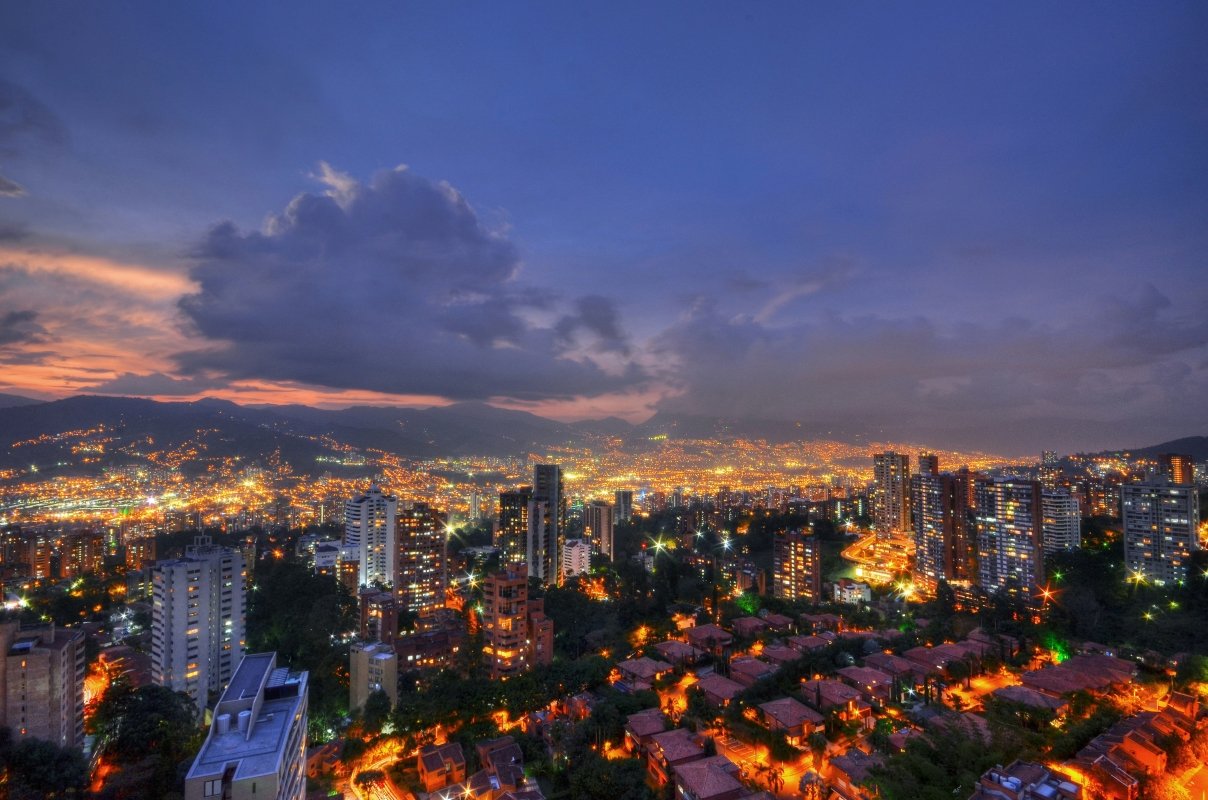
Medellín’s transformation from cartel capital to innovation hub is one of the most remarkable urban success stories of the past two decades. For nomads, it represents an opportunity to experience a city in the midst of positive change while enjoying exceptional value and year-round spring weather.
The Innovation City Medellín has invested heavily in technology and innovation. The metro system is world-class, fiber internet is widely available, and the city actively promotes itself as a digital nomad destination. The “Medellín Digital” initiative provides resources specifically for remote workers.
Neighborhoods like El Poblado and Laureles offer the infrastructure and safety nomads need, with plenty of cafés, restaurants, and coworking spaces. The cost of living is exceptional – nice apartments for $400-600, meals for under $5, and entertainment that costs a fraction of what you’d pay in North America or Europe.
Community and Culture The local paisa culture is incredibly welcoming, and there’s a growing international community that’s not overwhelming the local character. Spanish language skills will significantly enhance your experience, but English is increasingly common in nomad-friendly areas.
Making the Smart Choice: What to Consider
Internet Infrastructure Reality Check
Don’t just look at advertised speeds – research actual user experiences. Join Facebook groups, check nomad forums, and ask about backup options. The fastest advertised speeds mean nothing if the connection drops during important calls.
Time Zone Mathematics
Your ideal destination depends entirely on your client base. If you’re working with European clients, Tbilisi’s GMT+4 is perfect. For US clients, Mexico City’s CST provides overlap without requiring 3 AM calls.
Community vs. Isolation Balance
Some nomads thrive in established communities; others prefer being pioneers. Established destinations like Porto offer immediate social connections but potentially less authentic experiences. Emerging spots like Tbilisi provide authenticity but require more effort to build social networks.
Visa Strategy Planning
Don’t just consider the initial visa – think about your long-term strategy. Some destinations offer easy visa runs; others require more complex planning. Factor in the time and cost of visa management when calculating your total budget.
The Hidden Costs Nobody Talks About
Health Insurance Geography
Your health insurance coverage varies dramatically by location. Some policies exclude certain countries or regions entirely. Research this before booking flights, not after you need medical care.
Banking and Financial Access
ATM fees, currency exchange rates, and international banking restrictions can significantly impact your budget. Some destinations have limited international banking options, while others offer surprisingly nomad-friendly financial services.
Equipment and Setup Costs
Each destination has different requirements for comfort and productivity. Tropical locations might require different tech setups than mountain cities. Factor in the cost of adapters, backup equipment, and comfortable workspace setup.
2025 Predictions: Where the Nomad Wave is Headed
The Africa Opportunity
Countries like Rwanda, Ghana, and South Africa are investing heavily in digital infrastructure and nomad-friendly policies. Cape Town is already gaining traction, but smaller cities like Kigali are positioning themselves as the next big surprises.
Eastern Europe’s Continued Rise
Beyond Tbilisi, cities like Sarajevo, Belgrade, and Skopje are developing nomad infrastructure while maintaining incredibly affordable costs and authentic cultural experiences.
The Secondary City Trend
Nomads are increasingly choosing second-tier cities over capitals. These destinations offer better value, less competition for housing and workspace, and often more welcoming local communities.
Making Your Move: Practical Next Steps
Test Before You Commit
Consider a 2-4 week reconnaissance trip before committing to a full relocation. This allows you to test internet reliability, explore neighborhoods, and gauge your comfort level without the pressure of a long-term commitment.
Build Your Network Early
Join online communities for your target destinations months before arriving. Ask questions, offer help to others, and start building relationships that will make your transition smoother.
Document Everything
Keep detailed records of costs, experiences, and lessons learned. This information becomes invaluable for future destination decisions and helps other nomads make informed choices.
The digital nomad landscape is evolving rapidly, and 2025 presents incredible opportunities for remote workers willing to venture beyond the beaten path. These emerging destinations offer the infrastructure you need, the experiences you want, and the value that makes nomadic life sustainable long-term.
The question isn’t whether these destinations will become popular – it’s whether you’ll discover them before everyone else does. The nomads who moved to Lisbon in 2018 had an entirely different experience than those arriving in 2024. The same opportunity exists today in Tbilisi, Da Nang, and the other destinations on this list.
Your perfect nomad destination is out there, probably in a place you haven’t considered yet. The key is being willing to look beyond the Instagram posts and dig into what actually matters for your work, lifestyle, and budget. The nomad world is bigger than Bali and Lisbon – it’s time to explore it.