




















TL;DR: Best digital nomad cities in Europe 2026 , Europe is still the world’s best playground for remote workers — but the rules just changed. With biometric border tracking now live and digital nomad visas multiplying fast, 2026 is the year to go in with a plan. These are the cities actually worth your time, your Wi-Fi budget, and your wanderlust.
- The Cities That Made Our 2026 List
- 1. 🇵🇹 Lisbon, Portugal — The OG That Still Delivers
- 2. 🇪🇸 Valencia, Spain — The Smarter Barcelona
- 3. 🇬🇷 Athens, Greece — The Comeback Story of the Decade
- 4. 🇭🇺 Budapest, Hungary — Central Europe’s Crown Jewel
- 5. 🇷🇴 Timișoara, Romania — The Underrated Gem with Gigabit Wi-Fi
- 6. 🇭🇷 Split (or Dubrovnik), Croatia — Sun, Sea, and a Tax-Free Bonus
- 7. 🇪🇪 Tallinn, Estonia — For the Digitally Serious
- 8. 🇦🇱 Shkodër, Albania — The One Nobody’s Talking About Yet
- 9. 🇧🇬 Sofia, Bulgaria — Cheapest EU Capital, Serious Upside
- 10. 🇪🇸 Las Palmas de Gran Canaria, Spain — Winter Escape That Doesn’t Feel Like Escape
- 2026 Visa Reality Check — Read This Before You Book
- Quick Comparison Snapshot
- Recap
- Planning Resources
There’s a version of the digital nomad dream that lives entirely on Instagram: a sun-drenched terrace, an iced coffee, a MacBook, and the sea. And honestly? That version still exists. But the smarter conversation — the one happening in Slack threads, nomad Discord servers, and over €2 beers in Bucharest — is about which cities actually hold up after month two, when the novelty fades, the routine kicks in, and real life starts.
We’ve done the research. We’ve talked to the community. And we’re skipping the tired lists that put Paris in the top five (beautiful city, genuinely unlivable budget for most nomads) and instead giving you the cities where people are actually staying — and loving it.
Oh, and one more thing before we dive in: the game changed on April 10, 2026. The EU’s new Entry/Exit System (EES) went fully live, replacing passport stamps with biometric data collection across all 29 Schengen countries. Overstays are now automatically detected. The grey-area era is over. Scroll to the bottom for our quick visa + legal breakdown — but first, the cities.
The Cities That Made Our 2026 List
1. 🇵🇹 Lisbon, Portugal — The OG That Still Delivers
Yes, everyone knows about Lisbon. And yes, it’s still worth talking about — because it still earns it.
Lisbon has matured from digital nomad hotspot into a full ecosystem for remote workers. Co-working spaces like Second Home and Impact Hub buzz with energy and genuine community. Portugal’s nomad visa program continues to expand, making long-term legal stays more accessible than ever. Internet is fast, English is widely spoken, the food is brilliant, and the Atlantic Ocean is 20 minutes away.
Is it as cheap as it was five years ago? No. Is it still excellent value for a Western European capital with year-round sunshine and a 35-minute train to the beach? Absolutely.
Best for: Remote workers who want a complete package — lifestyle, infrastructure, and a path to long-term residency. Monthly budget: ~€1,800–2,500 Nomad visa: ✅ Available (Portuguese Digital Nomad Visa)
2. 🇪🇸 Valencia, Spain — The Smarter Barcelona
Madrid gets the press. Barcelona gets the tourists. Valencia gets the nomads who actually did their homework.
Rents remain meaningfully lower than Spain’s two headline cities, while the lifestyle more than matches them — world-class food (this is where paella was invented), 300 days of sunshine, a 9km cycling route through the old Turia riverbed, and a genuinely warm welcome for remote workers. Spain’s Digital Nomad Visa, which allows up to five years of legal residence, applies here just as it does in Barcelona — but without the premium rent tag.
Valencia also has a growing startup scene and a coworking culture that’s expanded significantly in recent years. It’s one of those cities where you come for a month and start googling apartment leases by week two.
Best for: People who want Spanish life without Spanish big-city prices. Monthly budget: ~€1,500–2,200 Nomad visa: ✅ Spain Digital Nomad Visa (income requirement: €2,850/month; Beckham Law tax benefits apply)
3. 🇬🇷 Athens, Greece — The Comeback Story of the Decade
Athens is writing one of the best second-act stories in European travel right now — and it’s doing it quietly.
The tech infrastructure has transformed. Modern co-working hubs have opened across neighborhoods like Psyrri and Gazi. The government introduced a 50% income tax reduction for remote workers who become Greek tax residents and commit to a two-year stay. Cost of living remains genuinely affordable by Western European standards, internet speeds are solid, and you have year-round sun plus easy access to some of the most jaw-dropping islands on the planet.
Note for 2026: Greece updated its Digital Nomad rules in February — you now need to apply at a Greek consulate in your home country first, rather than converting in-country on a tourist visa. Plan ahead.
Best for: History lovers, Mediterranean obsessives, and anyone who wants tax incentives with a side of ancient ruins. Monthly budget: ~€1,400–2,000 Nomad visa: ✅ Greek Digital Nomad Visa (apply in home country first as of Feb 2026)
4. 🇭🇺 Budapest, Hungary — Central Europe’s Crown Jewel
If you’ve never lived in Budapest, it’s hard to overstate how much it has going for it. Grand architecture. Thermal baths. A café culture that feels like Vienna but costs a fraction. Ruin bars. Excellent public transport. One of the most photogenic waterfronts in all of Europe.
And then there’s the practical stuff: cost of living is low, the digital nomad community is large and welcoming, co-working spaces are everywhere, and Hungary’s “White Card” digital nomad visa (income requirement approximately €3,000/month) remains one of the most accessible in Central Europe.
Winter is real and grey, and we won’t pretend otherwise. But if you’re there for spring or autumn — or you’re someone who actually thrives in a dramatic four-season city — Budapest will absolutely ruin other places for you.
Best for: Architecture nerds, café workers, people who want a big European capital without a big European capital price tag. Monthly budget: ~€1,200–1,800 Nomad visa: ✅ Hungarian White Card
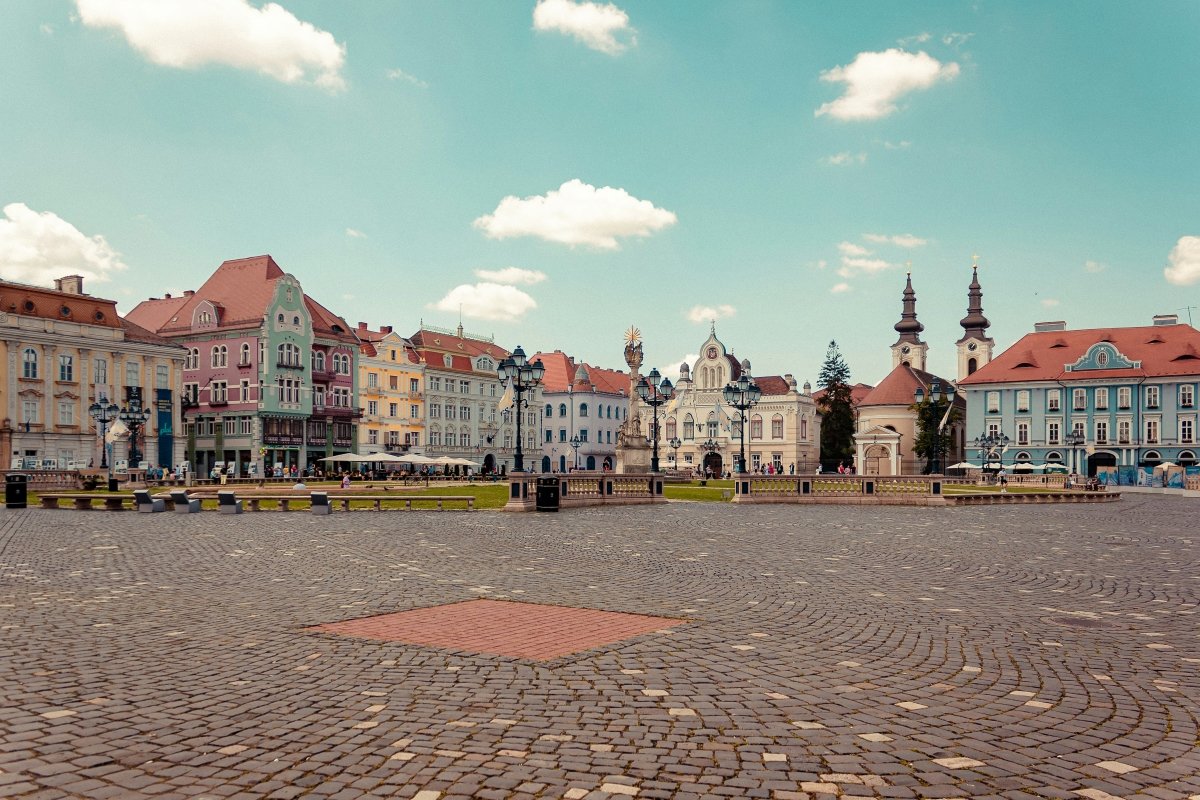
5. 🇷🇴 Timișoara, Romania — The Underrated Gem with Gigabit Wi-Fi
Romania has some of the fastest internet speeds in Europe — consistently ranking in the global top 10 — and Timișoara might just be the country’s most livable city for remote workers right now.
It has a beautiful, walkable historic center, a lively café and coworking scene, a growing international community, and a cost of living that makes even Budapest look pricey. It’s not as flashy as Bucharest, but that’s kind of the point. It’s the city you live in, not the city you photograph.
Timișoara was European Capital of Culture in 2023, which accelerated investment in arts, infrastructure, and public spaces that nomads directly benefit from.
Best for: Budget-conscious nomads who prioritize fast internet and quality of life over hype. Monthly budget: ~€900–1,400 Nomad visa: ✅ Romania is now fully Schengen (joined 2025) — EU citizens work freely; non-EU should check current visa options.
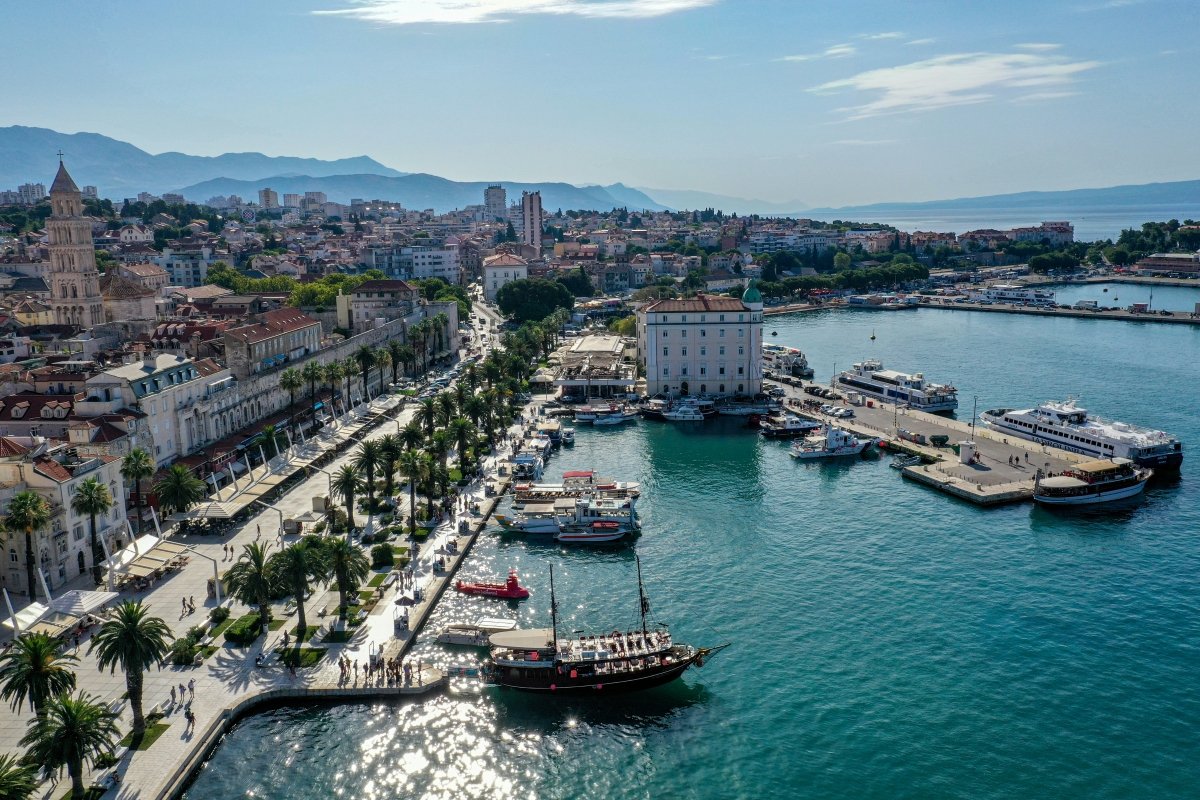
6. 🇭🇷 Split (or Dubrovnik), Croatia — Sun, Sea, and a Tax-Free Bonus
Croatia’s digital nomad program has a perk that almost no other European country offers: full local income tax exemption for digital nomads. That’s not a typo. You live there, you work there, you pay no Croatian income tax on your foreign-earned income.
Split is the pick for everyday livability — beach access, a gorgeous old town (a literal Roman emperor’s retirement palace, not kidding), excellent food, and a growing coworking scene. Dubrovnik is more dramatic and more expensive, but offers that jaw-dropping Adriatic coastline for those who want to write emails with the walls of a medieval city in the background.
Croatia is EU but not fully Schengen, which means your time there doesn’t count toward the 90-day Schengen clock — a genuinely useful planning tool in 2026.
Best for: Nomads who want Mediterranean lifestyle, tax perks, and Schengen flexibility. Monthly budget: ~€1,600–2,400 (Split); higher in Dubrovnik Nomad visa: ✅ Croatian Digital Nomad Permit (income req: €2,540/month — lowest in the EU; apply online, ~20 day processing)
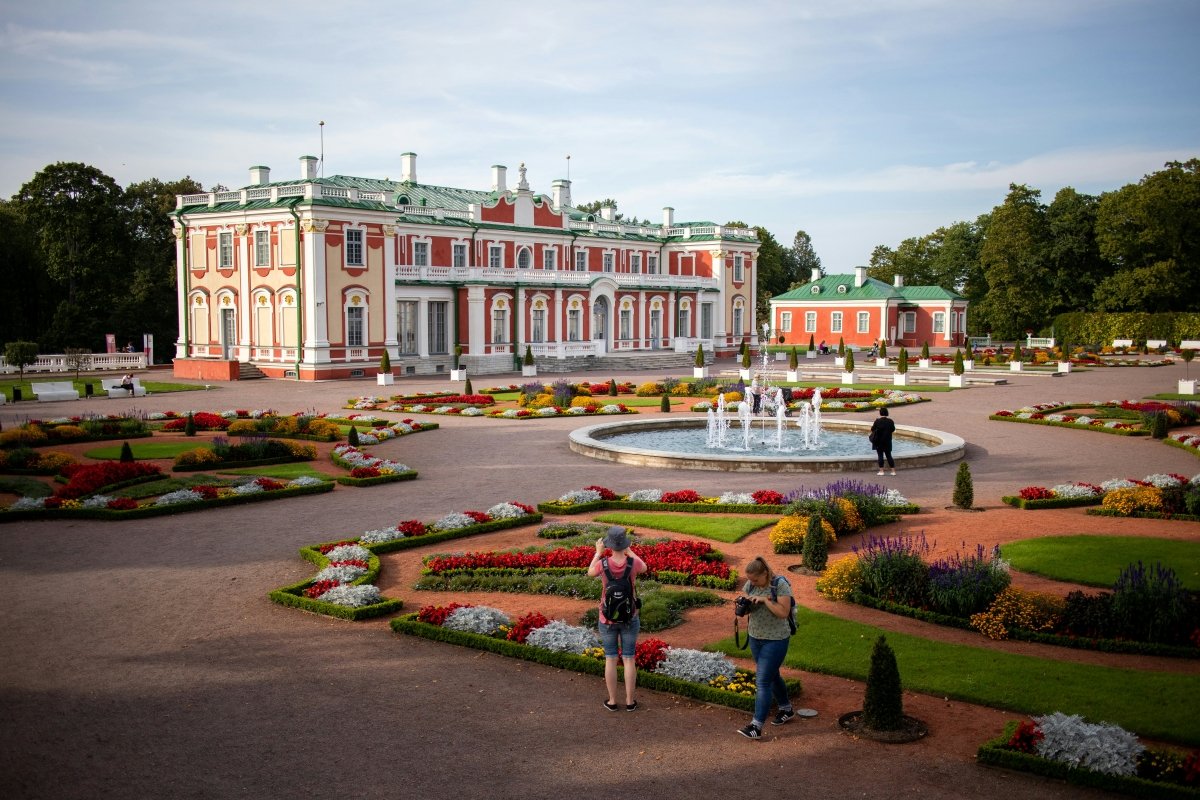
7. 🇪🇪 Tallinn, Estonia — For the Digitally Serious
If you want to live somewhere that takes the internet as seriously as you do, Estonia is your answer. Tallinn combines a fairytale medieval old town with genuinely world-class digital infrastructure — the country basically invented e-governance, and it shows.
Estonia’s e-Residency program and Digital Nomad Visa (up to one year) make it straightforward to base yourself legally. The expat community is highly international and English-speaking. It’s affordable by Nordic standards (though not by Balkan ones), safe, walkable, and has a surprisingly energetic arts and food scene.
Cold? Yes. Dark in winter? Yes. Absolutely magical in summer with 18 hours of daylight and a terrace culture that makes the most of every ray? Also yes.
Best for: Tech workers, developers, and anyone who wants cutting-edge digital infrastructure in a medieval setting. Monthly budget: ~€1,200–1,800 Nomad visa: ✅ Estonian Digital Nomad Visa (1 year)
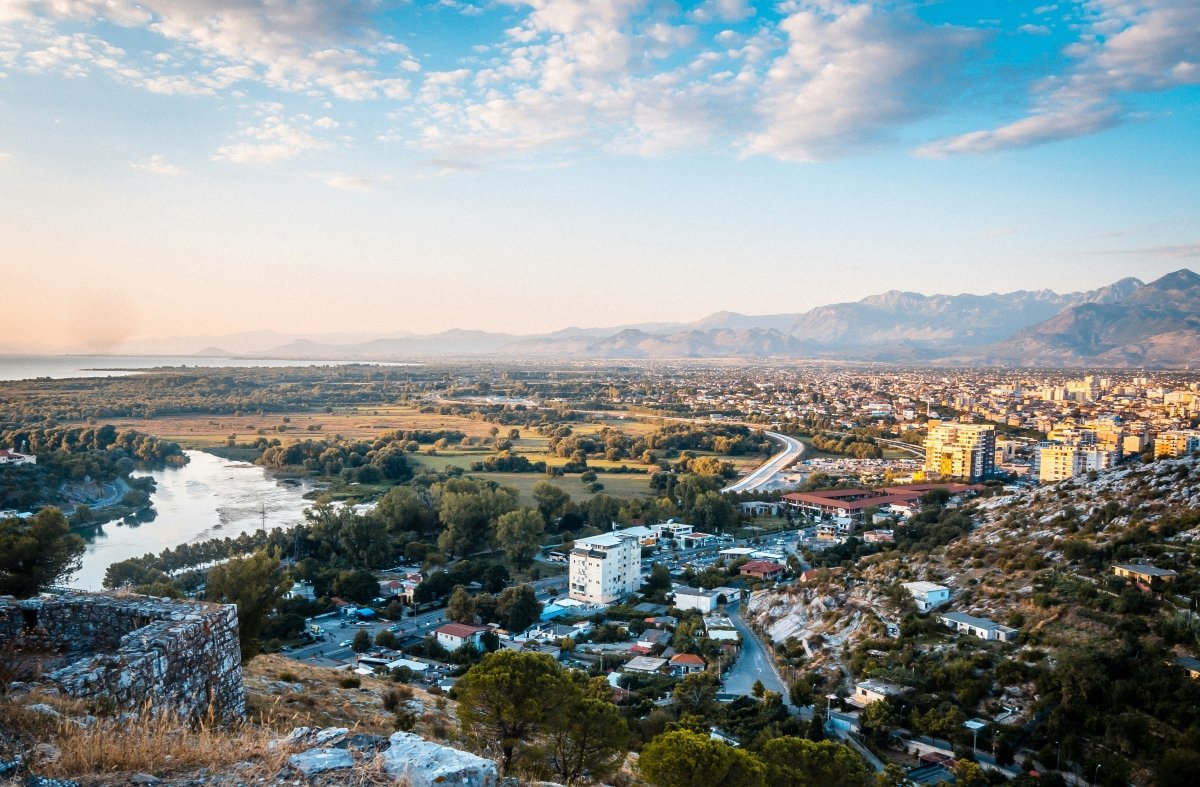
8. 🇦🇱 Shkodër, Albania — The One Nobody’s Talking About Yet
Everyone’s buzzing about Tirana. We’d like to quietly recommend its northern neighbour, Shkodër.
With a population of around 95,000, it’s big enough to feel genuinely lively while still having that small-city ease. A restored Old Town, cobblestone lanes, cozy coffee shops, a medieval hilltop fortress, and a lakeside promenade — it checks every aesthetic box without any of the tourist-fatigue of more famous destinations.
Albania offers remarkable value (budget under $1,300/month is entirely realistic), U.S. citizens can stay visa-free for a full year, and Tirana itself has grown into a 5G-enabled smart city in central areas. Shkodër is where you go when you want those benefits with extra soul and a slower pace.
Best for: Adventurous nomads who want to get somewhere before everyone else does. Monthly budget: ~€700–1,100 Nomad visa: ✅ Albanian Unique Permit (1 year, renewable); U.S. citizens: 1 year visa-free
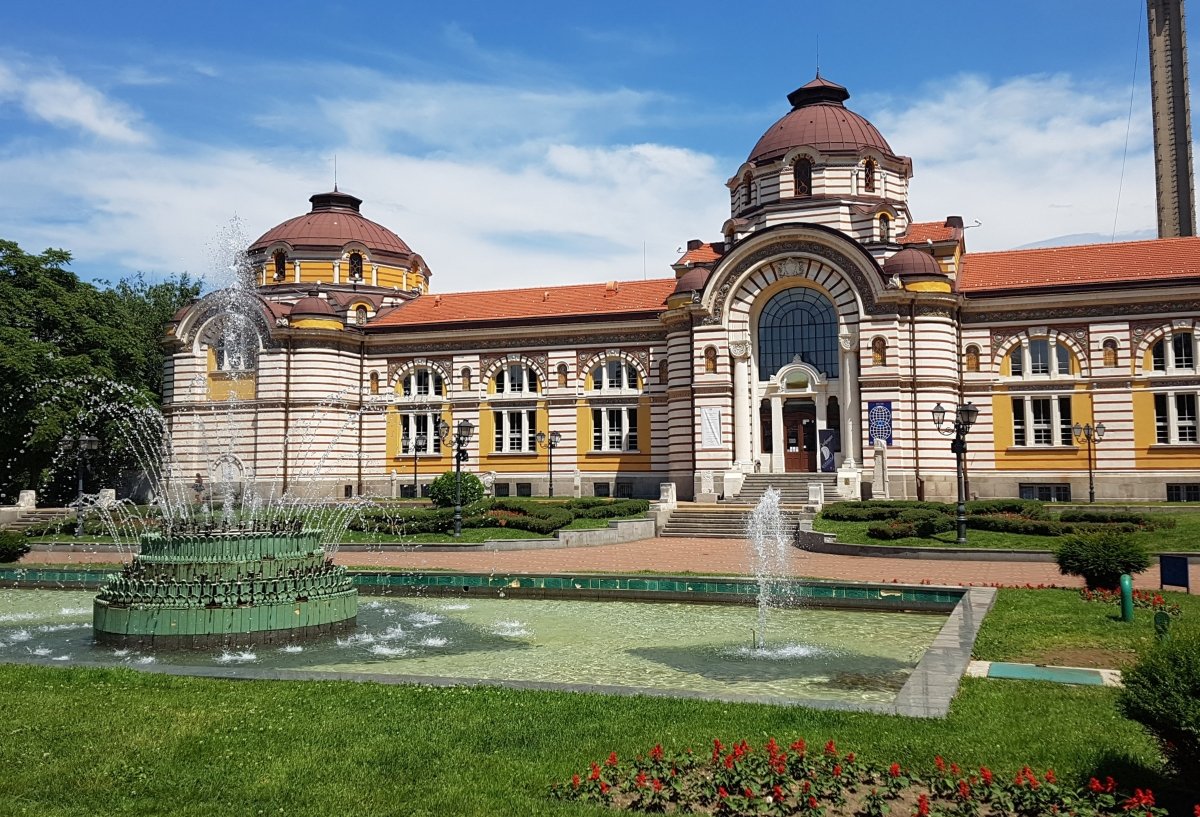
9. 🇧🇬 Sofia, Bulgaria — Cheapest EU Capital, Serious Upside
Bulgaria joined the Schengen Area in 2025 — which means your days there now count toward the 90-day clock if you’re on a tourist visa. But the flip side? Bulgaria has just launched a brand-new digital nomad permit for 2026, which is already gaining a reputation for its straightforward application process.
Sofia punches well above its weight: fiber internet in the global top 10, a thriving co-working and freelancer community, excellent café culture, genuinely cheap rents, and a cost of living that remains the lowest in the EU. The social scene is warmer than the city’s often-gritty image suggests, and the mountains are 30 minutes away for weekend escapes.
Best for: Budget nomads who want full EU infrastructure at Eastern European prices. Monthly budget: ~€900–1,400 Nomad visa: ✅ Bulgaria’s new 2026 Digital Nomad Permit (income req: approx. €2,580/month)
10. 🇪🇸 Las Palmas de Gran Canaria, Spain — Winter Escape That Doesn’t Feel Like Escape
Gran Canaria is Spain’s open secret. While the rest of Europe is braving November darkness, Las Palmas offers 23°C weather, a year-round nomad community, consistently reliable fast internet, and co-working spaces with genuine community character.
November through March is the sweet spot — the island fills with location-independent workers escaping northern winters, and the social infrastructure (meetups, events, group dinners) reflects it. It’s effortless to meet people here without any forced networking energy.
And because it’s Spain, your Spanish Digital Nomad Visa works here too.
Best for: Anyone who needs sunshine to function and wants to escape European winter without leaving Europe. Monthly budget: ~€1,400–2,000 Nomad visa: ✅ Spain Digital Nomad Visa
2026 Visa Reality Check — Read This Before You Book
The rules changed. Here’s what you actually need to know:
EES is live. As of April 10, 2026, the EU’s Entry/Exit System records biometric data (fingerprints + photo) at all 29 Schengen borders for non-EU nationals. Overstays are now automatically detected and flagged. There’s no more “grey area,” no more relying on missing stamps, no more guessing. If you go over your 90 days, the system knows.
The 90/180 rule still applies to non-EU citizens traveling on tourist status across Schengen — and it’s cumulative across all Schengen countries, not per country. Croatia (not yet fully Schengen) and the UK (not Schengen at all) don’t count toward your days, which is useful for planning.
A digital nomad visa changes the math. If you have a residence permit from Spain, Portugal, Greece, or another Schengen country, your days in that specific country don’t count toward the 90-day limit. Your time in other Schengen countries still does. Think of it as two separate clocks running simultaneously.
ETIAS is coming — the EU’s new travel authorization system (similar to the US ESTA) is expected to launch in late 2026. It’s not yet operational, but watch for updates.
Don’t fall for scam sites claiming to issue ETIAS already. They don’t. It’s not live yet.
Quick Comparison Snapshot
| City | Monthly Budget | Nomad Visa | Best Season | Internet |
|---|---|---|---|---|
| Lisbon 🇵🇹 | €1,800–2,500 | ✅ Yes | Year-round | Fast |
| Valencia 🇪🇸 | €1,500–2,200 | ✅ Yes | Year-round | Fast |
| Athens 🇬🇷 | €1,400–2,000 | ✅ Yes | Sep–Jun | Good |
| Budapest 🇭🇺 | €1,200–1,800 | ✅ Yes | Apr–Oct | Fast |
| Timișoara 🇷🇴 | €900–1,400 | ✅ EU citizens | Year-round | Very Fast |
| Split 🇭🇷 | €1,600–2,400 | ✅ Yes | Apr–Oct | Good |
| Tallinn 🇪🇪 | €1,200–1,800 | ✅ Yes | May–Sep | Excellent |
| Shkodër 🇦🇱 | €700–1,100 | ✅ Yes | Apr–Oct | Improving |
| Sofia 🇧🇬 | €900–1,400 | ✅ New 2026 | Year-round | Excellent |
| Las Palmas 🇪🇸 | €1,400–2,000 | ✅ Yes | Nov–Mar | Fast |
Recap
Europe in 2026 is a better place to be a digital nomad than ever — more visas, better infrastructure, more community — but it also demands more planning than ever. The biometric border system means the “wing it” approach is genuinely risky now.
The good news: with a proper visa (and a good Schengen day-counter app), the continent is your office. Split your year between a Spanish base and Tallinn summers. Anchor in Athens for the tax break. Try Shkodër before the rest of the world catches on.
The cities on this list have all been chosen because they work past week one — for your productivity, your wallet, your social life, and your sanity. They’re not just pretty backdrops. They’re places where people are building real routines and loving them.
Go find yours.
Planning Resources
- Schengen day calculator: Schengen Visa Calculator — track your 90/180 days carefully
- Nomad List: Real-time data on costs, internet speeds, and community ratings
- RemotifyEurope: Deep-dives on EU digital nomad visas (updated 2026)
- SafetyWing: Widely used nomad insurance that meets proof-of-insurance requirements for Spanish and Portuguese visas
Written for TheWanders.eu — your editorial companion for the modern, location-independent traveler.
Disclaimer: This article is for informational purposes only and does not constitute legal, tax, or immigration advice. Visa rules, income requirements, and border regulations change frequently. Always consult official government sources or a qualified immigration professional before making decisions about long-term stays abroad. Budget estimates are approximate and based on community-reported data as of early 2026 — individual costs will vary. The EES system information is accurate as of April 10, 2026; travelers should check for updates via the European Commission’s official channels before travel.
© TheWanders.eu — Please do not reproduce without permission.