
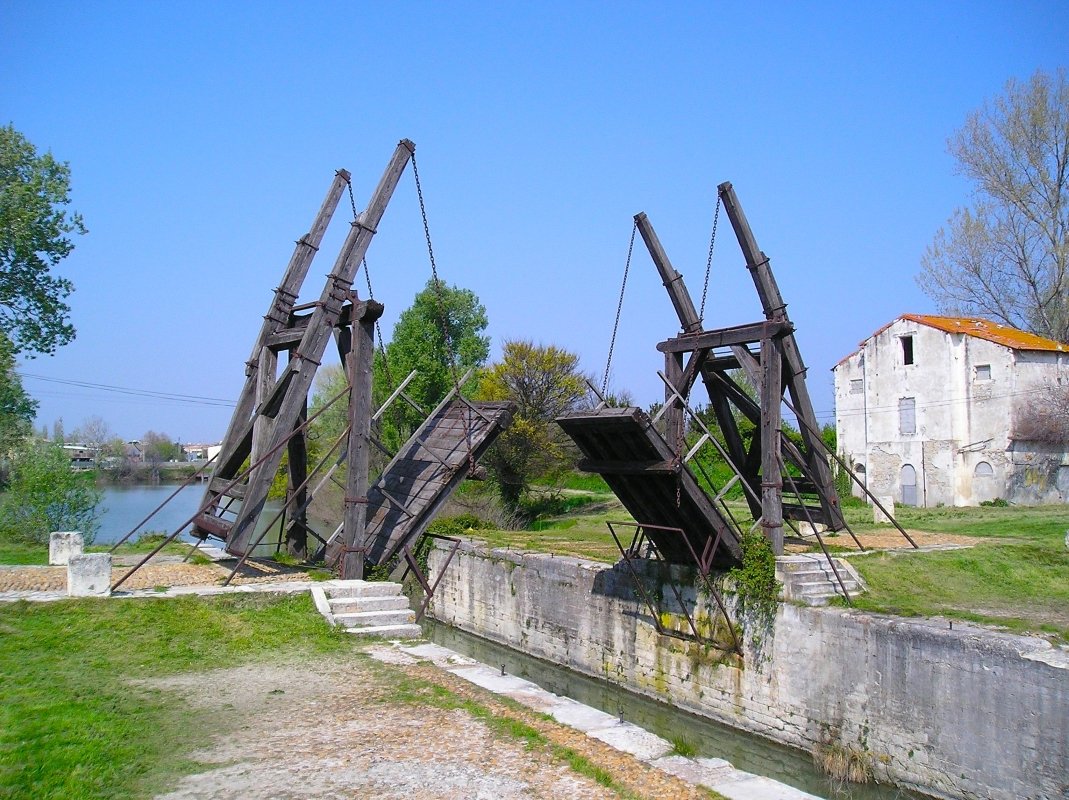


The Van Gogh Bridge (Pont de Langlois) in Arles is where Vincent van Gogh created some of his most famous works in 1888. While the current bridge isn’t the original, it’s a faithful reconstruction that captures the same magical atmosphere that inspired the master painter. Free to visit, 3km from Arles center, with parking available.
Ever wondered what it feels like to stand where artistic genius was born? Welcome to the Van Gogh Bridge at Arles – a place where art history literally comes alive under the brilliant Provençal sun.
What Makes This Bridge So Special?
Picture this: you’re standing on the same spot where Vincent van Gogh set up his easel in 1888, capturing the essence of rural French life with bold strokes and vibrant colors. The Pont de Langlois gained international fame through the artwork of Vincent van Gogh, who painted it multiple times during his stay in Arles in 1888. Van Gogh was 35 when he made the Langlois Bridge paintings and drawings, living in Arles at the height of his career, producing some of his best work.
Van Gogh created four oil paintings, one watercolor and four drawings of this bridge, representing a melding of formal and creative aspects. His most famous works include “The Langlois Bridge at Arles with Women Washing” and “View of the Langlois Bridge with a Cart.”
Why Van Gogh Fell in Love with This Spot:
- The drawbridge reminded him of his Dutch homeland
- The combination of southern light, a Dutch-looking landscape and the oddly shaped bridge, which he thought looked Japanese
- Perfect blend of rural charm and functional engineering
- Washerwomen working by the canal created dynamic scenes
The Real Story Behind Today’s Bridge
Here’s something that might surprise you: the bridge that can be seen a few kilometers south of the city center, on the canal from Arles to Bouc, is not the one painted by the artist. Nor is it in its original location.
The Bridge’s Journey Through Time:
- Original Bridge (1800s): Built as part of the Arles-Bouc Canal system
- 1930: Original drawbridge was replaced by a reinforced concrete structure
- 1944: Blown up by the retreating Germans during WWII
- 1962: A surviving bridge from Fos-sur-Mer was dismantled and reinstalled near Arles to echo the scene in Van Gogh’s paintings
However, the desire to evoke the painter, as well as to restore an ancient technique, has enabled us to replace the structure in its functional integrity, and in a landscape setting close to that seen by Van Gogh.
How to Get There (The Easy Way)
From Arles City Center: The bridge is easily accessible by car, bike, or foot. It is located approximately 3 km from the city center of Arles.
By Car:
- Coming from Avignon: Take the Arles Center exit, turn left three times towards Barriol, then follow signs to Van Gogh Bridge
- At the first large roundabout leading to the city, turn into the Chemin de Maillanen and after about 200 meters, you can park next to the bridge
- GPS Coordinates: 43.657280, 4.620846
By Public Transport: Take bus number 6 from Arles train station to Barriol, get off at the Pont Van Gogh stop
By Bike or Walking: Perfect for a leisurely afternoon exploring the countryside around Arles. The route takes you through charming rural landscapes that haven’t changed much since Van Gogh’s time.
What You’ll Experience
At the Bridge:
- A plinth with a reproduction of Van Gogh’s painting for comparison
- Educational signage detailing the history of the bridge, its connection to Van Gogh, and its role in the region’s past
- Perfect photo opportunities from multiple angles
- Peaceful canal-side atmosphere
Activities Around the Area:
- Photography and painting – a favorite spot for photographers and artists seeking to capture the beauty of the bridge and its surroundings
- Walking and cycling trails along scenic routes around the Arles-Bouc Canal
- Picnicking in the surrounding meadows
- Sketching or painting your own interpretation
Practical Information
Opening Hours: The Pont Van-Gogh is accessible to the public year-round
Admission: While there is no entrance fee to view the bridge, it’s completely free to visit
Best Time to Visit:
- Spring and Autumn: Ideal times offering mild weather and fewer tourists
- Golden Hour: Early morning or late afternoon for the best light (just like Van Gogh preferred!)
- Weekdays: Less crowded, perfect for contemplative moments
Facilities:
- Parking, restrooms, and cafes are available nearby
- The site is accessible to visitors with mobility issues, though some uneven terrain may be present
Make It Part of Your Van Gogh Trail
Don’t stop at just the bridge! Arles is packed with Van Gogh sites:
Must-Visit Van Gogh Locations:
- Café Terrace at Night location: Place du Forum (the famous yellow café)
- Espace Van Gogh: The former hospital where Van Gogh was treated, with gardens recreated to match his painting
- Starry Night Over the Rhône viewpoint: Along the Rhône riverbank
- Van Gogh Foundation: Contemporary art in dialogue with Van Gogh’s influence
Beyond Van Gogh: While visiting the Pont Van-Gogh, consider exploring other historical sites in Arles: Arles Amphitheatre (a Roman amphitheatre dating back to the 1st century BC), Saint-Trophime Church (known for its Romanesque architecture), and Alyscamps (an ancient Roman necropolis that inspired several of van Gogh’s paintings)
Photography Tips for Your Perfect Shot
Best Angles:
- Stand where Van Gogh set up his easel (look for the reproduction plaque)
- Capture the bridge’s reflection in the canal water
- Wide shots showing the surrounding countryside
- Detail shots of the bridge’s wooden mechanism
Golden Hour Magic: Van Gogh was obsessed with light – and you’ll understand why when you see how the Provençal sun transforms this simple bridge into something magical.
Insider Tips for Art Lovers
Bring Van Gogh’s Letters: On 16 March 1888, he first wrote to his brother Theo about painting the bridge: “…I brought home a no.15 canvas today, it’s a drawbridge, with a little carriage going across it, outlined against a blue sky — the river blue as well, the banks orange with greenery, a group of washerwomen wearing blouses and multicoloured bonnets.”
Connect with the Artist’s Vision: Van Gogh used a perspective frame that he built and used in The Hague to create precise lines and angles when portraying perspective. He was influenced by Japanese woodcut prints, as evidenced by his simplified use of color to create a harmonious and unified image.
Planning Your Visit
How Long to Spend: 1-2 hours for a leisurely visit, longer if you’re sketching or painting
What to Bring:
- Comfortable walking shoes
- Camera or sketching materials
- Water and snacks
- Sunhat and sunscreen (that Provençal sun is intense!)
Combine With: Perfect day trip combined with exploring Arles’ Roman sites, the Van Gogh Trail, or a cycling tour through the Camargue countryside.
Why This Place Matters
Through his paintings, Van Gogh captured the tranquility of the bridge, the movement of life along the canal, and the vivid colors of the Provençal landscape. Today, the Van Gogh Bridge offers visitors an opportunity to experience the same serene atmosphere that inspired Van Gogh.
Standing here isn’t just about seeing where a famous painting was created – it’s about connecting with the timeless beauty that continues to inspire artists, writers, and dreamers from around the world.
The bridge has 4.7 stars from 27 reviews, with visitors consistently praising the peaceful atmosphere and the powerful connection to Van Gogh’s artistic legacy.
Whether you’re an art enthusiast, history buff, or simply someone who appreciates beautiful places, the Van Gogh Bridge at Arles offers a unique opportunity to step into a masterpiece and experience the magic that continues to captivate visitors more than 130 years after Van Gogh first set up his easel here.
Ready to walk in Van Gogh’s footsteps? The bridge is waiting for you, just as it waited for him – timeless, peaceful, and endlessly inspiring.



 offers visitors an opportunity to experience the same serene atmosphere that inspired Van Gogh.)