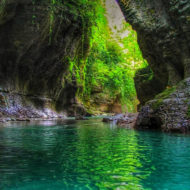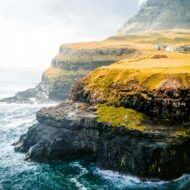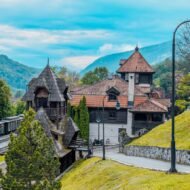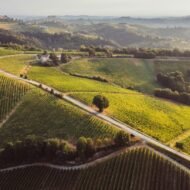


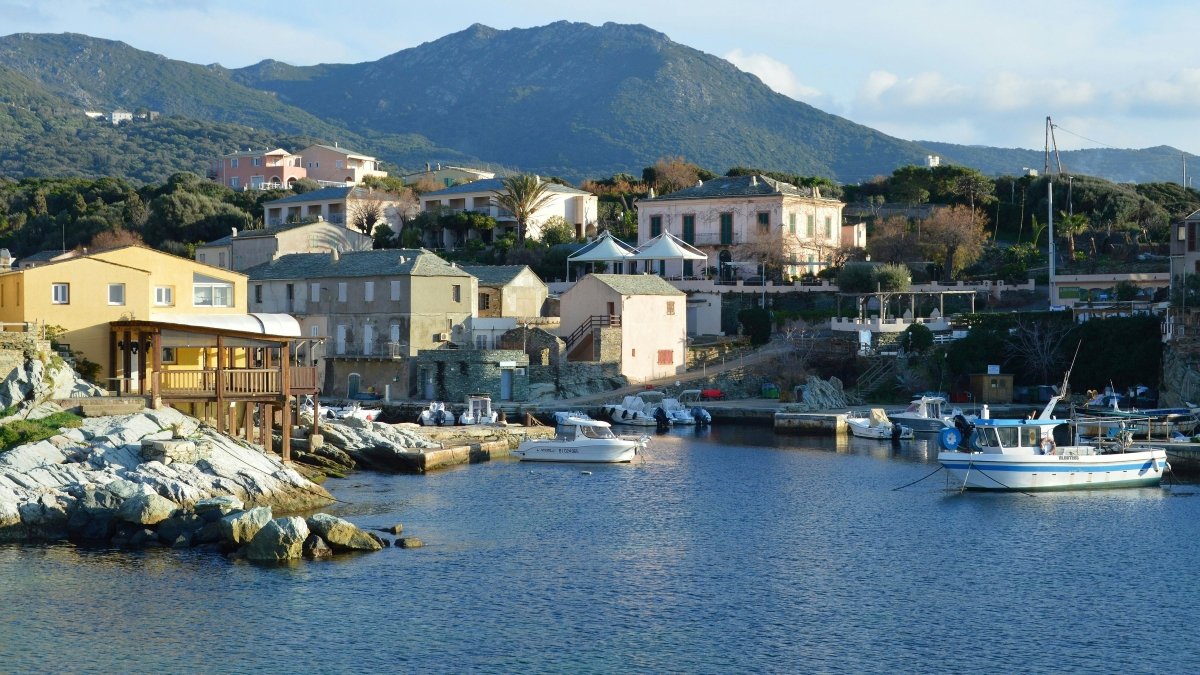
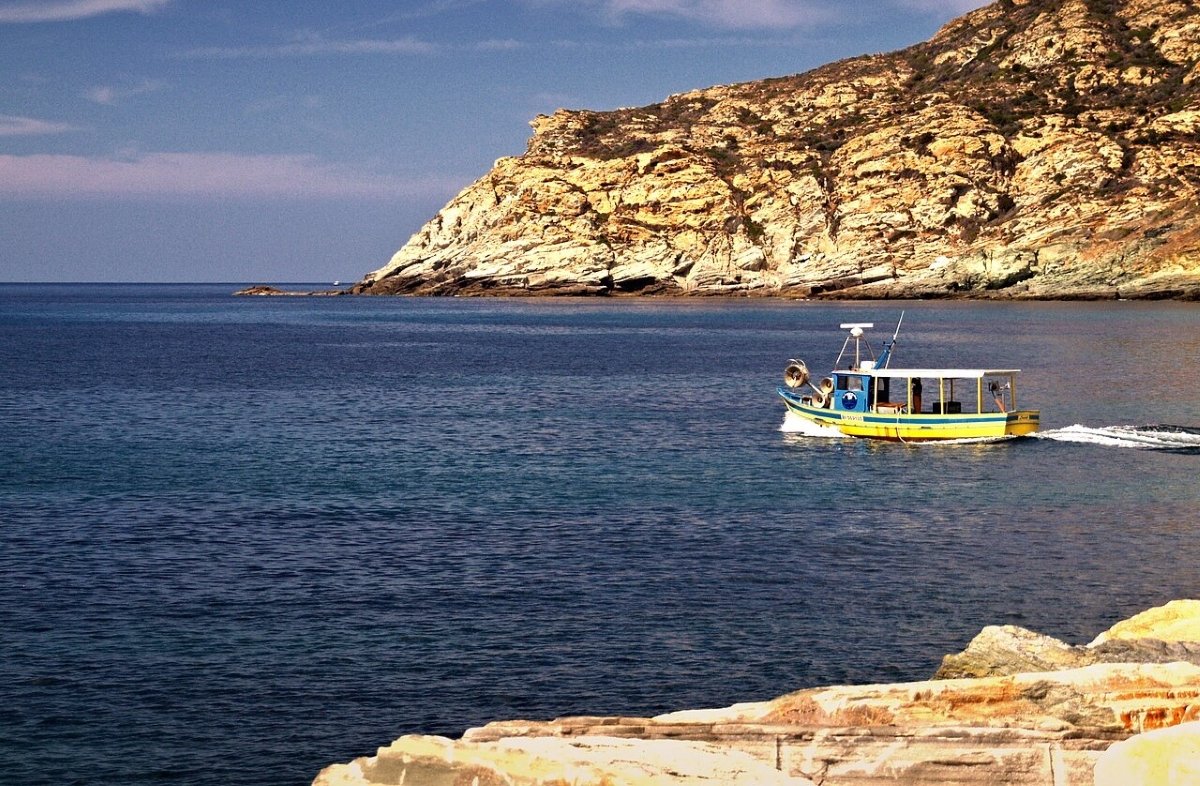
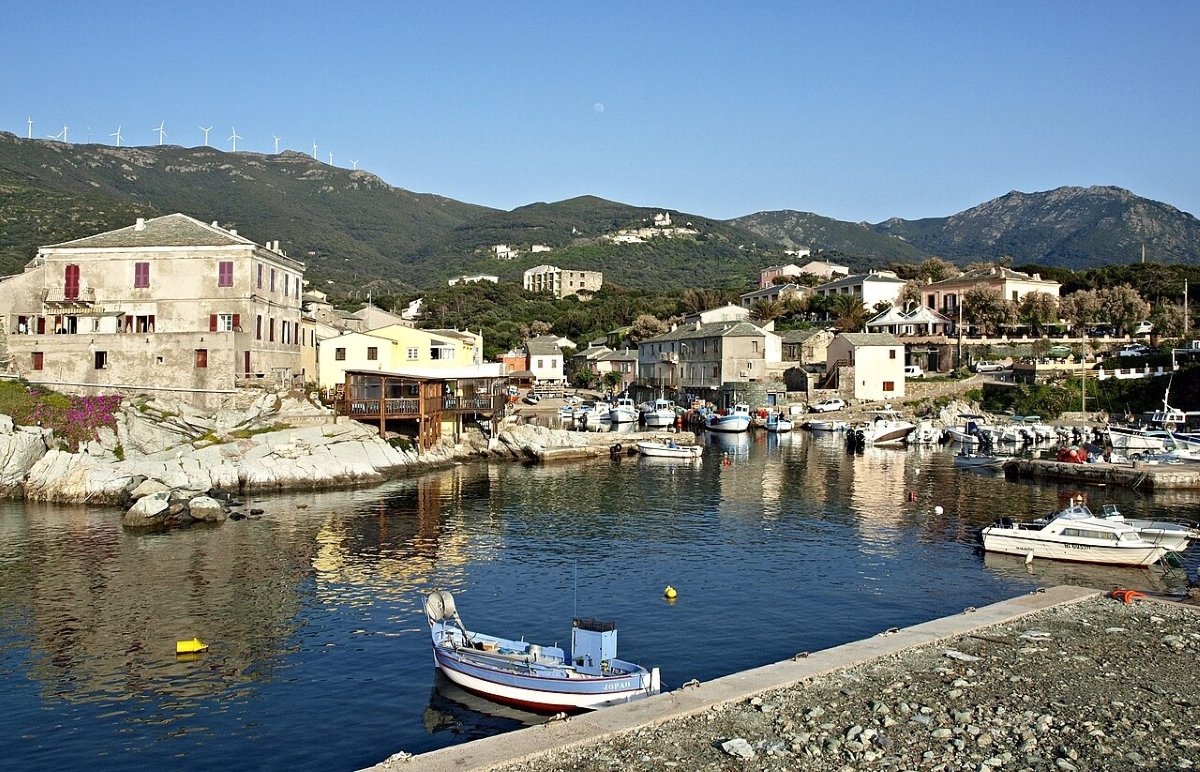
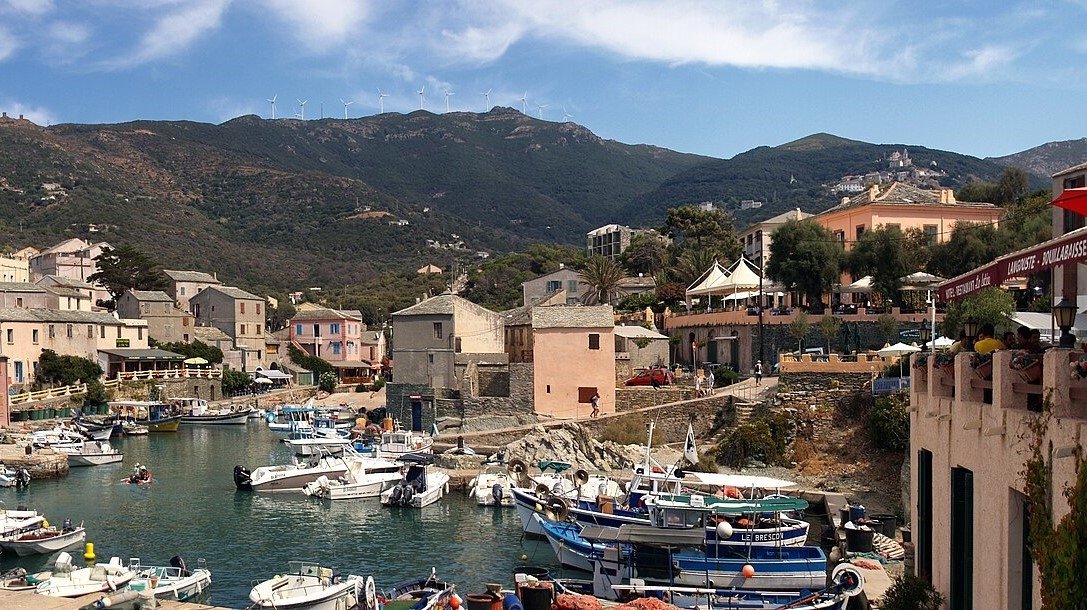
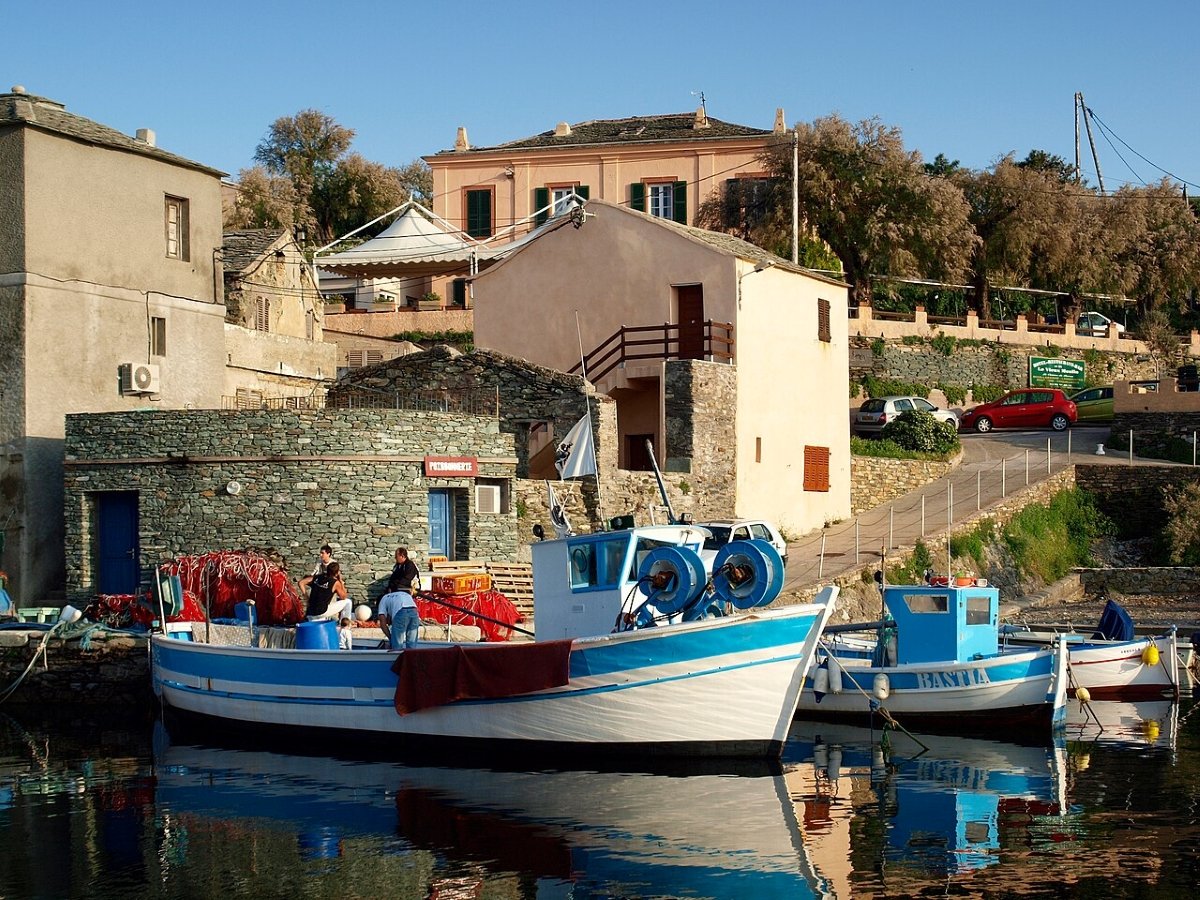
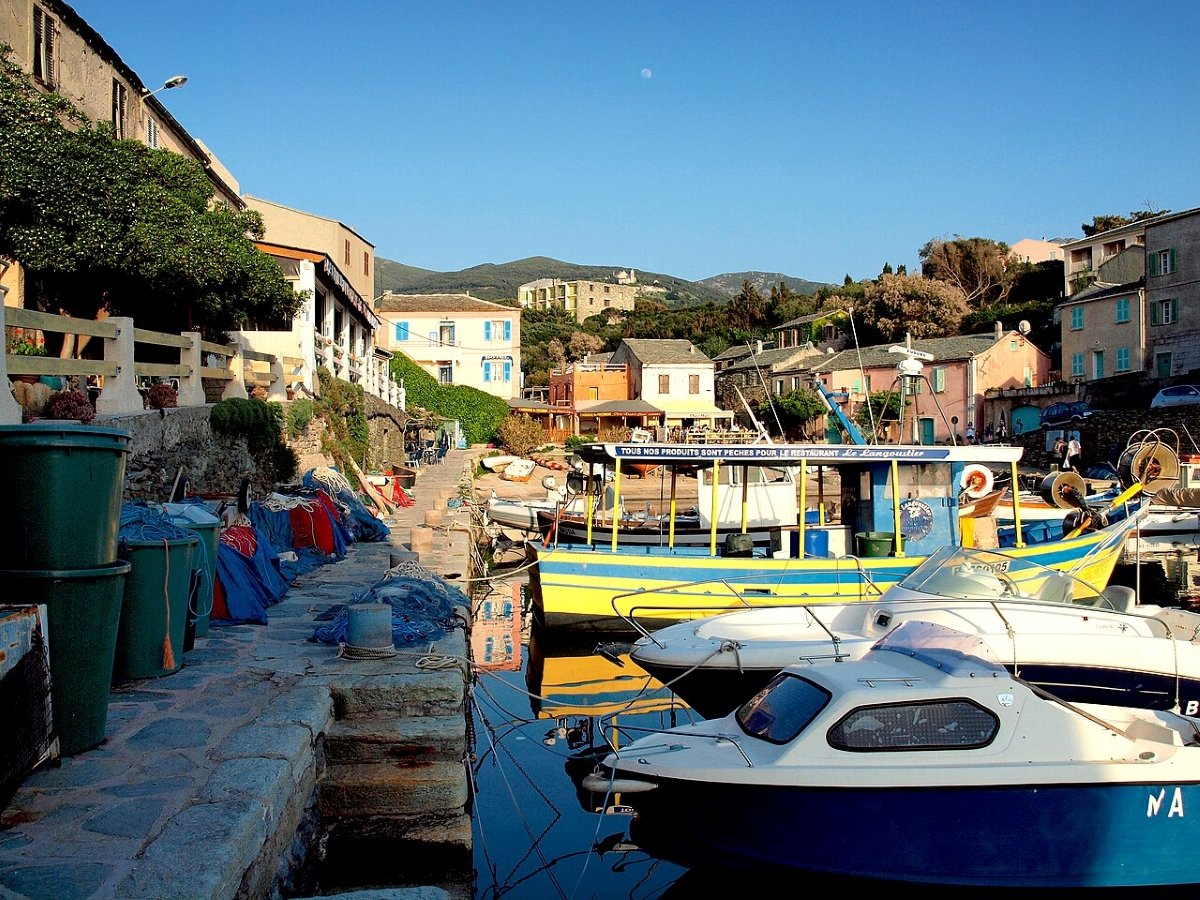
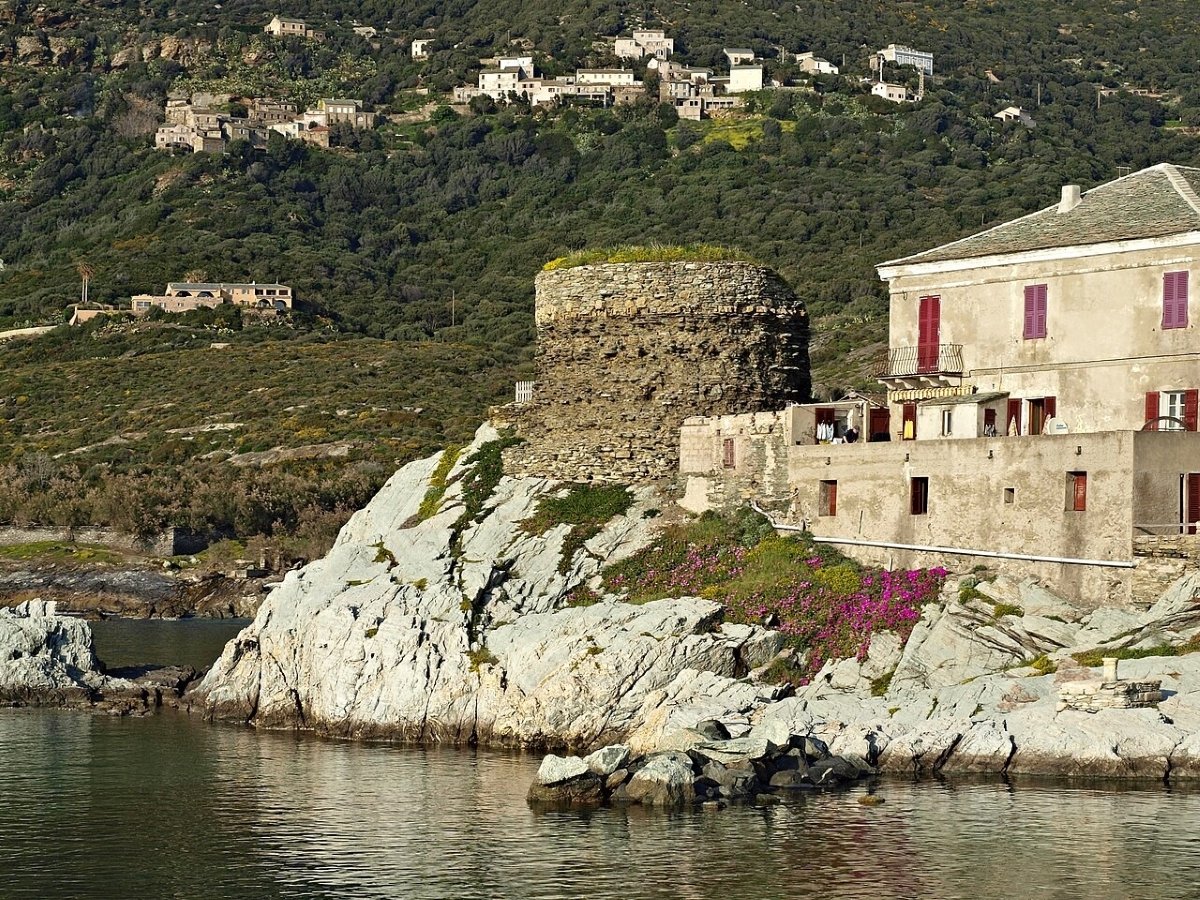
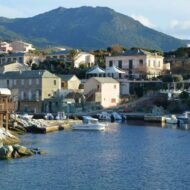
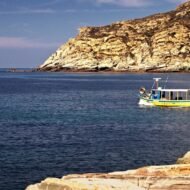
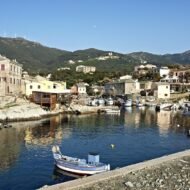
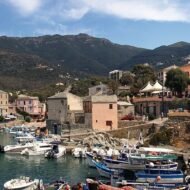
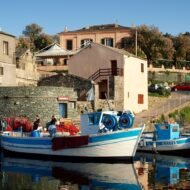
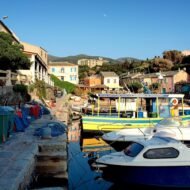
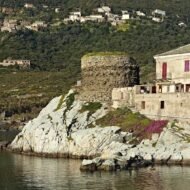
Centuri, Haute-Corse. Picture this: a fishing village so pristine that luxury yachts and weathered fishing boats share the same turquoise harbor, where Genoese towers watch over coves that haven’t changed in centuries, and where the only decision you’ll struggle with is choosing between freshly caught lobster and homemade pasta. Welcome to Centuri, the kind of place travel influencers haven’t ruined yet.
- Your Centuri Cheat Sheet
- Getting There (The Journey Is Half the Adventure)
- Where to Stay: From Budget-Friendly to Boutique
- Budget Options (€60-100/night)
- Mid-Range Sweet Spots (€100-200/night)
- Splurge-Worthy Stays (€200+/night)
- What to Actually Do Here (Hint: Less Is More)
- The Harbor: Where Everything Happens
- Hike to Moulin Mattei (Non-Negotiable Experience)
- Beach Hopping (Because You’re in Corsica)
- Exploring the Genoese Tower (Tour de Centuri)
- Day Trip to Nonza
- Food: The Real Reason You’re Here
- Practical Stuff Nobody Tells You
- Day-by-Day Sample Itinerary (3-Day Weekend)
- Beyond Centuri: Cap Corse Loop
- Local Culture: What Makes Centuri Special
- Sustainable Travel Tips
- Who Should Visit Centuri (And Who Shouldn’t)
- Final Thoughts: Is Centuri Worth It?
- Quick Recap: Centuri At A Glance
Situated into the northern tip of Corsica’s Cap Corse peninsula, Centuri isn’t trying to be anything other than what it’s always been—an authentic fishing port where life still revolves around the sea. While tourists flock to Bonifacio and Porto-Vecchio, this hidden gem remains blissfully under the radar. And honestly? That’s exactly its charm.
Your Centuri Cheat Sheet
- Best time to visit: May-June or September (perfect weather, fewer crowds, reasonable prices)
- Must-eat: Langouste (lobster) at literally any waterfront restaurant
- Don’t miss: The coastal hike to Moulin Mattei windmill for sunset
- Getting around: You’ll need a car—public transport is basically non-existent
- Budget: €100-150/day per person (mid-range comfort)
- Vibe check: Slow-paced, authentic, seafood-obsessed, Instagram-worthy but not trying to be
Getting There (The Journey Is Half the Adventure)
Let’s be real—Centuri isn’t exactly easy to reach, but that’s partly why it’s remained so unspoiled.
By Air: Fly into Bastia-Poretta Airport (about 50km away). From there, rent a car because you’ll absolutely need one. The drive along the D80 coastal road is stunning but requires your full attention—think hairpin turns with dramatic cliff drops. Budget 1.5 hours and maybe pull over a few times because the views are insane.
By Car from Other Corsican Cities:
- From Bastia: 1.5 hours via D80
- From Ajaccio: 3.5 hours (make it a day trip with stops)
- From Calvi: 2.5 hours
Pro tip: Fill up your gas tank before heading to Cap Corse. Stations are sparse, and the last thing you want is to run empty on those winding mountain roads.
Where to Stay: From Budget-Friendly to Boutique
Budget Options (€60-100/night)
Camping Isulottu isn’t fancy, but you’re literally steps from secluded beaches and the price can’t be beaten. Plus, there’s something special about waking up to the sound of waves in Corsica.
Mid-Range Sweet Spots (€100-200/night)
Le Vieux Moulin offers traditional Corsican charm without breaking the bank. The family-run vibe means you’ll get insider tips on where locals actually eat (spoiler: sometimes it’s not the obvious waterfront spots).
Splurge-Worthy Stays (€200+/night)
U Centuru B&B delivers boutique comfort with sea views that’ll have you questioning why you ever leave the terrace. Book the room with the private balcony—trust me on this.
Alternative idea: Base yourself in nearby Macinaggio (10 minutes away) where you’ll find more accommodation options, then day-trip to Centuri for meals and sunset.
What to Actually Do Here (Hint: Less Is More)
The Harbor: Where Everything Happens
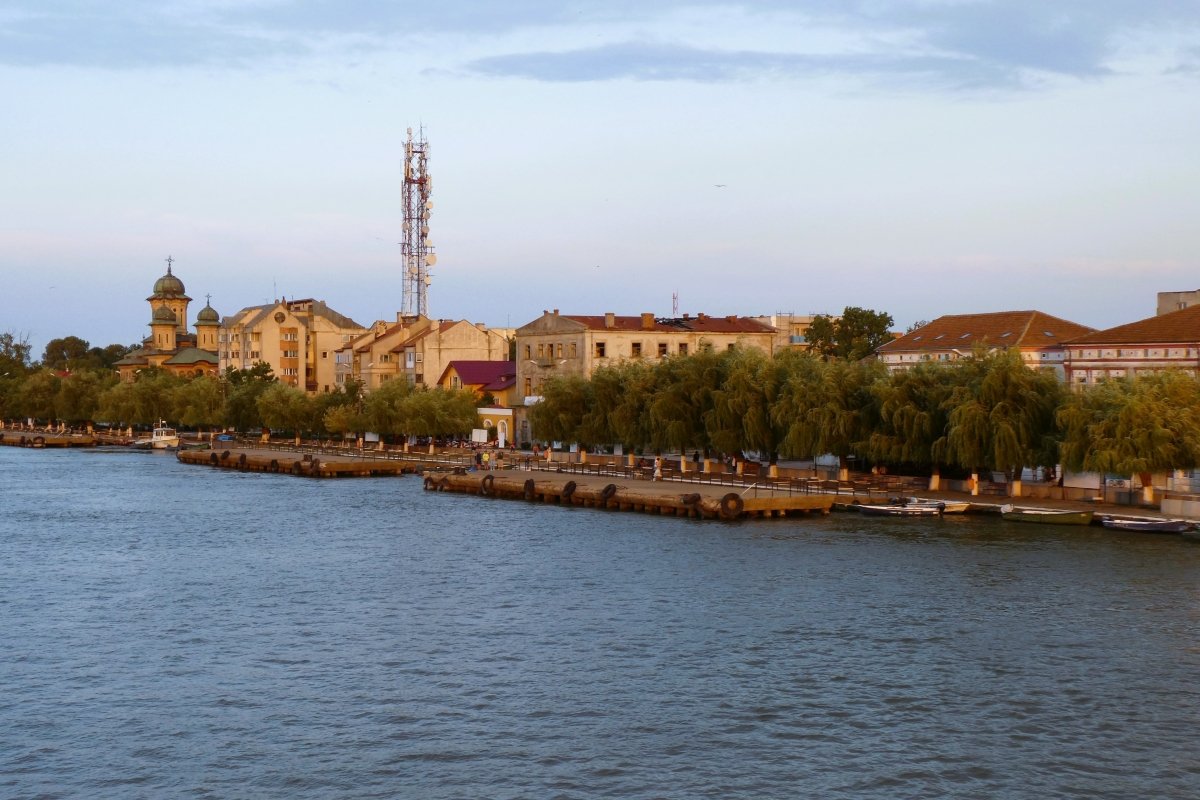
The port of Centuri is basically the town’s living room. Grab a coffee at dawn and watch fishermen unload their catch. Return at dusk for the golden hour magic when the water turns liquid gold and everyone seems to appear for the evening passeggiata.
Photography tip: The best shots are from the eastern side of the harbor around 7 PM in summer. The boats, colored houses, and Genoese tower create that quintessential Corsican postcard.
Hike to Moulin Mattei (Non-Negotiable Experience)
This 30-minute uphill walk to an old windmill rewards you with 360-degree views of Cap Corse. Go for sunset, bring wine (yes, really—locals do it), and prepare for one of those “I can’t believe this is real life” moments.
Trail details:
- Distance: 2km round trip
- Difficulty: Moderate (steady uphill)
- Best time: Late afternoon for sunset
- Parking: Small lot at the trailhead (get there early in summer)
Beach Hopping (Because You’re in Corsica)
Plage de Centuri: The main beach is pebbly but the water is crystalline. Not ideal for sunbathing all day, but perfect for a quick swim before lunch.
Plage de Cannelle: A 10-minute drive south brings you to this more secluded spot. Rocky entry, so bring water shoes, but worth it for the snorkeling.
Plage de Barcaggio: Further north (20 minutes), this wild beach feels like the edge of the world. Sand dunes, abandoned watchtower, and usually just a handful of people even in peak season.
Exploring the Genoese Tower (Tour de Centuri)
This 16th-century tower stands guard over the harbor. You can’t go inside, but walking around it and reading the historical plaques gives you context for Corsica’s complex past of defending against pirates and invasions.
Day Trip to Nonza
30 minutes south, this cliff-top village is famous for its black pebble beach and the Tour de Nonza. The beach requires descending (and eventually climbing back up) 500+ steps, but the dramatic scenery makes it worthwhile for the reasonably fit.
Food: The Real Reason You’re Here
Let’s not dance around it—Centuri is synonymous with langouste (spiny lobster). The village has maintained its fishing traditions, and you’ll taste the difference.
Where to Eat
Le Langoustier is the spot locals recommend when they’re not trying to keep secrets. The lobster pasta is divine, and the terrace offers front-row seats to harbor life. Expect to pay €40-60 per person with wine.
L’Osteria does excellent wood-fired pizza if you need a break from seafood (though honestly, why would you?). More casual vibe, better prices (€15-25 per person).
A Macciotta for breakfast pastries that’ll ruin grocery store croissants for you forever. The fiadone (Corsican cheesecake) is mandatory.
Insider move: Several restaurants serve “catch of the day” that isn’t on the menu. Just ask. It’s often the best deal and the freshest option.
What to Order
- Langouste à la Centuri: Simply grilled with herbs—don’t overthink it
- Oursins (sea urchins): If they’re in season and you’re adventurous
- Soupe de poissons: Rich fish soup that’s a meal in itself
- Local charcuterie: Corsican cured meats are seriously underrated
- Pietra beer: Made with Corsican chestnut flour—pairs perfectly with seafood
Price reality check: Quality seafood isn’t cheap. Budget €40-70 per person for a proper dinner with wine at waterfront restaurants. Worth every euro.
Practical Stuff Nobody Tells You
Money Matters
- Most places accept cards, but bring cash for parking meters and small purchases
- ATMs exist but are limited—withdraw in Bastia if possible
- Tipping isn’t mandatory in France, but rounding up or leaving 5-10% for great service is appreciated
Language
English gets you by in tourist spots, but basic French phrases earn you genuine smiles. Learn “Bonjour” (hello), “Merci” (thanks), and “L’addition, s’il vous plaît” (the check, please) at minimum.
Many older locals speak Corsican first, French second, and might sprinkle in Italian. It’s part of the island’s cultural identity.
Best Time to Visit
May-June: Ideal weather (20-25°C), wildflowers blooming, restaurants open but not slammed
July-August: Peak season means crowds, higher prices, and you’ll need reservations for everything. Temperatures hit 30°C+
September-October: My personal favorite. Warm water, fewer tourists, golden light for photos, and locals are more relaxed
November-April: Many restaurants close, weather is unpredictable, but if you want total solitude, this is your window
What to Pack
- Sturdy walking shoes (those coastal paths are no joke)
- Reef-safe sunscreen (protect that pristine water)
- Light layers (evenings cool down, even in summer)
- Snorkel gear (save €15 on rentals)
- A good book (embrace the slow pace)
- Portable battery pack (limited outlets at beaches)
Safety & Health
Centuri is incredibly safe. The biggest risks are:
- Sunburn (the Mediterranean sun is stronger than you think)
- Dehydration on hikes (bring more water than seems necessary)
- Driving accidents (those curves require respect)
- Jellyfish (rare but possible—ask locals about current conditions)
No special vaccinations needed. Tap water is safe. Pharmacies exist in larger nearby towns.
Day-by-Day Sample Itinerary (3-Day Weekend)
Day 1: Arrival & Orientation
- Morning: Arrive, check in, explore the harbor
- Lunch: Casual meal at A Macciotta
- Afternoon: Beach time at Plage de Centuri
- Evening: Sunset hike to Moulin Mattei, dinner at Le Langoustier
Day 2: Coastal Exploration
- Morning: Drive to Barcaggio beach, swim and relax
- Lunch: Picnic with local cheese and charcuterie
- Afternoon: Visit Nonza and brave the steps to the black beach
- Evening: Return to Centuri for casual pizza and gelato
Day 3: Marine Villages
- Morning: Explore Macinaggio port, maybe rent a kayak
- Lunch: Seafood at Macinaggio waterfront
- Afternoon: Sentier des Douaniers coastal hike (customs officers’ path)
- Evening: Final sunset at Centuri harbor, splurge dinner
Beyond Centuri: Cap Corse Loop
If you’ve got extra time, the full Cap Corse circuit is a spectacular day drive:
Route: Centuri → Pino → Canari → Nonza → Saint-Florent (or reverse)
Highlights:
- Pino: Clifftop village with vertigo-inducing views
- Canari: Colorful beach houses and decent swimming
- Saint-Florent: Larger town with more dining options and nightlife
Allow 6-8 hours with stops. It’s genuinely one of the best coastal drives in the Mediterranean.
Local Culture: What Makes Centuri Special
This isn’t just another pretty village—it’s a working fishing community that happens to be gorgeous. Respect that balance:
- Don’t block the harbor road when taking photos—fishing trucks need access
- Reservations matter at dinner spots in season
- Siesta is sacred (roughly 2-5 PM)—many shops close
- The sea determines the menu—if there’s no lobster, the catch wasn’t good
- Slow down—that’s literally the point of being here
Centuri operates on island time crossed with fishing village rhythms. Roll with it.
Sustainable Travel Tips
Cap Corse’s beauty is fragile. Here’s how to visit responsibly:
- Use reef-safe sunscreen
- Take all trash with you from beaches (bins are scarce)
- Stay on marked trails to prevent erosion
- Support local businesses over chains
- Learn a few words of French or Corsican
- Don’t pick wildflowers or disturb nesting birds
- Consider visiting shoulder season to reduce overcrowding
Who Should Visit Centuri (And Who Shouldn’t)
You’ll Love It If:
- You prefer authentic experiences over tourist attractions
- Fresh seafood makes your heart sing
- You’re comfortable with minimal nightlife
- Scenic drives don’t stress you out
- You can embrace a slower pace without getting antsy
Maybe Skip If:
- You need constant activities and entertainment
- You’re looking for sandy beaches and beach clubs
- You don’t drive (seriously, you’ll be very limited)
- You’re on a super tight budget
- You prefer all-inclusive resorts with organized activities
Final Thoughts: Is Centuri Worth It?
Here’s my honest take: Centuri isn’t for everyone, and that’s exactly why it’s special.
This isn’t the Corsica of crowded beaches and party boats. It’s the Corsica of generations-old fishing techniques, where your biggest decision is whether to order the lobster grilled or in pasta, where locals still greet each other by name, and where the sunset from that windmill will be tattooed on your memory.
If you’re seeking that increasingly rare combination of authentic Mediterranean life, stunning natural beauty, and seriously good food—without the crowds that have overtaken similar spots in Italy or the French Riviera—Centuri delivers.
Just don’t tell too many people about it. Some places deserve to stay secret.
Quick Recap: Centuri At A Glance
✅ Go for: Authentic fishing village vibes, incredible seafood, dramatic coastal scenery, peaceful atmosphere
✅ Best time: May-June or September
✅ Budget: €100-150/day per person
✅ Must-do: Moulin Mattei sunset hike, harbor-side lobster dinner, coastal drives
✅ Need: Rental car, reservation for summer dinners
✅ Nearby: Macinaggio, Nonza, Barcaggio, full Cap Corse loop