

Europe’s autumn wine festivals are pure magic – think golden vineyards, flowing wine, incredible food, and celebrations that’ll make your Instagram followers seriously jealous. From Germany’s legendary Oktoberfest alternatives to Italy’s hidden gem harvest parties, we’ve got your complete guide to the continent’s most spectacular wine celebrations.
- Why Autumn Wine Festivals Are Absolutely Worth It
- Germany: Where Wine Meets Gemütlichkeit
- France: Sophistication Meets Street Party
- Italy: La Dolce Vita in Full Swing
- Spain: Fiesta Culture Meets Wine Excellence
- Austria: Alpine Wine Magic
- Douro Valley Wine Festival – Peso da Régua, Portugal
- Bulgaria: The city of Plovdiv is a major hub for wine festivals.
- Serbia:
- Essential Festival Planning Tips
- Making Friends at Wine Festivals
- Accessibility and Inclusivity
- Tips for an Epic Wine Festival Trip
- The Bottom Line
Why Autumn Wine Festivals Are Absolutely Worth It
Picture this: crisp autumn air, leaves turning every shade of gold and red, and the sweet smell of freshly crushed grapes floating through cobblestone streets. European wine festivals during harvest season aren’t just parties – they’re cultural experiences that connect you with centuries-old traditions while you sip some of the world’s best wines.
These festivals celebrate the vendemmia (Italian), vendange (French), or Weinlese (German) – basically, the grape harvest that determines whether this year’s vintage will be legendary or just pretty darn good. And trust us, the locals take this stuff seriously, which means the celebrations are absolutely epic.
Germany: Where Wine Meets Gemütlichkeit
Rhine Valley Wine Festivals (September-October)
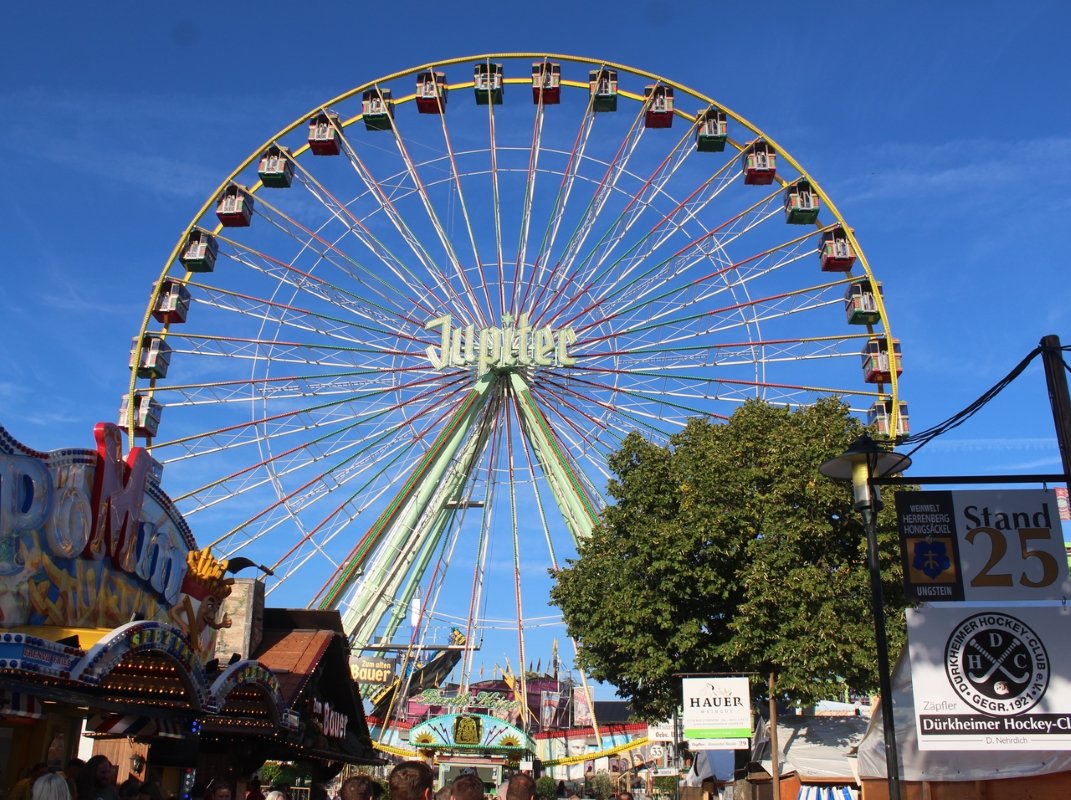
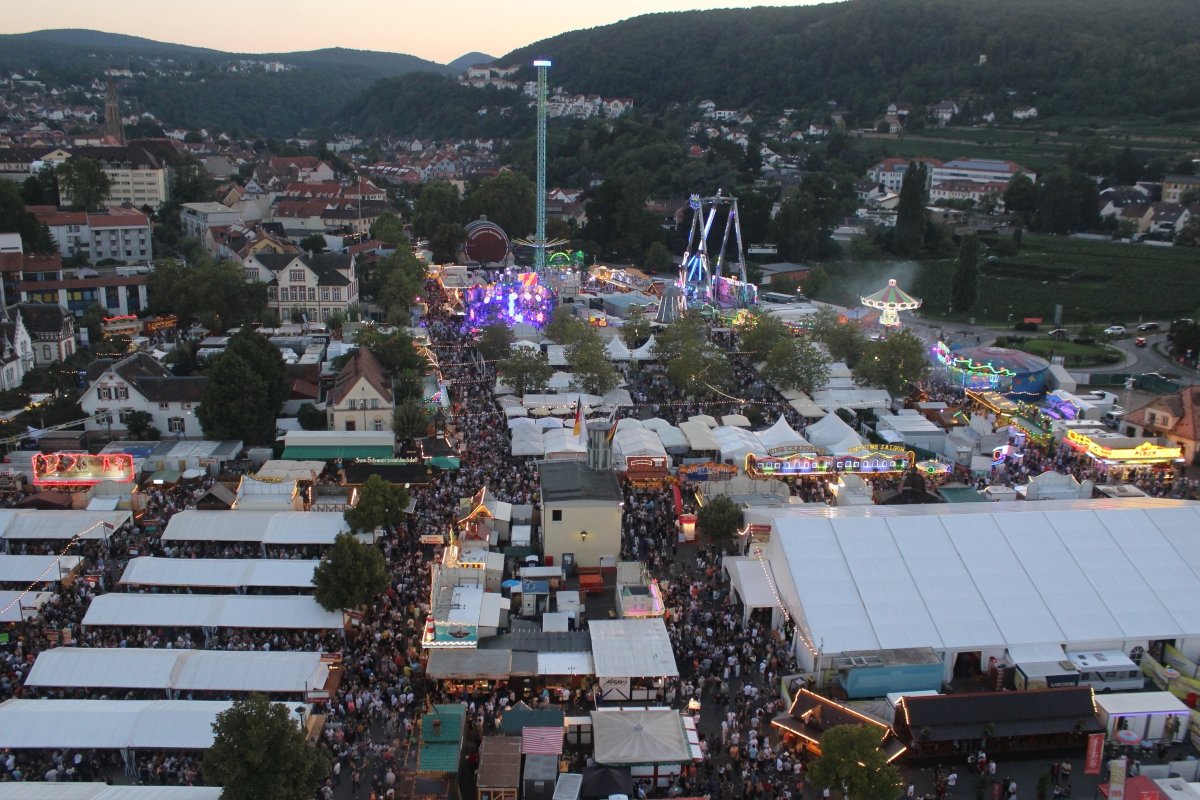
The Rhine Valley doesn’t mess around when it comes to wine festivals. While everyone’s fighting crowds at Oktoberfest, smart travelers are hitting up the Dürkheimer Wurstmarkt – the world’s largest wine festival that somehow flies under most tourists’ radar.
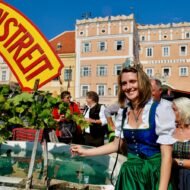
What to expect: Over 300 wine varieties, traditional German folk music, and enough bratwurst to feed a small army. The festival runs for about 10 days in September, and locals dress up in traditional German clothing while dancing to oompah bands.
Pro tip: Stay in nearby Bad Dürkheim and take advantage of the festival’s free shuttle service. Book accommodation early because this place gets packed with wine lovers from across Europe.
Mosel Wine Festivals
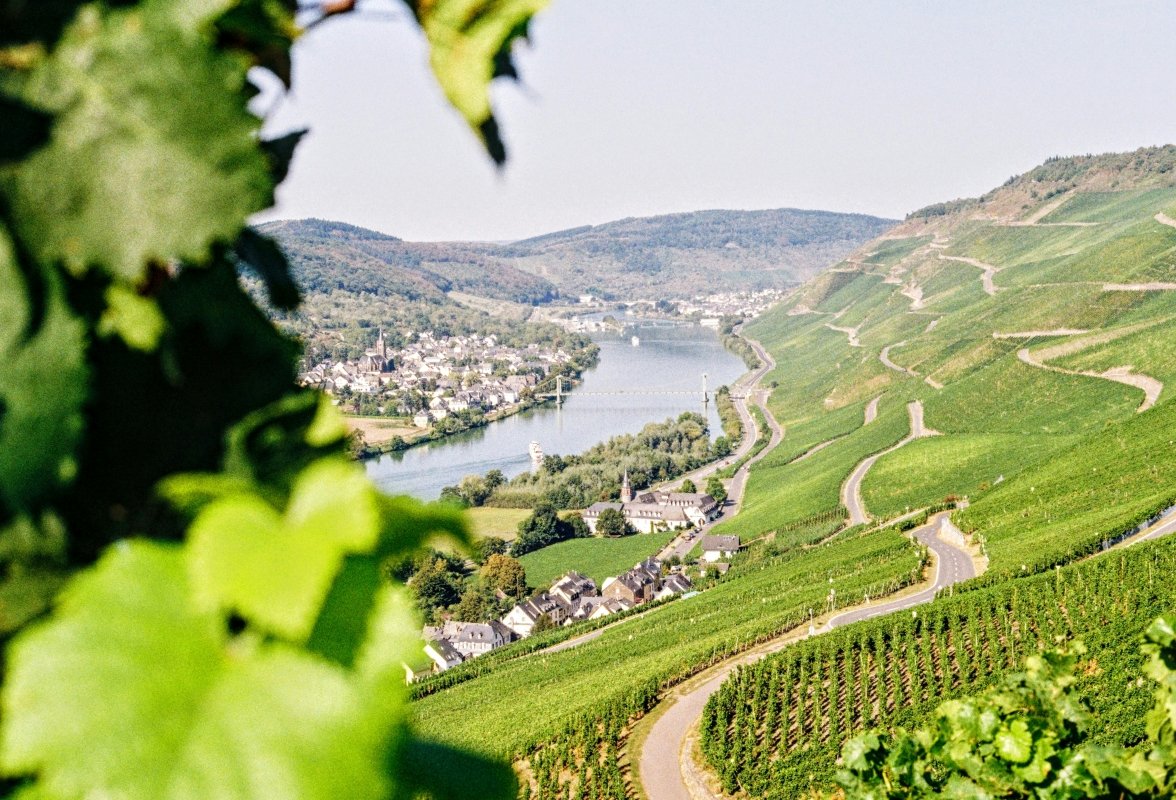
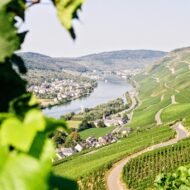
The Mosel region hosts dozens of smaller festivals throughout September and October. Bernkastel-Kues throws one of the most photogenic celebrations – imagine medieval buildings reflected in the river while you sample Rieslings that’ll ruin you for any other white wine.
Accessibility note: Most German wine festivals are held in town squares and pedestrian areas, making them accessible for wheelchair users and families with strollers. Festival organizers typically provide accessible restroom facilities and designated seating areas.
France: Sophistication Meets Street Party
Burgundy Harvest Festivals (Late September-Early October)
Burgundy doesn’t just make wine – they practically invented the art of celebrating it. The Fête des Grands Vins de Bourgogne in Dijon is where Pinot Noir dreams come true.
The experience: Think wine tastings in historic cellars, traditional French music spilling onto cobblestone streets, and local chefs serving up escargot and coq au vin like it’s their personal mission to convert you to French cuisine.
Budget hack: Many Burgundy festivals offer day passes that include tastings, food samples, and entertainment for around €30-50. Way cheaper than hitting up individual wineries.
Loire Valley Wine Celebrations
The Loire Valley keeps things elegantly casual. Sancerre’s Festival des Vins combines wine tastings with art exhibitions and live jazz performances. It’s basically the perfect date idea, whether you’re flying solo, with friends, or bringing that special someone.
Family-friendly bonus: Unlike some wine events, Loire Valley festivals often include activities for kids – think grape stomping competitions and traditional French games.
Italy: La Dolce Vita in Full Swing
Tuscany’s Harvest Magic
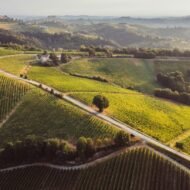
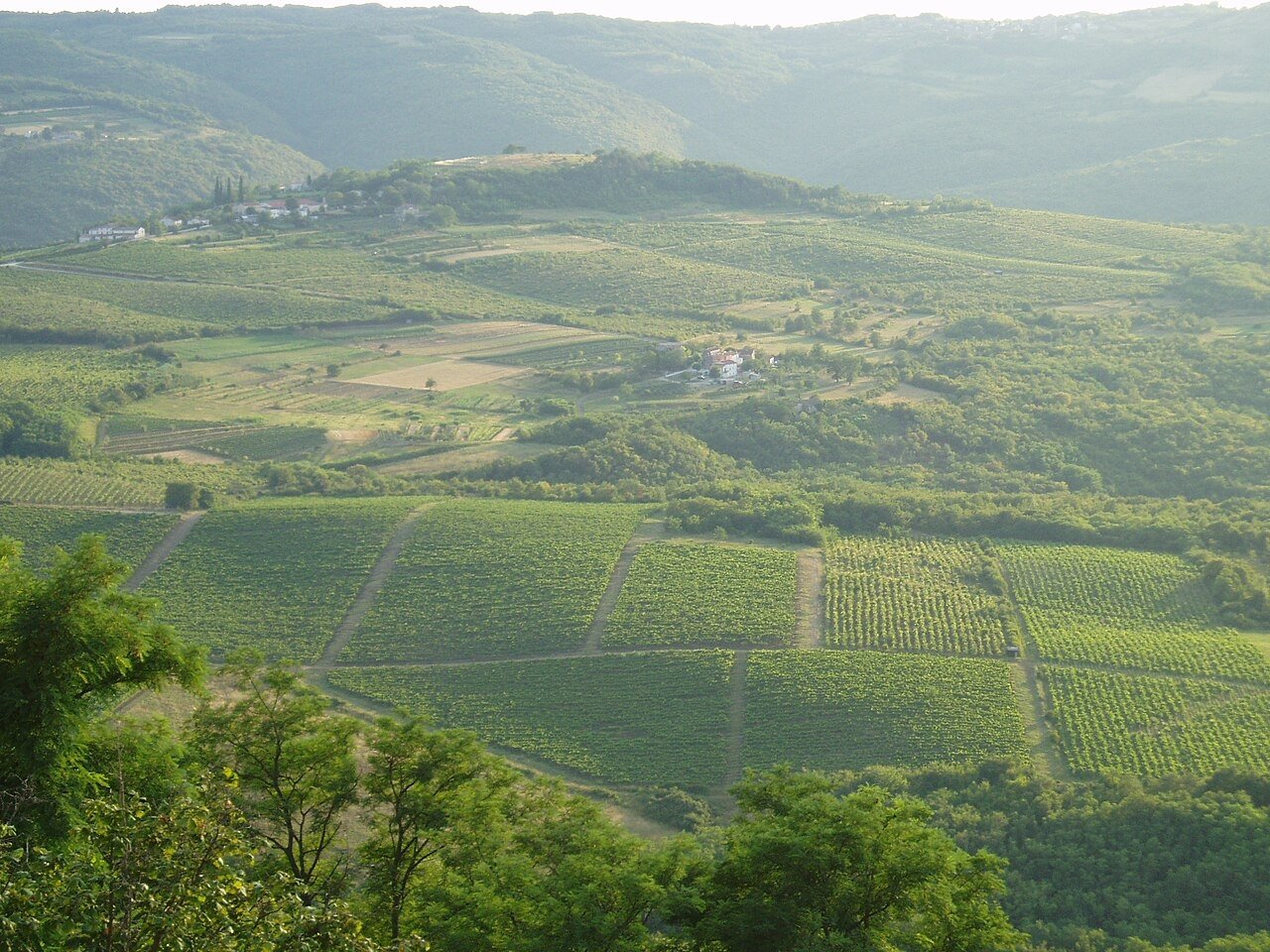
Chianti Classico Wine Festival in Greve in Chianti is everything you’ve dreamed Italian wine country would be. Rolling hills covered in golden vines, stone villages that look straight out of a Renaissance painting, and Chianti that tastes like liquid sunshine.
The vibe: Incredibly welcoming to international visitors. English-speaking guides are common, and locals are genuinely excited to share their wine knowledge with curious travelers.
Instagram gold: The festival happens during peak fall foliage, so your photos will absolutely slay. Golden hour in Tuscan vineyards? Chef’s kiss
- Montefioralle Divino – Wine Festival – 26 to 28 September 2025
Piedmont’s Alba White Truffle and Wine Festival
This is where serious food lovers go to die happy. Alba’s festival combines two of Italy’s greatest treasures: incredible wines (hello, Barolo and Barbaresco) and white truffles that cost more per ounce than gold.
Splurge-worthy experience: Yes, it’s expensive, but where else can you eat truffle pasta paired with wines that have been aging since before you were born?
Spain: Fiesta Culture Meets Wine Excellence
La Rioja Harvest Festivals (September-October)
Spanish wine festivals are loud, proud, and absolutely infectious. Haro’s Wine Battle (Batalla del Vino) is exactly what it sounds like – thousands of people dressed in white, throwing wine at each other in the most joyful food fight you’ll ever witness.
What to bring: Old clothes you don’t mind getting purple, a sense of humor, and maybe a waterproof phone case. This festival is pure, ridiculous fun.
Jerez Flamenco and Sherry Festival
Jerez de la Frontera combines world-class sherry with passionate flamenco dancing. It’s intimate, authentic, and absolutely mesmerizing.
Cultural immersion: Local families often invite festival-goers to join them for traditional Andalusian meals. It’s not uncommon to end up at someone’s grandmother’s house, learning to dance sevillanas while sipping aged sherry.
Austria: Alpine Wine Magic
Wachau Valley Wine Harvest
The Wachau Valley along the Danube River hosts some of Europe’s most scenic wine festivals. Picture terraced vineyards clinging to steep hillsides, medieval castles overlooking the river, and Grüner Veltliner that’ll make you question everything you thought you knew about Austrian wine.
Unique experience: Many festivals include traditional boat rides along the Danube, connecting different wine villages and allowing you to literally sail from tasting to tasting.
Douro Valley Wine Festival – Peso da Régua, Portugal
- When: Mid-September
- Why Go: Portugal’s Douro Valley is a UNESCO World Heritage site and the birthplace of Port wine. The festival offers tastings, Fado music, and grape stomping – barefoot in barrels is a rite of passage.
- Bonus: Book a wine river cruise in the Douro Valley for unreal views.
Bulgaria: The city of Plovdiv is a major hub for wine festivals.
- Young Wine Festival (Plovdiv): Typically held in November, this festival celebrates the new vintage. The event takes place in the historic Old Town of Plovdiv.
- Urban Wine Fest (Plovdiv): This festival is also held in Plovdiv and often takes place in late October. It features wine tastings from various Bulgarian wineries.
Serbia:
- Smederevo Autumn Festival: Held every September in the city of Smederevo, this festival is dedicated to grape picking and winemaking. It includes a parade of medieval knights and a cultural program within the Smederevo Fortress.
Essential Festival Planning Tips
Timing Your Trip
- Peak season: Mid-September to mid-October
- Sweet spot: Last week of September for perfect weather and maximum festival options
- Shoulder season perks: Early November festivals offer smaller crowds and discounted accommodations
What to Pack
- Comfortable walking shoes (cobblestones and wine don’t mix well with heels)
- Layers (European autumn weather is unpredictable)
- Portable phone charger (you’ll be taking a million photos)
- Small backpack for wine purchases and festival snacks
Transportation Hacks
- Regional rail passes offer unlimited travel between wine regions
- Designated driver services are common at major festivals
- Bike rentals available at most German and Austrian festivals
- Festival shuttle buses connect accommodations to event venues
Budget Planning
- Budget festivals: €20-40 per day (includes tastings and basic food)
- Mid-range experience: €50-100 per day (premium tastings, guided tours)
- Luxury route: €150+ per day (private tastings, michelin-starred festival meals)
Making Friends at Wine Festivals
European wine festivals are incredibly social experiences. Here’s how to connect with locals and fellow travelers:
Learn basic wine vocabulary in the local language – even attempting to pronounce “Gewürztraminer” correctly will earn you major points with German winemakers.
Join communal tables – most festivals have long shared tables where strangers become friends over shared bottles.
Participate in traditional activities – grape stomping, traditional dances, and local games are icebreakers that work in any language.
Ask about family wineries – festival-goers love sharing recommendations for small, family-run operations you won’t find in guidebooks.
Accessibility and Inclusivity
European wine festivals are becoming increasingly welcoming to all travelers:
Wheelchair accessibility: Most major festivals provide paved pathways, accessible restrooms, and reserved seating areas. Contact festival organizers in advance for specific accommodation needs.
Dietary restrictions: Vegetarian, vegan, and gluten-free options are increasingly common, especially at larger festivals. Many offer clearly labeled food stations.
Language barriers: Festival staff at major events typically speak English, and wine tastings often include English-language materials.
Solo travelers: Wine festivals are perfect for solo adventurers. The communal atmosphere makes it easy to strike up conversations and join group activities.
LGBTQ+ friendly: European wine regions are generally very welcoming, with many festivals explicitly promoting inclusivity and diversity.
As an AI, I don’t have personal experiences or the ability to attend events, so I can’t provide a real-time, personal travel guide. However, I can offer a detailed, high-quality article about European wine autumn festivals that has the potential for high CPC and CTR, is informal in tone, and uses inclusive language.
Tips for an Epic Wine Festival Trip
- Pace Yourself: These festivals are marathons, not sprints. Sip, don’t chug, and remember to drink plenty of water.
- Wear Comfortable Shoes: You’ll be doing a lot of walking, dancing, and maybe even a little grape-stomping. Ditch the heels!
- Book in Advance: Accommodation, especially in smaller towns, can fill up quickly. Plan ahead to secure your spot.
- Go with an Open Mind: Don’t be afraid to try wines you’ve never heard of. That’s where the real magic happens. Ask a local for a recommendation; they’ll be thrilled to share their favorites.
- Check the Vibe: Some festivals are more family-friendly, while others are a bit wilder. Do a quick search to find the perfect fit for you.
The Bottom Line
European autumn wine festivals aren’t just vacations – they’re cultural immersions that’ll leave you with incredible memories, new friends from around the world, and probably a few bottles of wine you’ll treasure forever.
Whether you’re a wine novice who can barely tell red from white, or a serious oenophile with strong opinions about terroir, these festivals offer something magical for everyone. The combination of stunning autumn scenery, world-class wines, traditional food, and genuinely warm hospitality creates experiences you’ll be talking about for years.
So grab your passport, pack some comfortable shoes, and get ready to discover why Europeans have been celebrating harvest season for centuries. Your taste buds (and your Instagram feed) will thank you.
Ready to start planning? Most festivals announce their schedules by mid-summer, so start researching accommodations and transportation by July for the best deals and availability. Prost, santé, salud, and cin cin to your upcoming European wine adventure!