

TL;DR: European mythical destinations , Forget generic tourist trails. These five European destinations are steeped in legends so wild, so atmospheric, and so deeply rooted in history that visiting them feels less like sightseeing and more like stepping into another world. From a Czech castle built over the mouth of hell to a Welsh village that made a king weep — this guide covers everything you need to plan your mythological adventure, including costs, tips, and the stories that make each place unforgettable.
- Why Myth-Tourism Is the Travel Trend You Didn’t Know You Needed
- Know Before You Go
- 1. Houska Castle, Czech Republic — The Lid Over Hell
- 2. Beddgelert, Snowdonia, Wales — The Dog Who Died Innocent
- 3. Brocken Mountain, Germany — The Devil’s Dance Floor
- 4. Delphi, Greece — Where the Future Was Whispered
- 5. Wawel Dragon’s Den, Kraków, Poland — Smoke, Fire, and a Cobbler’s Trick
- Recap: Five Myths, Five Unmissable Destinations
- A Final Note on Visiting Responsibly
Why Myth-Tourism Is the Travel Trend You Didn’t Know You Needed
Let’s be real — Europe has no shortage of castles, churches, and cobblestone streets. But there’s a category of travel that goes deeper than pretty architecture: places where the landscape itself carries a story. Where locals have been telling the same tale for a thousand years. Where you can stand in the exact spot where legend says the dragon breathed fire, the oracle spoke, or the devil himself tried to claw his way in.
Myth-tourism is booming, and honestly? It makes total sense. These places combine history, folklore, natural drama, and genuine mystery in a way that no theme park ever could. Whether you’re a solo adventurer, a couple looking for something offbeat, or a family who wants travel to be more than Instagram backdrops — this list is for you.
Let’s go.
Know Before You Go
| Destination | Country | Best Time to Visit | Entry Cost (approx.) | Difficulty to Reach | Spook Factor (1–5) |
|---|---|---|---|---|---|
| Houska Castle | Czech Republic | Apr–Oct | ~€10–12 (castle tour) | Moderate (car recommended) | ⭐⭐⭐⭐⭐ |
| Beddgelert, Snowdonia | Wales, UK | May–Sept | Free (village); NP entry free | Easy (bus/car) | ⭐⭐⭐ |
| Brocken Mountain | Germany (Harz) | Oct–Apr for atmosphere | Free–€30 (train) | Easy–Moderate | ⭐⭐⭐⭐ |
| Delphi | Greece | Mar–Nov | €12 (site + museum) | Moderate (bus from Athens) | ⭐⭐⭐⭐ |
| Wawel Dragon’s Den | Poland | Apr–Oct | ~€3–5 | Easy (Kraków city centre) | ⭐⭐⭐ |
Prices are approximate and subject to change. Always check official sites before visiting.
1. Houska Castle, Czech Republic — The Lid Over Hell
The Legend
Picture this: a remote castle in the middle of Bohemian forests, built with no strategic value, no water source, no trade route nearby. No noble family commissioned it to impress rivals. No king needed it for defence. So why was it built?
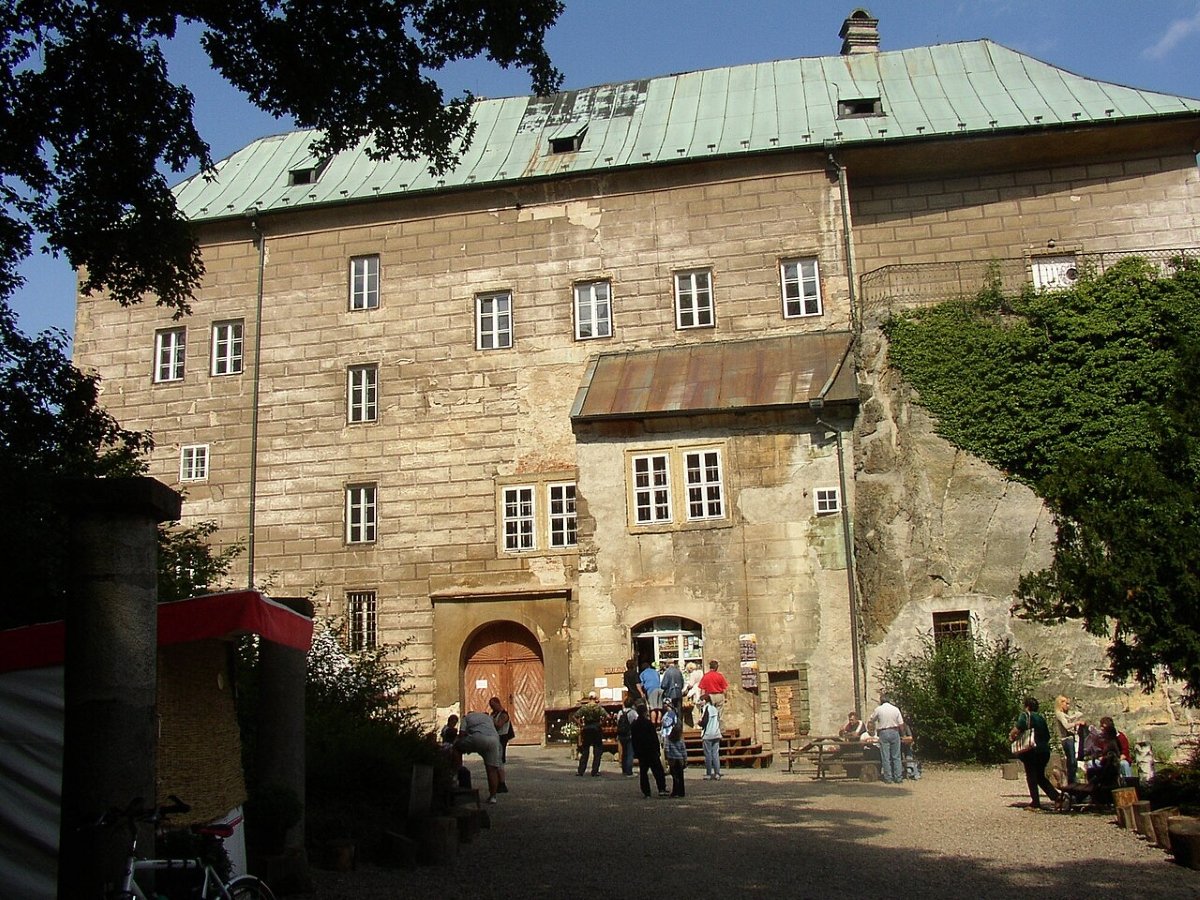
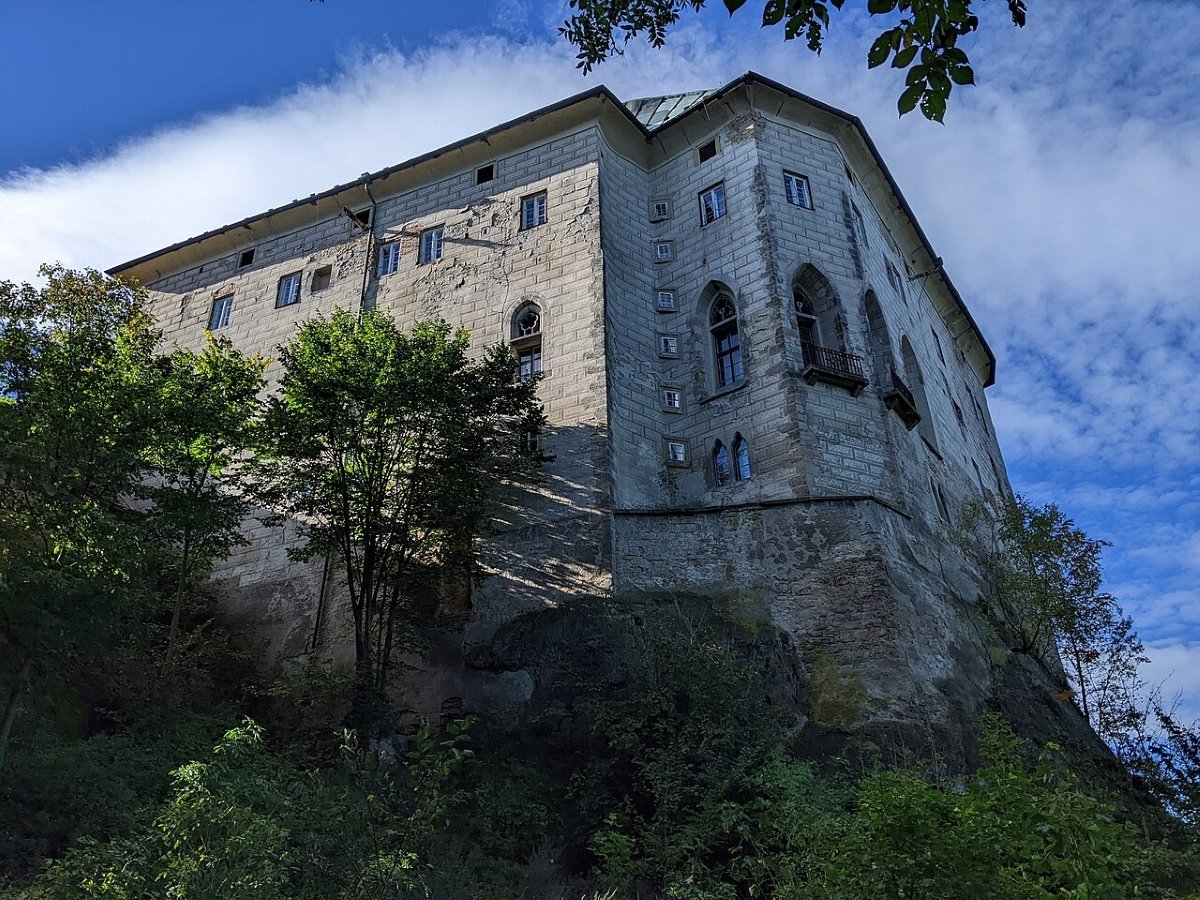
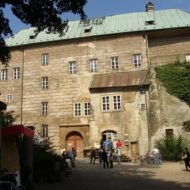
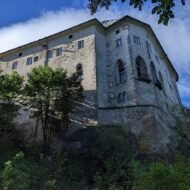
According to Czech legend, Houska Castle was constructed in the 13th century for one reason only: to cover a bottomless pit in the earth from which demons, half-formed creatures, and winged beasts were reportedly crawling out. The pit — described in old accounts as so deep no one could see the bottom — was said to be a literal gateway to hell. The castle’s chapel was built directly over it, presumably to trap whatever was down there with the power of sacred ground.
Stories don’t stop there. During World War II, the Nazis allegedly occupied the castle and conducted occult experiments on site. Whether that’s documented history or Cold War embellishment, nobody’s entirely sure — and somehow, that ambiguity makes it worse.
What It’s Actually Like
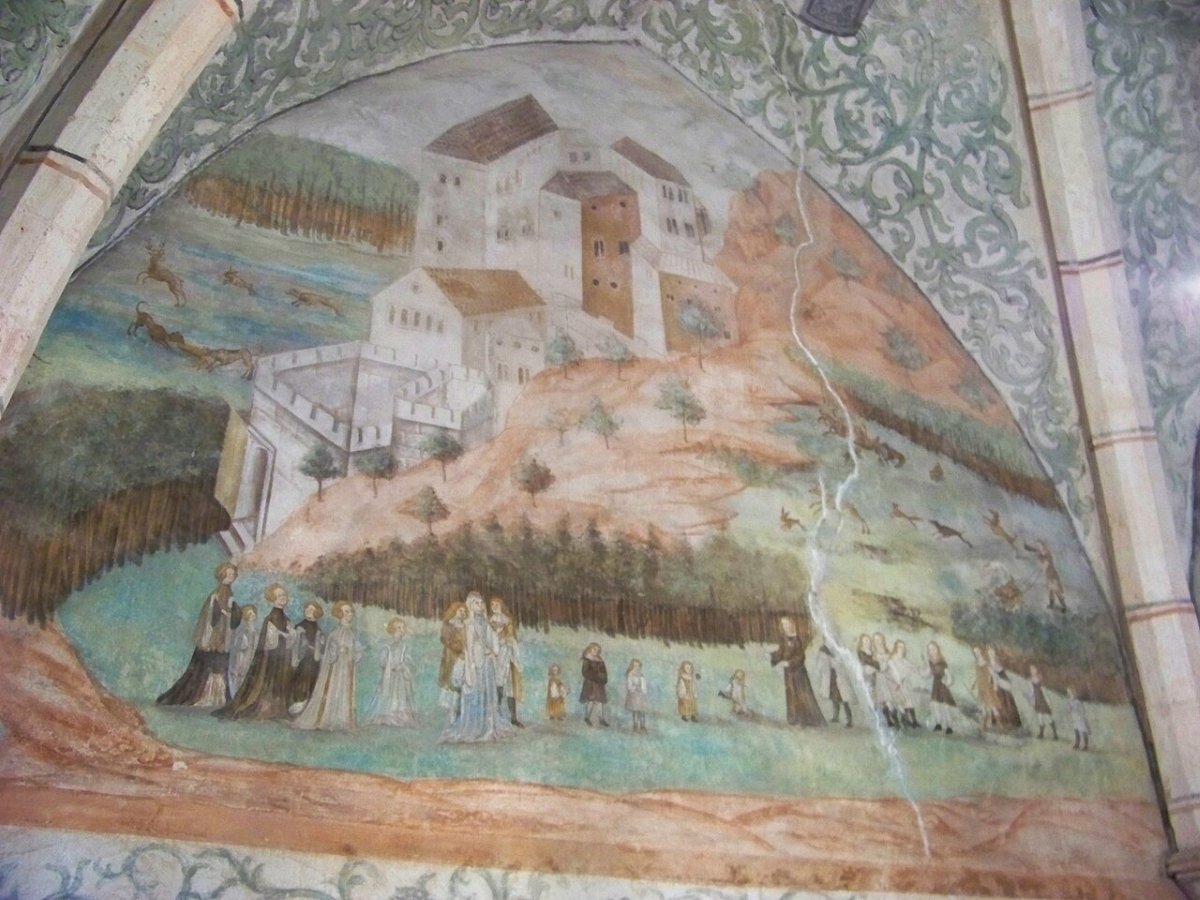
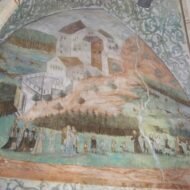
Houska sits about 47 km north of Prague in the Kokořínsko nature reserve, surrounded by dense forest and an almost theatrical sense of isolation. The building itself is well-preserved, painted a pale yellow that feels oddly cheerful given its reputation. Inside, there are late Gothic frescoes, a small museum, and guided tours that lean hard into the demonology angle (and good for them — it’s great).
The landscape around the castle is genuinely stunning: forested sandstone cliffs, winding roads, and the kind of quiet that makes you very aware of every sound. Come in autumn if you can. The mist through those trees hits different.
Know Before You Go
- Getting there: Rent a car from Prague — the drive is about an hour and takes you through beautiful countryside. No reliable public transport.
- Opening hours: Typically Tuesday–Sunday, April through October. Closed in winter.
- Tip: Combine with a night in the nearby town of Mělník for a full Bohemian horror weekend.
- Accessibility: The castle involves uneven terrain and stairs. Call ahead if you have mobility requirements.
2. Beddgelert, Snowdonia, Wales — The Dog Who Died Innocent
The Legend
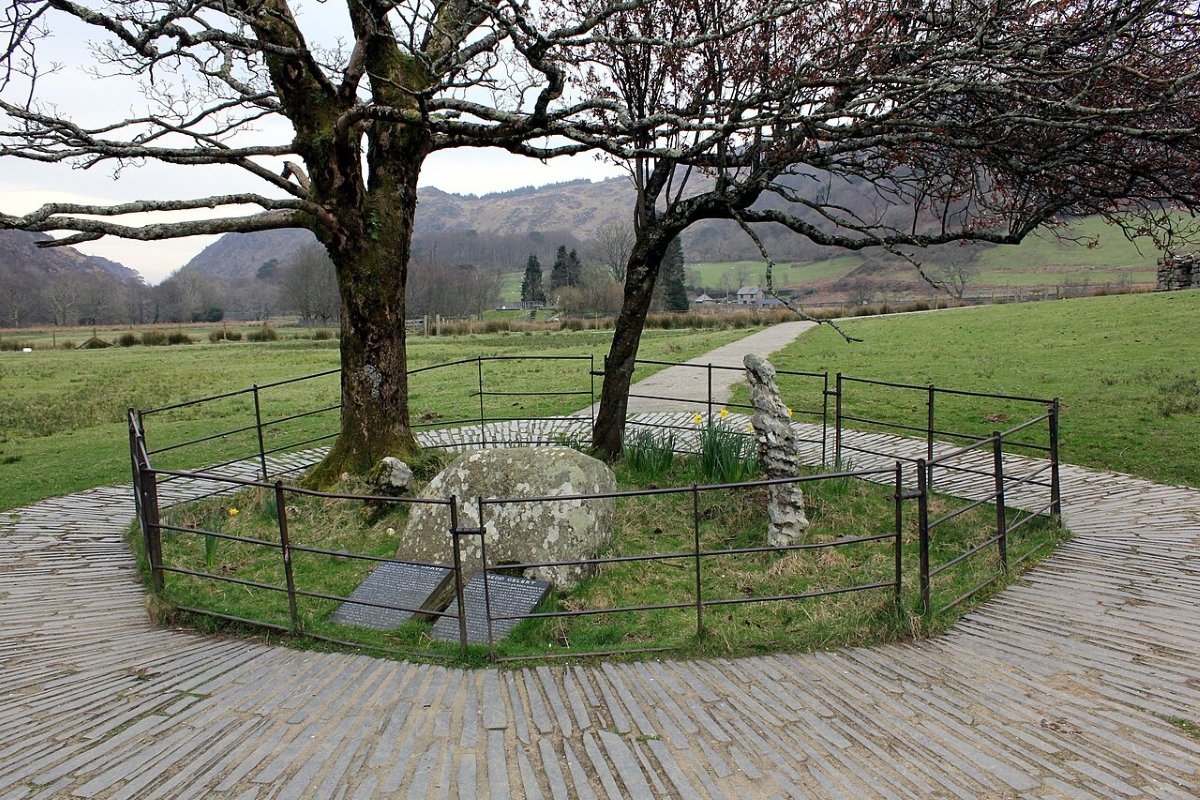
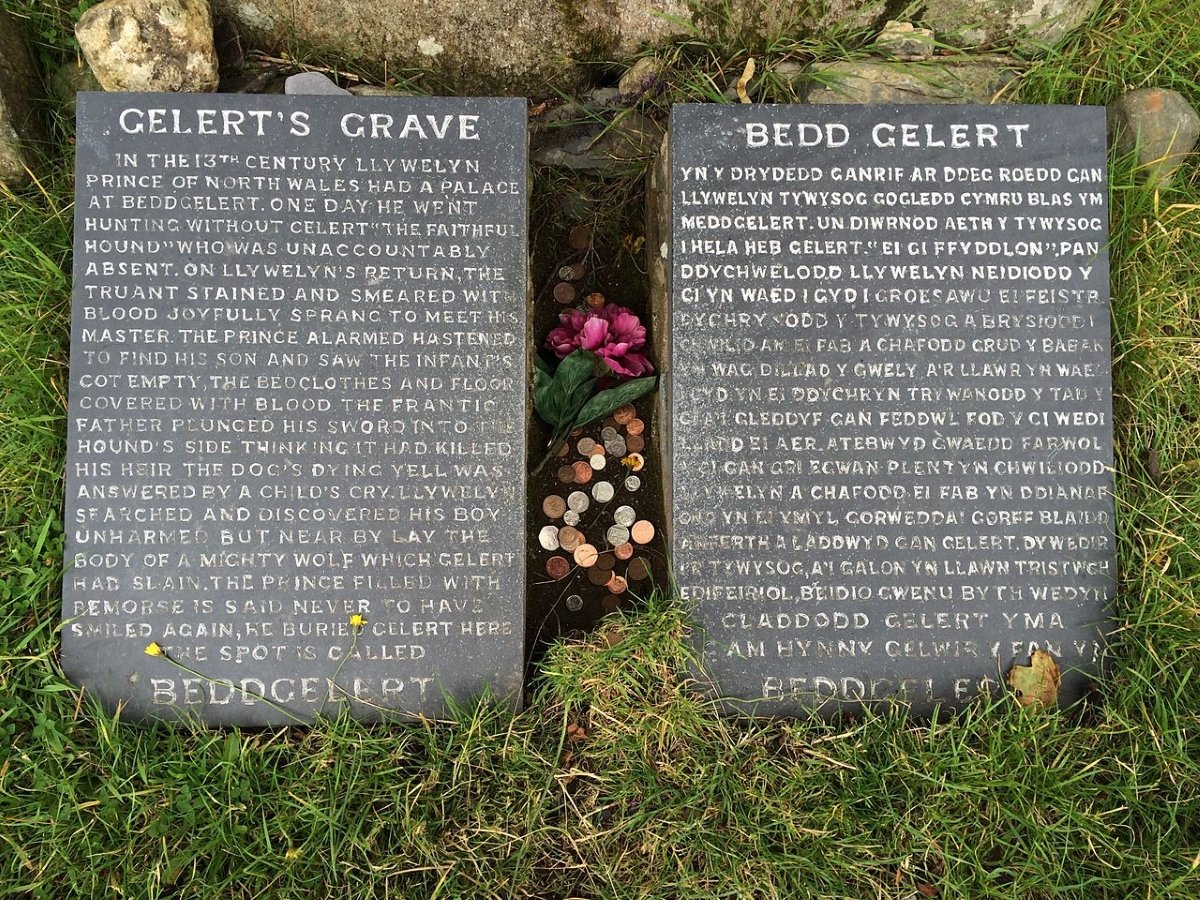
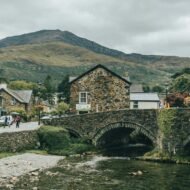
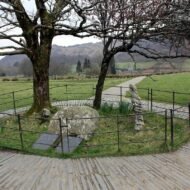
In the Welsh village of Beddgelert (which literally translates to “Gelert’s Grave”), there is a mound beneath a tree near the river. Locals will tell you it’s the grave of Gelert — the most loyal dog in all of Wales, and arguably one of the most heartbreaking figures in European folklore.
The story goes like this: Prince Llywelyn the Great returned from a hunt to find his infant son’s cradle overturned and his faithful hound Gelert covered in blood. Devastated and convinced the dog had killed his child, Llywelyn drew his sword and killed Gelert. A moment later, he heard a baby cry. Beneath the overturned cradle, his son was alive — and beside him lay the body of a massive wolf that Gelert had fought and killed to protect the child.
Llywelyn, the story says, never smiled again.
It’s a gut-punch of a tale. Themes of loyalty, grief, and irreversible decisions — no wonder it’s lasted centuries.
The Plot Twist
Here’s the fun part for travel nerds: many historians believe the grave is actually an 18th-century fabrication, a piece of early “tourist attraction” marketing created by a local innkeeper named David Pritchard who knew a good story when he heard one. The legend itself likely predates Wales entirely — similar tales appear in Sanskrit texts and Persian poetry.
Does that make visiting less worthwhile? Absolutely not. It makes it more interesting. You’re visiting a place where the myth became so powerful it shaped the physical landscape. That’s remarkable.
What It’s Actually Like
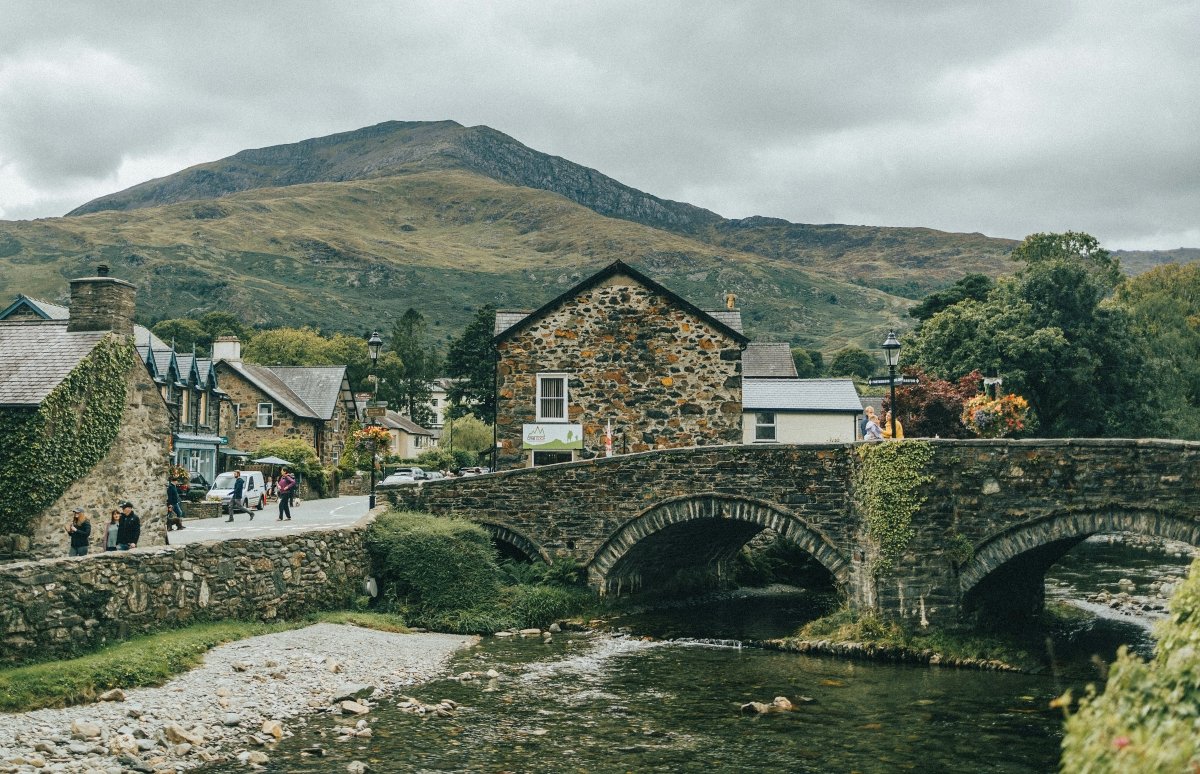
Beddgelert is one of those villages that looks like it was designed to be in a fairy tale. Stone cottages, a babbling river, mountains on every side. It sits at the confluence of the Glaslyn and Colwyn rivers inside Snowdonia National Park, which means the scenery is absolutely world-class.
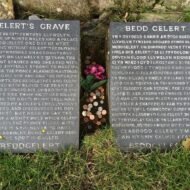
The grave itself is a short, easy walk from the village centre — a flat stone with a Welsh inscription. It’s quiet, leafy, and strangely moving even if you know the history. The surrounding walks are superb for all fitness levels.
Know Before You Go
- Getting there: Beddgelert is accessible by the Snowdon Sherpa bus service from Caernarfon and Porthmadog. Driving is easy from the A498.
- Costs: The grave and village are free to visit. Entry into Snowdonia National Park is free.
- Tip: Grab a coffee at one of the village cafes before the walk. The Glaslyn Ices shop is legendary among hikers.
- Best for: Families, walkers, people who enjoy a side of gentle melancholy with their scenery.
3. Brocken Mountain, Germany — The Devil’s Dance Floor
The Legend
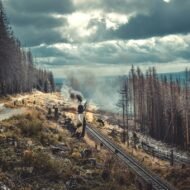
The Brocken is the highest peak in the Harz Mountains of central Germany, and for centuries it was considered the most supernaturally charged place in the German-speaking world. Every year on the night of April 30th — Walpurgisnacht — witches were said to fly from across Europe to dance with the devil on the Brocken’s summit.
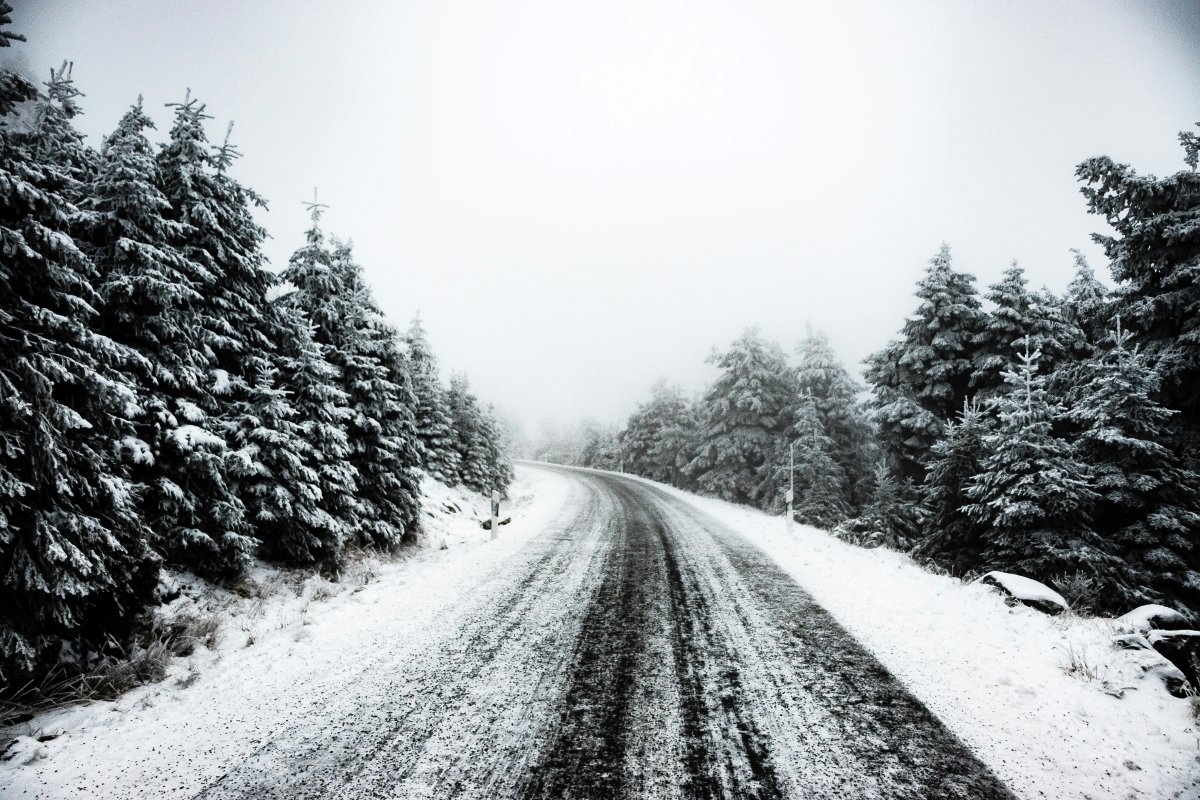
This wasn’t fringe superstition. This was mainstream fear. Entire communities in the surrounding valleys believed it. The peak was frequently shrouded in mist and cloud (there’s actually a meteorological phenomenon called the “Brocken Spectre” — a giant magnified shadow cast on the fog — that would have terrified anyone who stumbled across it). Combine weird optical illusions, total isolation, screaming winds, and a culture primed to see the supernatural, and the myth practically wrote itself.
Goethe was obsessed with the Brocken. The Walpurgisnacht scene in Faust is set here. Heinrich Heine wrote a famous essay about climbing it. It has inspired writers, composers, and painters for centuries.
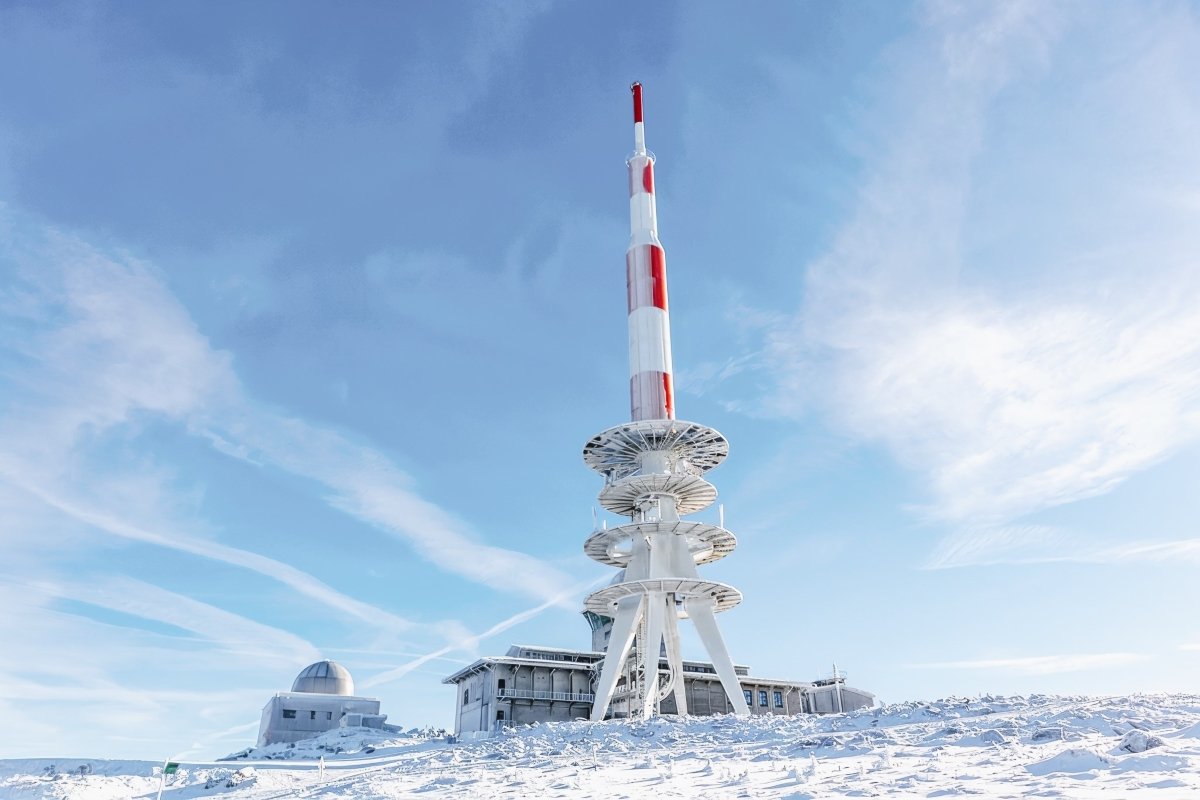
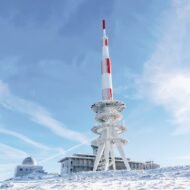
During the Cold War — surreal addition — the summit was used as an East German and Soviet signals intelligence base, surrounded by radar domes and fences, completely off-limits to civilians. The abandoned infrastructure is still partly visible today.
What It’s Actually Like
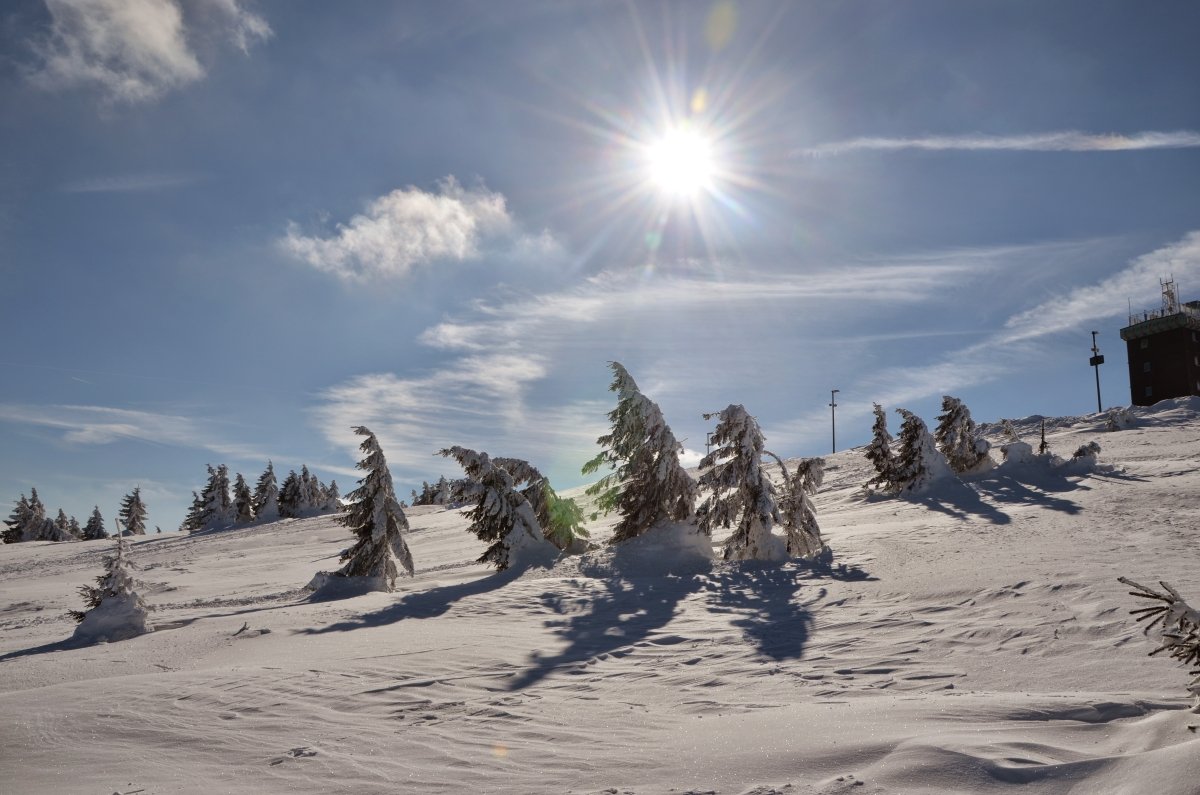
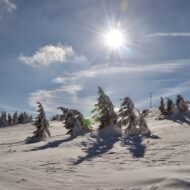
The Brocken sits at 1,141 metres — not enormous by Alpine standards, but high enough in this relatively flat landscape to feel genuinely remote and exposed. The treeline thins dramatically near the top, giving way to windswept heath and boggy plateau. The weather can change fast.
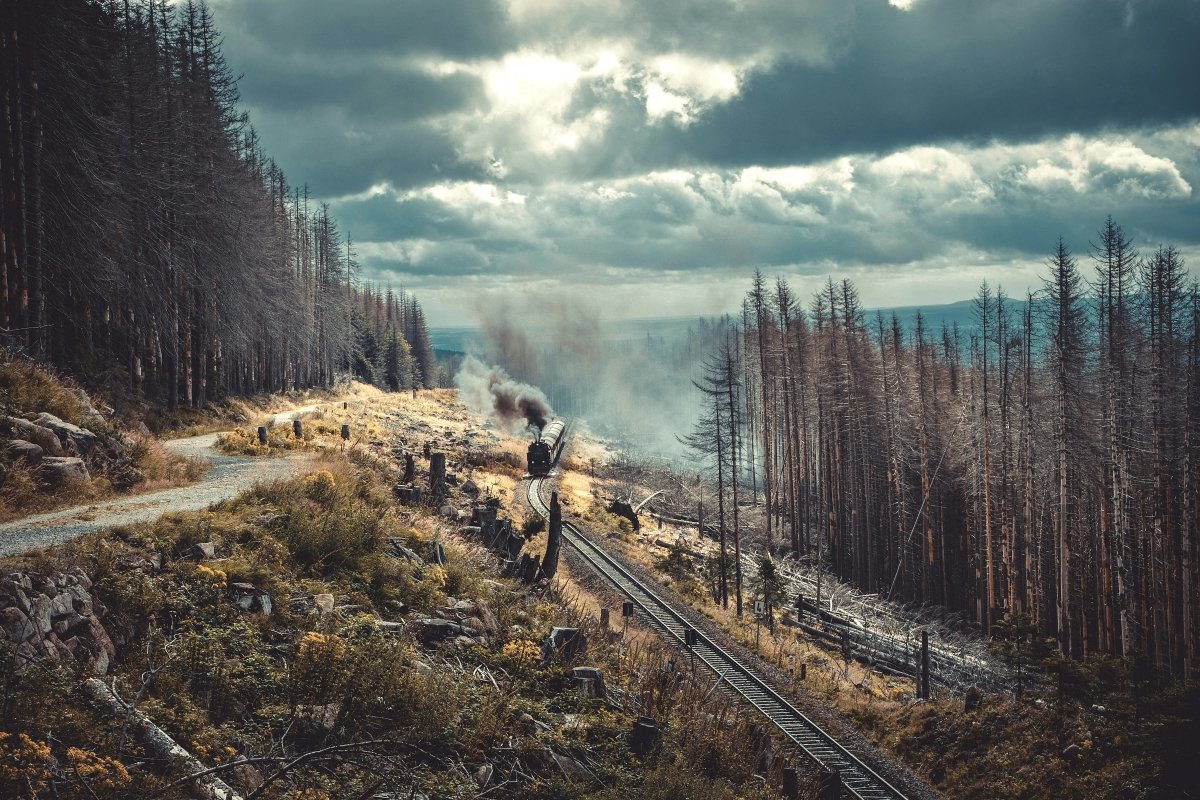
You can reach the summit by the historic Brockenbahn steam railway from Wernigerode — one of the most atmospheric train rides in Germany, especially in autumn fog or winter snow. At the top: a visitor centre, a hotel, the old GDR radar station ruins, and extraordinary 360-degree views on clear days.
Come for Walpurgisnacht (April 30th) if you want a full experience — the towns in the Harz celebrate with bonfires, costumes, and festivals. It’s fantastic fun, and the “witch” theme is everywhere without being tacky.
Know Before You Go
- Getting there: Train to Wernigerode, then the Brockenbahn narrow-gauge steam railway to the summit. Budget around €25–30 return.
- Best time: October for atmosphere; April 30th for Walpurgisnacht celebrations; winter for snow and drama.
- Tip: The Brocken can be freezing even in summer. Layers are non-negotiable.
- Accessibility: The train makes the summit accessible to those who can’t hike. Paths at the top are manageable but uneven.
4. Delphi, Greece — Where the Future Was Whispered
The Legend
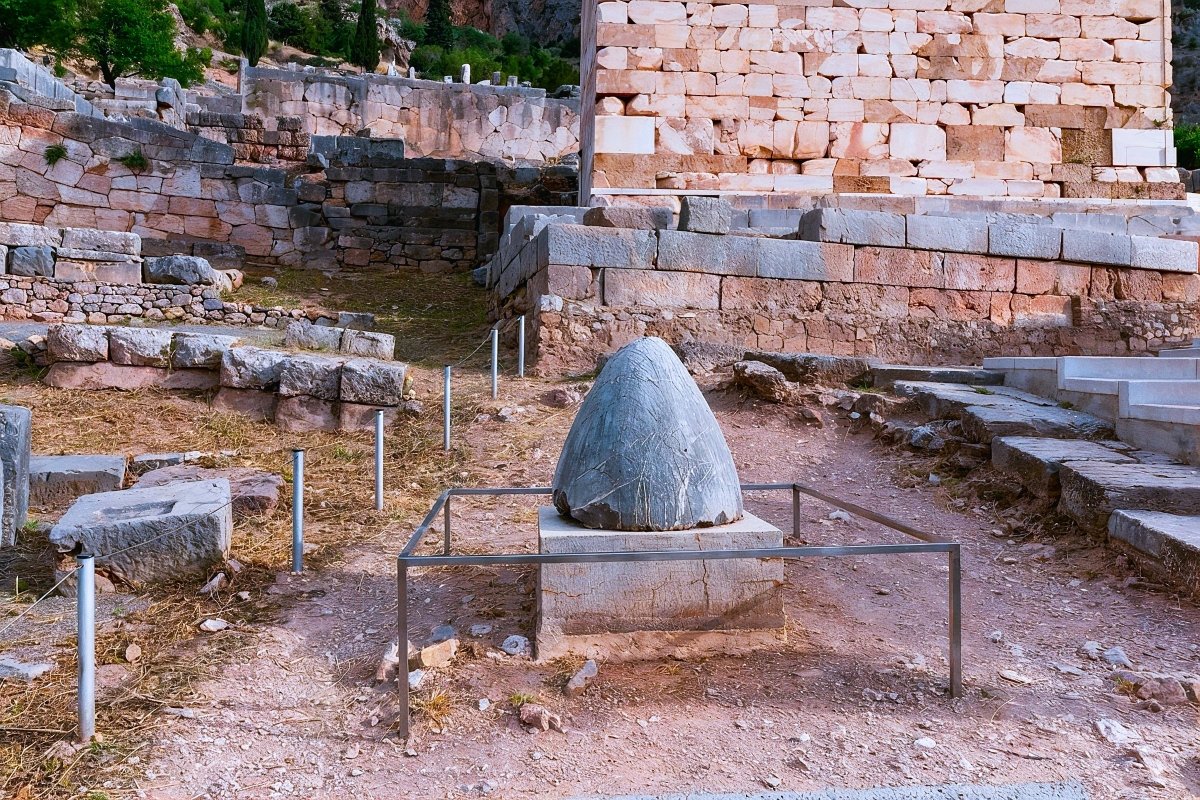
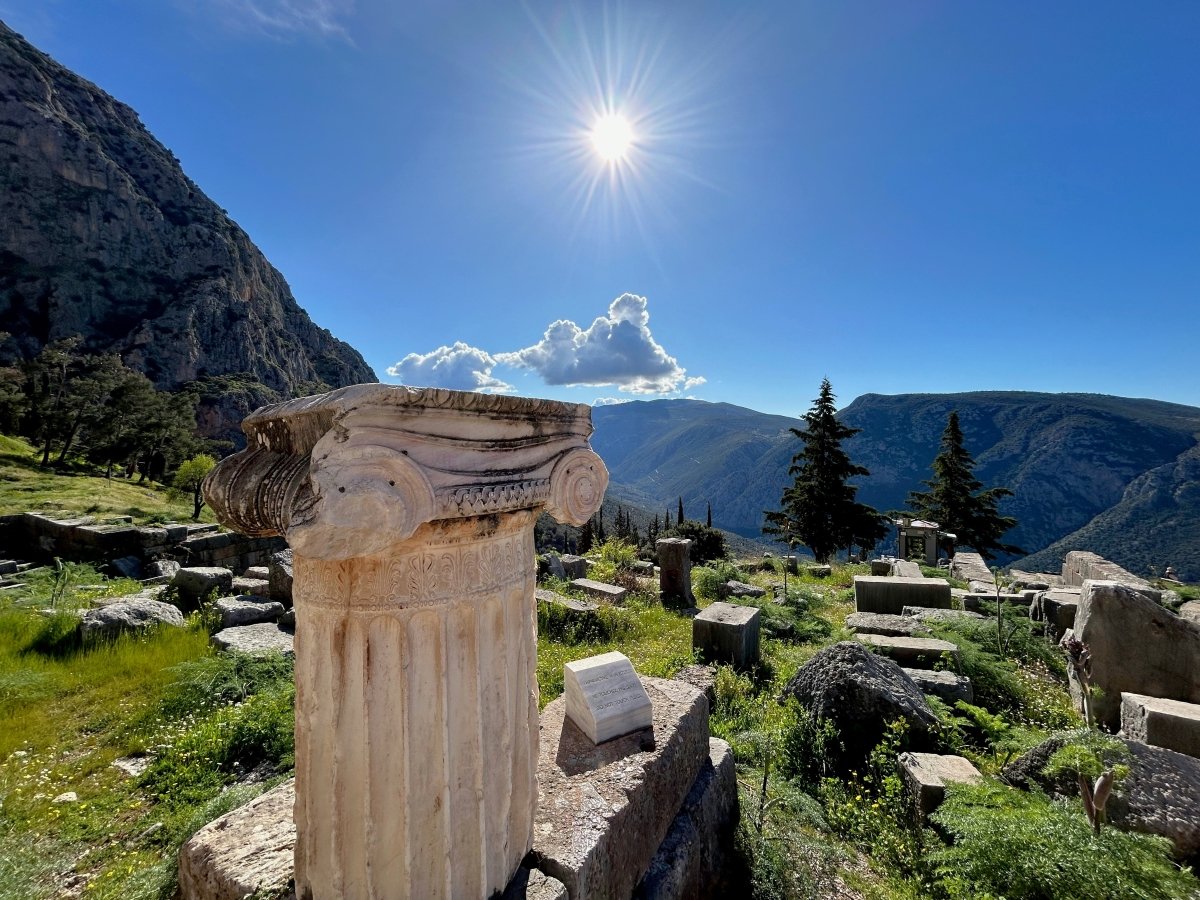
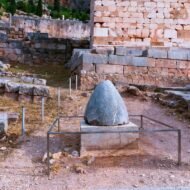
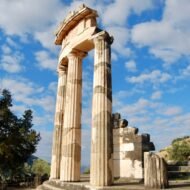
In ancient Greece, if you wanted to know what the gods had planned for you — before a war, a marriage, a colonial expedition — you went to Delphi. Perched on the steep slopes of Mount Parnassus, overlooking a gorge of shimmering olive groves that spills down to the Gulf of Corinth, Delphi was considered the centre of the world. The Greeks called it the omphalos — the navel of the earth.
The Pythia was the Oracle: a woman chosen from the local village, who would descend into a chamber beneath the Temple of Apollo, breathe vapours rising from a crack in the earth, and enter a trance state. The question you’d spent months and a fortune travelling to ask would be relayed to her by a priest. Her answer — typically cryptic, almost always multi-interpretable — was the word of Apollo himself.
Kings consulted her. Generals consulted her. Whole civilisations made decisions based on her pronouncements. The Oracle at Delphi shaped the ancient world in ways that are genuinely hard to overstate.
Modern geology has actually found evidence supporting parts of this: fault lines beneath Delphi where ethylene gas could have seeped through fissures. The Pythia may not have been faking her trance.
What It’s Actually Like
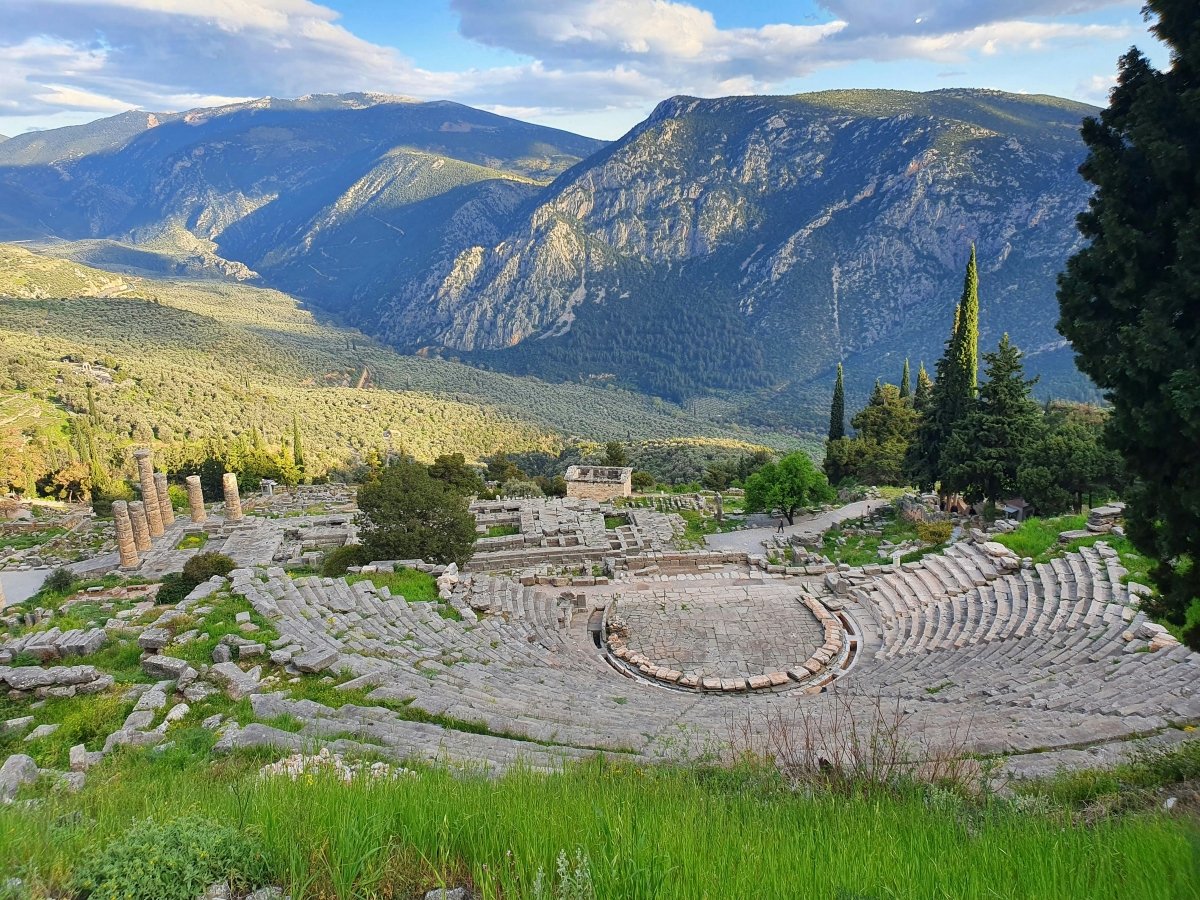
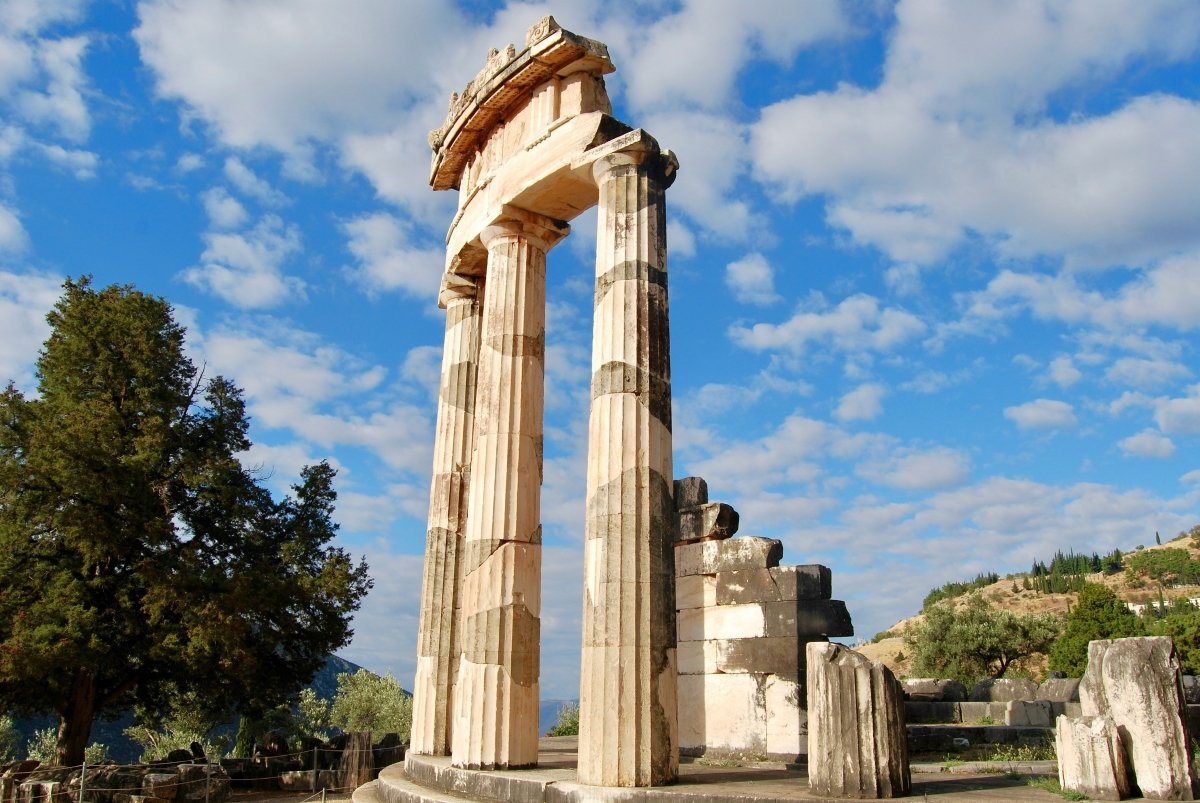
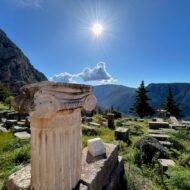
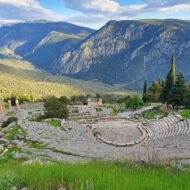
Delphi today is one of those rare UNESCO sites that fully lives up to the hype. The setting is dramatic: ruins cascading down a steep hillside, with Mount Parnassus looming above and the Pleistos Valley stretching below. The air is scented with wild herbs, and on a clear day the view to the sea is extraordinary.
The Sacred Way winds up past the Treasury of the Athenians, the Temple of Apollo (where the famous “Know Thyself” inscription was carved), and the remarkably preserved theatre. The stadium at the top — one of the best-preserved in Greece — is where the Pythian Games were held, second only to Olympia.
The Archaeological Museum on site is exceptional and absolutely worth including. Don’t skip the Charioteer of Delphi — a 5th-century bronze that will stop you in your tracks.
Know Before You Go
- Getting there: Buses run from Athens’ Liossion terminal (roughly 3 hours). Driving from Athens takes about 2.5 hours via the E75. No train.
- Costs: Combined ticket for site and museum ~€12. Free for EU citizens under 25.
- Stay the night: The town of Delphi is small but charming, with several good guesthouses and restaurants. Arriving the day before and hitting the site at opening time — before tour groups — is the move.
- Tip: Bring water and sun protection. There’s very little shade on the upper parts of the site.
- Best for: History lovers, solo travellers, anyone who finds something quietly thrilling about standing where prophecies were made.
5. Wawel Dragon’s Den, Kraków, Poland — Smoke, Fire, and a Cobbler’s Trick
The Legend
Long before Kraków became one of Europe’s most beloved weekend-trip destinations, it was terrorised. According to the founding legend of the city, a fire-breathing dragon — the Smok Wawelski — lived in a cave beneath Wawel Hill on the banks of the Vistula River. The creature demanded a weekly tribute of cattle to stay satisfied. When cattle ran short? It ate people. Young women, specifically. Classic villain behaviour.
The king offered his daughter’s hand in marriage to whoever could slay the beast. Knights tried. Knights died. Then a clever cobbler’s apprentice named Skuba (or Krakus, depending on the version) had a different idea. He stuffed a sheep’s carcass with sulphur and left it outside the cave. The dragon ate it, became desperately thirsty, drank from the Vistula until it literally exploded, and Skuba won the princess. Brains beat brawn. It’s a very satisfying story.
What It’s Actually Like
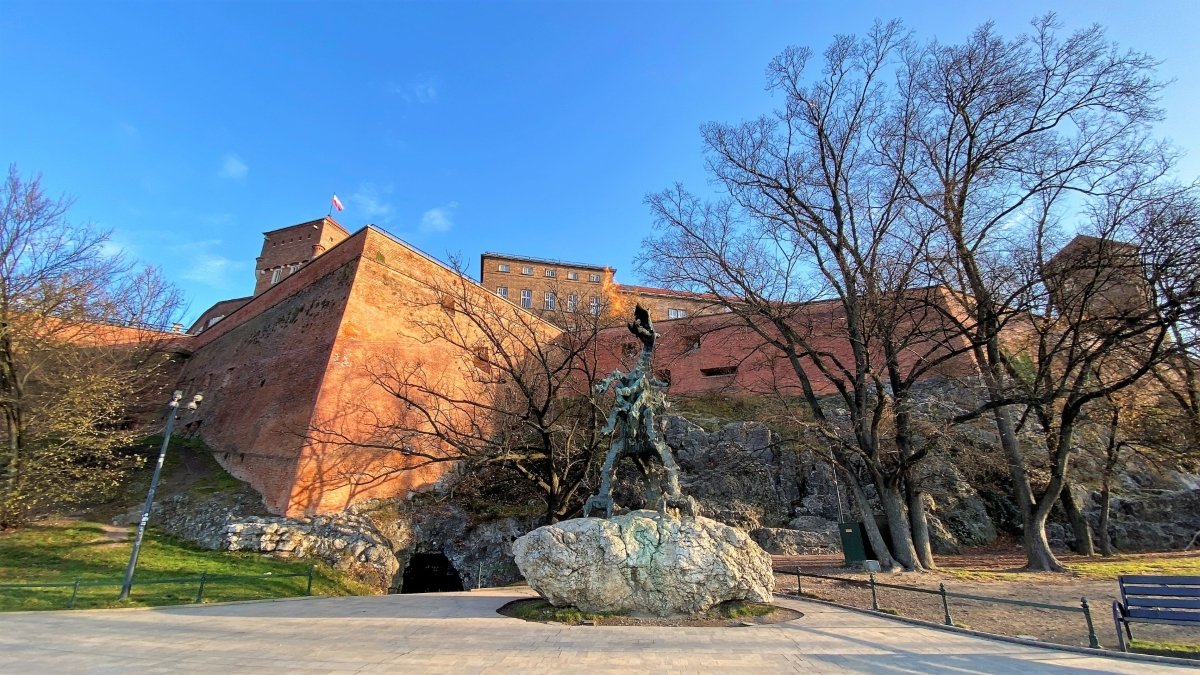
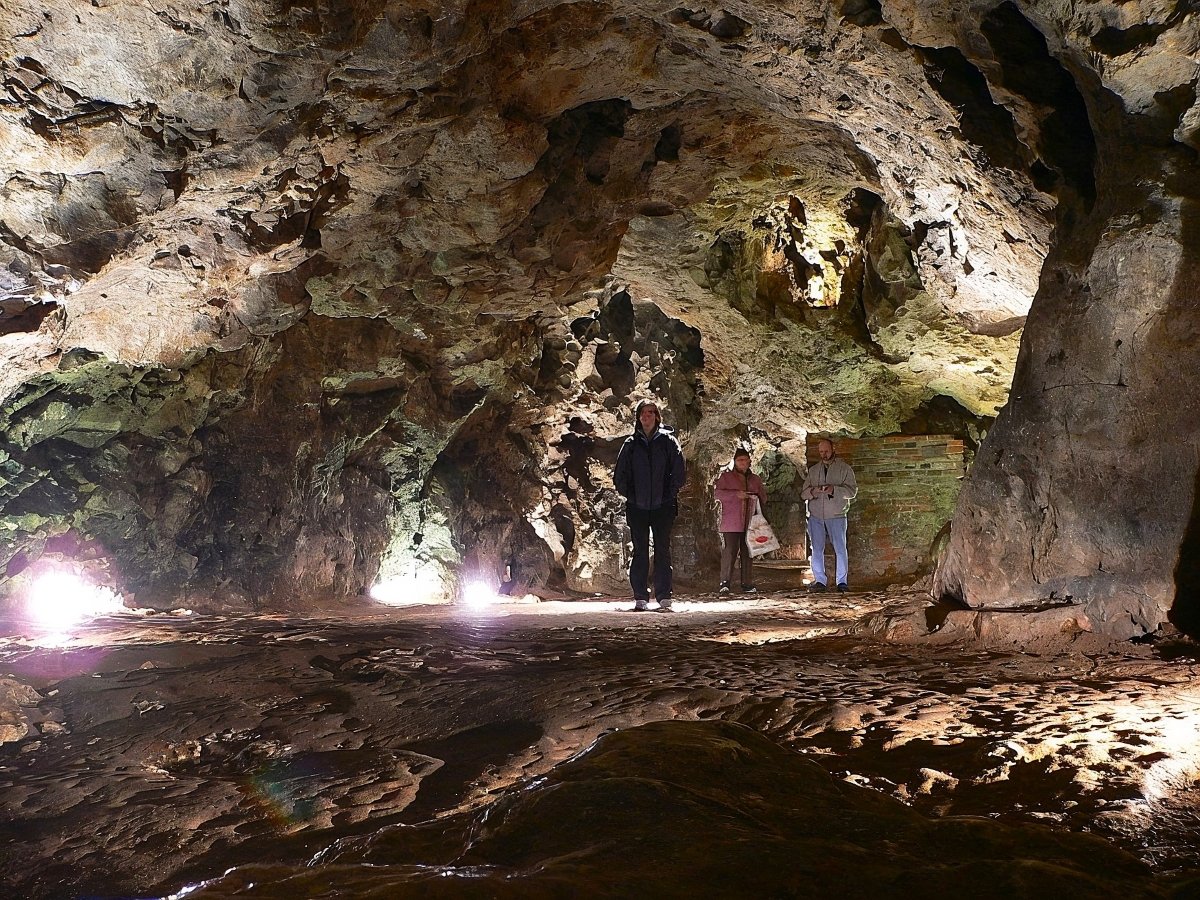
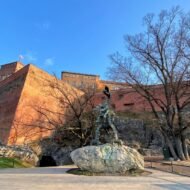
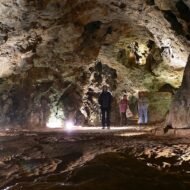
The Dragon’s Den (Smocza Jama) is a real limestone cave of about 270 metres, winding beneath Wawel Castle — itself a stunning royal complex that dominated Polish history for centuries. The cave entrance is on the riverbank; you exit at the top near the castle walls.
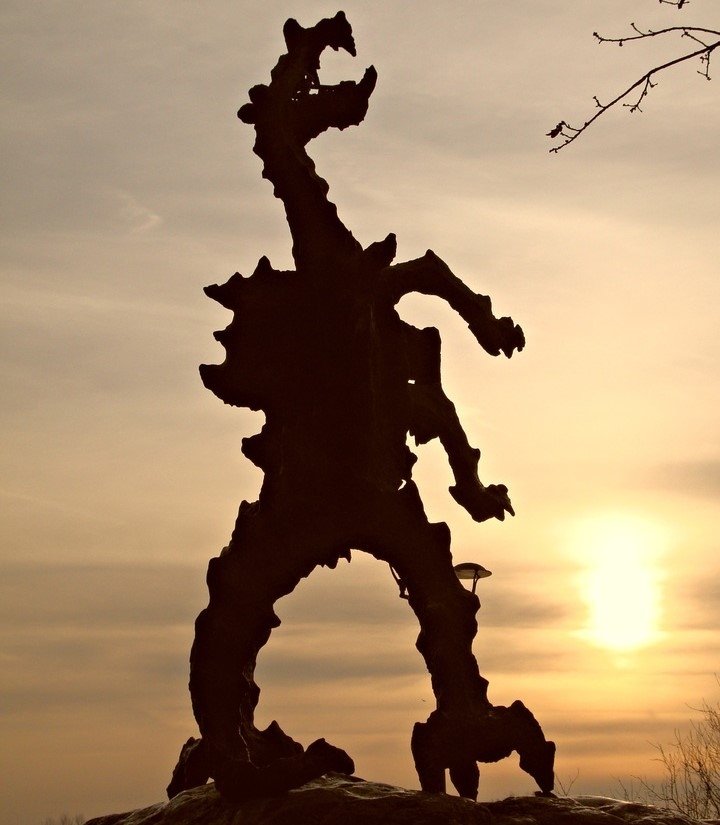
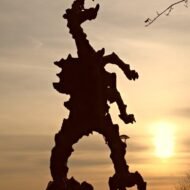
It’s a short visit — maybe 20–30 minutes — but completely charming, especially with kids. Outside the cave exit, there’s a famous fire-breathing dragon statue by sculptor Bronisław Chromy, installed in 1969. It breathes real fire on a timer (every few minutes or triggered by text message — yes, really). It’s delightful and slightly absurd, and children absolutely lose their minds for it.
Wawel Castle and Cathedral are world-class attractions in their own right. The whole hill is one of those sites where Polish history — royal, cultural, religious — layers on itself in the most extraordinary way.
Know Before You Go
- Getting there: Wawel Hill is a 15-minute walk from Kraków’s main market square (Rynek Główny), one of the largest medieval squares in Europe.
- Costs: Cave entry ~€3–5. Wawel Castle has various ticketed areas; budget €10–20 depending on what you want to see.
- Opening season: Dragon’s Den is typically open April/May through October. The castle complex is open year-round.
- Tip: Kraków’s Old Town is extremely walkable and compact. Two full days is enough to see the major sites including the cave, the castle, and Kazimierz (the historic Jewish quarter).
- Accessibility: The cave involves uneven steps and low passages. Not suitable for wheelchairs or those with limited mobility.
Recap: Five Myths, Five Unmissable Destinations
Houska Castle — Where a 13th-century chapel was built to literally cap a portal to hell. Remote, atmospheric, and genuinely unsettling in the best possible way.
Beddgelert — A Welsh village built around a grave that may be a marketing invention, but whose story of loyalty and loss is as old as human experience. The scenery alone is worth the trip.
Brocken Mountain — The German peak where witches danced with the devil, Goethe wrote his masterwork, and Soviet spies later built radar towers. Layers upon layers.
Delphi — The place where the ancient world came for answers, and where geology and mythology turn out to be pointing at the same cracks in the earth. Spectacular and irreplaceable.
Wawel Dragon’s Den — A cave beneath a royal castle, a fire-breathing metal dragon on the riverbank, and a founding myth that celebrates the ingenious over the invincible. Perfect for all ages.
What connects all five? The understanding that people have always needed stories to make sense of the world — and that the places where those stories were born carry something that no amount of time fully erases. You feel it when you’re there. That’s the whole point.
A Final Note on Visiting Responsibly
Many of these sites are in communities where tourism is both economically vital and, frankly, occasionally overwhelming. A few simple things make a real difference:
- Eat and stay local where you can. Your euros, pounds, and złoty go further in a family-run guesthouse than a chain hotel.
- Respect the sites. These places mean something to the people who live near them — not just as tourist attractions but as cultural and spiritual heritage.
- Travel in shoulder season if possible. You’ll have a better experience, and you’ll be contributing to a more sustainable tourism economy.
- Go slow. Myth-tourism rewards the traveller who lingers, asks questions, and pays attention. These stories don’t give themselves up to anyone who rushes through.
Disclaimer: All prices, opening hours, and travel information in this article were accurate at the time of writing but are subject to change. Always verify current details with official tourism websites before travelling. Travel requirements, visa rules, and accessibility features vary and should be checked independently. The author does not have commercial affiliations with any venues listed. Safe travels — and may you meet no dragons you aren’t prepared for.