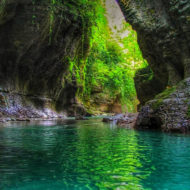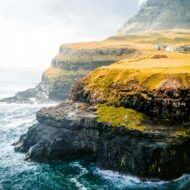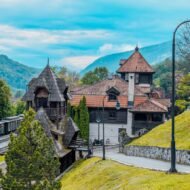


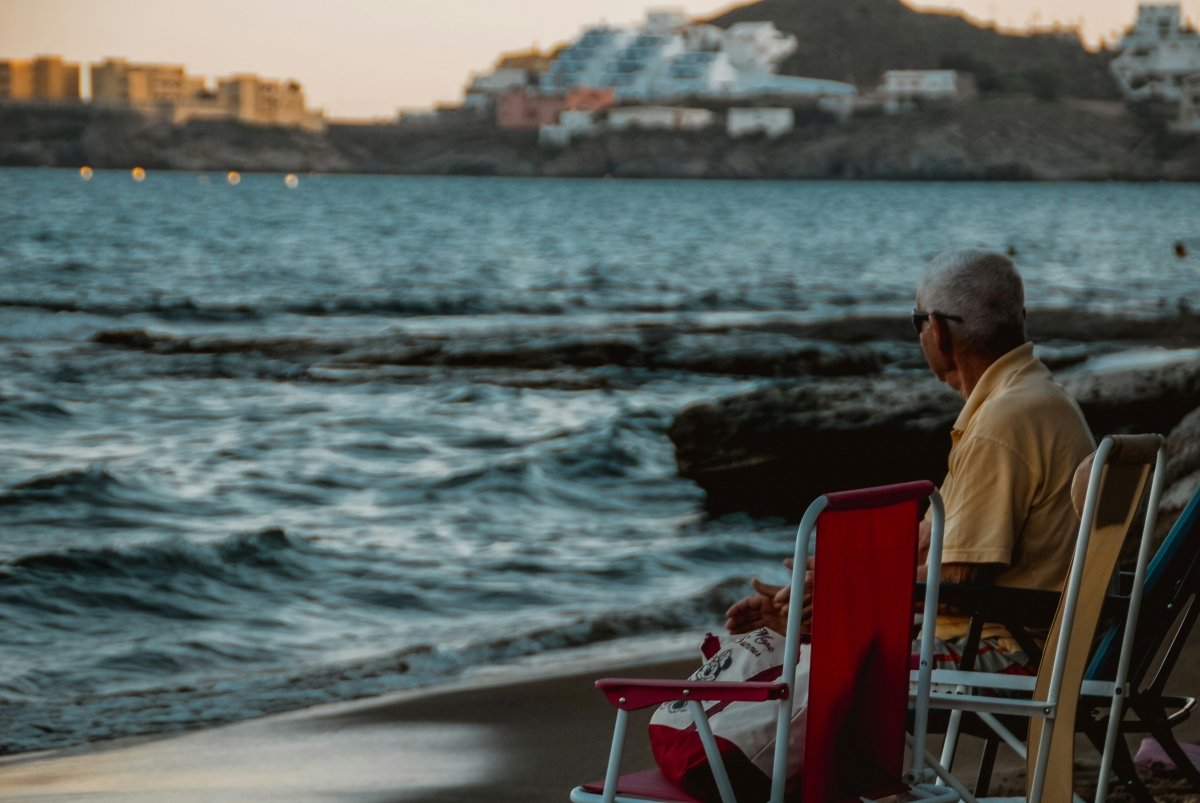

TL;DR: Terra Incognita Europe: 5 Hidden Spring Destinations , Tired of elbow-to-elbow selfie queues at the Colosseum? This spring, skip the tourist traps and head somewhere that’ll actually take your breath away. We’re talking a volcanic coastline in Spain that feels like Mars, a forgotten Adriatic fortress city, an Italian hilltop town literally crumbling into the sky, a Balkan lake older than most of human civilization, and a Belgian forest that turns electric violet every April. Five places. All ridiculously underrated. All 100% worth your passport stamp.
- KNOW BEFORE YOU GO
- Introduction: Europe Is Bigger Than Your Instagram Feed
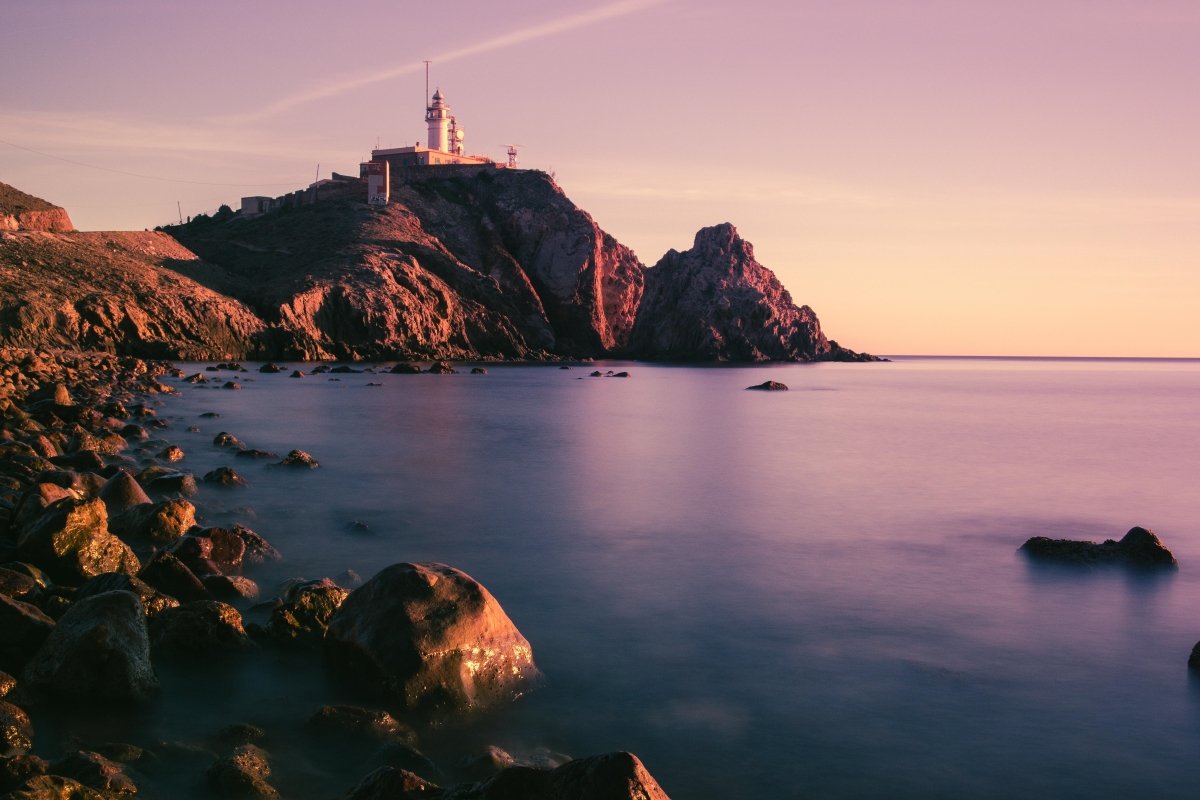
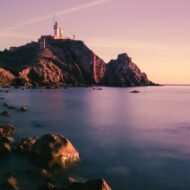
- 1. Cabo de Gata-Níjar Natural Park — Europe’s Wildest Mediterranean Coast
- 2. Ulcinj — The Adriatic’s Forgotten Citadel
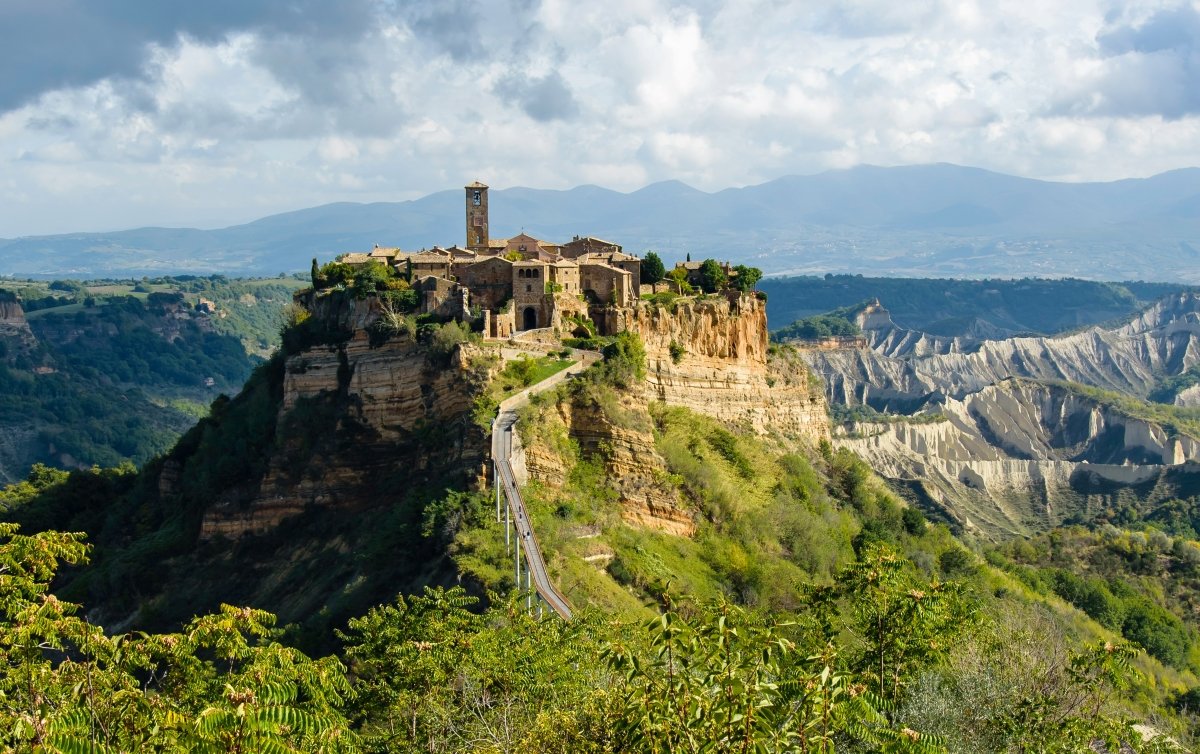
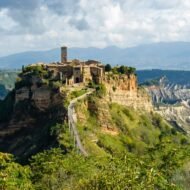
- 3. Civita di Bagnoregio — The Dying City Above the Clouds
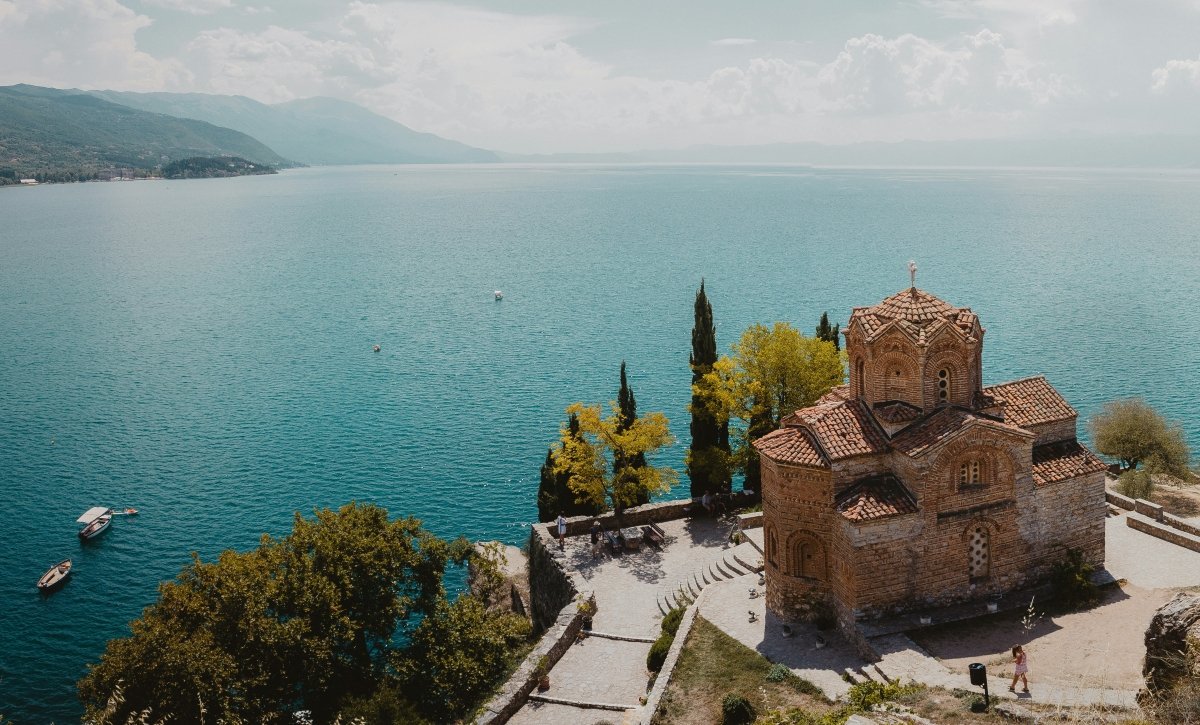
- 4. Lake Ohrid — Europe’s Most Underrated Lake
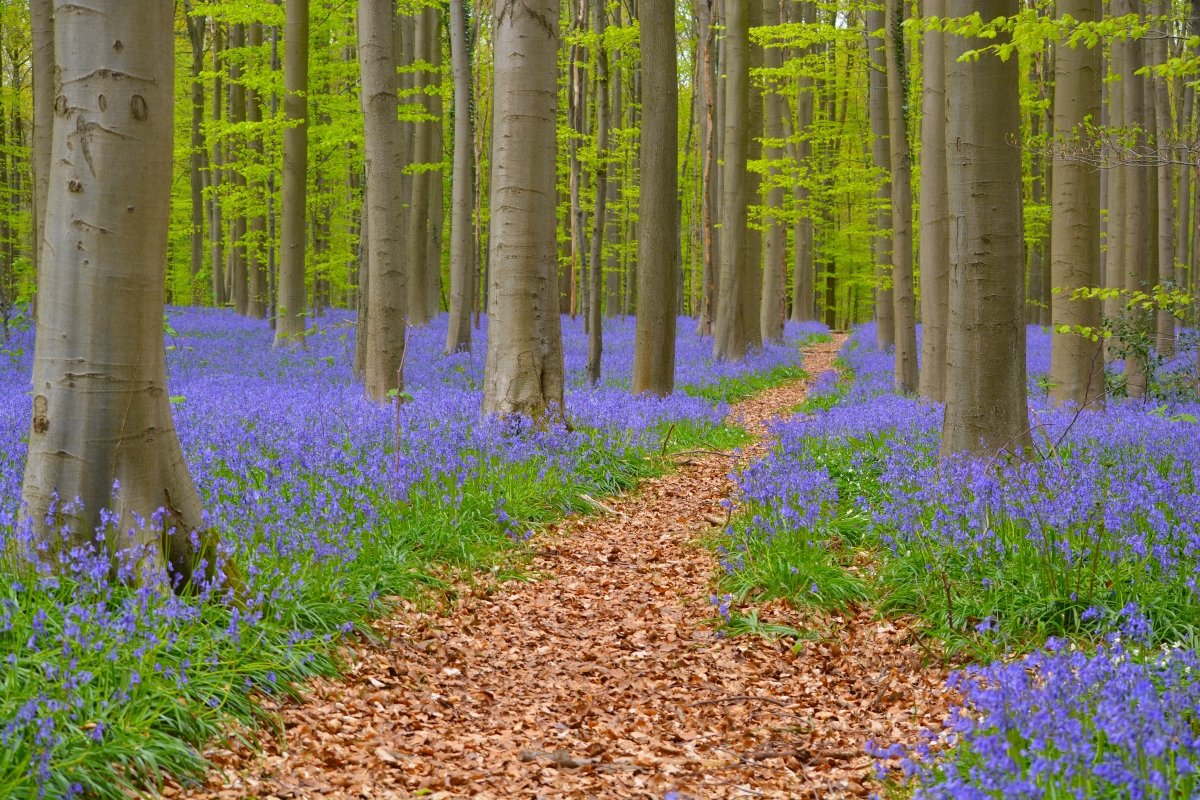
- 5. Hallerbos — The Blue Forest of Europe
- Recap: Your Spring Hit List
- Before You Book: A Few Practical Notes
KNOW BEFORE YOU GO
| Destination | Country | Best Time to Visit | Avg. Spring Temp | Nearest Airport | Visa Required (EU/EEA travelers) | Budget Level | Crowds |
|---|---|---|---|---|---|---|---|
| Cabo de Gata-Níjar | Spain | March–May | 18–22°C | Almería (LEI) | No | € | Very Low |
| Ulcinj | Montenegro | April–June | 16–21°C | Podgorica (TGD) | No (90 days) | € | Very Low |
| Civita di Bagnoregio | Italy | April–May | 14–19°C | Rome Fiumicino (FCO) | No | €€ | Low–Medium |
| Lake Ohrid | N. Macedonia | April–June | 14–20°C | Ohrid (OHD) | No (90 days) | € | Low |
| Hallerbos | Belgium | Mid-April–May | 10–15°C | Brussels (BRU) | No | Free entry | Medium (weekends) |
Note: Non-EU travelers should verify visa requirements for each country before booking. Montenegro and North Macedonia are not EU members. Always check your government’s travel advisories before departure.
Introduction: Europe Is Bigger Than Your Instagram Feed
Let’s be real — most of us have scrolled past the same Santorini sunsets, Amalfi cliffside photos, and Amsterdam canal shots so many times we could recreate them in our sleep. And don’t get us wrong, those places are stunning for a reason. But Europe has a whole other layer hiding just beneath the surface of the algorithm.
These are the places that haven’t been Instagram-optimized yet. Where the locals still outnumber the tourists. Where you can actually hear yourself think.
This spring, we’re handing you the map to five of Europe’s most spectacular under-the-radar destinations — and everything you need to actually get there, stay smart, and come back with stories nobody’s heard before.
Let’s go.
1. Cabo de Gata-Níjar Natural Park — Europe’s Wildest Mediterranean Coast
Almería, Andalusia, Spain
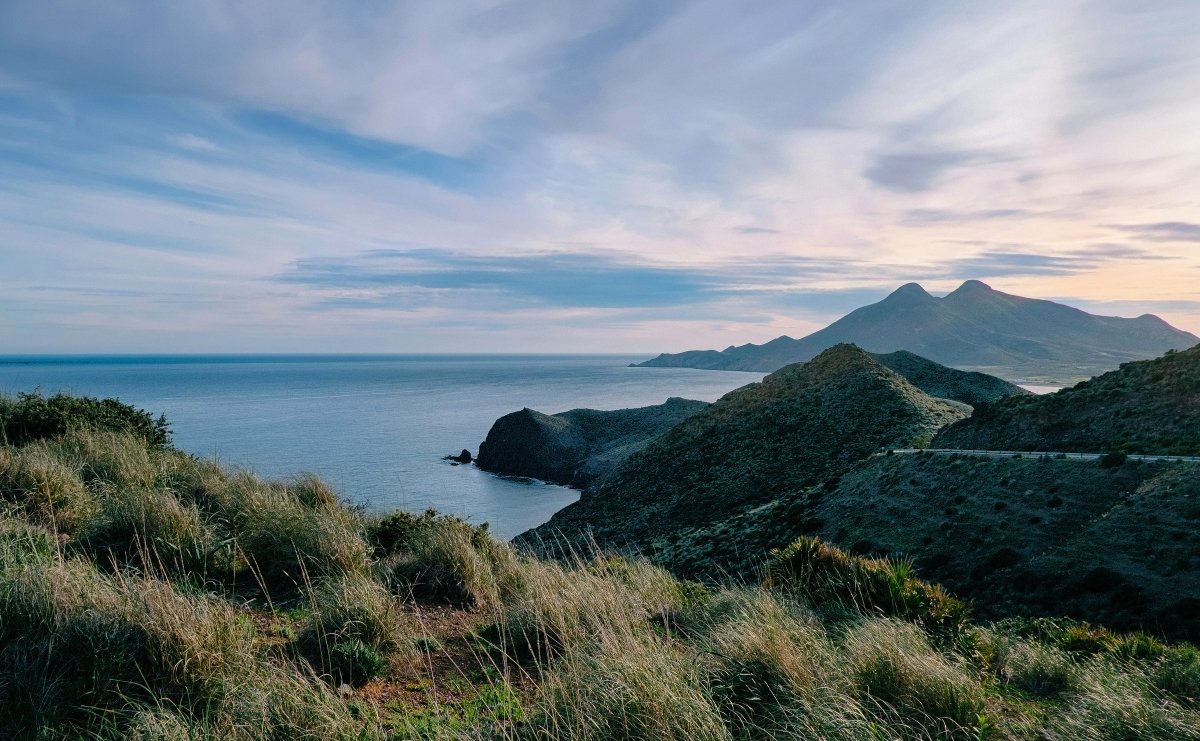
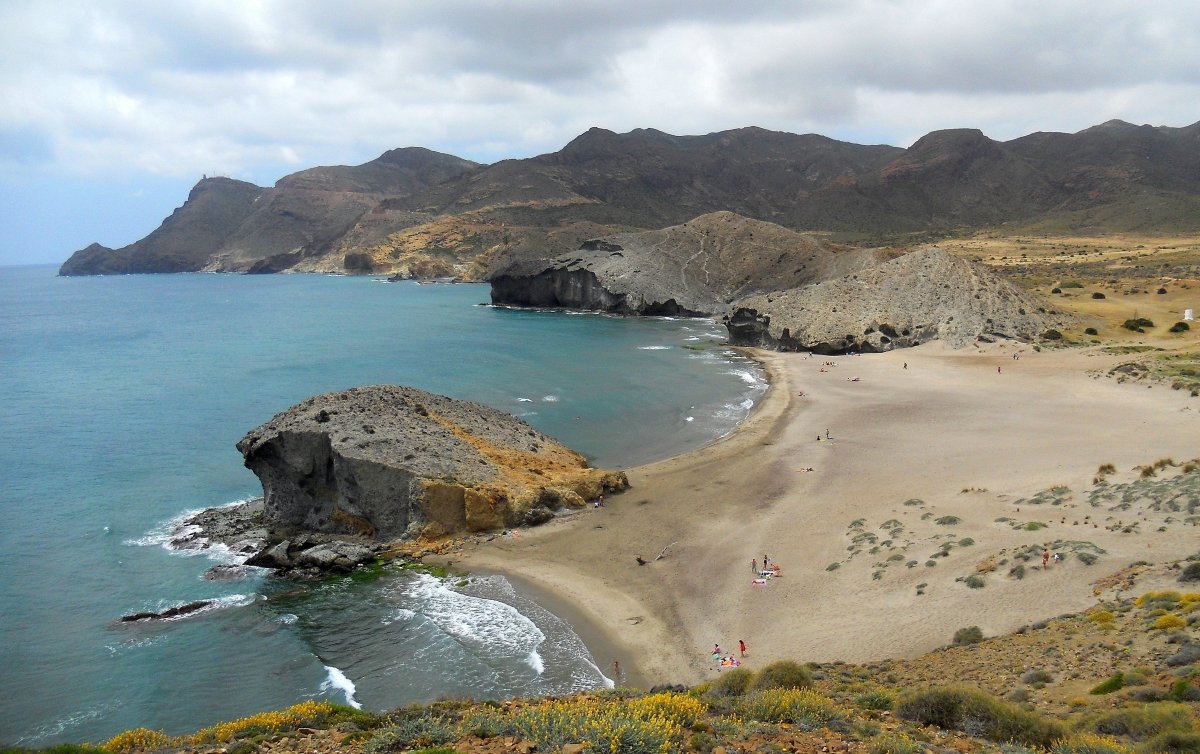
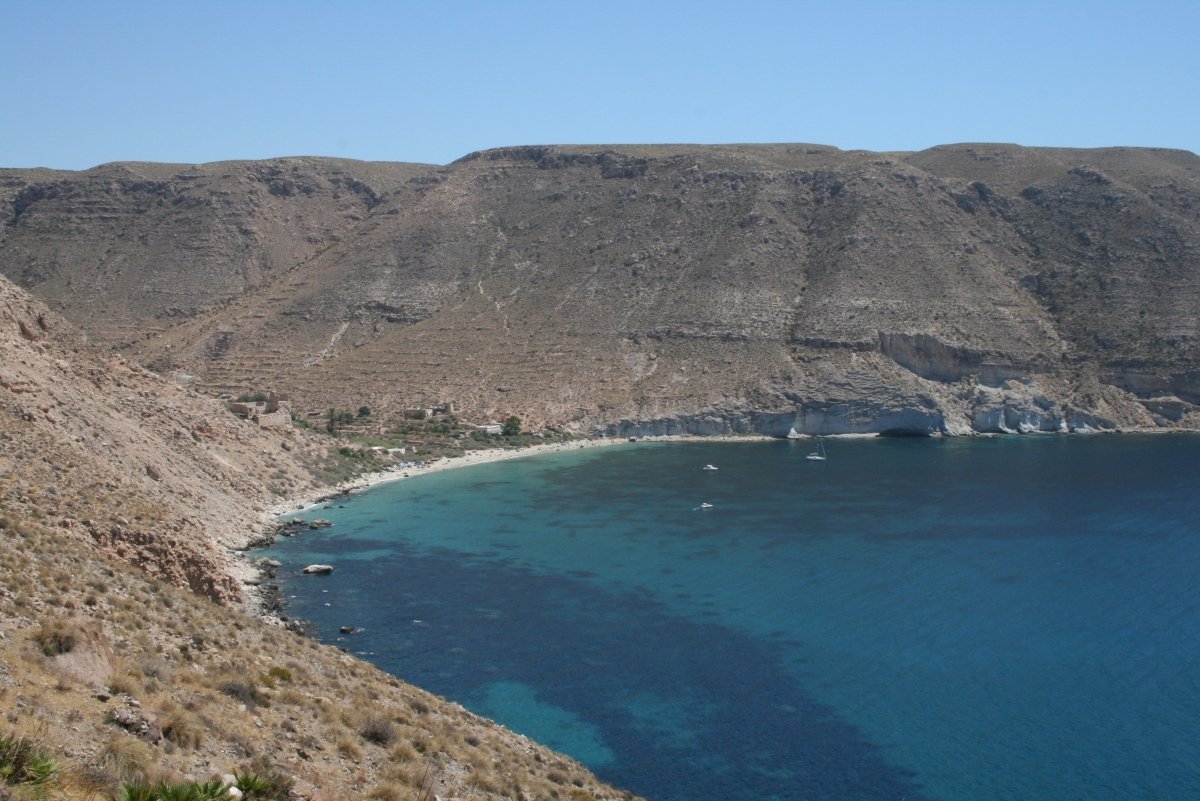
Picture this: volcanic cliffs dropping into water so clear you can count the pebbles 10 meters down. Flamingos wading through salt lagoons at dusk. Zero beach bars. Zero cruise ships. Zero crowds.
That’s Cabo de Gata, and it might be the most beautiful stretch of coastline most Europeans have never heard of.
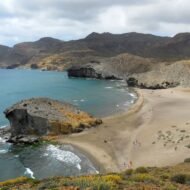
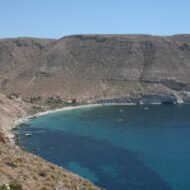
Located in southeastern Andalusia near Almería, this UNESCO Biosphere Reserve is the driest corner of Europe — a semi-desert landscape sculpted by ancient volcanic activity. The result is something genuinely otherworldly: jagged black rock formations, hidden coves only reachable on foot or by kayak, and beaches with names like Playa de los Muertos (Beach of the Dead) that live up to their dramatic billing.
Why spring is magic here: March through May hits that sweet spot before the summer heat turns brutal (we’re talking 35°C+ in July). Spring brings wildflowers pushing up through the volcanic soil, migratory birds stopping over at the Salinas de Cabo de Gata lagoons, and water temperatures warm enough for a brave dip.
What to do: The GR-92 coastal trail connects the park’s most dramatic viewpoints — hike the stretch from San José to La Isleta del Moro for views that rival anything the Amalfi Coast offers at a fraction of the price. Rent a kayak to reach Cala de Enmedio, a hidden beach with a natural freshwater spring. Visit the Salinas at sunrise for flamingo sightings that feel like a wildlife documentary. And if you’re curious about the landscape looking vaguely familiar, you’re not imagining it — Sergio Leone filmed several Spaghetti Westerns here.
Where to stay: San José is your base camp — a small fishing village with whitewashed houses, a handful of excellent tapas bars, and accommodation ranging from €50/night guesthouses to well-priced self-catering apartments. Book ahead even in spring; this place is slowly getting discovered.
Getting there: Fly into Almería Airport (LEI), rent a car (essential — public transport is sparse), and you’re about 40 minutes from the park entrance. Direct flights from major European hubs run regularly in spring, often at very reasonable prices if you book 6–8 weeks out.
Local tip: The park has strict rules about camping and driving off-road, and rangers enforce them. Respect the ecosystem — this place stays beautiful because people take care of it. Bring cash; not everywhere takes cards.
2. Ulcinj — The Adriatic’s Forgotten Citadel
Montenegro
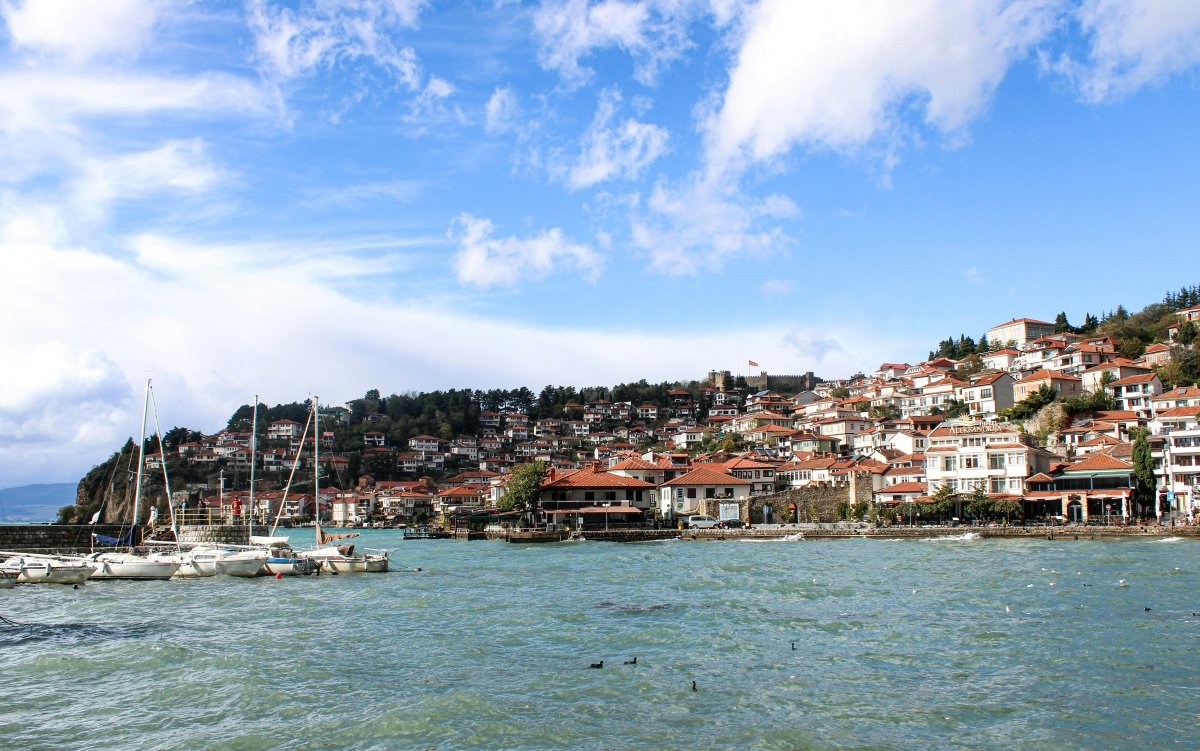
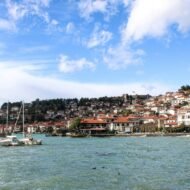
Montenegro gets some buzz for Kotor and Budva, but drop down to the very southern tip of the country — practically touching Albania — and you’ll find Ulcinj, a place so layered with history it genuinely defies easy description.
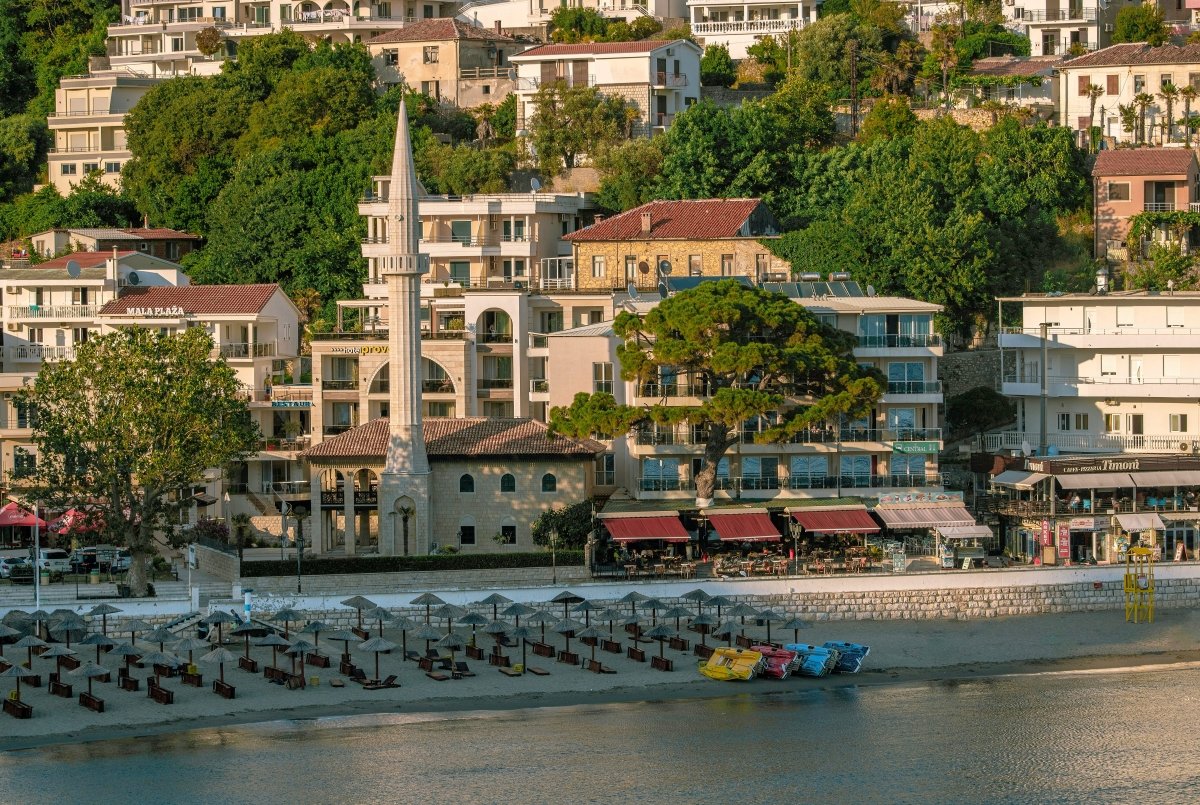
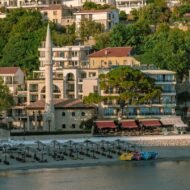
This coastal town has been Illyrian, Roman, Byzantine, Venetian, Ottoman, and Yugoslavian. Its old town is a fortified citadel perched on a rocky promontory above the Adriatic, with narrow stone streets, Ottoman-era mosques, and views that make you stop mid-sentence. The population is majority Albanian Muslim, giving Ulcinj a distinct cultural flavour unlike anywhere else on the Adriatic — you’re more likely to hear Albanian and smell Turkish coffee than anything approximating a standard beach resort experience.
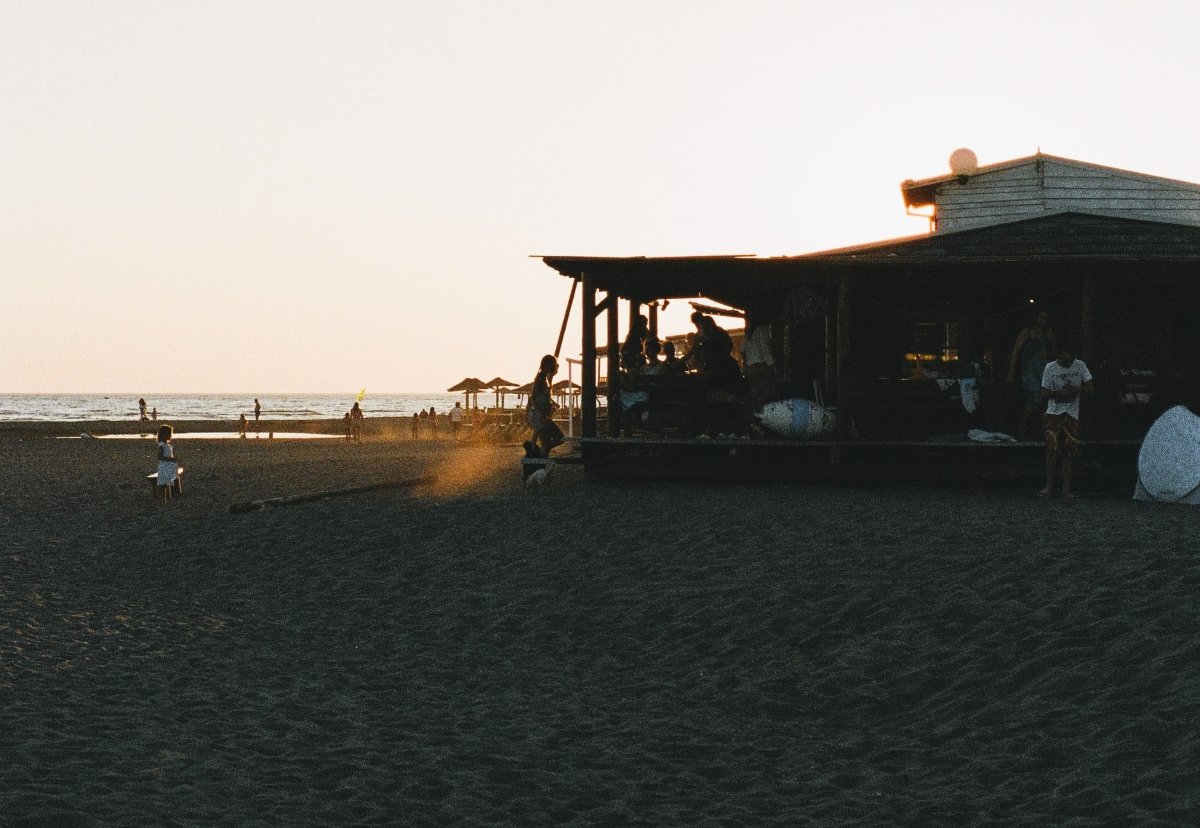
Why spring is perfect: Before June, Ulcinj is almost entirely tourist-free. You’ll share the beaches — and Velika Plaža (Long Beach) is one of the longest sand beaches in the entire Adriatic at 12 km — with virtually nobody. The old town is yours to explore without the summer heat pressing down on you.
What to do: Wander the old citadel at your own pace and find the small museum tucked inside the fortress walls. Head to Ada Bojana, a river island at the delta of the Bojana River, where a naturist beach, a lagoon full of herons, and a handful of excellent fish restaurants make for a full day’s adventure. Visit the Ladies’ Beach (Ženska Plaža), historically one of the first beaches in the former Yugoslavia where Muslim women could swim. And for sunset, position yourself at the old town walls facing west — it’s genuinely one of the best sunsets on the entire Adriatic.
Where to stay: Small family-run guesthouses in and around the old town offer incredible value — expect to pay €35–60/night for a clean double with breakfast included. The local food scene is excellent and cheap: fresh seafood, Albanian burek, and strong coffee served in tiny cups.
Getting there: Fly into Podgorica (TGD), then take a 2-hour bus or hire a car. Alternatively, budget airlines connect Tivat Airport (TIV) to several European cities seasonally — from Tivat, Ulcinj is about 1.5 hours south. EU and most Western passport holders get 90 days in Montenegro visa-free.
Local tip: Ulcinj has a small but significant history as a hub of the Mediterranean slave trade during the Ottoman period — it’s a layered, complex history that the town doesn’t shy away from. Visit with curiosity and respect. Also, do not miss the octopus salad at any restaurant in the old port. Life-changing.
3. Civita di Bagnoregio — The Dying City Above the Clouds
Lazio, Italy
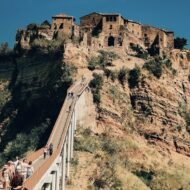
There is a city in central Italy that is genuinely, literally disappearing. Not metaphorically. Not slowly becoming gentrified or losing its character. It is physically crumbling into the valley below it, piece by piece, year by year.
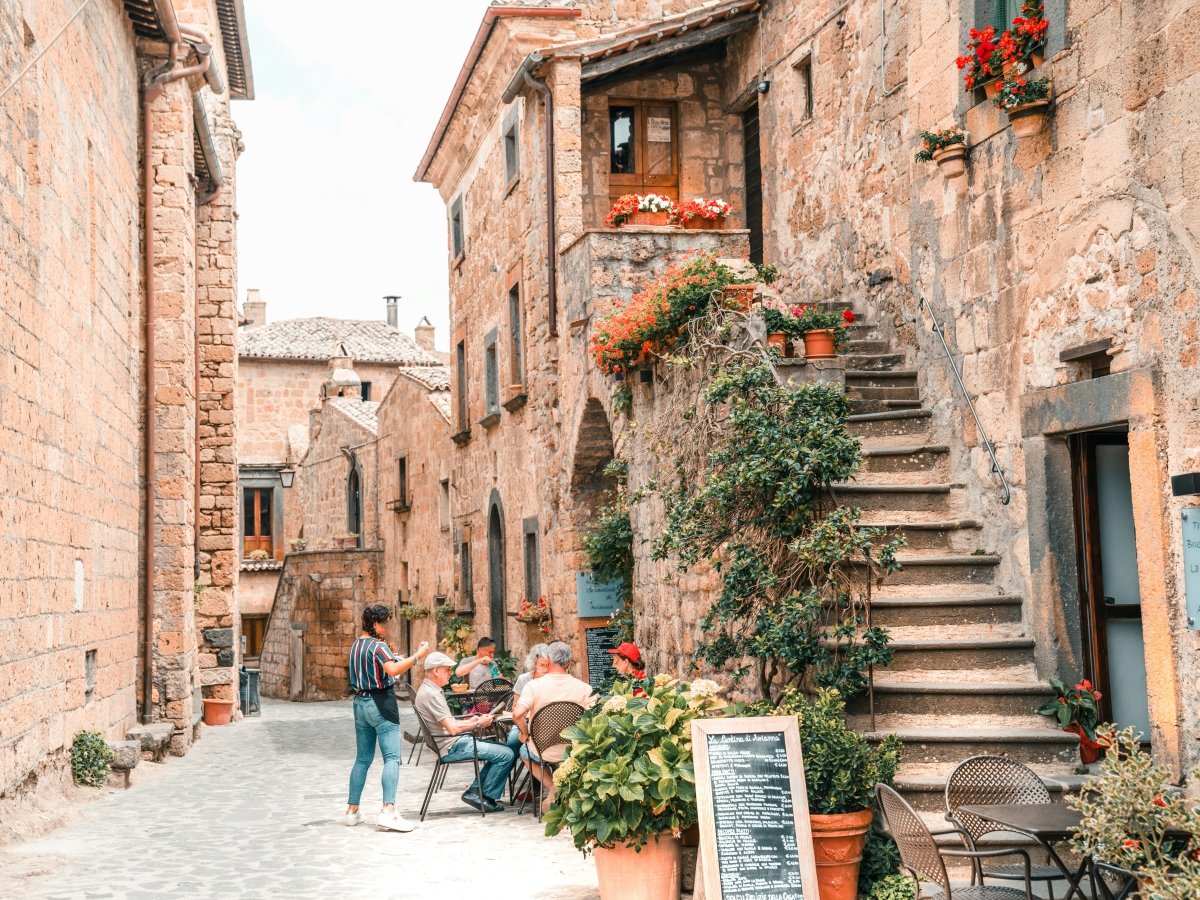
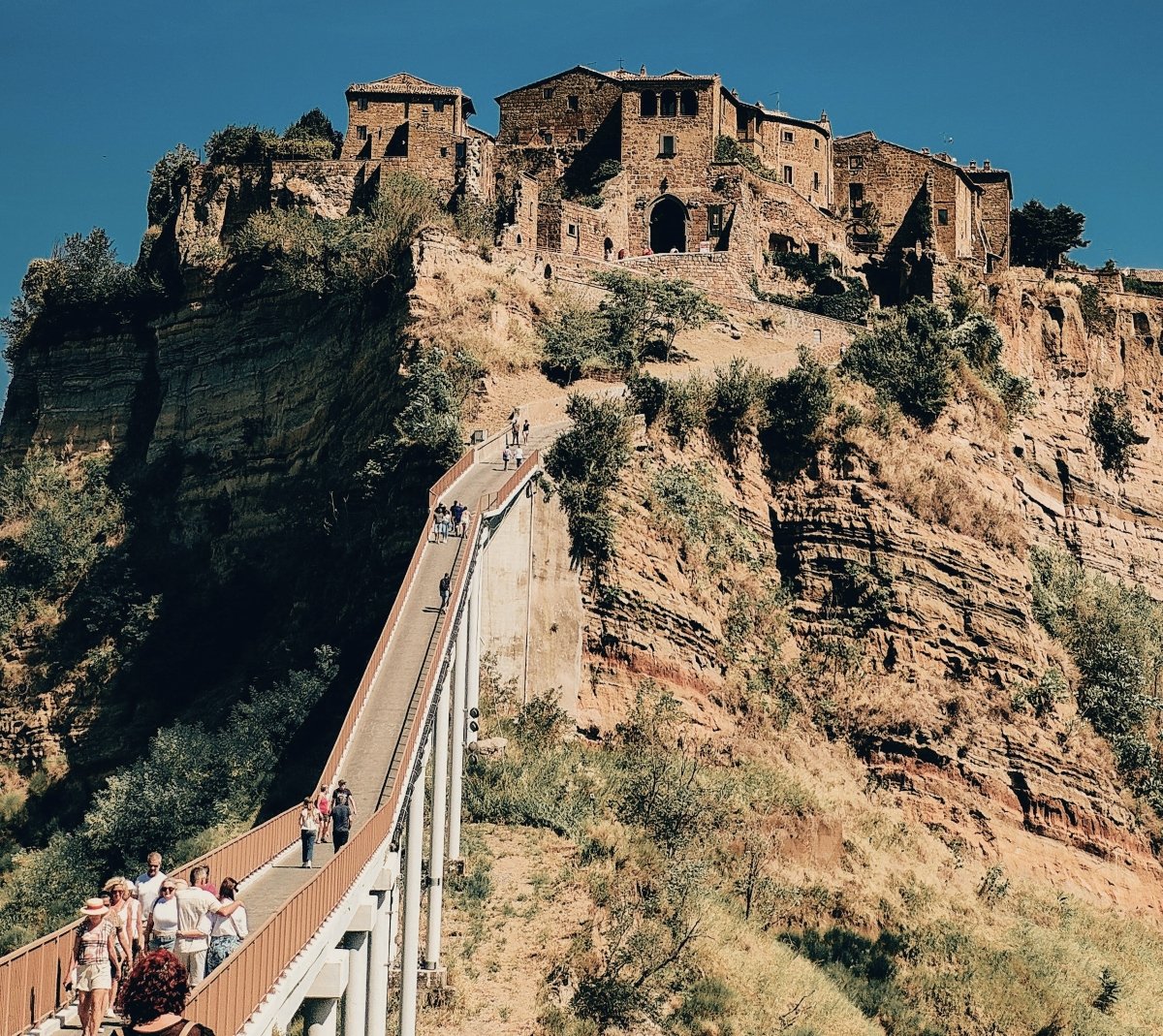
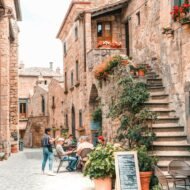
Civita di Bagnoregio sits atop a column of volcanic tuff (soft, erosion-prone rock) in the Tiber Valley north of Rome. The surrounding plateau has been eroding for centuries, isolating the town on its mesa. Today, it’s connected to the modern world by a single pedestrian bridge — 300 meters of exposed walkway over a 300-meter drop into the gorge below.
The Italians call it La Città che Muore. The Dying City.
And yet: people still live there. About 10–12 residents year-round, down from hundreds just a generation ago. The streets are immaculate. The church still holds mass. The cats have claimed most of the doorways.
Why spring is ideal: April and May offer mild temperatures and frequent morning mist that fills the valley below Civita, creating the surreal impression that the town is floating above the clouds. It’s not a cliché — it’s an actual atmospheric phenomenon. Arrive at 8am on a clear spring morning and you’ll understand immediately.
What to do: Cross the bridge (there’s a small entrance fee, currently around €5 for non-residents), spend an hour or two getting lost in the maze of medieval lanes, visit the small Geology and Frana Museum to understand exactly why and how the town is disappearing, and eat lunch at one of the few restaurants — pasta with local truffles and wild boar is the move. Then walk the panoramic trail around the base of the mesa for views back up at the town that will absolutely wreck your understanding of what a “small Italian hilltop village” can look like.
Where to stay: Stay in nearby Bagnoregio town (10 minutes on foot or by shuttle), which has comfortable B&Bs from €60–90/night. Civita itself has a handful of self-catering apartments if you want the full experience of waking up in a town with 12 permanent residents — book far in advance.
Getting there: The nearest major airport is Rome Fiumicino (FCO). From Rome, take a Cotral bus or drive north — it’s about 120 km, roughly 90 minutes by car. There’s no direct train; a car or organised day trip from Rome is your best bet.
Local tip: Civita is increasingly appearing on day-trip itineraries from Rome, which means summer weekends can get surprisingly busy for a place with 12 residents. Weekday mornings in April and May are when you’ll have it almost entirely to yourself. The entrance fee goes toward erosion control and preservation — pay it gladly.
4. Lake Ohrid — Europe’s Most Underrated Lake
North Macedonia (and Albania)
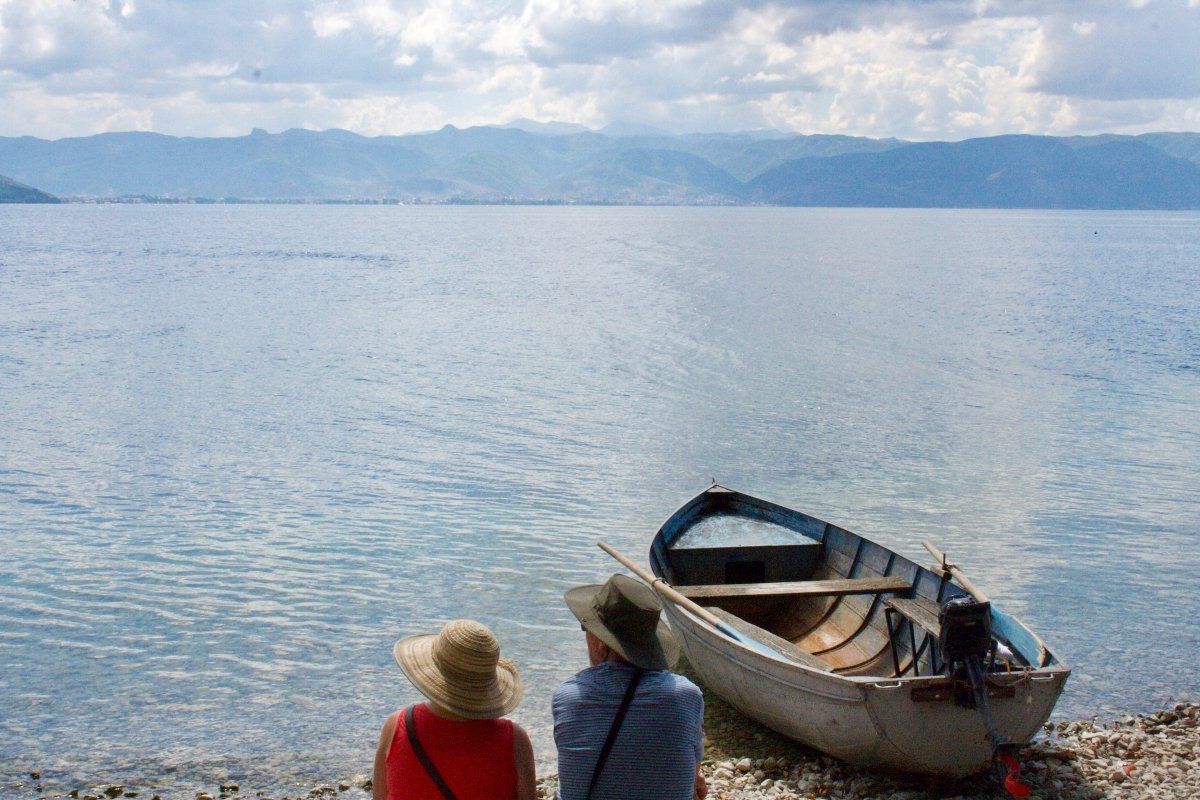
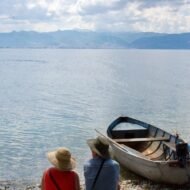
There’s a lake in the southwestern Balkans that is, depending on which scientist you ask, somewhere between 1 and 3 million years old. For context, Lake Geneva is about 10,000 years old. Lake Ohrid is so ancient that it contains endemic species — plants and animals found absolutely nowhere else on Earth — that evolved in its waters over geological timescales.
It is also, somehow, still not on the average traveler’s radar.
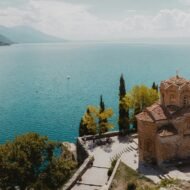
Lake Ohrid is one of Europe’s deepest lakes (over 288 meters at its deepest point), one of its oldest, and arguably one of its most beautiful. The town of Ohrid on the lake’s northeastern shore is a UNESCO World Heritage Site twice over — once for its natural significance, once for its cultural heritage, which includes over 365 churches (one for every day of the year, according to local legend), a well-preserved Ottoman bazaar, Byzantine frescoes of extraordinary quality, and a Roman amphitheatre with a view straight out over the water.
Why spring rocks here: Spring brings lower prices (significantly lower than summer), zero crowds, and the particular quality of Balkan light in April — soft, golden, with a clarity that makes the lake look like hammered silver in the mornings. The surrounding mountains are still snow-capped while the town below is in bloom.
What to do: Walk the Kaneo headland to the Church of St. John at Kaneo, a 13th-century Byzantine chapel perched on a cliff above the lake — it’s the most photographed spot in North Macedonia for excellent reasons. Take a boat across the lake to the Monastery of St. Naum, set in forested grounds at the Albanian border where underground springs feed directly into the lake in colours that shade from turquoise to deep indigo. Visit the Ancient Theatre (one of only two ancient theatres in the world still used for performances). Hire a local fisherman for an early morning trout fishing trip — Ohrid trout (Salmo letnica) is endemic to the lake and appears on every menu in town.
Where to stay: Ohrid’s old town has a range of family-run guesthouses and boutique hotels from €40–90/night. Many are in traditional Ottoman-era houses with wooden bay windows overlooking narrow cobblestone lanes. Book ahead for Easter week, when the town fills with Orthodox Christian pilgrims from across the region.
Getting there: Ohrid has its own small airport (OHD) with seasonal connections to several European cities. Otherwise, fly into Skopje and take a 3-hour bus, or fly into Tirana (Albania) and cross the lake by ferry from Pogradec — a gorgeous approach that drops you right into the scene.
Local tip: The Macedonian denar is the local currency; card acceptance is improving but carry cash for smaller restaurants and guesthouses. North Macedonia is not in the EU or Schengen, but most Western passport holders get 90 days visa-free. The food is outstanding and extremely affordable — a full meal with wine rarely exceeds €15 per person.
5. Hallerbos — The Blue Forest of Europe
Flemish Brabant, Belgium
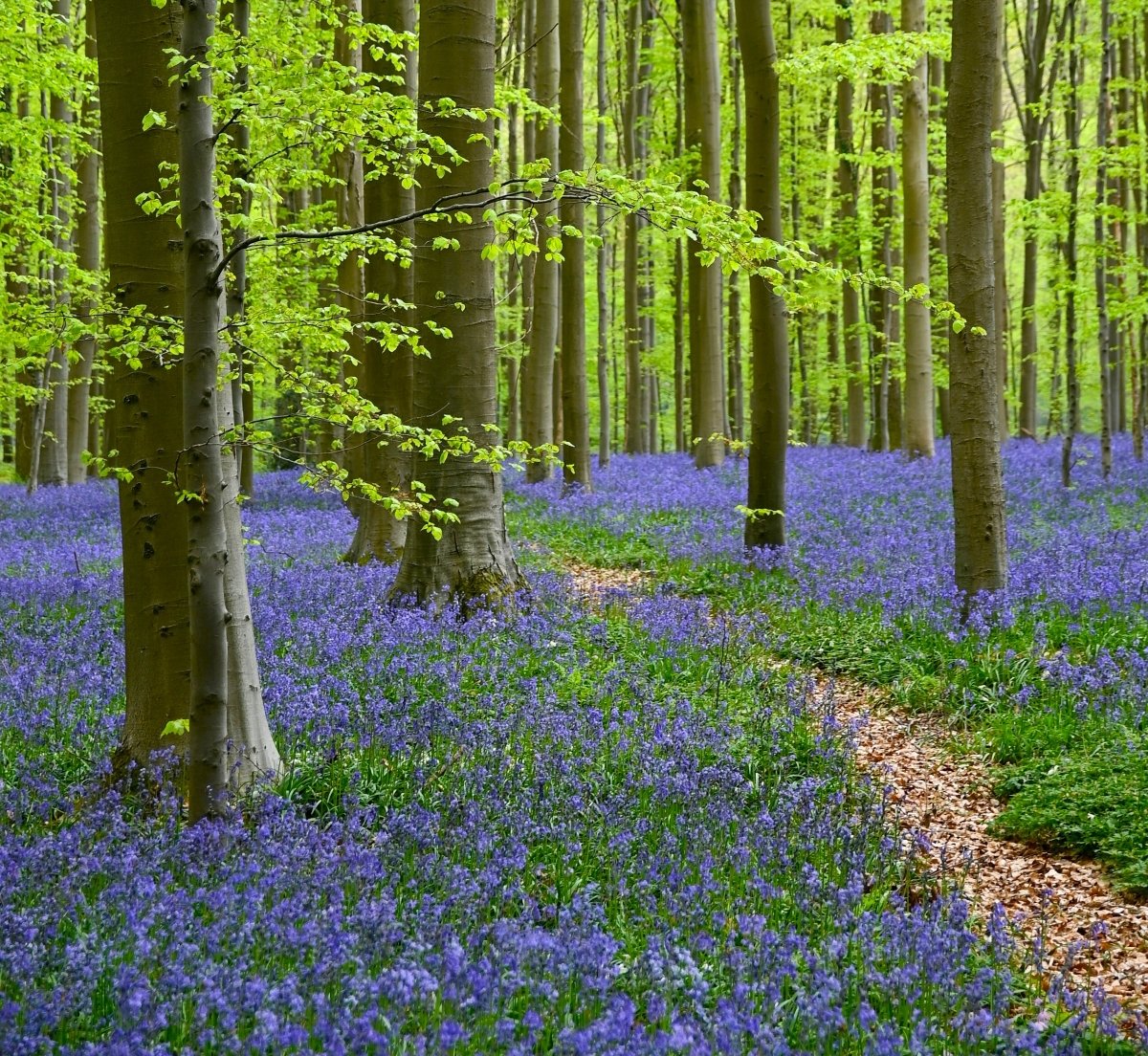
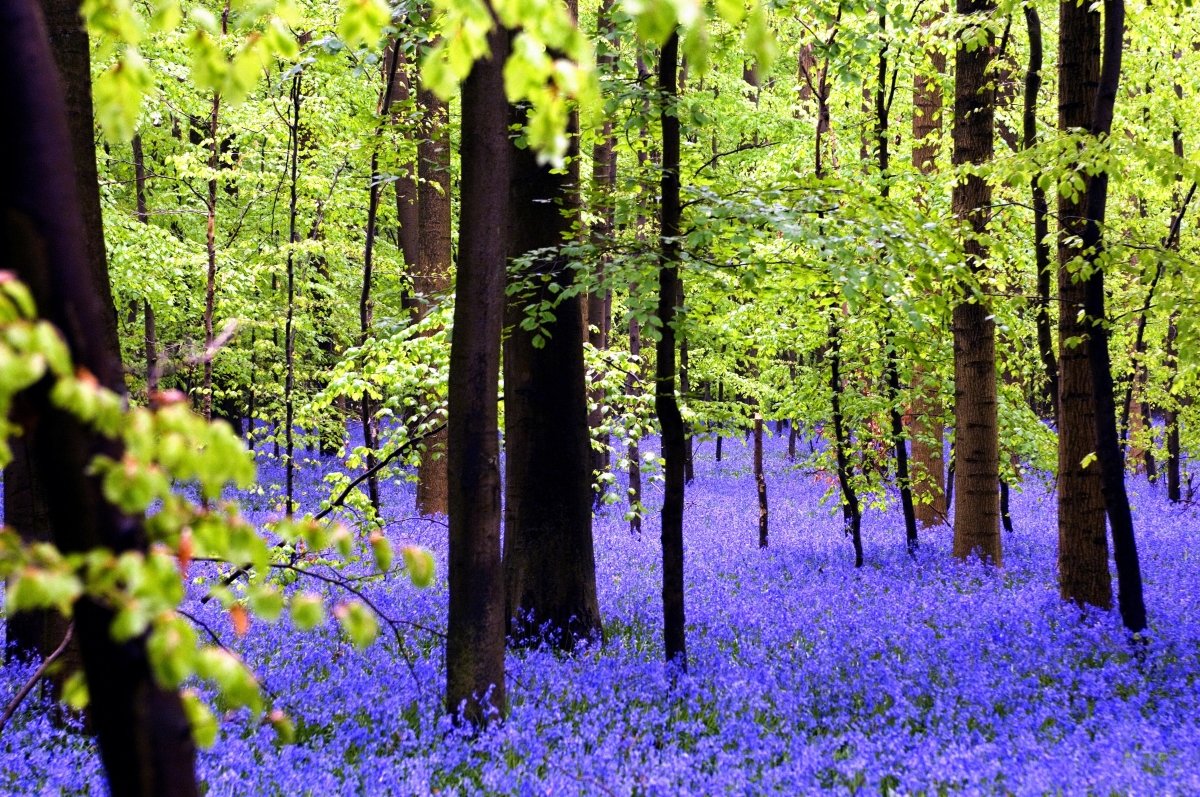
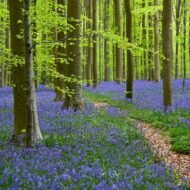
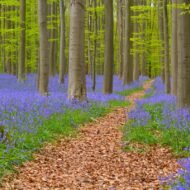
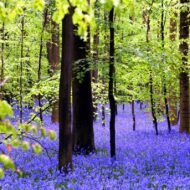
Every spring, for roughly three to four weeks, a forest about 20 kilometers south of Brussels undergoes a transformation so dramatic it looks digitally enhanced. The entire forest floor — every centimeter of it, as far as you can see in every direction — turns a deep, electric violet-blue as millions of wild bluebells (Hyacinthoides non-scripta) bloom simultaneously.
This is Hallerbos, and it is one of the most extraordinary natural spectacles in Europe.
The timing is everything. The bluebells bloom only once the beech tree canopy above them begins to let in spring light but before the leaves fully close out the sky — a window that typically opens in mid-April and closes by mid-May, sometimes lasting as few as two weeks depending on the weather that year. Miss the window and you’re just walking through a pleasant Belgian forest. Catch it and you’ll understand why people drive from Germany, the Netherlands, and the UK specifically to stand in this light for an afternoon.
What to do: There are several well-marked trails through the forest ranging from 3 to 11 kilometres. Go on a weekday (weekends in peak bloom can get genuinely crowded), arrive early morning when the light filters through the beech canopy at low angles and turns the blue floor luminous, and walk slowly. There’s no entrance fee. No ticket booth. No infrastructure beyond car parks and trail markers. Just a forest doing something extraordinary.
The nearby village of Halle has a surprisingly impressive Gothic basilica (the Basilica of Our Lady of Halle) worth an hour of your time, and the local cafes serve excellent Belgian coffee and the kind of hearty sandwiches that make a forest walk feel earned.
How to check bloom timing: The Hallerbos Foundation updates bloom status on their website in real time during spring. Check before you go — the bloom is weather-dependent and shifts by a week or more from year to year. Follow the hashtag #hallerbos on Instagram for crowd-sourced real-time updates from visitors already on the ground.
Getting there: From Brussels, take the train to Halle (about 25 minutes), then walk or cycle to the forest (about 4 km). By car from Brussels it’s about 30 minutes. From Amsterdam it’s under 2 hours by car. From Paris, about 2.5 hours. This is one of the easiest destinations on this list to reach — which is partly why it’s worth being strategic about timing your weekday visit.
Local tip: The forest is magical but it’s also a protected natural environment. Stay on marked trails. Don’t pick the bluebells — they’re protected by Belgian law and it’s also just a terrible thing to do. Bring waterproof boots; Belgian spring means Belgian mud, full stop.
Recap: Your Spring Hit List
Five destinations. Five completely different experiences. All of them underrated, undervisited, and absolutely ready for you this spring.
Cabo de Gata-Níjar gives you the wild Mediterranean coast you thought didn’t exist anymore — volcanic, dramatic, uncrowded, and genuinely special. Ulcinj hands you layers of Adriatic history most tourists skip entirely, wrapped in a cultural identity you won’t find anywhere else on this sea. Civita di Bagnoregio offers the jarring, beautiful experience of a place that is both perfectly preserved and actively disappearing — a reminder that nothing lasts forever and some things are worth seeing while they still exist. Lake Ohrid rewards the traveler willing to go one step further into the Balkans with an ancient, biodiverse gem of a lake surrounded by Byzantine history and extraordinary food. And Hallerbos proves that one of Europe’s most spectacular natural events happens not in some remote wilderness, but 20 km from a major international airport, for free, every April.
The crowds are at the obvious places. The magic is here.
Before You Book: A Few Practical Notes
Travel conditions, visa requirements, entry fees, transport links, and accommodation prices change. Always verify current requirements directly with official government sources and tourism boards before booking. Health and safety standards vary between destinations — check your government’s official travel advice page for up-to-date advisories. Travel insurance covering cancellation, medical care, and emergency evacuation is strongly recommended for all international travel, particularly for destinations outside the EU. Prices mentioned in this article are approximate and based on publicly available information at time of writing — expect seasonal variation.
This article contains no sponsored content, paid placements, or affiliate arrangements. All destination recommendations reflect independent editorial judgment. The author has no commercial relationship with any accommodation, tour operator, or tourism board mentioned herein.
Safe travels — and go somewhere new.
© 2026 — All rights reserved. This article may not be reproduced in whole or in part without permission.