





TL;DR : European easter traditions , From clay pots smashing in Greek balconies to water-splashing Monday in Poland, Europe’s Easter traditions are wild, emotional, and absolutely unmissable. Skip the chocolate bunnies and experience real cultural magic across 6 iconic destinations.
- Know Before You Go
- Why You Need to Experience European Easter (Trust Us)
- #1: Corfu, Greece – The Clay Pot Explosion That Started It All
- #2: Seville, Spain – Holy Week Processions That Will Move You to Tears
- #3: Florence, Italy – The Explosion Cart That’s Been Happening Since 1414
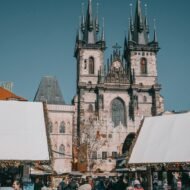
- #4: Prague, Czech Republic – Easter Markets That Feel Like Fairy Tales
- #5: Bavaria, Germany – Massive Bonfires That Light Up the Entire Landscape
- #6: Poland – Śmigus-Dyngus (Water Monday): The Most Playful Tradition
- Why These Six? A Traveler’s Perspective
- Planning Your European Easter Adventure
- Recap: Choosing Your Easter Destination
- Disclaimer
- Ready to Book Your Easter Adventure?
Know Before You Go
| Destination | Main Tradition | Best Time to Visit | Vibe |
|---|---|---|---|
| Corfu, Greece | Explosive clay pots | Easter Sunday | Chaotic & thrilling |
| Seville, Spain | Candlelit Holy Week | March/April | Emotional & haunting |
| Florence, Italy | Historic cart explosion | Easter Sunday | Spectacular & ancient |
| Prague, Czech Rep. | Colorful Easter markets | Easter weekend | Whimsical & festive |
| Bavaria, Germany | Massive spring bonfires | Easter Saturday | Celebratory & roaring |
| Poland | Water-splashing Monday | Day after Easter | Playful & soaking wet |
Why You Need to Experience European Easter (Trust Us)
Easter in Europe isn’t about pastel-colored eggs or mall sales. It’s about traditions so wild, so rooted in centuries of culture, that they’ll completely reshape how you think about holiday travel.
Whether you’re watching pots literally explode from balconies in Greece or joining thousands of people with water guns in Poland, European Easter celebrations are the real deal—authentic, unfiltered, and absolutely worth rearranging your travel calendar for.
We’ve ranked six of the continent’s most incredible Easter traditions based on authentic traveler experiences, cultural impact, and that “I can’t believe I witnessed that” factor. Read on to find your Easter adventure.
#1: Corfu, Greece – The Clay Pot Explosion That Started It All
Ranking: Most Spectacular | Difficulty: Medium | Adrenaline Level: ⭐⭐⭐⭐⭐
The Tradition
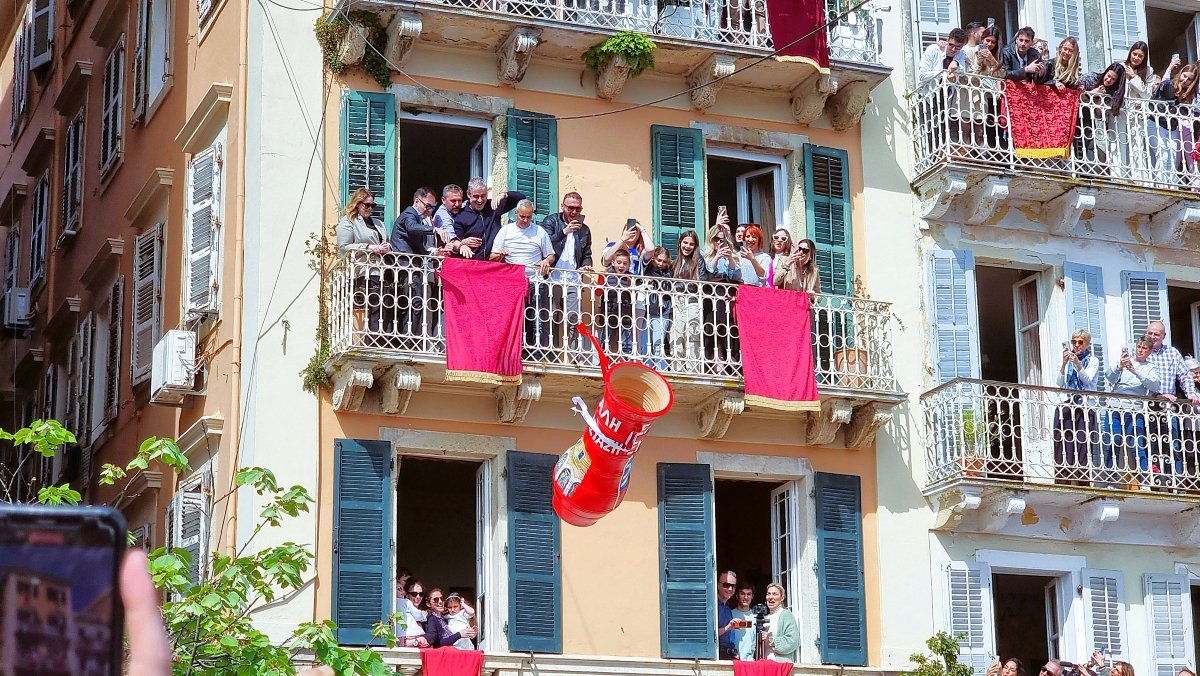
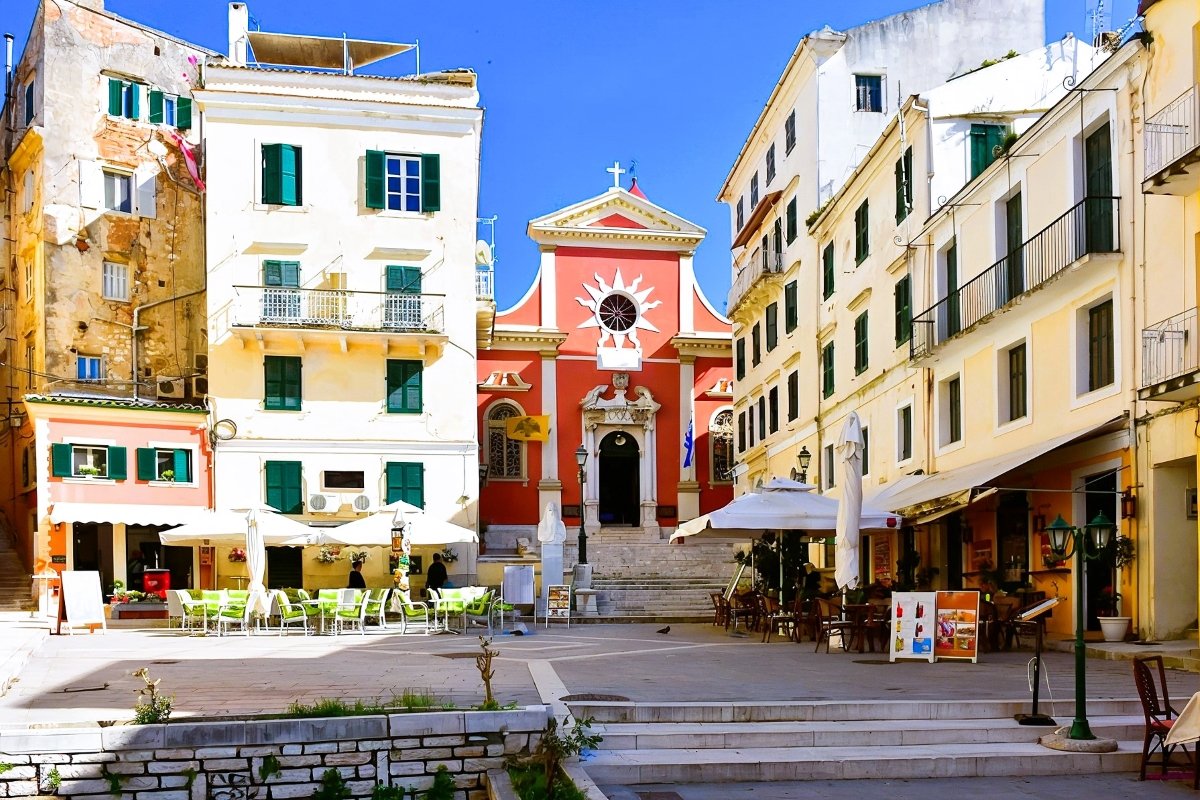
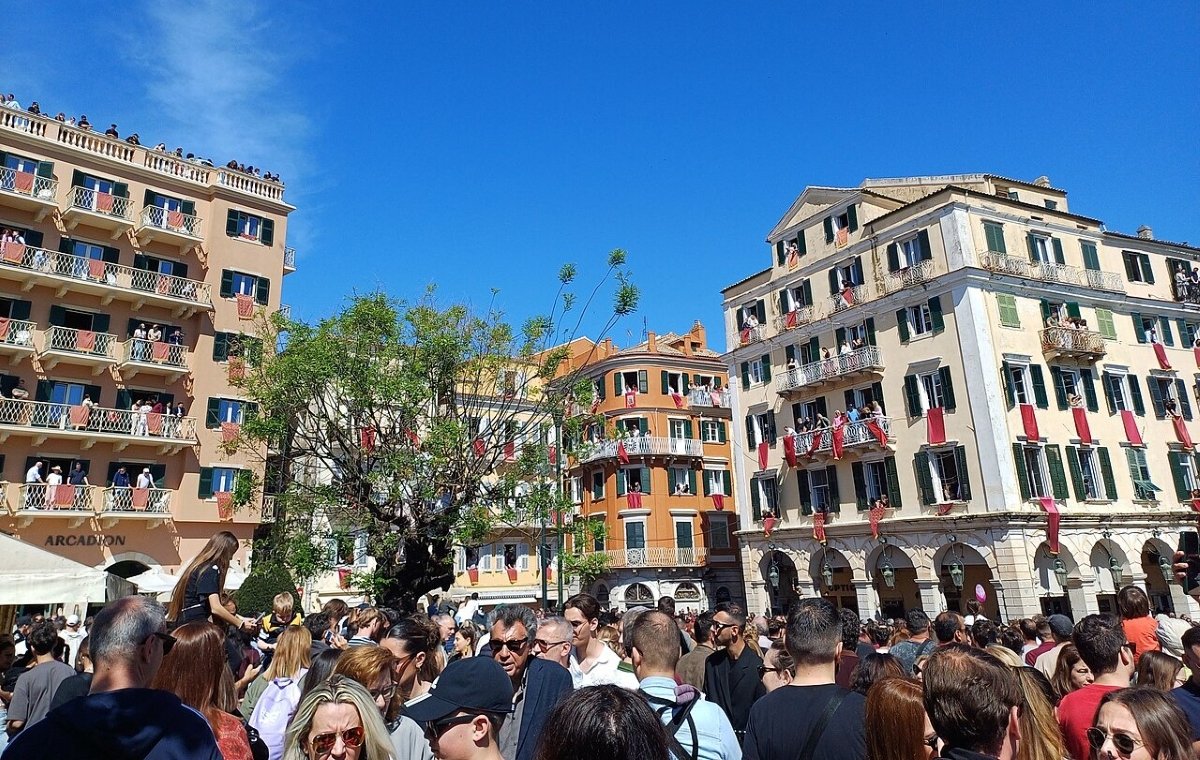
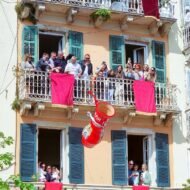
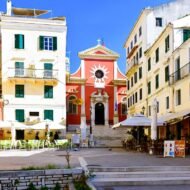
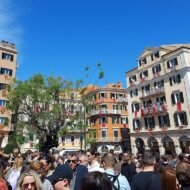
Every Easter Sunday morning, residents of Corfu gather on balconies, rooftops, and streets across the island with terracotta pots. At precisely 11 a.m., they smash them against cobblestones below in a deafening chorus of shattering ceramics. It’s called “Pot Throwing” (τα σκεύη), and honestly? It sounds like war.
What Makes It Unmissable
The noise alone is otherworldly. Thousands of pots exploding simultaneously creates this surreal soundscape that locals call “the music of Easter.” The whole island trembles. You’ll feel it in your bones.
It’s not chaotic—it’s choreographed chaos. Despite the apparent madness, everyone knows exactly what’s happening. There’s protocol, tradition, and deep meaning baked into those flying fragments. Breaking old pottery symbolizes breaking away from the old year and welcoming renewal.
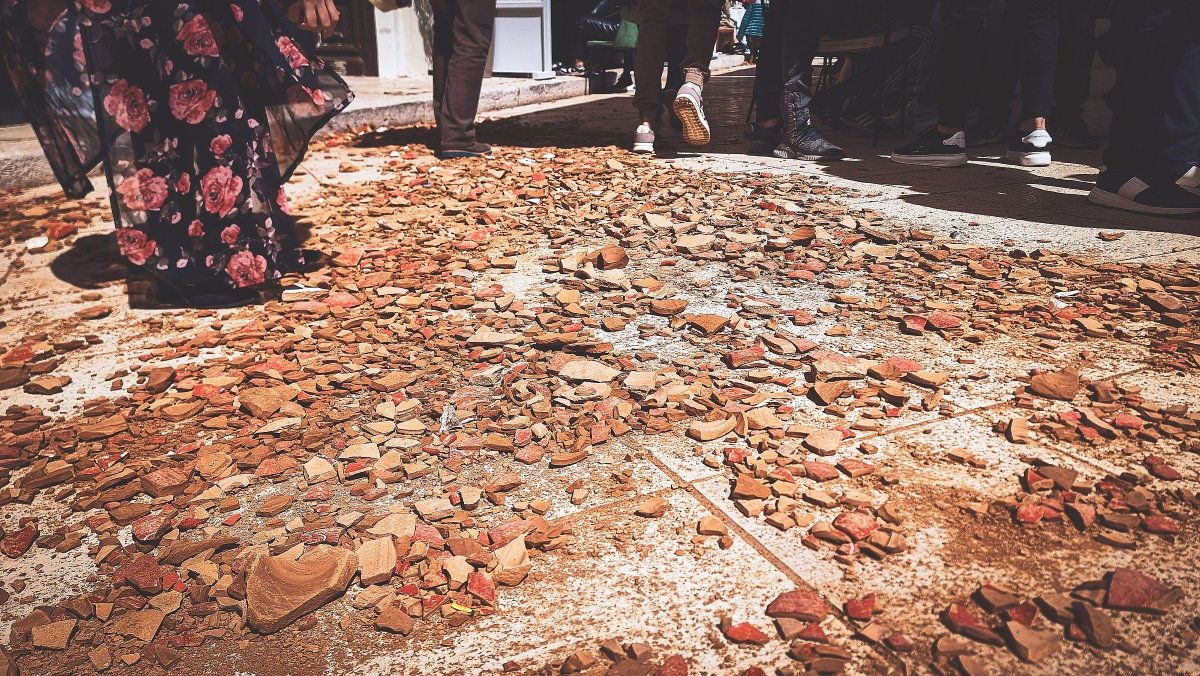
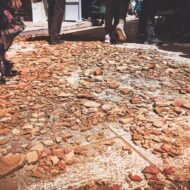
The streets glitter with pottery shards afterward. Red, orange, and brown ceramic fragments cover the cobblestones like confetti. Photographers absolutely lose their minds (in the best way).
Insider Tips
- Arrive 45 minutes early and position yourself on a quieter side street rather than the main square. You’ll get the full experience without getting accidentally pelted.
- Bring ear protection if you’re sound-sensitive—seriously, it’s loud.
- Book a hotel or apartment overlooking a street you want to watch. Balcony views are golden.
- Wear closed shoes and avoid long, flowing clothes that could catch debris.
- Hotels book out 6+ months in advance. Don’t wait.
Best For
Adventure seekers, cultural enthusiasts, photographers, anyone who thinks Easter needs more chaos.
#2: Seville, Spain – Holy Week Processions That Will Move You to Tears
Ranking: Most Emotional | Difficulty: Low | Atmosphere: ⭐⭐⭐⭐⭐
The Tradition
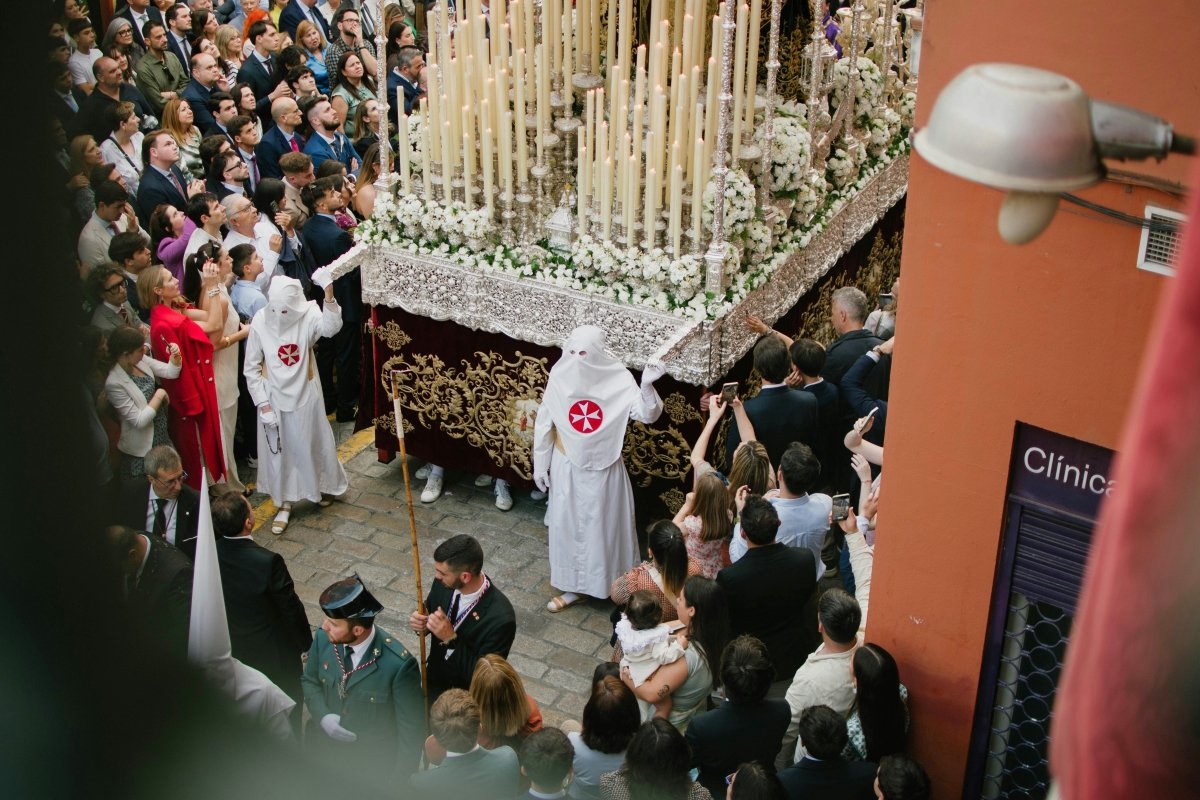
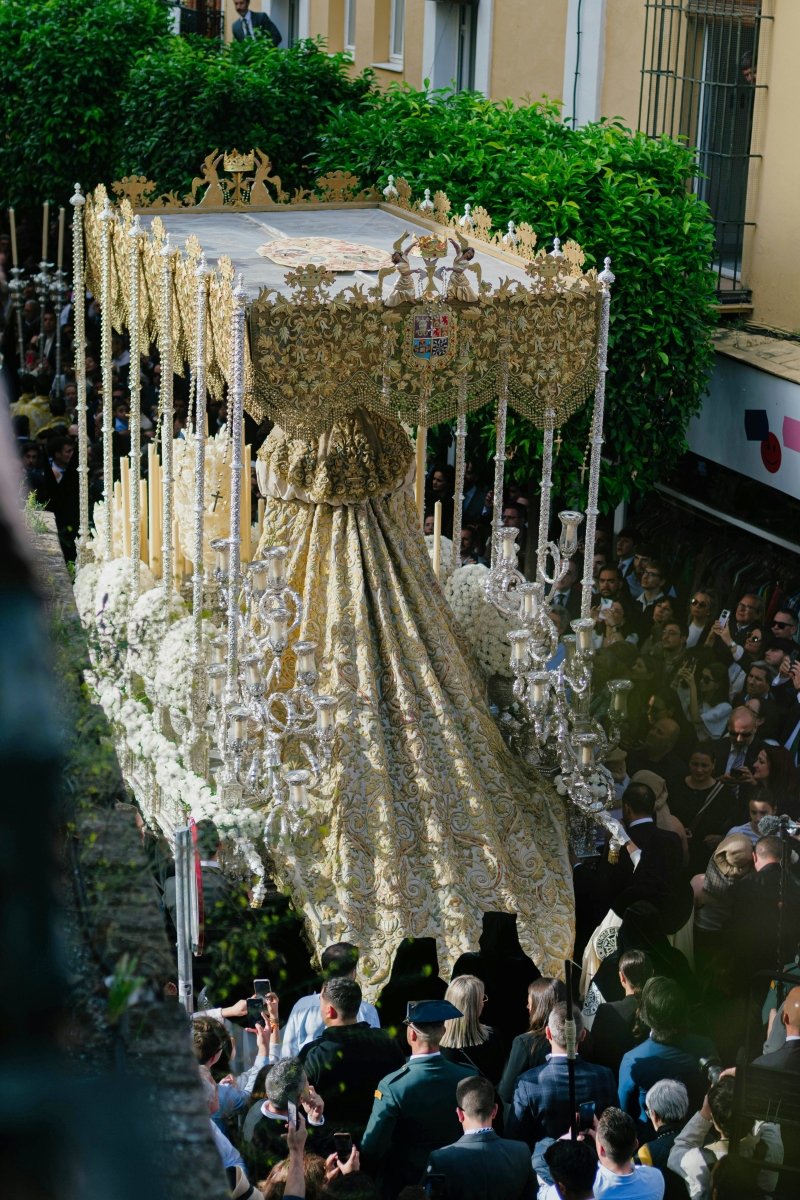
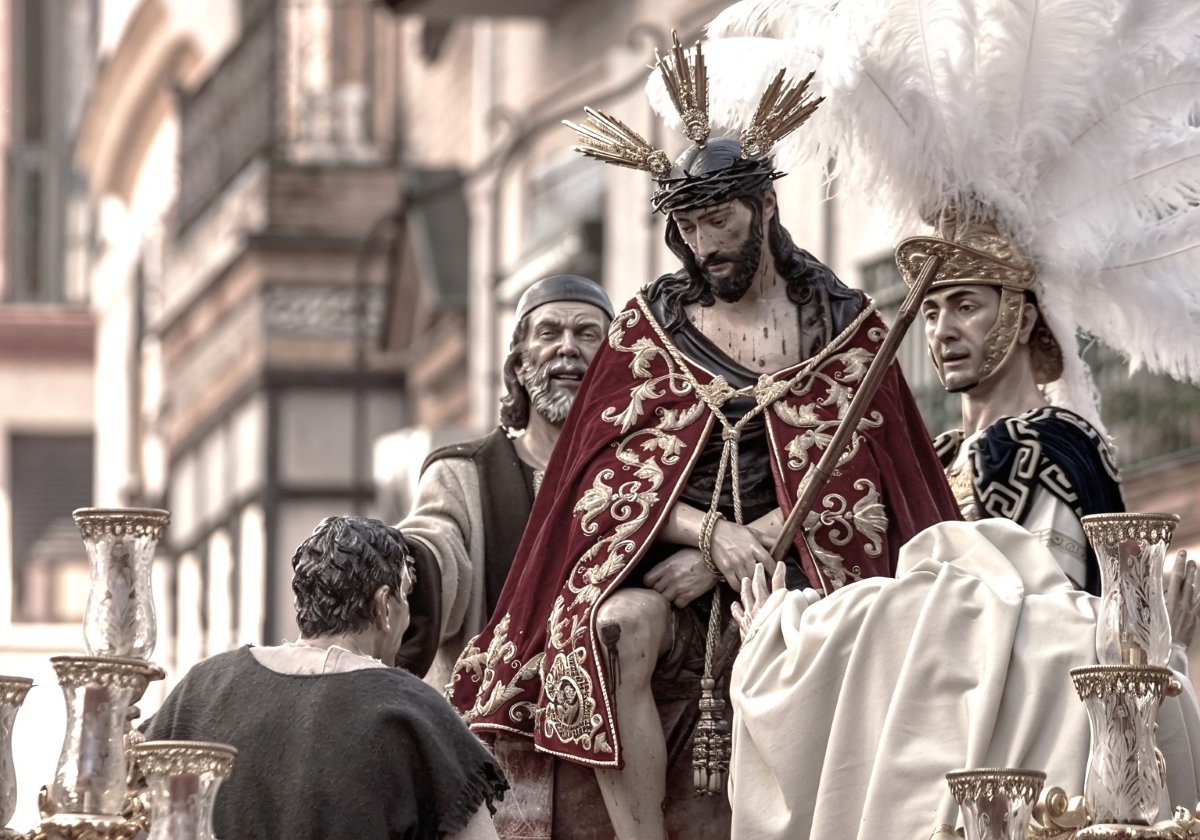
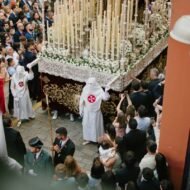
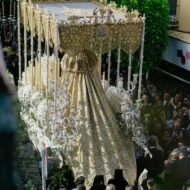
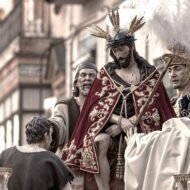
Seville’s Holy Week (Semana Santa) is a week-long parade of candlelit processions where hundreds of people dressed in elaborate religious robes called “sayas” walk through the streets while brass bands play haunting, minor-key music. It’s dramatic, moving, and absolutely captivating.
The 40+ brotherhoods (hermandades) that organize these processions have been doing this for centuries. Their floats—some weighing over 5,000 kg—depict scenes of Christ’s passion and are carried through the streets on their members’ shoulders.
What Makes It Unmissable
This isn’t a tourist spectacle. This is real religious devotion made visible. You’ll see grown men in tears. You’ll feel the weight of centuries of tradition pressing down on the cobblestones.
The candlelight mixed with the evening air creates this ethereal, almost dreamlike quality. When the brass bands start playing those melancholic Spanish dirges? You’re done. Emotionally compromised.
It’s deeply inclusive. Unlike some traditions that are “observe from afar,” Seville’s Holy Week welcomes visitors right into the emotional experience. The processions move slowly enough that you can actually connect with what’s happening.
Insider Tips
- Arrive in Seville by Wednesday at the latest for the full Holy Week experience.
- The Thursday and Friday evening processions are the most spectacular. Position yourself early along the main cathedral route.
- Book tickets in advance for reserved seating areas if crowds make you anxious.
- Wear respectful clothing (covered shoulders, no shorts). You’re entering sacred space.
- Stay for the “Madrugada” (early morning) processions on Thursday and Friday nights if you can. 4 a.m. processions are absolutely haunting.
- Download a Holy Week schedule beforehand—there are 50+ processions across the week. You physically can’t see them all.
Best For
People seeking emotional depth, history lovers, anyone who loves religious art or classical music. Also: photographers chasing golden light.
#3: Florence, Italy – The Explosion Cart That’s Been Happening Since 1414
Ranking: Most Historic | Difficulty: Low | Cultural Impact: ⭐⭐⭐⭐
The Tradition
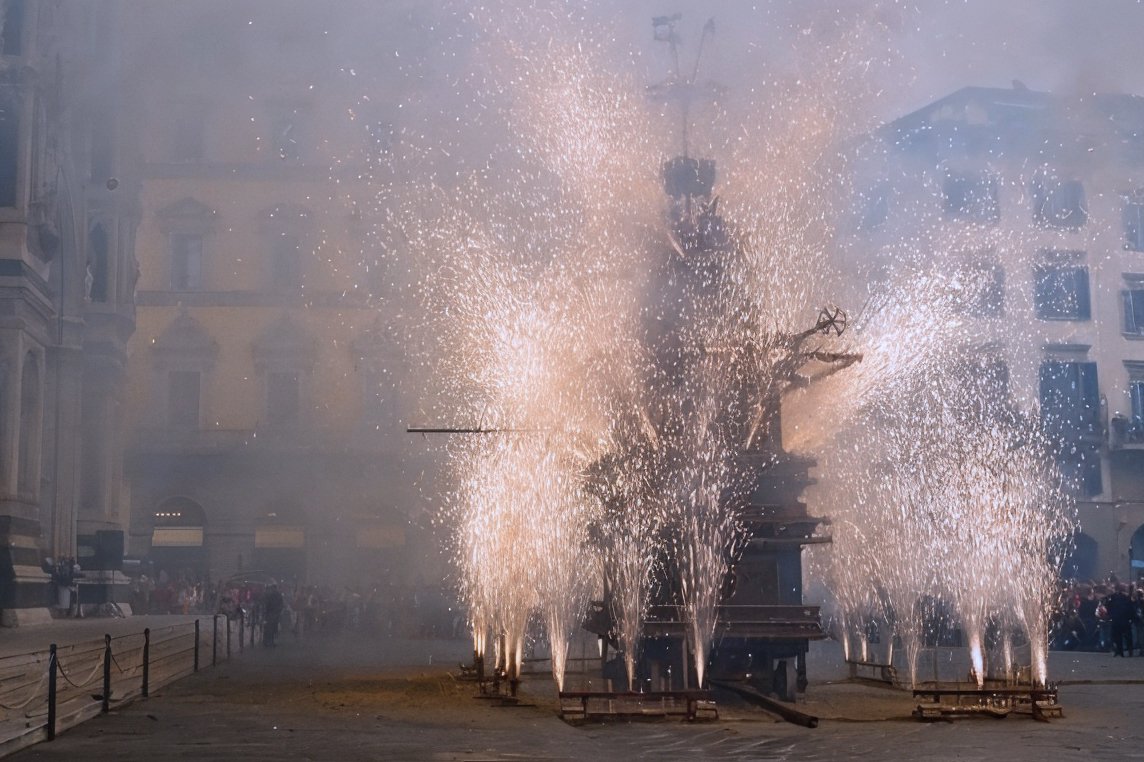
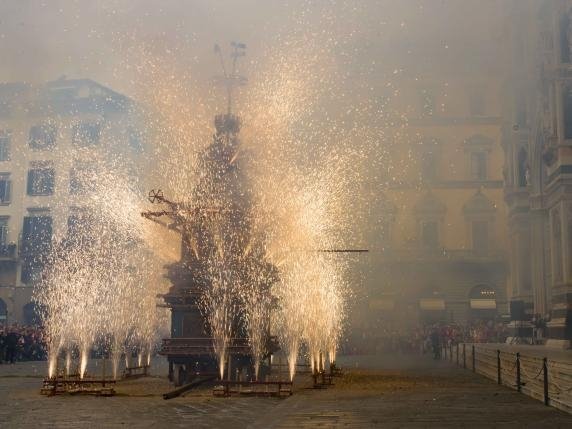
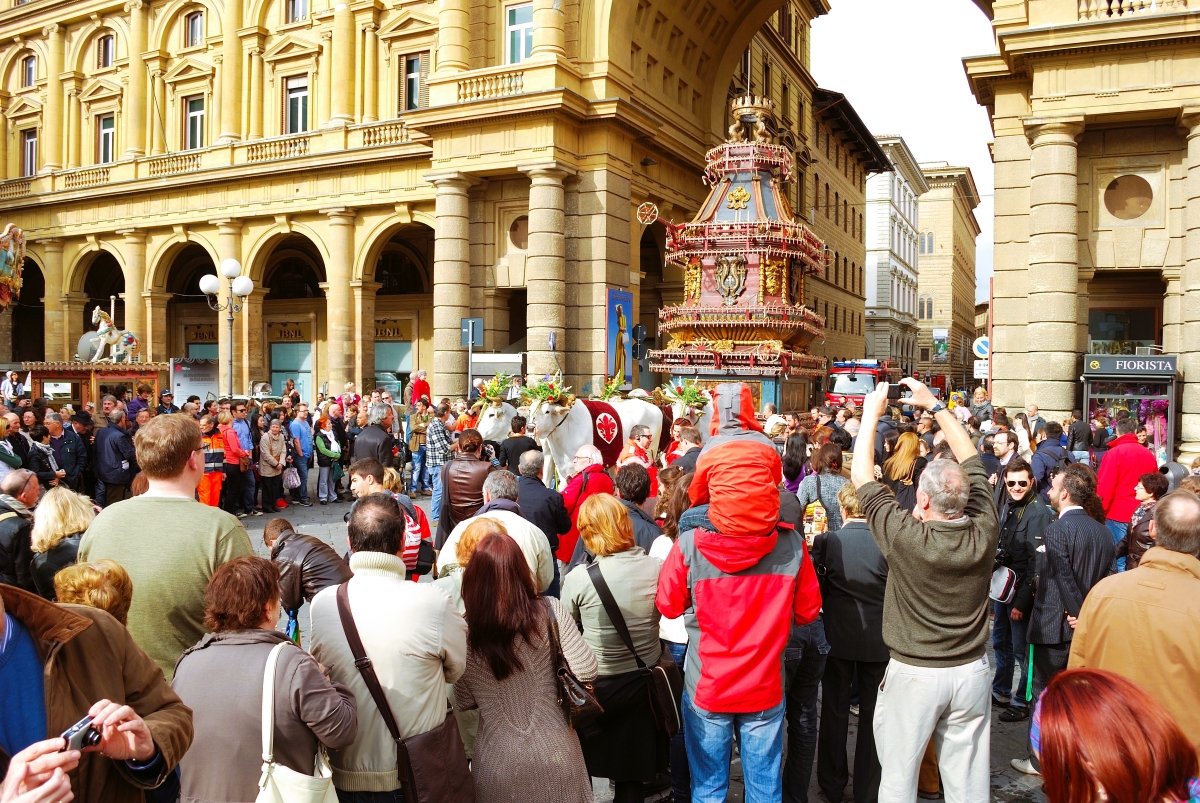
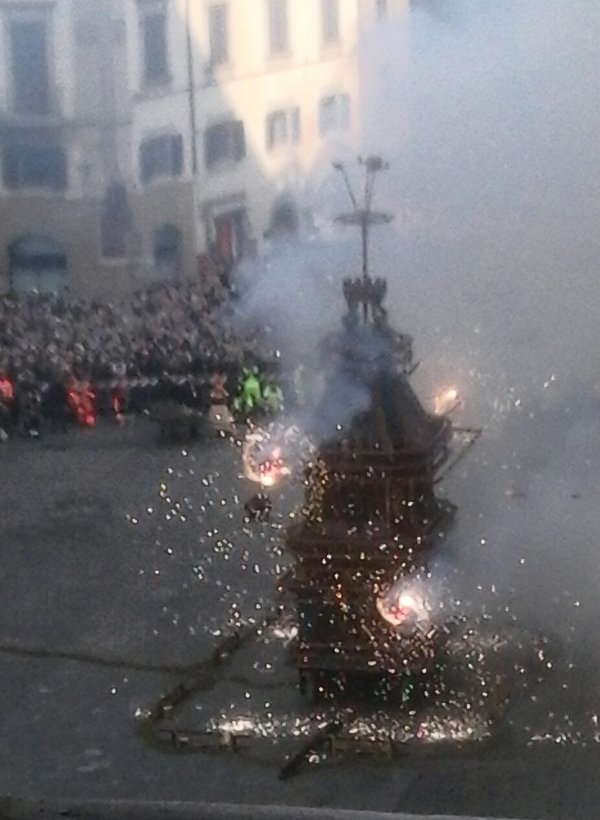
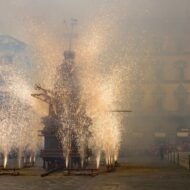
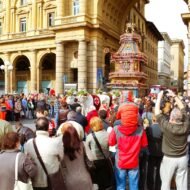
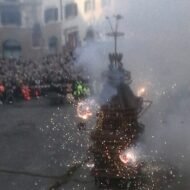
The “Scoppio del Carro” (Explosion of the Cart) happens on Easter Sunday in front of the Florence Cathedral. An enormous, gilded wooden cart loaded with fireworks is wheeled into the piazza. After the Easter mass, a mechanical dove descends from inside the church on a wire, ignites a fuse, and boom—the cart explodes in a dazzling display of pyrotechnics.
It’s been happening since 1414. Over 600 years of explosions. Wild.
What Makes It Unmissable
The cart itself is jaw-dropping—this intricately decorated structure covered in gold leaf and flowers. It takes months to build and is basically a mobile work of art.
The timing is theatrical. The dove gliding down the wire, the moment of silence before detonation, then suddenly the whole piazza is filled with fireworks and cheering. The juxtaposition of solemn religious ceremony with absolute pyrotechnic chaos is uniquely Italian.
It’s smaller and more intimate than Corfu’s pot-throwing. You’re watching this unfold right in front of the Duomo, one of the world’s most magnificent buildings, which creates an almost dreamlike setting.
Insider Tips
- Book a reserved seating area in advance—the square gets insanely crowded (20,000+ people).
- Arrive 3+ hours early for non-reserved spots. Seriously.
- The cart explosion usually happens around 11 a.m., but confirm the exact time before you go.
- Don’t bring a tripod. Florence has (frustrating) restrictions on photography equipment in the piazza.
- Get there early and explore the cathedral’s interior before the masses arrive.
- Stay through the afternoon and climb the dome later—fewer tourists after the big event.
Best For
History buffs, anyone who loves Italian Renaissance culture, people who appreciate pyrotechnics with centuries of tradition behind them.
#4: Prague, Czech Republic – Easter Markets That Feel Like Fairy Tales
Ranking: Most Festive & Family-Friendly | Difficulty: Minimal | Fun Factor: ⭐⭐⭐⭐
The Tradition
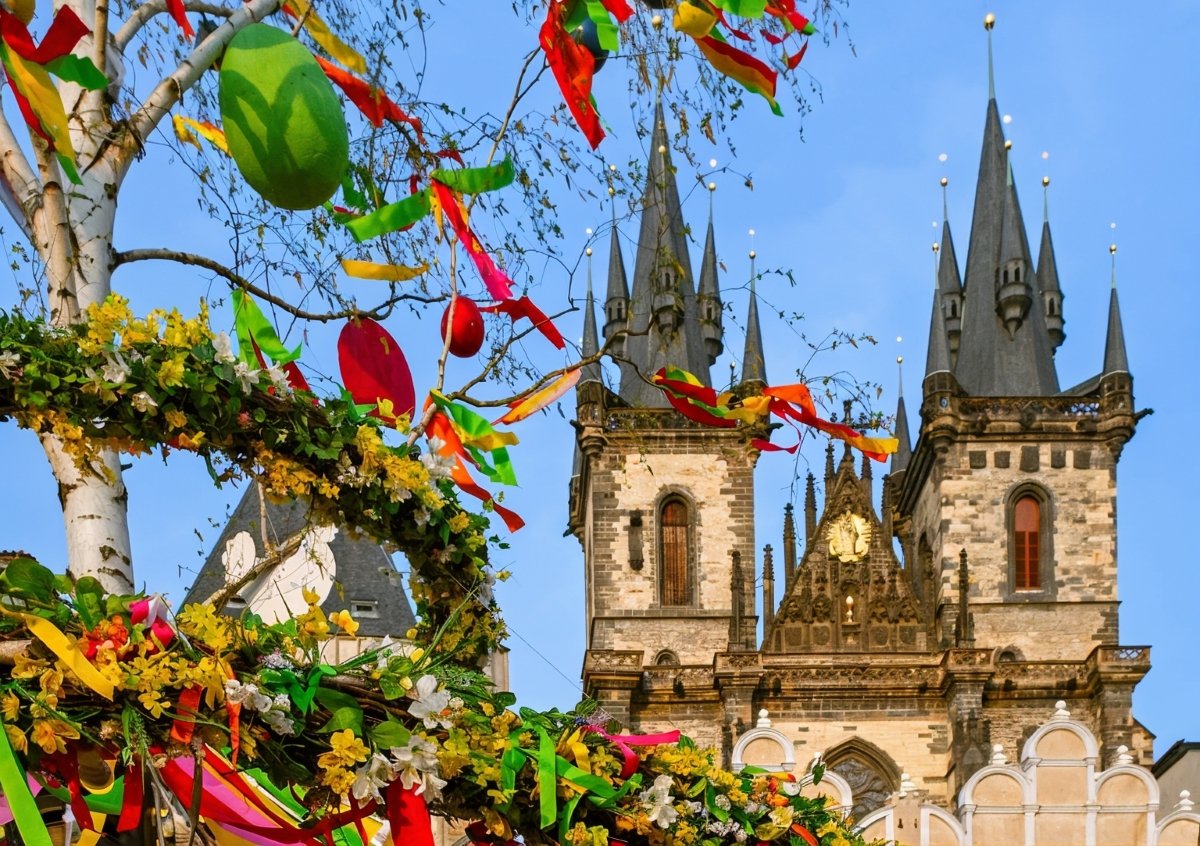
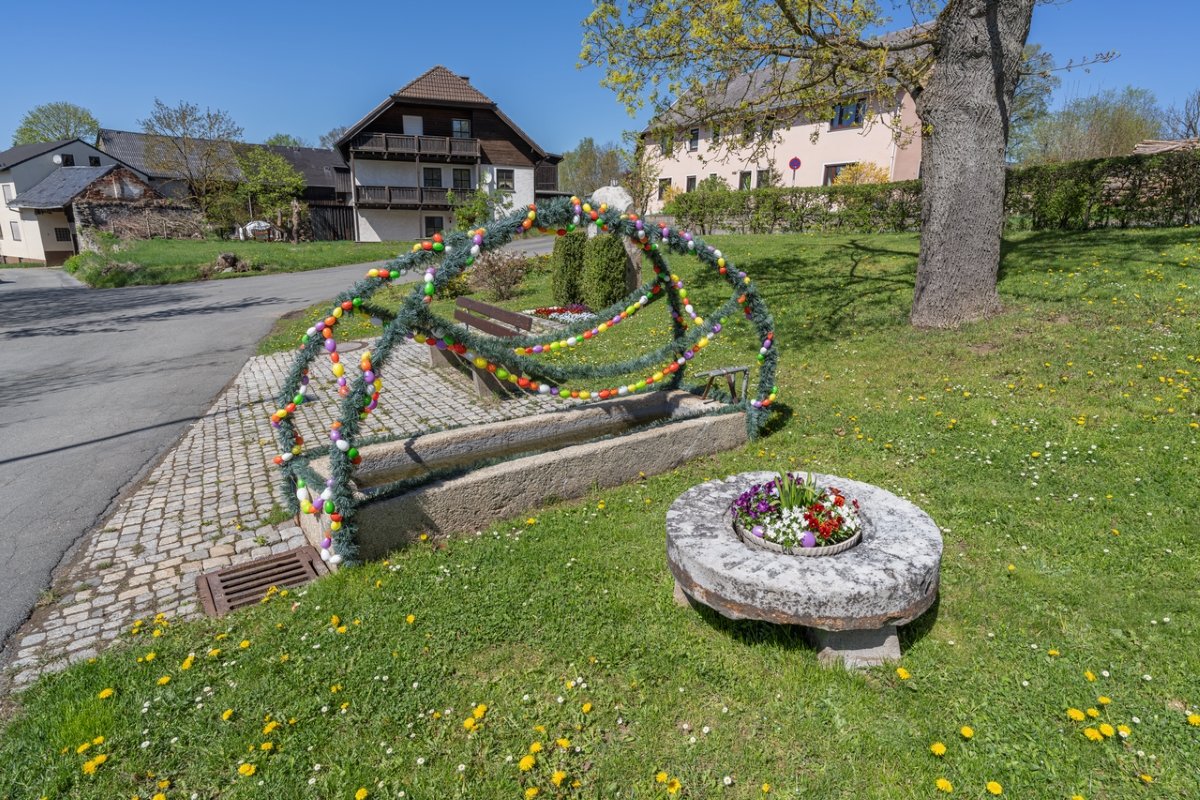
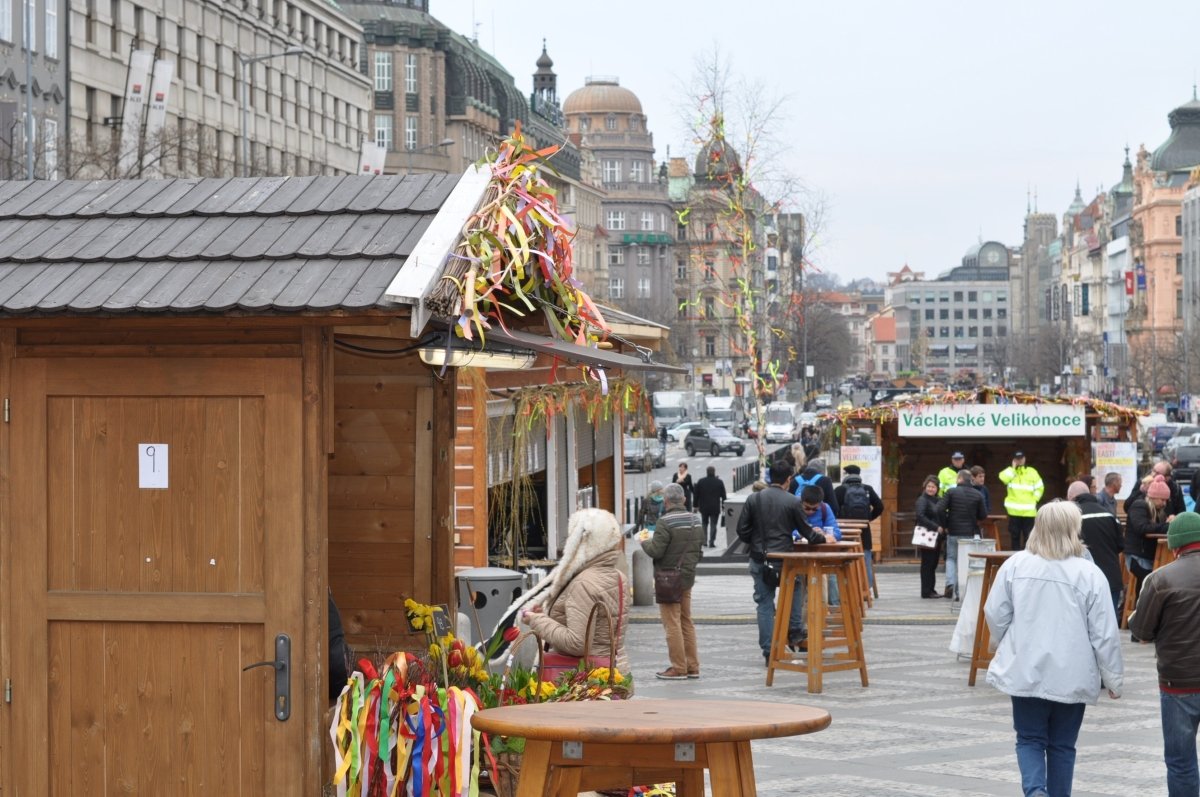
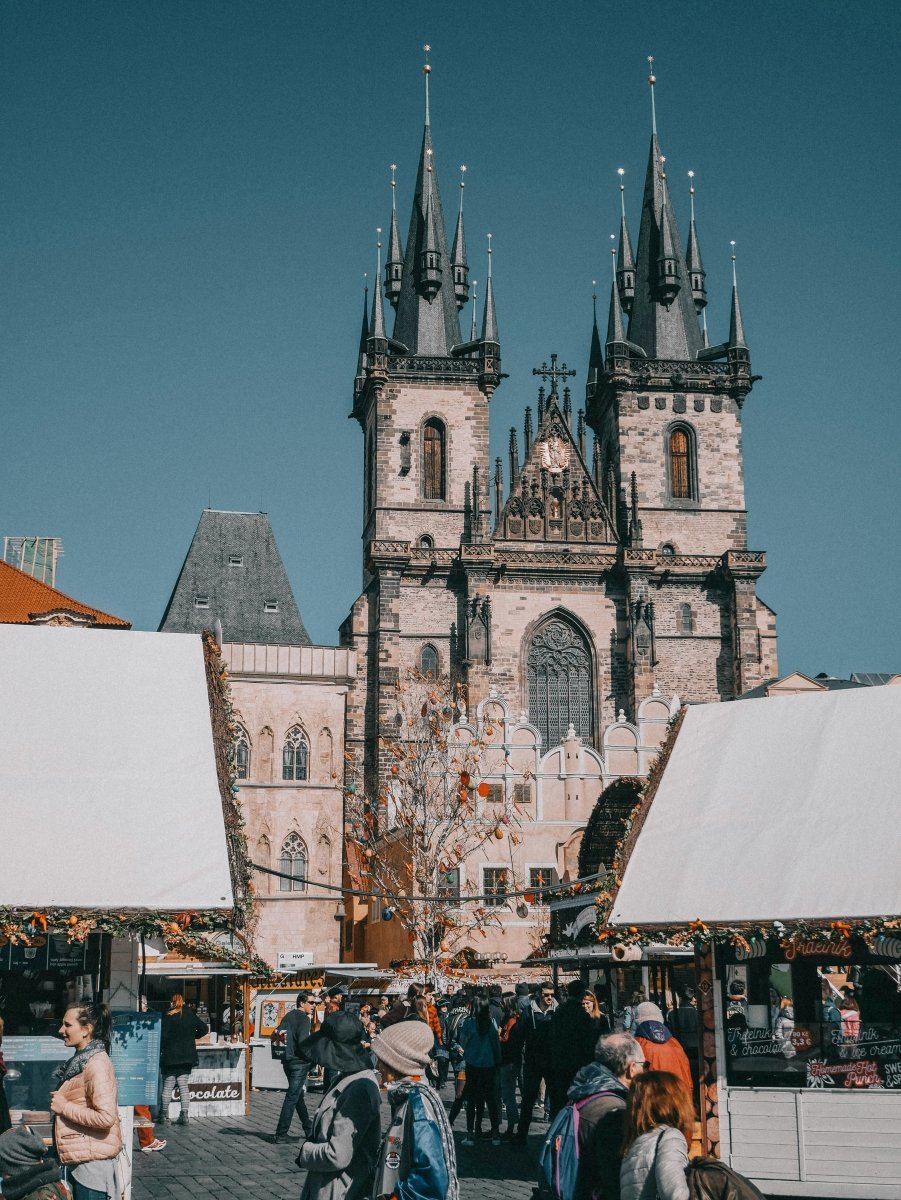
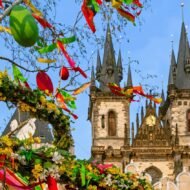
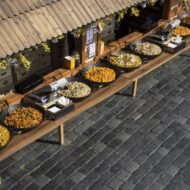
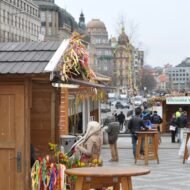
Prague doesn’t have one singular explosive tradition like the other destinations. Instead, it celebrates Easter with markets scattered across the city—Old Town Square, Wenceslas Square, and beyond—where vendors sell hand-painted eggs, wooden toys, local crafts, and traditional Czech pastries.
The atmosphere is cozy, colorful, and very low-key compared to the other traditions on this list. People still do “pomlázka” (Easter whip tradition) where young men gently tap women with willow branches as a blessing, but it’s playful rather than intense.
What Makes It Unmissable
If you want Easter without the adrenaline spike, Prague is your move. The markets are genuinely beautiful—wooden stalls, twinkling lights, the smell of roasted almonds and mulled wine.
Czech Easter eggs are actual artwork. The hand-painted designs are intricate, colorful, and completely different from what you’ll see anywhere else in Europe. Buying one is an investment in a small piece of art.
The pace is slower. You can actually enjoy conversations, sample food, and wander without getting swept up in a sea of humanity or worrying about exploding things.
The city itself is architectural perfection, so combining beautiful markets with medieval streets and castles creates this fairy-tale atmosphere that’s hard to beat.
Insider Tips
- The main markets are free to browse—you only pay for what you buy. This is ideal for casual wandering.
- Go during the weekday if possible. Weekends get packed with locals and tourists.
- The best hand-painted eggs are sold by small vendors on side streets—not the big stalls in the center. Explore.
- Try “mazanec”—a Czech Easter bread with raisins and nuts. It’s incredible.
- Combine Prague’s Easter markets with the rest of the city’s attractions. Easter weekend is perfect for Old Town Square, Prague Castle, and Charles Bridge.
- Budget about 2-3 hours for thorough market browsing. It’s not rushed.
Best For
Families with kids, people who like artisan crafts, anyone seeking a more relaxed Easter experience, those who love medieval Europe and photography.
#5: Bavaria, Germany – Massive Bonfires That Light Up the Entire Landscape
Ranking: Most Celebratory | Difficulty: Low | Communal Vibes: ⭐⭐⭐⭐⭐
The Tradition
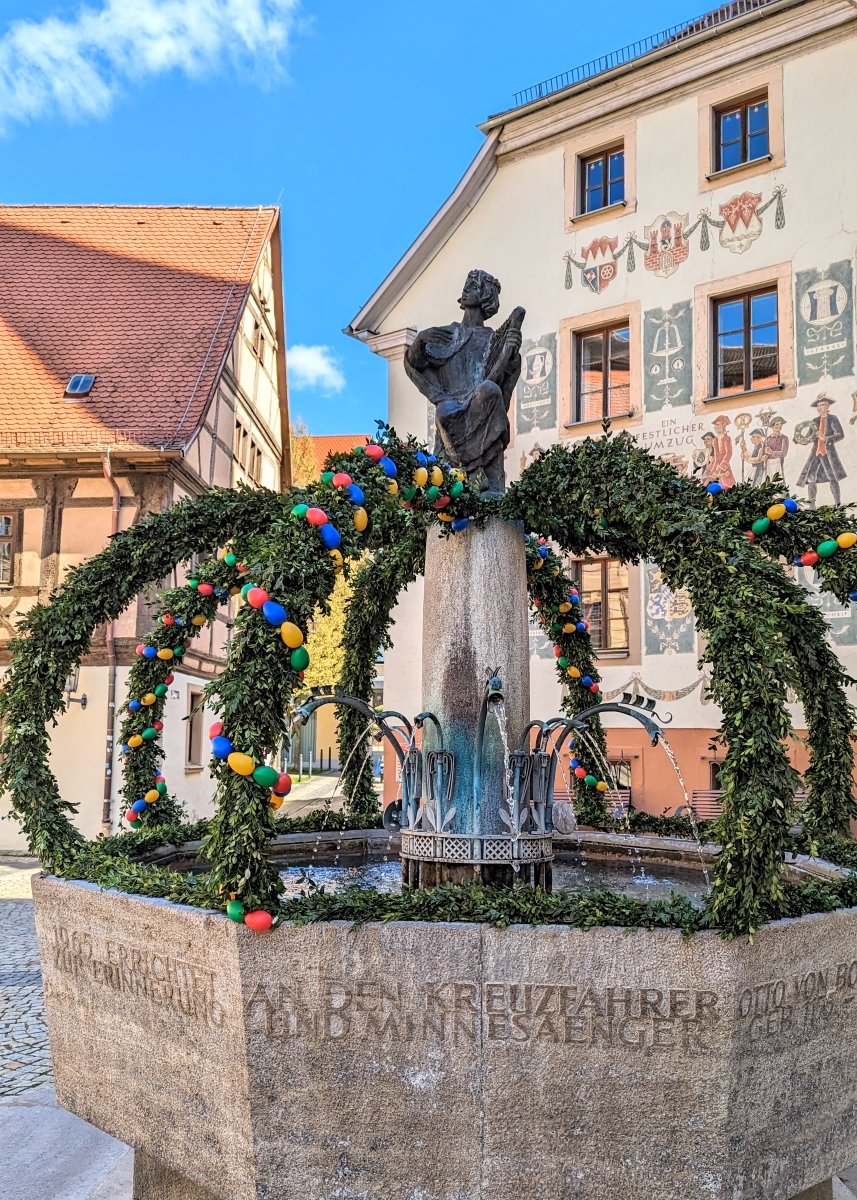
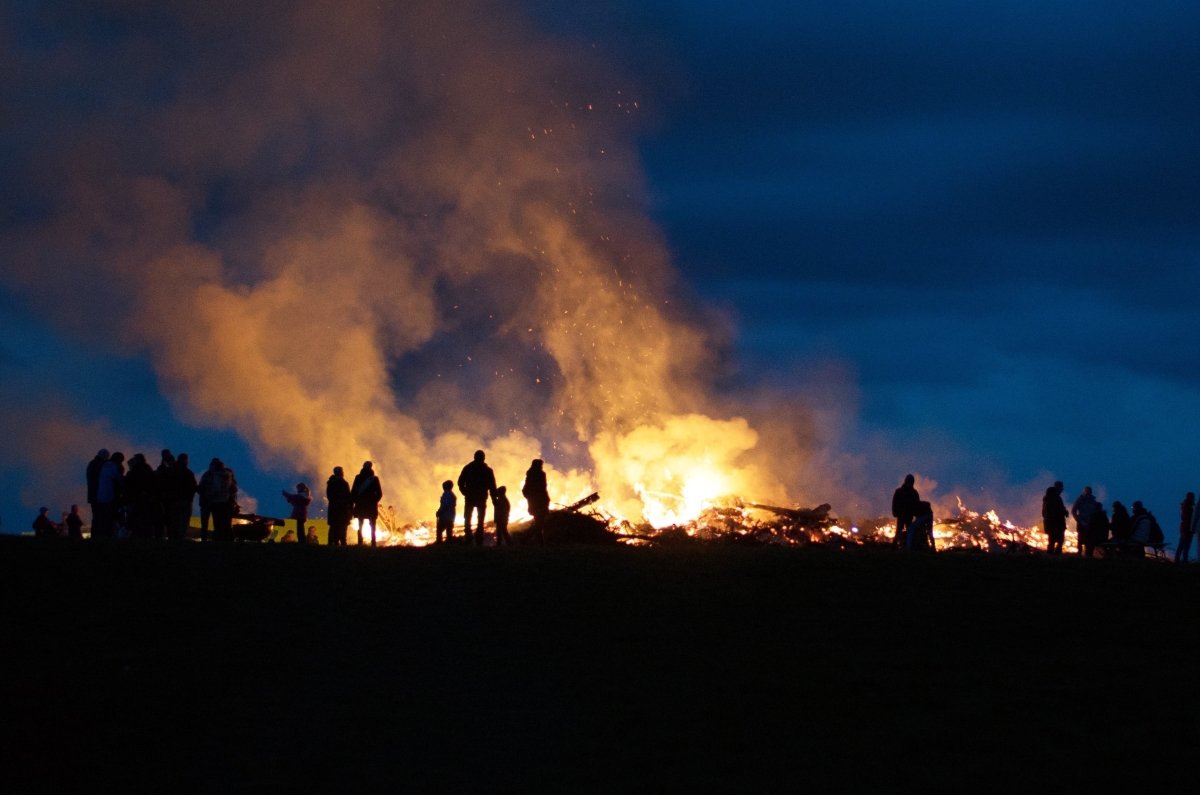
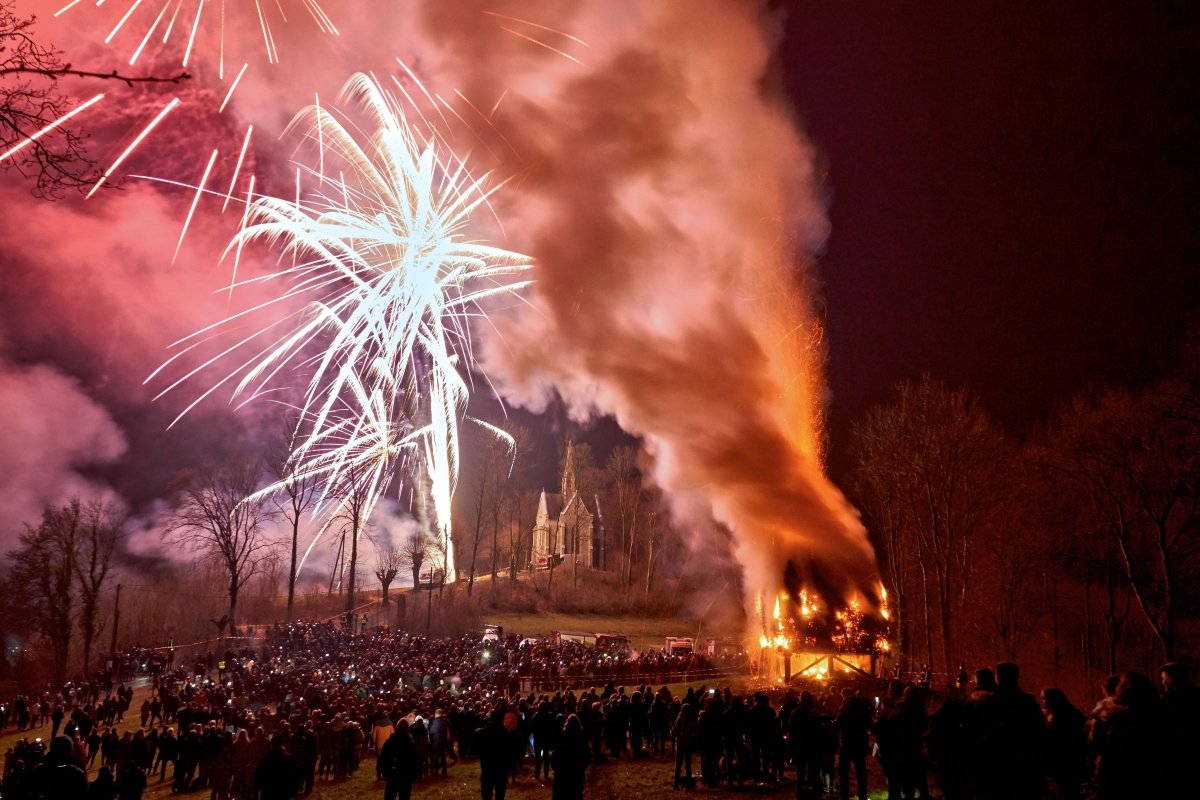
On Easter Saturday (the day before Easter Sunday), villages across Bavaria light massive bonfires called “Osterfeuer” (Easter fires) on hilltops and in town centers. These aren’t small bonfires—we’re talking 30+ feet high, built from branches and wood collected over weeks.
The whole village gathers around, drinks mulled wine, eats sausages, and basically celebrates the arrival of spring with controlled pyromania. It’s communal, warm, and absolutely magical.
What Makes It Unmissable
There’s something primal about standing around a massive fire with hundreds of local people, all cheering as the flames reach skyward. The heat, the light, the shared experience—it taps into something ancient and celebratory.
The bonfires are meant to “burn away” winter and welcome spring. You feel that symbolism in your bones as you watch the flames transform the night sky.
Bavarian villages are absolutely charming—think colorful buildings, flower boxes, and traditional beer gardens. Combined with the Easter fires, it’s incredibly photogenic.
The whole event has this friendly, inclusive vibe. Tourists are welcomed, invited to join, offered drinks. It’s not exclusive or intense—it’s just joyful.
Insider Tips
- The Easter fires happen on Saturday evening, usually starting around dusk (7-8 p.m. depending on the time of year).
- Arrive early and bring a blanket or camping chair. These events can run late.
- Dress warmly. Yes, there’s a massive fire, but the Bavarian nights are cold.
- Try “Leberkäse” (a Bavarian meatloaf) if available at the food stalls. Genuine local delicacy.
- Ask locals for recommendations on which bonfire to attend. Smaller village events are often less crowded and more authentic than big city fires.
- Look up “Bad Tölz” or smaller villages in the Bavarian Alps for particularly beautiful bonfire locations.
Best For
People who love communal celebrations, anyone seeking warmth and connection, folks who appreciate Germanic traditions, photographers chasing fire against alpine landscapes.
#6: Poland – Śmigus-Dyngus (Water Monday): The Most Playful Tradition
Ranking: Most Hilarious & Unusual | Difficulty: Minimal | Getting-Wet Factor: ⭐⭐⭐⭐⭐
The Tradition
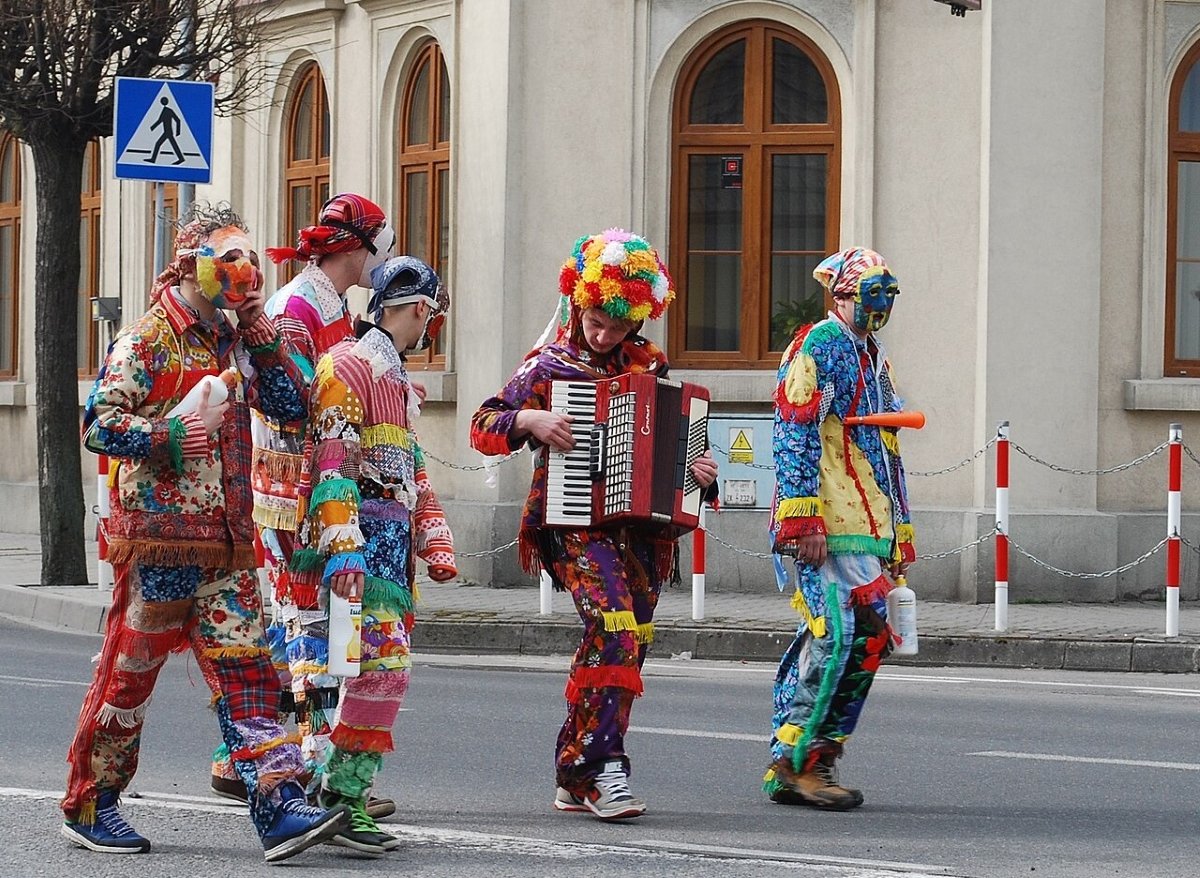
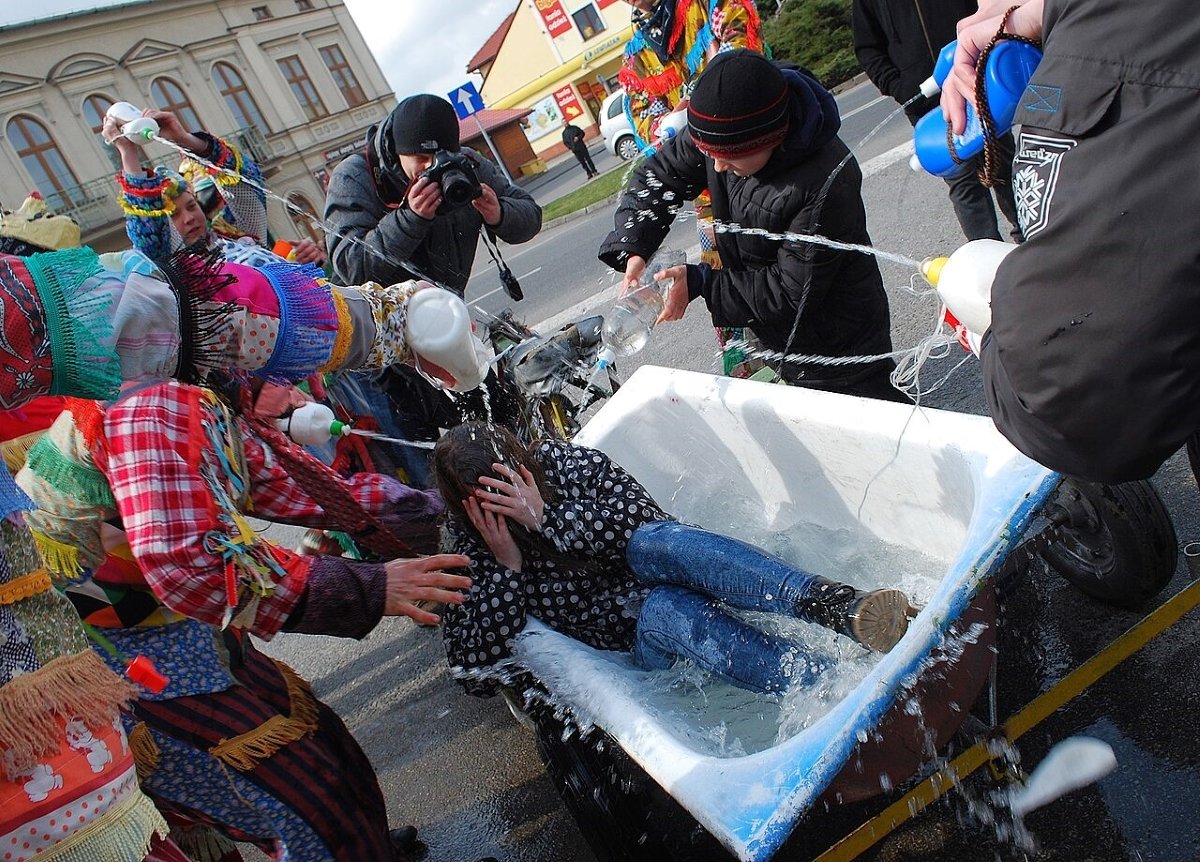
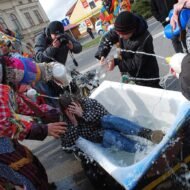
The day after Easter (Easter Monday), all hell breaks loose in Poland. It’s called “Śmigus-Dyngus” or “Wet Monday,” and the custom is simple: people splash each other with water, generally targeting anyone they encounter.
Young men douse young women with water buckets, hoses, spray bottles, and basically anything liquid-holding. In modern times, it’s evolved into bucket challenges, water balloon fights, and full-on water gun wars. The whole country participates.
Historically, it was supposed to be symbolic—young women would dunk young men in water as a purification ritual. Now? It’s just chaos, laughter, and everyone getting absolutely soaked.
What Makes It Unmissable
There’s nothing quite like the unfiltered joy of an entire nation united in the mission to get each other wet. The playfulness is contagious.
You can participate if you want (bring a water gun and be prepared for retaliation). You can observe from a café (recommended if you value your phone). Either way, it’s hilarious.
Poland’s major cities—Warsaw, Kraków, Gdańsk—all go absolutely wild. There’s music, parties, and this palpable sense of spring celebration.
It’s genuinely unique. You won’t find anything else like it in Europe. That combination of tradition-meets-chaotic-fun is rare.
Insider Tips
- If you don’t want to get soaked, stay indoors or visit outdoor museums and churches (they’re generally respected water-free zones).
- If you do want to participate, wear clothing you don’t mind getting wet and bring a waterproof phone case.
- Pack light, quick-drying clothes. You’ll want to change.
- The water-splashing usually happens in the morning and early afternoon. By evening, most people are dry and celebrating with food and drinks.
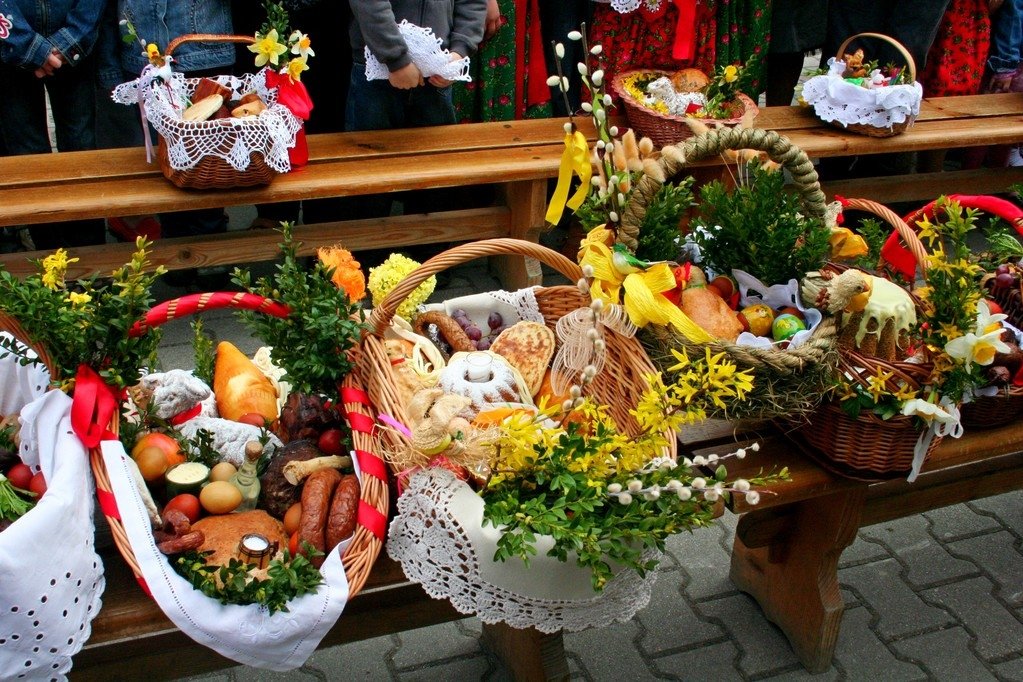
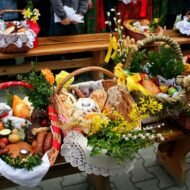
- Visit a traditional Polish Easter market the day before to stock up on “żurek” (sour rye soup) and “babka” (chocolate cake). You’ll need sustenance.
- The tradition is strongest in smaller towns and villages. If you want “authentic” rather than touristy, skip Warsaw.
Best For
People with a sense of humor, anyone seeking genuine cultural participation, folks who don’t take themselves too seriously, families with adventurous kids.
Why These Six? A Traveler’s Perspective
We didn’t rank these purely by historical significance or cultural importance (though they all have both). We ranked them by what actual travelers say about their Easter experiences—the standout moments, the “I can’t believe I did that” feelings, the stories they tell for years afterward.
The traditions that made the list offer:
- ✨ Genuine cultural immersion (not tourist performances)
- ✨ Participation opportunities (if you want them)
- ✨ Accessibility for international visitors
- ✨ That magical combination of tradition + spectacle
- ✨ Year-to-year consistency (these traditions happen, reliably, every Easter)
Planning Your European Easter Adventure
Timing
Easter dates change yearly (based on a complex lunar calendar), but most traditions happen in late March through mid-April. Check dates for your target year in advance—hotels book out 6-12 months early for popular destinations.
Budget Considerations
| Destination | Accommodation | Meals | Entrance Fees |
|---|---|---|---|
| Corfu, Greece | €50-150/night | €15-30 | Free |
| Seville, Spain | €60-200/night | €15-35 | €0-40 reserved seating |
| Florence, Italy | €70-250/night | €12-40 | €15-50 reserved seating |
| Prague, Czech Republic | €40-120/night | €8-25 | €0-10 market entrance |
| Bavaria, Germany | €50-150/night | €12-30 | Free |
| Poland | €35-100/night | €8-20 | €0-15 market access |
Travel Tips
- Book flights early. Easter travel is popular; prices spike in February-March.
- Consider visiting less-crowded surrounding areas and day-tripping to main events if budget allows.
- Research public transportation in each city. European cities are generally transit-friendly.
- Pack versatile clothing for unpredictable spring weather (layers, light jacket).
- Bring a small portable phone charger. You’ll be taking photos.
Recap: Choosing Your Easter Destination
| Need | Best Choice |
|---|---|
| Spectacle and adrenaline | 🇬🇷 Corfu, Greece (the pot explosion is unreal) |
| Emotional depth and history | 🇪🇸 Seville, Spain (you’ll cry, good tears) |
| Centuries of tradition | 🇮🇹 Florence, Italy (600 years of Easter fires!) |
| Family-friendly fun | 🇨🇿 Prague, Czech Republic (markets, crafts, no chaos) |
| Community vibes | 🇩🇪 Bavaria, Germany (bonfire warmth and Bavarian beer) |
| Pure, unfiltered chaos | 🇵🇱 Poland (Wet Monday = controlled mayhem) |
The beauty of European Easter is that there’s genuinely something for everyone. You’re not just attending a holiday event—you’re witnessing cultural traditions that have survived centuries, wars, and everything in between. That’s powerful. That’s worth planning a trip around.
Disclaimer
While these traditions are rooted in authentic cultural practices, they’re also living, evolving celebrations. Local customs, timing, and specific practices may vary by year or locality within each region. We recommend:
- ✓ Confirming exact dates and times with local tourist offices before booking
- ✓ Respecting local customs and religious significance (some traditions have deep spiritual meaning)
- ✓ Following local safety guidelines (especially during crowded events)
- ✓ Checking travel advisories and weather conditions for your chosen destination
- ✓ Booking accommodations and major activities 2-3 months in advance during Easter season
- ✓ Consulting with locals once you arrive for insider knowledge about smaller, more authentic celebrations
This guide reflects traveler experiences and historical information accurate as of 2025-2026. Specific details, dates, and accessibility may change. Always verify current information with official tourism boards before planning your trip.
Easter traditions across Europe are about connection—to history, to culture, to community. Approach them with respect, curiosity, and an open heart.
Ready to Book Your Easter Adventure?
Start here:
- Check Easter 2026 dates for your destination
- Verify accommodation availability
- Book flights early
Your European Easter experience is waiting.
Safe travels.