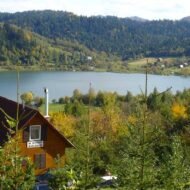


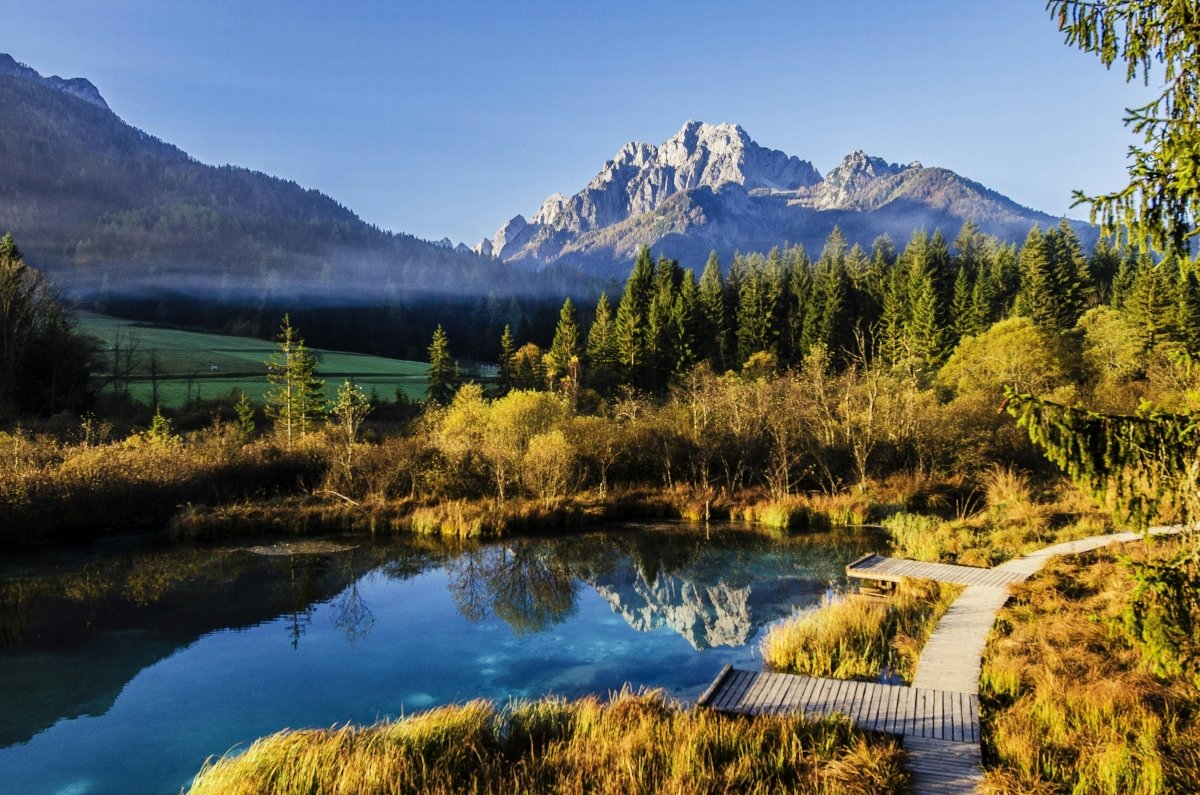
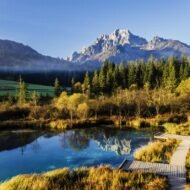
Zelenci Springs nature reserve , Ever stumbled upon a place so stunningly beautiful that you felt like you’d accidentally found your own secret? That’s exactly what awaits you at Zelenci Springs—a nature reserve that’ll have you questioning why it’s not splashed across every Instagram feed. Located near Kranjska Gora in Slovenia’s far northwestern corner, this emerald-green wonderland is calling your name. But here’s the real story: Zelenci isn’t just gorgeous—it’s a living classroom for Alpine ecology and conservation in action.
- What Makes Zelenci Springs the Real Deal?
- Know Before You Go
- Getting There: The Journey Is Half the Fun
- The Zelenci Experience: What You’ll Actually Do There
- Educational Trail System & Info Kiosks
- The Main Attraction
- Extended Hiking Options with Educational Depth
- Eco-Smart Visiting: Be Part of the Solution
- Why Zelenci Stands Out: Conservation + Access = The Right Model
- Practical Tips That’ll Save Your Day
- The Real Talk: What You Should Know
- Combining Zelenci with Your Broader Trip
- The Bottom Line: Is Zelenci Worth Your Time?
- Recap: Key Takeaways
- Final Disclaimer
What Makes Zelenci Springs the Real Deal?
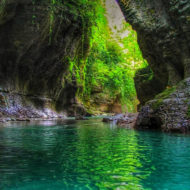
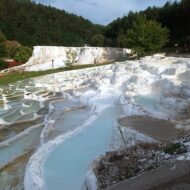
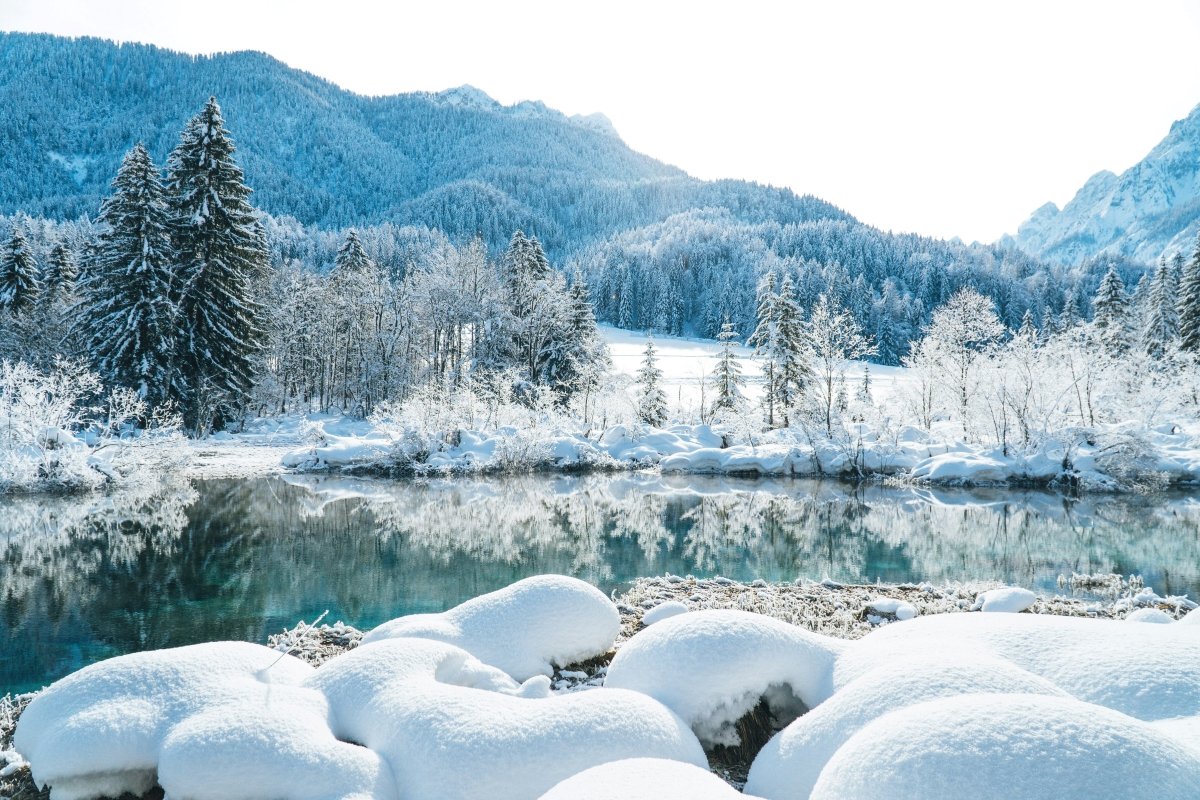
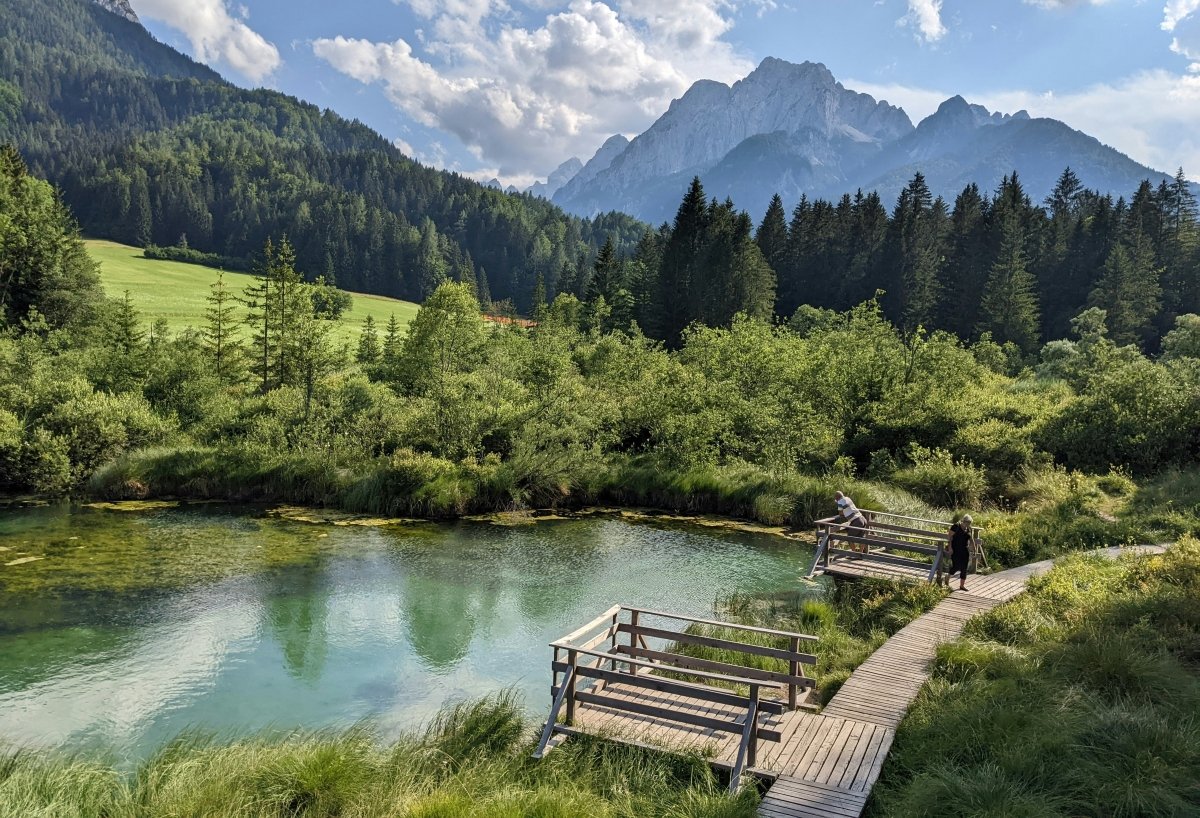
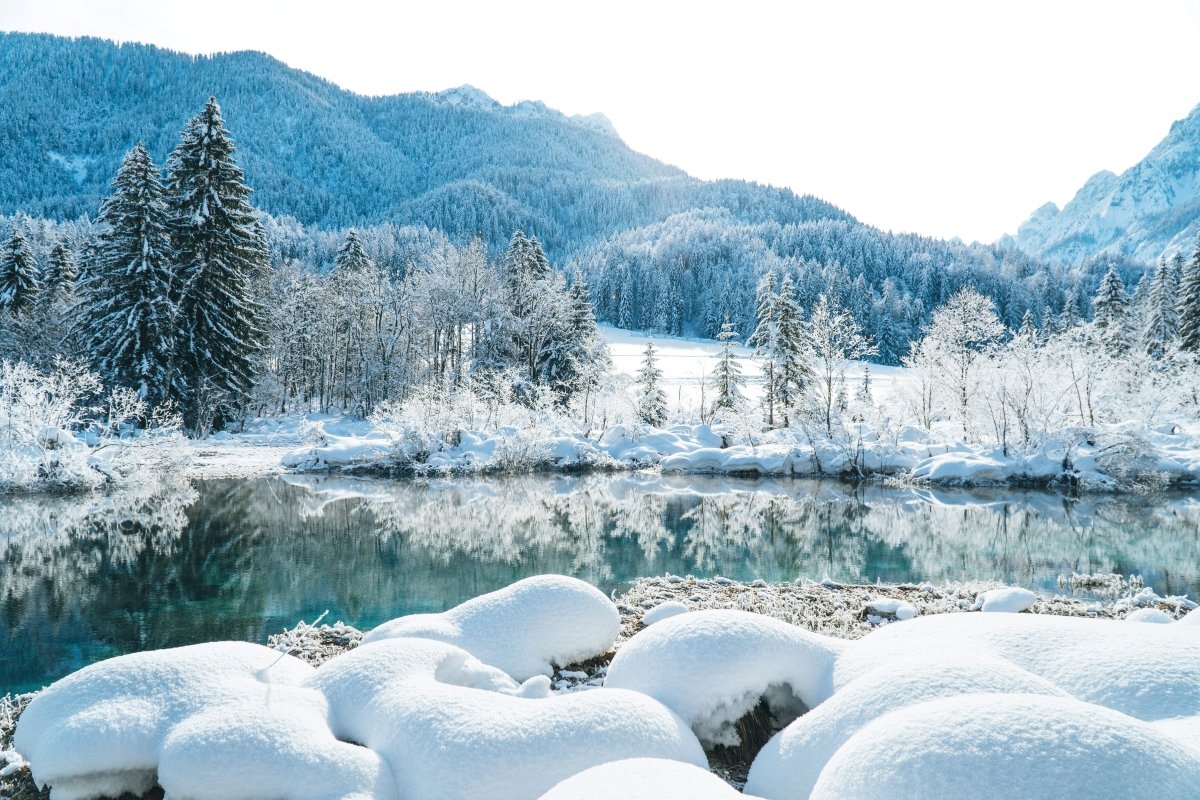
Zelenci Springs isn’t your typical tourist trap. We’re talking about a pristine natural sanctuary where turquoise-blue water flows directly from underground springs, surrounded by lush Alpine forests that look like they’ve been photoshopped into reality (spoiler: they haven’t). The reserve sits at the foot of the Julian Alps, and yes, the views are genuinely jaw-dropping.
Here’s the magic: the water is so clear and so brilliantly blue-green that you’ll understand why locals have protected this place for generations. But beyond the Instagram-worthy aesthetics, Zelenci is a functioning ecological hotspot. The springs are fed by underground Alpine aquifers, the forest protects rare endemic plant species, and the entire ecosystem showcases how conservation and sustainable access can coexist. It’s not a hike-to-death kind of destination either—accessibility is actually decent, which means whether you’re traveling solo, with your family, with your adventure squad, or anyone else, there’s something for you here—and you’ll learn something genuine about Alpine ecosystems while you explore.
Know Before You Go
| Aspect | Details |
|---|---|
| Best Time to Visit | May-September (weather is warm, water is accessible, educational programs active, fewer crowds than peak summer) |
| Distance from Kranjska Gora | ~20 km (about 30 minutes by car) |
| Entry Fee | Free (it’s a protected nature reserve) |
| Walking Difficulty | Easy to moderate (depending on your route choice) |
| Duration | 1-3 hours (can be a quick stop or a full afternoon activity) |
| Parking | Available near the entrance, free |
| Facilities | Limited (no cafes or bathrooms at the springs—plan accordingly) |
| Educational Features | Info kiosks with Alpine ecology data, interpretive signage (in Slovenian/English) along trails |
| Dog-Friendly? | Yes, but keep them on leash |
| Wheelchair Accessible? | Partial (some areas yes, others require footwork) |
| Swimming Allowed? | No (it’s a protected nature reserve) |
| Water Temperature | Cold year-round (stays around 6-8°C—maintained by Alpine aquifer system) |
| Guided Tours Available? | Contact Kranjska Gora Tourist Information for eco-guided tour availability |
| Seasonal Closures? | Check locally—heavy snow (Nov-April) may restrict access |
Getting There: The Journey Is Half the Fun
From Kranjska Gora town center, it’s a scenic 20-30 minute drive through some seriously gorgeous Alpine scenery. You’ll wind through small villages, pass traditional Slovenian farmhouses, and gradually work your way toward the mountains. If you’re using GPS, punch in “Zelenci Springs” or “Zelenci Izvir”—and heads up, the last stretch involves a gravel road that’s perfectly drivable in any regular car (we’re not talking serious off-roading here).
Public transport options exist, but honestly? Renting a car for the region gives you maximum flexibility. Kranjska Gora has rental agencies, and the whole area is worth exploring beyond just Zelenci. Plus, driving through the Julian Alps is an experience unto itself.
The Zelenci Experience: What You’ll Actually Do There
Educational Trail System & Info Kiosks
Here’s where Zelenci shifts from “pretty nature spot” to “actually learn something” destination. The reserve features a well-designed educational trail system with strategically placed interpretive kiosks that explain the Alpine ecosystem you’re walking through.
What You’ll Learn Along the Trails:
The info kiosks (bilingual: Slovenian/English) cover topics like:
- Alpine Hydrology: How underground aquifers feed the springs and maintain that signature turquoise color (it’s the mineral content and light refraction, not magic—though it feels like it)
- Glacial Geology: The Julian Alps were shaped by glaciation, and you’re literally walking on evidence of ancient ice sheets
- Endemic Flora: Zelenci protects rare Alpine plant species found nowhere else on Earth. The interpretive signage identifies key species and explains their ecological role
- Forest Succession: Watch how the ecosystem evolves from open spring areas to dense forest—it’s ecological succession happening in real-time
- Watershed Protection: Understand why this reserve matters for regional water quality and conservation
- Wildlife Biodiversity: Information about resident species, migration patterns, and how the reserve supports Alpine fauna
The Info Kiosks Themselves:
Located at key trail junctions, these aren’t just random signs. They’re thoughtfully designed to integrate with the landscape while providing substantial ecological information. Take time to read them—seriously, they’re legitimately interesting, not just “stay on trail” warnings.
The Main Attraction
You’ll park, grab your daypack (seriously, bring water), and make your way toward the springs. The main trail is well-marked and takes you through a mixed forest that feels primordial. The path opens up to reveal the springs themselves—and yes, the water is THAT turquoise.
The pool area is protected, which means you’re admiring from a designated viewing area rather than wading in. This isn’t a bummer though; it’s the whole point. The protection ensures the ecosystem stays intact, water quality remains pristine, and you get clearer views. This is conservation in action—and it works.
Ecological Protection in Action:
The barriers and designated viewing areas exist for a reason. The springs feed a delicate Alpine aquatic ecosystem. The surrounding forest provides habitat for species that depend on these specific conditions. By restricting access, the reserve maintains biodiversity while still allowing you to experience the wonder. It’s a masterclass in sustainable tourism.
Photo Ops for Days (with Ecological Context)
If you care about content creation (and let’s be real, who doesn’t when traveling?), this place is gold. The contrast between the emerald-green water and the dark forest backdrop is chef’s kiss. Early morning visits mean softer light and fewer people in your shots. Seriously, go early.
But here’s the bonus: you’re now equipped to explain WHY the water is that color, what minerals are present, and why this ecosystem matters. You’re not just posting a pretty picture—you’re sharing genuine knowledge about Alpine conservation.
Extended Hiking Options with Educational Depth
Not ready to leave? The area has multiple trail options, each offering different ecological perspectives:
Quick Circuit (~1 hour): Main springs and viewing area
- Focuses on immediate spring ecology and Alpine forest structure
- Best for understanding the core aquatic ecosystem
Extended Forest Walk (~2-3 hours): Loop trails through surrounding forest
- Traverses different elevation zones with varying plant communities
- Interpretive signage highlights forest succession, understory ecology, and habitat diversity
- You’ll see how the ecosystem changes subtly as you move away from the spring influence
Alpine Linking Routes: Connect to higher elevation viewpoints
- Reveals broader landscape ecology and geological formations
- Shows how the springs fit into the larger Alpine watershed system
- More challenging but offers perspective on regional ecological patterns
The paths are generally well-maintained, though they can get muddy after rain. Bring appropriate footwear (hiking boots are ideal, not flip-flops). Pay attention to the educational signage—it genuinely enriches the experience rather than just being decorative.
Eco-Smart Visiting: Be Part of the Solution
Sustainable Practices That Actually Matter
Visiting Zelenci responsibly isn’t about virtue signaling—it’s about ensuring this place survives for future visitors and, more importantly, for the ecosystem itself. Here’s what actually makes a difference:
Carbon & Transportation
- Combine your Zelenci visit with other regional attractions to justify the car journey
- Consider staying overnight in Kranjska Gora to reduce driving back and forth
- Public transport exists for the region—check schedules if possible
Trail Impact
- Stay on marked trails (yes, even when shortcuts look tempting). Off-trail walking crushes vegetation and accelerates erosion
- Avoid visiting during heavy rain when trails are most vulnerable to damage
- Wear appropriate footwear—lightweight hiking boots cause less impact than heavy tread
Water & Ecosystem
- Don’t touch or lean over the springs, even though the water is clear and inviting
- Don’t remove plants, rocks, or anything else (yes, really, not even “just one pretty leaf”)
- Respect the no-swimming rule—it protects aquatic life and water quality
Waste Management
- Pack out everything you pack in—there’s no trash service at the springs
- Use minimal-waste products (reusable water bottles, no single-use plastics)
- If you see other people’s trash, consider removing it (but don’t compromise your safety)
Wildlife Respect
- Keep dogs on leash at all times
- Observe wildlife from distance; don’t attempt close-up photos or interactions
- Make noise on trails so you don’t startle animals—a brief conversation is better than silent surprises
Educational Engagement
- Read the info kiosks and interpretive signage—seriously
- Share what you learn with others
- Consider donating to the reserve if it’s an option (many protected areas accept contributions)
Why This Matters
Zelenci survives because previous visitors treated it as something precious rather than just a photo location. The trails remain clear because people stay on them. The water stays clean because people don’t swim. The forest remains diverse because plants haven’t been stripped. When you visit responsibly, you’re participating in a conservation story that spans generations.
Why Zelenci Stands Out: Conservation + Access = The Right Model
Slovenia is gorgeous. Lake Bled gets the hype and the crowds. Postojna Cave draws thousands daily. But Zelenci? It’s where you go when you want that unfiltered Slovenia experience without feeling like you’re part of a theme park—AND you want to understand why conservation matters.
The Conservation Story
Zelenci Springs exists as a protected nature reserve specifically because locals recognized its ecological value decades ago. The springs feed into a broader Alpine watershed system that supplies drinking water to the region. The forest provides habitat for species found nowhere else in the world. The entire ecosystem represents a delicate balance that took centuries to establish and seconds to damage.
The reserve doesn’t just protect pretty scenery—it protects:
- Endemic plant species found only in Alpine limestone environments like this
- Clean water aquifers that supply regional communities
- Forest biodiversity including rare bird species and insect populations
- Genetic diversity of Alpine flora in their native ecosystem
- Carbon storage in old-growth forest systems
Sustainable Tourism Done Right
What makes Zelenci exceptional isn’t that it’s protected—it’s that it’s protected AND accessible. The management approach demonstrates that conservation and responsible tourism aren’t opposites. You can visit, learn, and experience the ecosystem without degrading it. The info kiosks, marked trails, designated viewing areas, and swimming restrictions all exist to balance human access with ecological integrity.
This is the model more reserves should follow: educate visitors about why the restrictions exist, and most people happily comply because they understand the stakes. When you read that kiosk explaining Alpine hydrology, you get why that spring water is precious. When you see the endemic plant species labeled, you understand why you stay on the trail. When you observe the old-growth forest, you grasp why this matters.
Educational Value Beyond the Visit
Unlike attractions that just provide views, Zelenci invests in helping you understand what you’re seeing. The interpretive trail system transforms a nature walk into genuine ecological education. Kids (and adults) leave understanding Alpine ecosystems better than they arrived. Teachers use Zelenci as an outdoor classroom for exactly this reason.
Practical Tips That’ll Save Your Day
Timing Matters Summer (June-August) means gorgeous weather but also tourist crowds. May and September offer that sweet spot: warm enough for comfortable hiking, fewer visitors, trails aren’t overgrown, and the reserve’s educational programs are typically active. April and October? Doable, but weather is unpredictable and water can be restricted due to snowmelt or maintenance.
Bring These
- At least 2 liters of water (there’s nowhere to refill)
- Snacks or packed lunch (no facilities nearby—consider eco-friendly packaging)
- Insect repellent (mosquitoes can be enthusiastic in warm months)
- A light rain jacket (mountain weather changes fast)
- Proper hiking footwear (yes, really—lighter boots mean less trail impact)
- A small notebook or field guide (many visitors jot down species they identify using info kiosk details)
- Binoculars (for bird watching while hiking)
Leave These Behind
- Expectations of Wi-Fi (you won’t have it—and it’s kind of the point)
- Plans to swim (protected reserve, remember? The ecosystem depends on you respecting that)
- Heavy luggage (there’s walking involved)
- Single-use plastics (everything needs to come back with you)
Photography Ethics Get those stunning shots, but consider the bigger picture. Avoid standing on vegetation for the “perfect angle.” Don’t disturb wildlife for close-ups. Share your photos with accurate information about conservation—you’re documenting not just scenery, but a working ecosystem under protection.
Weather & Conditions The Julian Alps mean unpredictable weather. Rain, fog, and sudden temperature drops are normal. Check forecasts, dress in layers, and adjust your plans if conditions deteriorate. A rainy Zelenci is still beautiful, but it’s a different experience. The water temperature hovers around 6-8°C year-round—maintained by the Alpine aquifer system. Bring layers even in summer.
Crowded Moments While less touristy than other Slovenian attractions, Zelenci does get busy on sunny weekends and peak summer days. Early morning or weekday visits mean more solitude, better conditions for photography, and more peaceful nature observation.
The Real Talk: What You Should Know
This Isn’t a Resort There are no restaurants, spas, or lodges at Zelenci. The nearest amenities are in Kranjska Gora, which is small and charming but limited. Come prepared for a nature experience, not luxury. This is intentional—it preserves the reserve’s character and ecological integrity.
Conservation Restrictions Serve a Purpose The swimming ban, trail markings, designated viewing areas, and restrictions on plant removal aren’t arbitrary. They protect a fragile ecosystem. Understanding this transforms “restrictions” into “conservation tools” in your mind. It’s not prohibition; it’s preservation.
Seasonal Closures Happen Heavy snow (typically November-April) may restrict access or require special conditions. Always contact Kranjska Gora Tourist Information before visiting in shoulder seasons to confirm access status and trail conditions.
Combining Zelenci with Your Broader Trip
Kranjska Gora Exploration The town itself is worth a half-day. It’s got charm, traditional architecture, and serves as a jumping-off point for Alpine activities. In winter, it’s a ski destination; in summer, it’s hiking paradise.
Triglav National Park Connection Zelenci sits on the periphery of Triglav National Park (Slovenia’s only national park and a UNESCO World Heritage site). If you’re doing serious hiking, this entire region offers epic opportunities. Many visitors combine Zelenci with other park attractions.
Nearby Alternatives
- Lake Kranjska Gora: Another water attraction, slightly more accessible, different vibe
- Logarska Valley: A gorgeous valley with hiking trails and waterfalls (about 1.5 hours away)
- Martuljek Waterfalls: Another stunning Alpine waterfall destination nearby
The Bottom Line: Is Zelenci Worth Your Time?
Absolutely, yes—if you appreciate nature, want to escape crowded tourist zones, care about conservation, and have realistic expectations about what a protected nature reserve offers. It’s not a multi-day destination, but it’s a perfect half-day excursion that adds genuine value to a Slovenian trip—and to your understanding of Alpine ecosystems.
The journey to Zelenci forces you off main tourist routes. You’ll drive through authentic Alpine Slovenia. You’ll see the landscape that inspired centuries of local culture. You’ll learn why this ecosystem matters through interpretive signage and info kiosks. You’ll understand why conservation restrictions exist. And you’ll get some seriously stunning photos in the process.
Best For:
- Nature lovers and eco-tourists
- Photographers seeking authentic locations
- Hikers of all levels
- People seeking quieter alternatives to popular attractions
- Travelers interested in conservation and Alpine ecology
- School groups and families looking for educational outdoor experiences
- Anyone wanting to understand sustainable tourism in practice
Skip If:
- You need facilities and services (restaurants, bathrooms, lodging on-site)
- You expect warm-water swimming or beach-like experiences
- You prefer structured tourism with guides and tours
- You’re unwilling to respect conservation restrictions
- You want quick selfies without engaging with the ecosystem
Recap: Key Takeaways
- Location: Near Kranjska Gora, northwestern Slovenia—20 km from town
- Access: Easy (free entry, good parking, well-marked trails, info kiosks at key points)
- Main Appeal: Stunning turquoise springs in a protected Alpine nature reserve with educational interpretive trail system
- Ecological Significance: Protects endemic plant species, Alpine aquifer system, old-growth forest biodiversity, and UNESCO World Heritage-adjacent landscape
- Educational Features: Info kiosks covering Alpine hydrology, geology, endemic flora, forest ecology, watershed protection, and wildlife biodiversity
- Time Commitment: 1-3 hours depending on your interests and trail choices
- Best Visited: May-September for optimal conditions, active educational programs, and trail accessibility
- Pro Tip: Go early (mornings = fewer crowds, better light, more focused wildlife observation)
- Pack: Water, snacks, proper footwear, layers, sun protection, notebook for species ID, binoculars
- Sustainable Practices: Stay on trails, pack all waste out, respect viewing areas, no swimming, minimal photography impact
- Reality Check: No facilities, protected reserve (no swimming), cold water (6-8°C), weather-dependent, seasonal access restrictions
Final Disclaimer
This guide reflects current information as of 2024. Protected nature reserves can have seasonal closures, trail maintenance, educational program scheduling, or access restrictions implemented without notice. Always verify current conditions and regulations with Kranjska Gora Tourist Information Center (tel: +386 4 588 1668 or check their website) or local sources before visiting. Entry fees, facilities, and educational program availability may change. Weather in Alpine regions is unpredictable—prepare accordingly and be willing to adjust plans if conditions deteriorate.
This guide prioritizes sustainable tourism and conservation ethics. The information here is for planning purposes; use common sense, respect the natural environment, follow all local signage and conservation rules, and treat the reserve as the precious ecosystem it is. Your visit contributes to the long-term viability of this protected area.
Educational Note: The info kiosk information and interpretive trail content are subject to seasonal updates and maintenance. Educational programs may be available through Kranjska Gora Tourist Information—inquire about guided eco-tours or educational programs, especially if traveling with schools or large groups.
One More Thing: Respect the reserve. This place exists because locals protected it for ecological reasons. Your thoughtful visit keeps it pristine for everyone else—and ensures that Alpine biodiversity survives for future generations.
Ready to find your own secret corner of Slovenia while supporting genuine conservation? Zelenci Springs is waiting.