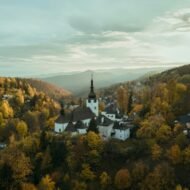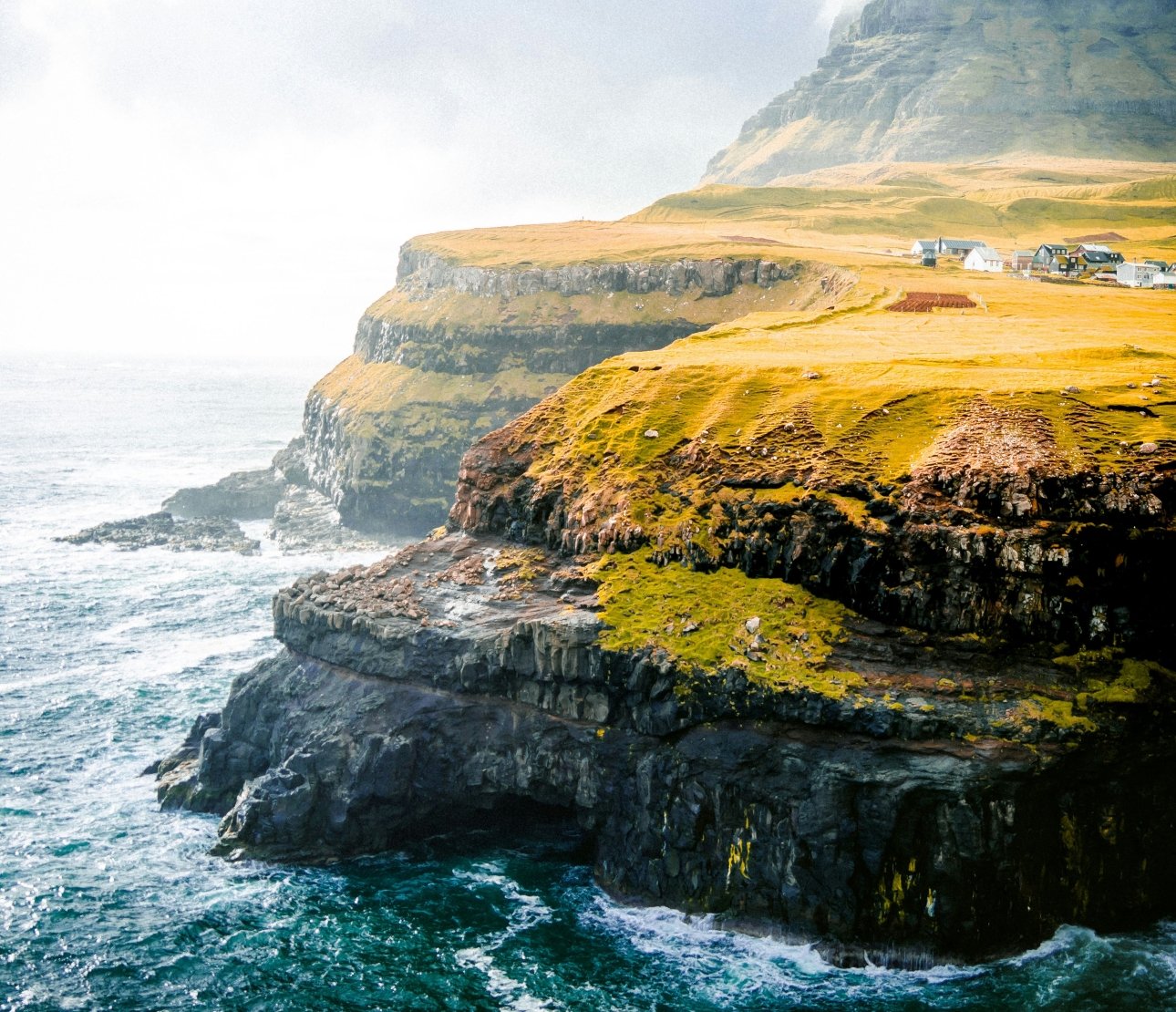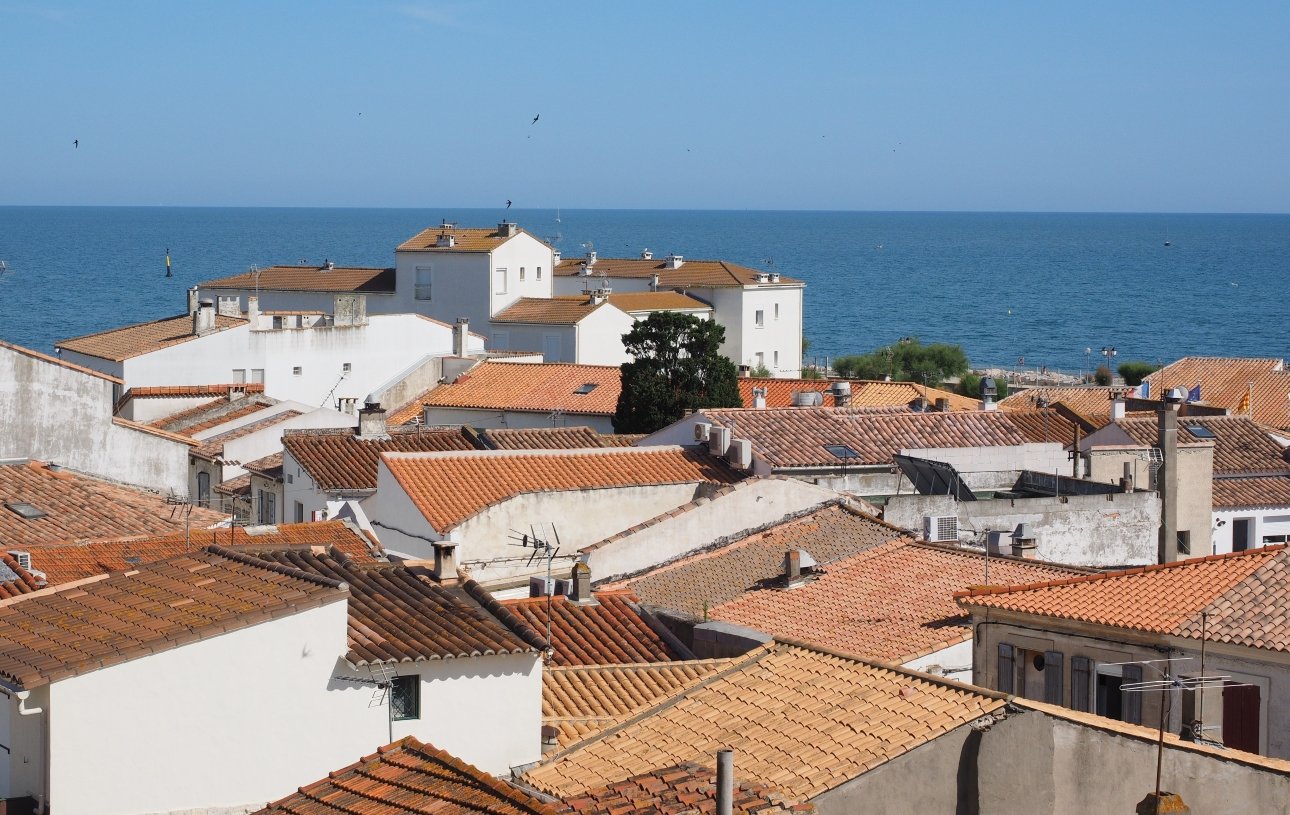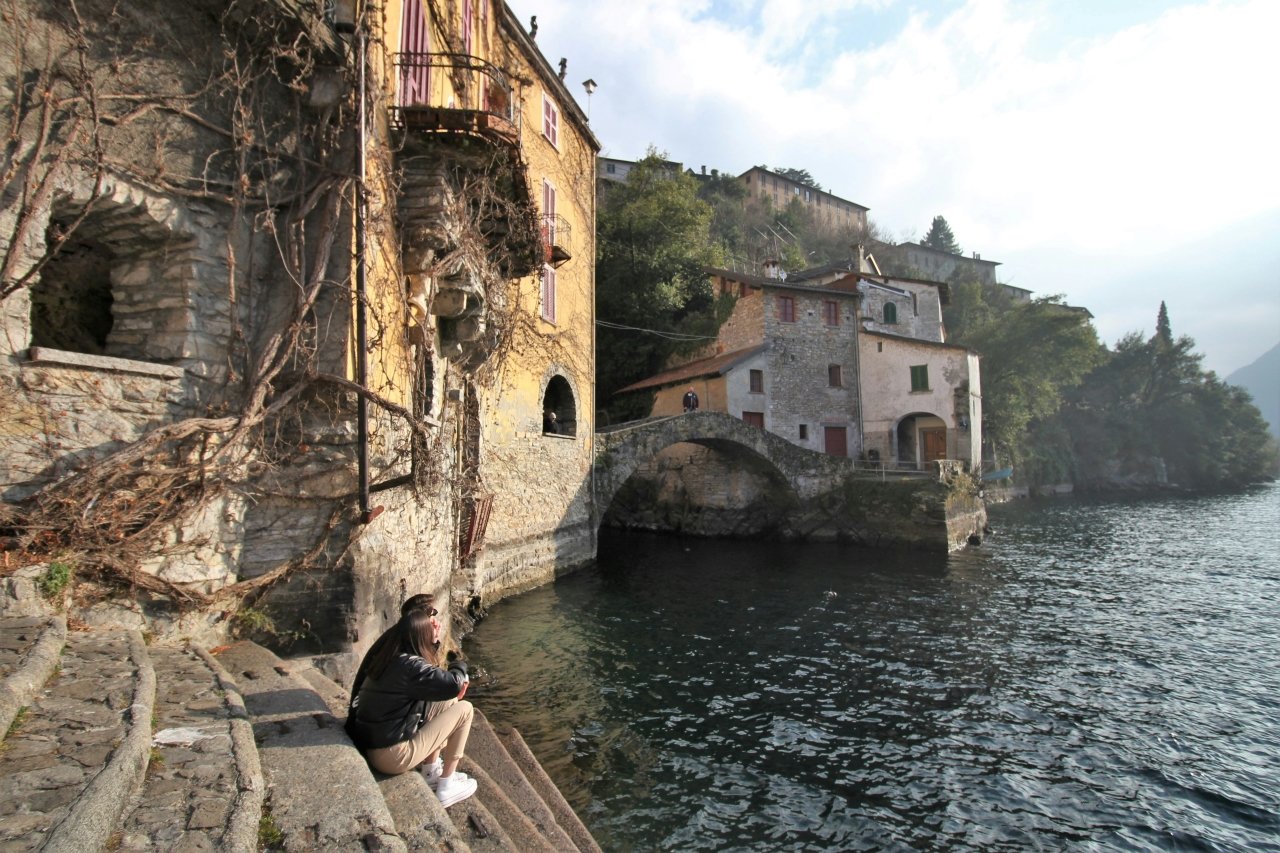


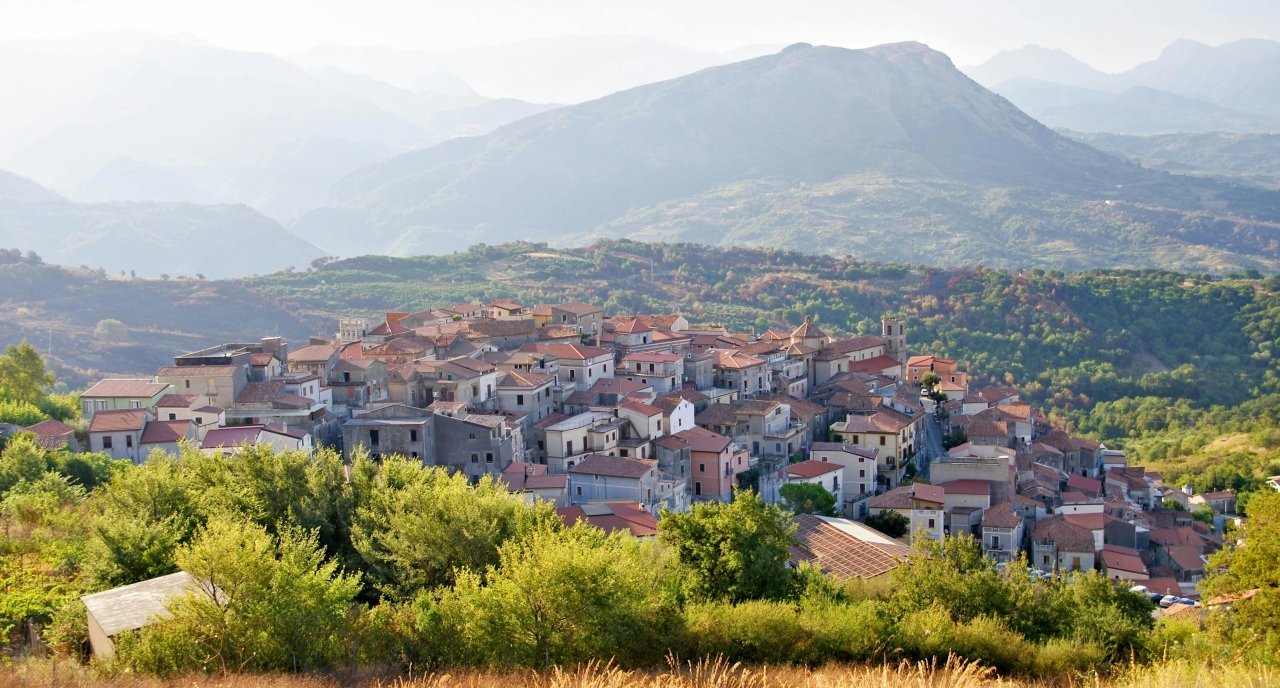
Santa Domenica Talao is a jaw-dropping hilltop village in Calabria that trades tourist crowds for jaw-dropping views, truffle-hunting adventures, and authentic Calabrian hospitality. Sitting 300 meters above sea level with vistas stretching to the Aeolian Islands, this underrated gem is perfect for travelers seeking the “real” Southern Italy—without the Instagram overload of Amalfi Coast prices or Sicilian tourist traffic.
- Why This Little Village Should Be On Your Bucket List
- Know Before You Go: The Essential Quick-Reference Table
- Getting Here: The Journey Is Half The Adventure
- The “Authentic Calabria” Experience: Off-The-Beaten-Path Moments
- Piazza Italia at Sunset (The Instagram-Worthy Moment That Doesn’t Feel Fake)
- Black Truffle Hunting (For the Foodies Who Want to Get Their Hands Dirty)
- The Museum of the Earth (History Without the Attitude)
- Wander the Historic Centre Without a Map
- The Natural Springs (Acque Della Quercia & Ragazzo)
- Things to Do (Ranked By How “Real” They Feel)
- 1. Church of San Giuseppe (The Spiritual Heart)
- 2. Chapel of Our Lady of the Rosary (October Fair Hub)
- 3. Palazzo Campagna (Where History Whispers)
- 4. Cooking Classes (Get Your Hands Dirty)
- 5. Hiking the Surrounding Mountains
- Nearby Attractions: Everything Worth Reaching From Here
- Scalea (5 km away) – Medieval Marvel
- Praia a Mare (8 km away) – Beach & Island Energy
- Pollino National Park (Accessible from Village)
- Torre di Fiuzzi (Praia a Mare)
- Island of Dino (6 miles away)
- Where To Eat: Authentic Calabrian Food (Without the Tourist Menu)
- Where To Stay: Sleeping Like A Local (Not A Tourist)
- In the Village (Recommended)
- Nearby in Scalea (If You Want More Amenities)
- In Praia a Mare (Beach Town Option)
- Fascinating Facts That’ll Make You Sound Like A Local
- Best Time To Visit (Decoded)
- Practical Tips For The Smart Traveler
- The Real Deal: What To Realistically Expect
- Recap: The Essential Takeaway
- Final Thought
Why This Little Village Should Be On Your Bucket List
Let’s be honest: Calabria gets the short end of the stick in Italian tourism. While hordes descend on Tuscany and fight for space on Amalfi’s cliffside roads, places like Santa Domenica Talao sit quietly in the background, doing their own thing. And that’s exactly what makes it magical.
Imagine waking up to panoramic terraces overlooking the Riviera dei Cedri, wandering through stone-paved lanes where locals actually live (not just perform for tourists), and tasting handmade pasta infused with black truffles foraged from the surrounding mountains. That’s not a fantasy—that’s a Tuesday in Santa Domenica Talao.
This village is famous for its black truffles and numerous natural springs, and it sits on a rocky ridge about 304 meters above sea level, on the southern slopes of Monte Serra La Limpida. The village itself is small enough to explore on foot but rich enough in history and charm to keep you enchanted for days.
Know Before You Go: The Essential Quick-Reference Table
| Detail | Info |
|---|---|
| Location | Province of Cosenza, Calabria, Southern Italy |
| Population | ~300-400 residents (yes, really) |
| Elevation | 304 meters above sea level |
| Best Time to Visit | May-October (warm weather, lively season); March-April & September-November (fewer tourists, perfect temps) |
| Getting There | 5 km inland from Scalea; SS18 coastal road; Scalea-Santa Domenica Talao railway station (8 km) |
| Nearest Major Airport | Lamezia Terme International (127 km); Naples-Capodichino (227 km) |
| Language | Italian (English spoken in tourist areas) |
| Currency | Euro (€) |
| Weather (Summer) | 25-30°C / 77-86°F; mostly sunny |
| Accommodation | B&Bs and private rentals in village; hotels in nearby Scalea & Praia a Mare |
| Day Trip Distance | Scalea (5 km), Praia a Mare (8 km), Pollino National Park (nearby) |
| Parking | Street parking available; arrive early in peak season |
| Wifi/Reception | Good coverage in village center |
| Budget Range | Budget-friendly; meals €8-20, rooms €40-80/night for basics |
Getting Here: The Journey Is Half The Adventure
By Car From the north: Take the A2 motorway toward Lagonegro Nord, exit toward Praia a Mare, then follow the SS18 south. From the south, exit at Falerna and head north on SS18 to Scalea. Once in Scalea, follow signs to Santa Domenica Talao—it’s a scenic 8 km drive up winding roads that feel authentically Calabrian.
By Train The Scalea-Santa Domenica Talao railway station is your gateway. It’s served by regional and InterCity services, plus some high-speed services (Frecciarossa and Italo) with direct connections to Turin, Milan, Rome and Naples. From the station, you can grab a local taxi or arrange a transfer.
Pro Tip: Rent a car. Public transport exists, but having wheels gives you freedom to explore the surrounding valleys, mountain villages, and coastal towns at your own pace. Driving in Calabria is actually pretty chill—unlike the hair-raising Amalfi roads everyone complains about.
The “Authentic Calabria” Experience: Off-The-Beaten-Path Moments
Piazza Italia at Sunset (The Instagram-Worthy Moment That Doesn’t Feel Fake)
Walk to the central square—locals call it the heart of the village—and you’ll understand why people here are so protective of this place. The square is a terrace with an amazing view on the Cedars Riviera, stretching from Scalea through the green Valley of the Lao river to the blue Tyrrhenian Sea. On clear days, you can see all the way to the Aeolian Islands and Mount Etna.
Sit there at golden hour with a gelato, watch old men playing cards, and listen to Italian being spoken the way it’s meant to be—without anyone thinking about likes or follows.
Black Truffle Hunting (For the Foodies Who Want to Get Their Hands Dirty)
The village is renowned for fragrant black truffles found in the surrounding mountains, often used to prepare wild boar meat whose ragù goes beautifully with handmade pasta. Several local guides offer truffle-hunting experiences where you’ll trek through forest paths with trained dogs, learning about the landscape and local traditions.
It’s the kind of thing that sounds touristy but feels genuinely connected to how people here actually live. You’re not performing tourism—you’re participating in real work.
The Museum of the Earth (History Without the Attitude)
The Museum of the Earth has three sections: one dedicated to fossils found in the area, another to rural traditions with traditional tools and implements, and a historical section displaying traditional clothing and biographies of important village figures. It’s small, personal, and staffed by locals who actually know the stories behind the artifacts.
You’ll learn about Giuseppe Campagna, a village doctor who treated the Italian revolutionary Giuseppe Garibaldi and was honored by King Victor Emmanuel II. These aren’t dusty museum facts—they’re village pride.
Wander the Historic Centre Without a Map
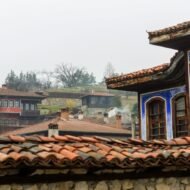
The stone houses, narrow cobblestone lanes, and baroque church portals create a maze that rewards getting lost. Walking through the old town means taking a dip into the most authentic Calabria, with elegant noble palaces evoking a past of lively streets and family traditions.
Take photos if you want, but better yet—just sit on a doorstep, listen to the silence (it’s louder than noise), and breathe in how slowly time moves here.
The Natural Springs (Acque Della Quercia & Ragazzo)
These aren’t theme-park attractions. They’re just pristine water sources that villagers have used for centuries. The territory is rich in springs, the most famous being Acque della Quercia and Ragazzo. Visit in early morning when locals are refilling bottles and you’ll understand how water shapes life here.
Things to Do (Ranked By How “Real” They Feel)
1. Church of San Giuseppe (The Spiritual Heart)
Built in 1640 and enlarged in 1701, this Mother Church features notable Baroque stuccoes, a polychrome marble high altar from 1774, and a Holy Family canvas from the Neapolitan school. It’s not just stunning—it’s alive with daily use by villagers. Visit during a service if you want the full experience.
2. Chapel of Our Lady of the Rosary (October Fair Hub)
Built in 1725, this chapel is the focal point of the October fair known as Fera ‘u Chianu held in the lower part of town. If you’re here in October, experience this traditional celebration where locals sell produce, crafts, and food under autumn skies.
3. Palazzo Campagna (Where History Whispers)
This 1600s noble residence carries the story of a village doctor who treated revolutionary leaders. The stonework alone is worth a long look. Some structures offer limited public access during festival times—ask locals!
4. Cooking Classes (Get Your Hands Dirty)
Local guides offer immersive pasta-making sessions where you’ll learn to hand-roll “gnoccoli al pettine” (comb-ridged gnocchi) the traditional way. It’s messy, delicious, and utterly unreplicatable at home.
5. Hiking the Surrounding Mountains
A significant portion of the territory borders Pollino National Park, which protects forests, wildlife and characteristic natural landscapes, including roe deer, the Apennine wolf, golden eagles and several raptors. Easy valley walks or challenging mountain treks—the options are endless.
Nearby Attractions: Everything Worth Reaching From Here
Scalea (5 km away) – Medieval Marvel
A proper hilltop town with a medieval old town carved into the landscape. Scalea is a medieval village on a terraced hill with a historic center that’s a labyrinth of stairways, alleys, arches and ancient buildings. Wander the narrow streets, find a family-run trattoria, and eat fresh pasta with locals.
Praia a Mare (8 km away) – Beach & Island Energy
Beach town vibes with the dramatic Isola di Dino offshore. Praia a Mare is a vibrant coastal city known for its stunning beaches and outdoor adventures, with nearby water parks and a picturesque island. Arco Magno Beach is a stunning beach with crystal-clear waters and beautiful rock formations perfect for sunbathing and swimming.
Pollino National Park (Accessible from Village)
The crown jewel of northern Calabria. The area ranges from Mesozoic limestone and dolomite hills to ridges exceeding 1,000 m, featuring karst landforms, gorges and sinkholes, with vegetation including Mediterranean scrub, olive groves, chestnut and oak woods, and mixed beech-silver fir stands at higher altitudes.
Seriously—if you have a day, drive into the park for hiking. The silence in the forests is something you didn’t know you needed.
Torre di Fiuzzi (Praia a Mare)
Built between the fifteenth and sixteenth centuries, this tower is positioned on a rock facing the Island of Dino. Short coastal drive for dramatic cliff views and historical atmosphere.
Island of Dino (6 miles away)
This picturesque island boasts breathtaking beaches and lush outdoor areas, ideal for hiking, snorkeling, and exploring unique caves. Reachable by boat from Praia a Mare—spend a day island-hopping.
Where To Eat: Authentic Calabrian Food (Without the Tourist Menu)
In the Village:
- Family-run trattorias serve homemade pasta with truffle and wild boar ragù (€12-18)
- Ask locals for “da Nonna” spots (grandma’s places) where you eat what they cooked that day
- Avoid anywhere with laminated menus and English translations
Pro Move: Stop at the local butcher and ask for recommendations. Calabrian hospitality means they’ll literally direct you to the best meal in town.
Signature Dishes:
- Gnoccoli al Pettine: Hand-rolled gnocchi with ridges that catch sauce
- Ragù di Cinghiale: Wild boar cooked low-and-slow with tomatoes and spices
- Burrata with Calabrian Chili Paste (Nduja): One of the world’s greatest flavor combinations
Wine Pairing: Local Calabrian reds like Cirò—they’re mineral, structured, and way cheaper than Tuscan equivalents for equal quality.
Where To Stay: Sleeping Like A Local (Not A Tourist)
In the Village (Recommended)
- B&Bs & Agriturismos: €40-70/night; often run by multi-generational families
- Booking.com and Airbnb have listings, but ask locals for direct bookings (sometimes cheaper, always more authentic)
- You’ll wake to roosters, village bells, and the smell of someone’s grandmother cooking breakfast
Nearby in Scalea (If You Want More Amenities)
- Hotel Santa Caterina Village is a large resort with pools, restaurants and direct beach access, praised for family-friendly facilities
- Grand Hotel de Rose offers elegant sea-view rooms, a pool and convenient access to both beach and old town
In Praia a Mare (Beach Town Option)
- Hotel Germania provides comfortable rooms, on-site dining and a central location close to the seafront
Pro Tip: Book 2-3 nights in the village, 1-2 in a coastal town. You get the authentic vibe plus beach days.
Fascinating Facts That’ll Make You Sound Like A Local
- The Name Game: Santa Domenica Talao was founded in the first half of the 17th century by Ettore Maria Spinelli, prince of Scalea, who wanted it as his hamlet. The name “Talao” comes from the Greek word meaning “on this side of the Lao River”.
- From Hamlet to Town: By 1651 the casale counted about sixty hearths, became a parish in 1662, and after Italian unification became an autonomous municipality with the name changed to Santa Domenica Talao in 1864 to distinguish it from other homonymous places.
- Twinned with Santo Domingo: In 2022 a twinning with Santo Domingo was formalized, recognizing the historic contribution of Santadomenicani emigrants and strengthening cultural ties. Half the village apparently emigrated to the Caribbean—their descendants still visit.
- Garibaldi Connection: Dr. Giuseppe Campagna from a noble palazzo treated the Italian revolutionary Garibaldi when he was wounded in Aspromonte and was awarded a medal by King Victor Emmanuel II.
- The Coat of Arms: It shows a vine branch with a ripe grape cluster entwined around an olive tree. Translation: this place knows how to grow things and feed people.
Best Time To Visit (Decoded)
May-October: Warm, sunny, lively. Coastal towns are buzzing. Perfect for beach days and hiking.
March-April & September-November: Our pick. Temperatures are ideal (18-24°C), wildflowers bloom, fewer tourists clog the lanes, and you can actually talk to locals without reservation.
December-February: Budget travelers should consider visiting between December and February, when hotel prices are generally lowest. It gets chilly in the mountains, but the village is quietest—if you want a retreat, come now.
Avoid: Mid-July to mid-August if you hate crowds. Summer holidays bring Italians from the north looking for beach escapes.
Practical Tips For The Smart Traveler
Money Matters
- Bring cash. Many small trattorias and B&Bs don’t take cards.
- ATMs exist in Scalea; get money there rather than relying on the village.
- Meals run €8-20; accommodations €40-80 for budget, €100-150 for comfort.
Getting Around
- Rent a car. Public transport is sporadic.
- Parking in the village is free but tight. Arrive before 11 AM or after 6 PM.
- Scalea is connected by train; it’s a legitimate regional hub.
Communication
- Buy an Italian SIM (€5-10). WiFi is decent in town centers.
- Maps.me works offline; download before arrival.
- Learn 5 Italian phrases. Locals light up when tourists try.
What To Pack
- Comfortable walking shoes (seriously, those cobblestones are ancient)
- Layers (mountain towns are cooler, evenings drop)
- Sunscreen and a hat for the Piazza Italia sunset stint
- A reusable water bottle (the springs are your friend)
Safety
This region is statistically safer than many Northern European cities. Just use baseline travel sense: don’t flash valuables, avoid isolated areas after dark, and lock car doors.
The Real Deal: What To Realistically Expect
You’ll Get:
- Authentic Calabrian culture (not theme-park Italy)
- Stunning views without Amalfi crowds or prices
- Real interactions with multi-generational families
- Food that tastes like how Italian food is supposed to taste
- Space to think, breathe, and feel less rushed
You Won’t Get:
- Fancy nightlife (though Scalea and Praia a Mare have bars)
- Same-day restaurant reservations
- Instagram-bait street art (this is real, not performative)
- English spoken everywhere (but gestures and smiles transcend language)
- High-end boutique hotels (unless you go to nearby towns)
The Bottom Line: This isn’t a destination for people who need entertainment pre-packaged. It’s for travelers who like discovery, quiet conversation, and knowing they’re somewhere most tourists never bothered to find.
Recap: The Essential Takeaway
Santa Domenica Talao is a 300-meter hilltop village in Calabria that punches way above its weight in terms of authenticity, views, and local hospitality. With a permanent population of 300-400 people, it’s the kind of place where your B&B owner’s mother cooks breakfast and the village baker remembers your name after one visit.
The surrounding landscape offers everything from truffle-hunting expeditions and mountain hiking to beach days in nearby coastal towns. The history runs deep—from Garibaldi treatments to family businesses operating unchanged for generations. The food is genuinely exceptional without being pretentious.
This is Southern Italy as it actually exists when you step off the main tourist conveyor belt. It’s accessible, affordable, and real in a way that feels increasingly rare.
Should You Go? Absolutely. Go now, before someone writes about it in Condé Nast and everything changes.
Final Thought
Travel writing often promises magic. Most of the time, it delivers a nice hotel and a good pasta story. Santa Domenica Talao actually delivers something rarer: a place where you can live like a local for a few days, where time moves at human speed, and where the view from a simple piazza makes you question why you spend so much time staring at screens.
That’s not tourism. That’s remembering why you wanted to travel in the first place.
Go explore. The real Italy is waiting.
Have you been to Santa Domenica Talao? Drop your experiences in the comments. Fellow travelers want to know what made it special for you.