





TL;DR
Belmonte is a charming historic town in central Portugal’s Castelo Branco district, famous for being the birthplace of Pedro Álvares Cabral (discoverer of Brazil) and home to Portugal’s largest Jewish community. This mountain village offers medieval castles, fascinating museums, authentic Portuguese cuisine, and stunning views of Serra da Estrela. Perfect for history buffs, culture seekers, and travelers who want to experience Portugal beyond the tourist trail. Best time to visit: May-June or September-October for pleasant weather and fewer crowds.
- TL;DR
- Why Belmonte Should Be on Your Portugal Bucket List
- The Jewish Heritage: A Story of Survival
- Top Things to Do in Belmonte
- Where to Eat: From Traditional Taverns to Gourmet Dining
- Getting to Belmonte: Your Transportation Options
- When to Visit Belmonte: Seasonal Guide
- Where to Stay in Belmonte
- Practical Tips for Visiting Belmonte
- Day Trip Ideas from Belmonte
- Is Belmonte Worth Visiting?
- Quick Reference
Why Belmonte Should Be on Your Portugal Bucket List
Look, we get it. When people think of Portugal, they’re usually dreaming about Lisbon’s hills, Porto’s port wine, or the Algarve’s beaches. But here’s the thing: Belmonte is one of those magical places that most travelers completely miss—and that’s exactly what makes it special.
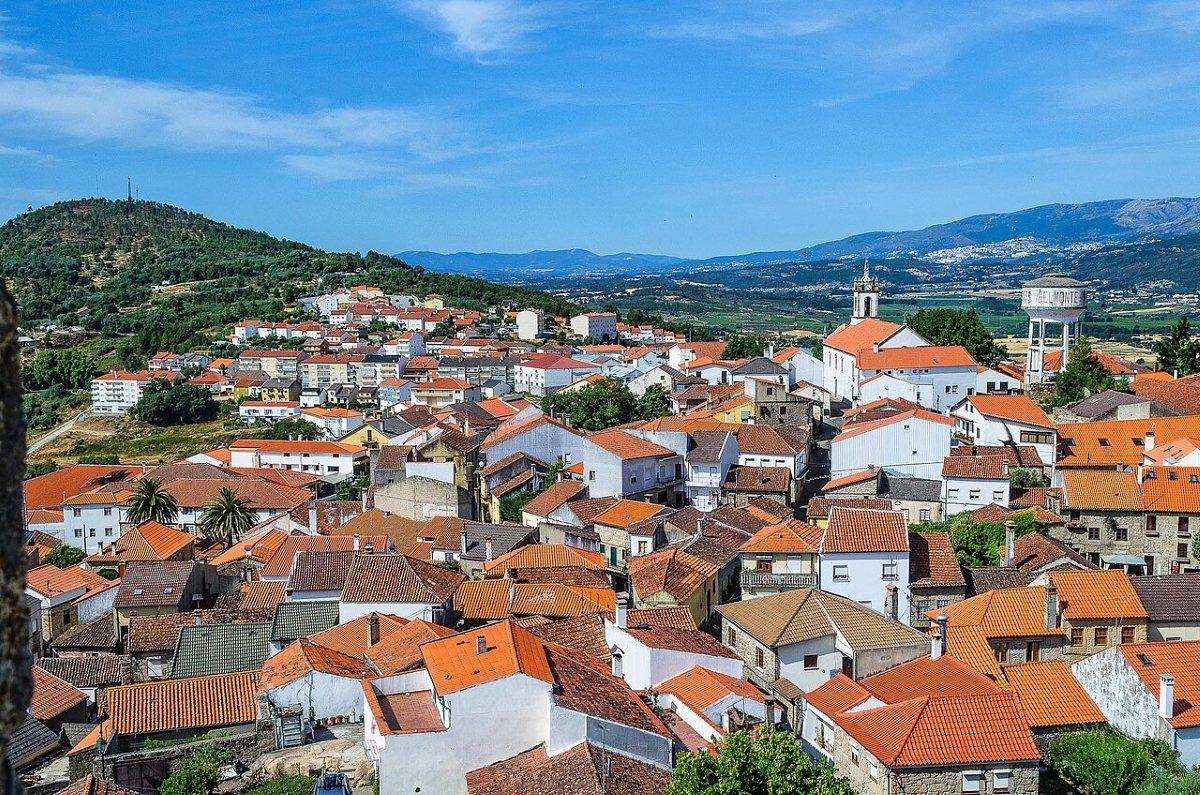
Nestled in the foothills of Serra da Estrela, Portugal’s highest mountain range, this town of about 3,000 residents is basically a living history book. We’re talking medieval castles, secret Jewish communities that survived centuries of persecution, and the birthplace of the guy who accidentally discovered Brazil. Not bad for a small town, right?

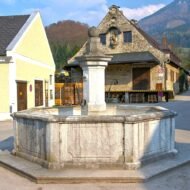
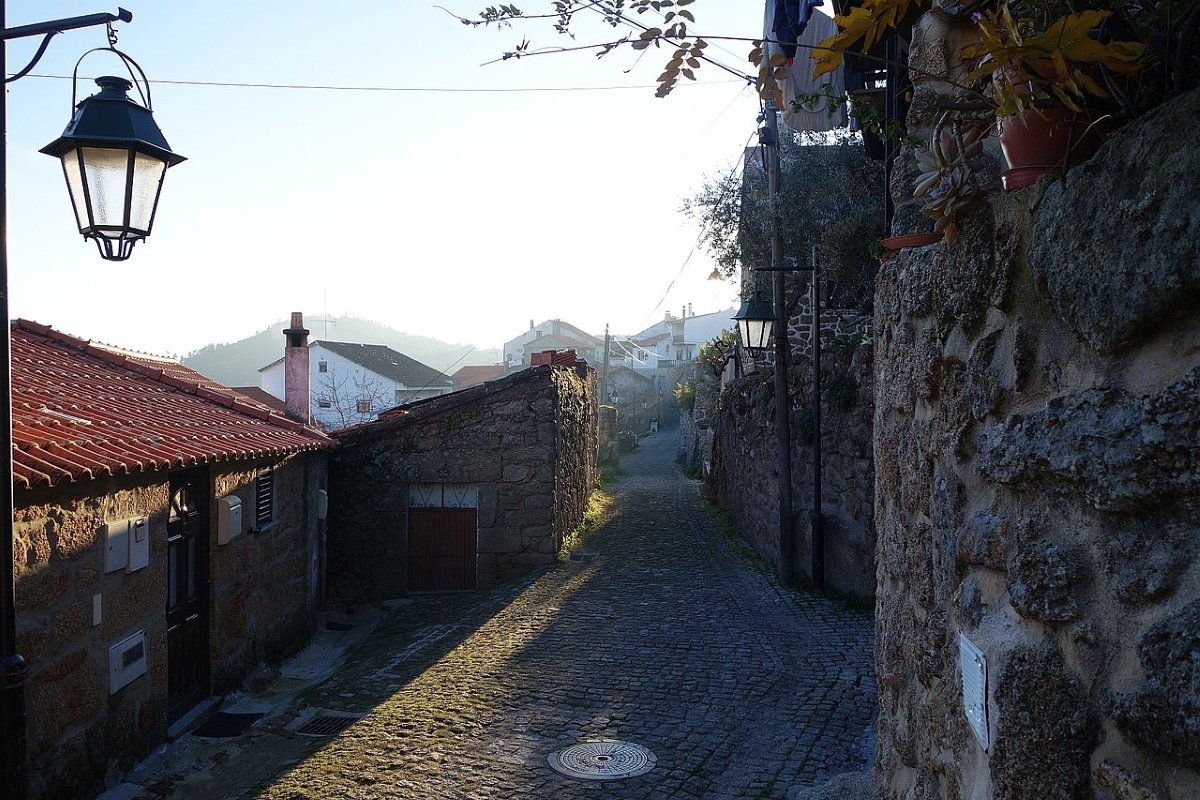
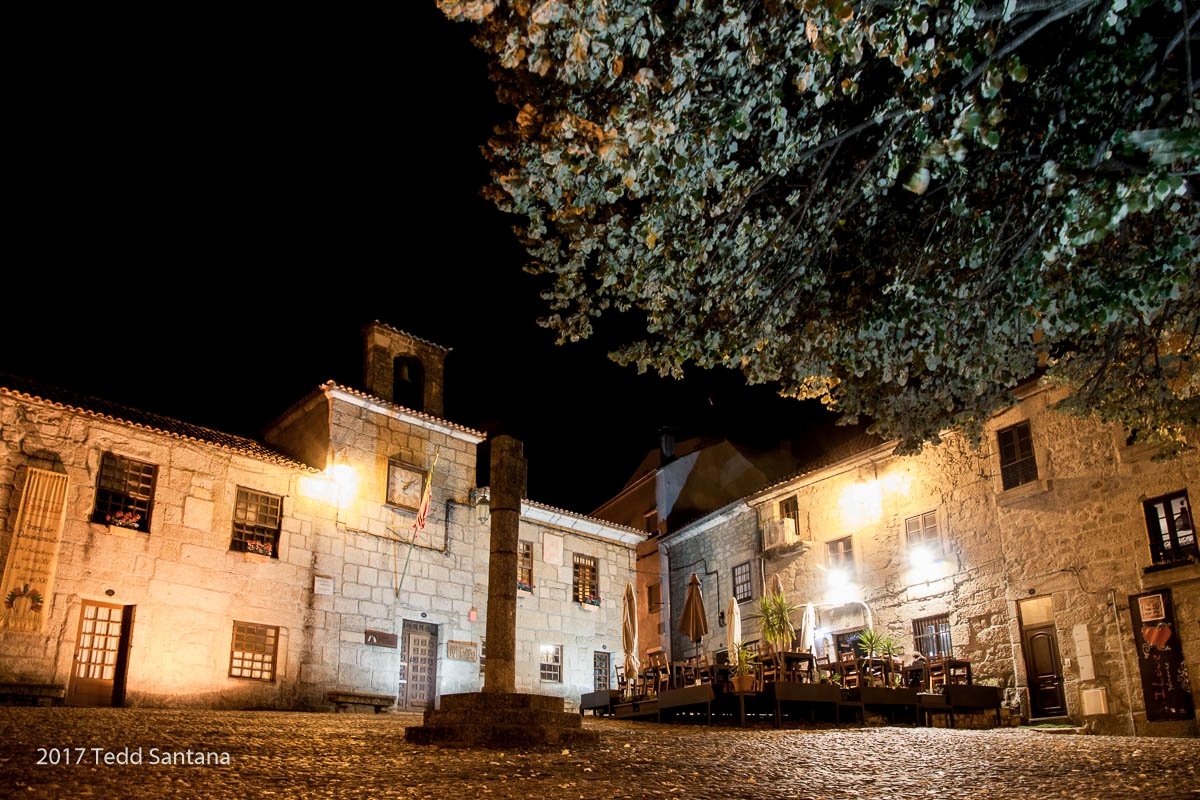
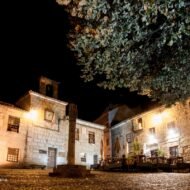
Belmonte is one of Portugal’s “12 Historical Villages,” part of a government program created in 1991 to restore and enhance villages in the Beira Interior region that are older than Portugal itself. And trust us, when you wander through its narrow cobblestone streets lined with granite houses, you’ll feel like you’ve stepped back in time.
The Jewish Heritage: A Story of Survival
Here’s where Belmonte gets really interesting. The town is home to the largest Jewish community in Portugal, descendants of Sephardic Jews who survived centuries of persecution.
After King Manuel I forced Jews to convert to Christianity in 1496, many became “crypto-Jews”—officially Catholic on the outside, but secretly practicing their faith behind closed doors. For over 500 years, this community maintained their traditions in total secrecy, passing them down verbally from generation to generation. Talk about dedication, right?
Highly Related


It wasn’t until after Portugal’s 1974 revolution that they felt safe enough to openly practice their faith again. Today, you can visit the beautiful Beit Eliahu Synagogue and explore the Jewish Museum of Belmonte (Museu Judaico), which was the first museum in Portugal entirely dedicated to Judaism and Portuguese Jewish communities.
The museum has been recognized as one of Europe’s top 50 small museums, featuring over a hundred artifacts that tell this incredible survival story. Whether you’re Jewish or not, this is humanity at its most resilient, and it’s genuinely moving.
Highly Related
Top Things to Do in Belmonte
1. Explore Belmonte Castle (Castelo de Belmonte)
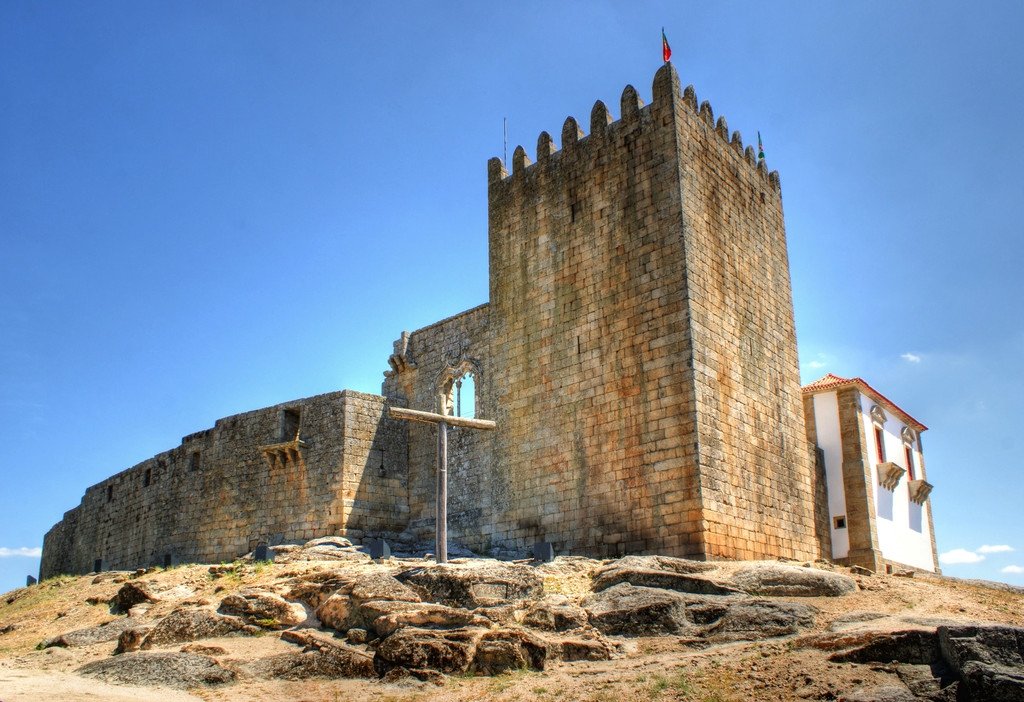
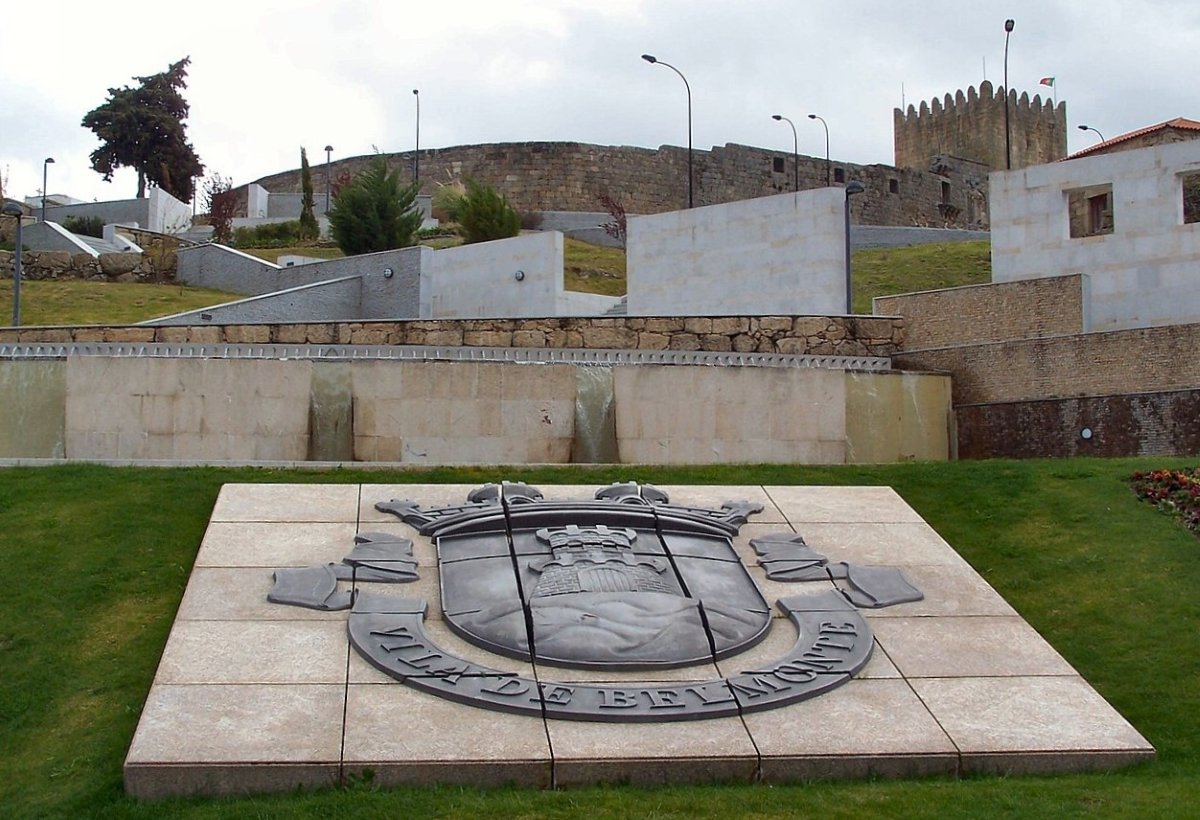
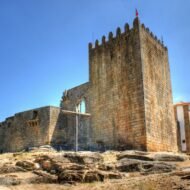
This 13th-century fortress sitting at 615 meters above sea level is your first must-see. The castle became the birthplace of Pedro Álvares Cabral in 1467 after his father received it from King Afonso V and adapted it as the Cabral family residence.
Sure, like most Portuguese castles, it’s mostly just the outer walls left standing, but climb to the top and you’ll get panoramic views of Serra da Estrela mountains and the surrounding countryside that are absolutely worth the trek. Plus, there’s an amphitheater inside where they host concerts and medieval festivals throughout the year.
Entry: €2 per person
Tip: Buy a combined ticket that gives you access to all museums and the castle—way better value.
2. Museum of the Discoveries (Museu dos Descobrimentos)
This museum is devoted to maritime Portuguese discoveries, particularly Pedro Álvares Cabral’s discovery of Brazil in the 15th century. The museum is housed in what was once the Cabral family’s manor house (Solar dos Cabrais).
With interactive exhibits, films, animations, and information in Portuguese, English, and Spanish, it’s engaging for all ages. You’ll even find a replica of a slave cell, which doesn’t shy away from the darker aspects of the Age of Exploration.
3. Jewish Museum of Belmonte (Museu Judaico)
This is absolutely essential. The exhibits showcase everything from religious artifacts to everyday items used by the crypto-Jewish community. The museum tells the story with sensitivity and depth, helping visitors understand just how remarkable this community’s survival was.
4. Santiago Church and Cabrais Pantheon
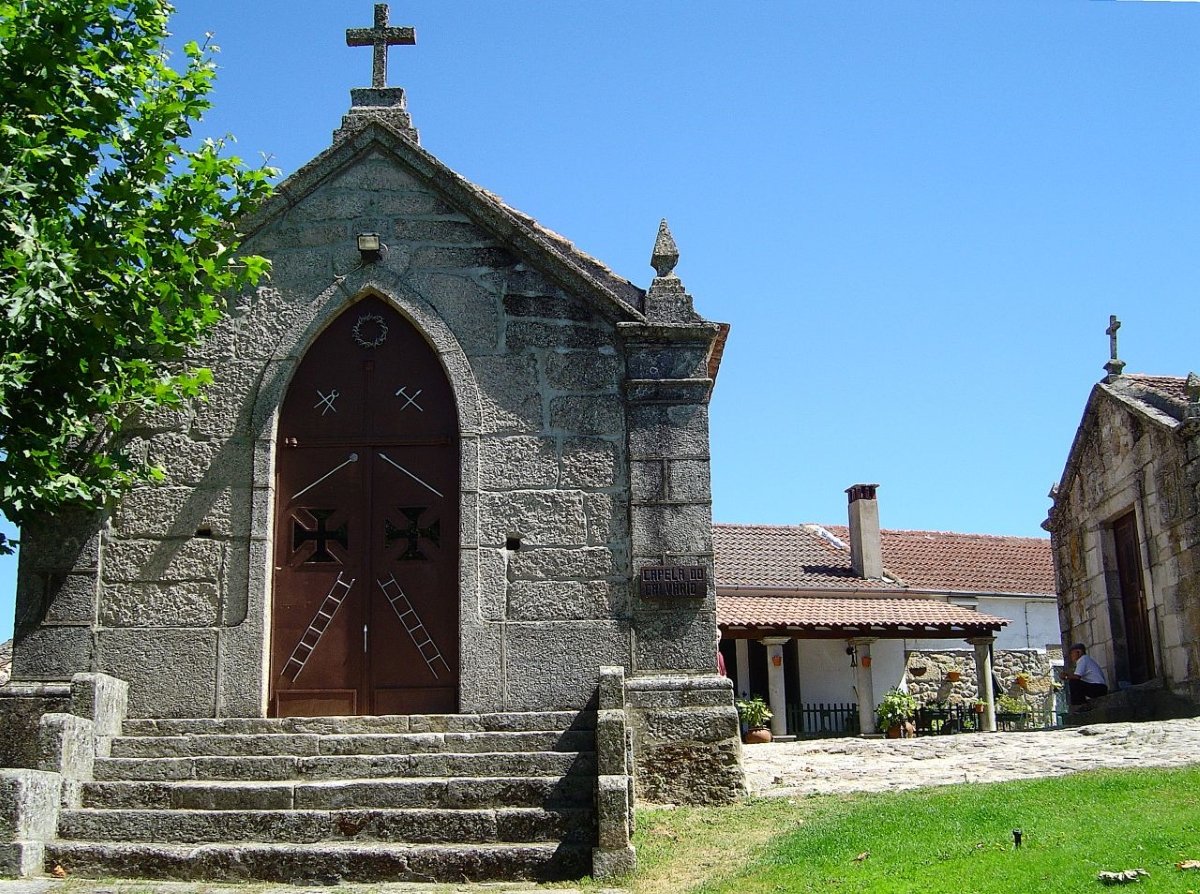
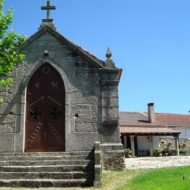
Adjacent to the castle stands the church of São Tiago, dating from the same period, with many interesting features including a painted 14th-century granite pietà and the pantheon of the Cabral family. The architecture alone is stunning, and the historical significance makes it a must-visit.
5. Tower of Centum Cellas (Torre de Centum Cellas)
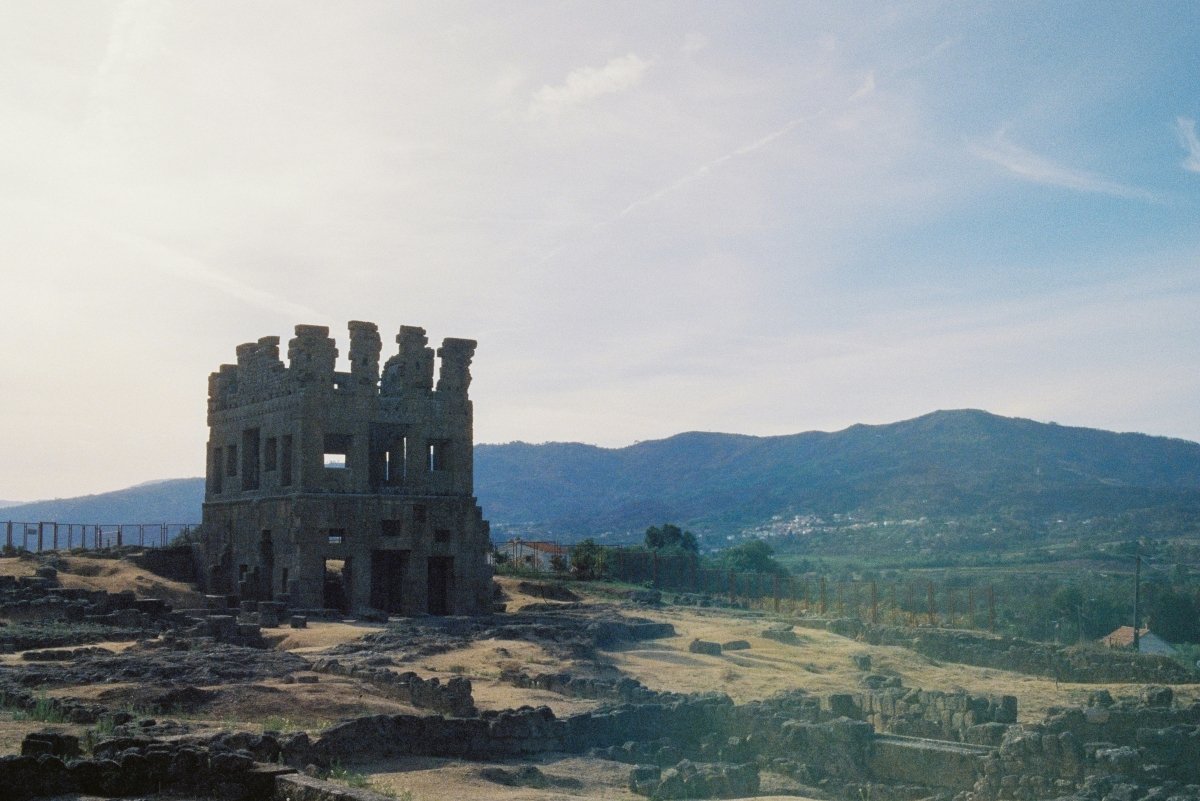
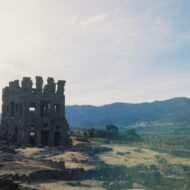
About a mile north of the village stands an imposing three-story tower that was once a Roman military headquarters, thought to have been part of a 1st-century villa linked to the tin trade.
It’s one of the most enigmatic Roman monuments in Portugal. Is it strange? Yes. Is it worth visiting? Absolutely. There’s something hauntingly beautiful about this lone tower standing in the middle of nowhere.
6. Olive Oil Museum (Museu do Azeite)
Portugal takes its olive oil seriously, and this museum comprises three floors of fascinating artifacts relating to the importance of this vital crop, along with a very well-kept olive grove and an excellent on-site restaurant. It’s way more interesting than it sounds, promise.
7. Beit Eliahu Synagogue
This working synagogue welcomes respectful visitors and offers a glimpse into the active Jewish community. If you’re visiting over Shabbat, you might even attend services—it’s a beautiful cultural experience.
Where to Eat: From Traditional Taverns to Gourmet Dining
High-End: Convento Belmonte Gourmet
Housed in the former medieval Monastery of Nossa Senhora da Esperança, this Pousada (historic inn) offers fine dining that respects local food traditions while giving them a contemporary twist.
Think wild mushrooms sautéed with garlic and herbs, deer carpaccio, and creative presentations of traditional Portuguese ingredients. The setting alone—in a converted monastery with stunning views—is worth the visit. Prices are reasonable for the quality (around €35-45 per person), and the service is impeccable.
Rating: 9.5/10 on TheFork
Pro tip: Make a reservation, especially on weekends.
Mid-Range Local Favorites
O Brasão – Located in Belmonte’s old quarter in a former stone house with tasteful decorations that retain the region’s history, offering local dishes from octopus to pork, cod, and veal sausage. Excellent home cooking in a charming setting.
Casa do Castelo – Great location near the castle with good portions and fair prices. Local ingredients, traditional recipes, and friendly service.
Fio de Azeite Taberna – This establishment maintains the historical essence of its surroundings and offers genuine Portuguese cuisine, including a variety of sausages presented in a small skillet.
Restaurante Belmonte Sinai Hotel – Offers kosher dining options and is particularly welcoming to Jewish visitors. The owner is friendly and loves sharing stories about the community.
Budget-Friendly Options
Churrasqueira Carrocel – Known for excellent grilled chicken and generous portions at very reasonable prices. Don’t be fooled by the unassuming entrance.
A Bebiana – A rustic eatery with an extensive menu filled with regional specialties, offering two distinct areas: one for regular meal service and another as a snack bar.
Pro tip: Most restaurants in Belmonte offer great value compared to Lisbon or Porto. Expect to pay €10-15 for a solid meal at mid-range places, €25-40 at high-end spots.
Getting to Belmonte: Your Transportation Options
Here’s the real talk: Belmonte isn’t the easiest place to reach, but that’s part of its charm. This town sits in the foothills of Serra da Estrela, Portugal’s highest mountain range, away from the coastal tourist crowds.
By Car (Recommended)
From Lisbon: About 2 hours 50 minutes (181 miles)
From Porto: About 2 hours 15 minutes (138 miles)
From Coimbra: Approximately 1.5-2 hours
The easiest way to explore this part of Portugal is by car, as many towns in Central Portugal are quite small and you’ll probably only spend a few hours in each. Plus, you can explore nearby gems like Monsanto, Sortelha, and Serra da Estrela Natural Park.
By Bus
There is a direct bus operated by Rede Expressos departing from Estação Rodoviária de Sete Rios in Lisbon and arriving at Belmonte, taking approximately 3 hours 50 minutes. Services depart twice daily.
From Porto, direct buses depart from Porto Terminal Intermodal de Campanhã and take approximately 3 hours 20 minutes, also operating twice daily.
Important: Local bus service around Belmonte does not operate on Sundays, so plan accordingly.
By Train + Bus/Taxi
You can take a train from Lisbon’s Gare do Oriente or Rossio Station to Covilhã (about 2.5-3 hours), then take a local bus from Covilhã Bus Terminal to Belmonte (about 30 minutes).
From Covilhã, local buses run several times per weekday, or you can grab a taxi (around €20-25).
Private Transfer
If you don’t want to hassle with public transport or rental cars, private transfer services like Daytrip offer door-to-door service with optional sightseeing stops along the way. More expensive, but convenient and comfortable.
When to Visit Belmonte: Seasonal Guide
Best Time: May-June & September-October
Belmonte experiences its most favorable weather from May through October, with temperatures between 19.7°C and 30.0°C (67-86°F).
Spring (May-June): Perfect temperatures (15-25°C), blooming landscapes, fewer crowds, and lower prices. This is honestly ideal.
Early Autumn (September-October): Still warm (18-25°C), harvest season, beautiful light for photography, and hotel prices are generally lowest between September and November for budget-conscious travelers.
Summer (July-August)
The warmest time is generally early to mid-August with highs around 75.6°F (24.2°C) and temperatures rarely dropping below 56.4°F (13.6°C) at night.
Pros: Long sunny days, all attractions open, festival season
Cons: May, August, and July are the busiest months for tourism, with highest prices for hotels and flights
Winter (November-March)
Winters are cold, wet, and partly cloudy, with temperatures typically ranging from 36°F to 86°F (2-30°C).
Pros: Lowest prices, no crowds, authentic local experience
Cons: Some restaurants/attractions may have limited hours, cooler temperatures, potential rain
Tourists are unlikely to visit in November, making it the least expensive month.
Bottom line: Avoid high summer if you don’t like crowds and heat. Spring and early fall are your sweet spots for the perfect Belmonte experience.
Where to Stay in Belmonte
Luxury: Pousada Convento de Belmonte
This is THE place to stay if you want to treat yourself. Built on the ruins of the Convent of Our Lady of Hope, the ecclesiastical origins have been maintained in this elegantly designed hotel, with an original amphitheater in the surrounding woodland and an 18th-century chapel.
Gorgeous rooms, incredible restaurant, pool, spa, and those Serra da Estrela views from your room? Chef’s kiss. Expect to pay €100-180 per night, which is actually quite reasonable for this level of quality.
Mid-Range: Belmonte Sinai Hotel
A 4-star hotel that’s particularly welcoming to Jewish visitors, offering kosher meal options. Modern amenities, friendly staff, and excellent location. Around €70-120 per night.
TheVagar Countryhouse – Peaceful 4-star country house with beautiful property, free breakfast, and highly rated service. Perfect for those seeking tranquility. About €80-130 per night.
Budget: Local Vacation Rentals
Plenty of apartments and houses available through platforms like Airbnb, typically ranging from €40-70 per night. Many are right in the historic center, which is perfect for exploring on foot.
Practical Tips for Visiting Belmonte
How Long to Stay: 1-2 nights is perfect. You can see the main sights in one full day, but staying overnight lets you experience the town after day-trippers leave and enjoy a proper dinner.
Language: Portuguese is the primary language. English is spoken in tourist areas, hotels, and museums, but learning a few Portuguese phrases will get you far. The locals really appreciate the effort.
Money: The cost of living is particularly attractive, significantly lower than coastal cities and tourist destinations. Cash is still king at smaller restaurants and shops, though cards are widely accepted.
Combined Tickets: Buy the combined ticket (around €6-8) that gives you access to all museums and the castle. Way better value than paying separately.
Mobility: The historic center has some steep, cobblestone streets. Wear comfortable walking shoes. If you have mobility issues, the terrain can be challenging.
Internet: Reliable in the town center, though speeds may vary in rural areas. Most accommodations offer WiFi.
Best Photo Ops:
- Castle at sunset with Serra da Estrela in the background
- Narrow cobblestone streets with traditional granite houses
- Panoramic views from the castle keep
- The Manueline window at the castle
Day Trip Ideas from Belmonte
Since you’ve made it all the way to central Portugal, here are some nearby gems worth exploring:
Serra da Estrela Natural Park – Just 40 km from Torre, the highest point in Serra da Estrela and mainland Portugal. Stunning mountain scenery, hiking trails, and in winter, Portugal’s only ski resort.
Sortelha – Another historical village just 20 km from Belmonte. Perfectly preserved medieval village that’s even more compact than Belmonte.
Monsanto – About 53 km away. Known as the “most Portuguese village in Portugal,” with houses built into and around massive granite boulders. Seriously Instagram-worthy.
Guarda – 30 km away. Portugal’s highest city with a stunning 14th-century cathedral.
Covilhã – 20 km away. Hub of Portugal’s wool industry, plus gateway to Serra da Estrela.
Is Belmonte Worth Visiting?
Look, Belmonte isn’t for everyone. If you need buzzing nightlife, beach clubs, or luxury shopping, this isn’t your spot. But if you’re the kind of traveler who gets excited about:
- Authentic cultural experiences without tourist crowds
- Deep historical significance (seriously, crypto-Jews and Brazilian discoverers?)
- Stunning natural landscapes with mountain backdrops
- Affordable prices and genuine hospitality
- Peaceful, slow-travel vibes where you can actually breathe
…then Belmonte is absolutely worth the detour.
This is Portugal off the beaten path, where you can wander medieval streets, chat with locals at family-run restaurants, and visit museums that tell genuinely important stories. It’s the kind of place that reminds you why you started traveling in the first place.
So yeah, rent that car, take that bus, or book that private transfer. Belmonte is waiting, and trust us—you won’t regret making the journey.
Quick Reference
Location: Castelo Branco district, Central Portugal
Population: ~3,000
Altitude: 615 meters above sea level
Language: Portuguese
Currency: Euro (EUR)
Best for: History buffs, culture seekers, Jewish heritage tourism, photography, hiking, foodies, couples, slow travelers
Not ideal for: Party animals, beach lovers, luxury shoppers, those needing full wheelchair accessibility
Emergency Numbers:
- European Emergency: 112
- Local Health Center: +351 275 910 020
- Tourism Office: +351 275 088 200
Official Tourism Website: cm-belmonte.pt
Ready to explore one of Portugal’s best-kept secrets? Belmonte is calling, and honestly, it’s about time someone answered. Pack your comfortable shoes, bring your curiosity, and get ready to fall in love with a town that most travelers never even know exists. Trust us, that’s their loss and your gain.
Safe travels, and enjoy every cobblestoned minute of it! 🇵🇹