



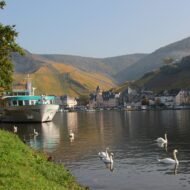
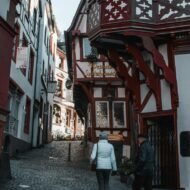
TL;DR: Bernkastel-Kues is a stunning medieval wine town on the Mosel River where half-timbered houses lean over cobblestone streets, world-class Riesling flows freely, and castle ruins overlook vineyard-covered slopes. Perfect for wine lovers, history buffs, and anyone seeking an authentic German experience without the tourist crowds. Best visited May-October, easily accessible from major cities, and absolutely worth 2-3 days of your time.
- Why You’ll Fall Hard for Bernkastel-Kues
- Getting There (It’s Easier Than You Think)
- When to Visit: Timing Is Everything
- Where to Stay: For Every Budget
- Must-See Sights and Experiences
- Wine Tasting: The Main Event
- Where to Eat: From Traditional to Trendy
- Beyond Wine: Activities & Day Trips
- Festivals & Events You Can’t Miss
- Practical Information
- Insider Tips from Someone Who’s Been There
- The Bottom Line
Picture this: you’re wandering through a maze of crooked medieval houses that look like they’ve been plucked straight from a fairy tale, wine glass in hand, surrounded by some of the steepest vineyards in the world. That’s Bernkastel-Kues, and honestly? It might just be the most underrated destination in Germany.
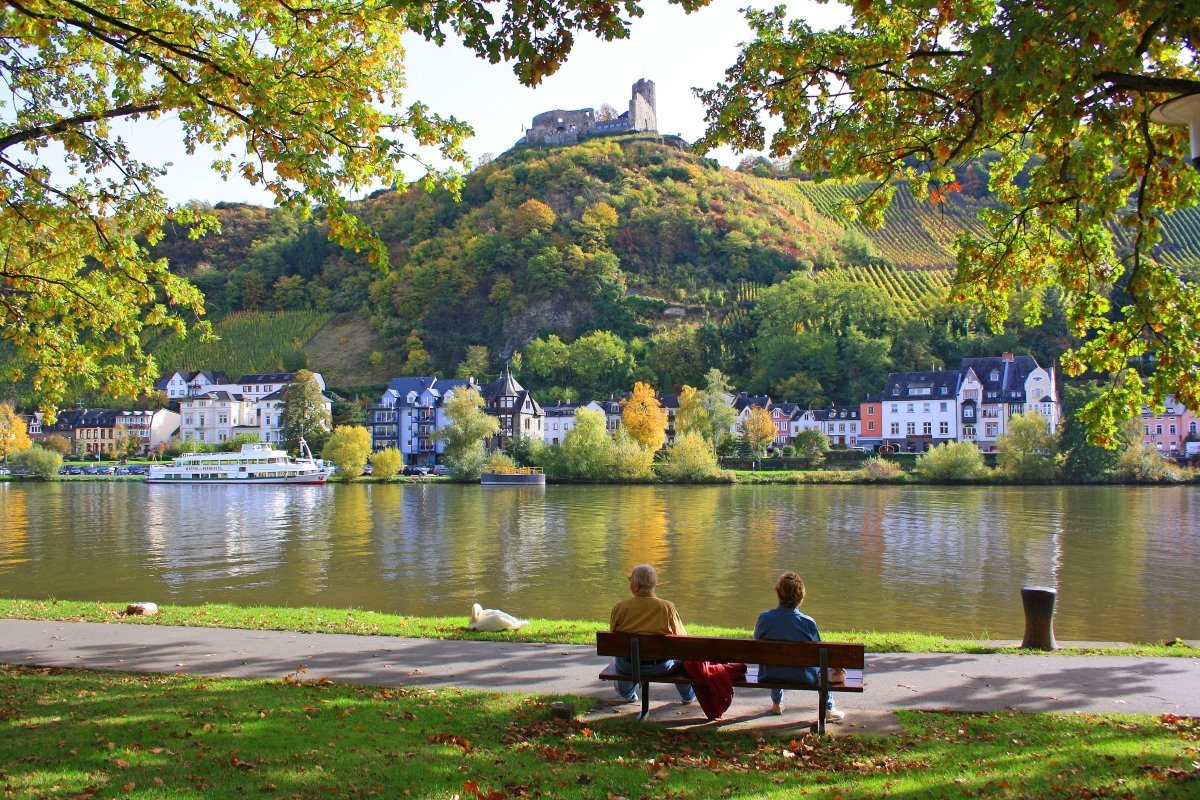
Nestled along the serpentine bends of the Mosel River in Rhineland-Palatinate, this twin town (technically two towns connected by a bridge) has been perfecting the art of winemaking for over 2,000 years. While places like Heidelberg and Rothenburg get all the Instagram glory, Bernkastel-Kues quietly delivers everything you want from a German getaway—minus the tour bus chaos.
Highly Related

Why You’ll Fall Hard for Bernkastel-Kues
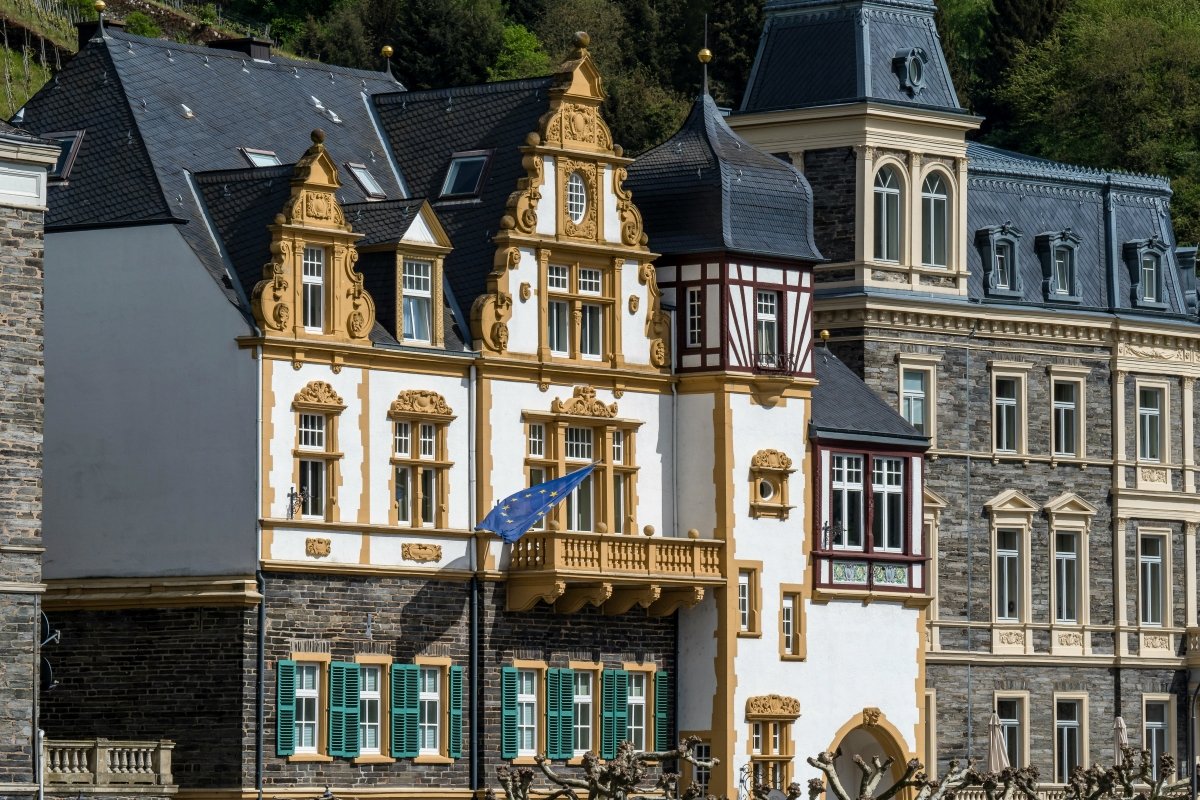
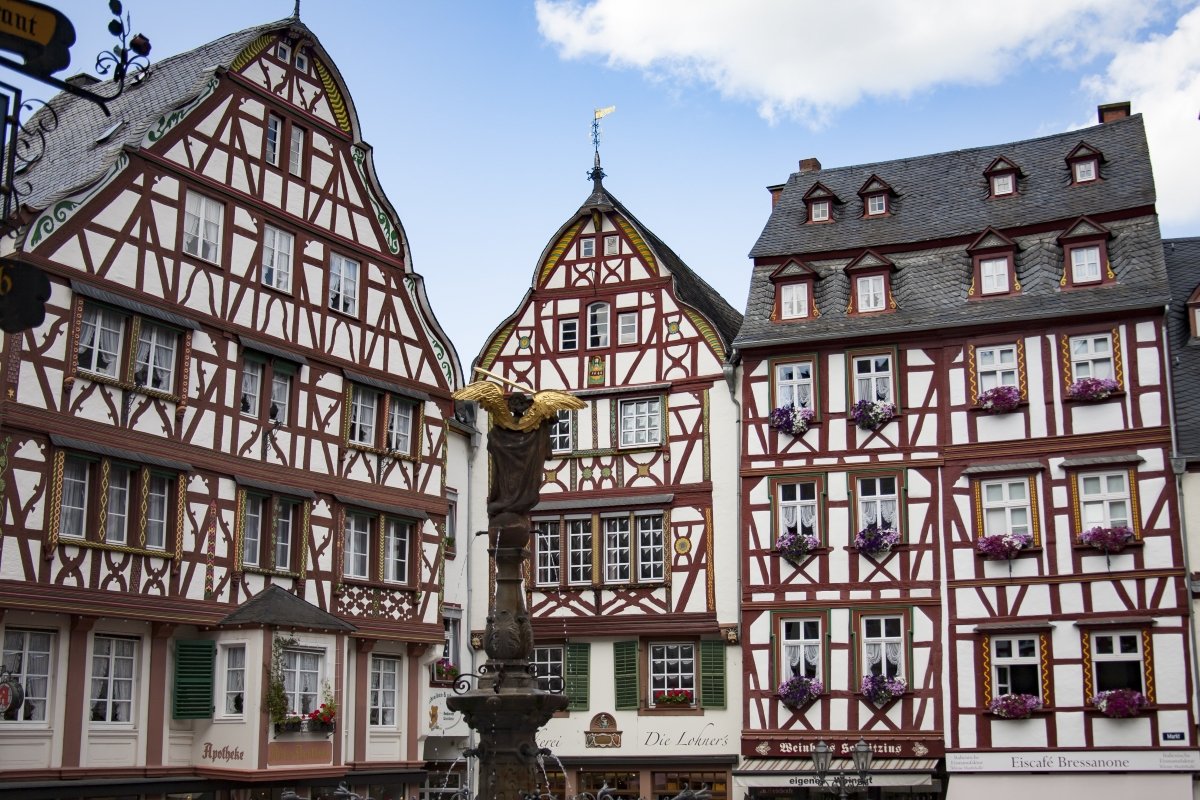
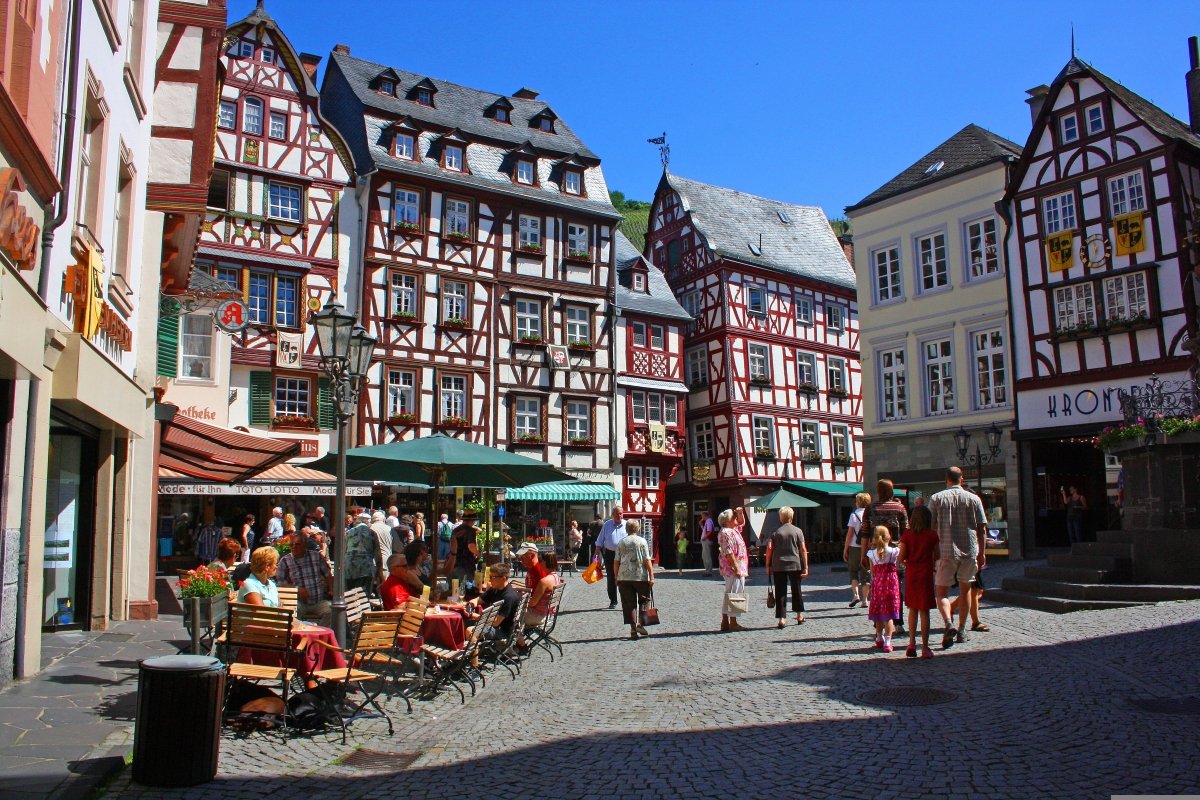
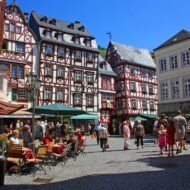
Let’s be real: Germany has no shortage of cute towns. But Bernkastel-Kues hits different. The Bernkastel side features one of the most photogenic market squares you’ll ever see, with buildings that lean at gravity-defying angles (we’re talking 1416 levels of old). Cross the bridge to Kues, and you’ll find a more laid-back vibe with the famous St. Nikolaus Hospital and riverside promenades perfect for sunset strolls.
The town sits in the heart of the Middle Mosel wine region, which produces some of the planet’s finest Rieslings. We’re not talking about the sweet stuff your aunt drinks at Thanksgiving—these are complex, mineral-driven wines that have sommeliers worldwide geeking out.
Getting There (It’s Easier Than You Think)
By Car: If you’re driving, Bernkastel-Kues is about 130km northeast of Luxembourg, 140km from Trier, and roughly 2 hours from Frankfurt. The roads along the Mosel are scenic but winding—give yourself extra time and maybe skip that third wine tasting before driving.
Highly Related
By Train: The nearest major train station is Wittlich (about 20km away). From there, buses run regularly to Bernkastel-Kues, or you can grab a taxi. If you’re coming from Frankfurt or Cologne, you’ll typically change trains in Koblenz or Bullay.
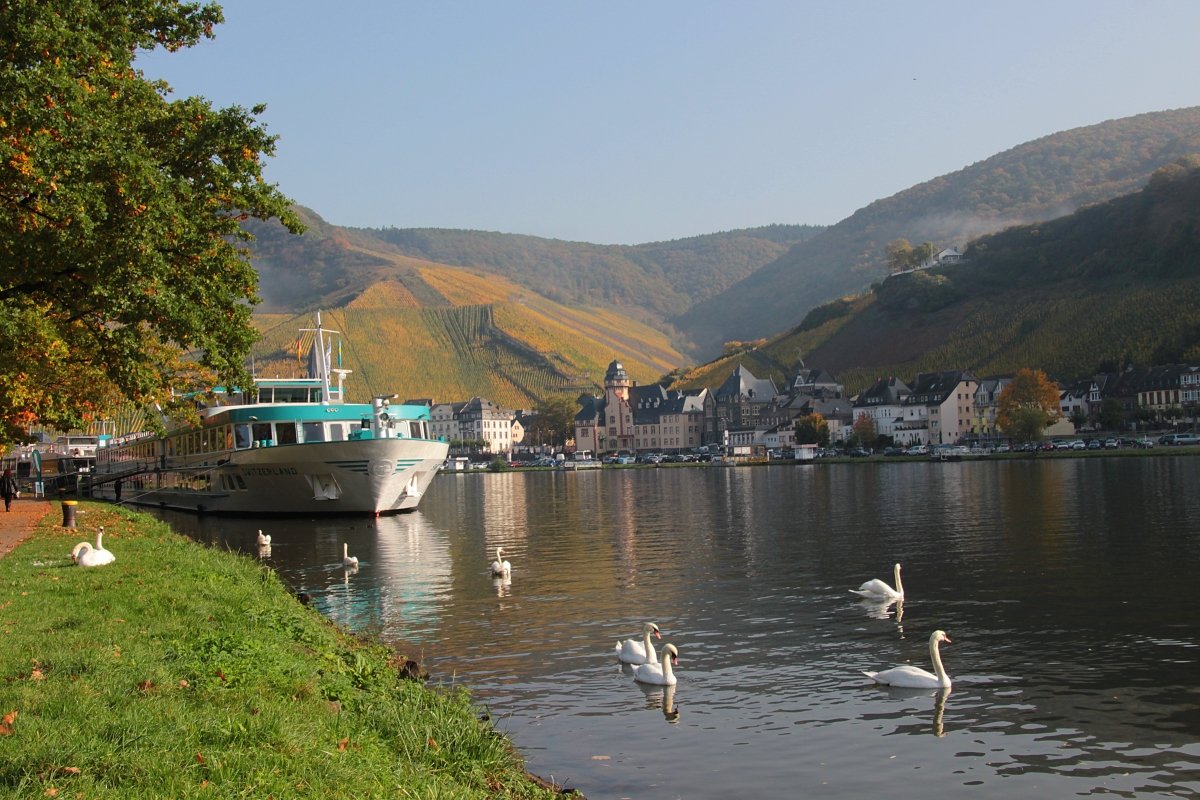
By River Cruise: During cruise season (April-October), many visitors arrive via Mosel River cruises. It’s a spectacular way to experience the valley, and you’ll dock right in the heart of town.
Highly Related

Pro tip: Consider flying into Luxembourg Airport (closest), Frankfurt, or Cologne-Bonn and renting a car. The drive through the Mosel Valley is absolutely stunning and gives you freedom to explore the region’s many wineries.
When to Visit: Timing Is Everything
Peak Season (May-October): The town truly comes alive during warmer months. Vineyards are lush green, outdoor dining buzzes until late, and wine festivals happen almost every weekend. The famous Mosel Wine Festival in early September is the biggest party of the year.
Shoulder Season (April, November): Fewer visitors, lower prices, and still pleasant weather. April brings spring blooms, while November offers dramatic misty mornings over the river.
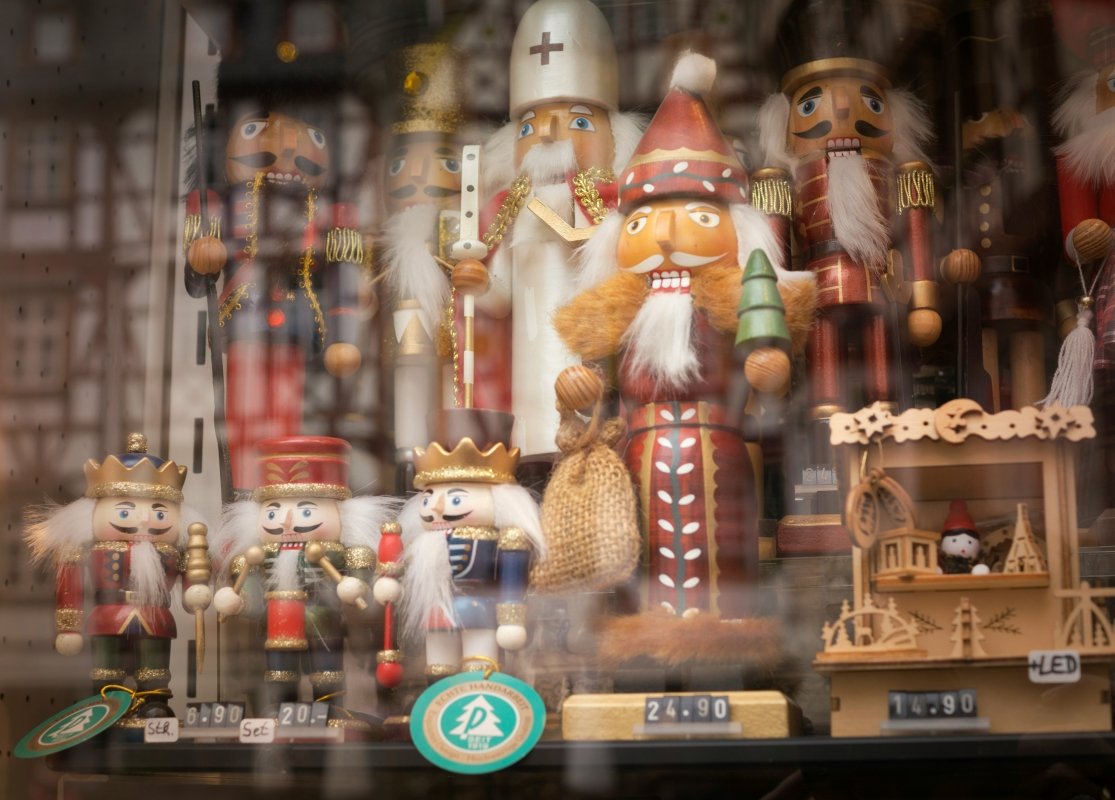
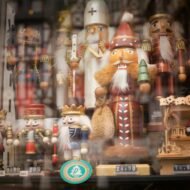
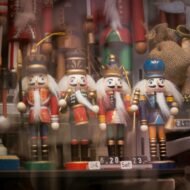
Winter (December-March): The Christmas market (late November through December) is magical, with the market square transformed into a winter wonderland. January-March is quieter, with some restaurants closing, but you’ll have the place practically to yourself and accommodation deals are stellar.
Weather reality check: Summers are warm (20-25°C/68-77°F) but can be rainy. Pack layers and a rain jacket regardless of season. Those steep vineyard hikes get hot!
Where to Stay: For Every Budget
Luxury/Upper Mid-Range:
- Hotel Zur Post: Historic property right on the market square with modernized rooms and an excellent restaurant
- Moselromantik Hotel Thul: Family-run gem with incredible Mosel views and an outstanding breakfast spread
- Doctor Weinstube: Charming boutique hotel in a 350-year-old building with a top-notch wine bar
Mid-Range:
- Hotel Moselpark: Great value with pool, sauna, and vineyard views
- Weinhotel St. Stephanus: Cozy rooms, friendly owners, and their own wine production
- Gästehaus Moselidyll: Budget-friendly pension with basic but clean rooms
Budget Options:
- DJH Youth Hostel: Modern hostel with private rooms available, perched on a hill with killer views
- Vacation Rentals: Tons of apartments available through local booking sites, often with kitchens (perfect for picnic supplies from local markets)
Booking tip: Book well in advance for September (festival season) and December (Christmas markets). Many smaller properties only accept direct bookings—email or call them.
Must-See Sights and Experiences
The Market Square (Marktplatz)
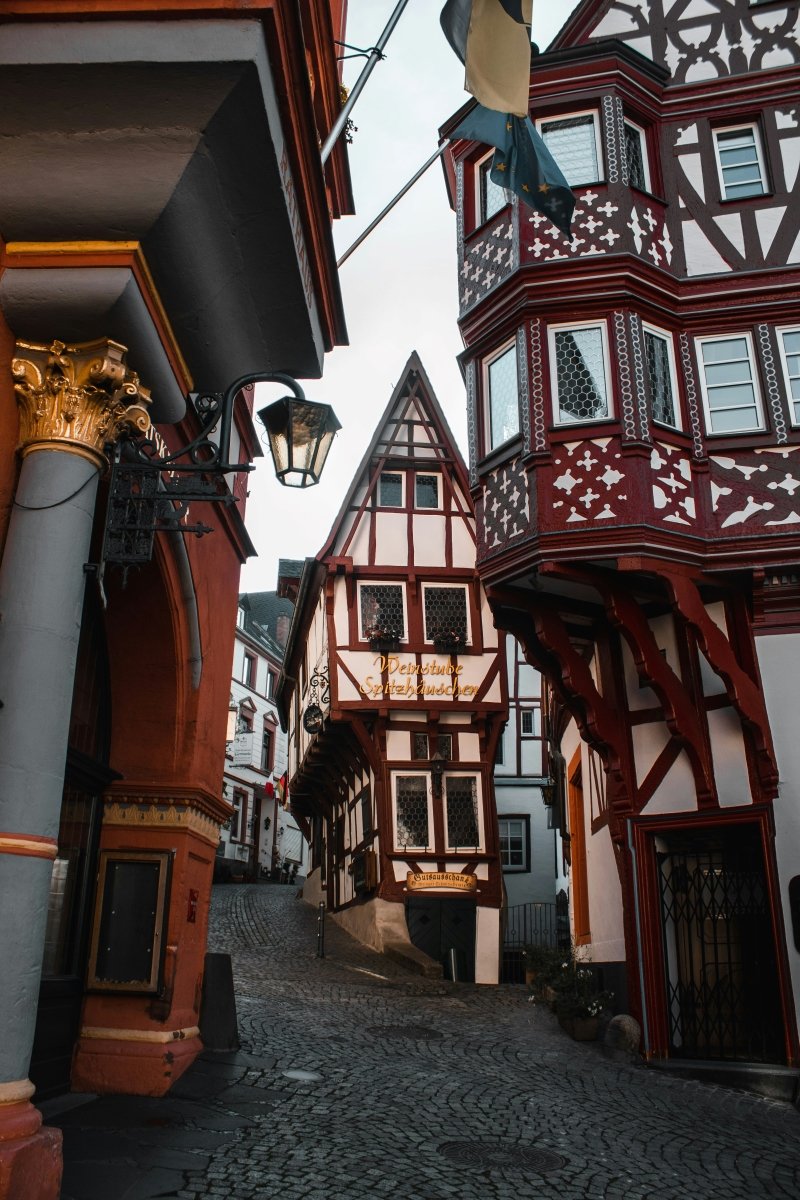
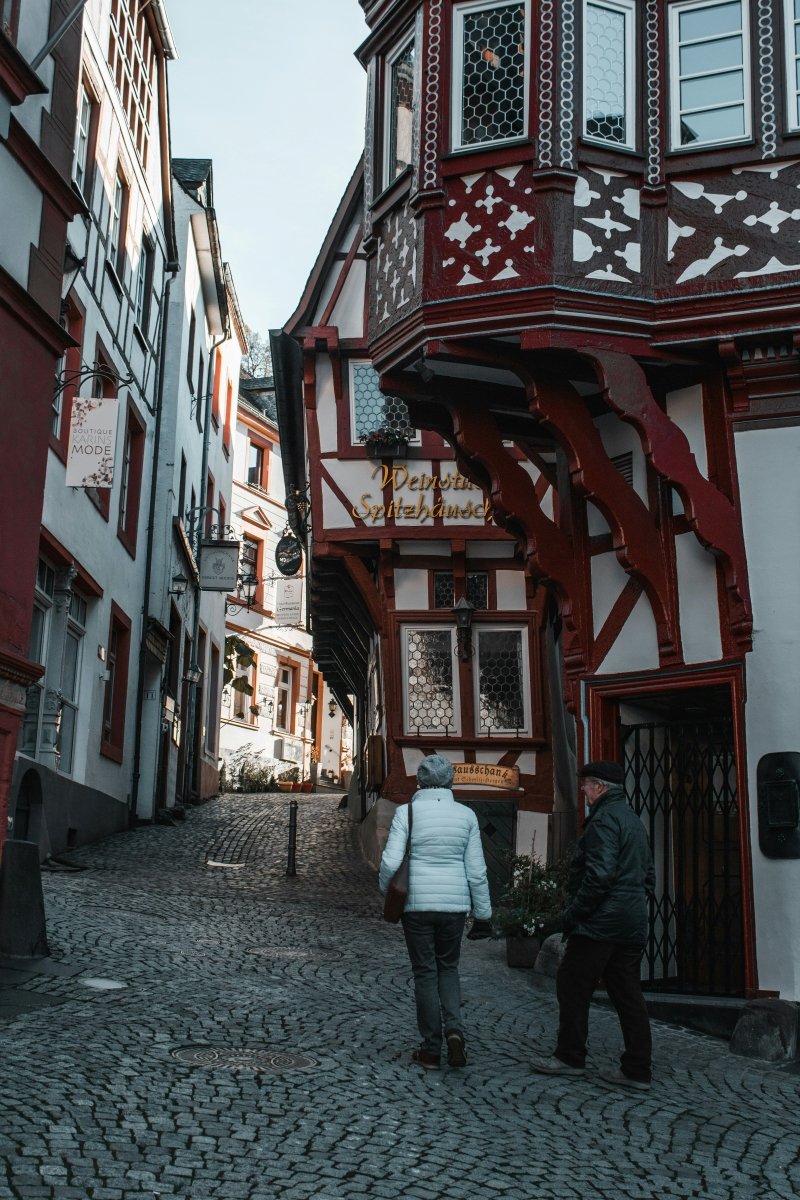
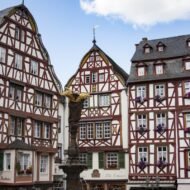
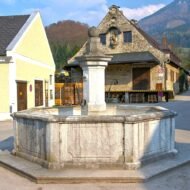
Start here. Seriously, just start here and try not to immediately fill your camera roll. The pointed-gabled houses date back to the Renaissance, with the most famous being the narrow Spitzhäuschen (Pointed House) from 1416. The St. Michael’s Fountain in the center has been the town’s meeting point for centuries.
Best time to visit: Early morning (7-9am) before the crowds arrive, or evening when the buildings are beautifully lit. Wednesday and Saturday mornings bring the weekly market.
Burg Landshut (Castle Ruins)
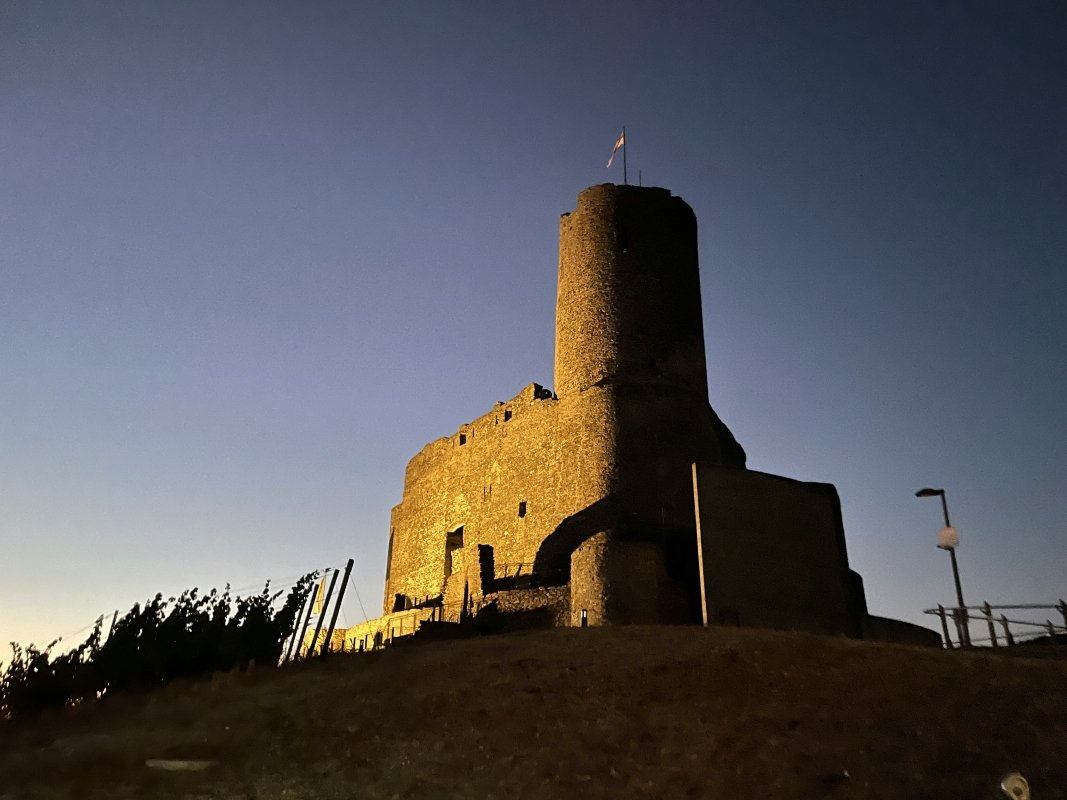
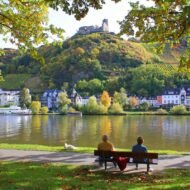
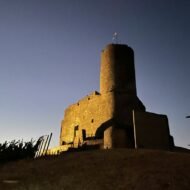
The castle ruins perched 100 meters above town offer jaw-dropping panoramic views of the Mosel Valley. The climb is steep (about 20-30 minutes from town) but totally worth it. The castle dates back to the 13th century and was destroyed in 1692 during conflicts with France.
Entry: Small fee (around €2-3), open daily during season Pro tip: Go for sunset—the valley turns golden and it’s ridiculously romantic. Bring water and wear proper shoes; the path is steep and can be slippery.
St. Nikolaus Hospital & Cusanusstift (Kues Side)
Cross the bridge to Kues and visit this 15th-century hospital founded by Cardinal Nicholas of Cusa. It still functions as a care facility but includes a fascinating museum, impressive library with medieval manuscripts, and a wine estate that produces excellent vintages. The Gothic chapel is stunning.
Insider tip: Book ahead for a tour of the library—it houses one of Germany’s most important medieval book collections.
Mosel Promenade
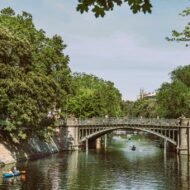
The riverside walkway connecting Bernkastel and Kues is perfect for leisurely strolls, cycling, or just watching boats glide by. You’ll find benches, beer gardens, and access to riverside trails. The bridge offers classic photo opportunities of both towns.
Historic Town Gates
Hunt down the old town gates—Graacher Tor and the remnants of medieval fortifications. These photogenic spots give you a sense of the town’s defensive past and make for great photo ops without the market square crowds.
Wine Tasting: The Main Event
Let’s cut to the chase—you’re here for the wine. Bernkastel-Kues sits in one of the world’s most prestigious Riesling regions, specifically in the Bernkasteler Doctor vineyard, which produces some of Germany’s most expensive wines.
Top Wine Estates to Visit
Dr. Pauly Bergweiler: One of the most renowned estates with cellars right in town. Their tastings are professional yet approachable, and they offer tours explaining the steep-slope viticulture.
Weingut Willi Haag: Family-run estate producing exceptional wines. The tasting room offers intimate experiences where you’ll meet the winemakers themselves.
Weingut Dr. Thanisch: Another legendary producer with the famous Doctor vineyard holdings. Their Spätlese and Auslese Rieslings are world-class.
St. Nikolaus-Hospital Winery: Historic winery attached to the Cusanusstift with wines that fund the hospital’s charitable work. Cool history, great wines.
Wine Tasting Tips
- Book ahead: Especially for smaller estates and during peak season
- Budget: Expect €15-30 per person for a proper tasting (usually 4-6 wines)
- Don’t be shy: Ask questions! German winemakers love talking about their craft
- Designate a driver: Or better yet, walk/bike between tastings
- Learn the terms: Kabinett (light, crisp), Spätlese (late harvest, richer), Auslese (even riper, often slightly sweet)
Wine Bars & Tasting Rooms in Town
Can’t book an estate visit? No worries. The town is packed with wine bars and restaurants offering excellent by-the-glass selections:
- Zur Scharfeck: Cozy wine bar with local focus
- Doctor Weinstube: Upscale option with extensive wine list
- Moselweinmuseum: Small wine museum with tasting opportunities
Where to Eat: From Traditional to Trendy
Traditional German Cuisine
Zur Scharfeck: Atmospheric restaurant in a 300-year-old half-timbered house. The wild game dishes are phenomenal, and the wine list is encyclopedic. Mains run €18-30.
Weinhaus Weis: Family-run spot serving hearty Mosel specialties. Their Sauerbraten (marinated roast) is legendary among locals. More affordable at €12-22 per main.
Alte Kellereigebäude: Hidden gem in an old wine cellar building. Traditional food with creative touches, excellent regional wine selection.
Contemporary & International
Restaurant Burg: Perched near the castle ruins with amazing views. Modern German cuisine with global influences. Worth the climb. €20-35 per main.
Altes Küsterhaus: Intimate spot with seasonal menus, local ingredients, and creative presentations. Book ahead. €25-40 per main.
Casual Bites & Cafés
Café Rôtisserie Royale: Perfect for breakfast, lunch, or afternoon cake and coffee. Their quiche selection is great.
Paulaner im Marstall: Bavarian beer hall with hearty portions, family-friendly, and great beer garden. €10-18 per main.
Mosel Wein Haus: Right on the promenade with outdoor seating. Great for casual lunches and people-watching.
Local Specialties to Try
- Rieslingsuppe: Riesling soup, creamy and delicious
- Döppekooche: Mosel potato cake, crispy and filling
- Zander: Pike-perch from the river, often pan-fried
- Mosel wine cake: Local dessert incorporating Riesling
Dining tips: Many restaurants close on Mondays or Tuesdays. Lunch is typically served 12-2pm, dinner from 6pm. Germans eat dinner early by American standards. Reservations are smart for weekend dinners.
Beyond Wine: Activities & Day Trips
Hiking & Nature
Moselhöhenweg Trail: This long-distance trail passes through Bernkastel-Kues with sections suitable for all fitness levels. The stretch to Mont Royal offers spectacular valley views.
Vineyard Trails: Multiple marked paths wind through the vineyards. The route to Wehlen (neighboring wine village) is particularly scenic and takes about 2 hours.
Moselsteig: Part of Germany’s premier long-distance hiking trail. Even short sections offer dramatic scenery.
Fitness check: These aren’t flat walks. Mosel Valley hiking means steep inclines. Bring water, sun protection, and proper footwear.
Cycling
The Mosel Cycle Route (Mosel-Radweg) runs 240km from the French border to Koblenz, passing right through Bernkastel-Kues. The path is mostly flat and family-friendly, following the river through villages and vineyards.
Bike rentals: Available from multiple shops in town (€12-20 per day). E-bikes are popular given the hills (€25-35 per day).
Recommended routes:
- Bernkastel-Kues to Traben-Trarbach (15km each way, easy)
- Bernkastel-Kues to Zeltingen-Rachtig (shorter, very scenic)
Boat Tours
Several companies offer Mosel River cruises departing from Bernkastel-Kues:
- Short cruises: 1-2 hours, €12-18 per person
- Day trips: To Cochem, Traben-Trarbach, or other towns
- Dinner cruises: Romantic evening option with meal included
Book online or at the tourist office near the bridge.
Day Trip Ideas
Trier (45km): Germany’s oldest city, founded by Romans in 16 BC. UNESCO World Heritage sites include Porta Nigra, Roman baths, and amphitheater. Plan a full day.
Cochem (60km): Postcard-pretty Mosel town with an impressive castle and charming old town. Great for a half-day trip.
Burg Eltz (45km): One of Germany’s most beautiful castles, nestled in a forested valley. Absolutely worth visiting if you have a car.
Luxembourg City (80km): If you want an international detour, the capital is less than 90 minutes away.
Festivals & Events You Can’t Miss
Mosel Wine Festival (early September): The biggest event of the year with wine stands, live music, fireworks, and serious partying. Book accommodation months ahead.
Weinforum (May/June): Wine presentation where estates showcase their new vintages. Serious wine lovers flock here.
Middle Mosel Marathon (June): If you’re into running, this marathon through vineyard trails is brutally hilly but incredibly scenic.
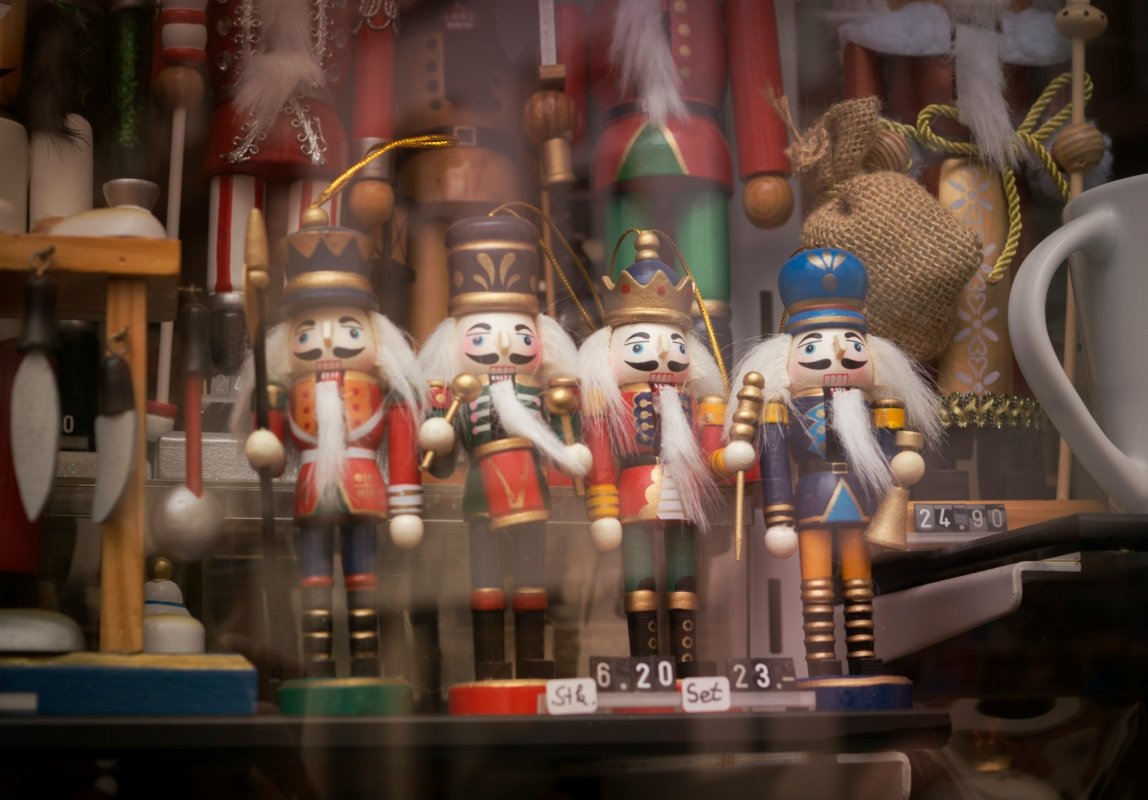
Christmas Market (late November-December): The market square transforms into a festive wonderland. Smaller than famous German Christmas markets but arguably more charming.
Wine Village Festivals: Nearly every weekend May-October, surrounding villages host their own wine festivals. Check the regional calendar.
Practical Information
Money & Costs
- Currency: Euro (€)
- Budget daily estimate: €80-120 (mid-range accommodation, meals, some activities)
- Mid-range daily estimate: €150-250
- Luxury daily estimate: €300+
- Wine tasting: €15-30 per session
- Meals: Lunch €10-18, Dinner €20-40
- Many smaller establishments prefer cash, though cards are increasingly accepted
Language
German is the official language, but English is widely spoken in hotels, restaurants, and tourist spots. Learning basic German phrases will earn you smiles. The local dialect (Moselfränkisch) can be tricky even for other Germans!
Tourist Information
The tourist office (Bernkastel-Kues Tourismus GmbH) sits right on Gestade near the bridge. Staff are incredibly helpful with maps, booking assistance, and insider tips. Open daily during season, reduced hours in winter.
Website: bernkastel.de (has English version)
Safety
Bernkastel-Kues is extremely safe. Standard European precautions apply—watch for pickpockets in crowded areas, don’t leave valuables in cars. The biggest hazard? Too much wine and those steep cobblestone streets!
Accessibility
Heads up: the historic center is not particularly accessible for people with mobility challenges. Cobblestones, steep hills, and many buildings lack elevators. The Kues side is flatter and easier to navigate. Contact accommodations directly to discuss specific needs.
Internet & SIM Cards
Most hotels offer free WiFi. Cell coverage is generally good. If you’re from outside the EU, consider grabbing a German/EU prepaid SIM card for data.
Insider Tips from Someone Who’s Been There
- Stay on the Bernkastel side for atmosphere, Kues side for better value and easier parking
- Park at Moselufer Parking (near the bridge on Kues side)—it’s cheaper and less chaotic than trying to park in Bernkastel’s old town
- Wednesday and Saturday mornings bring the weekly market—arrive early for fresh produce, cheese, and baked goods
- The castle ruins path has a shortcut—ask a local to point you toward the “steep way up” for a more direct (but demanding) climb
- Restaurant lunch specials (typically noon-2pm) offer the same food as dinner for 30-40% less
- Buy wine directly from estates, not tourist shops—better prices, better selection, and you support the producers
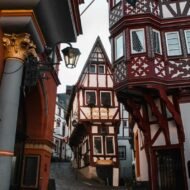
- The famous “Crooked House” looks even more dramatic from the small alley beside it (Römerstraße)
- Evening is magical—most day-trippers leave by 5pm, and the town becomes wonderfully atmospheric
- September weekends require advance booking—like, months in advance for accommodation
- Combine wine tasting with lunch—many estates offer simple regional food alongside their wines
The Bottom Line
Bernkastel-Kues delivers that elusive combination of authentic charm, world-class wine, stunning scenery, and genuine German hospitality. It’s not trying too hard to be cute—it just is. Whether you’re here to seriously geek out on Riesling, hike through vineyards, photograph medieval architecture, or simply slow down and enjoy life, this twin town on the Mosel has you covered.
Unlike some of Germany’s more famous destinations, you won’t feel like you’re fighting through crowds or stuck in a theme park version of German culture. This is the real deal—a working wine town where people actually live, work, and yes, drink excellent wine daily.
Give yourself at least two full days, ideally three if you want to explore the surrounding region. Visit during wine harvest season (September-October) if possible, when the valley buzzes with activity and the light turns golden over the vineyards.
Fair warning: you’ll probably go home with a suitcase full of Riesling and start planning your return trip before you’ve even left. That’s just the Bernkastel-Kues effect.
Prost! 🍷
Got questions about planning your trip to Bernkastel-Kues? Drop them below—happy to help with specific recommendations or itinerary planning!