

TL;DR: Kuressaare Castle is a remarkably preserved 14th-century bishop’s fortress on Saaremaa island, Estonia. It features intact defensive walls, a regional museum, medieval chambers, and atmospheric courtyards. Plan 2-3 hours for your visit, arrive early to beat crowds, and combine it with the surrounding spa town for a perfect Baltic getaway.
- What Makes This Castle Special?
- Getting There (It’s Easier Than You Think)
- When to Visit
- What You’ll Actually See Inside
- Practical Visitor Info
- Top Tips for Your Visit
- Beyond the Castle: Make a Day of It
- Where to Eat Nearby
- Where to Stay
- Money-Saving Hacks
- What People Get Wrong
- Is It Worth the Trip?
- Final Thoughts
So you’re thinking about visiting a medieval castle that’s actually complete – not just romantic ruins? Welcome to Kuressaare Castle, one of Europe’s best-preserved fortifications that’ll make you feel like you’ve stepped straight into a time machine (minus the awkward medieval hygiene).
What Makes This Castle Special?
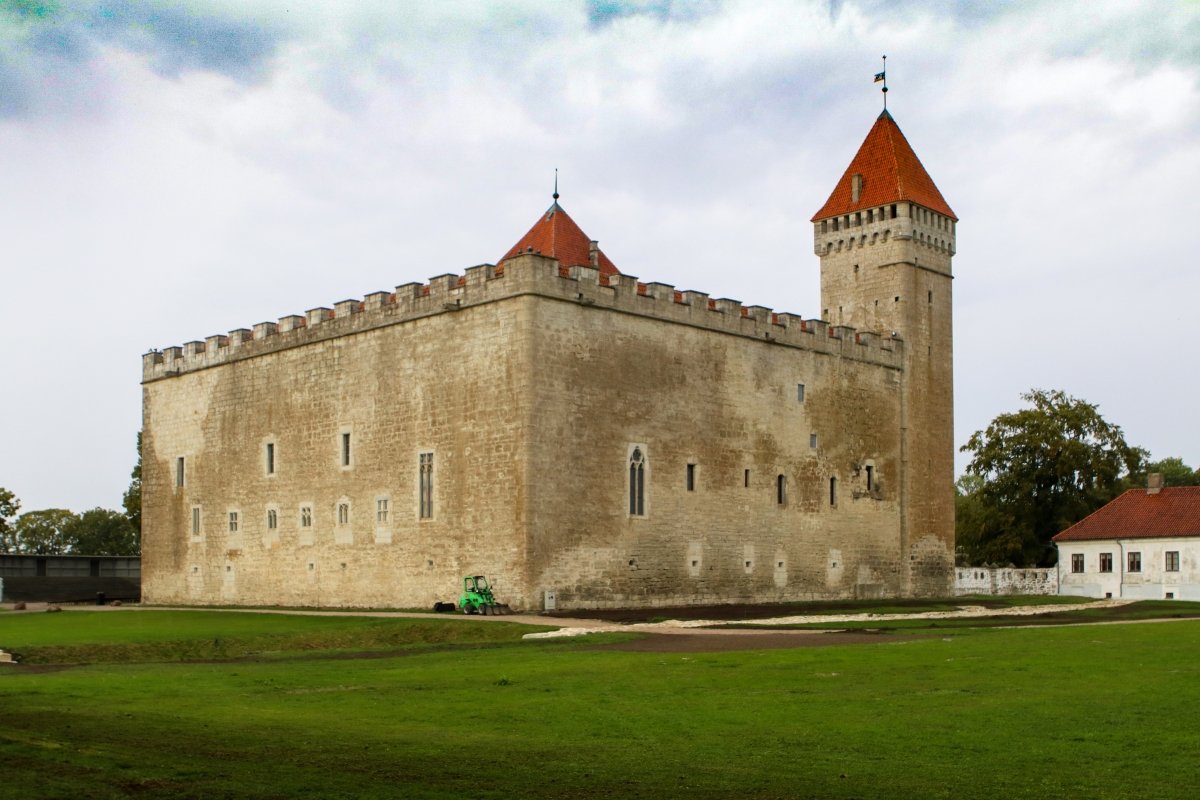
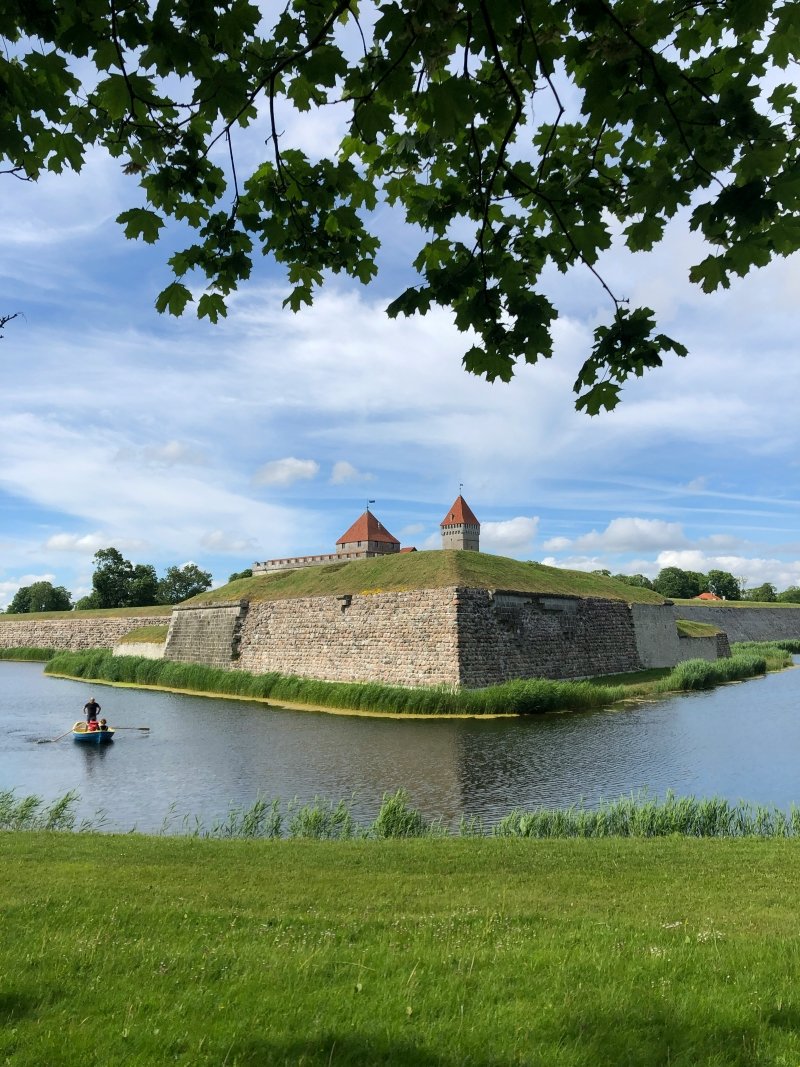
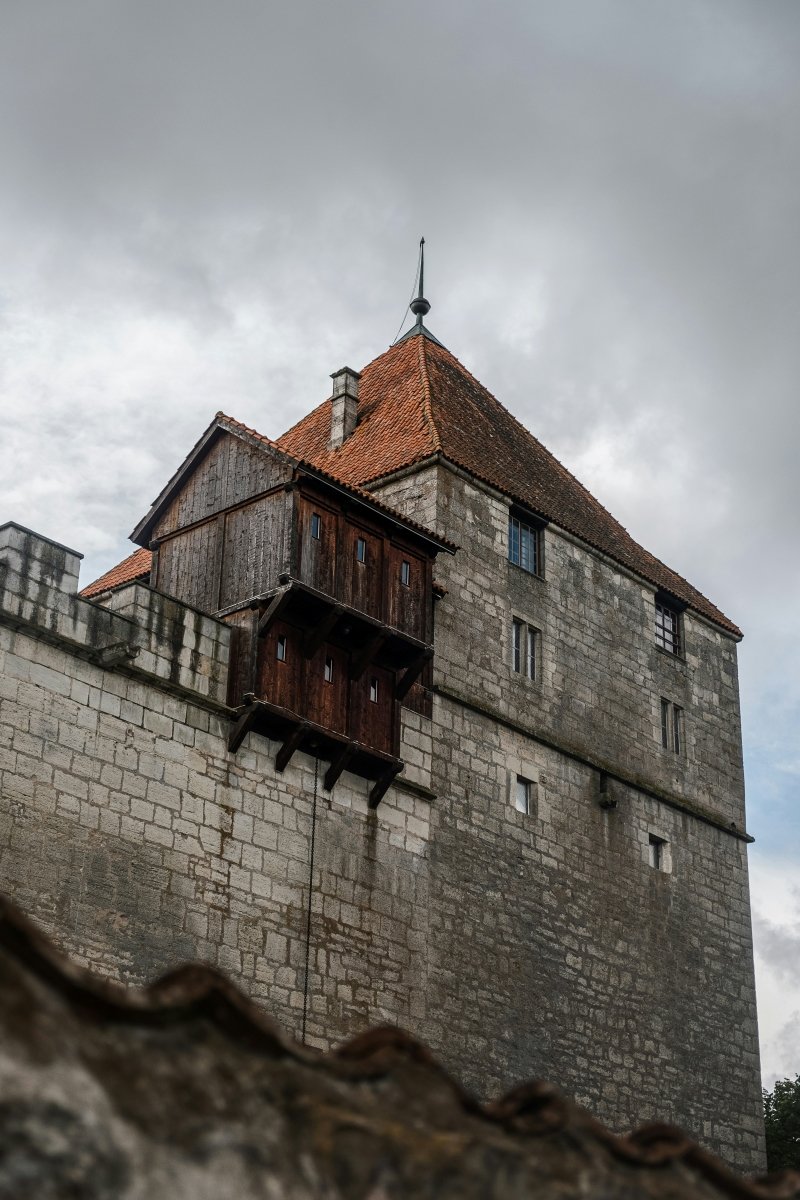
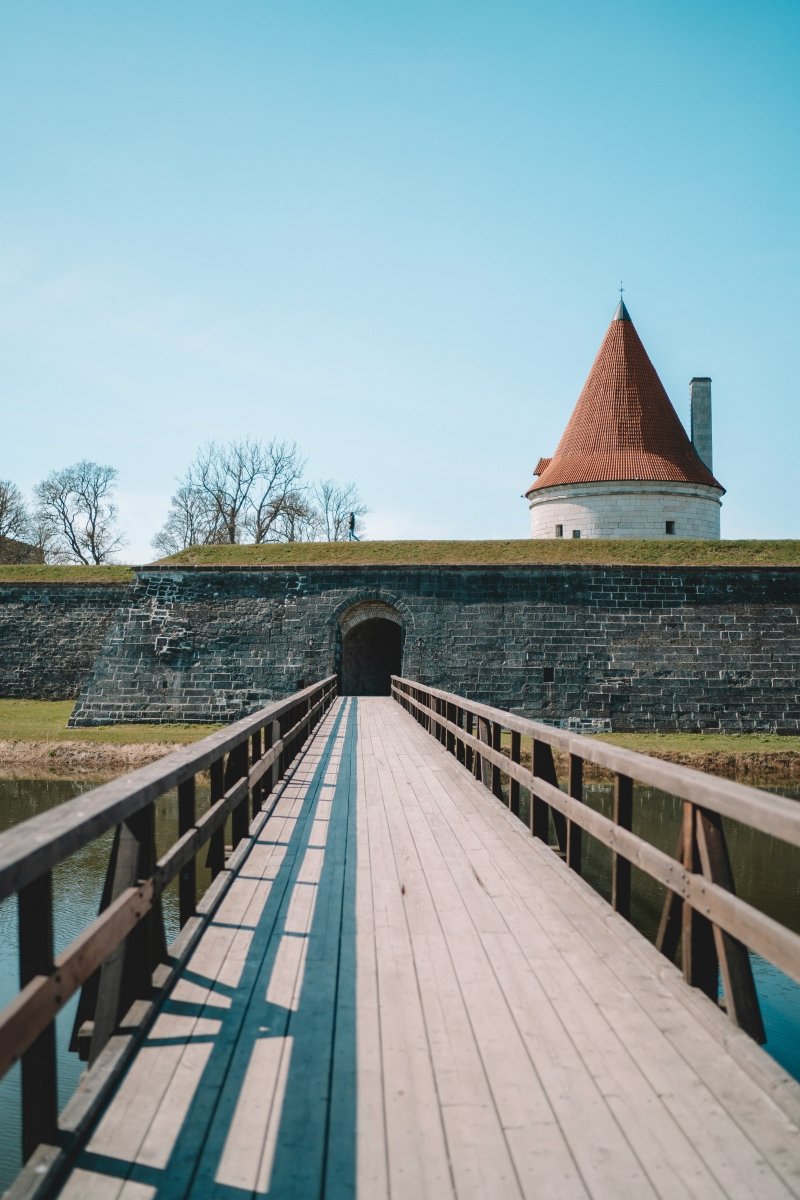
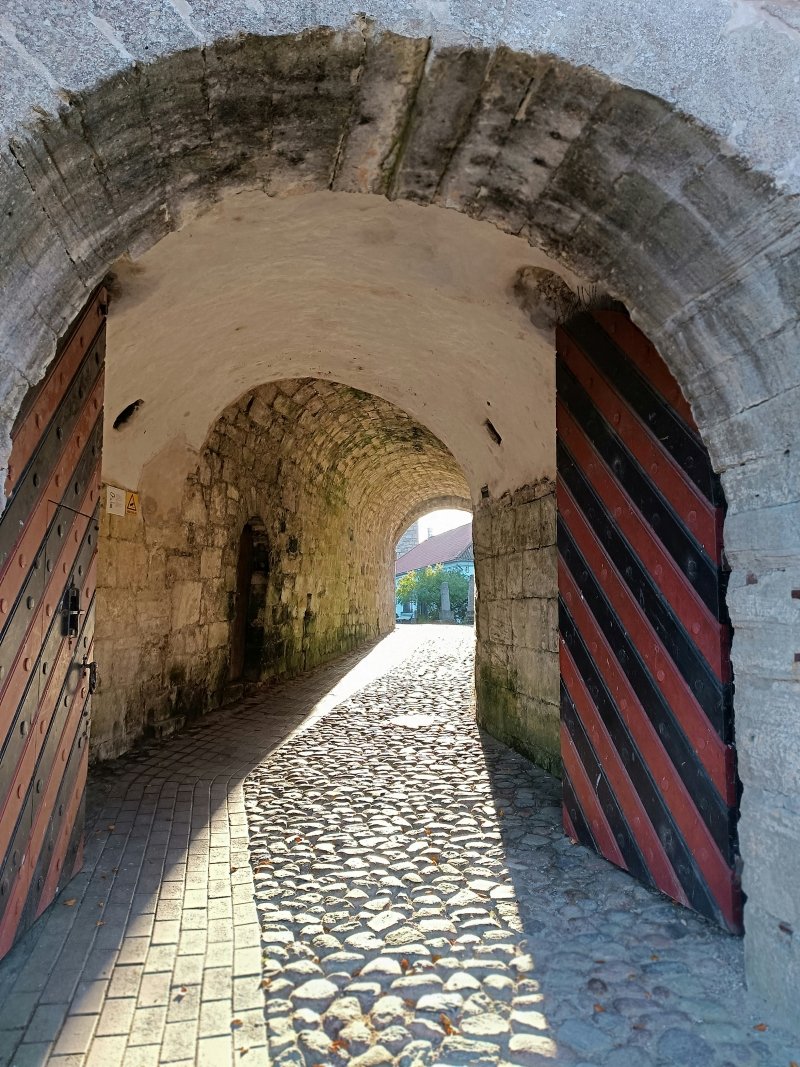
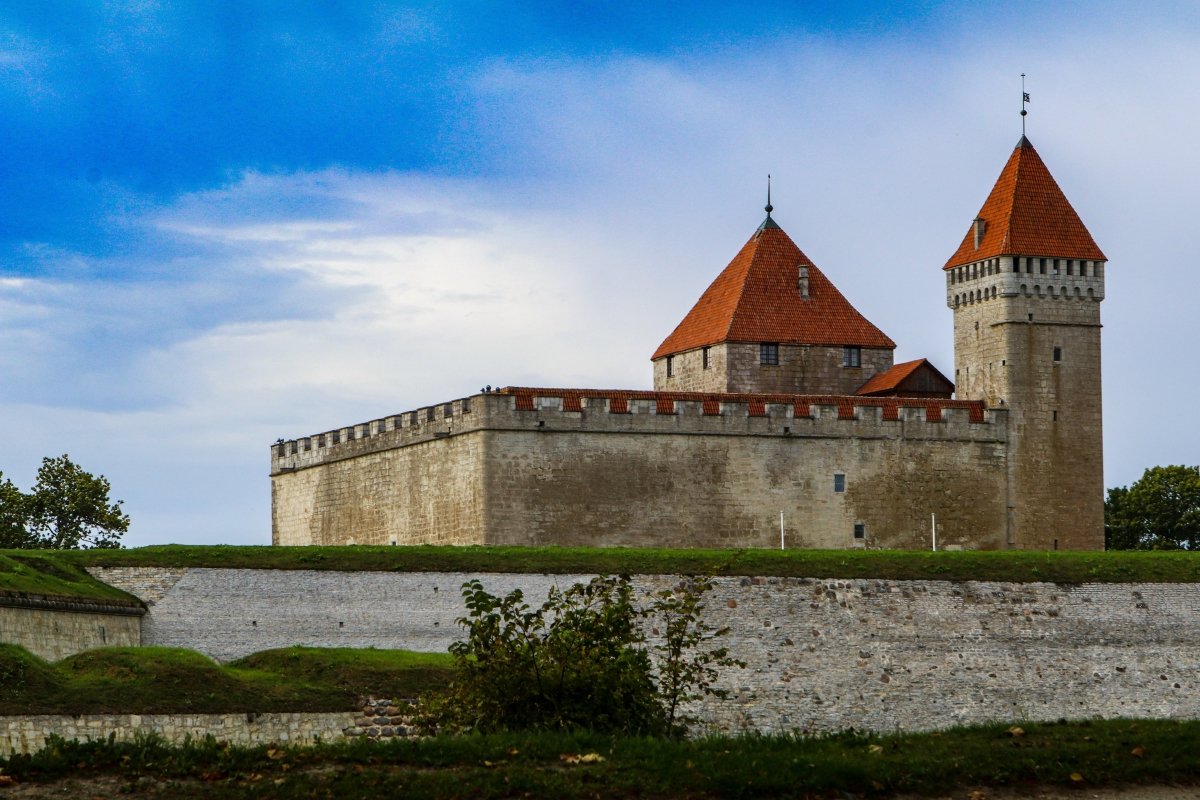
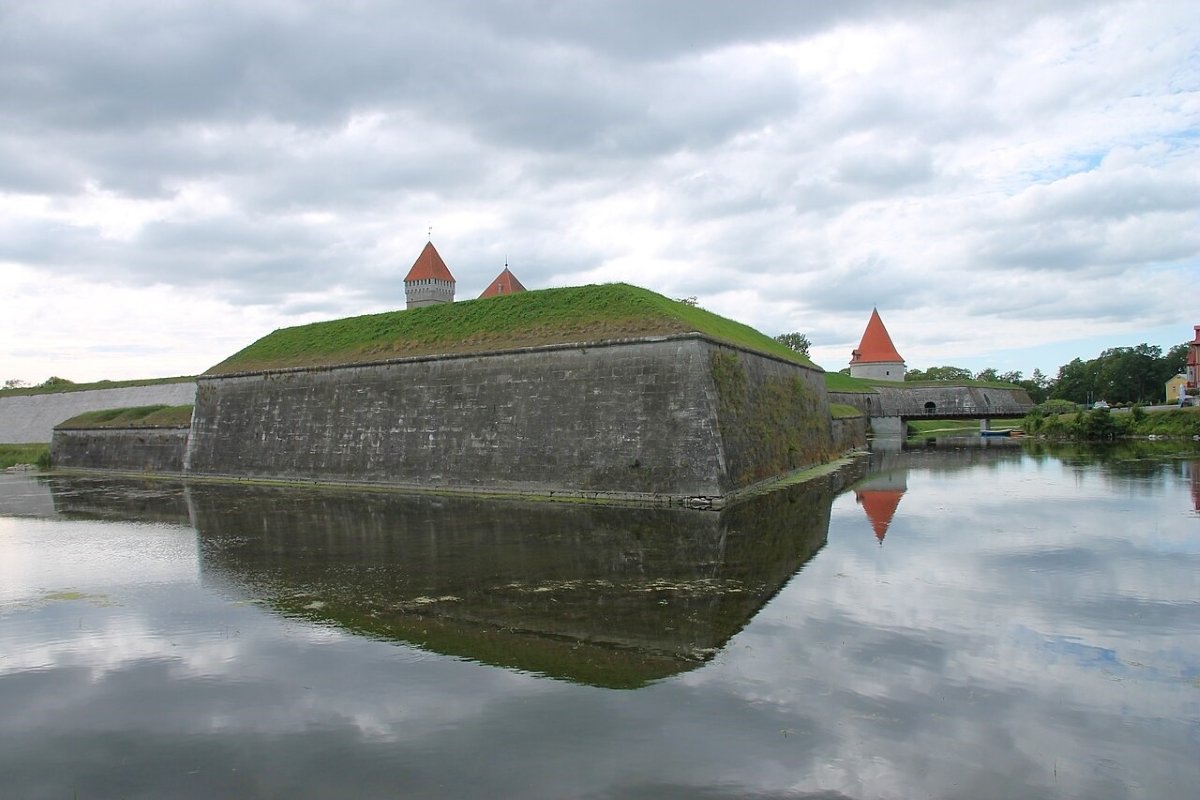
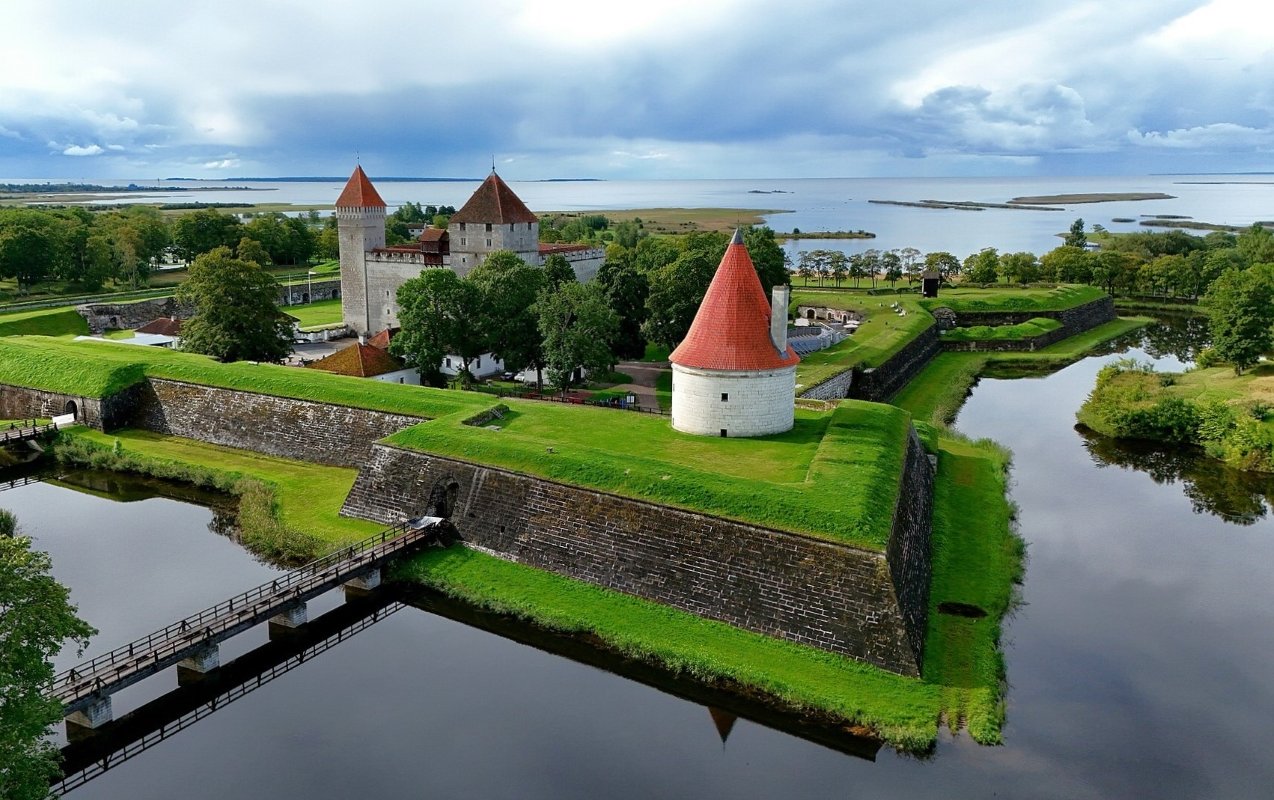
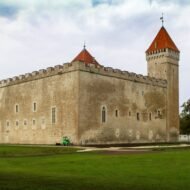
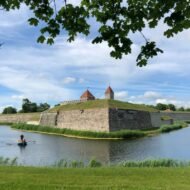
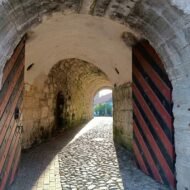
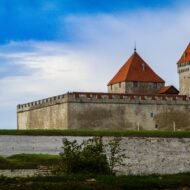
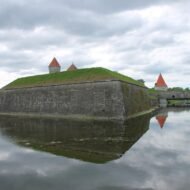
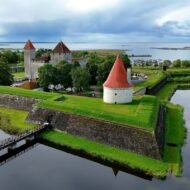
Here’s the thing about Kuressaare Castle: while most European fortresses are picturesque piles of rubble, this beauty stands almost exactly as it did 600 years ago. We’re talking thick limestone walls, functioning towers, intact moats, and chambers that haven’t changed much since bishops ruled this remote Baltic outpost.
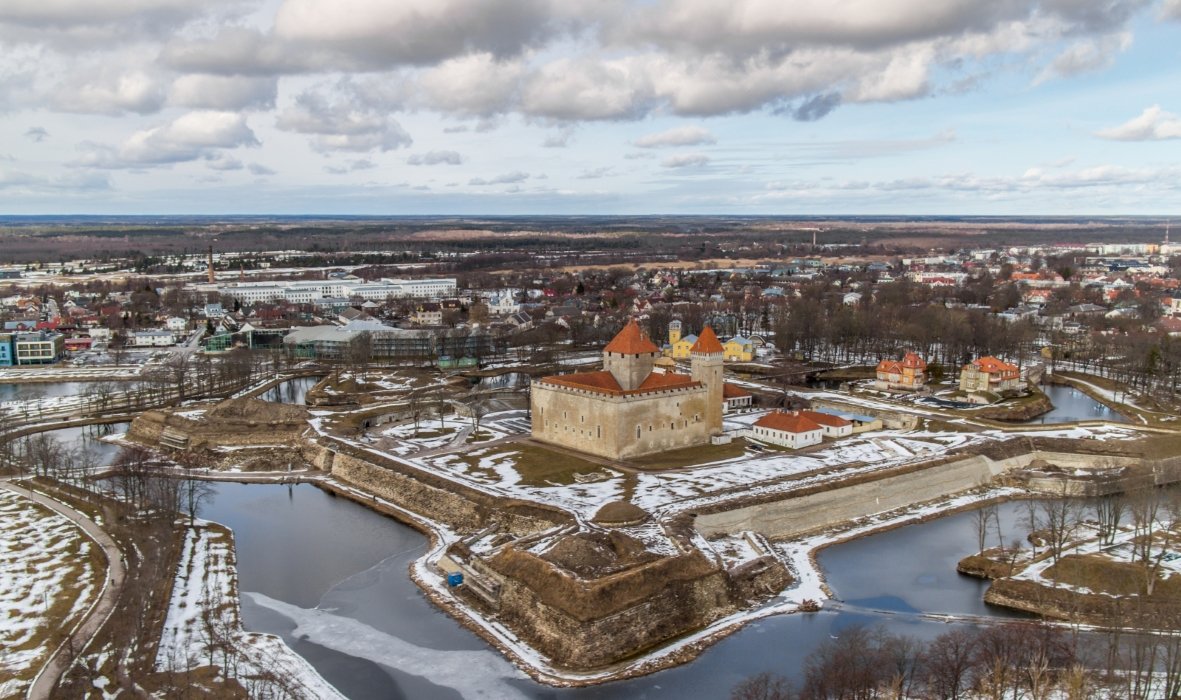
The castle sits on Saaremaa, Estonia’s largest island, and it’s been everything from a religious stronghold to a Soviet occupation base. Today? It’s the star attraction of a charming spa town that perfectly blends medieval vibes with modern Baltic cool.
Getting There (It’s Easier Than You Think)
By Ferry + Car:
- Take the ferry from Virtsu to Kuivastu (30 minutes)
- Drive 90km to Kuressaare (about 1 hour)
- Total from Tallinn: roughly 3.5-4 hours
By Bus:
- Direct buses run from Tallinn to Kuressaare (4-5 hours including ferry)
- Lux Express offers the comfiest rides
- Book ahead during summer!
By Plane:
- Small flights operate from Tallinn to Kuressaare (30 minutes)
- Perfect if you’re short on time or prone to seasickness
Pro tip: The ferry ride itself is an experience – grab a coffee on deck and watch seabirds follow the boat.
When to Visit
Summer (June-August):
- Long daylight hours (it barely gets dark!)
- All facilities open
- Medieval festivals and events
- Downside: Crowds and higher prices
Spring/Fall (May, September):
- Mild weather, fewer visitors
- Golden hour photography is chef’s kiss
- Some facilities might have reduced hours
Winter (December-March):
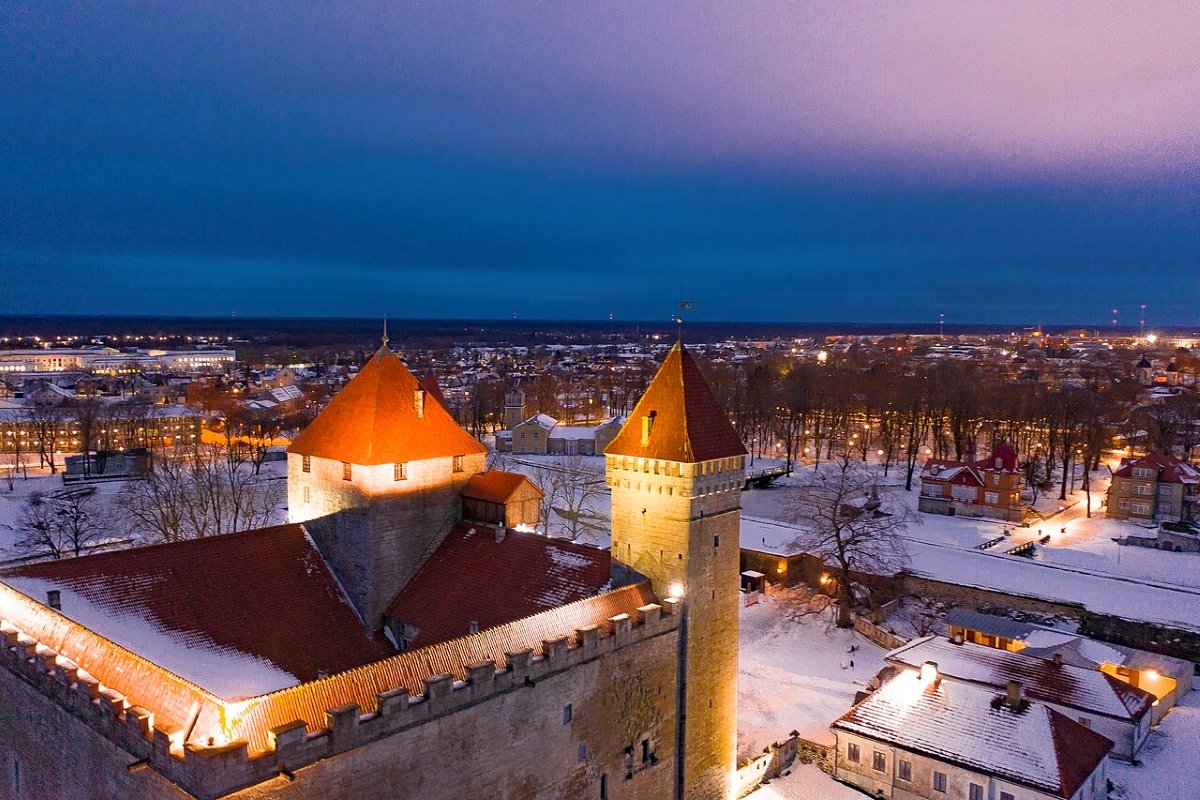
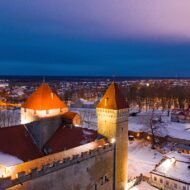
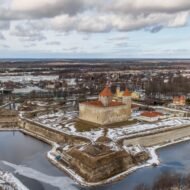
- Magical snow-covered courtyards
- Almost empty – you’ll have it to yourself
- Check opening hours carefully
- Dress like you’re storming a Siberian fortress
What You’ll Actually See Inside
The Defensive Structure
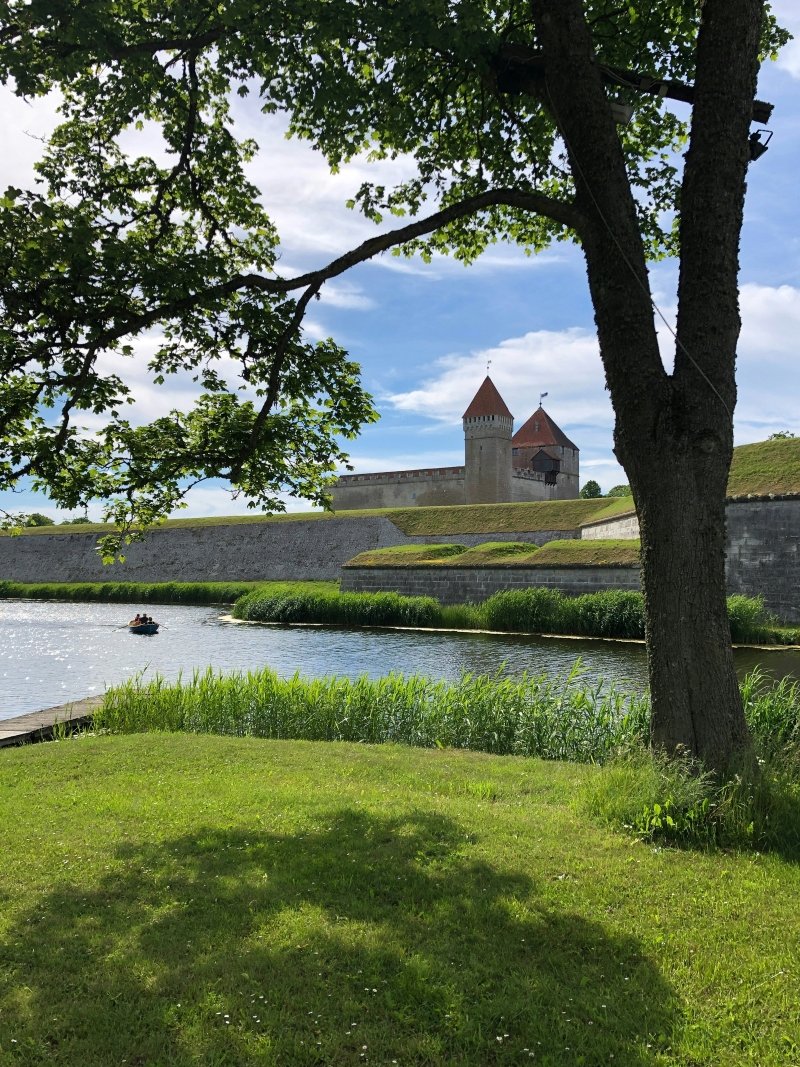
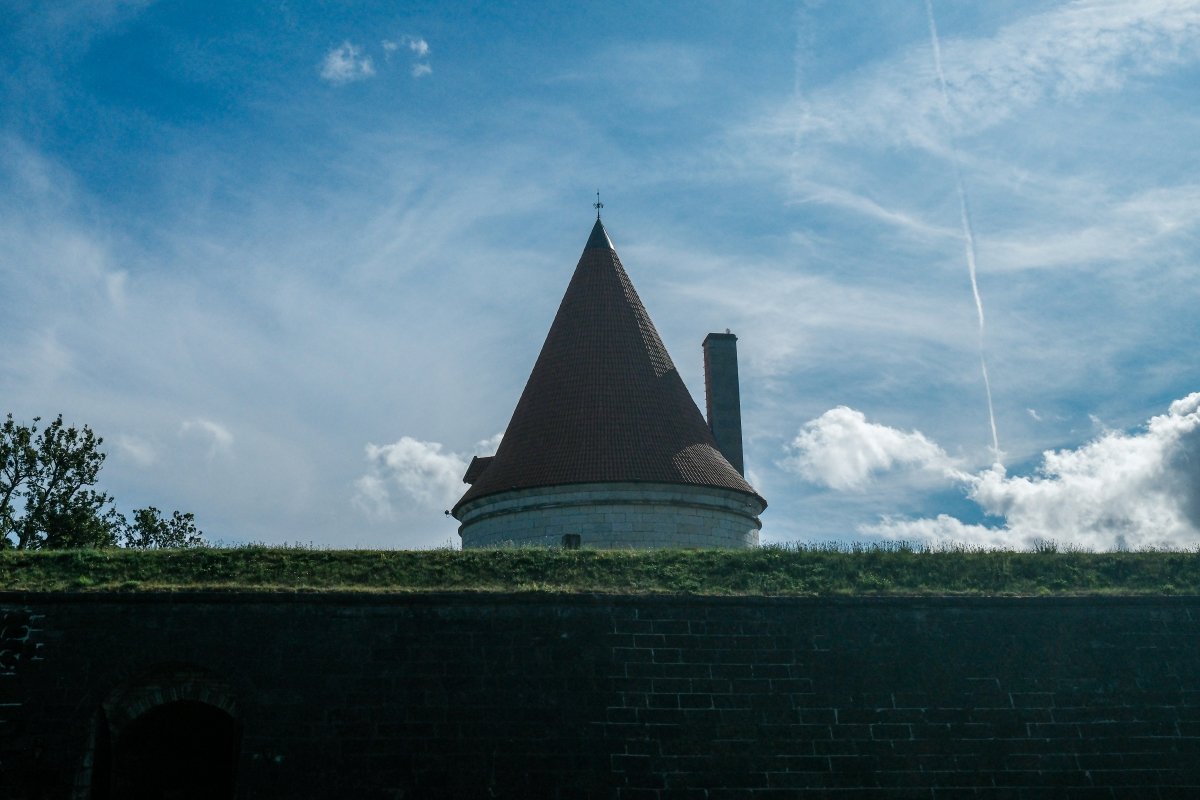
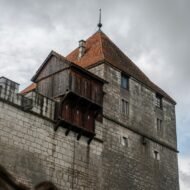
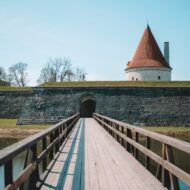
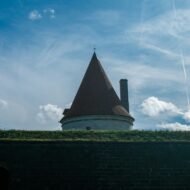
Those walls aren’t just for show – they’re up to 3 meters thick in places. Walk along the ramparts and you’ll understand why attackers usually gave up and went home. The four corner towers (each with its own personality) offer killer views of the surrounding moat and park.
Saaremaa Regional Museum
The castle houses an excellent museum covering:
- Medieval life (including some genuinely weird artifacts)
- Island ecology and nature
- Soviet occupation period (sobering but important)
- Rotating exhibitions on local culture
Budget 2-3 hours if you’re into museums, 1 hour if you just want the highlights.
The Convent Building
This is where the bishops actually lived – way more comfortable than your average medieval accommodation. Check out the vaulted ceilings, the refectory (dining hall), and try to imagine feasting here by candlelight.
The Courtyard
Honestly? This might be the most Instagram-worthy spot. The central courtyard hosts summer concerts, medieval fairs, and has a vibe that’s somehow both peaceful and dramatic. Grab a bench and just soak it in.
Practical Visitor Info
Opening Hours:
- May-August: 10:00-19:00 daily
- September-April: 11:00-18:00 (closed Mondays)
- Always check the official website before visiting
Tickets (2025 prices approximate):
- Adults: €8-10
- Students/Seniors: €5-7
- Children under 7: Free
- Family tickets available
Accessibility: Ground floor is accessible for wheelchair users, but medieval staircases make upper levels challenging. Contact ahead for specific accommodations.
Guided Tours: English-language tours available in summer (worth it for the stories!). Private tours can be arranged year-round.
Top Tips for Your Visit
Do This:
- Arrive right when it opens to explore in peace
- Climb every tower you’re allowed to – each view is different
- Visit the gift shop for unique Estonian handicrafts (way better than generic tourist stuff)
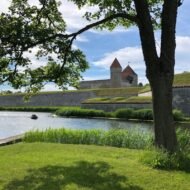
- Walk around the exterior moat path – it’s gorgeous and free
Skip This:
- Mid-afternoon in July (maximum crowds)
- Wearing heels or flip-flops (cobblestones and steep stairs everywhere)
- Expecting English signage everywhere (though it’s improving)
Photography Gold:
- Early morning mist over the moat (epic)
- Sunset through the courtyard arches
- Snow on the ramparts (if you’re brave enough to visit in winter)
Beyond the Castle: Make a Day of It
Castle Park
The surrounding English-style park is perfect for a post-castle wander. There’s a sculpture garden, peaceful walking paths, and locals actually hang out here (always a good sign).
Kuressaare Town
This spa town punches above its weight:
- Charming wooden architecture
- Excellent restaurants (try the local fish!)
- Spa hotels (because medieval tourism is exhausting)
- Cozy cafes for Estonian coffee culture
Beach Time
Yes, there’s a beach! Kuressaare’s sandy stretch is clean, uncrowded, and offers surprisingly decent Baltic swimming in summer.
Where to Eat Nearby
Texase Grill – Casual spot with excellent steaks and local beer, 5-minute walk from castle.
Ku-Kuu – Traditional Estonian cuisine with modern twists. Their black bread ice cream is… interesting.
Retro Cafe – Soviet nostalgia meets good coffee. The time warp decor alone is worth it.
Where to Stay
Splurge: Grand Rose Spa Hotel (literally overlooks the castle)
Mid-range: Arensburg Boutique Hotel (historic building, modern comfort)
Budget: Hostel Kuressaare (clean, friendly, great for solo travelers)
Unique: Rent a countryside guesthouse outside town for the full Estonian experience
Money-Saving Hacks
- Buy a combo ticket if you plan to visit multiple Saaremaa attractions
- Pack snacks (castle cafe prices reflect the captive audience)
- Visit in shoulder season for cheaper accommodation
- Free concerts happen in summer – check the events calendar
What People Get Wrong
Myth: “It’s just another castle.” Reality: The level of preservation here is genuinely rare in Europe.
Myth: “Saaremaa is too remote.” Reality: The journey becomes part of the adventure – and the island itself is packed with cool stuff.
Myth: “You need a full day for the castle.” Reality: 2-3 hours covers it thoroughly. Spend the rest exploring the island.
Is It Worth the Trip?
Real talk: if you’re doing a quick weekend in Tallinn, it might be a stretch. But if you have 4+ days in Estonia, or you’re a castle enthusiast, or you want to experience authentic Baltic island culture? Absolutely worth it.
Kuressaare Castle isn’t just about old stones – it’s about stepping into a perfectly preserved piece of medieval Europe that somehow survived wars, occupations, and the passage of time. Plus, how often do you get to explore a complete fortress without crowds of tourists?
Final Thoughts
Whether you’re a history nerd, an architecture enthusiast, or just someone who appreciates places that feel genuinely special, Kuressaare Castle delivers. It’s not Disneyfied, it’s not overrun with tour buses, and it offers a slice of medieval Baltic life that’s increasingly rare in our homogenized world.
Pack comfortable shoes, bring your camera, and prepare to be genuinely impressed by what 14th-century builders could accomplish with limestone and determination.
Ready to storm the fortress? Start planning your Saaremaa adventure – your inner knight is calling.