

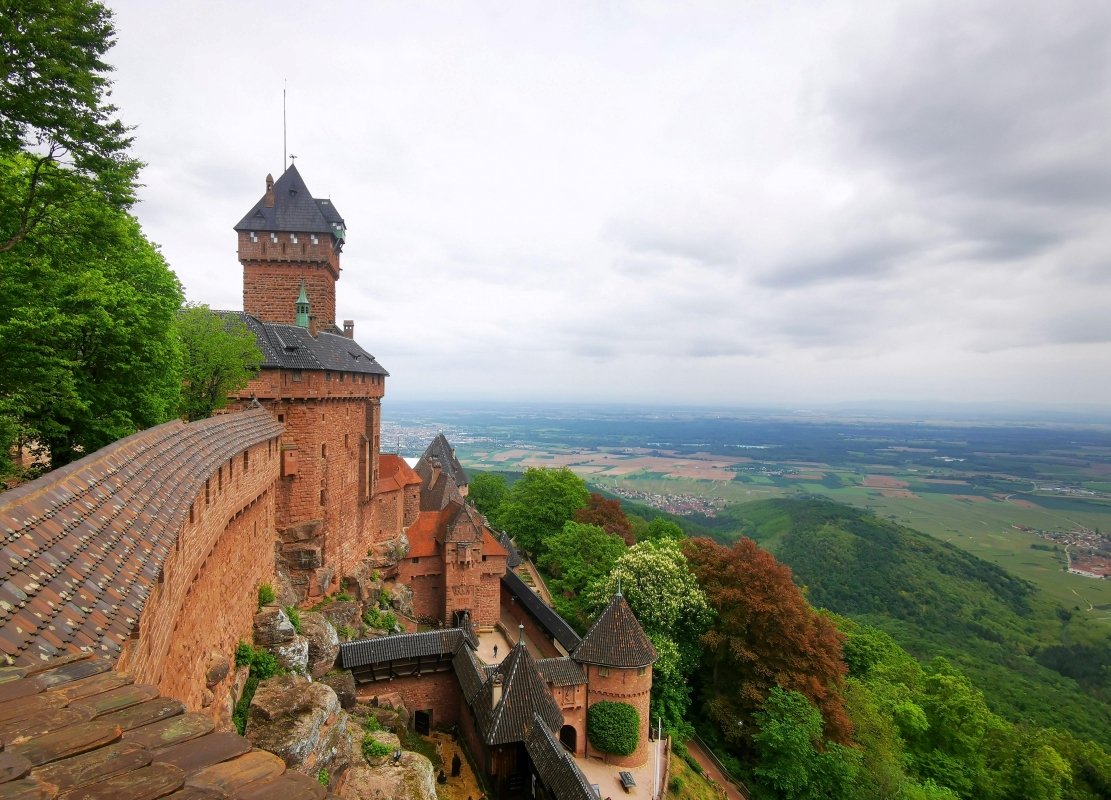
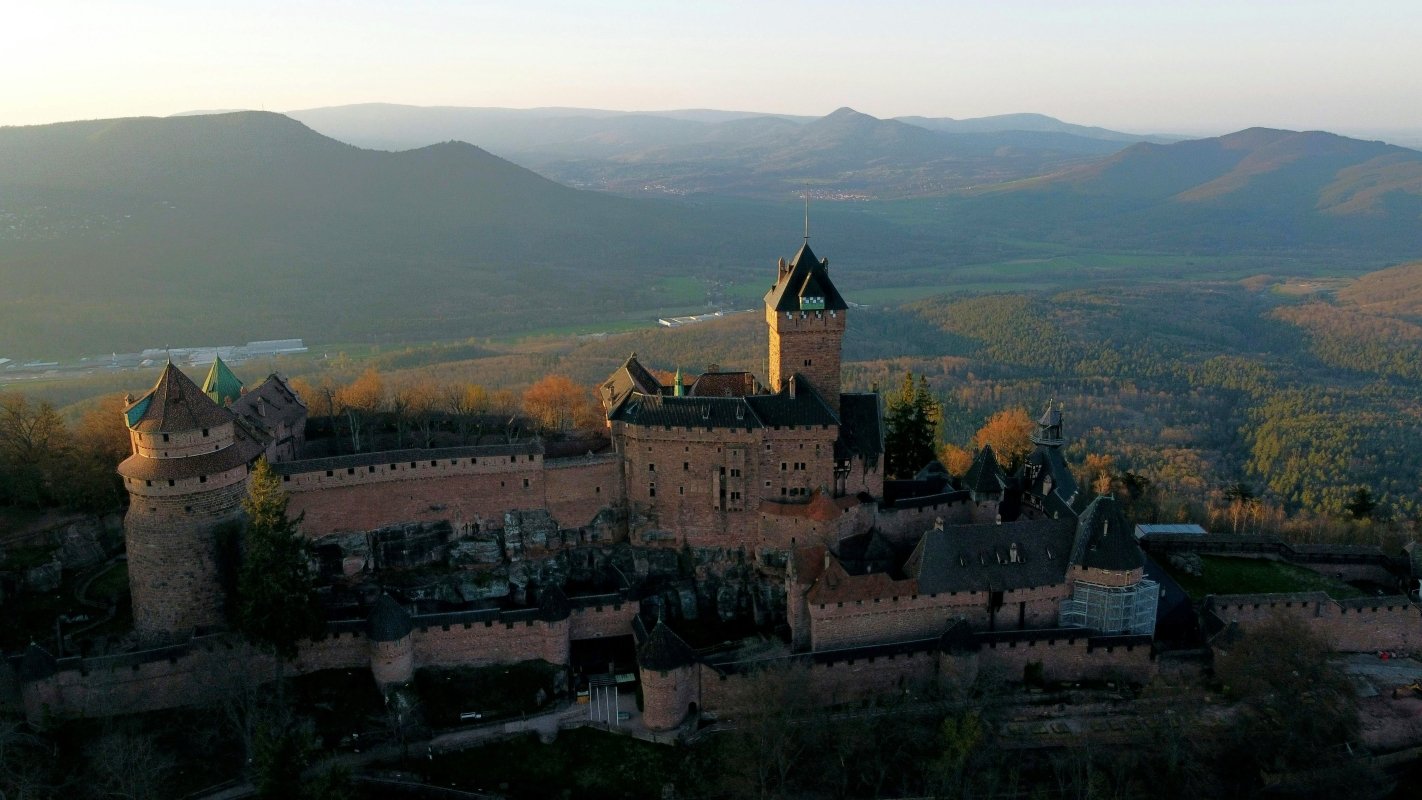
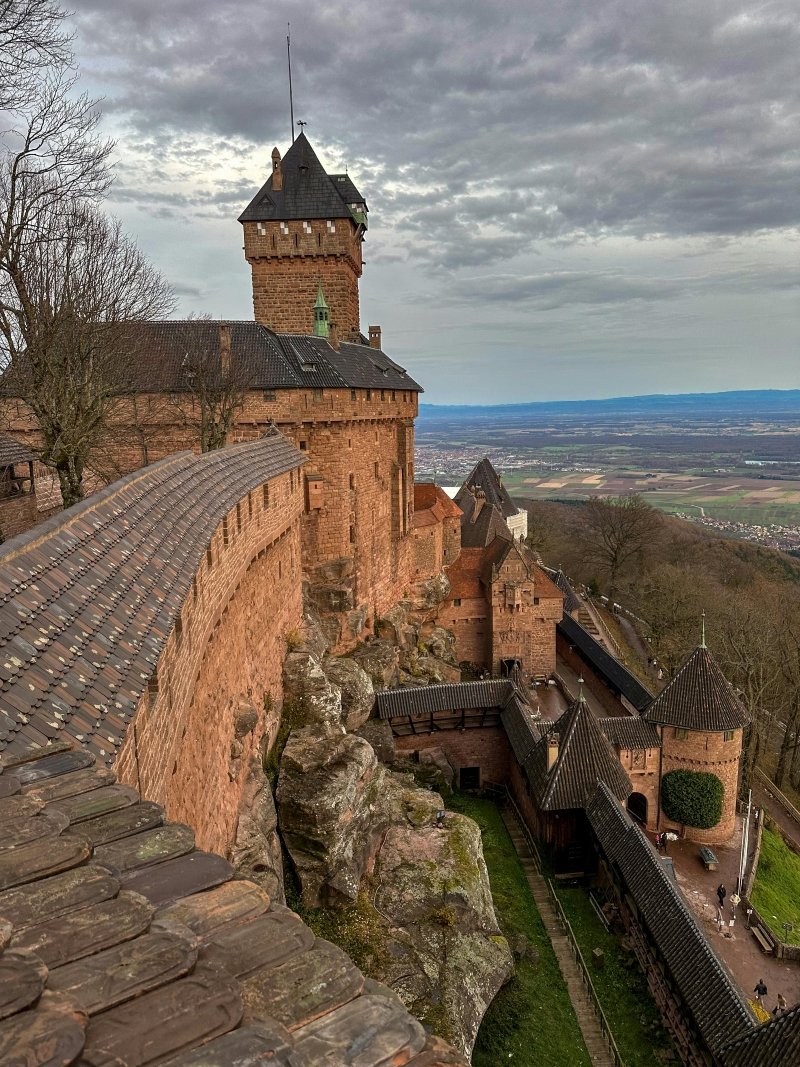
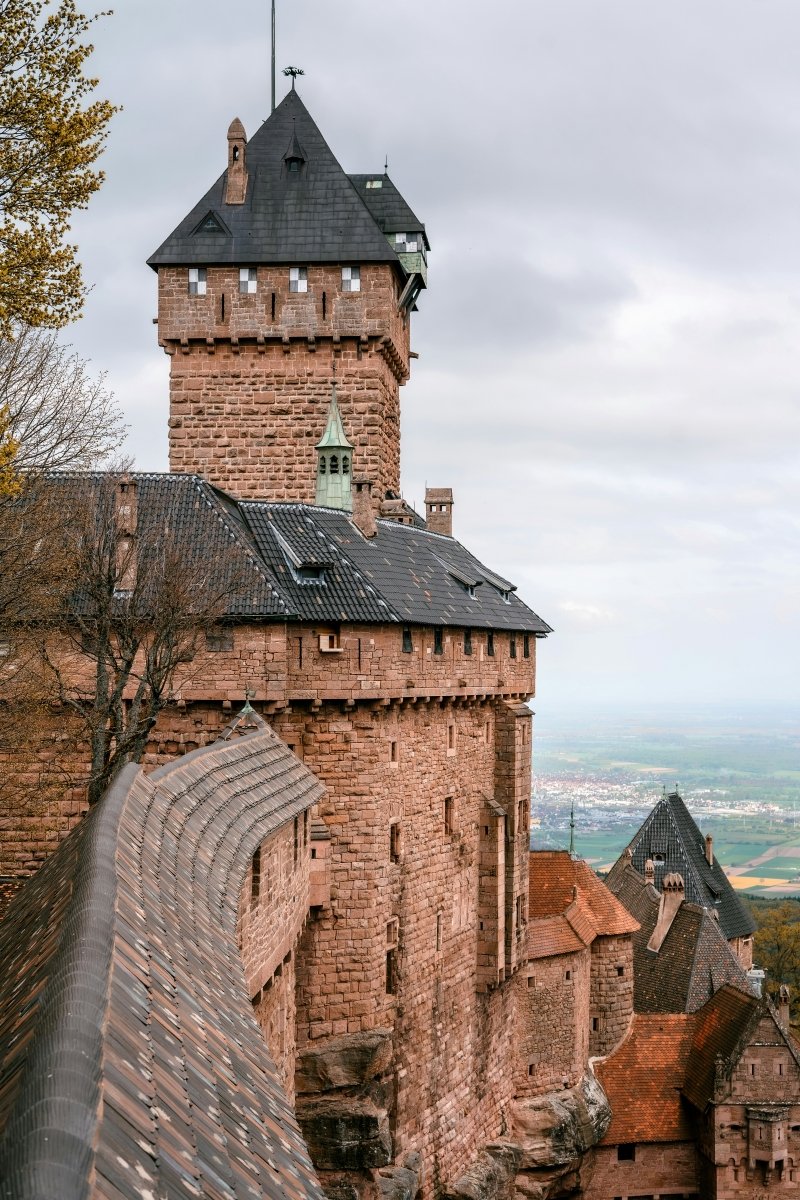
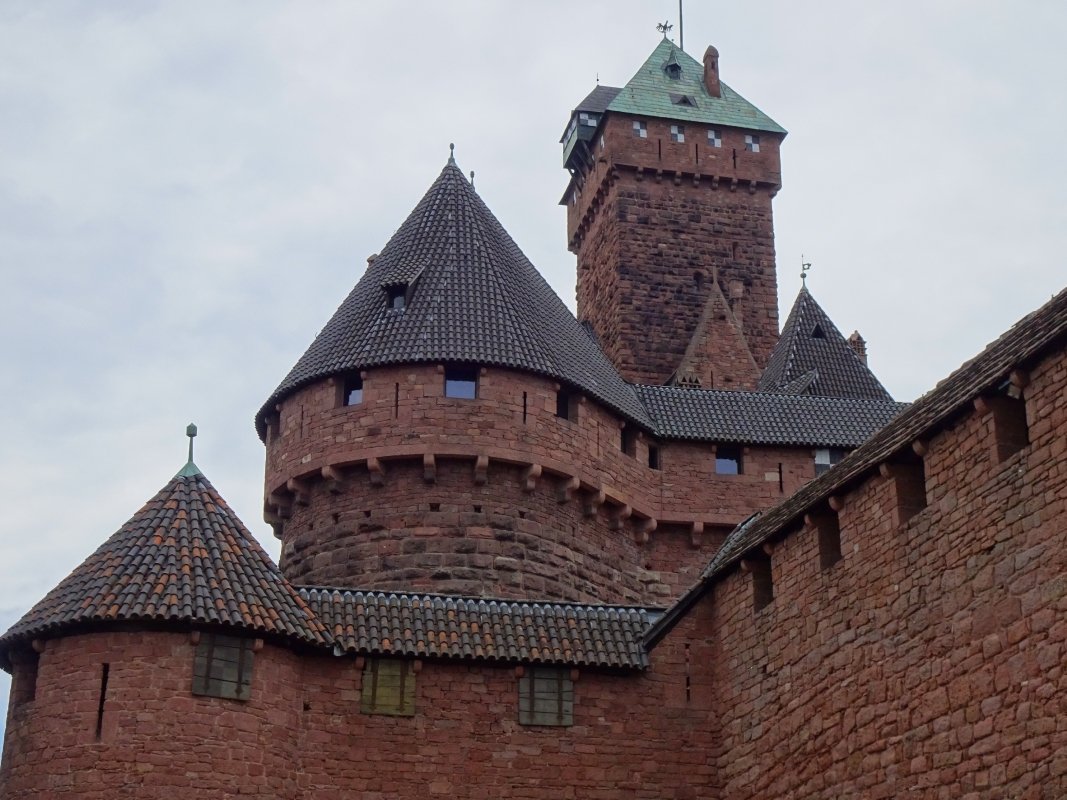


TL;DR: Perched 755 meters high in the Vosges Mountains, Château du Haut-Koenigsbourg is a stunning restored medieval fortress offering panoramic views, rich history spanning 900 years, and an unforgettable journey into medieval life. Plan 2-3 hours for your visit, arrive early to beat crowds, and don’t miss the weapon collection and breathtaking terrace views stretching to the Black Forest.
- Why This Castle Deserves Your Attention
- Getting There: Your Travel Options
- When to Visit: Timing Is Everything
- Planning Your Visit: Practical Details
- What Makes This Castle Special
- Insider Tips for the Best Experience
- Making It a Full Day: Combine Your Visit
- Accessibility & Family-Friendly Info
- Where to Stay Nearby
- Food & Drink: What to Try
- Weather Considerations
- Final Thoughts: Is It Worth It?
Looking for a castle that’ll make you feel like you’ve stepped straight into a medieval fantasy? Let me introduce you to Château du Haut-Koenigsbourg, hands down one of the most impressive fortresses you’ll ever visit. Trust me, this isn’t just another castle on your European bucket list—it’s an absolute showstopper that’ll have your camera working overtime.
Why This Castle Deserves Your Attention
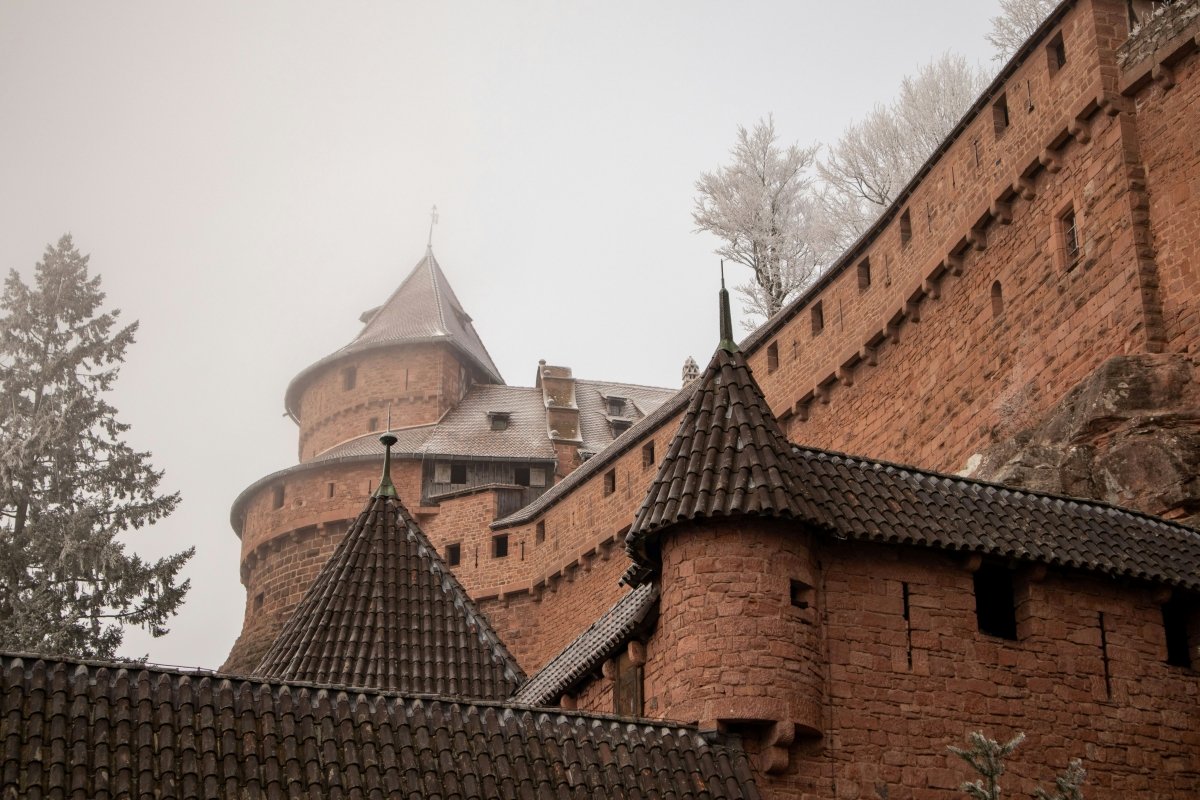
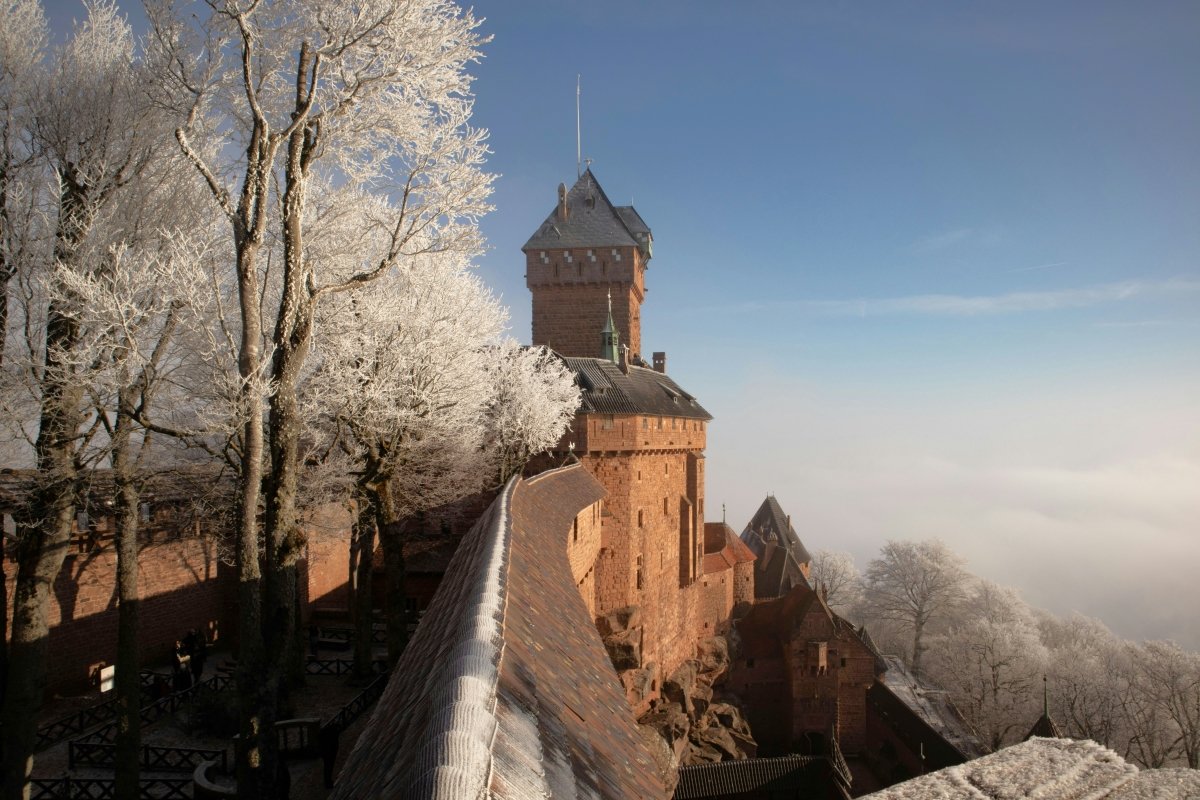
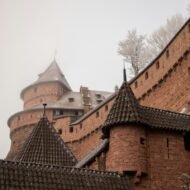
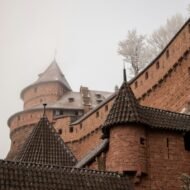
Forget everything you think you know about castle visits. Haut-Koenigsbourg sits majestically on a rocky spur overlooking the Alsatian plain, and when the morning mist rolls in, it looks like something straight out of a fairytale. But here’s the kicker: unlike many European castles that are just romantic ruins, this one’s been fully restored, giving you an authentic glimpse into what medieval fortress life was actually like.
The views? Absolutely breathtaking. On clear days, you can see all the way to the Black Forest in Germany and even catch glimpses of the Swiss Alps. Yeah, it’s that good.
Getting There: Your Travel Options
By Car: This is honestly your best bet. The castle is about 10 km from Sélestat and roughly 26 km from Colmar. There’s a large parking lot right by the castle (parking fee applies—around €6-8). GPS coordinates: 48.2493° N, 7.3447° E
By Public Transport: Take a train to Sélestat station, then hop on the seasonal shuttle bus (Navette Château) that runs from April to November. Outside these months, you’ll need a taxi or rideshare—plan accordingly.
By Tour: Many visitors join day trips from Strasbourg or Colmar, which often combine the castle with Alsace wine route stops. Perfect if you want someone else handling the logistics.
When to Visit: Timing Is Everything
The castle is open year-round except January 1, May 1, and December 25, but here’s the insider scoop:
Best Times:
- Spring (April-May): Fewer crowds, pleasant weather, and the surrounding forests are gorgeously green
- Early morning or late afternoon: You’ll avoid the tour bus rush (typically 11am-2pm)
- Weekdays: Always quieter than weekends
Peak Season Reality Check: Summer (July-August) brings massive crowds. If you’re visiting then, arrive right when they open (usually 9:15am) or go after 4pm.
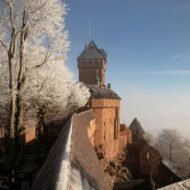
Winter Magic: December through February can be magical with snow, but some upper sections might be closed due to ice. The Christmas market season (late November-December) in nearby towns pairs beautifully with a castle visit.
Planning Your Visit: Practical Details
Opening Hours:
- January-March: 9:30am-12pm, 1pm-4:30pm
- April-May: 9:15am-5:15pm
- June-August: 9:15am-6pm
- September: 9:15am-5:15pm
- October-November: 9:30am-12pm, 1pm-4:30pm
- December: 9:30am-12pm, 1pm-4pm
(Always check the official website before your visit as hours can vary)
Admission Prices:
- Adults: Around €9-12
- Reduced rate: €6-8 (students, job seekers)
- Under 18: Free
- Free for everyone on the first Sunday of each month (November-March)
How Long You’ll Need: Budget 2-3 hours minimum. Rushing through would be a crime—there’s so much to see, and those views deserve quality time.
What Makes This Castle Special
The History (The Cliff Notes Version)
Built in the 12th century, this castle has seen everything: feuding lords, the Thirty Years’ War, fire, abandonment, and finally, a controversial but impressive restoration by Kaiser Wilhelm II in the early 1900s. That restoration is actually part of what makes it fascinating—it’s a medieval castle filtered through a 20th-century German emperor’s romantic vision of the Middle Ages.
Must-See Highlights
The Weapons Collection: One of the most impressive medieval and Renaissance weapons displays you’ll find anywhere. Swords, crossbows, armor, cannons—if it could hurt someone in the Middle Ages, it’s probably here.
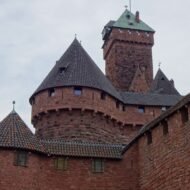
The Grand Bastion: This massive defensive structure shows just how seriously medieval folks took their security. Walk along the fortifications and imagine being a defender (or attacker).
The Living Quarters: Fully furnished rooms give you a real sense of medieval castle life—from the lord’s apartments to the more modest spaces. The attention to detail is incredible.
The Chapel: Small but beautifully decorated, showcasing the religious life that was central to medieval society.
The Kitchen: Check out the massive fireplace and imagine cooking feasts for hundreds of people without a microwave in sight.
The Panoramic Terrace: Save this for last. The 360-degree views are absolutely stunning and provide the perfect finale to your visit.
Insider Tips for the Best Experience
Wear Comfortable Shoes: You’ll be climbing stairs—lots of them. Medieval architects weren’t thinking about accessibility, and while there’s some wheelchair access to lower areas, the full experience requires good mobility.
Bring Layers: Even in summer, it can get breezy up there. The castle’s thick walls keep it cool inside, which is great in July but chilly in October.
Skip the Restaurant, Pack a Picnic: The on-site restaurant is convenient but pricey and honestly nothing special. Grab supplies in Sélestat or Colmar and enjoy a picnic with that million-dollar view instead.
Join a Guided Tour: Free audio guides are included, but the guided tours (in French and German, sometimes English) bring the history alive in ways signage can’t. Check the schedule when you arrive.
Photography Tips: The morning light hitting the castle from the parking area is magical. Inside, the armory and grand halls photograph beautifully. For that classic postcard shot, there’s a viewpoint about 10 minutes down the road.
Download the App: The castle’s mobile app enhances your visit with additional content and can work offline—download it before you arrive.
Making It a Full Day: Combine Your Visit
The Alsace Wine Route: You’re literally in one of France’s most famous wine regions. Visit nearby wineries in Ribeauvillé, Riquewihr, or Bergheim. Many offer tastings and tours.
Sélestat: This charming town has a stunning humanist library and beautiful medieval architecture. Perfect for lunch before or after the castle.
Eagle Sanctuary (Volerie des Aigles): Just down the road, this bird of prey center offers incredible flight demonstrations. Kids and adults alike love it.
Montagne des Singes: A unique monkey park where Barbary macaques roam freely. It’s quirky, fun, and surprisingly educational.
Accessibility & Family-Friendly Info
Let’s be real: this is a medieval fortress built on a mountain, so it’s not the most accessible destination. However:
- The lower courtyard and some ground-floor rooms are wheelchair accessible
- There’s an adapted restroom
- Families with strollers will struggle—baby carriers are definitely recommended
- Kids generally love it (what child doesn’t love a castle?), but keep a close eye on little ones near walls and staircases
Where to Stay Nearby
Sélestat: Budget-friendly options, authentic Alsatian atmosphere (15 minutes away)
Colmar: More upscale, gorgeous old town, excellent restaurants (30 minutes away)
Strasbourg: Big city amenities, worth a stay if you’re exploring the region (45 minutes away)
Ribeauvillé or Riquewihr: Small wine villages with incredible charm—perfect for a romantic getaway (10-20 minutes away)
Food & Drink: What to Try
While you’re in the area, dive into Alsatian cuisine:
- Tarte flambée (Flammkuchen): Thin-crust pizza-like deliciousness
- Choucroute garnie: Sauerkraut with various meats
- Baeckeoffe: Hearty meat and potato casserole
- Kougelhopf: Sweet bread perfect with coffee
- Alsatian wines: Riesling, Gewurztraminer, Pinot Gris—try them all
Weather Considerations
The castle sits at 755 meters elevation, so it’s typically 5-10°F cooler than the valley below. Check forecasts for both Sélestat and mountain weather. Fog can roll in quickly (atmospheric but limits those views), and winter ice can close certain areas.
Final Thoughts: Is It Worth It?
Absolutely, yes. Whether you’re a history enthusiast, architecture lover, photography buff, or just someone who appreciates stunning views and well-preserved heritage, Château du Haut-Koenigsbourg delivers. It’s one of those rare places that manages to be both educational and emotionally moving—standing on those ramparts, looking out over Alsace, you really do feel connected to centuries of history.
The restoration has its critics (purists argue it’s too “Disney-fied”), but for most visitors, it makes the castle accessible and understandable in ways a ruin never could. You’re not just looking at piles of stone—you’re experiencing what medieval life actually looked, felt, and even smelled like (okay, they’ve probably improved the smell situation).
Bottom line: If you’re anywhere near Alsace, make this happen. You won’t regret the detour. Just remember to arrive early, wear good shoes, and clear plenty of space on your phone for photos. This castle absolutely earns its place on your travel highlight reel.
Safe travels, and enjoy your journey back to the Middle Ages!
Quick Resources:
- Official website: Check current hours and prices
- Weather forecast: Essential for planning
- Alsace tourism: Explore the region
- Wine route map: Plan your tastings
Have you visited Château du Haut-Koenigsbourg? Share your experience and tips for future travelers!