


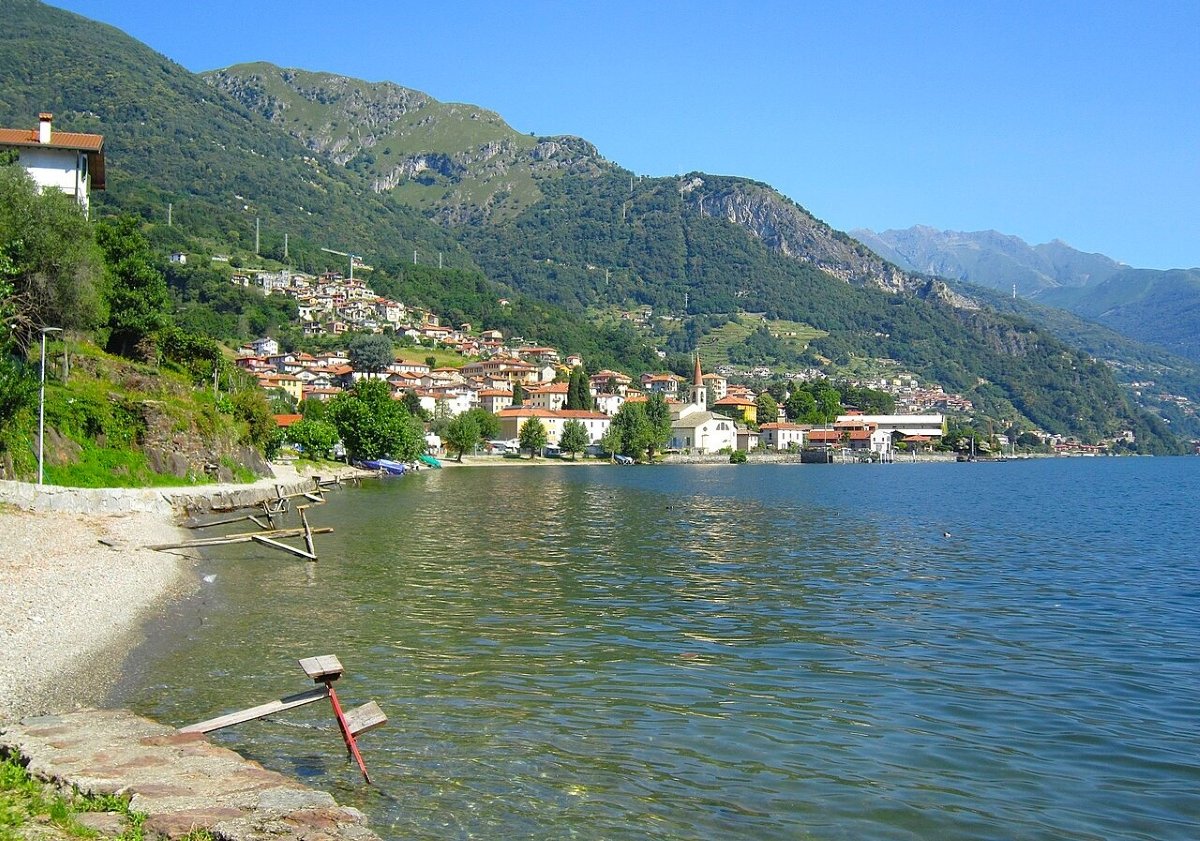
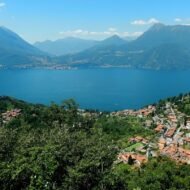
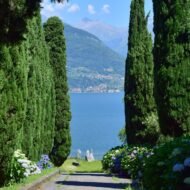
TL;DR: Lake como off beaten path spring , April and May are the sweet spot for Lake Como — the azaleas are popping, the queues haven’t arrived yet, and the villages that look best on Instagram are finally yours to actually enjoy. This guide skips Bellagio’s waterfront selfie-spots and takes you to the hidden gorges, medieval castles, ancient abbeys, and family-run trattorias that locals actually talk about.
- Why Spring Is Lake Como’s Best-Kept Secret
- 🌊 Nesso & the Orrido: Como’s Most Dramatic Natural Secret
- 🏰 Castello di Vezio: A Thousand Years of Views Above Varenna
- ⛪ Abbazia di Piona: Silence, Monks, and a Seriously Good Liqueur
- 🍷 Pianello del Lario: Where the Locals Actually Go
- 🍽️ Eating Like a Local: The Dishes Worth Seeking Out
- 🏔️ Val d’Intelvi: The High Road Nobody Talks About
- ⛴️ Getting Around: A Note on Lake Como’s Ferries
- 🌸 The Spring Advantage: Why April–May Wins Every Time
- ✅ Recap: Your Spring Lake Como Off-The-Beaten-Path Hit List
- Disclaimer
Why Spring Is Lake Como’s Best-Kept Secret
Let’s be honest: Lake Como in July is beautiful and absolutely overwhelming. The famous triangle of Bellagio, Varenna, and Menaggio is a logistical puzzle of ferry queues, day-trippers from Milan, and €18 spritzes. But swing by in late April or early May? The lake is another world entirely.
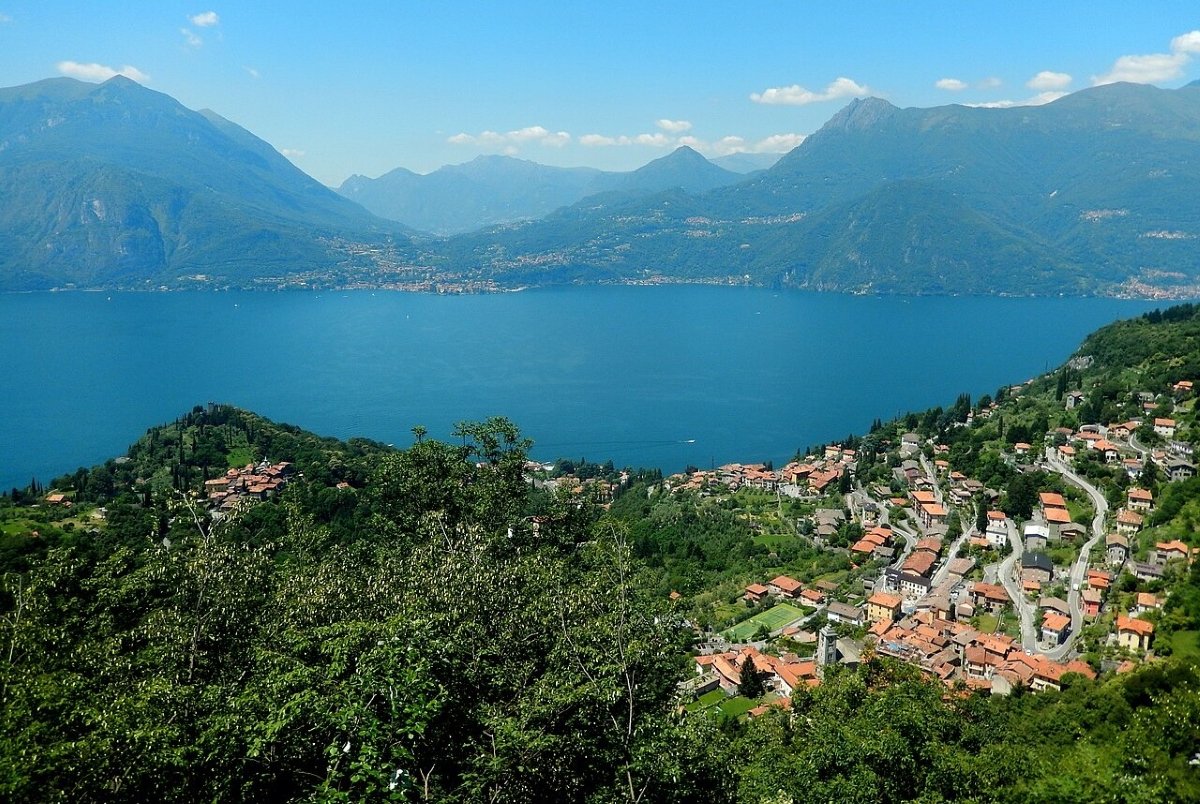
The water turns that impossible shade of blue-green. The camellias and rhododendrons are in full riot along the villa gardens. Temperatures hover pleasantly in the mid-teens to low twenties Celsius — perfect for hiking, wandering, and long lakeside lunches that spill into aperitivo hour. And crucially, the crowds simply haven’t shown up yet.
Highly Related
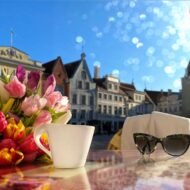
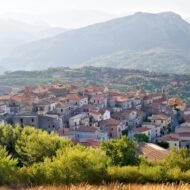
While nights in April are still fresh, temperatures during the day can already feel warm, and locals start filling outdoor cafes as the plants bloom into colour. This shoulder-season window is short, precious, and increasingly on travellers’ radars — which is exactly why we’re pointing you away from the obvious and toward the places that reward the curious.
Here are the spots, experiences, and quiet corners that frequent visitors and locals consistently rank as the most authentic on the lake.
🌊 Nesso & the Orrido: Como’s Most Dramatic Natural Secret
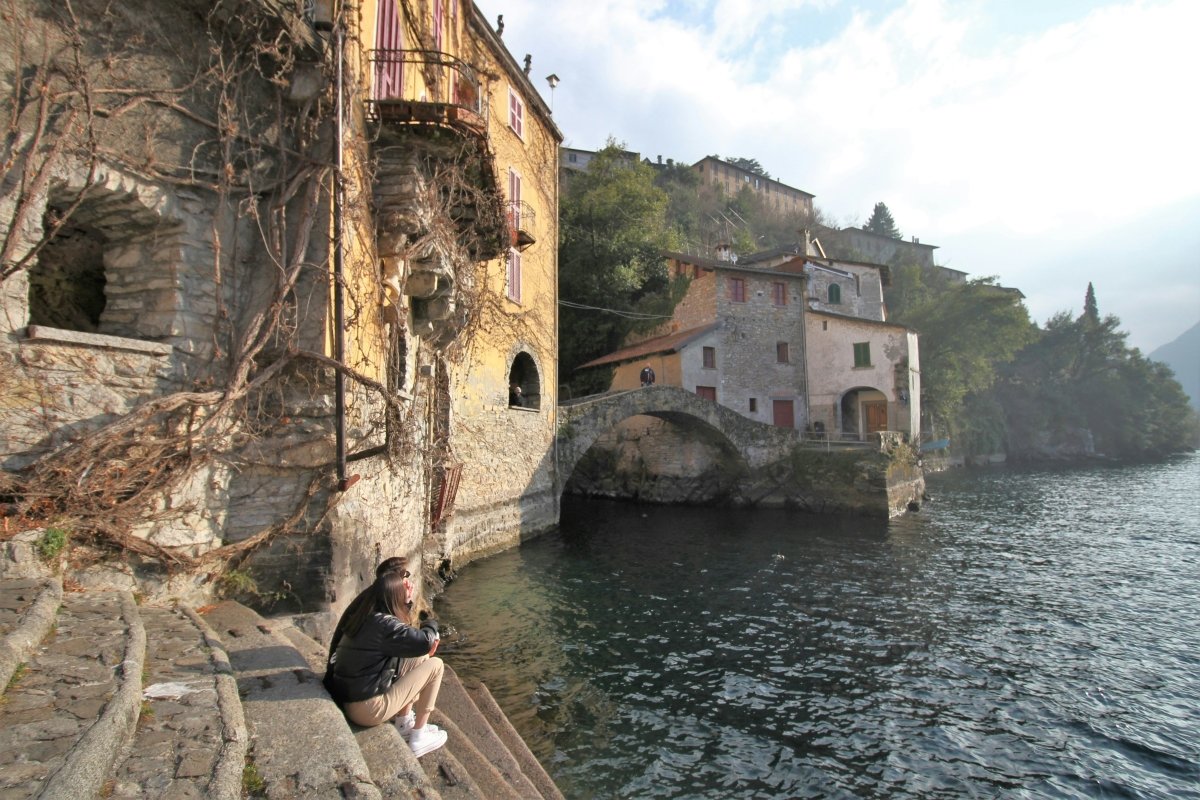
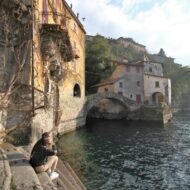
Between Como city and Bellagio, strung along the eastern shore, sits Nesso — a village so photogenic it almost feels unfair. But the real draw is underground (well, downhill): the Orrido di Nesso, a deep, dramatic gorge carved by the Tuf and Nosè streams over millennia.
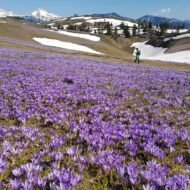
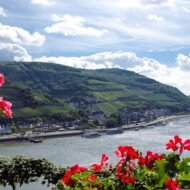
This geological marvel, formed by the confluence of two streams, plunges dramatically into the lake, creating a stunning waterfall visible from the ancient medieval bridge above — and even Leonardo da Vinci sketched it in his Codex Atlanticus.
From Nesso’s free parking lot, it’s a five-minute walk following signs to the waterfall; if you arrive by ferry, you climb up through the ancient streets of the old town — well worth the detour in itself. In spring, the surrounding vegetation is lush and the water flow is at its most dramatic. Come on a weekday morning and you’ll practically have it to yourself.
Highly Related
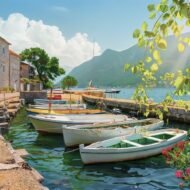
Pro tip: The narrow stone alleys of Nesso lead down to the lakeshore, where local fishermen still launch their boats at dawn. Grab a coffee from the bar in the piazza before heading down — the locals will appreciate it.
🏰 Castello di Vezio: A Thousand Years of Views Above Varenna
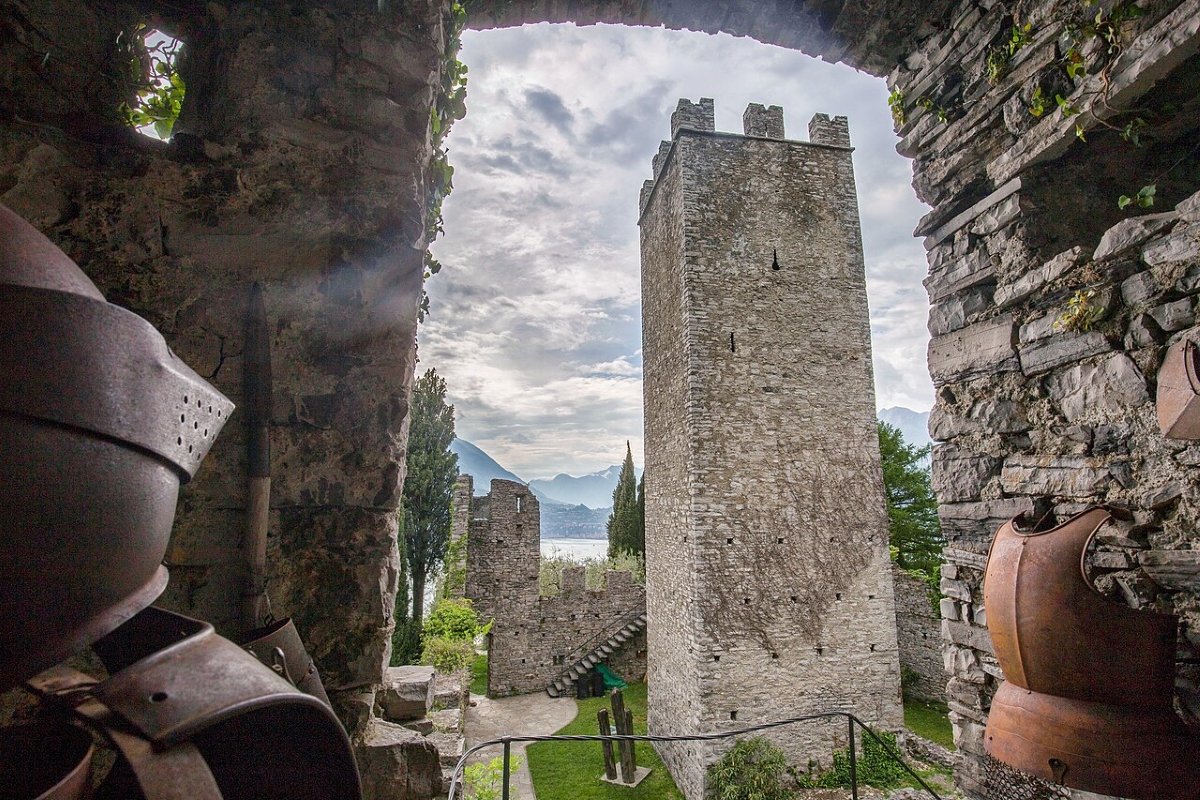
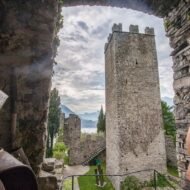
Perched on a rocky spur directly above Varenna, Castello di Vezio has stood watch over the central lake for over a thousand years. Queen Theodolinda is said to have chosen this exact spot for its unbeatable strategic views — and standing here in spring, with the lake shimmering below and the Alps still snow-capped above, it’s hard to argue with her judgment.
Stone walls from the Middle Ages, faded Renaissance frescoes, and enigmatic “ghost” figures leaning over the ramparts make Vezio feel like living, open-air history — mixed with contemporary art and some of the most sweeping panoramas on the entire lake.
TripAdvisor reviewers consistently note that the castle is worthwhile not so much for the interior, but for the atmosphere and location — up above Varenna, with the lake below looking almost impossibly beautiful.
The hike up from Varenna takes about 20 minutes and is well-marked. In spring, the path is lined with wildflowers and the falconry displays inside the castle walls add a theatrical touch. Entry is just a few euros.
⛪ Abbazia di Piona: Silence, Monks, and a Seriously Good Liqueur
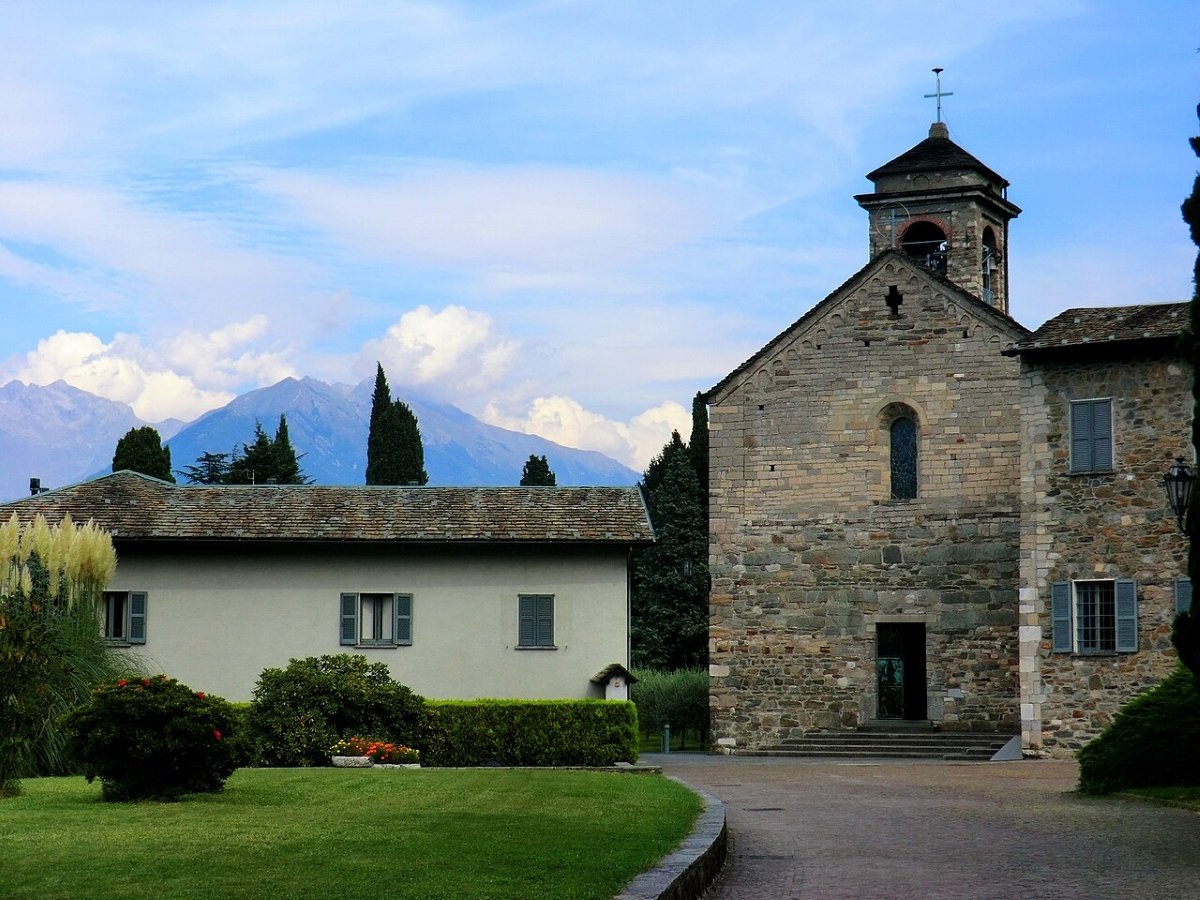
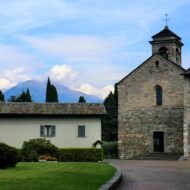
On the northern tip of the Lecco branch of the lake, near Colico, lies one of Lombardy’s most serene and undervisited sites: the Abbazia di Piona, a Cistercian monastery dating back to the 12th century.
This Romanesque masterpiece is set against a breathtaking backdrop of lake and mountains, with a cloister adorned with well-preserved medieval frescoes and intricately carved capitals. The monks of Piona also produce herbal liqueurs, honey, and infusions available at the monastery’s small shop.
Spring is ideal for a visit: the gardens around the abbey are in full bloom, the light on the water is extraordinary in the early afternoon, and the atmosphere is one of genuine, unhurried peace. It’s the kind of place that makes you slow down — in the best possible way.
There’s no entry fee for the abbey itself (a donation is appreciated). The liqueur, by the way, is exceptional. Buy at least two bottles.
🍷 Pianello del Lario: Where the Locals Actually Go
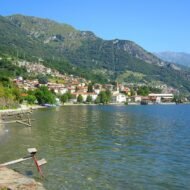
On the quieter western shore, Pianello del Lario rarely makes it into the glossy guidebooks — which is precisely the point.
This lesser-known village offers spectacular Alpine views, a quiet lakeside promenade, and the fascinating Museo della Barca Lariana — a collection of historic boats that tells the story of Como’s maritime heritage. Hiking trails lead from the village into the surrounding mountains, passing old alpine pastures still in active use.
In spring, this is genuinely one of the most beautiful and crowd-free corners of the lake. The village has a couple of excellent local restaurants serving traditional cucina lariana — think missoltino (sun-dried lake fish), polenta uncia, and pasta stuffed with local cheeses. No tourist menus, no English translations. Just good food.
🍽️ Eating Like a Local: The Dishes Worth Seeking Out
Lake Como has a distinct culinary identity that gets overshadowed by its scenery. Spring is the perfect time to explore it.
One of the great local specialties is risotto with fried perch — and for the genuine article, the advice is to leave the tourist-oriented restaurants by the waterfront and seek out family-run spots slightly off the main drag. The family-run Ristorante Bilacus in Bellagio, for instance, serves a celebrated version, with outdoor terrace seating among flowers in warmer months.
For something truly off-grid, Crotto del Capraio in Civate is as authentic as it gets — a family-owned cottage on a beautiful hiking path serving traditional local dishes, perfect for a hearty meal after a walk in the hills.
And if you’re in Varenna as the sun dips behind the mountains, the atmosphere for an evening aperitivo is notably more relaxed than Bellagio — small, family-run spots where a Spritz costs a normal amount of money and the view is equally spectacular.
🏔️ Val d’Intelvi: The High Road Nobody Talks About
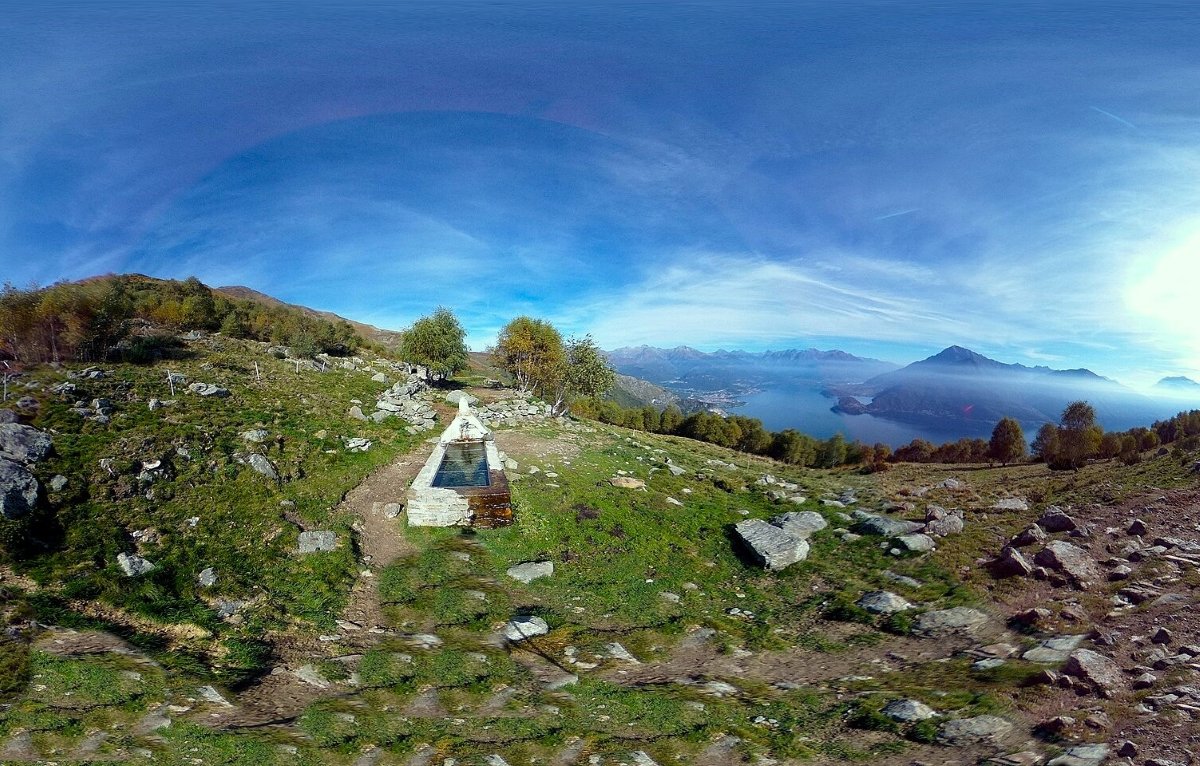
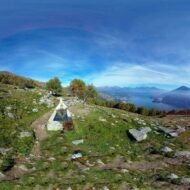
Nestled between Lake Como and Lake Lugano, the Val d’Intelvi valley is one of those places that rewards the traveller willing to take the winding road uphill. At nearly 900 metres above sea level, the valley offers panoramic views across both lakes — a perspective you simply cannot get from the shoreline.
In spring, the meadows are vivid green, the hiking trails are quiet, and the small villages along the valley feel genuinely lived-in rather than curated for visitors. The Belvedere di Pigra cable car — a vertiginous little gondola that drops from the hillside village to Argegno on the lakeshore — is a short experience that delivers enormous views for minimal effort.
The most authentic hidden gems are often not specific places but a way of travelling — fewer transfers, better timing, and a willingness to stop chasing one more viewpoint. The difference between a stressful day on Lake Como and a truly memorable one is usually about slowing down.
⛴️ Getting Around: A Note on Lake Como’s Ferries
One of the great joys of Lake Como — especially in spring before peak season hits — is hopping between villages by boat. The public ferry service, run by Navigazione Laghi, connects all the major villages and many of the smaller ones, and in April and May, queues are minimal.
On Lake Como, travellers can choose between several ferry types: car ferries for the classic Varenna–Bellagio–Menaggio triangle crossing, regular passenger ferries for foot travellers, fast hydrofoils (aliscafo) for a quicker journey between Como, Varenna, and Bellagio, and slower scenic boats that make multiple stops along the shore.
Tickets can be purchased at ferry terminals in all major towns, on the Navigazione Laghi website for standard one-way or return trips, or directly on board — and from June 2025 onwards, standard adult fares on regular services can even be paid by credit card directly on the boat.
For a full guide on routes, ticket types, prices, and practical tips on navigating the ferry system stress-free — including what to book in advance and what you can leave to chance — check out our dedicated guide: Buying Ferry Tickets on Lake Como → .
Practical notes for spring:
- The express hydrofoil from Como to Bellagio (around 45 minutes) requires tickets purchased at the ticket office — these cannot be bought online and do sell out on busy spring weekends.
- The simplest way to find ferry departures on the ground is to use the electronic signs at each terminal — and picking up a paper timetable at the ticket office is genuinely useful, as multiple PDF schedules with tiny print are awkward to navigate on a phone.
- For the car ferry between Varenna, Bellagio, and Menaggio (the most scenic crossing on the lake), no advance booking is possible — it operates on a first-come, first-served basis. In spring, a 15-minute wait is typically the worst you’ll face.
🌸 The Spring Advantage: Why April–May Wins Every Time
Beyond the specific places, spring at Lake Como offers something that summer simply cannot: space to breathe.
The best time to visit — according to repeat visitors and locals alike — is spring (April–May) or autumn. You’ll find pleasant temperatures for walking and sightseeing, lower accommodation prices, and significantly fewer people.
The villa gardens, which are genuinely world-class, are at their most spectacular in April and May. The rhododendrons at Villa Carlotta in Tremezzina are legendary. The wisteria draping over the terraces of Villa del Balbianello is the kind of thing that stays with you for years. And in spring, you can actually stand in front of them without a selfie-stick in your eyeline.
✅ Recap: Your Spring Lake Como Off-The-Beaten-Path Hit List
| What | Why It’s Worth It | Best For |
|---|---|---|
| Orrido di Nesso | Dramatic gorge, medieval bridge, Da Vinci–approved | Nature lovers, photographers |
| Castello di Vezio | 1,000-year-old fortress, falcon shows, epic views | History buffs, view-seekers |
| Abbazia di Piona | Romanesque cloister, monk-made liqueur | Slow travellers, culture seekers |
| Pianello del Lario | Western shore quiet village, hiking, authentic food | Walkers, food lovers |
| Val d’Intelvi | Alpine views over two lakes, zero tourists | Adventure seekers |
| Varenna aperitivo | More relaxed than Bellagio, equally beautiful | Everyone |
| Lake ferries | The best way to move between villages | All travellers |
Disclaimer
This article is intended as editorial travel content based on publicly available information, traveller reviews, and editorial research as of spring 2026. Experiences, opening times, prices, and ferry schedules are subject to change — always verify directly with venues and the official Navigazione Laghi website before your trip. The Wanders does not receive payment to feature specific businesses; any recommendations reflect genuine editorial judgement. Some links in this article may be affiliate links — this means we may earn a small commission if you book through them, at no extra cost to you. We only recommend what we’d actually tell a friend.
Enjoyed this? Share it with someone who needs to stop scrolling Instagram and start booking flights. → More European off-the-beaten-path guides on The Wanders