


Tablas de Daimiel National Park
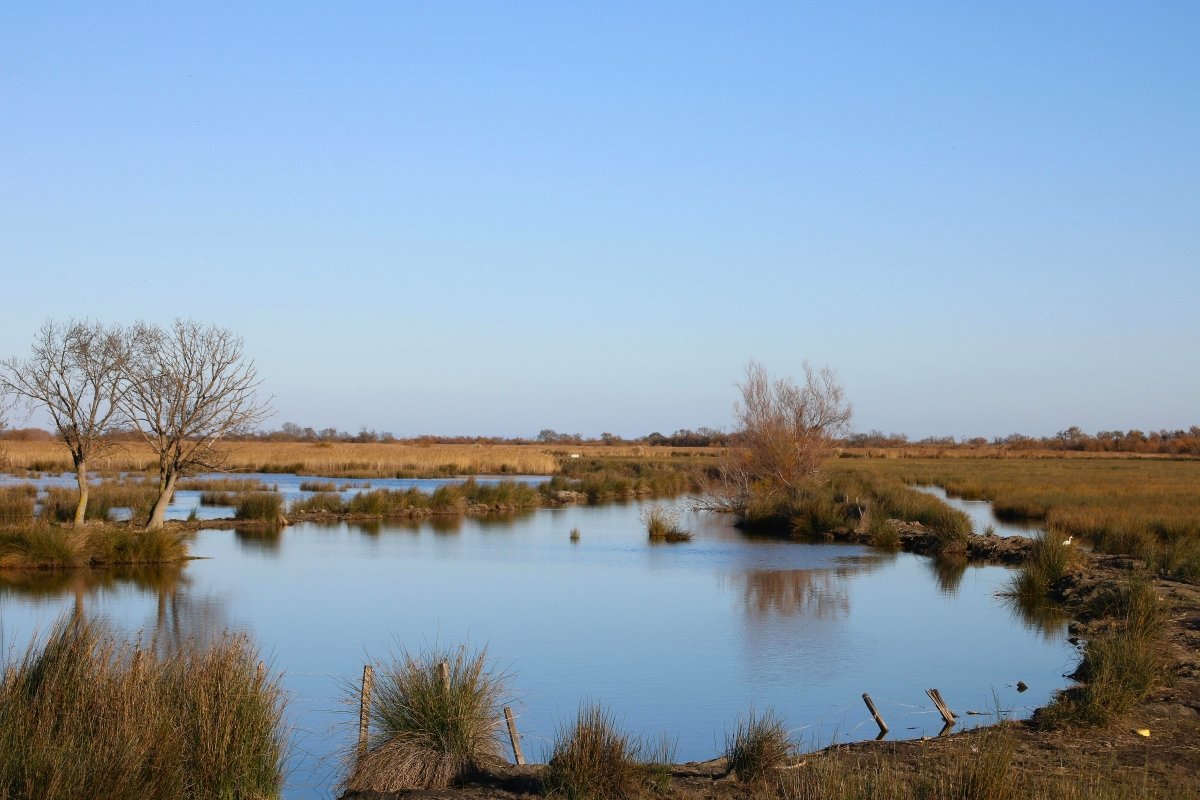
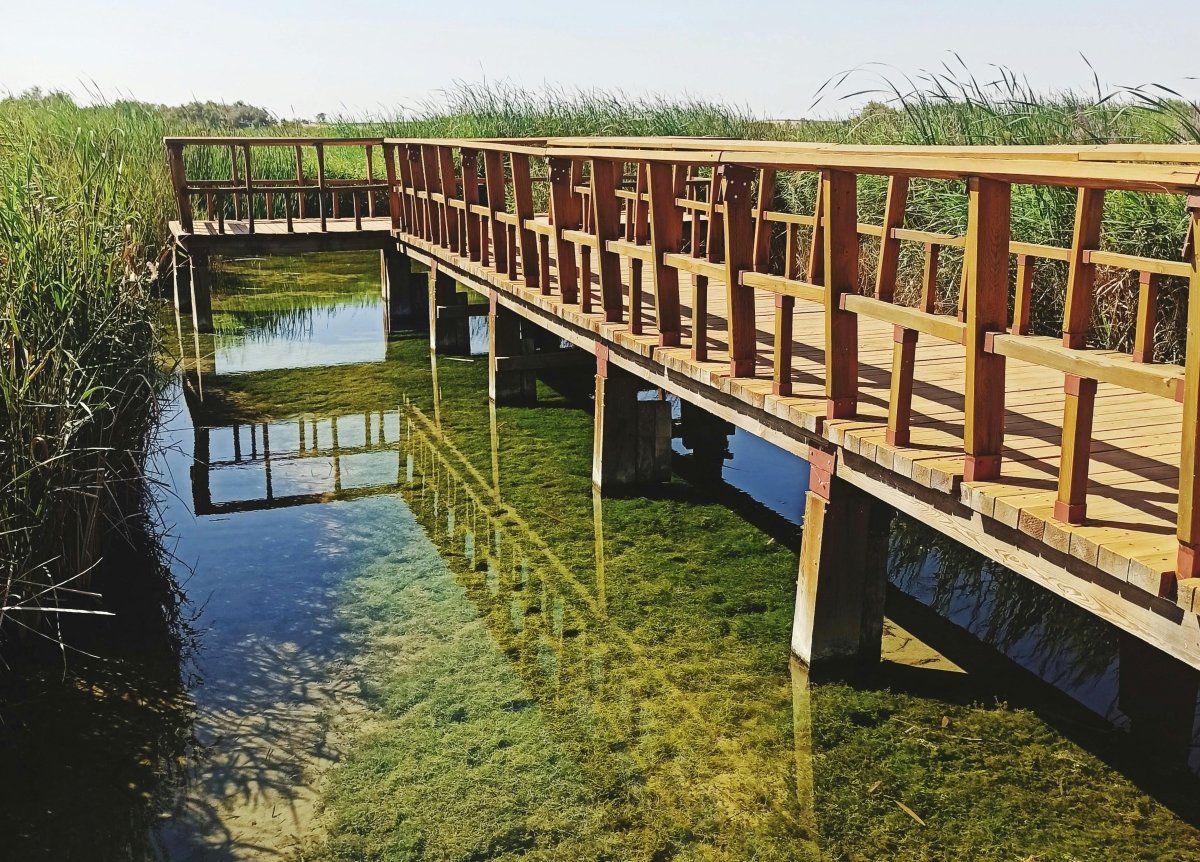
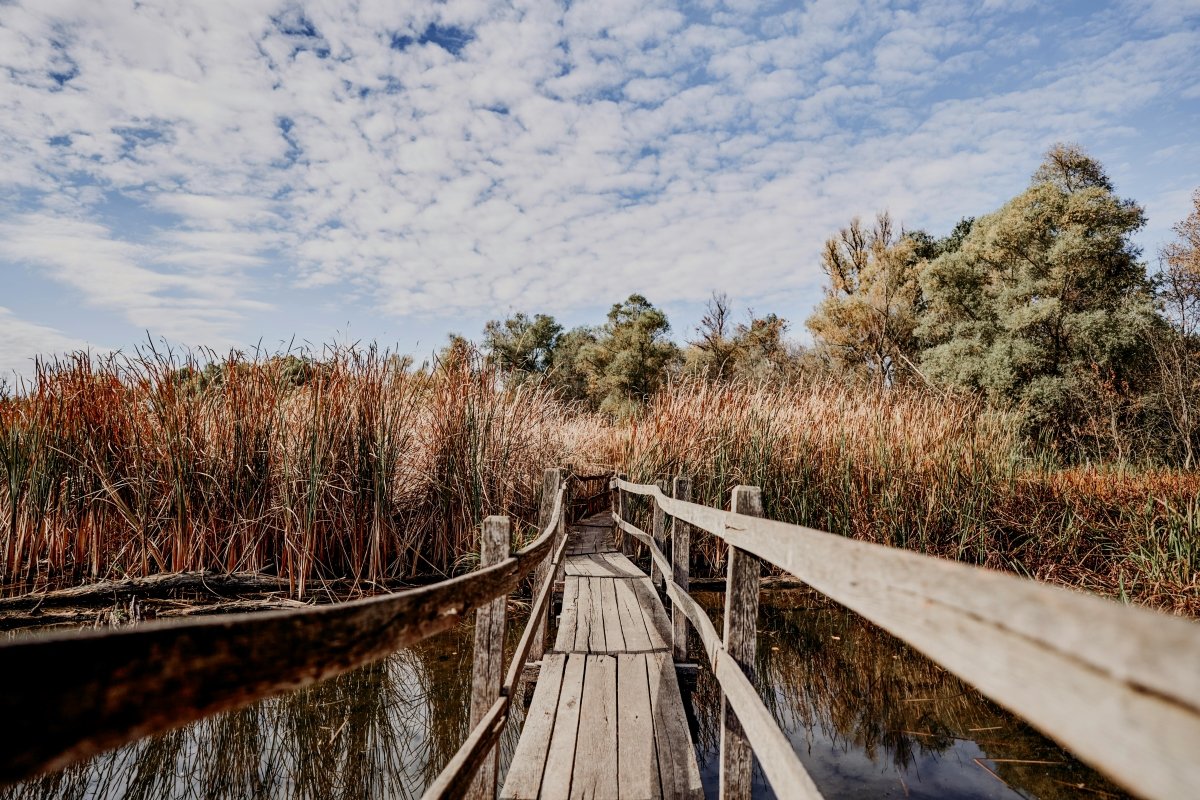
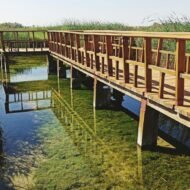
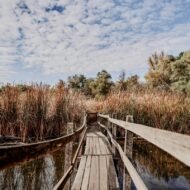
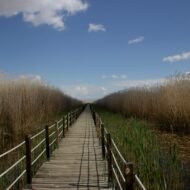
There are landscapes that announce themselves with drama — cliffs, glaciers, mountain ridges. And then there are places like Tablas de Daimiel National Park, where nature speaks in quieter tones. Water glides through ancient wetlands. Reeds move with the wind like soft applause. Wooden walkways disappear into mirrored lagoons where herons stand motionless at dawn.
In the heart of the vast plains of La Mancha, this protected wetland offers a slower rhythm of travel. It is not a destination built for spectacle, but for observation. For listening. For understanding how silence itself can become part of the journey.
A visit here feels less like sightseeing and more like entering a living ecosystem that has survived against the odds — one of Spain’s last great inland wetlands and an essential refuge for migratory birds crossing Europe and Africa.
Quick Overview
Located in the province of Ciudad Real in central Spain, Tablas de Daimiel National Park protects a rare floodplain ecosystem formed by the meeting of the Guadiana and Gigüela rivers. Declared a national park in 1973, it remains one of the country’s most important wetlands and a UNESCO Biosphere Reserve.
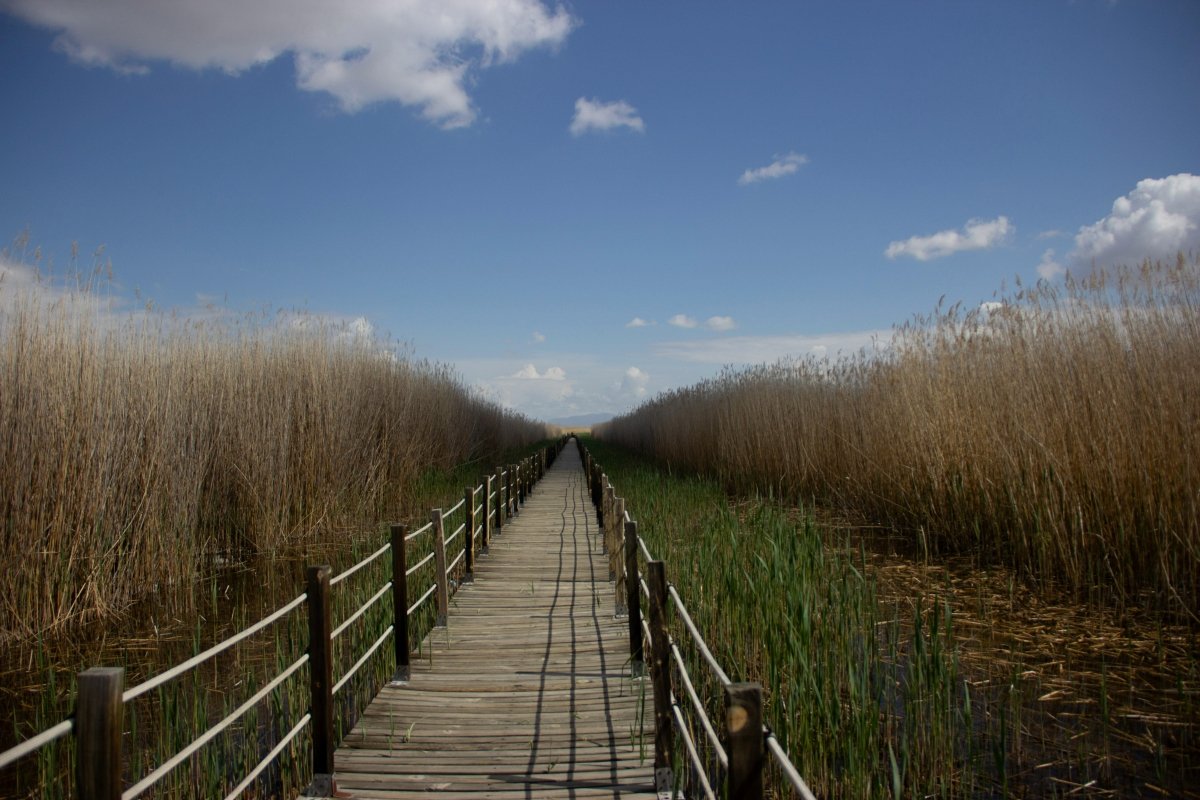
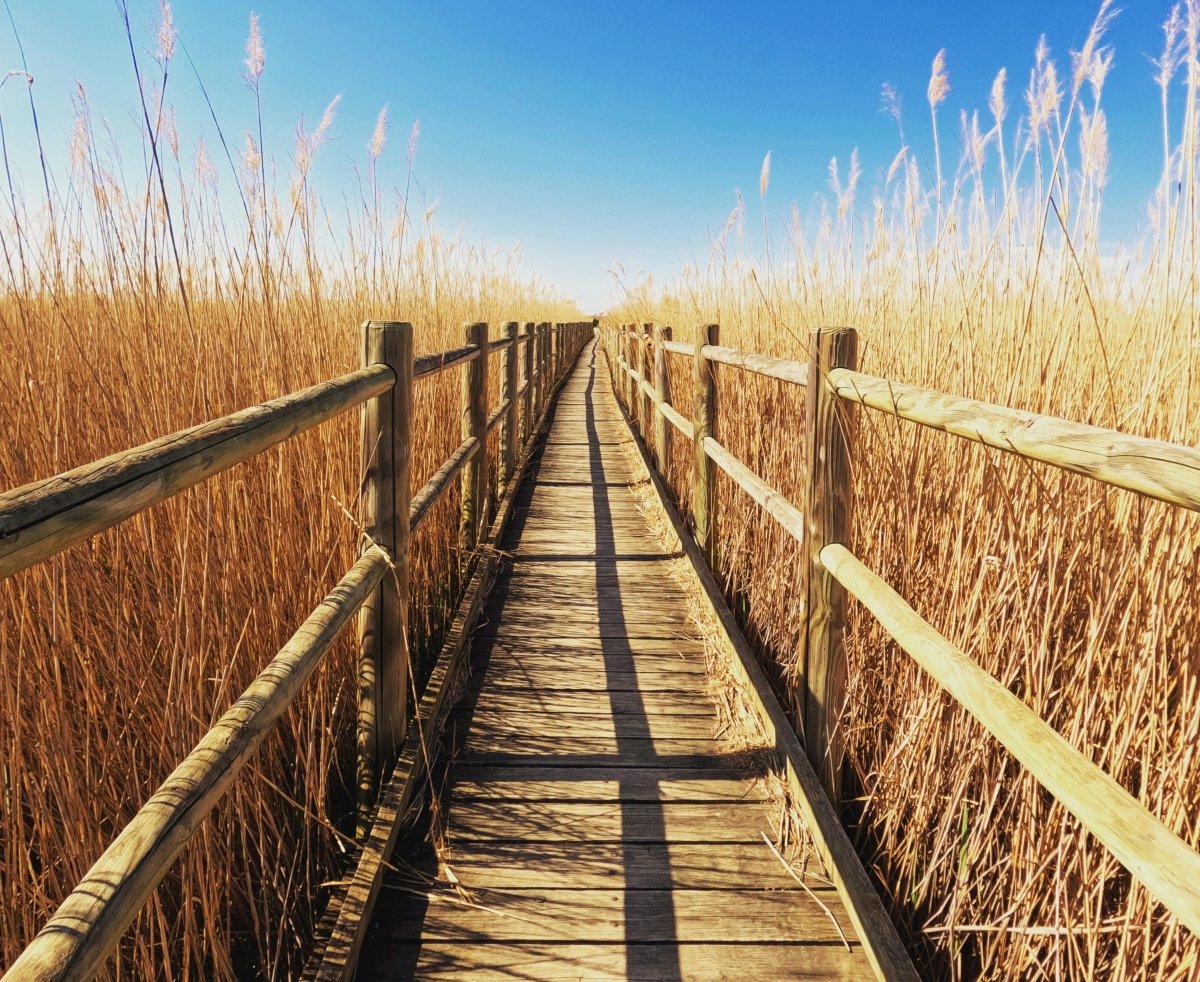
Unlike Spain’s more rugged national parks, Tablas de Daimiel reveals itself gradually. Elevated wooden pathways guide visitors through marshes filled with tamarisk trees, shallow waters, and dense reed beds alive with birdlife throughout the year.
The park is particularly rewarding for travelers seeking slow tourism, wildlife photography, walking trails, and peaceful natural escapes away from Spain’s crowded coastal destinations.
Things to Do
Walk the Wetland Trails
The park’s network of accessible wooden boardwalks allows visitors to move gently through the marshes without disturbing the fragile habitat. The most popular route, the Isla del Pan trail, offers some of the best opportunities for birdwatching and reflection over calm waters.
Early morning and sunset bring the landscape to life with changing light and increased wildlife activity.
Birdwatching Across the Seasons
Tablas de Daimiel National Park is internationally known among birdwatchers. Depending on the season, visitors may spot purple herons, glossy ibises, marsh harriers, flamingos, and countless migratory species.
Winter transforms the wetlands into a sanctuary for thousands of aquatic birds arriving from northern Europe, while spring introduces nesting activity and vibrant colors across the reeds.
Discover La Mancha Beyond Cervantes
The surrounding region offers a deeper cultural layer often overlooked by international travelers. Traditional whitewashed villages, windmills associated with Don Quixote, Manchego cheese farms, and expansive vineyards create an authentic portrait of inland Spain.
Nearby towns such as Daimiel and Almagro make excellent additions to a longer itinerary through Castilla–La Mancha.
Where to Stay
Parador de Almagro
Set inside a restored 16th-century convent, this elegant Parador combines historic architecture with quiet sophistication. Ideal for travelers seeking a refined cultural base within driving distance of the park.
Hotel Doña Manuela
A comfortable and practical option close to the wetlands, popular among birdwatchers and nature travelers exploring the region over several days.
Rusticae Hotel La Casa del Rector
A boutique-style stay blending contemporary design with traditional Manchegan character, offering a more intimate atmosphere for slow travelers.
Best Tours
Guided Birdwatching Excursions
Local naturalist-led tours provide deeper insight into the park’s ecological importance while helping visitors identify seasonal bird species and hidden observation points.
La Mancha Cultural & Nature Day Tours
Several regional operators combine visits to Tablas de Daimiel National Park with nearby windmills, wineries, and historic villages for a broader introduction to Castilla–La Mancha.
Photography Tours
For photographers, sunrise and sunset excursions offer exceptional opportunities to capture reflections, mist-covered wetlands, and migratory bird activity in ideal light conditions.
Travel Tips
- Visit during spring or autumn for the richest bird activity and milder temperatures.
- Arrive early in the morning for quieter trails and softer photography light.
- Bring binoculars, especially during migration seasons.
- Summer temperatures in Castilla–La Mancha can become extremely hot by midday.
- Respect designated pathways to help preserve the fragile wetland ecosystem.
- Pair your visit with nearby cultural destinations like Almagro for a more complete regional experience.
Explore More
Spain often reveals its most memorable places far from the obvious routes. Tablas de Daimiel National Park belongs to that quieter category of travel — destinations that reward patience, attention, and curiosity rather than urgency.
For travelers drawn to reflective landscapes, slow journeys, and the subtle beauty of Europe’s hidden ecosystems, the wetlands of La Mancha offer something increasingly rare: stillness.