

Unknown Scenic Rural Train Routes in Europe for Slow Travelers
There is another Europe beyond the high-speed rail corridors and crowded capitals.
A quieter Europe.
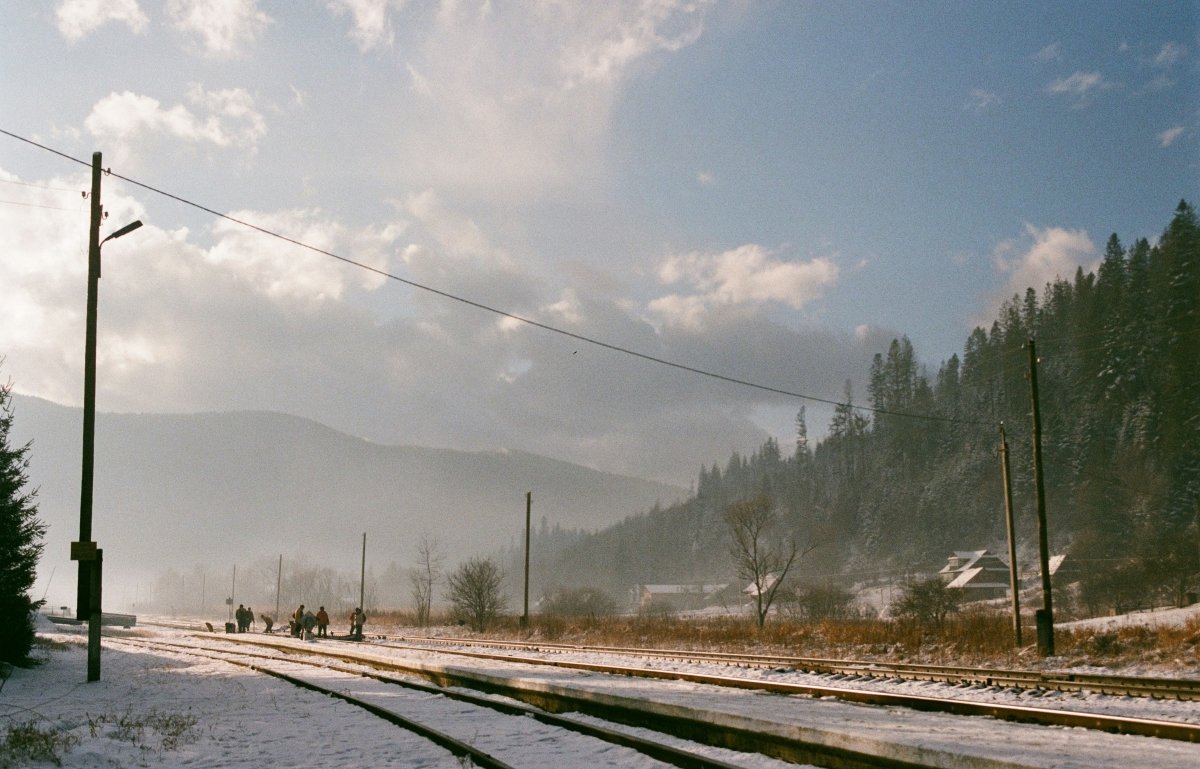
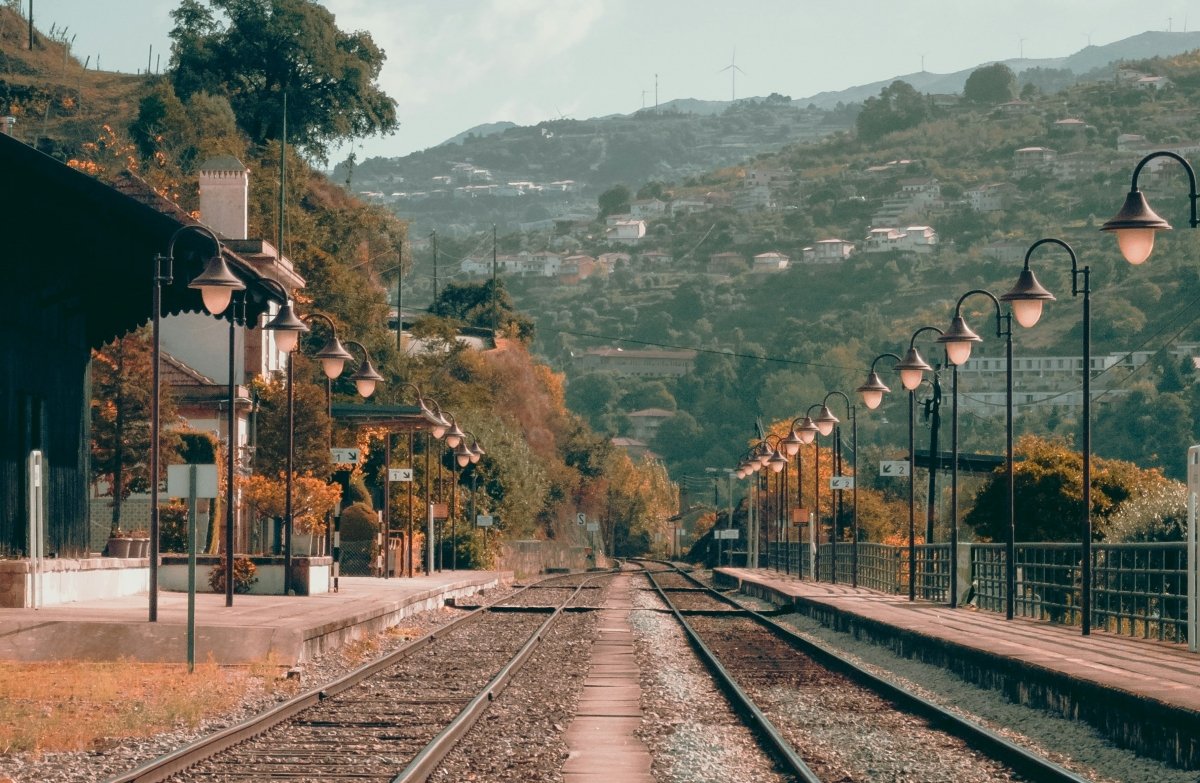
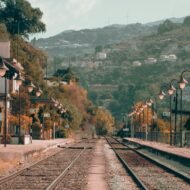
One of forgotten stations surrounded by forests, rivers cutting through isolated valleys, and trains that still move slowly enough to let travelers absorb the landscape instead of rushing through it.
While famous journeys like the Glacier Express or Venice Simplon-Orient-Express dominate travel magazines, some of Europe’s most memorable rail experiences remain almost unknown outside local communities and dedicated slow travelers.
These rural train routes are not about luxury in the traditional sense. They offer something increasingly rare: silence, atmosphere, authenticity, and time.
For travelers searching for meaningful journeys rather than checklist tourism, Europe’s hidden railways reveal the continent at its most beautiful.
The Centovalli Railway — Switzerland & Italy
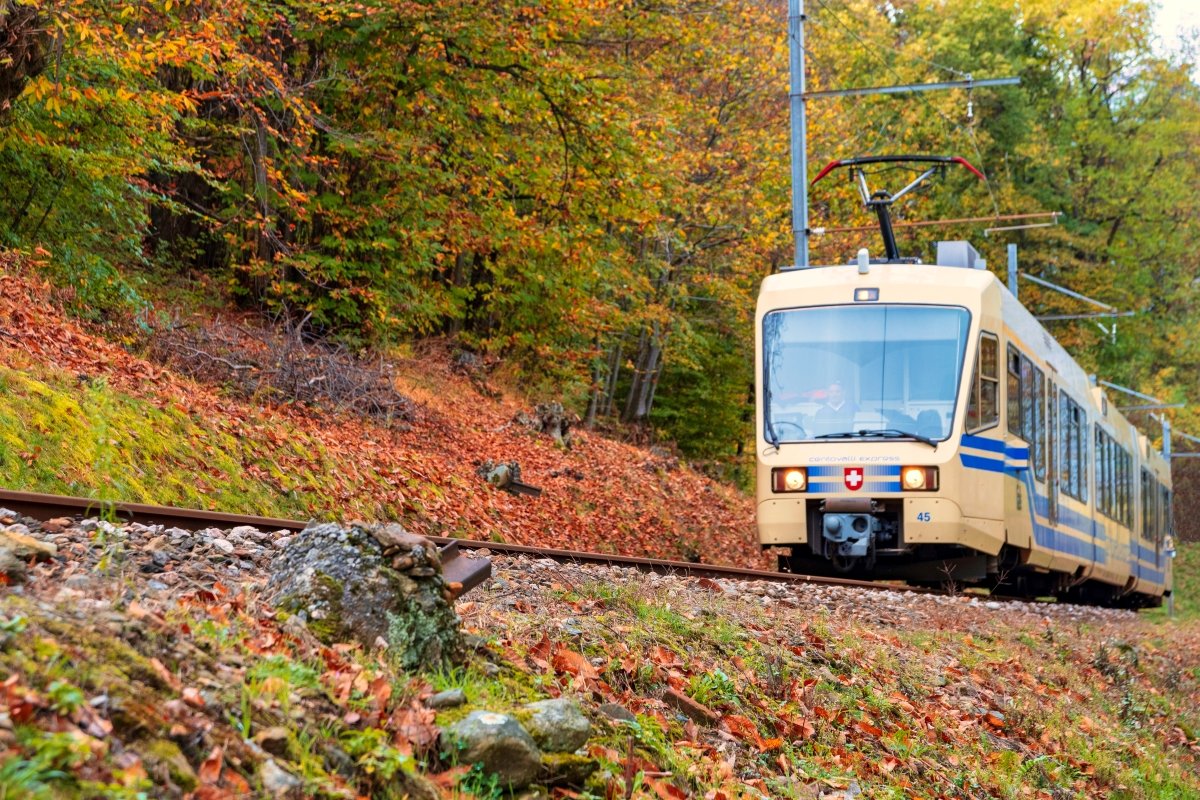
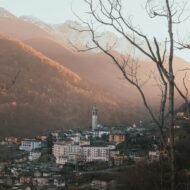
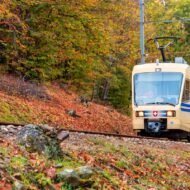
Running between Locarno in Switzerland and Domodossola in Italy, the Centovalli Railway quietly crosses one of Europe’s most cinematic landscapes.
The name means “Hundred Valleys,” and the journey fully lives up to it.
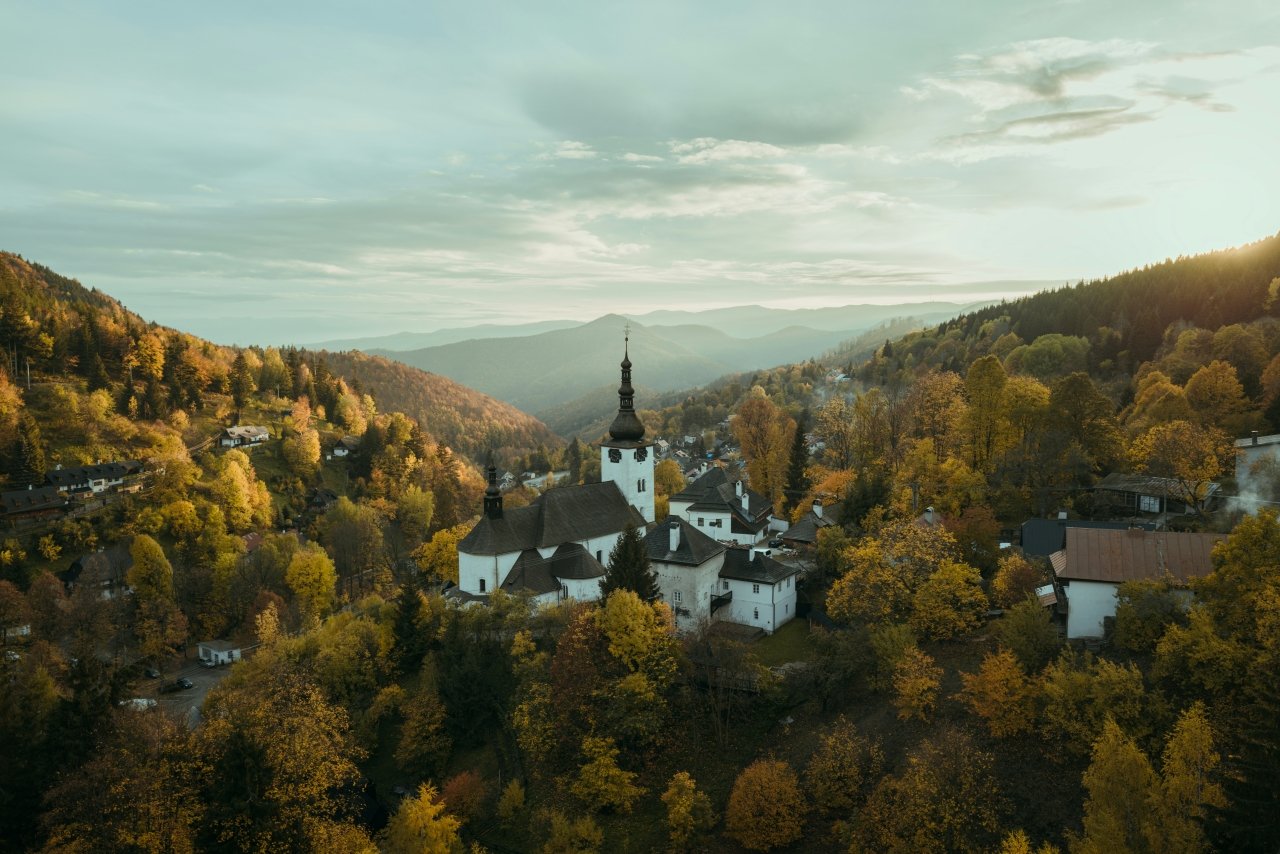
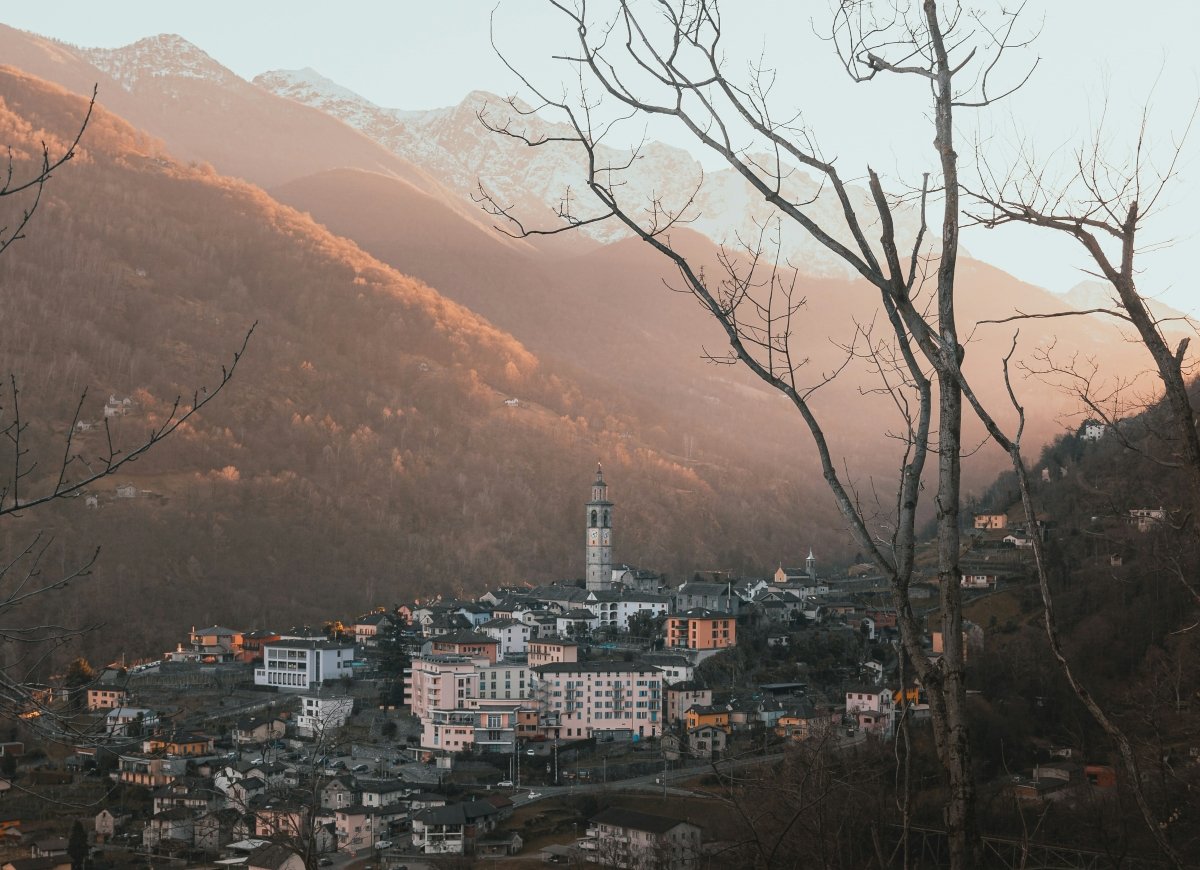
Small villages appear briefly between dense forests and steep cliffs while old stone bridges cross rivers far below the tracks. In autumn, the valleys become a tapestry of deep orange and gold, while spring transforms the route into a corridor of waterfalls and wild greenery.
Unlike many famous Swiss rail experiences, this route still feels local and understated.
Passengers are often surrounded not by tourists, but by students, elderly villagers, and commuters moving through landscapes unchanged for generations.
Portugal’s Douro Line
Few railway journeys capture slow travel as beautifully as Portugal’s Douro Line.
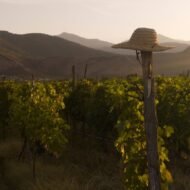
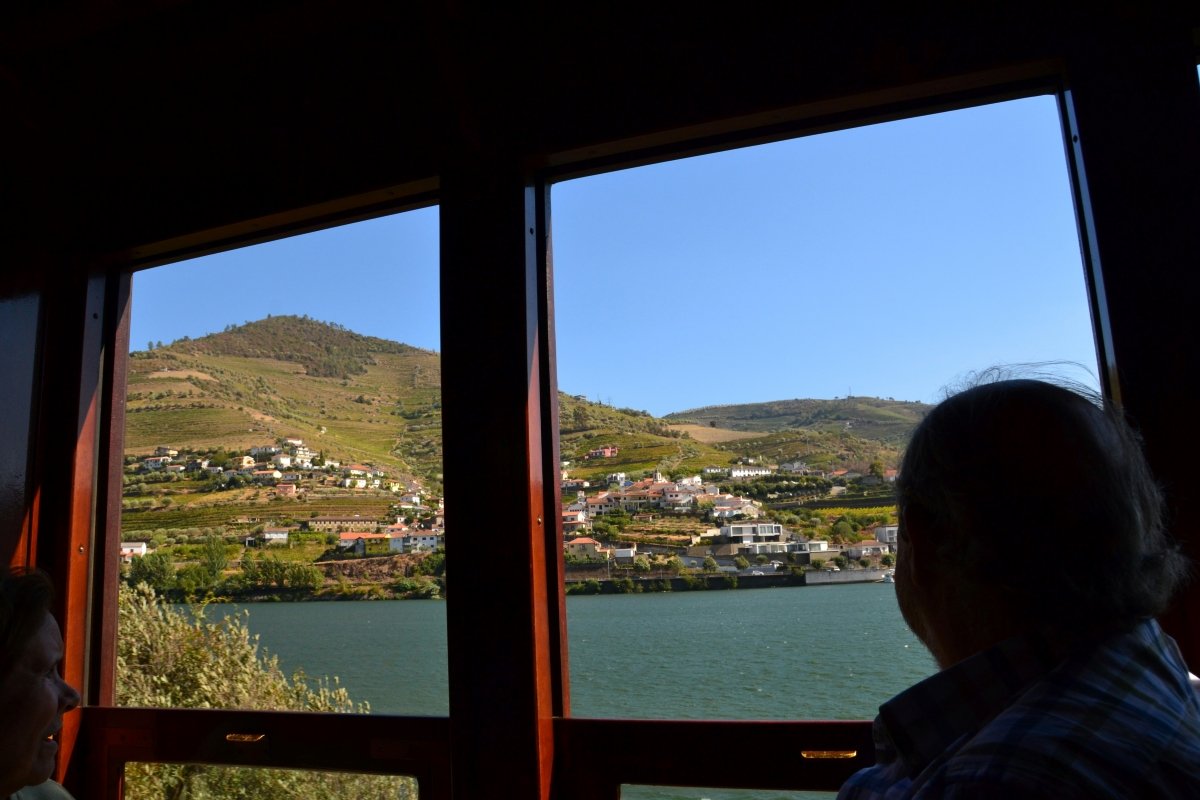
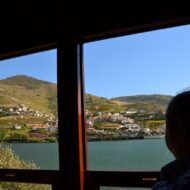
Departing from Porto, the train gradually leaves the city behind and follows the Douro River deep into northern Portugal’s wine country.
Terraced vineyards rise above the water while sleepy stations appear beside olive groves and stone villages. The farther east the train travels, the more timeless the landscape becomes.
This is not a journey designed for efficiency.
It is designed for observation.
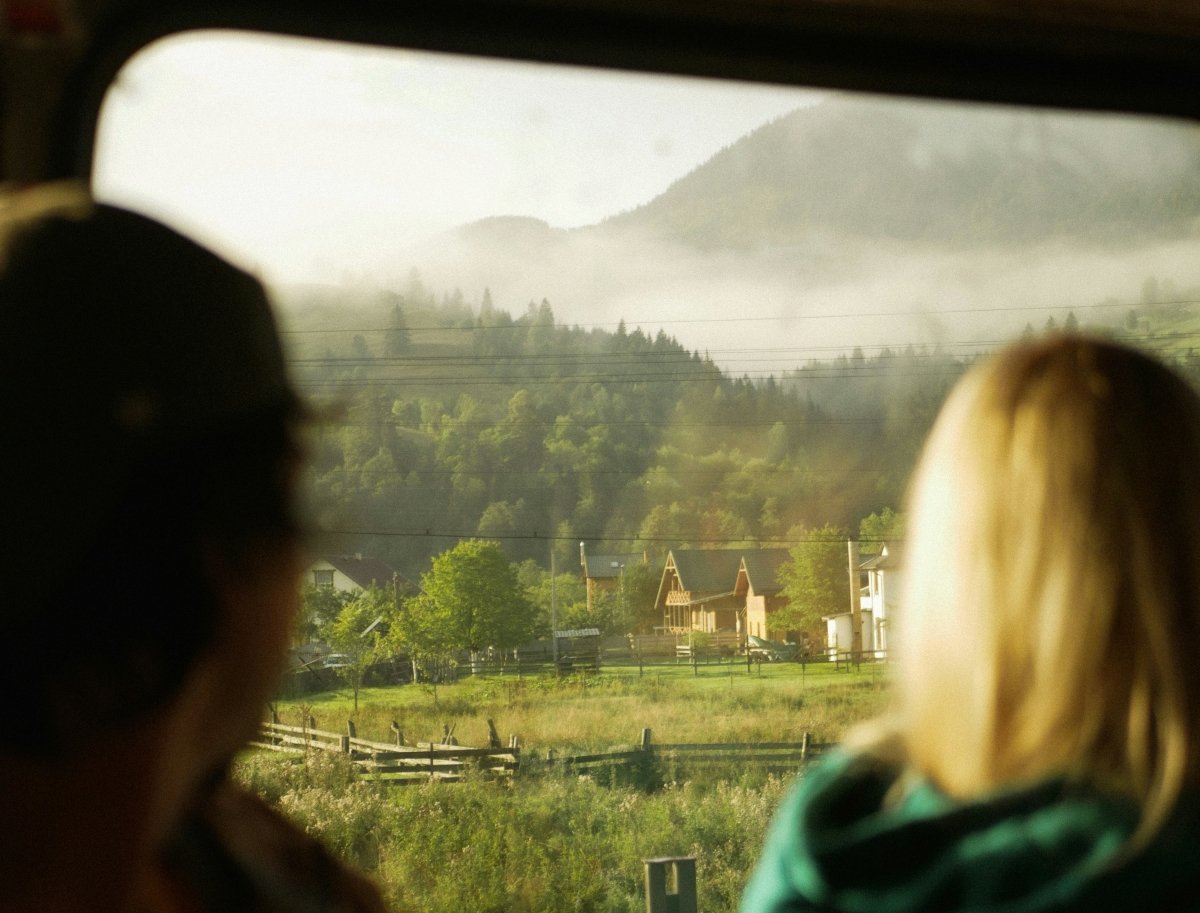
Windows frame river reflections, abandoned farmhouses, and tiny rural churches standing alone among the hills. During late afternoon, the golden light across the vineyards creates one of the most atmospheric rail experiences in Europe.
The Heart of Wales Line — United Kingdom
Far removed from London’s speed and density, the Heart of Wales Line crosses landscapes that feel almost forgotten by modern tourism.
Connecting Swansea and Shrewsbury, the route moves slowly through rolling hills, forests, sheep farms, and tiny villages where stations sometimes serve only a handful of passengers each day.
The beauty here is subtle rather than dramatic.
Old stone cottages, mist-covered fields, and empty rural platforms create an atmosphere closer to literature than tourism marketing.
Travelers looking for grand spectacles may overlook this route entirely.
But those searching for calm and authenticity often remember it long after more famous destinations fade from memory.
Romania’s Rural Railways in Transylvania
Some of Europe’s last truly untouched rural rail experiences can still be found in Romania.
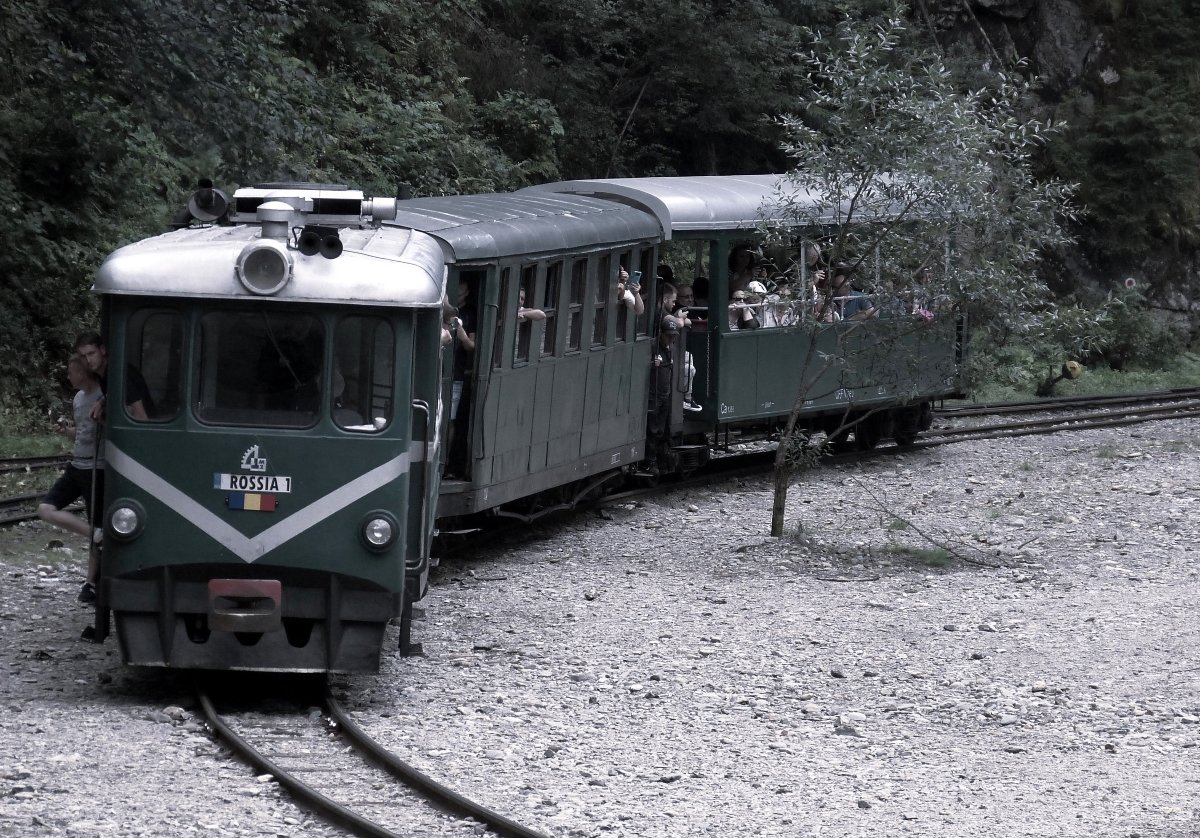
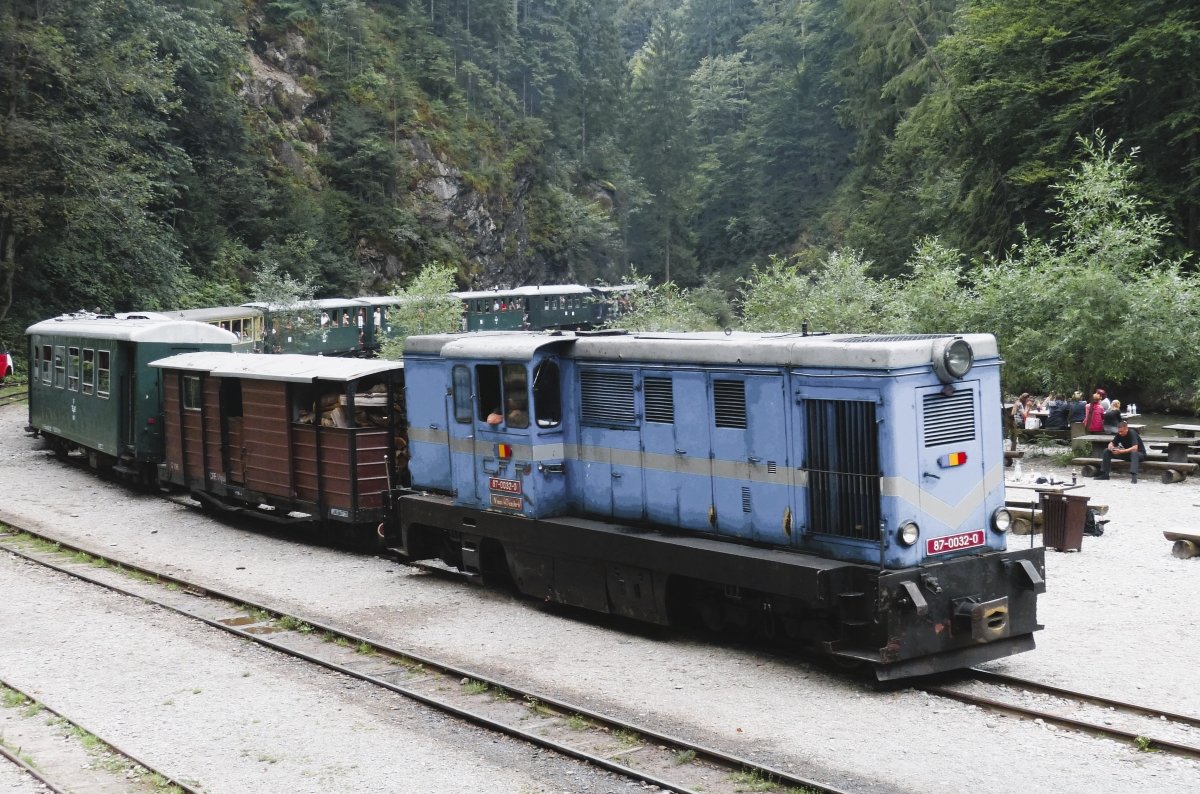
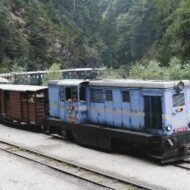
Across Transylvania and the Carpathian regions, older trains continue connecting villages where traditional rural life remains remarkably intact.
The routes between Brașov, Sibiu, Sighișoara, and Maramureș reveal landscapes rarely seen in Western Europe today:
- hay fields worked by hand
- horse-drawn carts
- fortified churches
- forests stretching for miles
The trains themselves are simple and unpolished, but that is precisely their charm.
These journeys feel real.
They offer a Europe untouched by over-curation and mass tourism — a rare quality in modern travel.
Norway’s Rauma Railway
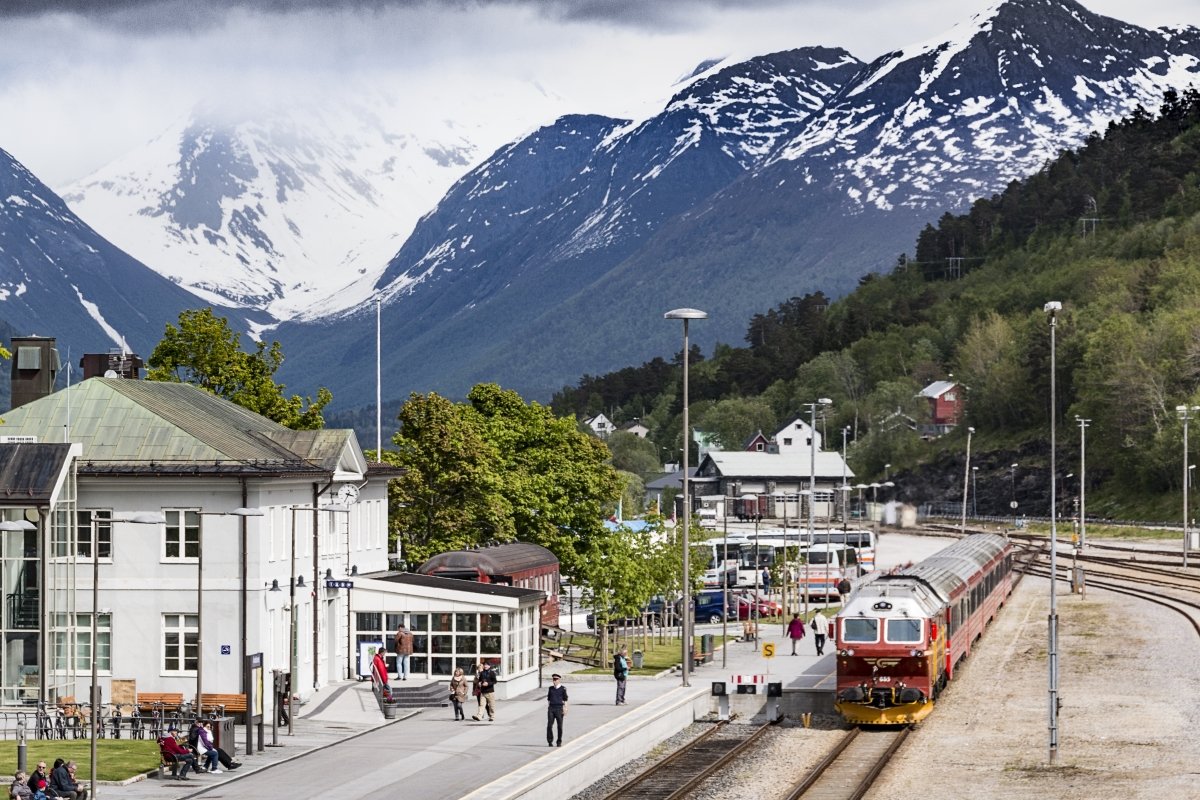
Norway’s Rauma Railway remains one of Scandinavia’s most underrated train journeys.
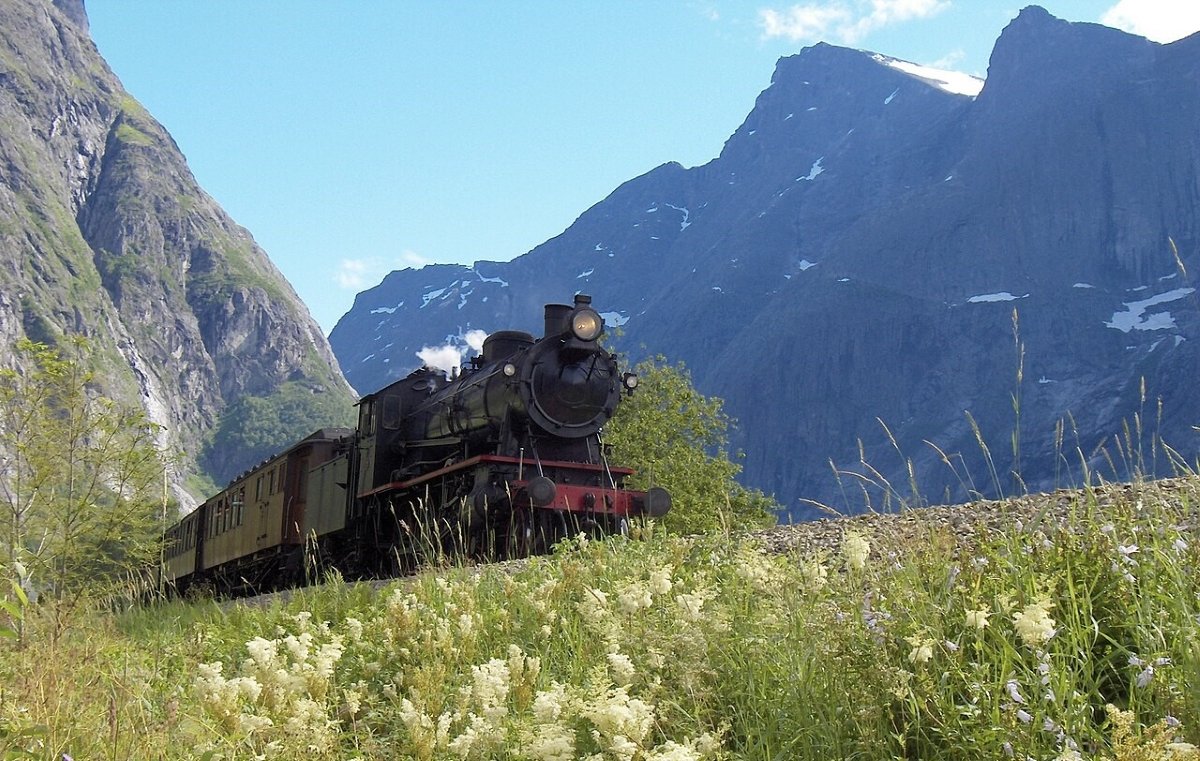
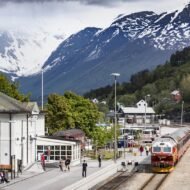
Running between Dombås and Åndalsnes, the route cuts through immense mountain landscapes, crossing dramatic bridges and deep valleys beneath snow-covered peaks.
Unlike Norway’s heavily photographed tourist routes, the Rauma line still retains a quieter and more contemplative atmosphere.
The train moves alongside rivers fed by glacial water while isolated farms cling to the edges of the valley floor.
Winter brings silence and snow-covered wilderness.
Summer reveals waterfalls and endless green mountain scenery.
In every season, the journey feels cinematic.
Why Europe’s Rural Train Routes Matter
As overtourism reshapes many European destinations, rural train travel offers an alternative approach to discovery.
These railways encourage:
- slower movement
- deeper observation
- sustainable tourism
- meaningful encounters with local life
More importantly, they reconnect travelers with the idea that the journey itself can be the destination.
In a world increasingly dominated by airports, algorithms, and efficiency, slow rail travel feels unexpectedly human.
Final Thoughts
Europe’s hidden rural railways reveal the continent at its most atmospheric and authentic.
Far from crowded landmarks and overexposed itineraries lies another rhythm of travel — one defined by quiet stations, changing landscapes, and the simple pleasure of watching the countryside pass slowly beyond the window.
Sometimes the most memorable places are not the ones everyone talks about.
They are the ones discovered gradually, somewhere between two forgotten stations.