





Ready to experience Europe’s most enchanting summer tradition? From midnight sun parties to bonfire rituals, here’s your complete guide to celebrating Midsummer like a local across the continent.
- Why Midsummer Should Be on Every Traveler’s Bucket List
- Sweden: The Midsummer Capital of the World
- Finland: Where Midnight Sun Meets Ancient Magic
- Norway: Bonfires by the Fjords
- Latvia: Ancient Pagan Traditions Alive and Well
- Iceland: Volcano Concerts and Glacier Parties
- Stonehenge, UK: Where Ancient Meets Eternal
- Planning Your Midsummer Adventure: Pro Tips
- Food and Drink: The Midsummer Feast
- Beyond the Mainstream: Hidden Midsummer Gems
- Making the Most of Midsummer 2025
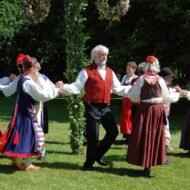
Picture this: It’s nearly midnight, but the sky glows like golden hour. You’re dancing around a flower-crowned maypole with strangers who feel like family, while a massive bonfire crackles nearby and the scent of grilled fish fills the air. Welcome to Midsummer in Europe – arguably the continent’s most magical celebration that most tourists never experience.
If you’ve only heard about Midsummer from that disturbing 2019 horror movie, let me paint you a much brighter (and less murderous) picture. This ancient celebration of the summer solstice is pure joy – think of it as Christmas meets music festival meets nature worship, all rolled into one unforgettable weekend.
Why Midsummer Should Be on Every Traveler’s Bucket List
Midsummer celebrates the longest day of the year around June 20-24, when the sun barely sets in northern Europe. But this isn’t just about astronomical events – it’s about experiencing European culture at its most authentic and joyful.
Here’s what makes Midsummer special:
- Incredible photo opportunities: Midnight sun, massive bonfires, and flower-crowned dancers
- Authentic cultural immersion: Join locals in traditions that date back thousands of years
- Unique seasonal experiences: Many celebrations only happen during this magical white night period
- Budget-friendly fun: Most Midsummer events are free public celebrations
- Perfect weather: Europe’s warmest, longest days with festivals that last all night
Sweden: The Midsummer Capital of the World
Let’s start with the heavyweight champion of Midsummer celebrations. In Sweden, Midsummer is bigger than Christmas, with Midsummer Eve falling on Friday, June 20, 2025.
What Makes Swedish Midsummer Unmissable
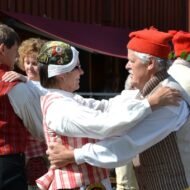
The ultimate Swedish Midsummer experience involves dancing around a maypole decorated with flowers and greenery, singing traditional drinking songs with flavored schnapps in hand, and feasting on pickled herring, buttery new potatoes, chives, and sour cream.
The must-do Midsummer checklist in Sweden:
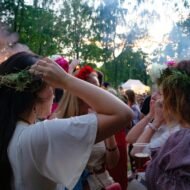
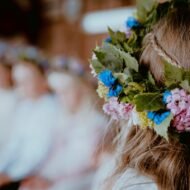
- Flower crown making: Everyone wears fresh wildflower crowns (seriously, everyone)
- Maypole dancing: Join the circles around the “midsommarstång”
- Traditional feast: Sample the smorgasbord of pickled fish and new potatoes
- Midnight revelry: Party under the midnight sun (it literally doesn’t set in northern Sweden)
Best Places to Celebrate in Sweden
Stockholm’s Skansen Museum hosts the most traditional celebration with folk costumes, wreath weaving, and authentic folk dancing. Skansen has been celebrating Midsummer since 1886, making it a tried-and-true experience.
For adventure seekers: Head to Riksgränsen ski resort on the Norwegian border, where the sun never sets and neither does the party.
Pro tip: Most Swedes flee to countryside summer houses, so if you want the authentic experience, try to score an invitation or book a countryside accommodation well in advance.
Finland: Where Midnight Sun Meets Ancient Magic
Finnish Midsummer, called “Juhannus,” takes place on the Saturday between June 20-26 and is considered the official start of warm weather and summer holidays.
The Finnish Midsummer Experience
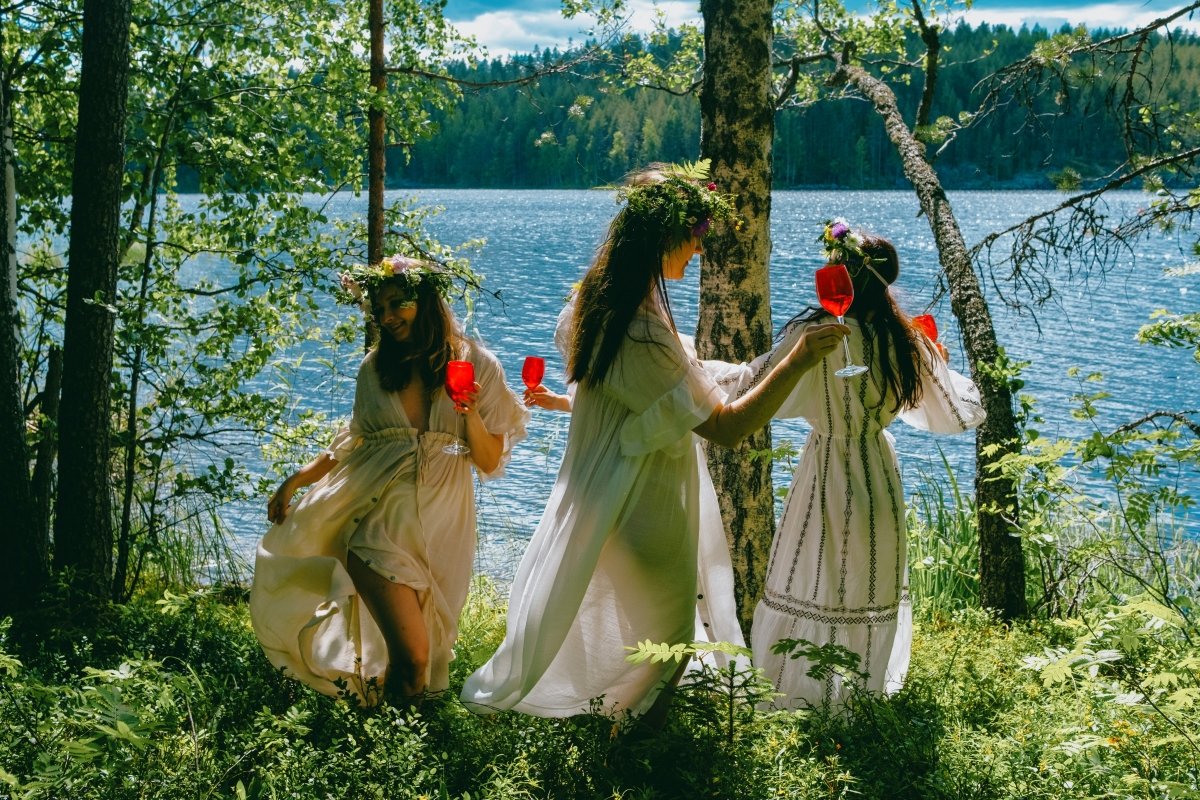
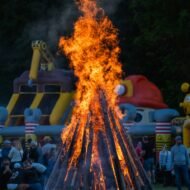
Finland’s Midsummer is pure magic. The festival combines ancient pagan traditions with Christian elements, featuring kokko (massive bonfires), birch branch decorations, and sauna rituals.
What you’ll experience in Finland:
- Lakeside bonfires: Huge “kokko” bonfires placed near water create stunning reflections
- Midnight sauna sessions: Traditional Finnish saunas followed by lake dips at midnight
- Folklore and magic: Young women collect seven different flowers to place under pillows, hoping to dream of future spouses
- White nights: Experience the phenomenon where darkness never really falls
Where to Celebrate Juhannus
Helsinki’s Seurasaari Island offers one of the country’s biggest celebrations. The event features folk dancers and musicians from across Finland, traditional maypole dancing, and runs from 5 PM to 1 AM.
For nature lovers: Lakeland Finland is the most popular destination for authentic Midsummer celebrations, where families retreat to lakeside “mökki” (holiday homes).
Norway: Bonfires by the Fjords
While Midsummer isn’t a public holiday in Norway like in Sweden, the day is still marked with outdoor parties and massive bonfires. Norwegians call it Sankthansaften and celebrate on June 23.
Norwegian Midsummer Highlights
Oslo’s celebrations feature some seriously impressive pyrotechnics. Typically, an animal effigy is set alight on the fjord waters of Sukkerbiten, with events at the Norwegian Folk Museum including yodeling, wreath making, and horse and carriage rides.
The views of bonfires reflecting off fjord waters are absolutely Instagram-worthy – just saying.
Latvia: Ancient Pagan Traditions Alive and Well
Latvia’s Jāņi festival runs overnight from June 23-24 and is deeply rooted in mysticism and folk traditions. This is where you’ll find some of Europe’s most authentic pagan celebrations.
Latvian Midsummer Magic
The mysticism runs deep here – locals believe plants picked on the summer solstice have healing powers and can ward off evil spirits, while bathing in morning dew brings beauty and youth.
What makes Latvian Jāņi special:
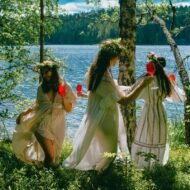
- Oak leaf wreaths: Traditional crowns made from oak leaves and wildflowers
- Herbal magic: Midnight herb gathering for healing and protection
- Ancient rituals: Some of Europe’s most authentic pagan traditions
- All-night celebrations: The party literally goes until dawn
Iceland: Volcano Concerts and Glacier Parties
Leave it to Iceland to take Midsummer to the next level. The Summer Solstice Festival in Reykjavík (June 23-25) features parties inside glaciers and geothermal springs, plus tours to natural wonders.
This isn’t your traditional flower-crown-and-maypole situation – Iceland does Midsummer with a distinctly modern, almost otherworldly twist that you won’t find anywhere else.
Stonehenge, UK: Where Ancient Meets Eternal
Built around 5,000 years ago, Stonehenge’s standing stones align with the sun on both summer and winter solstices. Thousands gather to witness the sunrise behind the Heel Stone and see senior druid King Arthur Pendragon conduct a service.
Why Stonehenge is worth the crowds:
- Historical significance: Experience a 5,000-year-old tradition
- Spiritual atmosphere: Join druids, pagans, and curious travelers from around the world
- Unique access: One of the few times you can get close to the stones
- Unforgettable sunrise: The spectacular sunrise arrives on the morning of June 21, 2025
Planning Your Midsummer Adventure: Pro Tips
Timing Your Trip
Midsummer Eve 2025 falls on Friday, June 20, making it perfect for a long weekend trip. Most celebrations happen on Friday evening and continue through Saturday.
What to Pack
- Layers: Nordic weather is unpredictable
- Mosquito repellent: Essential for outdoor celebrations, especially in Finland
- Comfortable dancing shoes: You’ll be doing a lot of folk dancing
- Camera with night mode: For those magical midnight sun shots
Budget Considerations
Most Midsummer celebrations are free public events, but accommodation prices spike during this popular weekend. Book early or consider staying slightly outside major cities.
Cultural Etiquette
- Join in: Don’t be shy about participating in dances and songs
- Bring flowers: Contribute to communal flower crown making
- Respect traditions: Even if you don’t understand the language, participate respectfully
- Stay late: The real magic happens after midnight
Food and Drink: The Midsummer Feast
Each country has its traditional Midsummer menu, but you’ll find common themes across Europe:
Nordic staples: Fresh new potatoes with dill, pickled herring in various flavors (onion, mustard, curry), gravlax (cured salmon), and crisp bread with butter and cheese
Drinks: Aquavit or “snaps” with traditional drinking songs – “Helan går” is the most popular, and if you skip the first drink, you’re not allowed the next one called “Halvan”
Desserts: Fresh strawberries feature heavily, often with cream or in traditional pancakes
Beyond the Mainstream: Hidden Midsummer Gems
Austria’s Alpine Fires
Tyrol, Austria features elaborate mountain bonfires and candles from the German border to Bolzano, Italy, creating fiery hearts and crosses across the Alps. This 200-year-old tradition is absolutely breathtaking and way less crowded than Nordic celebrations.
Estonia’s White Nights
Estonia celebrates Jaanipäev on June 24 during their “white nights” when it never gets fully dark. It’s like Finland’s celebration but with fewer crowds and lower prices.
Denmark’s Cozy Sankthansaften
Denmark celebrates Sankthansaften on June 23 with family gatherings around bonfires. It’s more intimate than Sweden’s massive celebrations but equally charming.
Making the Most of Midsummer 2025
Midsummer offers something you can’t get from typical European city breaks – authentic cultural immersion in traditions that predate recorded history. Whether you’re dancing around a maypole in Sweden, jumping over bonfires in Latvia, or watching the sunrise at Stonehenge, you’re participating in celebrations that connect you to thousands of years of European heritage.
The bottom line: Midsummer is Europe’s best-kept secret for travelers who want to experience something truly special. It’s a chance to celebrate light, community, and the simple joy of being alive during the most beautiful time of year in the world’s most beautiful continent.
So pack your flower crown, practice your folk dancing, and get ready for a Midsummer adventure that’ll give you stories to tell for years. Just don’t blame me when you start planning your entire European vacation schedule around next year’s Midsummer celebrations – this magical tradition has a way of capturing hearts and creating lifelong memories.
Trust me, after experiencing your first European Midsummer, you’ll understand why locals consider it the highlight of their entire year.