



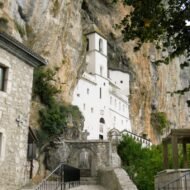
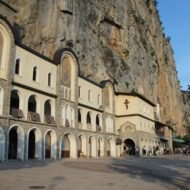
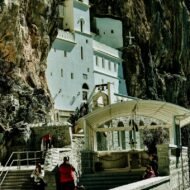
TL;DR: Ostrog Monastery is a jaw-dropping Serbian Orthodox monastery literally carved into a cliff face 900 meters above Montenegro’s Zeta Valley. It’s free to visit, welcomes all faiths, and is considered one of the most important pilgrimage sites in the Balkans. Expect stunning views, spiritual vibes, and some seriously impressive 17th-century architecture that’ll leave you wondering how on earth they built this place!
- Why Ostrog Monastery Should Be on Your Montenegro Bucket List
- The Incredible Story Behind This Cliff-Side Wonder
- What You’ll Actually See When You Visit
- Planning Your Visit: Everything You Need to Know
- How to Get There: Your Transportation Options
- Driving (Most Popular Option)
- Public Transportation (For the Adventurous)
- Tours (Stress-Free Option)
- Taxi Services
- Where to Stay: Accommodation Options
- Insider Tips for the Best Experience
- The Cultural Significance: Why This Matters
- Modern-Day Miracles and Healing Stories
- Combining Your Visit: Perfect Day Trip Ideas
- Practical Final Tips
- Making the Most of Your Montenegro Adventure
Why Ostrog Monastery Should Be on Your Montenegro Bucket List
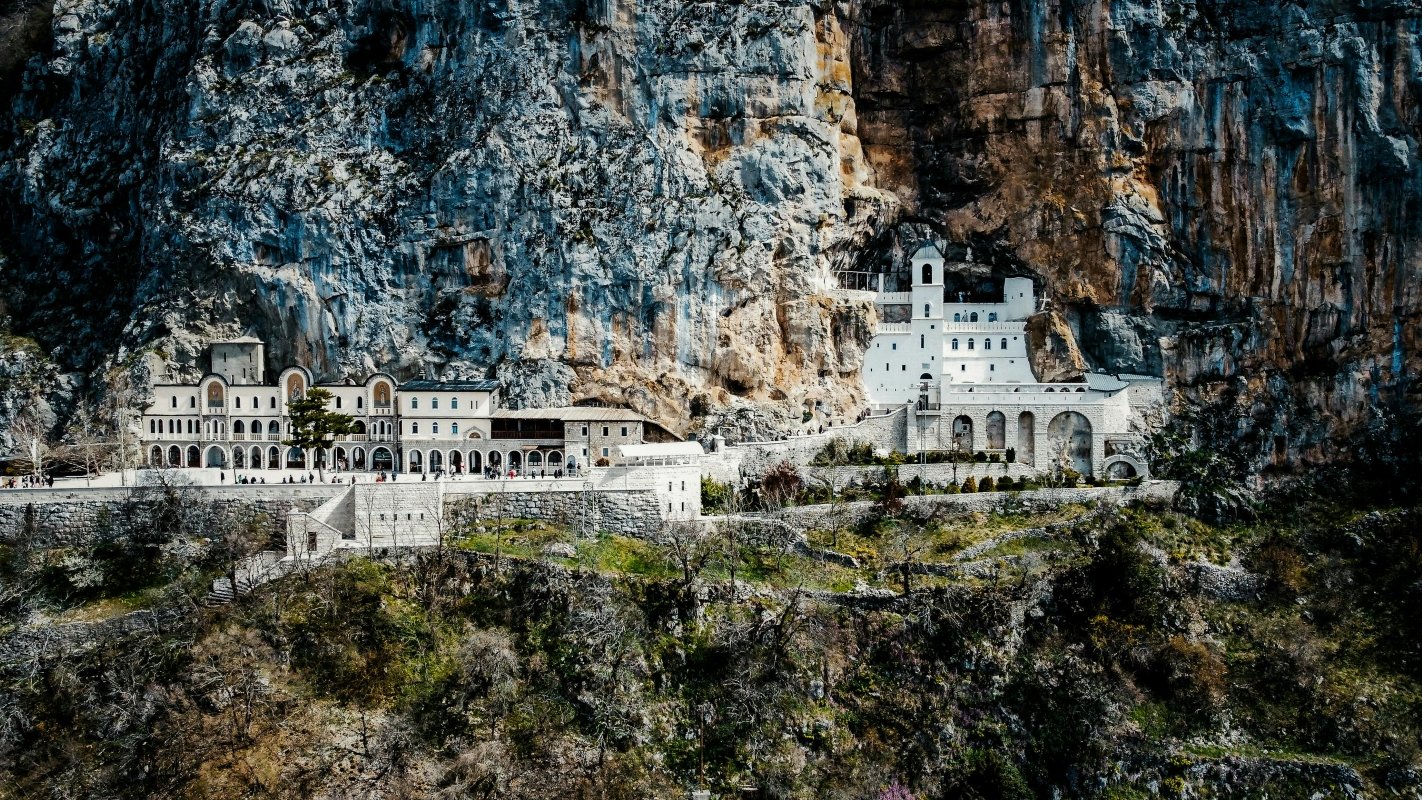
Picture this: you’re driving through Montenegro’s countryside when suddenly you spot a gleaming white building that looks like it’s floating on a vertical cliff face. That’s Ostrog Monastery, and trust me, photos don’t do it justice. This architectural marvel attracts over a million visitors annually, making it the most important pilgrimage site in Montenegro and the most visited monastery in the Balkans.
What makes Ostrog special isn’t just its death-defying location – it’s a place where Orthodox Christians, Catholics, and Muslims come together, creating one of those rare spiritual experiences that transcends religious boundaries. Whether you’re a believer seeking miracles or a traveler chasing Instagram-worthy shots, Ostrog delivers on every level.
The Incredible Story Behind This Cliff-Side Wonder
Saint Basil: The Man Behind the Miracle
Ostrog Monastery was founded in the 17th century by Saint Basil of Ostrog (originally Stojan Petrović Jovanović), who was born in 1610 in Herzegovina and later became the Metropolitan Bishop. When the Ottoman Empire was wreaking havoc across the Balkans, Saint Basil didn’t just run – he found the most impossible place to build a monastery and made it happen.
Saint Basil started with three natural caves in the rock face. He decided to build the Church of the Presentation in the first cave, a bedroom for guests in the second cave, and a chapel for religious artifacts in the third cave. Talk about making the most of your real estate!
The Mysteries That Keep People Coming Back
Here’s where things get really interesting. Seven years after Saint Basil’s death in 1671, the abbot of a nearby monastery had recurring dreams where Saint Basil ordered him to open his grave. When they finally did, they found his body perfectly preserved and smelling of basil – a sign of holiness in the Orthodox Church.
But wait, there’s more! At the place where Saint Basil died, amidst stones and without earth, a vine grew and still grows there today. Its fruit is believed to cure infertility. And yes, people still come from around the world hoping for healing miracles.
What You’ll Actually See When You Visit
The Two-Part Experience
Ostrog isn’t just one building – it’s actually two monasteries connected by a winding road and hiking trail:
The Lower Monastery (Donji Manastir)
- Centers around the Church of the Holy Trinity and hosts most monk residences and dorm rooms for pilgrims
- Built in the 19th century
- Where locals come for active liturgies, baptisms, and weddings
- Has a natural spring where you can fill bottles with cold, sweet water
The Upper Monastery (Gornji Manastir)
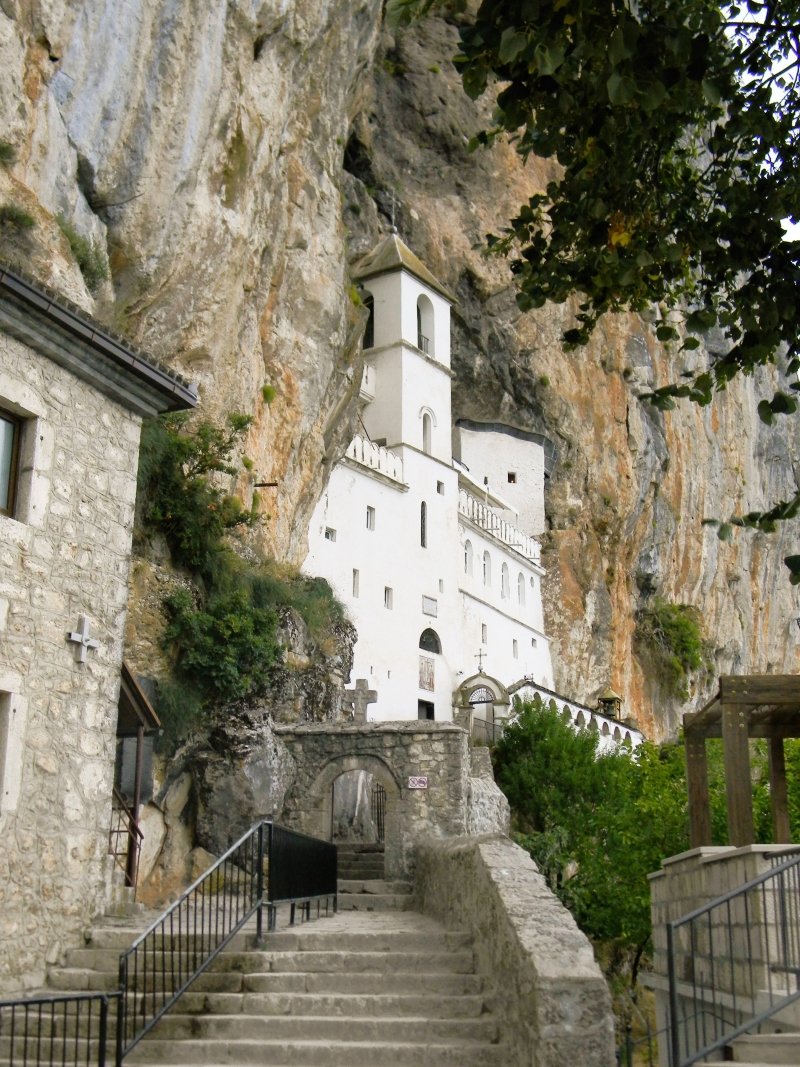
- The star of the show – literally built into the cliff face
- Made up of two cave churches: the Church of the Holy Cross and the Church of the Presentation, where Saint Basil’s remains lie
- Features 17th-century frescoes painted by Serbian master artist Radul
- The white buildings you see in all those spectacular photos
What to Expect Inside
Don’t expect a typical church experience. You’ll need to bow down to pass through tiny doorways into cave churches carved directly into the rock. The atmosphere is hushed and reverent, with monks occasionally singing in the background while pilgrims light candles and pray.
The main attraction is the Church of the Presentation, where Saint Basil’s relics are kept. During high season (May, July, August), you’ll need to line up to enter, but the wait is worth it for the spiritual experience and incredible frescoes.
Planning Your Visit: Everything You Need to Know
When to Go
Operating Hours:
- May to September: 6:00 AM – 5:00 PM
- October to April: 5:00 AM – 4:00 PM
Best Times to Visit:
- Early morning for fewer crowds and better lighting
- May 12th is Saint Basil’s feast day when thousands of pilgrims visit – expect major crowds but incredible atmosphere
- Avoid midday in summer unless you enjoy melting
What It Costs (Spoiler Alert: It’s Free!)
Admission fee: Absolutely nothing (but donations are gratefully accepted). That’s right – one of Europe’s most spectacular religious sites won’t cost you a cent. You can buy candles, icons, and religious items in the gift shop, and donations for the monks and the poor are welcome.
Dress Code: Don’t Get Turned Away!
This is super important – Ostrog is an active religious site with a strict dress code:
Essential Requirements:
- Long skirt or trousers and a top that covers your shoulders
- No need for super formal attire – long pants work fine
- Head covering for women is appreciated but not mandatory
Pro Tip: There are no changing rooms available, so dress appropriately before you arrive. Some visitors report that apron-like skirts are provided at the entrance for those who forgot, but don’t count on it!
How to Get There: Your Transportation Options
Coordinates: 42°40′30″N 19°01′45″E
Driving (Most Popular Option)
From Podgorica: About 1.5-2 hours (50km) From Kotor: About 2-2.5 hours (120km) From Nikšić: About 30 minutes (15km)
Take the route via Spuž rather than the main E762 highway – it’s slightly longer but much safer. The final approach road is winding and steep, but perfectly manageable with a regular car.
Parking: Free parking available at both the Lower and Upper Monastery levels.
Public Transportation (For the Adventurous)
Seven daily trains run from Podgorica to Dabovići (Ostrog) station. The journey takes 45 minutes and costs €2 each way. From there, it’s about a 90-minute uphill hike to the Lower Monastery, plus another 45-60 minutes to reach the Upper Monastery.
Reality Check: The train stations in Montenegro are often unmanned and can feel like ghost towns, so this option is really only for hardcore backpackers.
Tours (Stress-Free Option)
Day Tours from Major Cities:
- Tours start from €30 per person and include transport plus a local guide
- Private tours run about €100 per person
- Popular combination tours include Durmitor National Park, Tara Canyon, and other northern Montenegro highlights
Taxi Services
- Taxis from Podgorica cost about €40 and can wait for you during your 2-hour visit
- Taxis are usually available at the Upper Monastery parking area for return trips
Where to Stay: Accommodation Options
Staying at the Monastery
Yes, you can actually sleep at this cliff-side sanctuary! The Lower Monastery offers 29 dorm rooms with 8-10 beds each, separated by gender. Beds cost €4 per person per night.
What to Expect:
- Basic accommodations with a 5:30 AM wake-up call along with the monks
- Free sleeping mats provided for pilgrims in front of the Upper Monastery during summer
- This is a monastery, not a hotel – expect a spiritual, not luxury, experience
Nearby Hotels
Hotel Sokoline is highly recommended and offers an attached restaurant, sun terrace, and working WiFi with incredible views – perfect for that coffee-with-a-view Instagram shot.
Insider Tips for the Best Experience
Photography and Respect
- The monastery is incredibly photogenic, but remember it’s an active place of worship
- Most visitors are religious and the atmosphere is reverent
- Ask before photographing people, especially pilgrims and monks
What to Bring
- Empty water bottle: You can collect blessed water from a consecrated spring near the Upper Monastery entrance
- Comfortable walking shoes: Even if you drive to the top, there’s still walking involved
- Sun protection: You’ll be exposed on the cliff face
- Cash for donations: While entry is free, small donations are appreciated
Timing Your Visit
- Plan for 2 hours minimum if starting from the Lower Monastery
- If driving directly to the Upper Monastery, 1-2 hours is sufficient
- Early morning visits offer the best lighting and fewer crowds
The Cultural Significance: Why This Matters
Ostrog isn’t just a tourist attraction – it’s a living piece of Balkan history. The monastery is so deeply embedded in Montenegro’s culture that many locals, even non-believers, commonly “swear to Ostrog” when making promises.
This Orthodox monastery represents a meeting place for all confessions: Orthodox, Catholic, and Muslim visitors all come here seeking healing, peace, and spiritual connection. In a region historically torn by religious conflicts, Ostrog stands as a symbol of unity and shared human experience.
Modern-Day Miracles and Healing Stories
The miracle stories haven’t stopped with Saint Basil’s death. People continue to report healing experiences, including modern accounts like that of former US Senator William Barr, who claimed to have been healed after visiting and identifying Ostrog from recurring dreams.
Whether you believe in miracles or not, there’s something undeniably powerful about this place. Many visitors report feeling a sense of peace and spiritual connection, regardless of their religious background.
Combining Your Visit: Perfect Day Trip Ideas
Northern Montenegro Adventure
Many visitors combine Ostrog with other northern Montenegro highlights:
- Durmitor National Park and the famous Black Lake
- Tara River Canyon – Europe’s deepest canyon
- Žabljak – Montenegro’s highest town
- Tara Bridge – the famous concrete arch bridge
Waterfall and Nature Combo
Popular day trips from Podgorica include both Ostrog Monastery and Montenegro’s “Niagara Falls” at Cijevna River – a perfect combination of spiritual and natural beauty.
Practical Final Tips
Weather Considerations
- Summer: Can be extremely hot – start early and bring sun protection
- Winter: Monastery opens earlier (5 AM) but closes earlier (4 PM)
- Spring/Fall: Ideal weather with comfortable temperatures and good visibility
Language and Communication
- Many monks speak basic English
- Gift shop staff usually speak English and German
- Serbian/Montenegrin phrases are appreciated but not necessary
Health and Safety
- The altitude and steep terrain can be challenging for some visitors
- Take your time with the uphill walk
- Stay hydrated, especially in summer
Making the Most of Your Montenegro Adventure
Ostrog Monastery represents everything that makes Montenegro special – dramatic natural beauty, rich spiritual heritage, and the kind of jaw-dropping architecture that makes you question what’s actually possible. Whether you come as a pilgrim seeking healing, a history buff fascinated by Balkan culture, or simply someone who appreciates incredible views, this cliff-side sanctuary delivers an experience you’ll be talking about for years.
The fact that it’s completely free to visit just makes it even more special. In a world where everything costs money, Ostrog reminds us that some of the most profound experiences – whether spiritual, cultural, or simply aesthetic – can’t be bought.
So pack your long pants, bring an empty water bottle, and prepare to have your mind blown by one of Europe’s most remarkable religious sites. Just don’t blame us when you find yourself planning your return trip before you’ve even left the parking lot!
Have you visited Ostrog Monastery? Planning a trip to Montenegro? Share your experiences and questions – this incredible place has a way of creating memories that last a lifetime, and every visitor’s story adds to its rich tapestry of modern miracles and spiritual encounters.