







TL;DR: Europe’s educational trails combine stunning scenery with hands-on learning experiences. From Italy’s legendary Sentiero degli Dei to Lithuania’s peaceful Dubrava trail, these paths offer everything from astronomy lessons to archaeological discoveries. Perfect for curious travelers who want more than just pretty views!
- Why Educational Trails Matter More Than Ever
- 1. Sentiero degli Dei (Path of the Gods), Italy
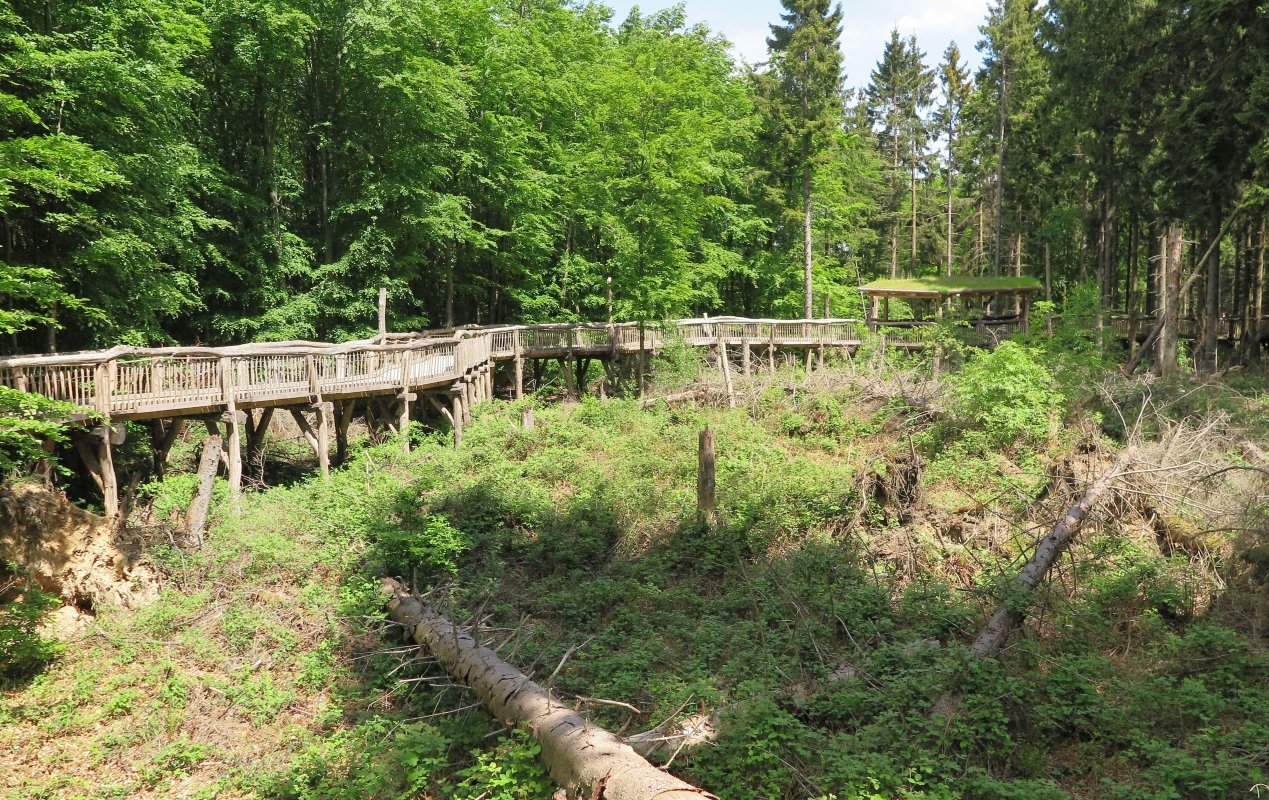
- 2. Eifel National Park Discovery Trails, Germany
- 3. Montsec Astronomical Trail, Spain
- 4. GeoPark Carnic Alps, Austria/Italy
- 5. Kilmartin Glen Archaeological Trail, Scotland
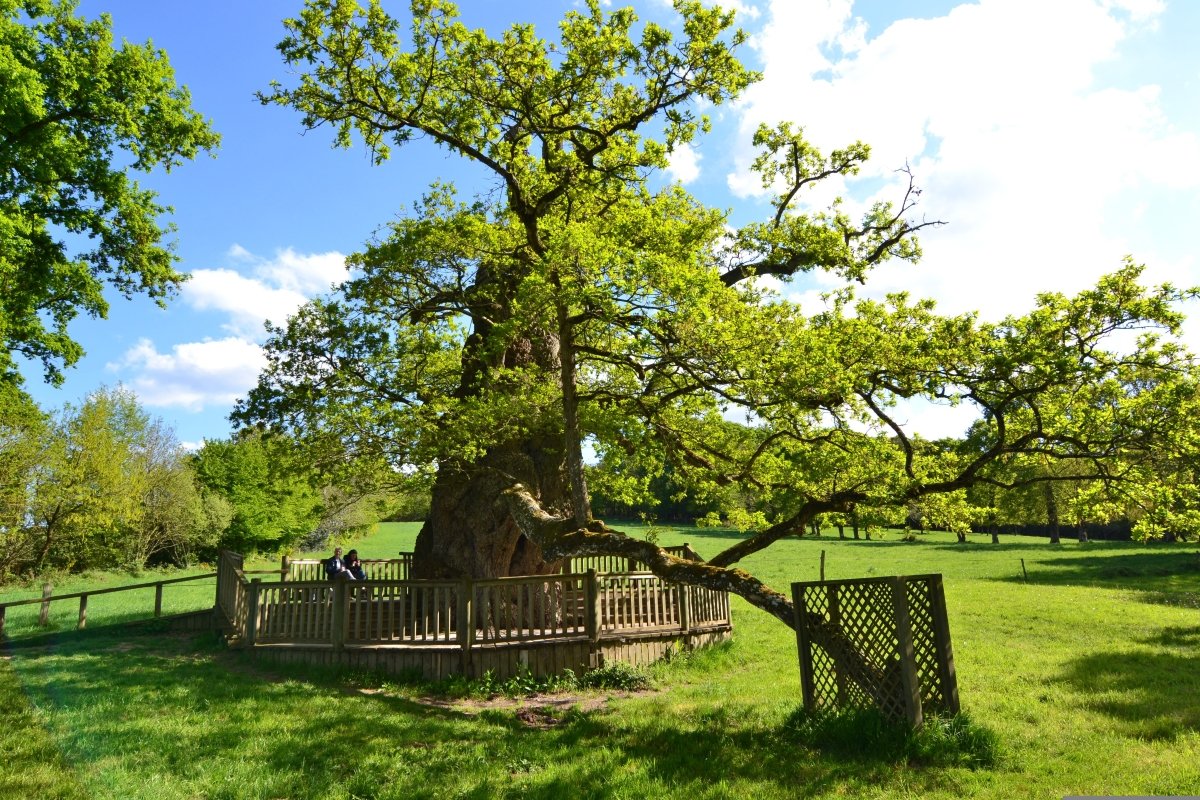
- 6. The Fairytale Trail in Brocéliande Forest, France
- 7. Educational Walking Trails Kaluđerske Bare, Tara National Park, Serbia
- 8. The Vela Draga Educational Trail, Croatia
- 9. Drvošec Educational Trail, Slovenia
- 10. Dubrava Educational Trail, Lithuania
- Final Thoughts: Why Your Next Trip Should Include Educational Trails
Ever wondered if you could get your steps in AND learn something fascinating at the same time? Welcome to Europe’s incredible world of educational walking trails – where every footstep comes with a story, every vista teaches you something new, and your hiking boots become your classroom shoes.
Why Educational Trails Matter More Than Ever
Let’s be real – we’re living in a world where most of our learning happens behind screens. But there’s something magical about outdoor learning that no YouTube video can replicate. When you’re standing on ancient Roman stones or identifying constellations through mountain air, your brain lights up in ways that make information stick like superglue.
Educational trails aren’t just trendy – they’re transforming how we travel. Instead of rushing from selfie spot to selfie spot, you’re engaging with local ecosystems, understanding geological formations, and connecting with centuries of human history. It’s sustainable tourism at its finest, creating deeper connections between travelers and destinations while supporting local communities who maintain these incredible resources.
These trails matter because they make learning accessible to everyone – whether you’re 8 or 80, whether you need mobility assistance or you’re training for marathons. They’re designed with inclusive experiences in mind, offering multiple ways to engage with content and accommodate different learning styles and physical abilities.
1. Sentiero degli Dei (Path of the Gods), Italy
This isn’t just Instagram-famous for nothing. The Sentiero degli Dei along the Amalfi Coast delivers jaw-dropping Mediterranean views while teaching you about ancient trade routes, terraced agriculture, and the delicate balance of coastal ecosystems.
What you’ll learn: Traditional Italian farming techniques, limestone geology, and how medieval communities carved life from steep cliffs. The trail features information panels explaining how locals have cultivated lemons and grapes on impossible terrain for over 1,000 years.
Practical info:
- Length: 8km (5 miles)
- Difficulty: Moderate
- Best time: April-June, September-October
- Start: Agerola or Nocelle
- Cost: Free (just parking fees)
Insider tip: Download the official app before you go – it provides GPS guidance and audio commentary in multiple languages, making the geological and historical insights accessible even if you don’t read Italian signage.
2. Eifel National Park Discovery Trails, Germany
Germany’s Eifel National Park proves that educational doesn’t mean boring. These discovery trails turn forest walks into interactive science labs, with hands-on stations teaching everything from wildlife tracking to understanding volcanic soil.
What you’ll learn: Forest regeneration after human intervention, volcanic geology of the Eifel region, and innovative conservation techniques. Kids (and adults!) love the “forest detective” stations where you solve ecological puzzles.
Practical info:
- Multiple trails: 2-15km options
- Difficulty: Easy to moderate
- Best time: Year-round (different seasons offer different learning focuses)
- Start: Vogelsang visitor center
- Cost: Free trail access, parking €3
Accessibility highlight: Many sections are wheelchair accessible, with tactile learning stations designed for visitors with visual impairments.
3. Montsec Astronomical Trail, Spain
Ready to have your mind blown by the universe? Spain’s Montsec Astronomical Trail combines hiking with stargazing education, taking advantage of some of Europe’s clearest night skies in this designated Dark Sky Reserve.
What you’ll learn: Constellation identification, light pollution impacts, and how ancient civilizations used stars for navigation. Interactive panels teach you to use sundials and understand seasonal changes through astronomical observation.
Practical info:
- Length: 3.5km circuit
- Difficulty: Easy
- Best time: Clear nights year-round (check moon phases for optimal stargazing)
- Start: Àger Observatory
- Cost: Trail free, observatory visit €8-12
Pro tip: Time your visit during new moon phases for the most spectacular night sky views. The trail is specifically designed for safe night walking with subtle lighting that doesn’t interfere with astronomy.
4. GeoPark Carnic Alps, Austria/Italy
This cross-border geological wonderland lets you literally walk through 500 million years of Earth’s history. The Carnic Alps GeoPark features fossilized coral reefs, ancient sea floors, and some of the best-preserved geological records in Europe.
What you’ll learn: How mountain ranges form, fossil identification, and the story of when this alpine region was underwater. Interactive geological timeline displays help you understand deep time concepts that usually make people’s brains hurt.
Practical info:
- Multiple trails: 2-20km options
- Difficulty: Easy to challenging
- Best time: June-October
- Start: Various points in Carinthia and Friuli
- Cost: Free trails, guided tours €15-25
Cool factor: You can actually touch 400-million-year-old fossilized coral reefs – it’s like having a time machine under your hiking boots.
5. Kilmartin Glen Archaeological Trail, Scotland
Step into 5,000 years of human history in Scotland’s Kilmartin Glen, where stone circles, burial cairns, and ancient settlements create Europe’s richest prehistoric landscape. This isn’t just about looking at old stones – it’s about understanding how our ancestors lived, worked, and saw the world.
What you’ll learn: Prehistoric astronomy, Bronze Age burial practices, and how ancient communities organized themselves. The trail features reconstructions and augmented reality elements that bring archaeological sites to life.
Practical info:
- Length: 9km linear route (or shorter loops)
- Difficulty: Easy
- Best time: Year-round (indoor museum for bad weather)
- Start: Kilmartin Museum
- Cost: Museum entry £7.50, trail free
Mind-bending moment: Standing stones aligned with lunar cycles that still work perfectly 4,000 years later – ancient peoples were way more sophisticated than most history classes suggest.
6. The Fairytale Trail in Brocéliande Forest, France
Who says education can’t be enchanting? Brittany’s Brocéliande Forest educational trail weaves together Arthurian legends, medieval history, and forest ecology in a way that makes learning feel like adventure.
What you’ll learn: Medieval forest management, how myths and legends preserve historical memory, and the ecological relationships that create magical-feeling forests. Interactive storytelling stations share Merlin legends while explaining the real history behind the stories.
Practical info:
- Length: 6km circuit
- Difficulty: Easy to moderate
- Best time: Spring and autumn for best forest atmosphere
- Start: Brocéliande tourist office, Paimpont
- Cost: Free trail, audio guide €5
Magical element: The trail includes Merlin’s tomb and the Fountain of Youth – whether you believe in magic or not, the forest ecology explanations are genuinely fascinating.
7. Educational Walking Trails Kaluđerske Bare, Tara National Park, Serbia
Serbia’s Tara National Park offers some of Europe’s most pristine wilderness education, with trails that teach about Balkan biodiversity, traditional mountain cultures, and conservation success stories like the recovery of Serbian spruce forests.
What you’ll learn: Endemic species protection, traditional Serbian mountain agriculture, and how national parks balance conservation with local community needs. The trail showcases successful rewilding projects and sustainable forestry practices.
Practical info:
- Length: 4km educational circuit
- Difficulty: Moderate
- Best time: May-October
- Start: Kaluđerske Bare visitor center
- Cost: Park entry €2, guided tours available
Conservation win: You’re walking through forests that were nearly extinct 50 years ago – a real-world success story of environmental restoration.
8. The Vela Draga Educational Trail, Croatia
Croatia’s Vela Draga canyon trail combines spectacular karst landscape education with lessons about Mediterranean ecosystems and traditional Istrian culture. It’s geology class meets cultural anthropology with stunning views thrown in.
What you’ll learn: Karst formation processes, endemic Croatian plant species, and how traditional Istrian communities adapted to challenging limestone landscapes. Educational panels explain the unique “living laboratory” of Mediterranean karst ecosystems.
Practical info:
- Length: 3km circuit
- Difficulty: Easy to moderate
- Best time: April-June, September-October
- Start: Vela Draga parking area
- Cost: Free
Unique feature: The trail includes a “sound map” installation where you can listen to endemic bird calls and learn to identify species by their songs.
9. Drvošec Educational Trail, Slovenia
Slovenia’s Drvošec trail in Kozjansko Regional Park showcases sustainable agriculture education, traditional crafts, and biodiversity conservation in one of Europe’s most successful community-managed landscapes.
What you’ll learn: Organic farming techniques, traditional Slovenian crafts like beekeeping and fruit drying, and how small-scale agriculture supports biodiversity. Interactive stations let you try traditional techniques like hay-making and apple pressing.
Practical info:
- Length: 5km circuit
- Difficulty: Easy
- Best time: Late spring through early autumn
- Start: Drvošec village
- Cost: Free, craft workshops €10-15
Hands-on highlight: Seasonal workshops where you can learn traditional skills like making herbal teas or understanding natural beekeeping methods.
10. Dubrava Educational Trail, Lithuania
Lithuania’s Dubrava trail in Aukštaitija National Park offers insights into Baltic forest ecosystems, traditional Lithuanian culture, and the fascinating history of one of Europe’s oldest national parks.
What you’ll learn: Baltic forest ecology, traditional Lithuanian woodcraft, and how indigenous communities sustainably managed forests for centuries. The trail features reconstruction of traditional Lithuanian forest settlements and explains sustainable forestry practices.
Practical info:
- Length: 2.5km easy circuit
- Difficulty: Very easy (fully accessible)
- Best time: Year-round
- Start: Aukštaitija National Park visitor center
- Cost: Free
Cultural immersion: Traditional Lithuanian forest management techniques that modern sustainable forestry practices are now rediscovering and implementing globally.
Final Thoughts: Why Your Next Trip Should Include Educational Trails
Educational walking trails represent travel at its absolute best – they’re sustainable, inclusive, engaging, and transformative. Instead of just passing through landscapes, you’re understanding them. Instead of just taking photos, you’re taking knowledge home with you.
These trails prove that learning doesn’t stop after school, that the best classroom is often outdoors, and that curiosity makes every journey more meaningful. Whether you’re interested in ancient history, cutting-edge conservation, or just want to understand the landscape beneath your feet, Europe’s educational trails offer experiences that stick with you long after your hiking boots are back in the closet.
So pack your curiosity along with your water bottle – your brain will thank you for the workout.
Disclaimer: Trail conditions, opening hours, and costs can change seasonally or due to weather conditions. Always check official park websites or contact visitor centers before traveling. Some trails may require advance booking, especially for guided tours or during peak seasons. Difficulty levels are subjective – consider your fitness level and hiking experience when choosing trails. Weather can change rapidly in mountain areas; always carry appropriate gear and check forecasts before heading out.