


TL;DR – The Quick Rundown , Słowinski National Park is where towering sand dunes meet pristine Baltic beaches in northern Poland. Located between the charming villages of Łeba and Rowy, this UNESCO-listed hotspot offers an otherworldly landscape that feels more like the Sahara than Europe. Think hiking, wildlife spotting, water sports, and Instagram-worthy sunset moments—all without the crowds of typical tourist destinations.
- Know Before You Go
- The Magic Behind the Dunes: Why Słowinski Matters
- Getting There: Your Road to Coastal Paradise
- The Dunes Experience: Walking Through Time
- Nature’s Masterpiece: Flora, Fauna & Ecosystem Wonders
- Season-by-Season: When to Actually Go
- Activities Beyond Hiking: Your Full Itinerary
- Where to Stay: Finding Your Perfect Coastal Base
- The Practical Stuff (You Still Need to Know)
- Recap: The Essentials
- Disclaimer
Best time to visit: May-September | Budget: Budget-friendly | Getting there: Nearest major city is Gdansk (90 km away) | Must-do: Hike the dunes and explore the coastal forests.
Know Before You Go
| Aspect | Details |
|---|---|
| Location | Pomeranian Voivodeship, Baltic coast, Poland |
| Distance from Gdansk | ~90 km (1.5-2 hour drive) |
| Distance from Warsaw | ~350 km (5-6 hour drive) |
| Park Size | 18,247 hectares (45,089 acres) |
| Best Season | May to September |
| Entry Fee | Free (optional donations welcomed) |
| Nearest Towns | Łeba (west), Rowy (east) |
| Main Attraction | Moving sand dunes (largest in Europe) |
| UNESCO Status | World Biosphere Reserve |
| Top Activities | Hiking, dune exploration, birdwatching, kayaking, photography |
| Accommodation Options | Guesthouses, hotels, camping sites in Łeba and Rowy |
| Dining | Fresh seafood in coastal villages |
| Getting Around | Car (recommended), bike, or local buses |
| Weather | Cool summers (15-20°C), cold winters; rain year-round |
The Magic Behind the Dunes: Why Słowinski Matters
Here’s something wild: you’re standing in Poland, and the landscape looks like you’ve been transported to North Africa. Słowinski National Park sits on Europe’s only moving sand dunes—these aren’t static monuments. They’re alive, constantly shifting and reshaping themselves thanks to Baltic winds. We’re talking about dunes that move up to 10 meters per year in some spots.
Created in 1967 (and expanded in 1995), the park protects one of the most unique ecosystems on the continent. The park spans roughly 18,247 hectares of pristine coastal wilderness, combining maritime forests, freshwater lakes, and that jaw-dropping sandy landscape that makes photographers weep.
What makes this place truly special? It’s the isolation of it all. While other European beach destinations are crawling with selfie sticks and tour buses, Słowinski remains refreshingly quiet. You get that rare combination of accessibility and authenticity—it’s close enough to Gdansk for a day trip, yet far enough from the beaten path to feel like discovery.
Getting There: Your Road to Coastal Paradise
By Car (Best Option)
Driving is your golden ticket to Słowinski. From Gdansk, take the S6 highway northward toward Rummelsburg, then follow directions to Łeba. The drive takes about 1.5-2 hours, and the coastal road scenery alone is worth the journey. You’ll have freedom to explore at your own pace and access remote areas that buses can’t reach.
Parking is abundant and affordable near both Łeba and Rowy. If you’re visiting from Warsaw (350 km away), plan a 5-6 hour drive—doable as a weekend getaway, though arriving early in the day helps maximize exploring time.
By Public Transport
Poland’s PKP trains connect Gdansk to Łeba with scenic coastal views. From Gdansk, the journey takes about 2-3 hours. Once in Łeba, local buses and minibuses shuttle visitors between the town and park entrance. It’s slower than driving but completely manageable if you’re not in a rush.
By Bike
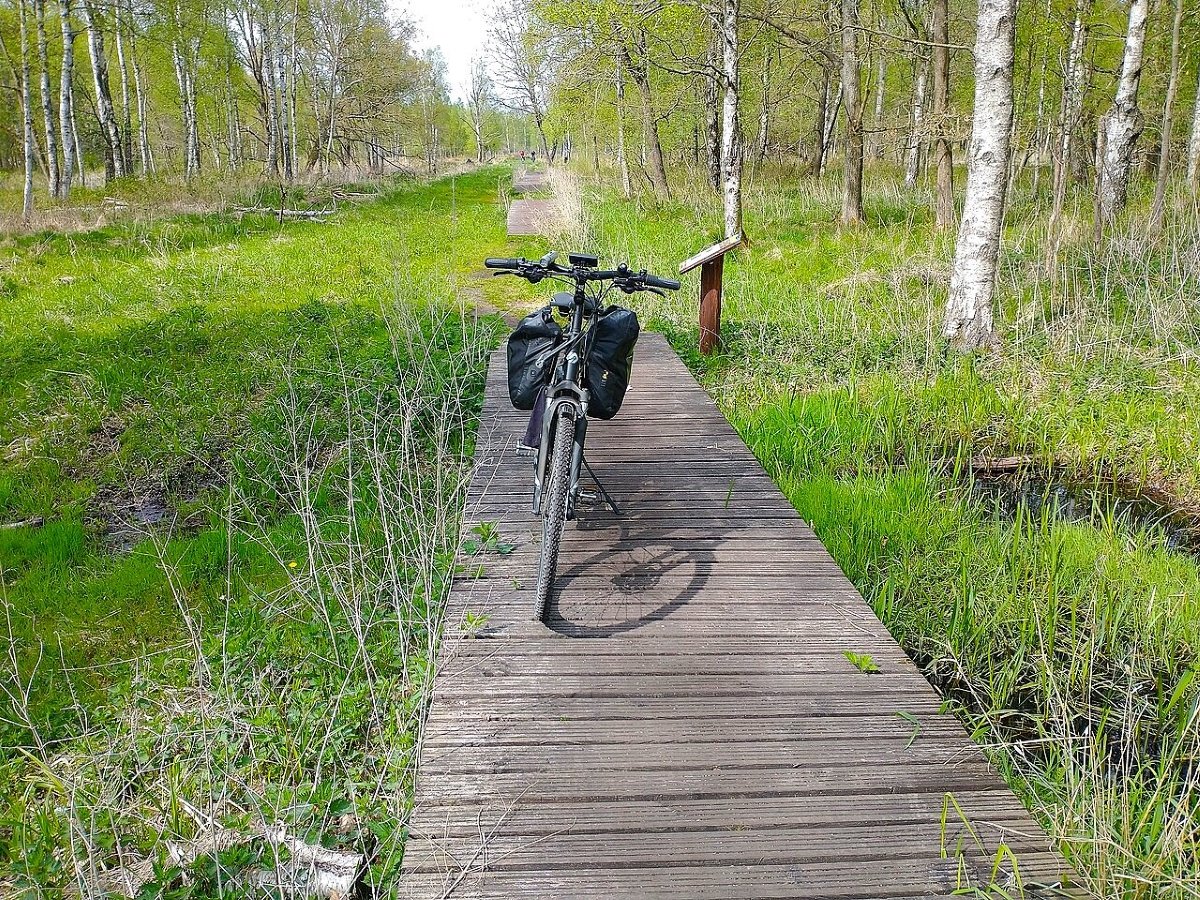
For the adventurous: the coastal bike routes are absolutely stunning. Dedicated cycling paths connect Gdansk to Słowinski, making it a multi-day cycling adventure for serious riders. Several rental shops in Gdansk cater to this market.
The Dunes Experience: Walking Through Time
The star of the show is undoubtedly the moving sand dunes—and they deserve their reputation. These aren’t just pretty hills; they’re a geological phenomenon that shifts your entire perspective on nature’s power.
What You’ll Actually See
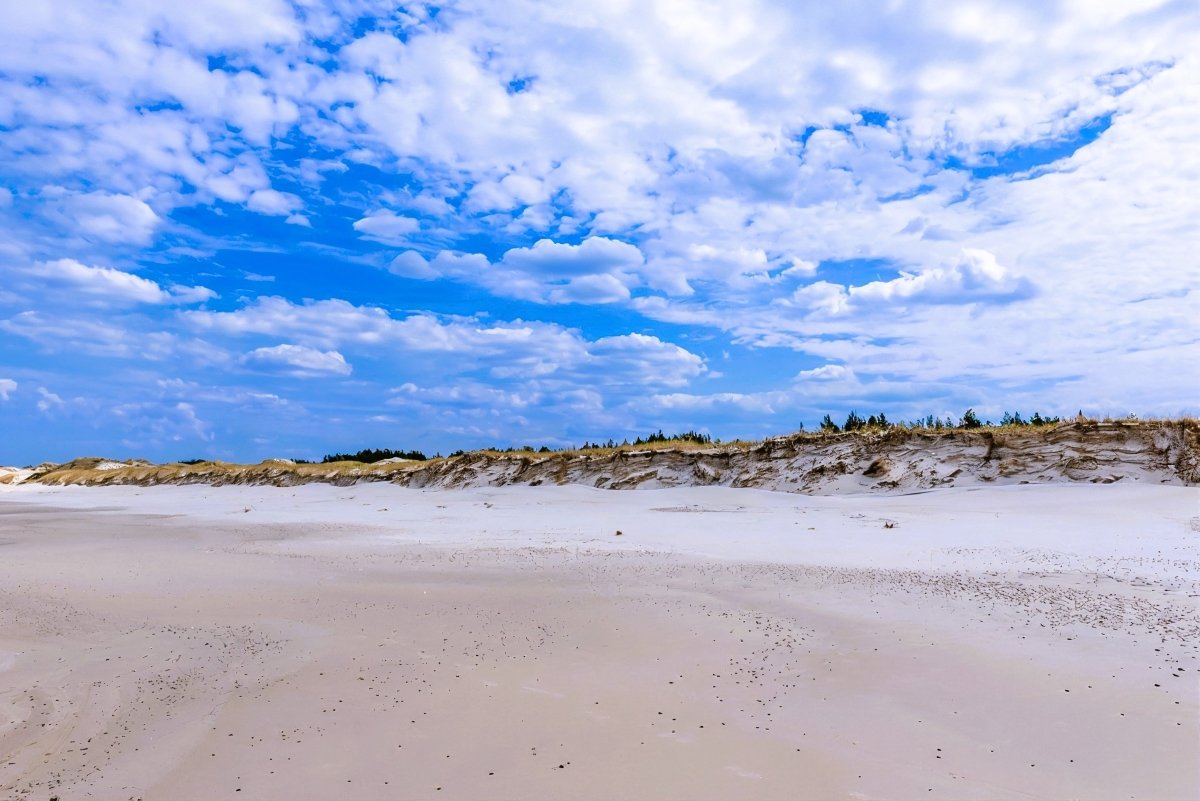
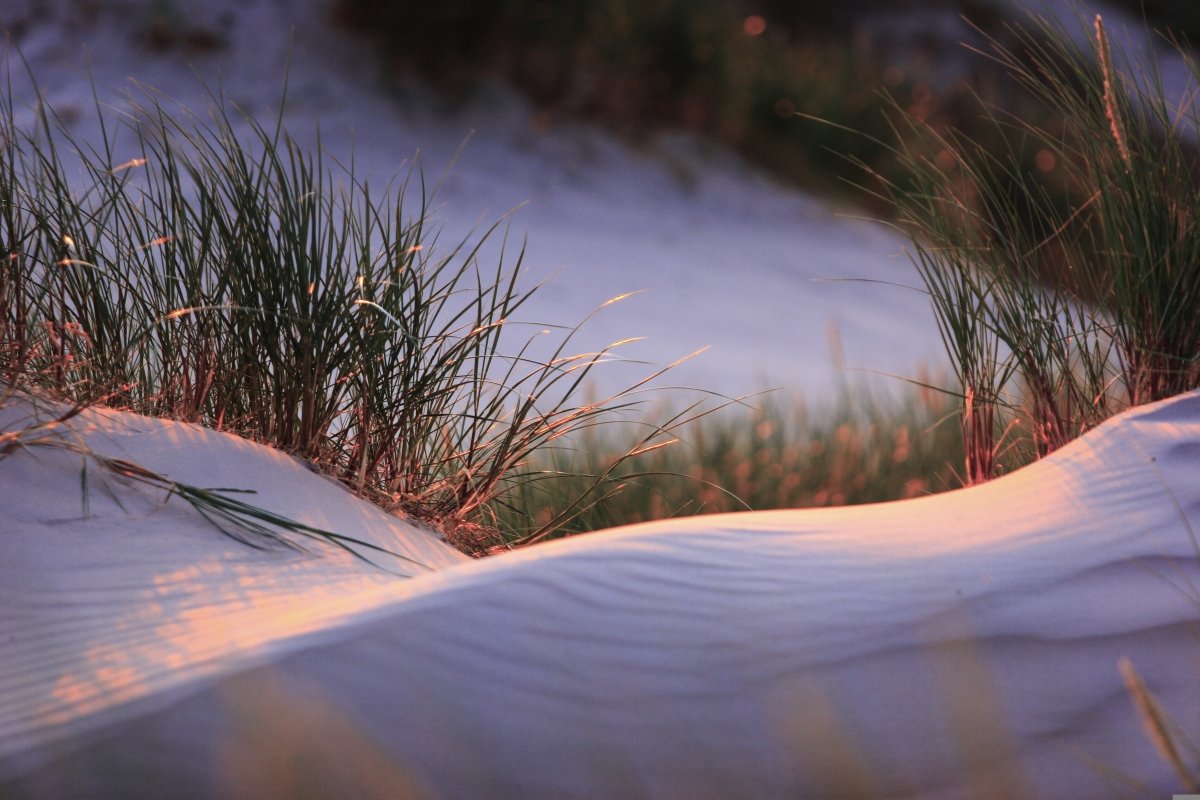
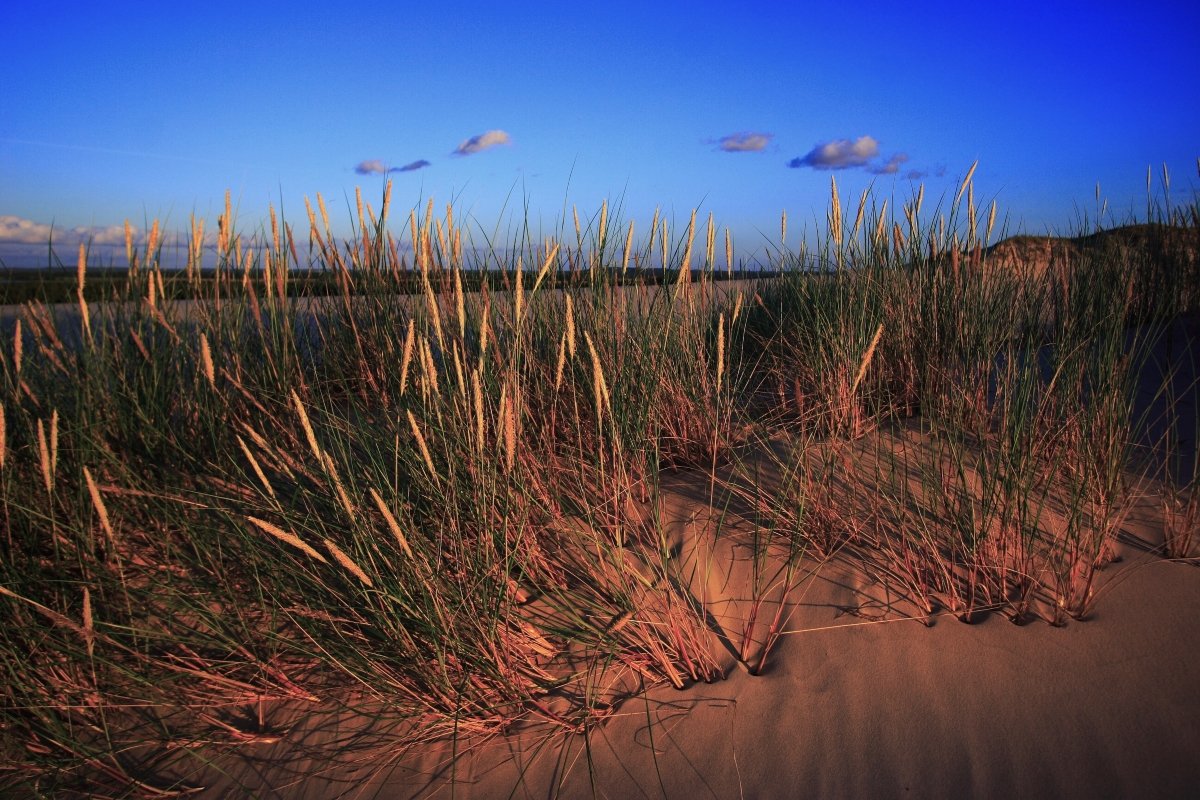
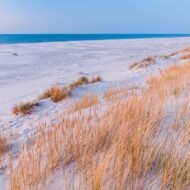
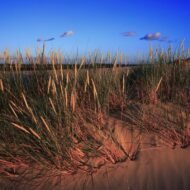
Picture yourself standing on a massive sandy slope covered in sparse beach grass and dwarf pine trees, watching the dune literally move in slow motion across the landscape. The main dune ridge rises up to 42 meters high in some sections. On clear days, you can see across the Baltic; on moody days, the dunes feel like something from a post-apocalyptic film.
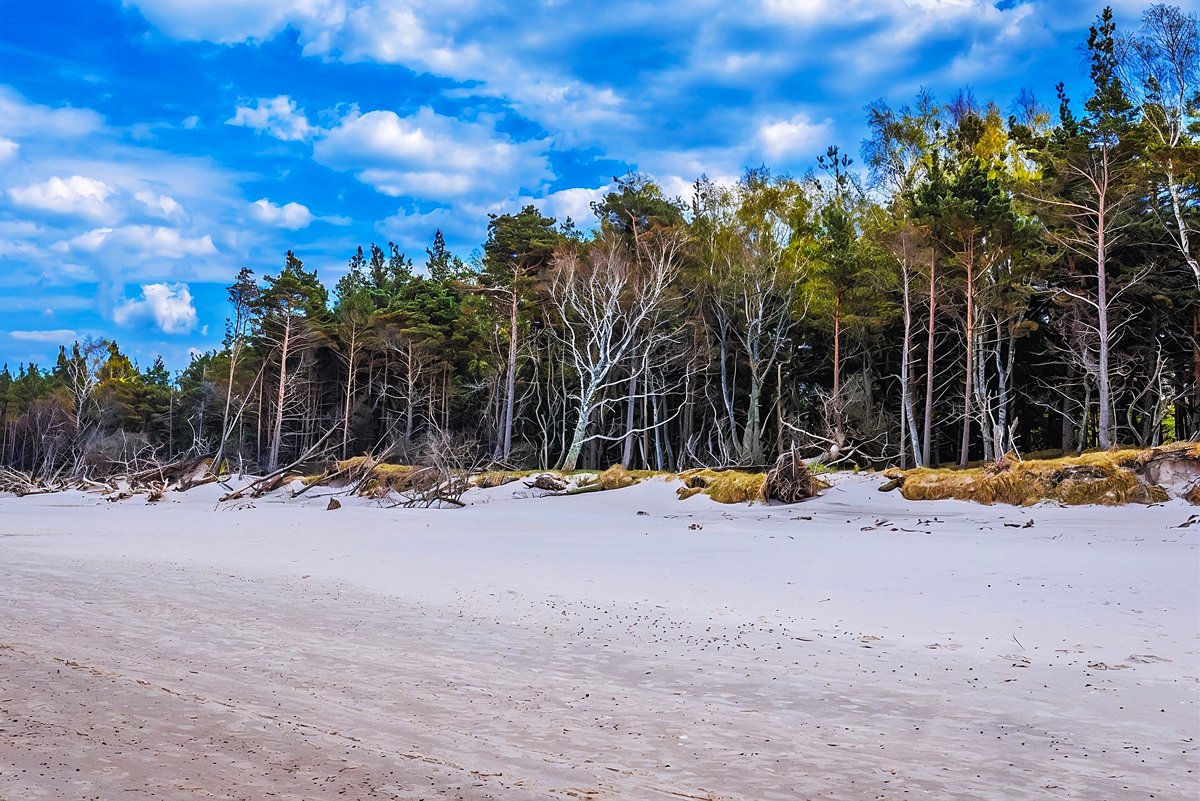
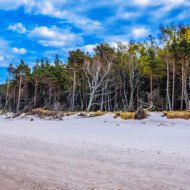
The largest moving dunes create an eerie beauty—some trees are being slowly buried while others emerge from the sand like skeletal monuments. It’s both haunting and mesmerizing.
Hiking Routes That Deliver
The Classic Dune Walk (2-3 hours)
Start from Łeba and follow the marked trail that climbs into the main dune system. The path winds through maritime forest before breaking out onto open sand. Most people tackle this in a morning, grab lunch in Łeba, and relax on the beach in the afternoon. It’s moderate difficulty—bring water and respect your fitness level.
The Rowy Coastal Route (4-5 hours)
Starting from Rowy (the quieter eastern entrance), this trail hugs the shoreline before ascending into dunes. You’ll pass through different ecosystems and get more solitude than the Łeba side. Perfect for those seeking a fuller park experience without huge crowds.
The Inland Lake Circuit (Half-day)
Słowinski has beautiful freshwater lakes behind the dune system. The quieter, less-hyped option that birdwatchers and peaceful wanderers adore. You’ll spot rare species without needing binoculars the size of telescopes.
Trail Tips That Matter
- Wear proper hiking boots—sand, no matter how pretty, is brutal on sneakers
- Start early to beat afternoon crowds and heat
- Bring way more water than you think you’ll need
- Sun protection is non-negotiable; the sand reflects UV rays like a mirror
- Don’t stray from marked paths (the dunes are protected, and you could sink unexpectedly in certain spots)
Nature’s Masterpiece: Flora, Fauna & Ecosystem Wonders
Słowinski isn’t just about pretty landscapes—it’s a biodiversity hotspot masquerading as a beach destination.
The Wildlife Situation
Over 230 bird species pass through or live in the park, making it a paradise for ornithologists. Spring and autumn migrations bring visitors from across the globe. You’ll spot sea eagles, white-tailed eagles, and countless water birds. Early mornings near the lakes are your golden window for birdwatching.
Marine life thrives here too. Seals occasionally pop up along the coast (especially in winter), and fish populations support both wildlife and local fishing traditions.
The Forest Secret
Behind the dramatic dunes lies something unexpected: a rare maritime forest ecosystem. Trees are shaped and stunted by constant wind, creating an alien-looking woodland that’s unlike anything else in Europe. This forest acts as a buffer, protecting inland areas and providing crucial habitat for dozens of protected plant species.
Conservation Status
The park’s UNESCO Biosphere Reserve designation isn’t just honorary—it reflects serious ecological importance. Roughly 25% of Polish plant species are found within the park boundaries. The moving dunes themselves are a protected natural phenomenon; you can’t just go anywhere you want, which is exactly why the ecosystem thrives.
Season-by-Season: When to Actually Go
Summer (June-August): Peak & Crowded
Pros: Warmest weather (18-20°C), longest daylight, all facilities open, vibrant beach life. Cons: Highest prices, busiest trails, occasional rain. Verdict: Go if you love crowds and don’t mind paying premium rates.
Late Spring (May): The Sweet Spot
Pros: Mild weather, spring migration brings bird diversity, fewer visitors, reasonable prices. Cons: Water is cold for swimming, some facilities may be ramping up. Verdict: Our pick for ideal conditions.
Early Autumn (September): The Underrated Winner
Pros: Water is warmest (still swimmable), weather is stable, birds migrating south create amazing viewing, prices drop, calm vibes. Cons: Days shorten noticeably by late September. Verdict: Seriously underrated—come here.
Winter (November-March): Beautiful Desolation
Pros: Solitude, dramatic weather, unique landscape photography, peaceful reflection. Cons: Cold (0-5°C), water is seriously frigid, shorter daylight, some facilities closed. Verdict: Only for those who appreciate emptiness.
Activities Beyond Hiking: Your Full Itinerary
Water Sports & Beach Time
The Baltic beaches are remarkably clean and wide. Windsurfing is legitimately excellent here—the consistent wind that moves the dunes also provides ideal conditions. Kayaking in the inland lakes is peaceful; paddling through maritime forests reflected in still water feels meditative.
Swimming is possible (though cold) in summer months. The beaches slope gradually, making them safe for most swimmers.
Photography Paradise
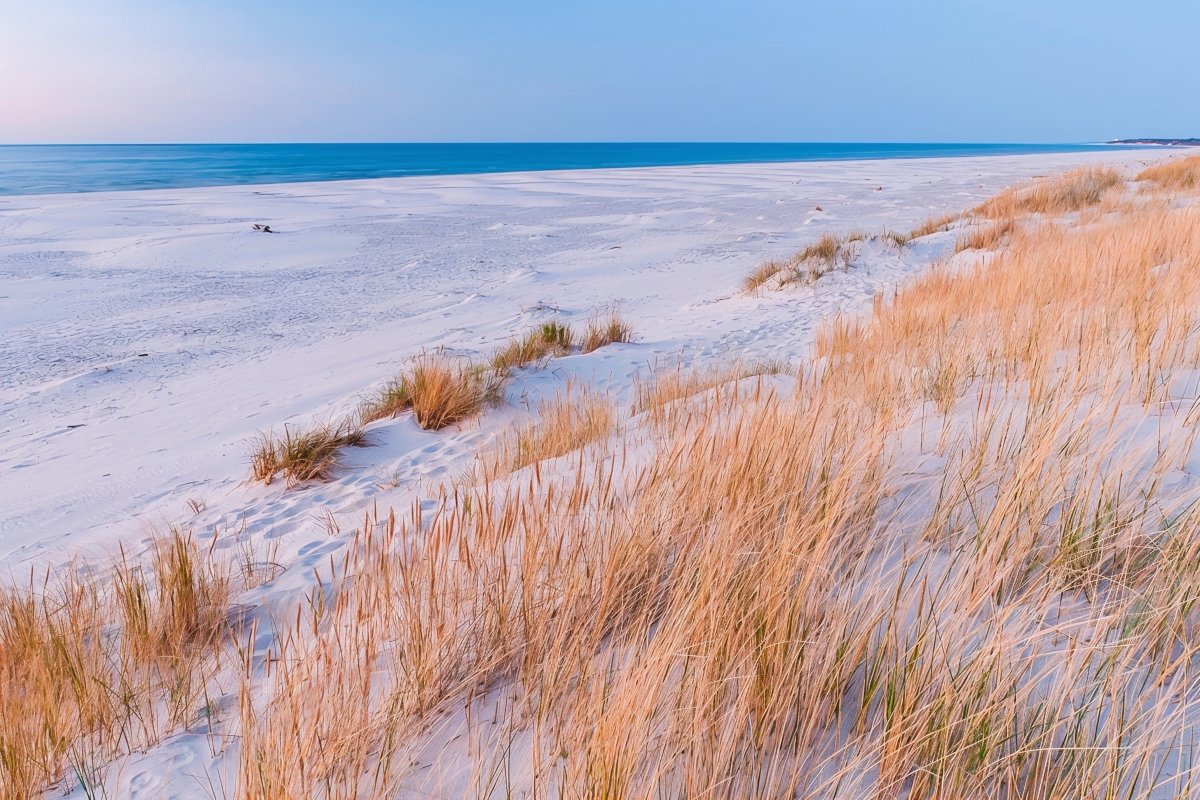
If you’re Instagram-obsessed or seriously into photography, Słowinski will destroy your phone’s storage. Golden hour at the dunes? Unbeatable. Sunrise over the Baltic? Magical. Moody overcast conditions? Atmospheric perfection. Bring extra batteries and memory cards.
Local Food Experiences
Both Łeba and Rowy are fishing villages with excellent seafood traditions. Fresh herrings, fish soup, and locally smoked fish are absolute must-tries. Several restaurants focus on traditional Pomeranian cuisine—hearty, delicious, and reasonably priced.
Bike Touring
The coastal cycling routes are phenomenal. Rent a bike in Łeba and explore neighboring areas at your own pace. Dedicated paths make it safe and scenic.
Birdwatching Expeditions
Join guided birdwatching tours (available through local tour operators) during migration seasons. Guides know where to find rare species and can explain the ecosystem’s complexity.
Sunset Ritual
End every day watching the sun drop over the Baltic from the beach. It’s not a “must-do activity”—it’s mandatory for your soul.
Where to Stay: Finding Your Perfect Coastal Base
Łeba (West Side): The Main Hub
Łeba is the park’s primary gateway. You’ll find the most accommodation options, restaurants, and facilities here. It’s touristy but in a charming way—still feels like an actual village rather than a commercialized resort.
Accommodation style: Family-run guesthouses, mid-range hotels, apartments, camping. Vibe: Lively but not overwhelming; good for first-time visitors. Budget: €40-80 per night for decent mid-range options.
Rowy (East Side): The Quiet Alternative
Smaller and less developed than Łeba, Rowy appeals to those seeking peace. Fewer services, but that’s part of the charm. Great for a more immersive experience with fewer other tourists.
Accommodation style: Guesthouses, small hotels, apartments. Vibe: Sleepy fishing village authenticity; perfect for introverts. Budget: €35-70 per night.
Camping Options
Several well-maintained campgrounds operate year-round. They’re inexpensive (€15-30 per tent), and sleeping under stars with the Baltic breeze is an experience money can’t buy elsewhere.
Day Trip Logistics
Staying in Gdansk (90 km away) and doing Słowinski as a day trip works if you’re time-constrained, but you’ll miss the magic of being there during off-peak hours. Overnight stays are worth the extra cost.
The Practical Stuff (You Still Need to Know)
Getting Around the Park
A car is genuinely helpful but not mandatory. Main trails are accessible from Łeba and Rowy with short walks. If you don’t have a car, arrange with your accommodation or hire a local driver for a few hours.
What to Pack
- Proper hiking boots (seriously)
- Sun protection (sunscreen, hat, sunglasses)
- More water than seems reasonable
- Windbreaker (it’s always windier on the coast)
- Swimwear
- Binoculars (for wildlife spotting)
- Lightweight layers (weather changes quickly)
- Insect repellent (mosquitoes near freshwater areas)
Money Matters
Poland is increasingly cashless, but small villages sometimes prefer cash. ATMs are available in Łeba and Rowy. Most restaurants accept cards. Budget €50-100 daily for comfortable mid-range traveling (food, activities, accommodation not included).
Language
English is spoken in tourist areas, though learning basic Polish phrases is appreciated and useful. Young people speak English; older locals less so.
Safety & Etiquette
Słowinski is extremely safe. The main concern is respecting the ecosystem—stay on marked trails, don’t remove plants or disturb nesting birds, and pack out all trash. The park is protected for a reason.
Best Time for Photography
- Golden hour (sunrise/sunset): 5-7 AM and 6-8 PM depending on season
- Overcast days: More dramatic sky, better for dune texture
- Migration seasons: Peak wildlife photography (May, September)
Recap: The Essentials
Słowinski National Park is Europe’s only moving sand dune ecosystem—a unique landscape that feels closer to North Africa than Poland. Located on the Baltic coast between Łeba and Rowy (roughly 90 km from Gdansk), it’s accessible yet refreshingly undiscovered.
The main draw is obvious: those jaw-dropping dunes that shift with the wind. But the real value? The biodiversity hotspot surrounding them. Over 230 bird species, rare maritime forests, and freshwater lakes create an ecosystem that UNESCO recognized for good reason.
You can do this as a day trip from Gdansk, but overnight stays in Łeba or Rowy unlock the park’s true magic—particularly early mornings and sunset moments when crowds vanish. May through September offer the best weather; September specifically is underrated and often perfect.
Hiking is moderate to easy, photography is phenomenal, and the food is genuinely excellent. Budget-friendly by Western European standards while still maintaining quality. Solo travelers, families, couples, and groups of friends all find their groove here.
This isn’t a sprawling mega-destination that requires weeks of planning. It’s a 1-3 day escape that rewards minimal preparation with maximum impact. The dunes will humble you. The silence will restore you. The Baltic wind will remind you why destinations like this matter.
Disclaimer
This travel guide is provided for informational purposes to help plan visits to Słowinski National Park. While we’ve made efforts to ensure accuracy, conditions, prices, operating hours, and accessibility may change without notice. Always verify current information with official park authorities, local tourism boards, or accommodation providers before traveling.
Weather conditions can be unpredictable and severe; visitors assume all responsibility for personal safety and should check weather forecasts before outdoor activities. Physical limitations of hiking trails vary; assess your fitness level and trail difficulty before embarking.
Wildlife viewing is never guaranteed—species presence depends on seasons and environmental conditions. Please respect all park regulations, marked boundaries, and wildlife protection zones. Environmental protection is collective responsibility.
This guide is not affiliated with official park management and is created for educational and inspirational purposes. For official information, visit the Słowinski National Park administration website or contact local tourism information centers in Łeba or Rowy.
Prices and exchange rates mentioned are approximate and subject to change. Travel insurance is recommended for international visitors.