

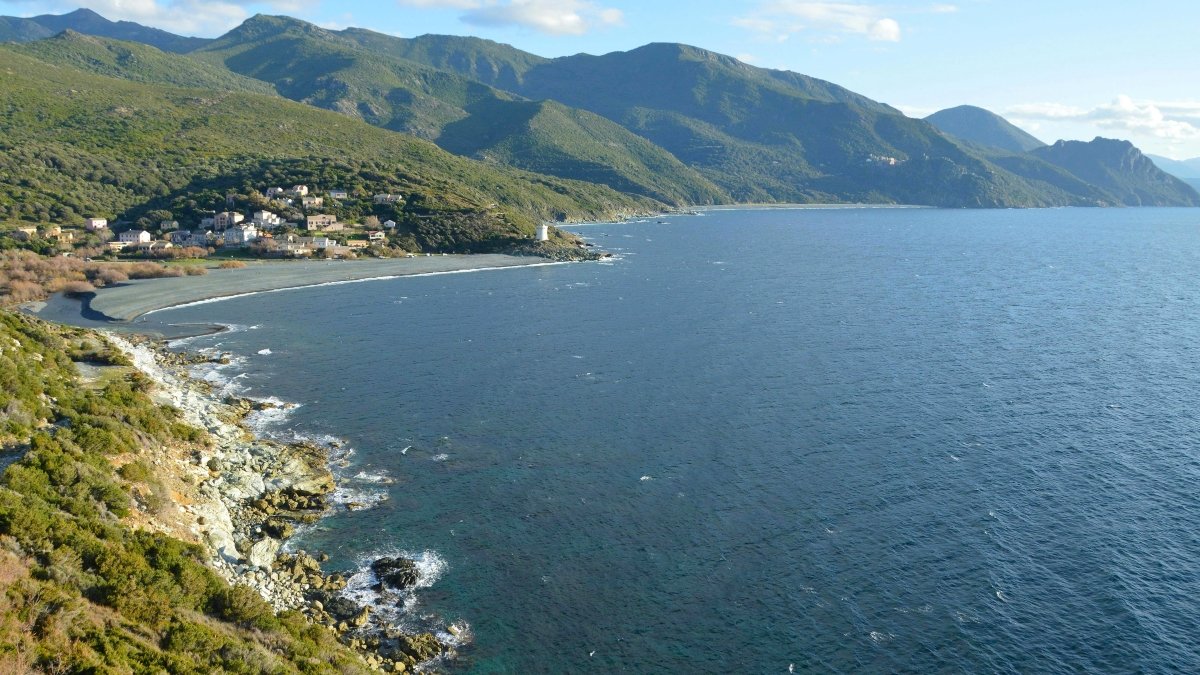
TL;DR: Marine d’Albo is a pocket-sized Mediterranean cove anchored by a 16th-century Genoese tower, black sand beach, and serpentinite pebbles—all completely devoid of tourists. It’s 15 minutes from the mountain village of Ogliastro, offers world-class swimming in pristine water, legitimate historical depth, and the kind of solitude that coastal Corsica forgot how to deliver. Perfect for beach lovers who’d rather not share their swim with 200 Instagram photographers. Budget a half-day minimum, bring picnic supplies, and prepare to understand why locals keep this place to themselves.
- Before You Go: The Essential Intel
- Why Albo Marina Isn’t on the Corsica Tourist Circuit (Yet)
- What to Actually Do at Albo Marina
- Swimming: The Main Event
- The Albo Tower: History You Can Touch
- Geology: What Makes This Cove Special
- Coastal Ecology: What Lives Here
- Practical Logistics That Actually Matter
- Getting There
- Timing Your Visit
- What to Bring (Non-Negotiable)
- When to Visit
- Money, Services & Logistics
- The Guade Grande River Mouth: The Northern Extension
- Photography at Albo Marina: Why It’s Instagram Gold (But You Won’t See It Trending)
- Safety & Practical Warnings
- Recap: Why Albo Marina Deserves to Stay on Your Radar
- Ogliastro
- Disclaimer
Before You Go: The Essential Intel
| What You Need to Know | The Real Deal |
|---|---|
| Where it is | Haute-Corse coast, eastern shoreline, 15 minutes from mountain village of Ogliastro by car, ~1 hour from Bastia |
| Distance & Access | Extends 600m from Albo Tower (south) to Punta Bianca (north),accessible by car or scenic walk from Ogliastro |
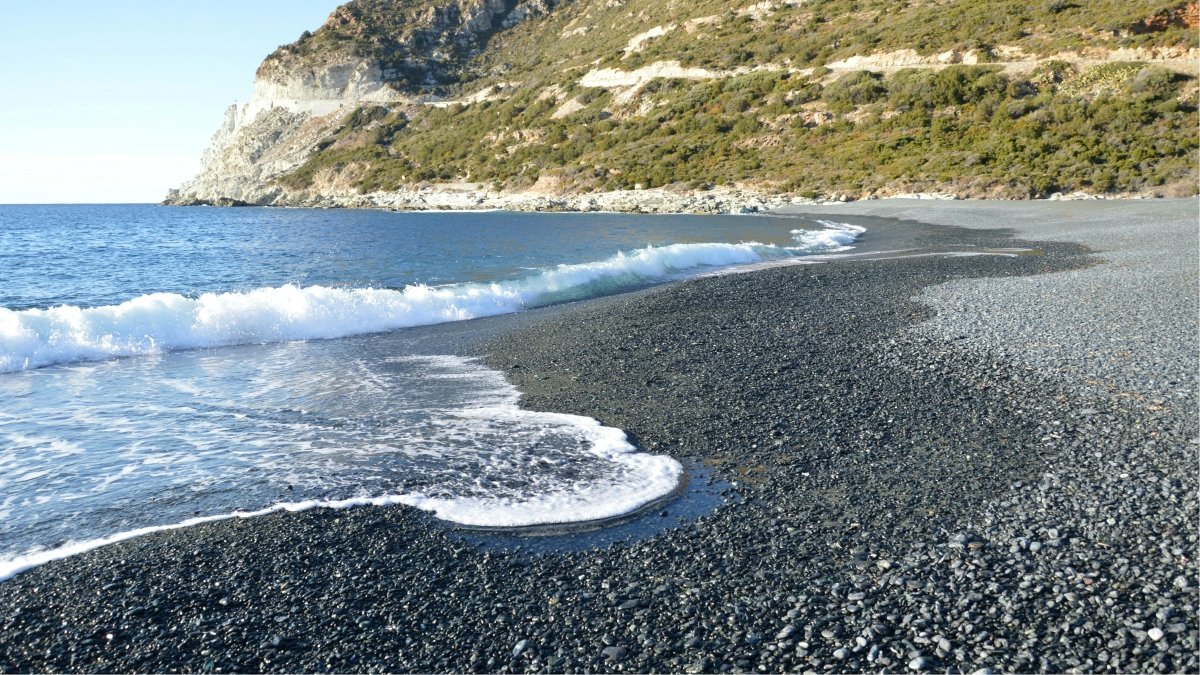
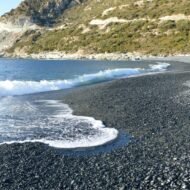
| Terrain | Black sand + serpentinite pebbles (blackish stone with green veining), granite & serpentinite cliff formations |
| Best time to visit | May–September (warmest, most swimmable): April & October work if solitude trumps comfort, June has best weather |
| How to get there | Rent a car (no public transit): drive from Bastia (~1.5 hrs) or park in Ogliastro & walk 15 mins |
| Vibe | Pristine, quiet, zero commercialization: no beach bars, no sunbeds, no infrastructure—pure Mediterranean |
| Swimming conditions | Clean, clear water; swimmable May–October; currents generally mild, no lifeguards (take care) |
| Historical site | Albo Tower (Genoese watchtower, c. 1570s); atmospheric & climbable, tangible pirate-defense legacy |
| Facilities | None. No restrooms, no food vendors, no parking attendants. Come prepared. |
| Budget per visit | €0–20 depending on picnic supplies; fuel + car rental is the only cost |
| What to pack | Swimsuit, towel, water, picnic food, sun protection, water shoes (pebbles are firm), snorkel gear (optional) |
| Photography potential | Stunning: tower backdrop, geological formations, golden-hour light, genuinely postcard-worthy without crowds |
Why Albo Marina Isn’t on the Corsica Tourist Circuit (Yet)
Here’s the unspoken truth about Corsica: the famous beaches are famous for reasons. Bonifacio’s cliffs are genuinely dramatic. Scandola’s rock formations are genuinely geological masterpieces. But they’re famous—which means crowded, commercialized, and photographed to death.
Albo Marina is none of those things.
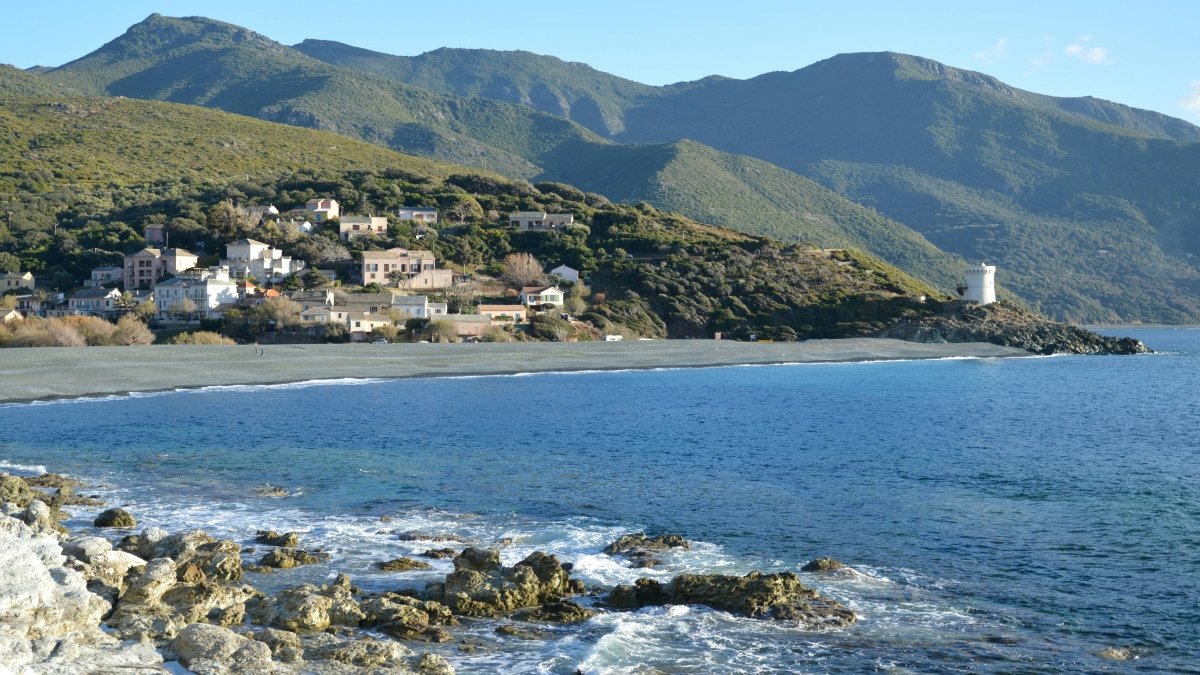
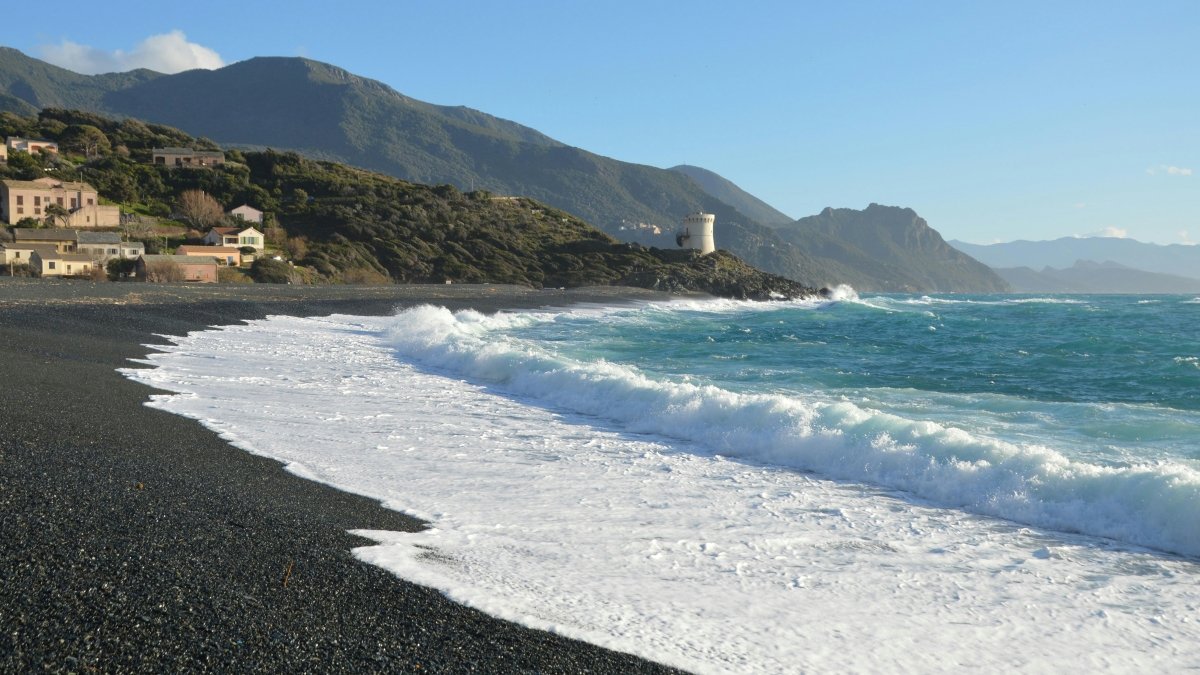
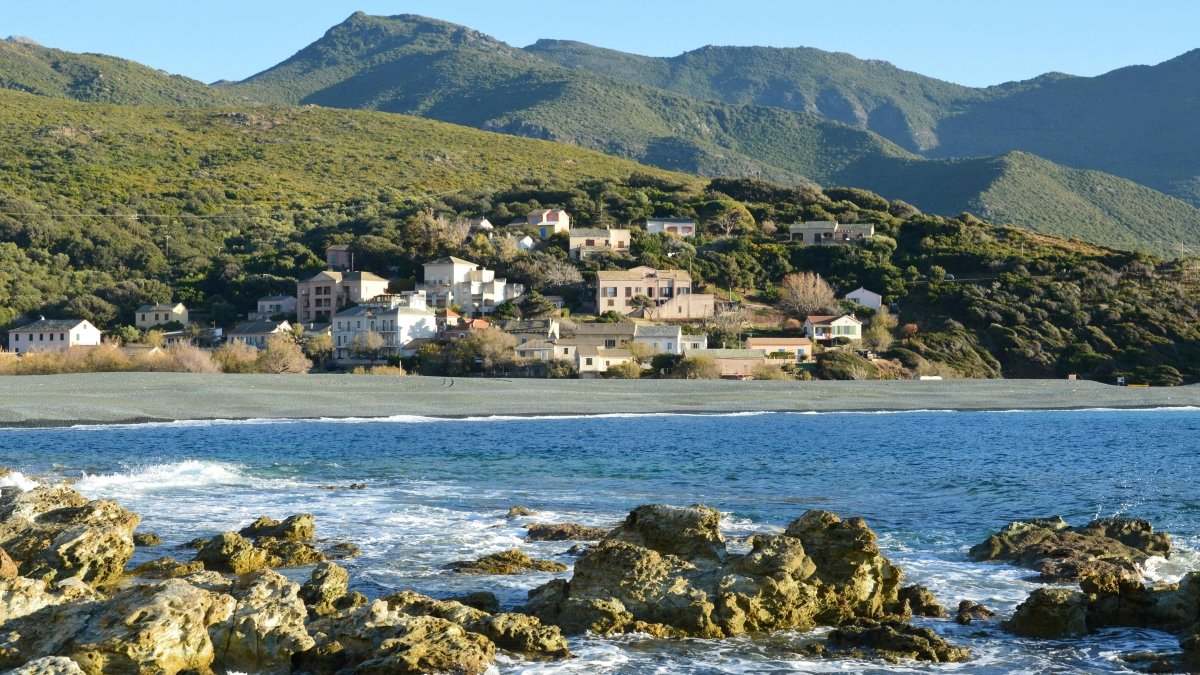
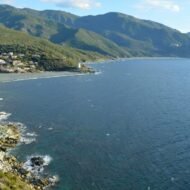
It’s a 600-meter crescent of authentic Mediterranean beach anchored by tangible history (a functional 16th-century watchtower) and geological distinction (serpentinite pebbles mixed with black sand—literally unique to this part of Corsica). The water is clean. The silence is genuine. The only other people you’ll encounter are locals fishing at dawn or a handful of hikers descending from Ogliastro.
Why this matters: Marine d’Albo represents Corsica before tourism industrialized the coastline. It’s what happened in places like Porquerolles, Île-de-Porquerolles, and the Cinque Terre before Instagram taught millions that those locations existed. But Albo remains largely unknown outside Corsica because it has no hotel, no restaurant, no beach club, no infrastructure screaming “come visit!” It simply exists—a genuine cove waiting for travelers curious enough to find it.
The Genoese tower isn’t a major historical monument with entry fees. It’s just there, a weathered stone sentinel with 400+ years of stories embedded in its walls. The beach isn’t manicured. The cove isn’t developed. The experience is raw, unfiltered, and increasingly rare in Mediterranean Europe.
This is the Corsica that locals experience. And now you can too.
What to Actually Do at Albo Marina
Swimming: The Main Event
The water at Albo is genuinely exceptional. Crystal-clear Mediterranean clarity—you can see 10+ meters down on calm days. The bay itself is protected by the curve of the coastline, so currents are generally mild (summer is calmer than spring). The temperature ranges from 14°C in April to 20°C+ in summer—swimmable with comfort May through October.
The swimming experience:
- Entry: Black sand beach slopes gradually into deeper water. Walking in is easy, the pebbles are firm underfoot (bring water shoes if you’re sensitive).
- Depth: Shallow for ~30 meters, then drops. Perfect for swimmers of various levels.
- Clarity: You’ll spot small fish, marine life, and the sandy bottom. Snorkeling without equipment is rewarding; bring a snorkel mask for better underwater visibility.
- Temperature: Summer (July–August) is warm and forgiving. Shoulder seasons (May–June, September–October) require more tolerance for cold water.
Pro tips:
- Swim in morning when light is calmest and water is glassiest
- Afternoon sun creates photo-worthy reflections but slightly choppier conditions
- Bring waterproof bag for valuables; there’s nowhere to lock anything
- Respect the water’s power; this isn’t a lifeguard beach—know your swimming ability
The Albo Tower: History You Can Touch
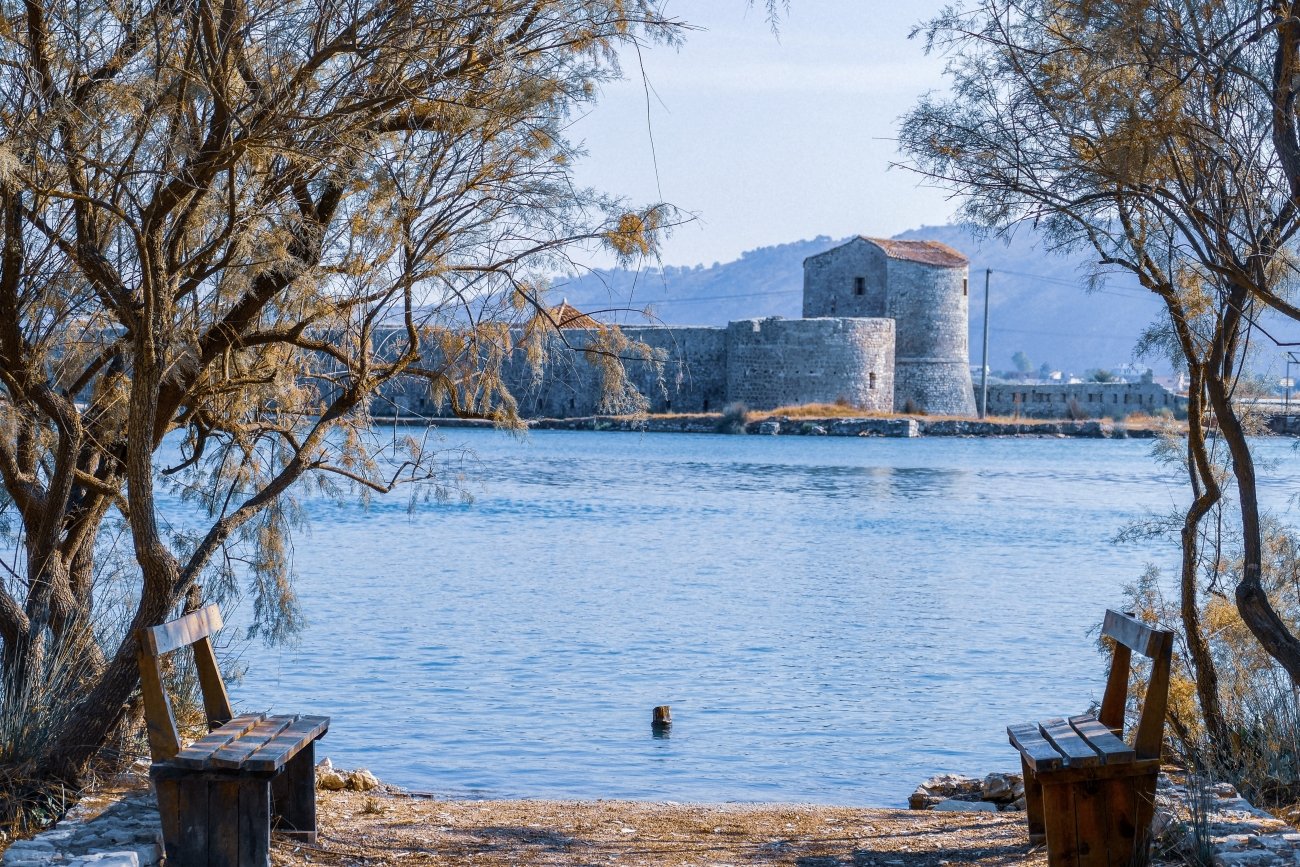
Located above the northern beach is the Albo Tower—a squat, cylindrical stone structure built around the 1570s as part of Corsica’s anti-piracy defense network.
Historical context (the short version): Corsica’s coast was under constant threat from Barbary pirates and North African corsairs from the 16th through 18th centuries. Major settlements paid enormous tributes to avoid raids. The Genoese (who controlled Corsica at the time) responded by building dozens of watchtowers along the coast. Each tower served a dual purpose: early warning system and defensive position. Soldiers stationed in these towers would light fires to alert inland communities when pirate ships appeared on the horizon.
The Albo Tower is one of perhaps 80+ towers built during this period. Most are ruined. Some are fully restored tourist sites with plaques and official histories. Albo occupies the middle ground: weathered, atmospheric, climbable, and utterly authentic.
What you see:
- Stone construction with visible centuries of wear and repair
- Narrow entrance with a low doorway (design feature to slow invaders)
- Interior chamber (mostly empty, structurally sound enough to explore)
- External base accessible for climbing (great photo vantage)
- Views across the gulf toward the east coast
Practical reality: The tower isn’t a museum. There’s no interpretation, no entry fee, no guided tour. You’re basically poking around a 450-year-old defensive structure with only your curiosity as a guide. The experience feels genuinely exploratory—like discovering history rather than consuming it.
Pro tip: Early morning visits are magical. Light hits the stone at an angle that highlights texture and weathering. The tower’s shadow stretches dramatically across the beach. You’ll likely be alone.
Geology: What Makes This Cove Special
The beach composition at Albo is geologically distinctive—and worth understanding if you appreciate Earth science.
Black sand: The black sand comes from volcanic and iron-rich minerals. Corsica has significant granite formations but also areas of older volcanic activity. This sand represents that geological heritage.
Serpentinite pebbles: The distinctive blackish pebbles with green veining are serpentinite—a metamorphic rock formed from the alteration of olivine-rich rocks under heat and pressure. Serpentinite is relatively rare globally and defines Albo’s aesthetic character. The green veining (typically actinolite or chlorite minerals) gives the pebbles their signature appearance.
The cliff formations: The granite and serpentinite cliffs flanking the cove represent Corsica’s complex geological evolution—primarily Hercynian granite (300+ million years old) with younger metamorphic intrusions. The vertical columnar formations you see are natural cooling fractures in granite.
Why it matters: Albo Marina isn’t just a pretty beach—it’s a geological lesson in stone. Photographers and geology enthusiasts find the formations endlessly interesting. The black-and-green color palette is genuinely unusual in Mediterranean beaches.
Coastal Ecology: What Lives Here
Despite its isolation, Albo Marina supports active marine life visible to casual observers.
What you might see:
- Small fish: Darting in shallow water; better visibility with snorkel gear
- Seabirds: Cormorants, gulls, occasionally raptors hunting offshore
- Starfish & sea urchins: In rock pools and shallow areas; leave them undisturbed
- Octopus: Occasionally spotted in deeper water by snorkelers; intelligent creatures, fun to observe from distance
- Dolphins: Rare but not impossible; Mediterranean populations do venture into this area
Flora:
- Coastal vegetation: Hardy plants adapted to salt spray cling to cliff edges
- Seaweed: Kelp and other macro-algae in deeper water; adds to visual interest
This isn’t a nature documentary, but the cove’s isolation means you’ll encounter genuine wildlife behavior—animals behaving naturally rather than habituated to humans.
Practical Logistics That Actually Matter
Getting There
By car from Ogliastro (easiest):
- Drive downhill from the village ~5–7 minutes
- Park in a small informal lot or pull-off near the tower access point
- Walk final 5–10 minutes to beach
- Return journey is uphill (~15–20 mins on foot)
By car from Bastia:
- Drive inland ~1.5 hours via D81 and local roads
- Park as above
- Alternatively, stay in Ogliastro and walk down
By foot from Ogliastro (most scenic):
- 15–20 minute descent on marked trails
- Terrain is steep but manageable
- Views improve as you descend
- Return trip is ~30 minutes uphill (workout-level)
Via hiking trails from coastal roads:
- Various inland trails eventually reach the coast
- Ask at Ogliastro guesthouses for current trail conditions
Timing Your Visit
Half-day visit: 3–4 hours (swim, explore tower, eat picnic) Full-day visit: 5–7 hours (swim twice, hike along coast, thorough exploration) Sunset visit: Late afternoon into early evening (fewer people, dramatic light, cooler temperatures)
What to Bring (Non-Negotiable)
- Swimsuit – Obviously
- Towel – No facilities to dry off
- Water – 1.5–2 liters minimum; sun exposure + swimming = serious dehydration risk
- Picnic food – No restaurants within 20 minutes; bring everything you’ll eat
- Sun protection – High SPF sunscreen (rock reflectivity increases burn risk); hat; sunglasses
- Water shoes or sandals – Pebbles are walkable barefoot but uncomfortable for extended periods
- Waterproof bag – For valuables; no lockers available
- Snorkel gear – Optional but worthwhile (mask + snorkel, ~€20)
- Camera/phone – The cove is genuinely photogenic; bring waterproof case if using electronics
When to Visit
May–June: Excellent weather, water warming, wildflowers on cliff edges, moderate solitude July–August: Warmest water, most reliable sun, but occasional other visitors (still far fewer than famous beaches) September–October: Comfortable temperatures, reliable conditions, autumn light quality, genuine solitude April & November: Swimmable on good days; fewer visitors; higher wind/weather risk December–March: Beautiful but cold; water is chilly; occasional closure due to winter storms
Money, Services & Logistics
- Cost: Free. Zero. Nada. No entry fees, no parking charges.
- Facilities: None. There’s no bathroom, no water fountain, no emergency phone. Come completely self-sufficient.
- Cell signal: Spotty to nonexistent; don’t rely on it
- Nearest services: Ogliastro village (15 mins) has a small shop, café; limited options
- Nearest bigger town: 30+ minutes by car; plan accordingly
- Petrol: Fill up in Bastia or larger towns before driving inland
The Guade Grande River Mouth: The Northern Extension
North of the main Albo bay, where the Guade Grande (a small coastal river) meets the sea, the landscape shifts slightly.
What’s different:
- Fresher water mixing with salt creates brackish zones
- Driftwood and river debris accumulate
- Vegetation is slightly more lush due to freshwater influence
- The aesthetic is wilder, less beach-like, more natural creek-mouth character
- Early morning often brings wildlife activity (birds, fish, occasionally larger animals drinking)
Why visit:
- More solitude than the main beach
- Interesting ecological transition zone
- Excellent photography for nature-focused travelers
- Fewer swimmers means clearer sense of exploration
Practical note: This area is less developed for swimming—no clear beach, rockier access—but worthwhile for exploration and nature observation.
Photography at Albo Marina: Why It’s Instagram Gold (But You Won’t See It Trending)
Albo is genuinely photogenic. The Genoese tower, black sand, serpentinite pebbles, granite cliffs, and crystal water create natural visual drama.
Best photo opportunities:
- Golden hour (dawn/dusk): Light hits tower and cliffs at optimal angle; dramatic shadows; warmest color palette
- Overhead tower shots: Climb on the tower’s exterior; frame beach/water below; distinctive circular structure
- Geological detail: Serpentinite pebbles with green veining; macro photography reveals textural richness
- Water clarity: Snorkel underwater, capture clear water with distinctive bottom; occasional fish
- Wide landscape: Full beach, tower, cliffs, sea, sky classic Mediterranean cove framing
- Human scale: Place yourself in the landscape; isolation is part of the story
Why you won’t see this trending: The cove lacks the recognizable landmarks of famous beaches (no distinctive rock formations like Calanques, no dramatic arches). It reads as “beautiful Mediterranean cove” rather than “that beach”—which paradoxically makes it more valuable for photographers seeking authentic, uncrowded shots.
Pro tip: Shoot early morning when light is golden and you’re absolutely alone. The images will have genuine solitude baked into them—impossible to replicate at crowded beaches.
Safety & Practical Warnings
Swimming safety:
- No lifeguards. You’re responsible for your own safety.
- Strong swimmers should respect water conditions; weak swimmers should stay shallow
- Currents are generally mild but can shift; don’t assume conditions stay consistent
- Morning water is usually calmer than afternoon
- Exit water if conditions deteriorate
Beach safety:
- Isolated location means emergency response is slow (30+ minutes from nearest medical facility)
- Tell someone where you’re going and when you’ll return
- Carry a charged phone despite poor signal
- Sun exposure is extreme; track time carefully
Valuables security:
- Leave nothing unattended on the beach
- Take all possessions into water or secure in locked vehicle
- Theft is rare but not impossible
Rock/cliff hazards:
- Don’t climb unstable rock formations
- Cliff edges can be undercut; stand back from edges
- Slippery rocks near water line; move carefully
Wildlife:
- Marine life is harmless; observe from distance
- Seabirds can be territorial during nesting season; respect boundaries
- No dangerous predators (no sharks, sea snakes, etc. in this region)
Recap: Why Albo Marina Deserves to Stay on Your Radar
Albo Marina isn’t Instagram-famous. It won’t make top-10 lists. Guidebooks mention it in passing if at all. That’s precisely why you should prioritize it.
It represents something increasingly rare in Mediterranean tourism: a genuine, undeveloped cove with legitimate historical depth, geological distinction, and authentic solitude. The Genoese tower isn’t a theme-park recreation—it’s a 450-year-old structure weathered by centuries. The beach isn’t manicured—it’s shaped by natural processes. The silence isn’t artificial—it’s the result of actual isolation.
You can swim in clean water without negotiating crowds. You can explore a piece of pirate-era history without paying admission. You can photograph genuine Mediterranean character without waiting for other tourists to clear the frame. You can experience Corsica as it exists beyond the tourism circuit.
The only barrier to visiting is the effort required to get there and self-provide for the experience. No restaurants, no hotels, no infrastructure marketing itself. Just coastline, stone, water, and silence.
For travelers seeking authentic Corsica married to genuine beach access—and willing to plan accordingly—Albo Marina is exceptional.
Ogliastro
Part of the Ogliastro experience: Albo Marina is 15 minutes (by car) or a scenic 20-minute walk downhill from the mountain village of Ogliastro. Many travelers split time between:
- Mountain hiking and village culture in Ogliastro
- Swimming and historical exploration at Albo Marina
Read the Ogliastro travel guide for a complete picture of this unique mountain-coast destination combination.
Disclaimer
This guide reflects conditions and observations accurate as of early 2026. Always verify before traveling:
- Road and trail conditions (winter weather can affect access)
- Weather forecasts (Mediterranean coast can shift rapidly)
- Water conditions and safety (tides, currents, temperature)
- Local regulations (protected areas, seasonal restrictions)
- Current accessibility (infrastructure changes, closures, private land access)
This is a genuinely isolated beach with zero facilities. Self-sufficiency is mandatory. Carry all supplies, expect no emergency services, and take personal responsibility for safety.
Respect the environment: Leave No Trace principles apply. Pack out all trash. Avoid touching wildlife. Don’t remove rocks, shells, or artifacts. The cove’s value depends on preservation.
Safe travels to one of Corsica’s true secrets.