



Art Nouveau Riga : Discover why Art Nouveau architecture enthusiasts are calling Riga’s Old Town the “Paris of the Baltic”—and why you should visit this hidden gem before everyone else does.
- TL;DR: The Quick Breakdown
- What Is This Place, Actually?
- The Streets You Actually Need to Walk
- Alberta Street (Albertas iela) – The Crown Jewel
- Elizabetas Street (Elizabetas iela) – The Atmospheric Wander
- Kronvalda Boulevard (Kronvalda bulvāris) – The Instagram Sweetspot
- Strelnieku Street & Riga’s Canal Ring – The Undiscovered Gem
- Know Before You Go
- Architecture Nerd Deep Dive: Why Art Nouveau Isn’t Just Pretty
- What to Actually Do (Beyond Just Looking at Buildings)
- Walk Alberta Street at Different Times of Day
- Visit the Art Nouveau Museum
- Explore Hidden Courtyards
- Photograph at Golden Hour
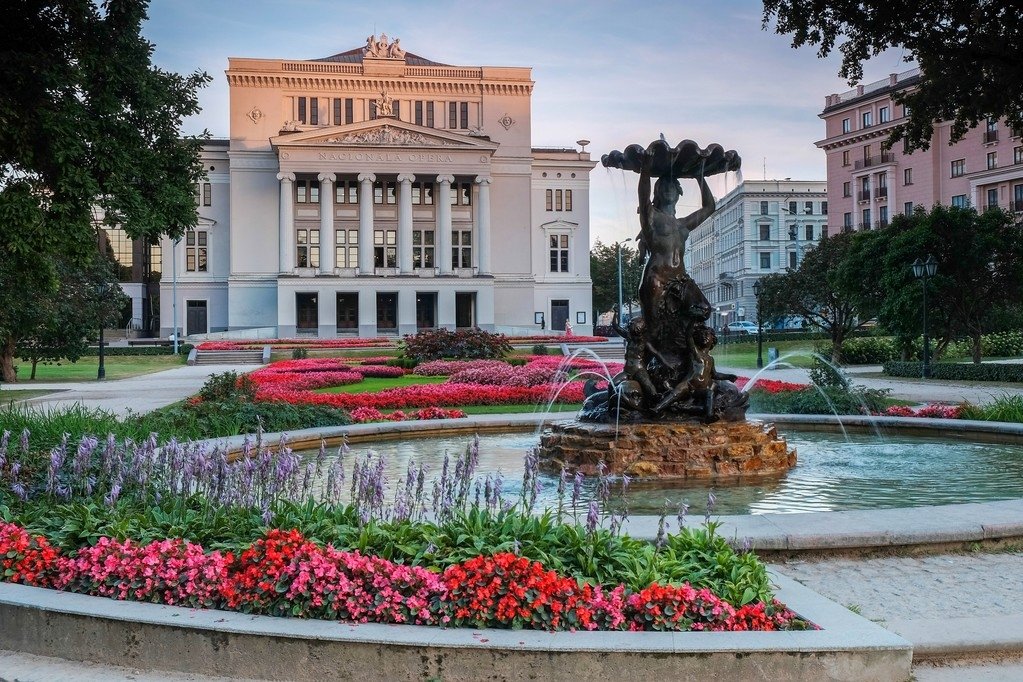
- Catch a Show at the National Opera House
- Sit in a Café and Do Nothing (Strategically)
- Join a Guided Walking Tour
- Practical Logistics (The Boring Stuff That Matters)
- Pro Tips from People Who’ve Actually Been There
- Is This For You? (Honest Reality Check)
- The Real Talk: What NOT to Miss
- Quick Recap
- Disclaimer
TL;DR: The Quick Breakdown
- What it is: The world’s largest collection of Art Nouveau buildings (over 40% of the city’s architecture)
- Where it is: Primarily between the Old Town and the Quiet Canal
- Best time to visit: May–September for perfect weather; October for fewer crowds and golden hour magic
- Budget: €50–150/day depending on your vibe (budget hostels to boutique hotels)
- Language: English widely spoken in tourist areas; locals appreciate Latvian phrases
- Must-see streets: Alberta Street, Elizabetas Street, Kronvalda Boulevard
- Time needed: 2–3 days minimum; 1 day if you’re rushing
- Accessibility: Mixed—uneven cobblestones, steep stairs; some venues offer alternative routes
- Your biggest regret if you skip it: Missing out on some of Europe’s most jaw-dropping architecture
What Is This Place, Actually?
Riga’s Art Nouveau district isn’t your typical “museum” experience where you stare at things behind rope barriers. It’s a living, breathing neighborhood where people grab coffee in centuries-old courtyards, students cycle past ornate facades, and street artists sketch on walls adorned with sculptured demons and gilded ornaments.
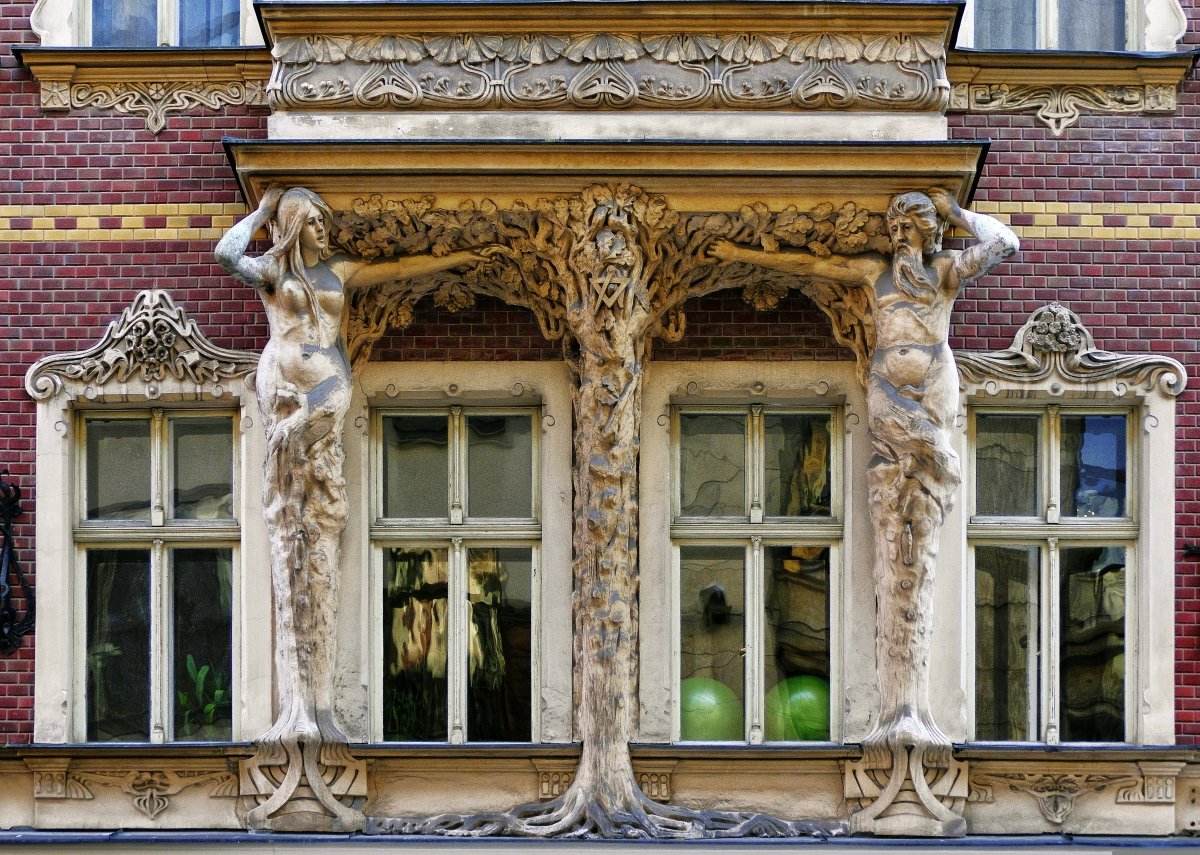
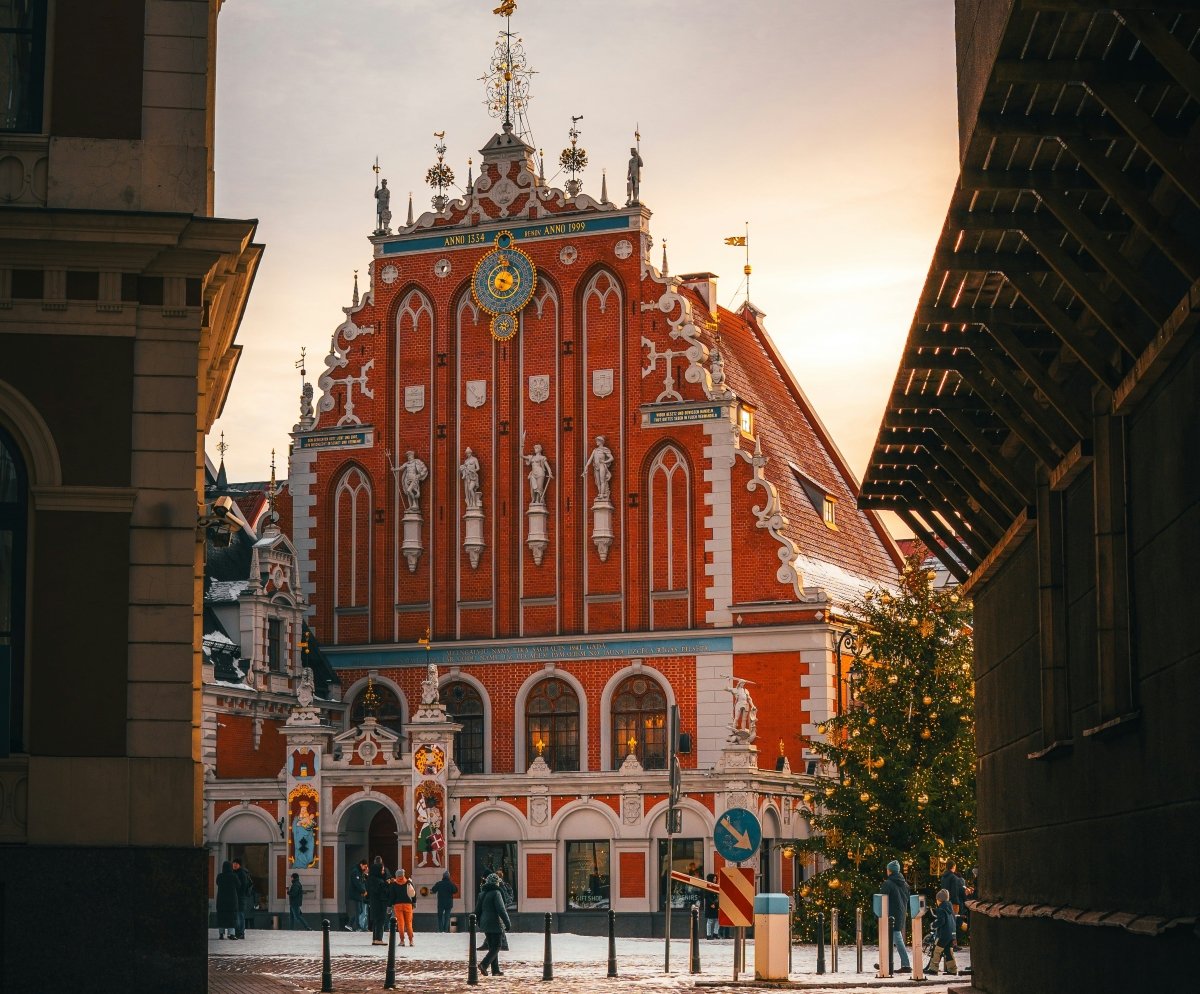
Between roughly 1901 and 1917, Riga transformed into the world capital of Art Nouveau (or “Jugendstil,” as it’s known in Northern Europe). Think soaring dragons, whimsical human faces carved into stone, rich earth tones, and impossible curves that seem to defy gravity. It’s like someone took the most extra design movement in history and built an entire city around it—and honestly? We’re here for it.
Why did this architectural explosion happen in Latvia? Blame prosperity. Riga was a booming Baltic port, wealthy merchants wanted to show off, and talented architects were ready to deliver. The result? A UNESCO World Heritage Site that makes you feel like you’ve stepped into an alternate reality where every building is a work of art.
The Streets You Actually Need to Walk
Alberta Street (Albertas iela) – The Crown Jewel
This is the street. If you only have 30 minutes in Riga’s Art Nouveau district, spend it here.
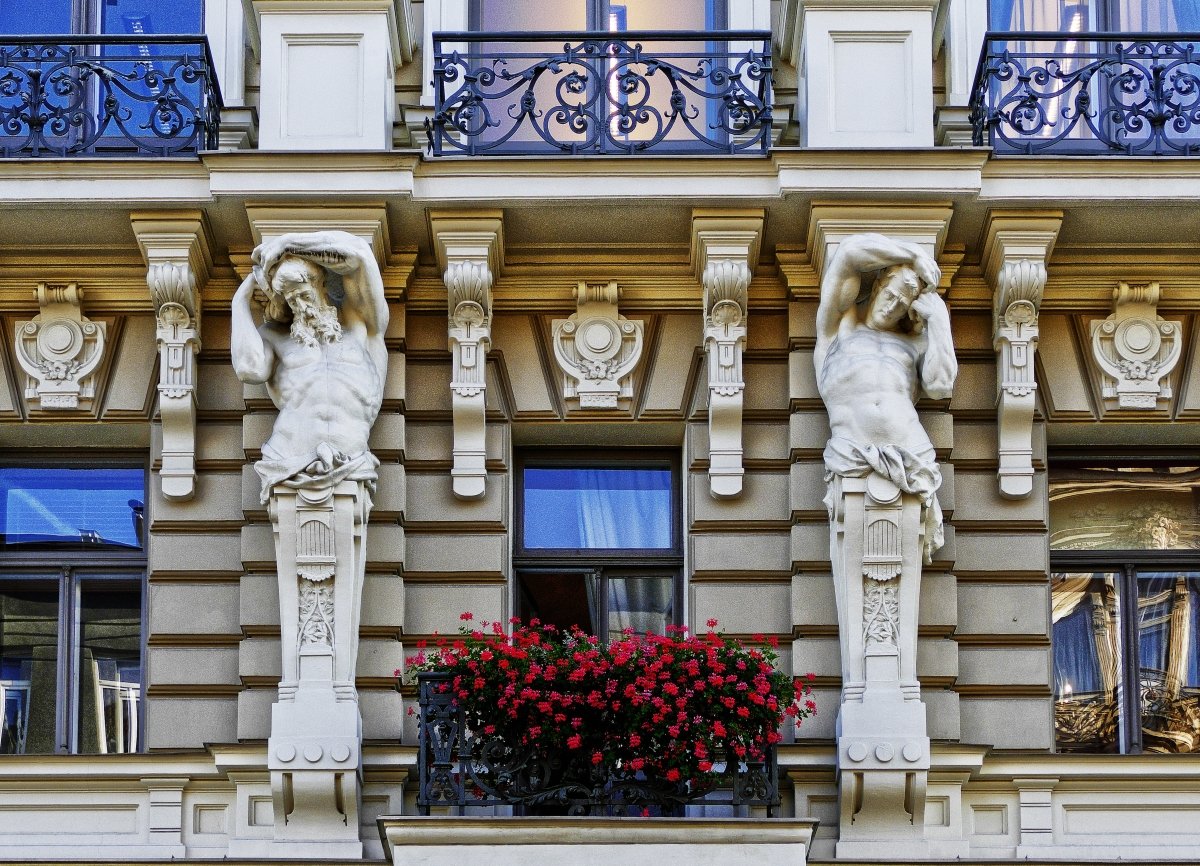
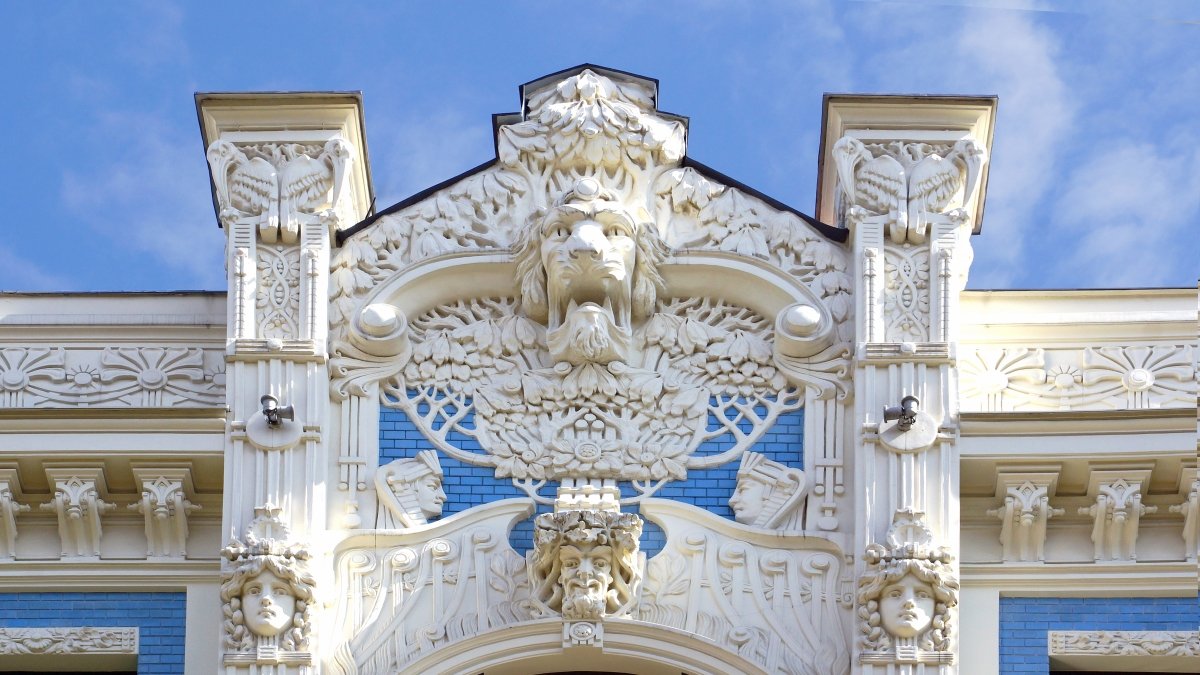
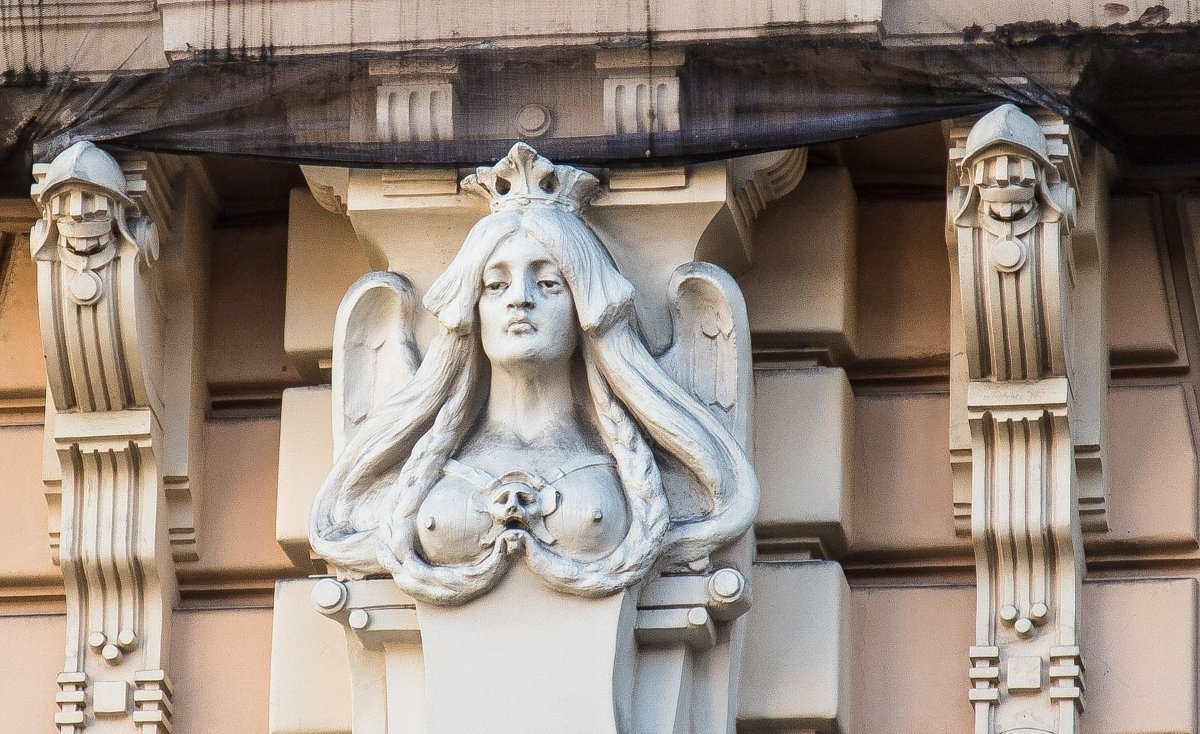
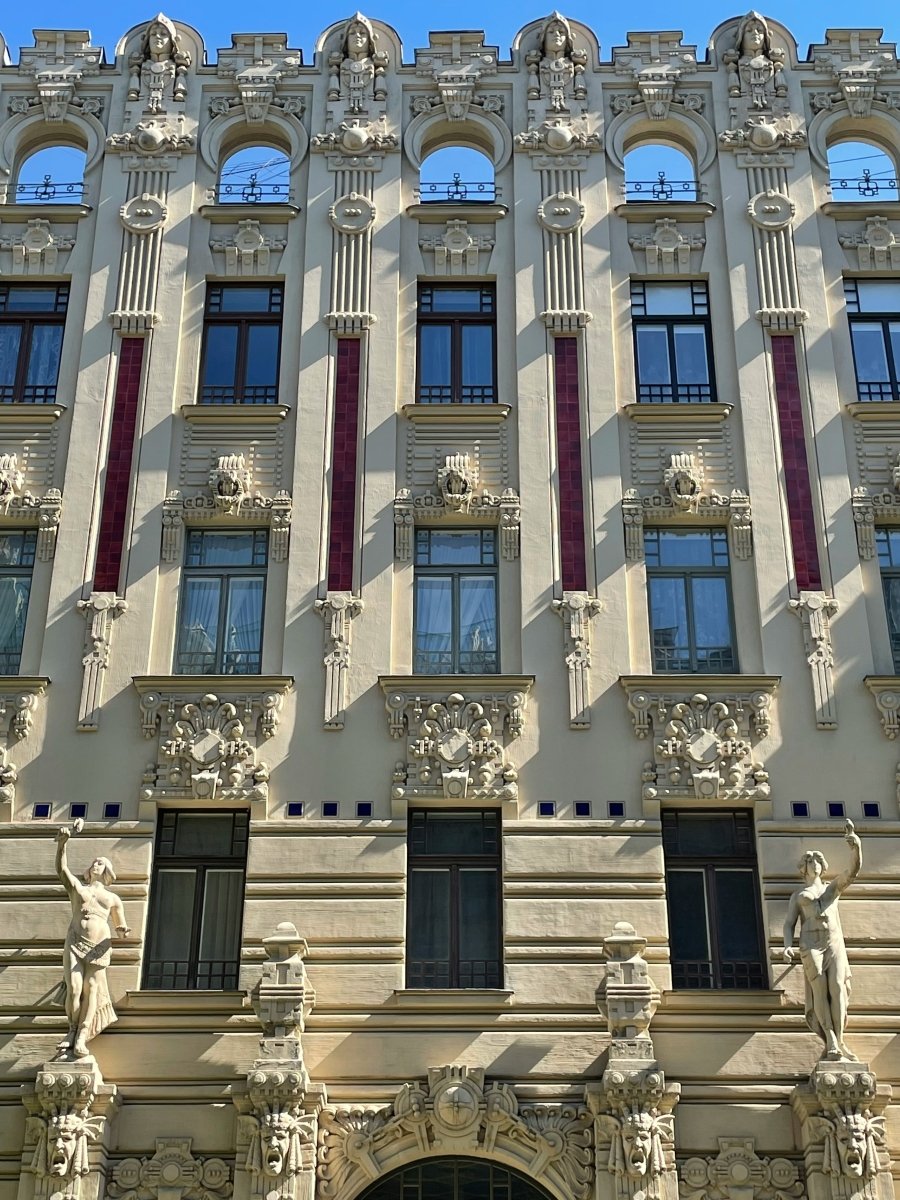
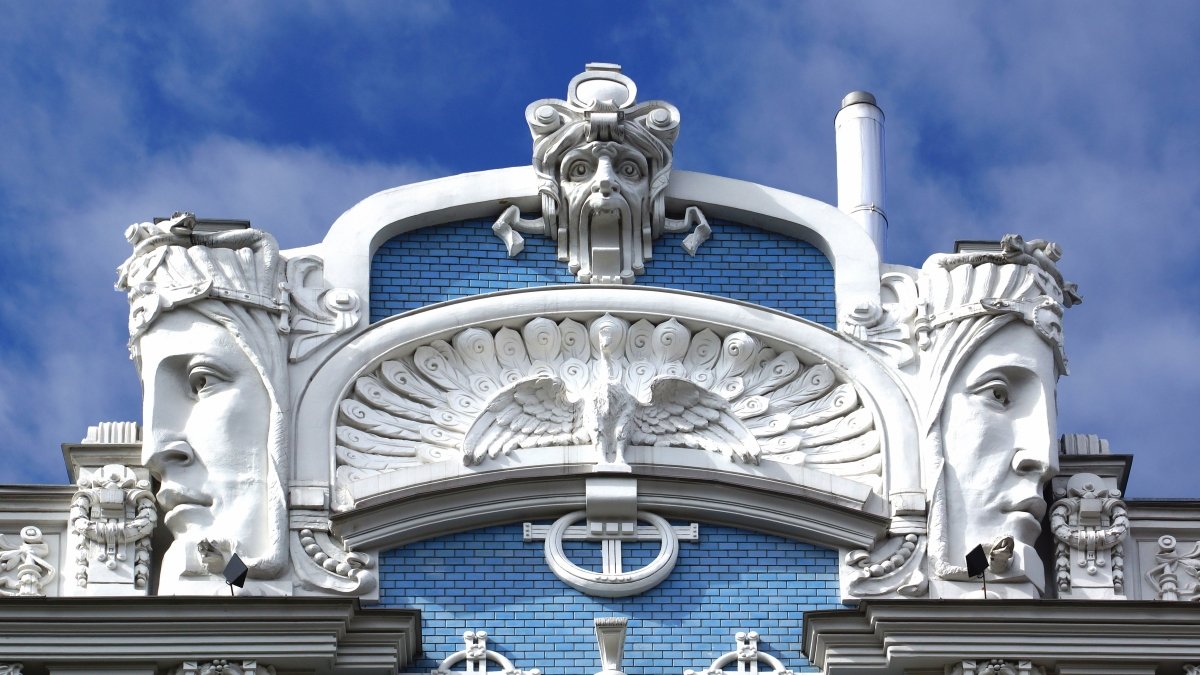
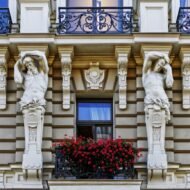
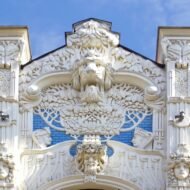
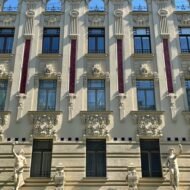
The five buildings at Alberta 2, 2a, 4, 6, and 8 are absolute masterpieces. Each one is more elaborate than the last—think sculpted faces, sunbursts, sphinx heads, and ornamental patterns that would make a jeweler jealous. Alberta 2 is particularly famous: it’s got this wild asymmetrical facade with creatures that range from charming to slightly unsettling (in the best way).
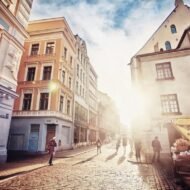
Pro tip: Visit in the late afternoon when the light hits the stone just right. You’ll understand why photographers lose their minds here. Also, check if Alberta 8 has exhibitions—the courtyards sometimes feature local artists.
Budget: Free (it’s a street), though there are cafes nearby for snacks
Elizabetas Street (Elizabetas iela) – The Atmospheric Wander
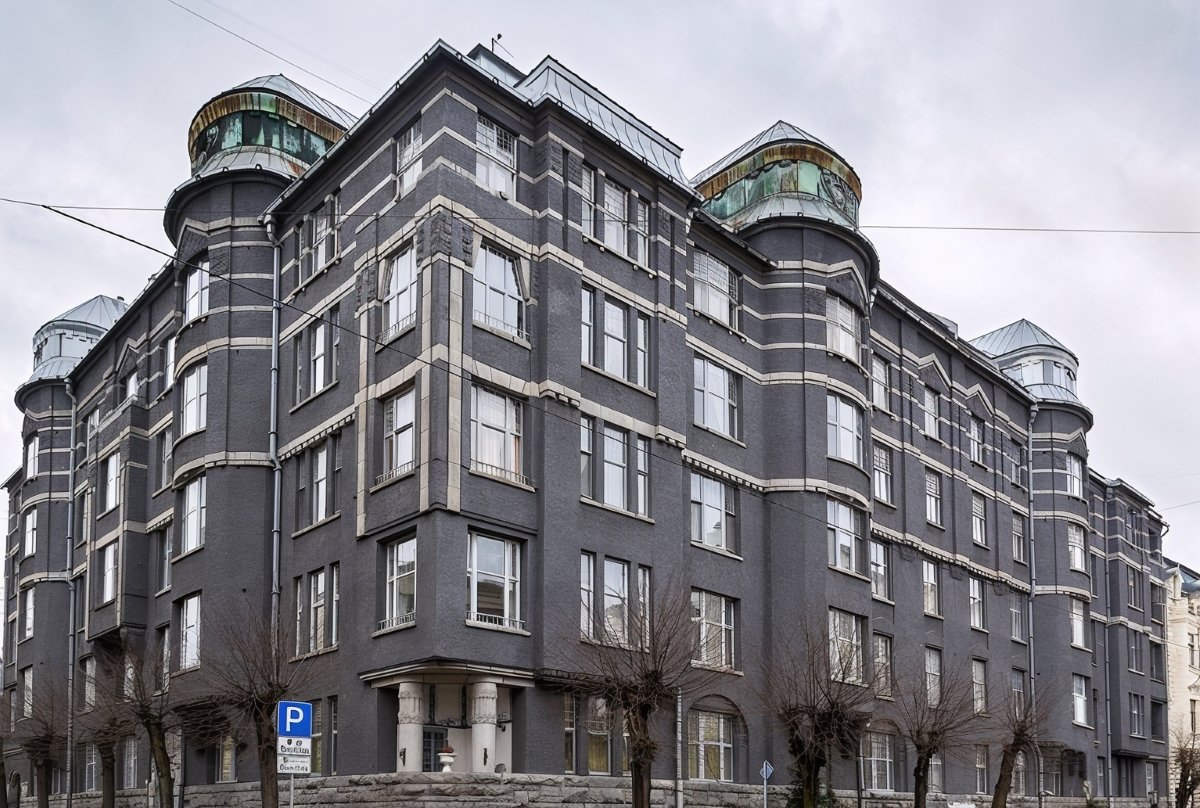
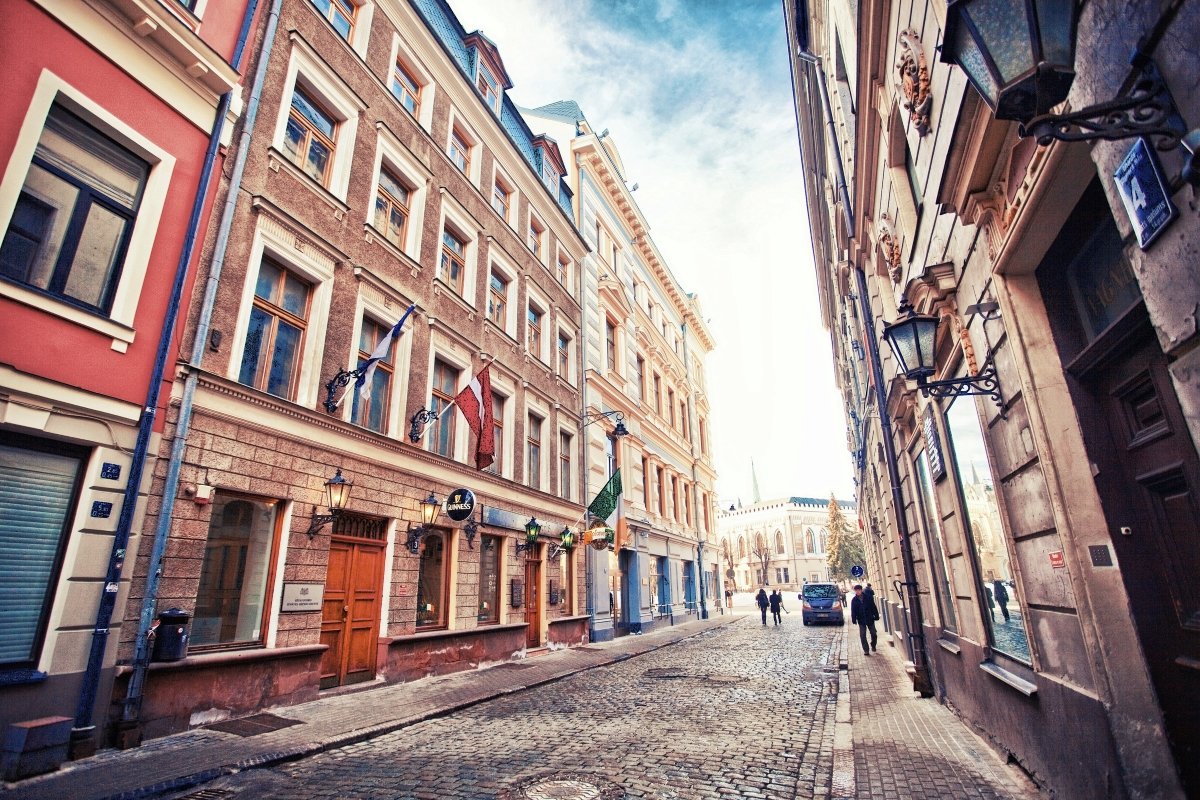
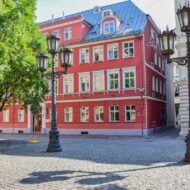
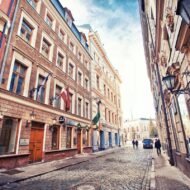
If Alberta is the headliner, Elizabetas is the deep cut that deserves your attention. It’s longer, less crowded, and filled with gorgeous buildings from around 1905. The facades here are more muted than Alberta Street but arguably more sophisticated—it’s where you see Art Nouveau hitting its mature phase.
Stop at the corner of Elizabetas and Ausekla. Turn around. Breathe. That’s what architecture appreciation feels like.
Best for: A 45-minute stroll with a camera (or just your eyeballs)
Budget: Free, plus you’ll find quirky vintage shops and cafes
Kronvalda Boulevard (Kronvalda bulvāris) – The Instagram Sweetspot
Not all the famous Art Nouveau streets are in the “official” district, and Kronvalda is proof. This tree-lined boulevard features some gorgeous examples, especially around the National Opera House area. The buildings here have a slightly different vibe—a bit more playful, with more window varieties and asymmetrical compositions.
Best for: A leisurely evening walk, sunset photos, and that “I discovered this myself” feeling
Budget: Free
Strelnieku Street & Riga’s Canal Ring – The Undiscovered Gem
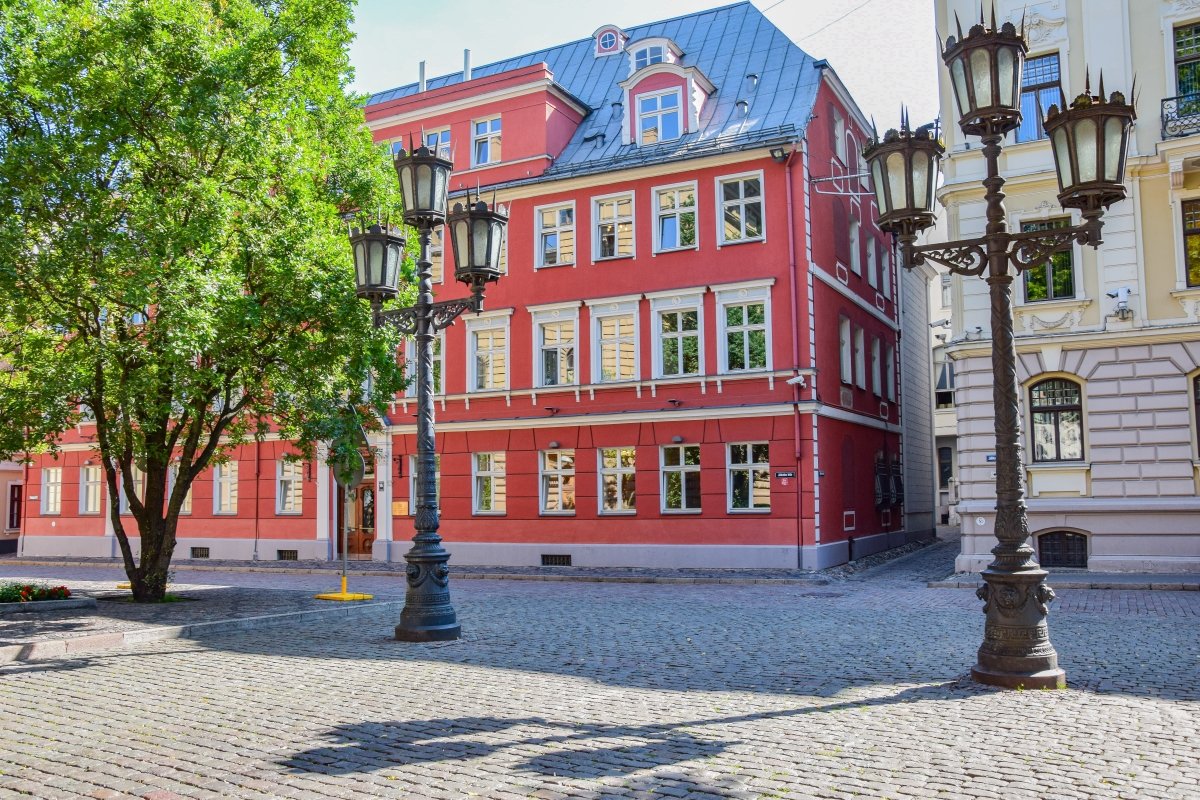
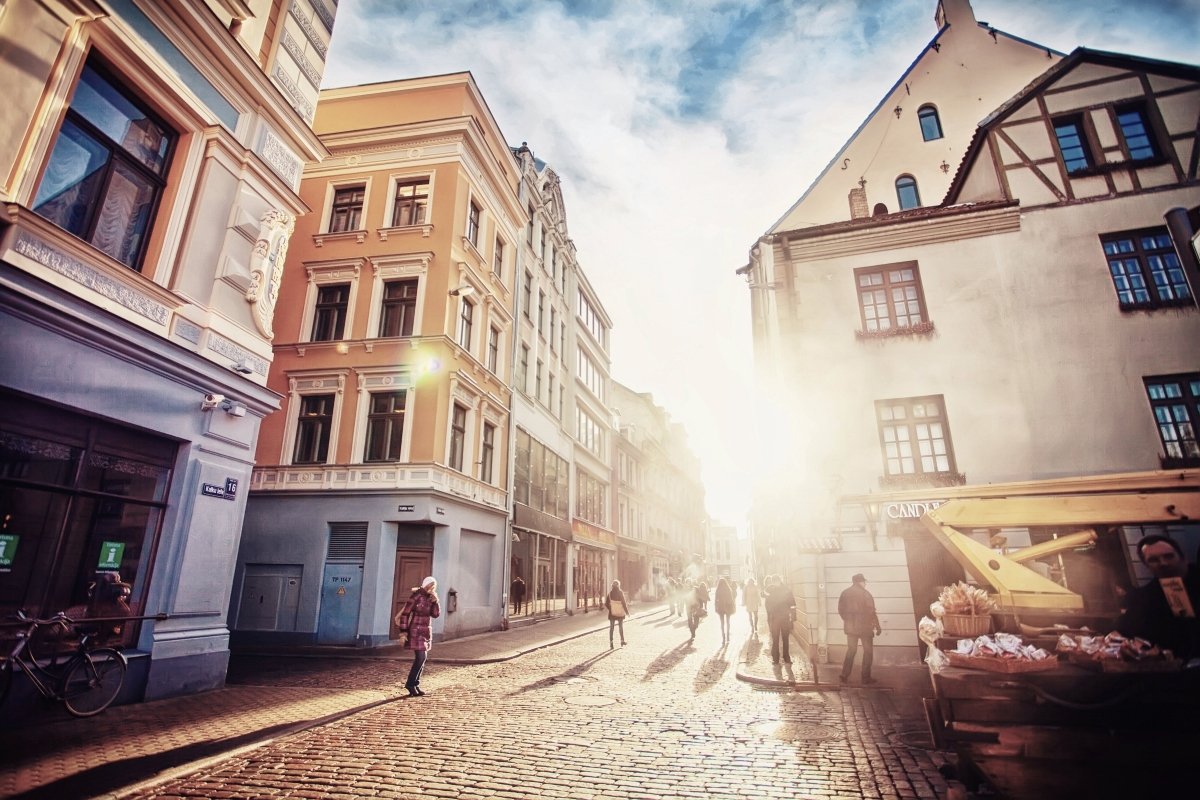
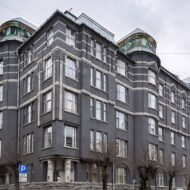
Head past the main district toward the canal for a less-touristy experience. Here you’ll see Art Nouveau in its natural habitat—where locals actually live and work. It’s less polished, more authentic, and honestly? More interesting.
Best for: Avoiding crowds and getting authentic neighborhood vibes
Budget: Free
Know Before You Go
| Factor | Details |
|---|---|
| Best time to visit | May–September (sunny, warm); October (fewer tourists, moody light) |
| Worst time to visit | November–March (dark, cold, rainy); December if you want Instagram photos without crowds |
| Weather to expect | Summer: 15–22°C (59–72°F); Winter: -2–0°C (28–32°F); Always bring layers |
| Language barrier | Low—English widely spoken; learning “paldies” (thank you) gets instant love |
| Accessibility | Challenging—uneven medieval cobblestones, narrow streets, some buildings lack elevators |
| Getting around | Walk (most fun) or rent bikes (very local) trams cost €1.15 for a ride |
| Wheelchair access | Limited to main streets; contact venues ahead if you need specific accommodations |
| Cost of living | Budget: €30–50/day; Mid-range: €80–120/day; Splurge: €150+/day |
| Getting there | Riga Airport (RIX) is 10km west; €13 by taxi, €3 by train/bus |
| Where to stay | Vecriga (Old Town) for immersion; Quiet Canal area for slightly more space |
| Walking distance to district | Most of the city; main sights are 10–20 minute walks |
| How long to spend here | 2–3 days (unhurried) 1 day (rushed) |
| Currency & payment | Euro (EUR €); Cards accepted everywhere ATMs plentiful |
| Safety level | Very safe; petty theft rare; stick to main streets at night |
| Local etiquette | Latvians are reserved but friendly; smile, greet, respect quiet spaces |
Architecture Nerd Deep Dive: Why Art Nouveau Isn’t Just Pretty
Art Nouveau (1890–1910) was basically the rebellion against boring industrial design. It celebrated organic shapes, nature-inspired motifs, and craftsmanship. In Riga, architects like Mikhail Eisenstein (yes, the cinema director’s dad—wild, right?) used:
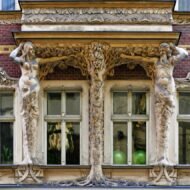
- Sculptural human faces and mythological figures on facades (some friendly, some absolutely haunting)
- Ornamental shields and motifs that reference Latvia’s cultural heritage
- Curved lines and asymmetry that make buildings look like they’re dancing
- Rich, earthy colors: terracotta, sage green, deep burgundy, gold accents
- Innovative interior courtyards (you’ll see some if you peek through archways—very cool)
The thing that makes Riga different from other Art Nouveau cities (like Brussels or Paris)? Density. You get 750+ buildings in a relatively compact area, which means you’re not hunting for gems—you’re wading through them.
What to Actually Do (Beyond Just Looking at Buildings)
Walk Alberta Street at Different Times of Day
Seriously, do this. Morning light is clean and clear. Afternoon light is dramatic. Evening light is pure magic. Each time looks completely different—it’s like getting three museums for free.
Visit the Art Nouveau Museum
Location: 10a Alberta Street (yes, right on the famous street) Cost: €6 Time: 45 minutes–1 hour
The museum is inside a restored Art Nouveau apartment from 1903. You’ll see period furniture, design sketches, and get to walk through actual rooms designed during the movement’s heyday. It’s small but perfectly formed—and atmospheric.
Pro tip: The museum is in a functioning residential building. Be respectful and keep voices down.
Explore Hidden Courtyards
One of Art Nouveau’s best-kept secrets? The interiors. Courtyards are often more ornate than street facades. Look for archways (usually marked with “caur” meaning “through” in Latvian) and peek inside. Many are open to the public during the day.
Best courtyards: Around Elizabetas Street and the quiet areas of Vecriga
Photograph at Golden Hour
If you’re an Instagram person, late afternoon (4–6pm depending on season) is when these buildings absolutely shine. The stone picks up warm tones, shadows create drama, and the light is chef’s kiss.
Best spots for photos:
- Alberta 2 (the famous demon faces)
- Corner of Elizabetas and Ausekla
- Kronvalda Boulevard facing the Opera House
- Quiet Canal bridges at sunset
Catch a Show at the National Opera House
Even if you don’t love opera, the opera house is a gorgeous Art Nouveau building worth seeing inside. Cost: €10–60 depending on the show Booking: operaballe.lv
Sit in a Café and Do Nothing (Strategically)
Grab coffee at a place like Rocket Espresso or Neatkarības Ala and watch locals live their lives among the architecture. It’s meditative and very Latvian.
Budget: €2–4 for coffee
Join a Guided Walking Tour
Not for everyone, but if you want architectural context and insider stories, tours run €12–18 and last 1.5–2 hours. Companies like Riga Food Tours and Free Riga Tours offer Art Nouveau-focused walks.
Practical Logistics (The Boring Stuff That Matters)
Getting There & Getting Around
From the airport:
- Train (20 min, €3): Best budget option; clean and direct
- Taxi (15 min, €13–18): Most convenient; use Bolt or Yandex
- Bus (45 min, €3): Slowest but fine if you’re not in a rush
Within the district:
- Walking: Everything is walkable; wear comfortable shoes
- Bikes: Rental shops everywhere (€10–15/day); lanes exist but can be chaotic
- Trams: €1.15 per ride; useful if feet hurt
- Taxis: Uber/Bolt: €3–6 for short trips
Where to Sleep
Budget (€25–50/night):
- Tree House Hostel
- Riga Backpackers
- Lido hostel
Mid-range (€60–120/night):
- Neiburgs Hotel (boutique, Old Town)
- Justus Boutique Hotel
- Radisson Old Town Riga
Splurge (€150+/night):
- Pullman Riga Old Town
- The Darling Hotel
Where to stay: Vecriga (Old Town) puts you in the heart of the action, or near the Quiet Canal for slightly more peace.
Where to Eat (Beyond Tourist Traps)
Local experience (€8–15):
- 3 Pavāru Restorāns: Modern Latvian cuisine; unbeatable value
- Folkklubs Ala Pagrabs: Traditional Latvian food in a cozy cellar
- Rupjmaize: Rye bread soup (yes, rye bread soup—trust us)
Upscale (€25–50):
- Lido: Local chain; casual but excellent
- Pie Kristapa: Modern takes on classics
Cafes (€2–5):
- Rocket Espresso: Best coffee in Riga
- Caffeine Coffee
- Triangular Cafe (quirky, vegan-friendly)
Money Matters
- Currency: Euro (EUR €)
- Cash vs. card: Card is fine almost everywhere; some tiny places want cash
- Budget estimate: €40–60/day for budget travelers; €100–150 for comfortable stays
- Tipping: 10% is nice but not required; service charge often included
Pro Tips from People Who’ve Actually Been There
The light changes everything: Same building looks completely different at noon vs. sunset vs. overcast. Plan to revisit favorites.
Download offline maps: Google Maps works, but Riga City Guide app has better Art Nouveau context.
Bring comfortable shoes: You’ll walk 10,000+ steps easily. Your feet will thank you (or curse you—depends on shoes).
Learn basic Latvian phrases:
- “Paldies” (thank you) = instant local respect
- “Jā” (yes)
- “Nē” (no)
- “Cik tas maksā?” (how much?)
Avoid tourist restaurants on Alberta Street: Walk 2 minutes in any direction for better food and prices.
Visit in autumn if possible: September–October hits the sweet spot of good weather, fewer tourists, and moody light that makes architecture even more dramatic.
Get a Riga Card: €25/day includes transport and museum entries; pays for itself if you’re doing multiple attractions.
Poke around archways: Many courtyards are genuinely beautiful and less crowded than street facades.
Don’t skip the canal walk: It’s less famous but arguably more beautiful than the main district.
Is This For You? (Honest Reality Check)
Go if you:
- Love architecture or design (obviously)
- Enjoy walking and exploring on foot
- Want to visit a place that’s genuinely unique—not another cookie-cutter European city
- Are cool with uneven streets and older infrastructure
- Like a mix of tourism and authentic neighborhood living
- Want value for your money (Riga is surprisingly affordable)
- Appreciate atmospheric photography
- Enjoy discovering hidden details in buildings
Maybe skip if you:
- Need wheelchair accessibility (limited on old streets)
- Hate walking
- Only care about nightlife and beaches
- Get bored easily with “just looking at buildings”
- Want everything in English (Latvian is lovely but takes effort)
- Travel with very young kids (long walks, uneven surfaces)
The Real Talk: What NOT to Miss
- Alberta Street at golden hour: Non-negotiable. Even if you have zero interest in architecture, those sculptures are weirdly captivating.
- At least one hidden courtyard: It’s where you realize this wasn’t just about looking good from the street—it was about living beautifully.
- Coffee in a local café: Not a chain, not a tourist spot. Just a place where Latvians get their morning coffee. You’ll feel like a local in 10 minutes.
- The National Library: Designed by a Latvian architect, this modern building across the Daugava River provides perspective on how much Riga values architecture. The view back to Old Town is stunning.
- One moment of just sitting and looking: Not photographing. Not analyzing. Just experiencing. This is where it clicks.
Quick Recap
Riga’s Art Nouveau district is the world’s largest collection of Art Nouveau buildings, representing a golden age of design and craftsmanship from 1901–1917. The architecture is stunning, the neighborhood is walkable and safe, and the whole experience is incredibly affordable compared to other European cities.
You could rush through in a day, but 2–3 days lets you actually feel the place rather than just tick boxes. The best part? Beyond the obvious Instagram spots, there’s genuine beauty around every corner—and you won’t feel like you’re walking through a theme park.
Whether you’re a hardcore architecture nerd or just someone who appreciates beautiful spaces, Riga’s Art Nouveau district is legitimately worth your time. The buildings are telling the story of a city that believed in beauty, craftsmanship, and the power of design to elevate everyday life. That story still resonates.
Disclaimer
This article is for informational purposes and reflects conditions as of March 2026. While we’ve made every effort to provide accurate, up-to-date information, we recommend confirming details before travel:
- Prices and operating hours may change without notice; always check official websites
- Weather in the Baltics is unpredictable; bring layers regardless of season
- Accessibility: While we’ve noted accessibility challenges, specific venue accommodations vary. Contact attractions directly if you have mobility or accessibility needs
- Local regulations: Respect private property; don’t enter courtyards or buildings without clear public access
- Photography: Always ask before photographing people; some courtyards have restrictions
- Travel insurance: We recommend comprehensive travel insurance covering healthcare, cancellations, and trip delays
Riga is safe and welcoming, but like any city, practice normal travel awareness. Keep valuables secure, stick to main streets at night, and trust your instincts.
Have questions? Contact the Riga Tourism Board at rigastourism.lv or visit their office in the Old Town.
Last updated: March 2026
Written for: Architecture lovers, design enthusiasts, history buffs, photographers, and anyone seeking authentic European experiences
Vibe: Honest, enthusiastic, jargon-free, and thoroughly walkable
Now go book your trip. Your future self will thank you.