


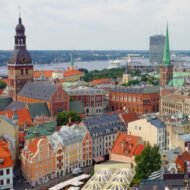
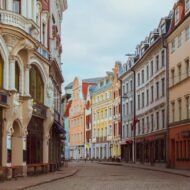
TL;DR: Vecrīga (Riga’s Old Town) is a UNESCO World Heritage Site packed with Art Nouveau architecture, medieval charm, and vibrant café culture. Budget €50-100 daily, visit year-round (summer’s warmest, winter’s most magical), and expect to spend 2-3 days exploring cobblestone streets, trying grey peas with bacon, and discovering hidden courtyards. Most locals speak English, it’s LGBTQ+ friendly, and easily navigable for everyone.
- Getting There and Around
- When to Visit (And What to Expect)
- Budget Breakdown
- Must-See Spots (That Actually Matter)
- House of the Blackheads
- Riga Cathedral (Doma baznīca)
- St. Peter’s Church Tower
- Three Brothers
- Swedish Gate
- Cat House
- Hidden Gems (Where Locals Actually Go)
- Food and Drink (The Real Stuff)
- Practical Tips
- Quick Day-by-Day Itinerary
- Shopping
- What Nobody Tells You
- Final Thoughts
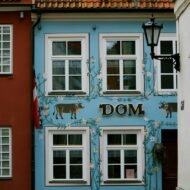
Let’s be honest—Riga’s Old Town doesn’t get the hype it deserves. While everyone’s flooding Prague and Tallinn, Vecrīga is over here serving medieval architecture, Art Nouveau masterpieces, and some of the best café culture in the Baltics without the insane tourist crowds. Yet.
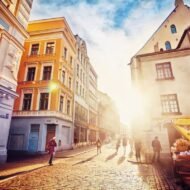
This isn’t your typical European old town where everything looks Instagram-perfect but feels soulless. Vecrīga is where locals actually hang out, where you’ll stumble upon hole-in-the-wall bars serving suspicious (but delicious) herbal liqueurs, and where every twisted alley reveals something unexpected—maybe a courtyard garden, maybe a jazz club, maybe just a really good bakery.
Getting There and Around
Flying in: Riga International Airport (RIX) is about 10km from the center. The 22 bus runs every 10-20 minutes and costs around €2—way better than the €15-25 taxi. The bus drops you near the Central Market, and Old Town’s a short walk from there.
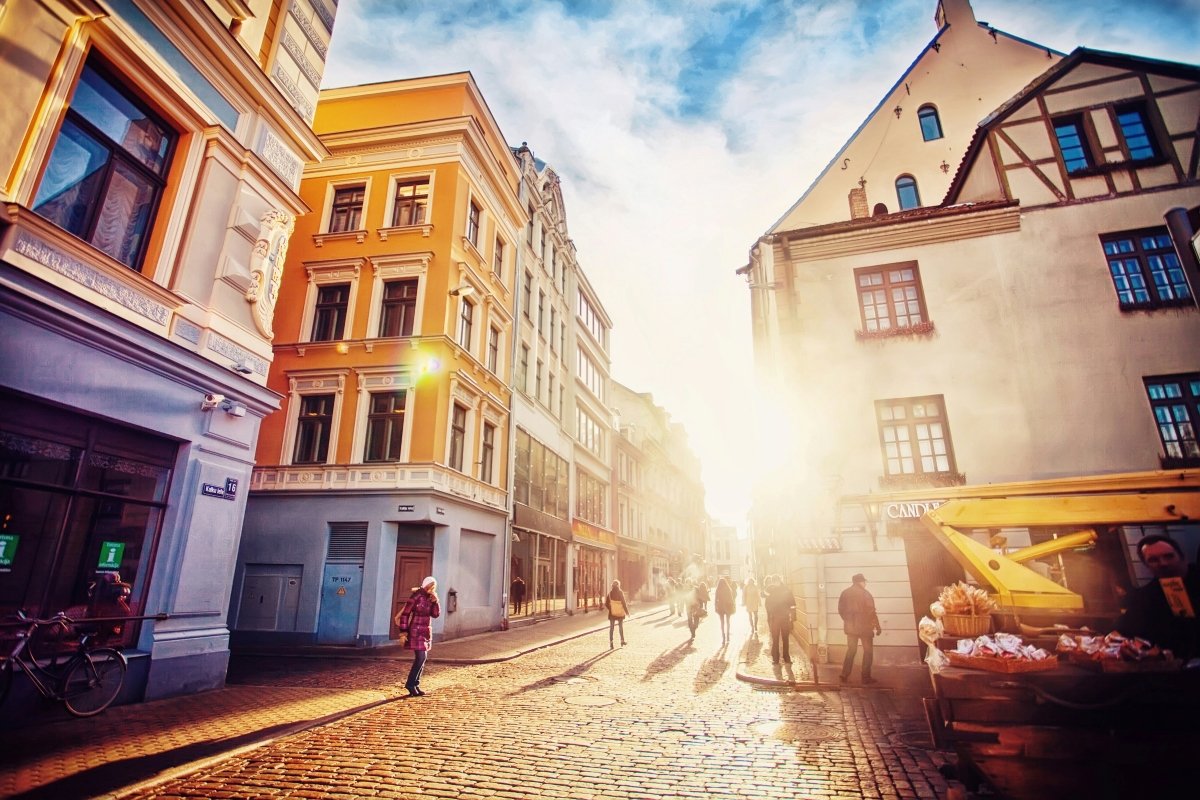
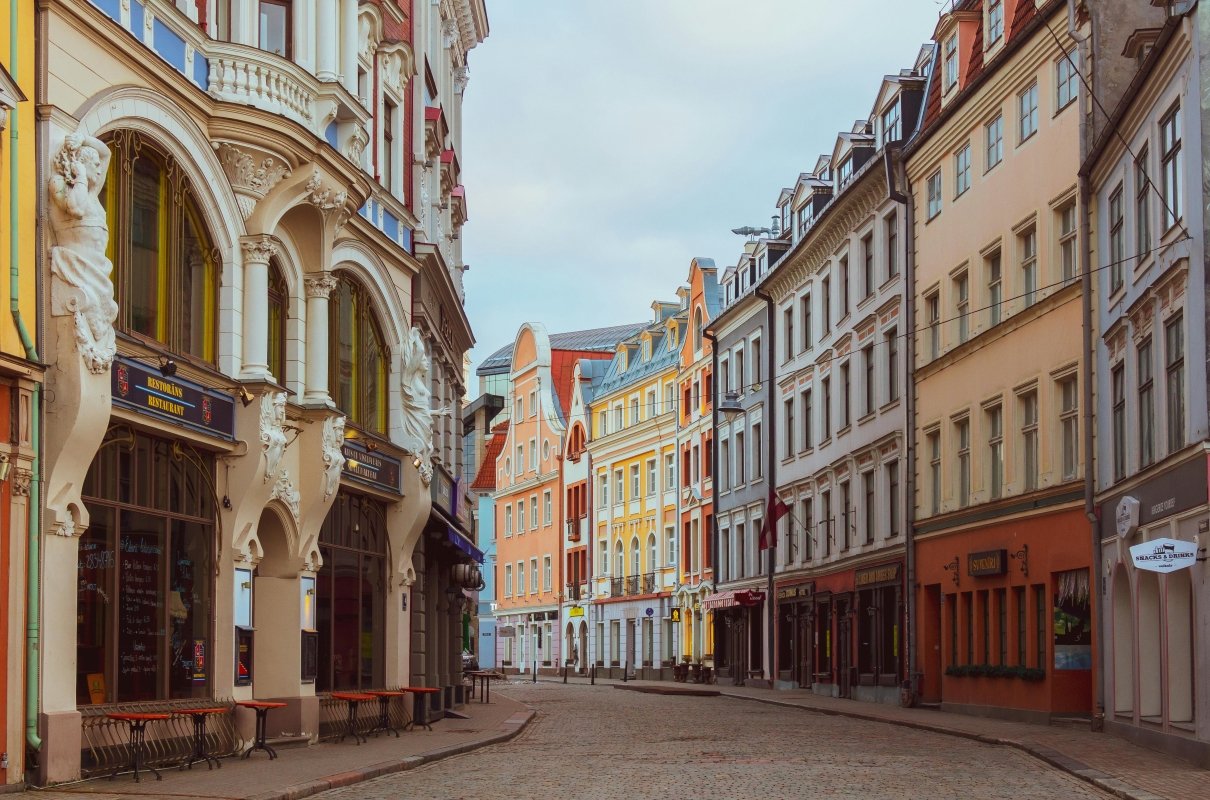
Within Vecrīga: Your feet are your best friends here. The Old Town is compact enough to cross in 15 minutes, though you’ll want way more time than that. Most streets are cobblestoned (pack comfortable shoes—seriously), and many areas are pedestrian-only, which makes wandering absolutely delightful.
Accessibility note: Those medieval cobblestones can be challenging for wheelchair users and people with mobility aids. Main streets like Kalķu iela are more accessible, and most modern restaurants and hotels have ramps, but some historic buildings may have limited access.
When to Visit (And What to Expect)
Summer (June-August): Peak season means 20-25°C, long daylight hours (it barely gets dark in June), and the most events. Expect crowds at major attractions and higher prices.
Winter (December-February): Cold (often below freezing), but the Christmas markets transform Dome Square into something magical. Fewer tourists, lower prices, and that cozy Nordic vibe everyone romanticizes on Instagram.
Sweet spot: May or September. Pleasant weather, smaller crowds, and you’ll catch either spring blooms or golden autumn leaves without the tourist hordes.
Budget Breakdown
Budget traveler: €50-70/day
- Hostel: €15-25
- Food: €20-30 (self-catering breakfast, lunch specials, one sit-down dinner)
- Activities: €10-15
- Transport: minimal in Old Town
Mid-range: €100-150/day
- 3-star hotel: €50-80
- All meals out: €40-60
- Museums and attractions: €20-30
- Occasional taxi/Uber
Luxury: €200+/day
- Boutique hotel: €120+
- Fine dining: €80+
- Private tours and experiences
Must-See Spots (That Actually Matter)
House of the Blackheads
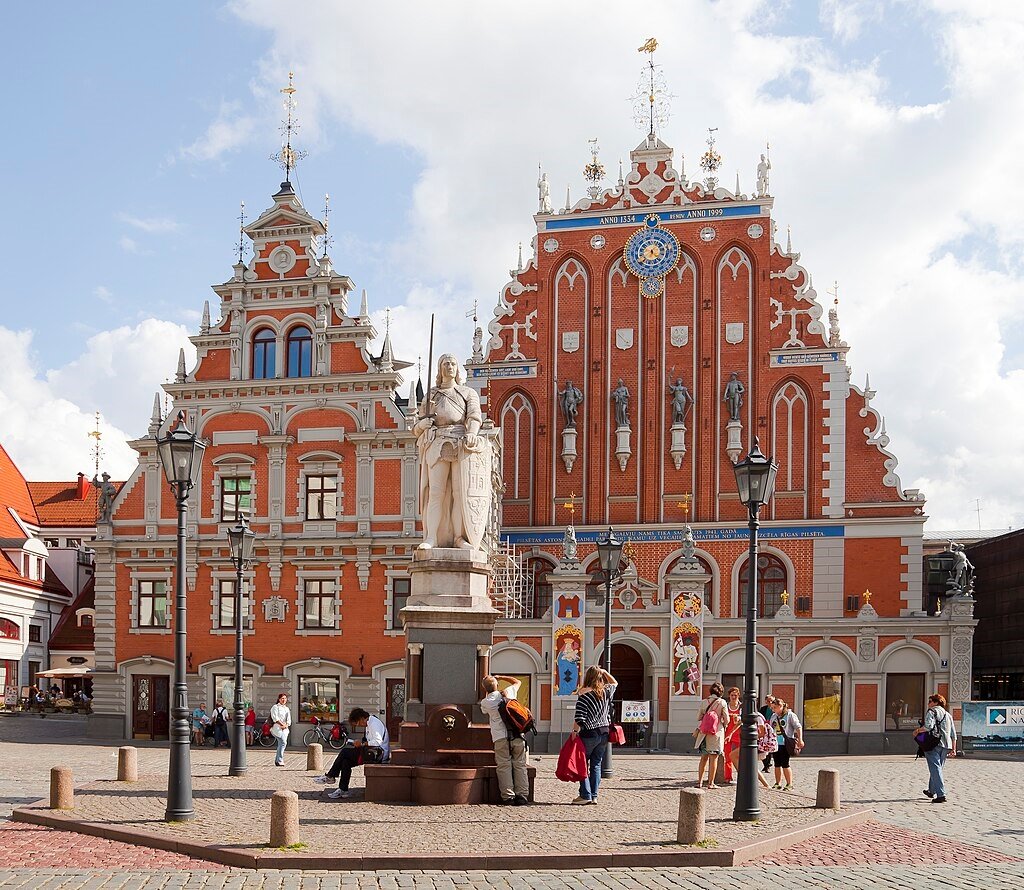
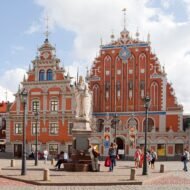
This reconstructed Gothic masterpiece is basically Riga’s calling card. The original was bombed in WWII and demolished by Soviets, but the 1999 reconstruction is stunning. The ornate façade alone is worth the visit, but go inside for the grand halls and historical exhibits (€10-12 entry).
Skip the line: Visit early morning (before 10am) or late afternoon.
Riga Cathedral (Doma baznīca)
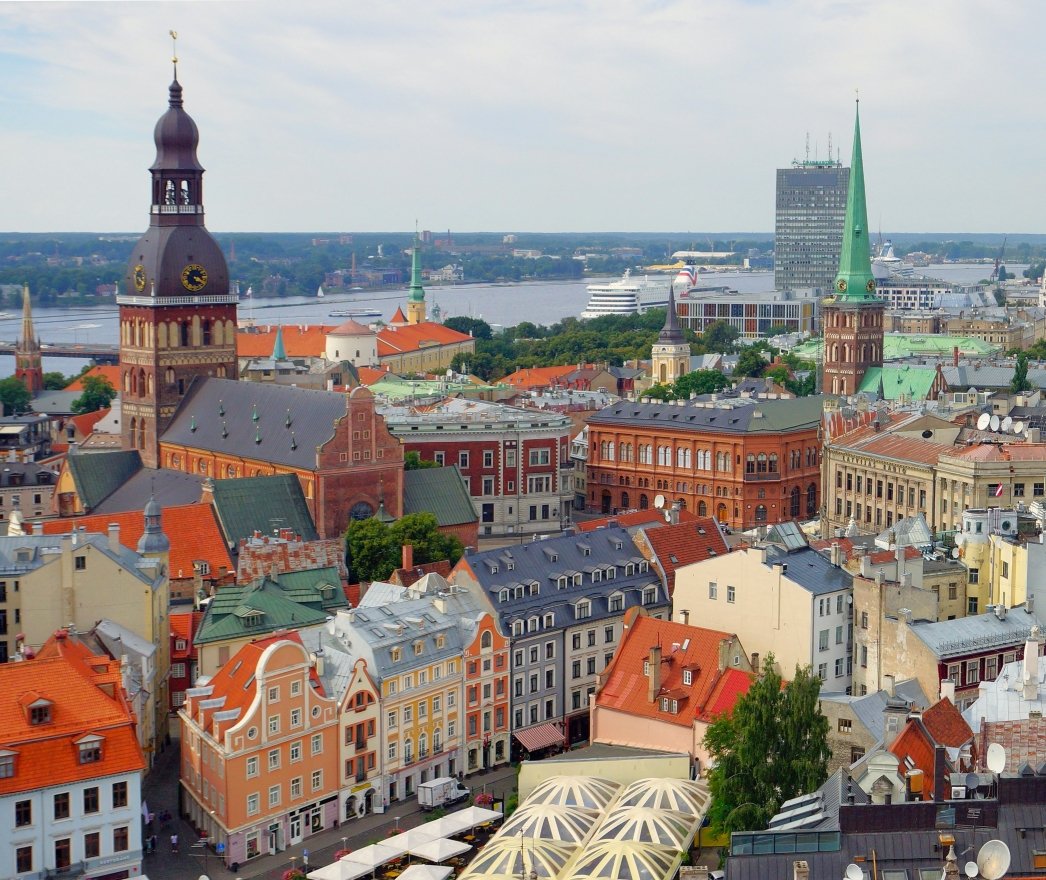
Latvia’s largest medieval church has a 6,700-pipe organ that’ll give you goosebumps. Even if you’re not religious, the architecture is incredible—it’s been added onto since 1211, so you get Romanesque, Gothic, and Baroque all fighting for attention. Check the schedule for organ concerts (€10-20).
Insider tip: Climb the tower (entry around €5) for views without the St. Peter’s Church crowds.
St. Peter’s Church Tower
Speaking of which—the 72-meter viewing platform gives you the absolute best Old Town views. The elevator ride up is €9-12, and it’s worth every cent, especially at sunset. The church itself was rebuilt after WWII fires and is less impressive inside than the Dome, but those views though.
Three Brothers
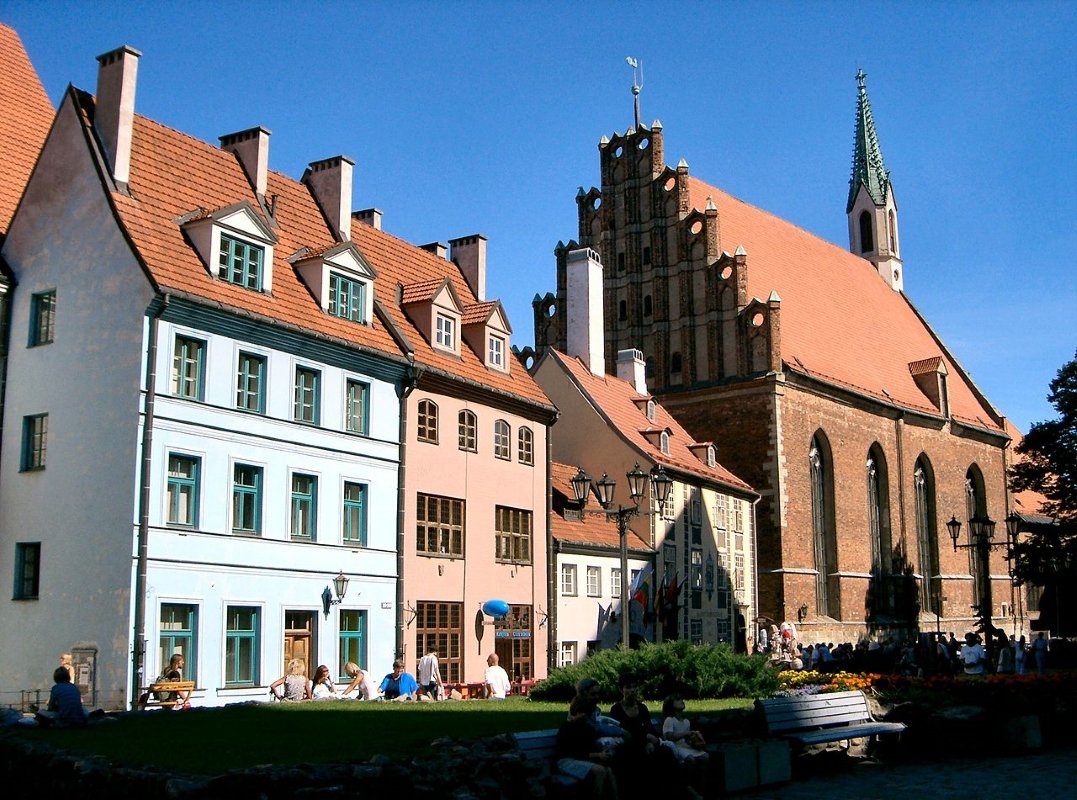
These three medieval houses (15th-17th centuries) show how architectural styles evolved. The white one is the oldest (late 15th century), and they’re all pressed together like they’re trying to share warmth. Now housing the Architecture Museum, but honestly, the exterior is the real star.
Swedish Gate
The only original gate left in the city walls, built in 1698. There’s a legend about a girl being walled up inside (typical medieval stuff), but mostly it’s just a really photogenic yellow archway that connects you to quieter streets.
Cat House
Look up at the turrets and you’ll see two angry cat statues. Legend says the owner was rejected by the Great Guild across the street, so he positioned the cats with their butts facing the guild. Petty? Yes. Iconic? Absolutely.
Hidden Gems (Where Locals Actually Go)
Livu Square (Līvu laukums): The real heart of Old Town nightlife. Outdoor terraces packed in summer, underground bars perfect for winter. Skip the obvious tourist traps and try Folkklubs Ala Pagrabs for traditional Latvian food in a medieval cellar.
Konventa Sēta: This 13th-century convent courtyard is now filled with craft shops, galleries, and cafés. Way more chill than the main squares, perfect for escaping the tour groups.
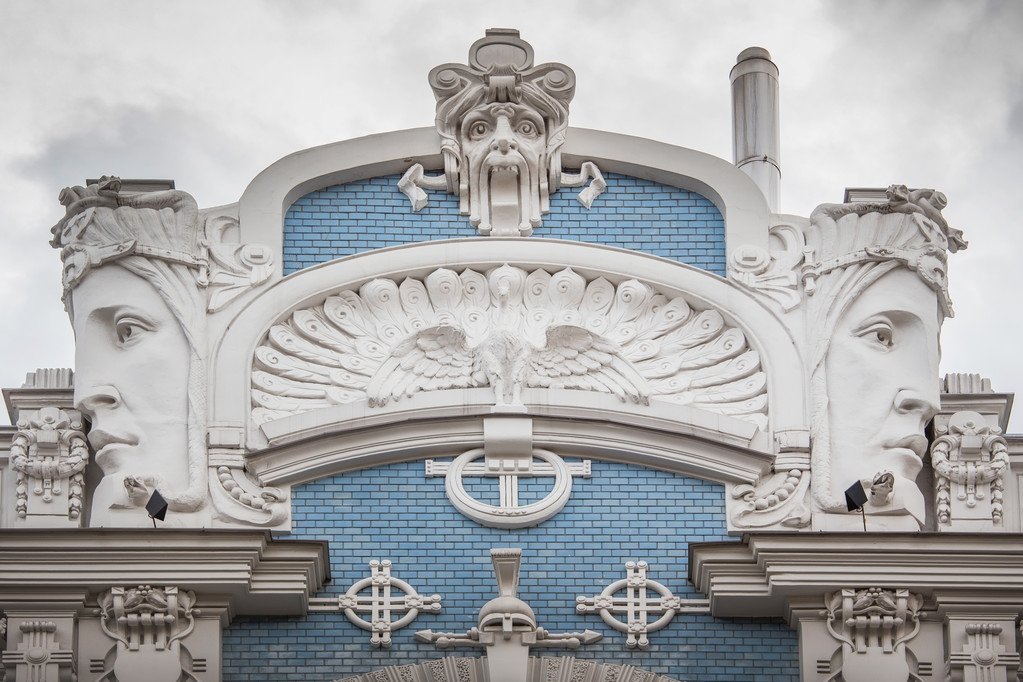
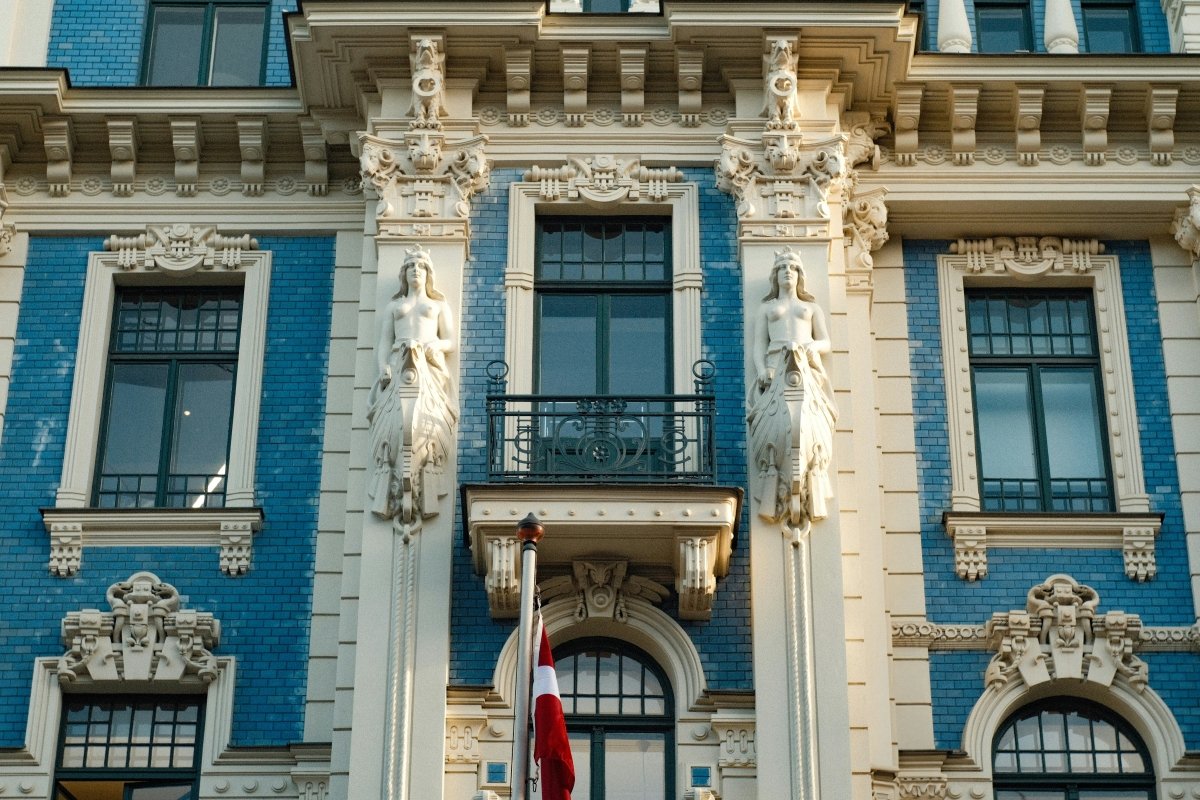
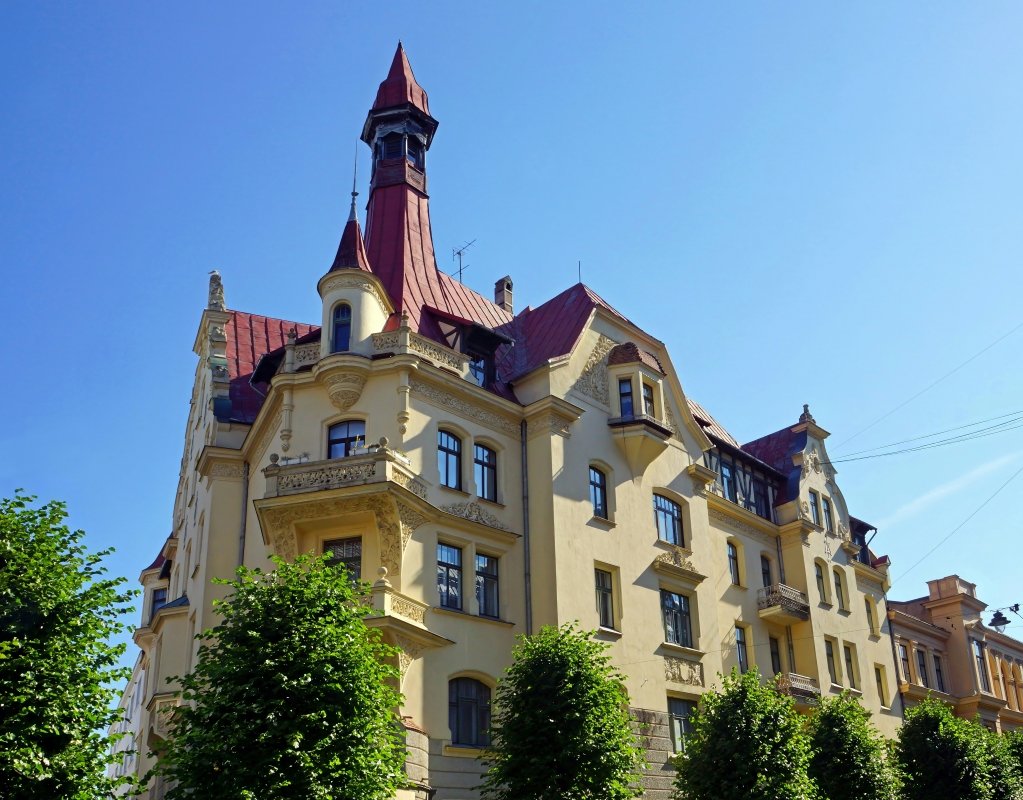
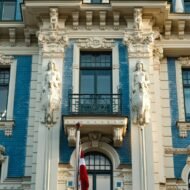
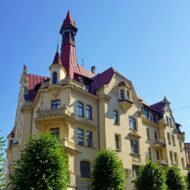
Riga Art Nouveau District: Technically just outside Vecrīga, but Alberta iela is a 10-minute walk and absolutely unmissable. Some of the most elaborate Art Nouveau facades in Europe. Free to admire from the street; the museum at Alberta 12 costs about €7.
Bastion Hill: The old defensive rampart is now a park with views over the canal. Locals come here to chill, read, or have a sneaky afternoon beer. Zero tourists, maximum vibe.
Food and Drink (The Real Stuff)
What to eat:
Grey peas with bacon (pelēkie zirņi ar speķi): Latvia’s national dish sounds weird, tastes amazing. Smoky, hearty, perfect hangover food.
Rye bread (rupjmaize): Not just bread—it’s a cultural artifact. Dark, sour, dense, and locals are weirdly proud of it.
Sklandrausis: Rye pastry filled with carrot and potato. Sweet but earthy. Either love it or hate it.
Speck rolls: Bacon pastries from bakeries. Grab them warm.
Black balsam: Herbal liqueur that tastes like Christmas and regret. Mix it with blackcurrant juice (they call it the “cocktail”) or drink it straight if you’re brave.
Where to eat:
Budget: Lido (self-service Latvian chain with surprisingly good food, €5-8 per meal), 3 Pavāru Restorāns (three chefs, one menu, changes regularly, €10-15).
Mid-range: Folkklubs Ala Pagrabs (live folk music, massive portions, around €15-20), Rozengrāls (medieval cellar restaurant—touristy but fun, €20-30).
Splurge: Vincents (fine dining, €50+), 3 (Michelin-recommended, tasting menus €60+).
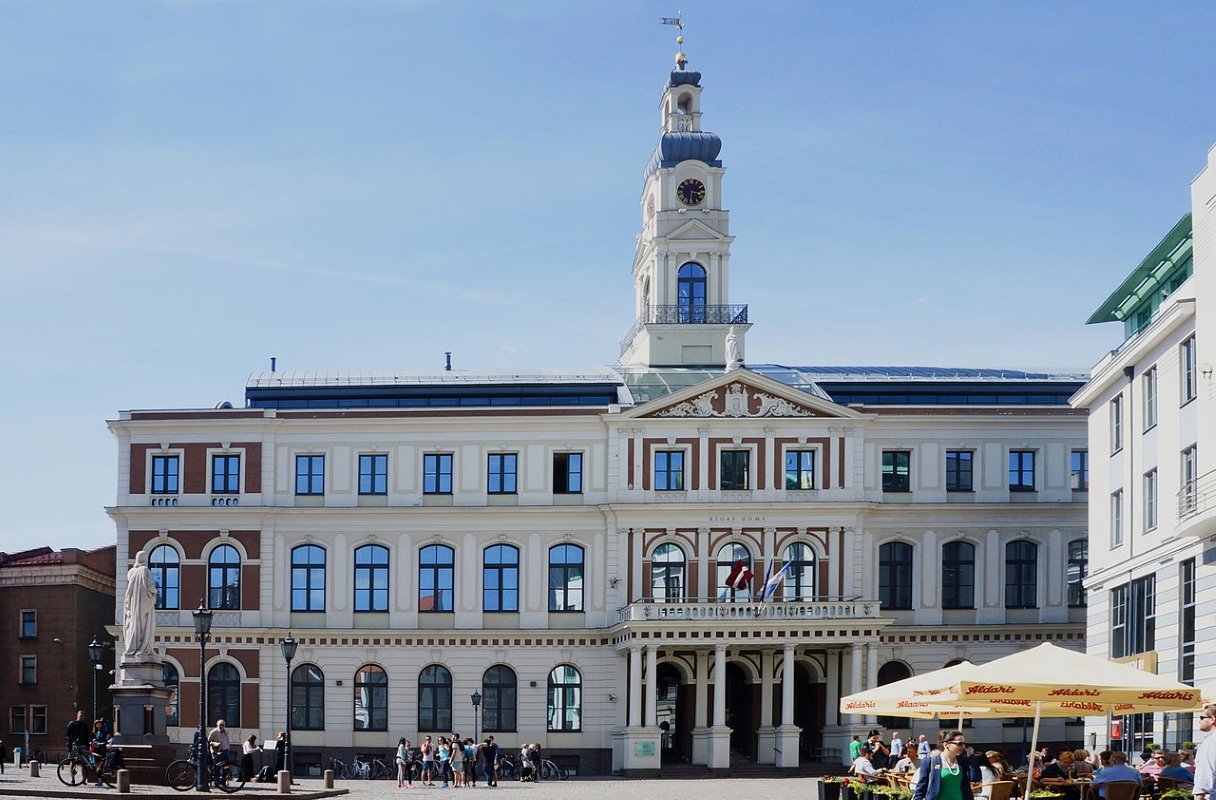
Coffee culture: Miit Coffee is locals’ favorite. Double Coffee is a reliable chain. Avoid the obvious touristy spots around Town Hall Square unless you enjoy paying €5 for mediocre espresso.
Practical Tips
Language: Most younger people speak excellent English. Older generations may know Russian or German better. “Paldies” (PAL-dies) means thank you, and using it gets smiles.
Money: Latvia uses euros. Cards are widely accepted, but have cash for small vendors and traditional markets.
Safety: Riga’s incredibly safe. Standard city awareness applies—watch your belongings in crowded areas, but violent crime against tourists is rare.
LGBTQ+ travelers: Latvia is conservative compared to Western Europe, but Riga (especially Vecrīga) is generally accepting. Public displays of affection might attract stares in less touristy areas. The Baltic Pride parade happens in June.
Internet: Free Wi-Fi in most cafés, restaurants, and hotels. Getting a local SIM card is easy if you need data (around €10-15 for tourist packages).
Tipping: 10% in restaurants if service was good, but it’s not expected everywhere. Round up for taxis and café bills.
Quick Day-by-Day Itinerary
Day 1: Classic Old Town
- Morning: Climb St. Peter’s Church tower for orientation
- Late morning: Wander to House of the Blackheads, Three Brothers, Swedish Gate
- Lunch: Grey peas at Folkklubs Ala Pagrabs
- Afternoon: Riga Cathedral, Dome Square
- Evening: Livu Square for dinner and drinks
Day 2: Beyond the Tourist Trail
- Morning: Art Nouveau district walk (Alberta iela)
- Late morning: Central Market (outside Old Town, 10 min walk)
- Lunch: Market food halls
- Afternoon: Konventa Sēta, hidden courtyards
- Evening: Rooftop bar at Wellton Hotel or underground bar crawl
Day 3: Museums and Culture
- Latvian National Museum of Art or Occupation Museum
- Wander Bastejkalna Park
- Shop for amber, linen, and local crafts
- Farewell dinner somewhere you loved earlier
Shopping
Amber: It’s everywhere, but quality varies wildly. Genuine Baltic amber should feel warm to touch and float in salt water. Expect to pay €20+ for real pieces.
Linen: Latvia makes exceptional linen. Linen Studio or Sakta have beautiful, locally-made items (€30-150).
Black Balsam: Grab a bottle at the Central Market or any supermarket (€8-15). The ceramic bottles make great gifts.
Local crafts: Latvian Glove and Mitten Museum shop, or stalls at Konventa Sēta for traditional patterns.
What Nobody Tells You
The cobblestones are no joke: Wear supportive shoes. Those cute sandals or heels? Save them for flatter cities.
Restaurant lunch specials are gold: Most places offer €5-8 lunch deals on weekdays (typically 12pm-3pm). Same quality as dinner, half the price.
Sunday closures: Many shops and some restaurants close or have limited hours on Sundays. Plan accordingly.
Summer nights are endless: In June/July, sunset isn’t until 10pm or later. Use this to your advantage—everything stays open late.
Riga Card: If you’re museum-hopping and using public transport extensively, the 24/48/72-hour card (€25-40) might save money. Do the math first though.
Final Thoughts
Vecrīga isn’t trying to be Prague or Amsterdam. It’s doing its own thing—preserving history without becoming a theme park, welcoming visitors without losing its soul, and somehow balancing medieval charm with modern energy.
You’ll probably arrive thinking “this is nice” and leave thinking “why doesn’t everyone know about this place?” That’s the Riga effect. It sneaks up on you between the third cobblestone street and the second shot of black balsam.
Give yourself time to get lost. Skip the rushed tour groups. Sit in a courtyard café and watch locals go about their day. That’s when Riga stops being a destination on your itinerary and starts feeling like somewhere you could actually live.
And if you end up extending your trip by a few days? Yeah, that happens here. Consider yourself warned.