

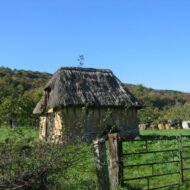
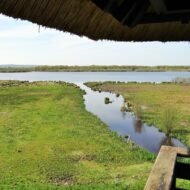
TL;DR: Europe’s hidden wetlands , Skip the typical city breaks and discover Europe’s quirkiest, most biodiverse wetland reserves. From Estonia’s mystical bogs to Portugal’s birdwatching paradise, these five protected areas prove that the best travel experiences happen where tourists don’t—yet.
- Why Wetlands? Why Now? (Yes, They’re Actually Cool)
- 1. Soomaa National Park, Estonia — “The Land of Bogs”
- The Vibe
- Why It Matters Ecologically
- The Authentic Experience
- Things to Do & Wildlife Spotting
- Nearby Attractions
- Where to Stay
- Budget Breakdown
- Getting There
- Sustainability Note
- 2. Biebrza National Park, Poland — Europe’s Wild Marsh Frontier
- The Vibe
- Why It Matters Ecologically
- The Authentic Experience
- Things to Do & Wildlife Spotting
- Nearby Attractions
- Where to Stay
- Budget Breakdown
- Getting There
- Sustainability Note
- 3. Tagus Estuary Natural Reserve, Portugal — Birdlife Powerhouse Near Lisbon
- The Vibe
- Why It Matters Ecologically
- The Authentic Experience
- Things to Do & Wildlife Spotting
- Nearby Attractions
- Where to Stay
- Budget Breakdown
- Getting There
- Sustainability Note
- 4. Weerribben-Wieden National Park, Netherlands — Floating Village Wilderness
- The Vibe
- Why It Matters Ecologically
- The Authentic Experience
- Things to Do & Wildlife Spotting
- Nearby Attractions
- Where to Stay
- Budget Breakdown
- Getting There
- Sustainability Note
- 5. Marais Vernier, France — Normandy’s Hidden Wetland Gem 🇫🇷
- The Vibe
- Why It Matters Ecologically
- The Authentic Experience
- Things to Do & Wildlife Spotting
- Nearby Attractions
- Where to Stay
- Budget Breakdown
- Getting There
- Sustainability Note
- Know Before You Go: Quick Comparison Table
- Why Wetlands Matter (And Why You Should Care)
- Final Thoughts: Authenticity in the Age of Over-Tourism
- Disclaimer
Why Wetlands? Why Now? (Yes, They’re Actually Cool)
Look, wetlands don’t sound sexy. No one’s pinning “marshy destination” to their Pinterest board. But here’s the thing: these soggy, overlooked ecosystems are literally some of the most important habitats on Earth. They’re carbon sinks, wildlife nurseries, and biodiversity hotspots all rolled into one waterlogged package.
And the best part? They’re still under the radar. While everyone’s fighting for selfies at Sagrada Familia, you can have entire nature reserves practically to yourself.
Let’s explore five of Europe’s most extraordinary—and criminally underrated—wetland destinations.
1. Soomaa National Park, Estonia — “The Land of Bogs”
The Vibe
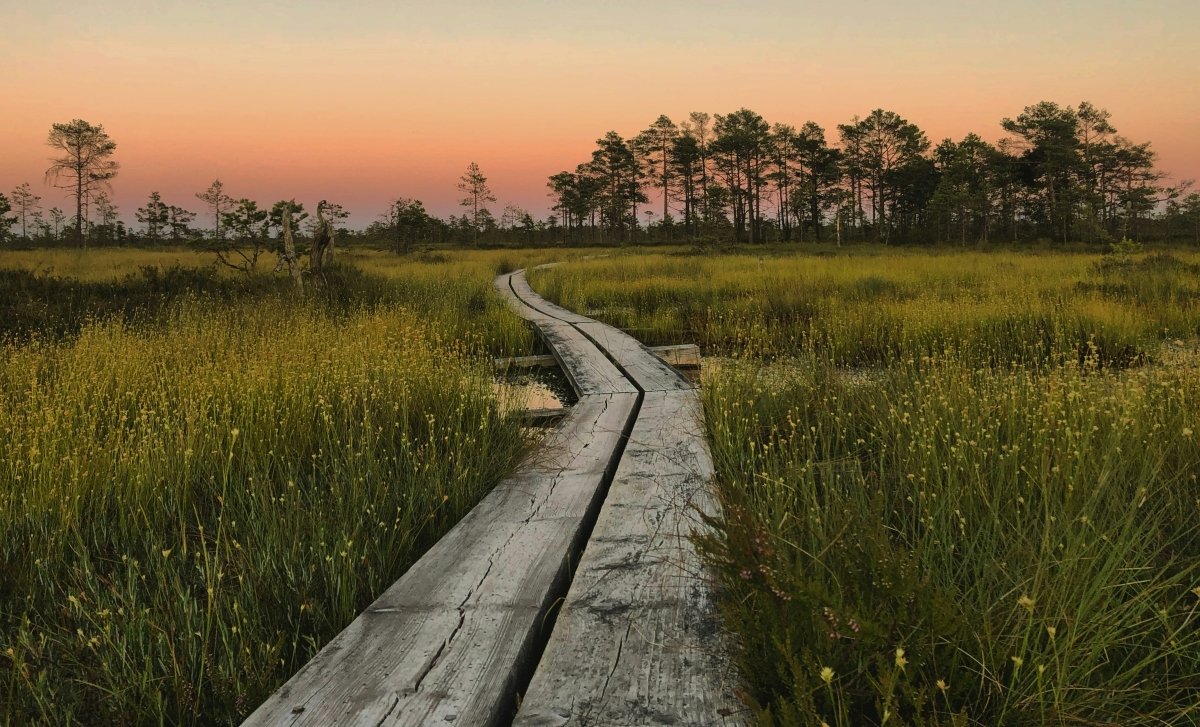
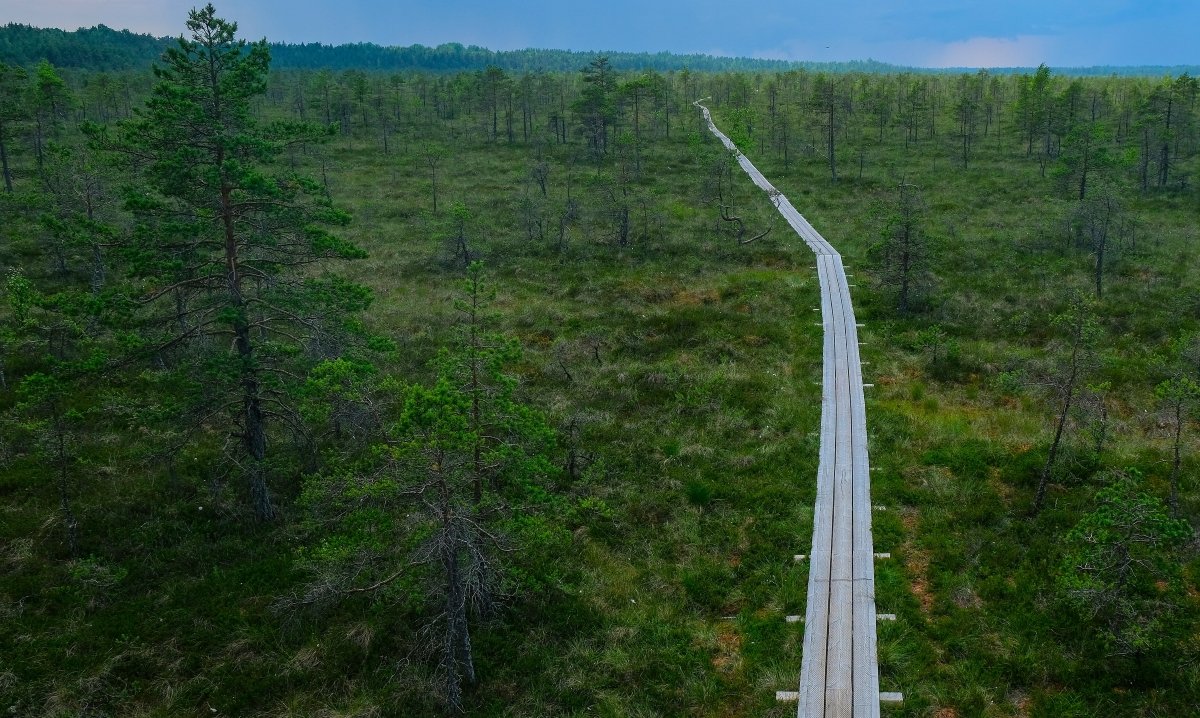
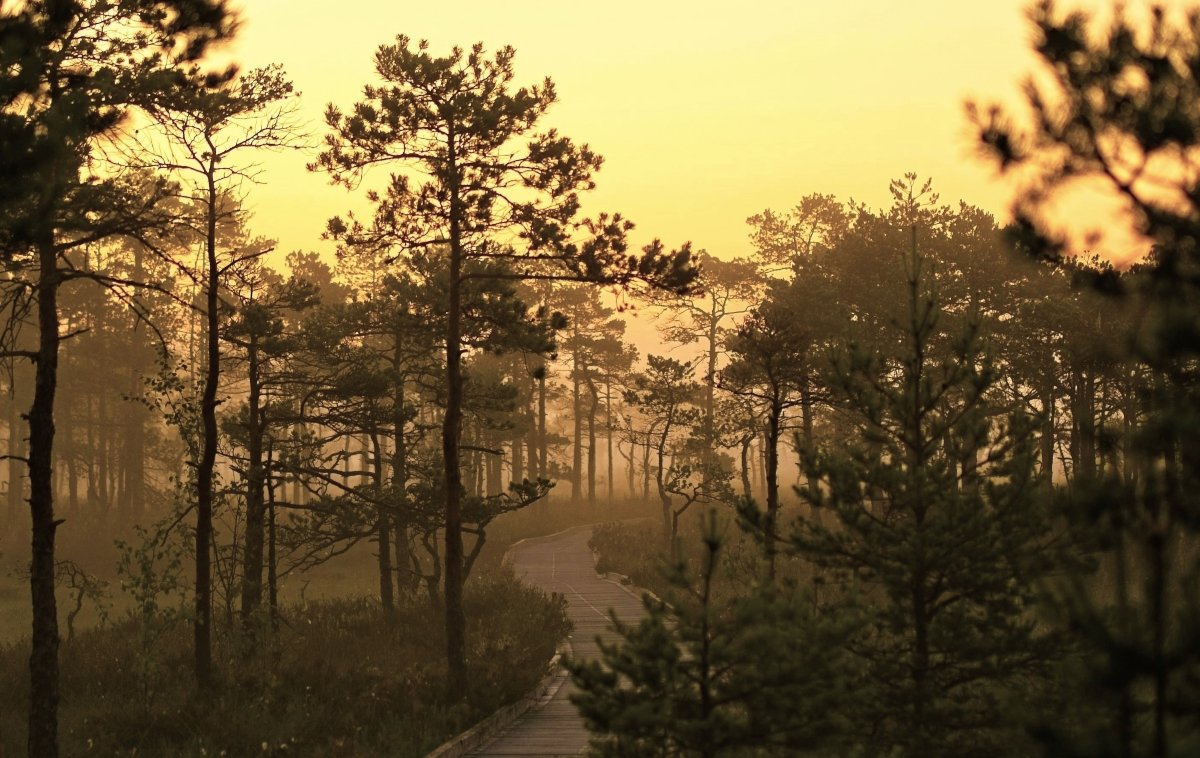
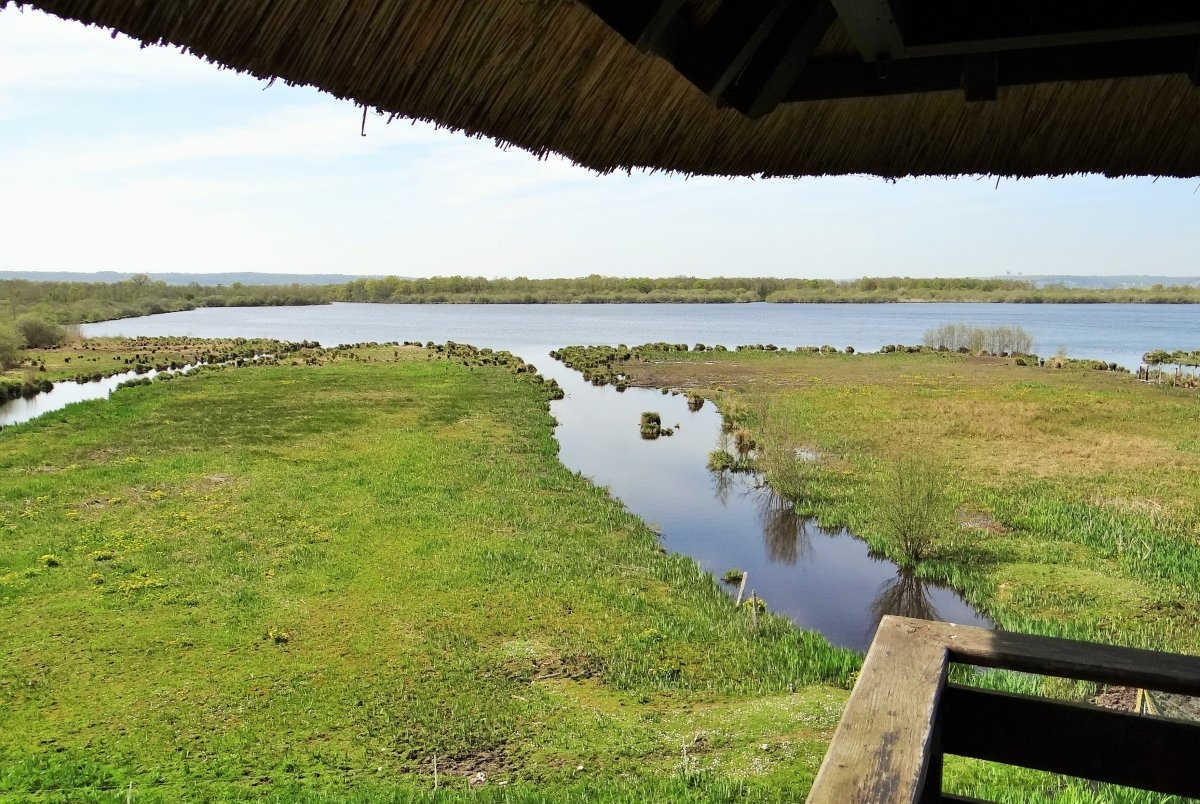
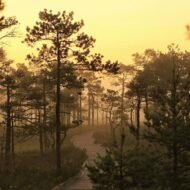
Imagine stepping into a Tim Burton film, but make it ecological. Soomaa (which literally means “land of bogs” in Estonian) is primordial, moody, and impossibly beautiful. This 37,000-hectare park is about 80% water and peat bog—and yes, you can actually walk across much of it (on designated trails, we promise).
Why It Matters Ecologically
Soomaa is home to one of Europe’s largest wetland complexes. Its peat bogs have accumulated over 9,000 years and store more carbon than Amazon rainforest. The park harbors rare species like the European mink, black stork, and whooping crane. During spring floods, the entire landscape transforms into a vast lake—a natural phenomenon called “forest sea” that only happens here.
The Authentic Experience
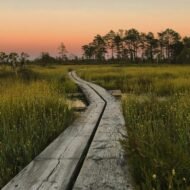
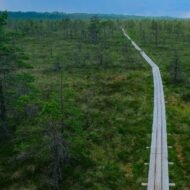
Skip the visitor center initially and hire a local guide for bog trekking. These boots-on-the-ground experts know where the best photo ops are and can spot wildlife you’d never find alone. The raised wooden boardwalks are beautiful, but the real magic is wading through spongy moss trails where your footsteps release 9,000 years of stored water.
Best Time: May-September (but spring floods in April are genuinely surreal)
Things to Do & Wildlife Spotting
- Bog trekking tours (3-5 hours): Navigate sphagnum moss blankets and peat formations. Seriously squishy but unforgettable.
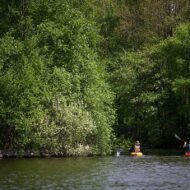
- Canoe the Halliste River: Wind through pristine waterways bordered by ancient forest. Peak bird season is May-June.
- Wolf and lynx tracking: Winter tours (Dec-Feb) with expert naturalists increase your chances of spotting these shy predators.
- Photography golden hours: The misty mornings hit different. Arrive before 7 AM for that ethereal bog aesthetic.
- Raptor watching: White-tailed eagles, black storks, and marsh harriers are common April-August.
Nearby Attractions
- Kaali Meteor Crater (1 hour away): A 110-meter-wide impact crater surrounded by mythology and legend. Wild.
- Kihnu Island: A UNESCO heritage site with preserved traditional culture and zero cars.
- Käsmu Village: A charming coastal village with maritime museums and pristine beaches.
Where to Stay
Budget: Soomaa Puhkekodu guesthouse (~€50-70/night)
- Basic but cozy, locally run, authentic rural experience
- Serves incredible homemade meals
Mid-range: Soomaa Tourism Association lodges (~€80-120/night)
- Comfortable eco-lodges with traditional Estonian architecture
- Many include sauna access (because Estonia = sauna heaven)
Splurge: Metsä Manor (~€150-200/night)
- Luxury forest lodge with heated outdoor pools
- Winter stays include ice hotel experiences
Budget Breakdown
- Accommodation: €50-150/night
- Guide-led bog trek: €40-60 per person
- Canoe rental: €25-40/day
- Meals: €8-15 (local restaurants are incredibly cheap)
- Total daily budget: €130-250
Getting There
By car: Rent from Tallinn (90 minutes drive). Roads are decent, GPS essential. By public transport: Buses from Tallinn to Lääneranna (~2.5 hours, €8), then local taxi to park entrance. Best base: Lääneranna or Polli village (both have accommodations, both charming as hell)
Sustainability Note
The park is heavily protected, and visitor numbers are carefully managed. Stick to designated trails—peat bogs are fragile ecosystems that take centuries to form. MORE READ..
2. Biebrza National Park, Poland — Europe’s Wild Marsh Frontier
The Vibe
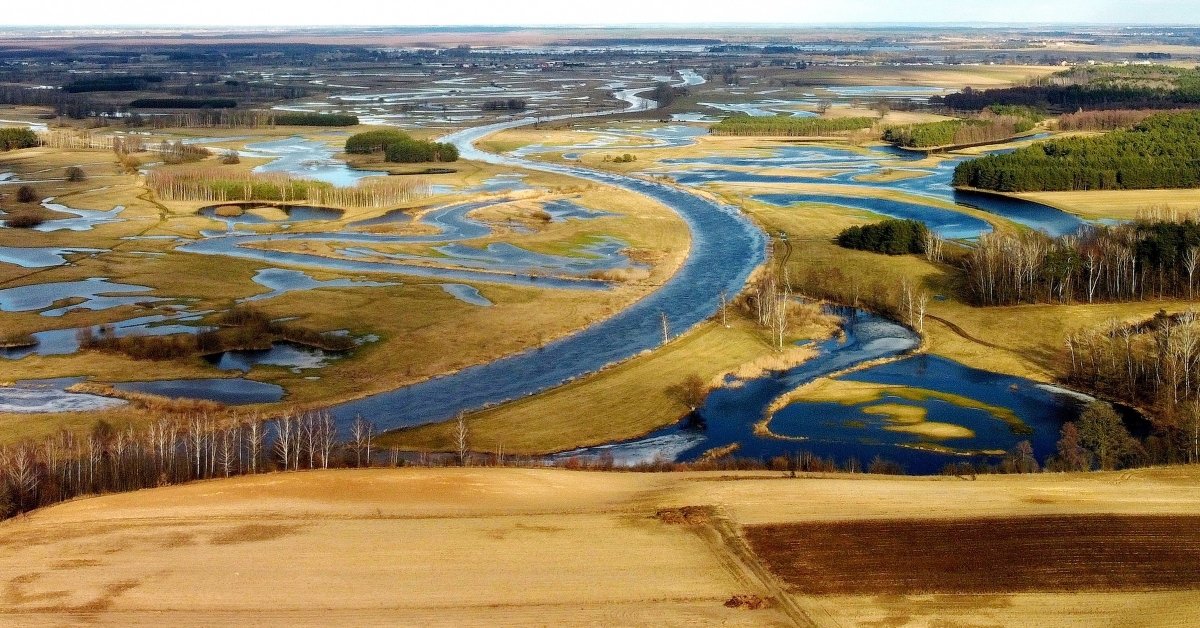
This is primordial Europe. Biebrza is Poland’s largest national park (19,000 hectares) and it feels genuinely wild—think massive reed marshes, oxbow lakes, and a sense that civilization is optional here. It’s where nature makes the rules.
Why It Matters Ecologically
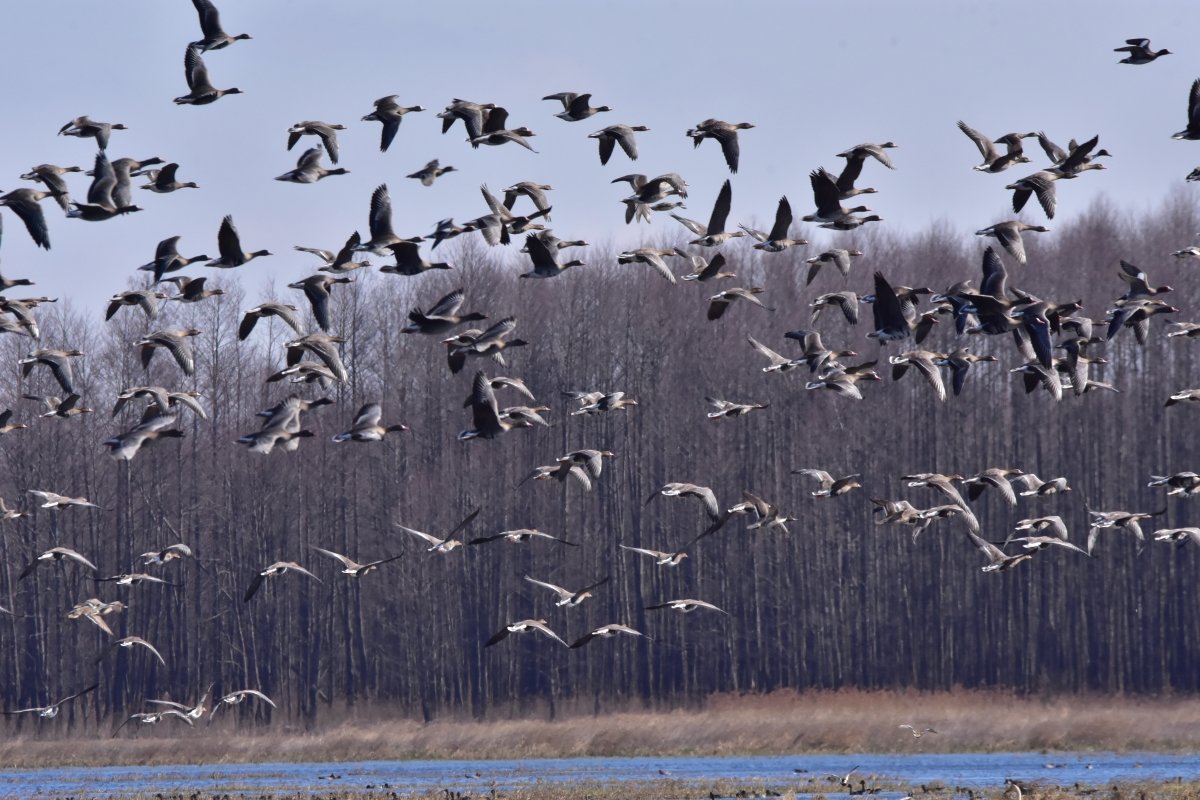
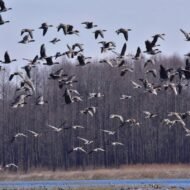
Biebrza is one of Europe’s last unaltered floodplain ecosystems. The Biebrza River creates a mosaic of habitats: marshes, meadows, forests. It’s a critical migration corridor for over 270 bird species, including white-tailed eagles, spotted eagles, and crane flocks numbering in the thousands. During spring migration (March-May), over 50,000 cranes pass through. It’s biblical.
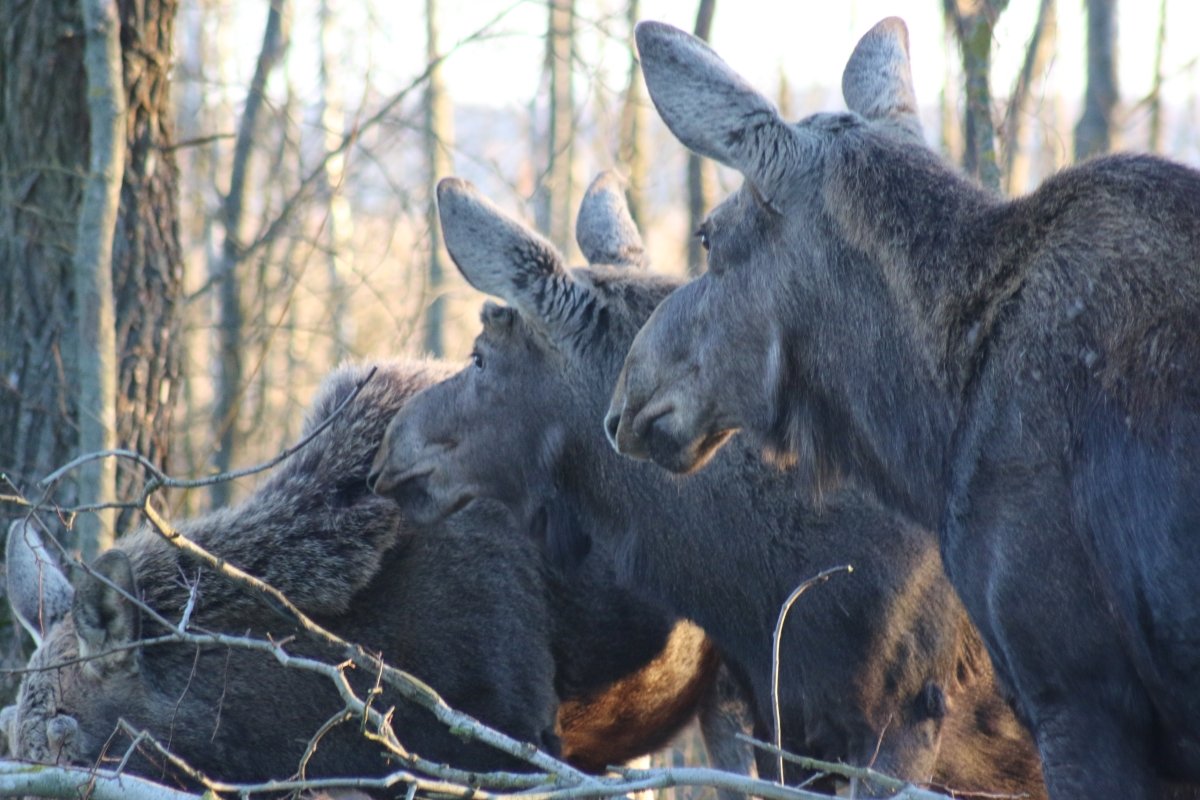
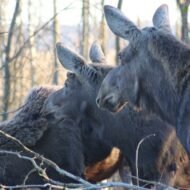
The park is also a stronghold for Polish mammals: moose, wolves, lynx, and European mink all hunt here.
The Authentic Experience
Forget manicured nature trails. Biebrza requires commitment. Most visitors hire specialized guides for boat tours or early-morning birdwatching. The park has minimal infrastructure, which is exactly why it’s spectacular. This is nature as predator-prey spectacle, not sanitized for comfort.
Best Time: March-May (crane migration spectacle), September-October (raptor migration), June-July (breeding bird activity)
Things to Do & Wildlife Spotting
- Guided boat tours (4-6 hours): Silent electric boats glide through reed channels. Incredible for photography and bird spotting.
- Crane watching platforms: Wake at 4 AM. Watch 10,000+ cranes take flight at sunrise from their overnight marshes. Life-changing.
- Owl spotting tours (night excursions): Eurasian eagle-owls and short-eared owls are active at dusk. Bring binoculars and patience.
- Hiking trails: Marked trails range 2-12 km. Difficulty varies wildly—some are boardwalks, others are knee-deep mud (romantically called “trail conditions”).
- Moose and wolf tracking (winter): Experienced guides can identify fresh tracks in snow. Early morning searches are most productive.
- Photography hides: Located at prime bird spots. Book in advance; these get reserved quickly during migration season.
Nearby Attractions
- Białystok City: 40 km away, interesting urban culture, excellent restaurants. Worth a day trip.
- Narew River Valley: Just south of Biebrza, equally beautiful and less crowded for canoeing.
- Tykocin Synagogue & Jewish Heritage Sites: Rich cultural history an hour away.
Where to Stay
Budget: Osowiec-Twierdza village rooms (~€30-50/night)
- Village homestays, incredibly welcoming locals
- Basic but heartfelt
Mid-range: Biebrza National Park lodges (~€70-100/night)
- Simple but clean accommodations run by park authority
- Central location for early morning departures
Splurge: Hotel Białystok (in nearby city, ~€120-150/night)
- More comfort; 45-minute commute to park
- Worth it for hot showers between intense birdwatching sessions
Budget Breakdown
- Accommodation: €30-150/night
- Guided boat tour: €50-80 per group
- Birdwatching guide: €60-100 per day
- Meals: €5-10 (Poland is delightfully affordable)
- Total daily budget: €100-200
Getting There
By car: From Warsaw (2.5 hours) or Białystok (45 minutes). Roads are good; rent a car. By public transport: Train to Białystok, then buses to Osowiec or Goniadz villages (park gateways). Best strategy: Base in Białystok for amenities, day-trip to the park with a local guide.
Sustainability Note
This is a working wetland with active conservation. Your visit fees directly fund habitat restoration and species protection. Don’t skip the park museum—it funds education programs. MORE READ..
3. Tagus Estuary Natural Reserve, Portugal — Birdlife Powerhouse Near Lisbon
The Vibe
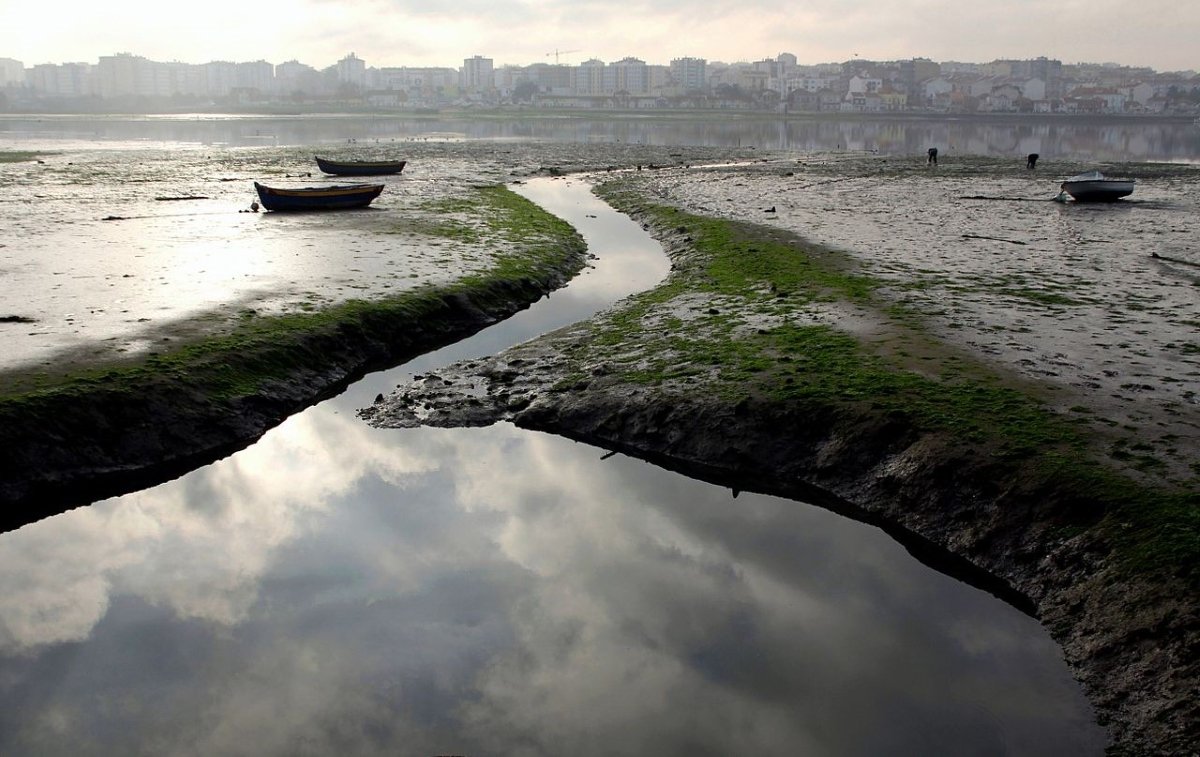
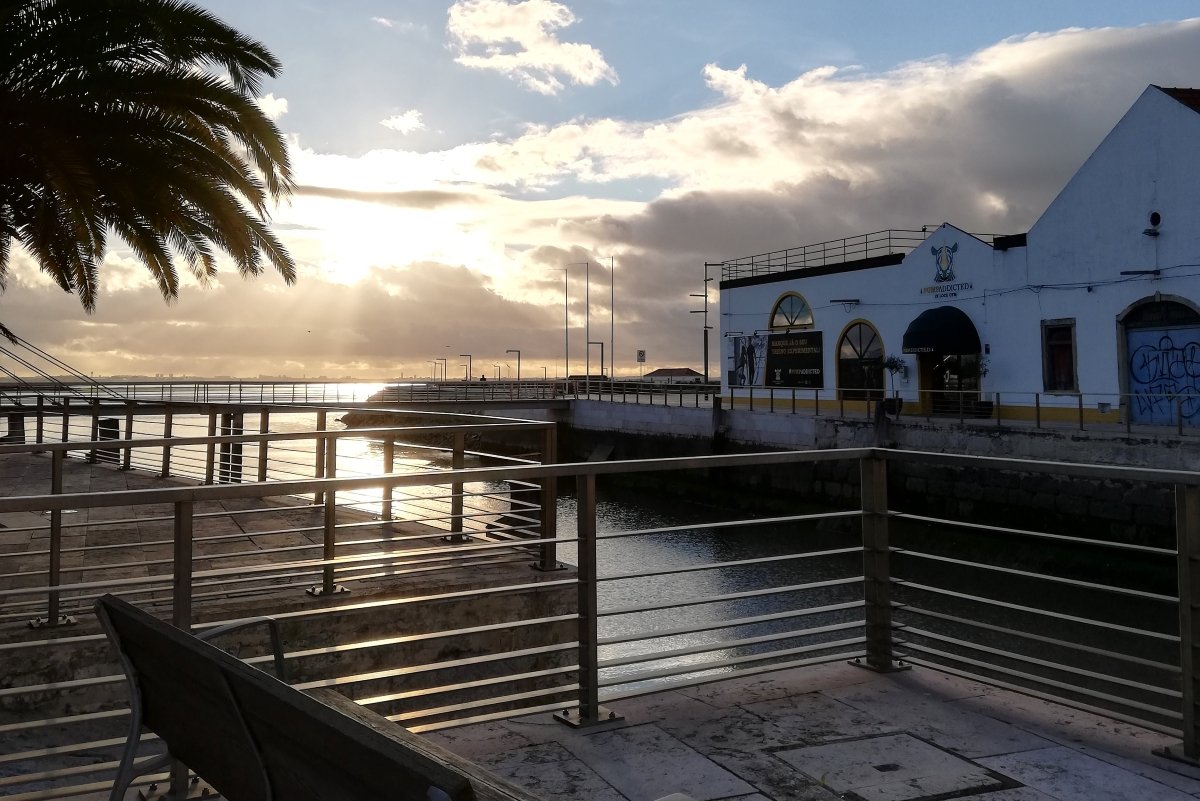
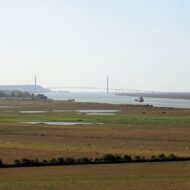
This is suburban birdwatching at its finest. Just 30 km from Lisbon’s hustle, the Tagus Estuary is Europe’s largest wetland reserve, where the Tagus River meets the Atlantic. It’s an urban secret spot where flamingos, spoonbills, and egrets co-exist with container ships and marinas. Surreal? Absolutely.
Why It Matters Ecologically
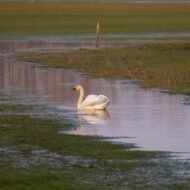
The Tagus Estuary is critical for migratory waterbirds—over 100,000 birds winter here. It’s designated a Ramsar site (wetland of international importance) and holds populations of purple heron, glossy ibis, and the endangered Iberian lynx in nearby cork forests. The estuary stores crucial carbon and provides fisheries support for nearby communities.
It’s also one of Europe’s most accessible major wetlands for casual visitors.
The Authentic Experience
Unlike more remote reserves, Tagus offers flexibility. You can do a quick 2-hour morning birdwatching walk near Lisbon, or spend a full day island-hopping by kayak. It’s ideal for nature enthusiasts who don’t want to completely abandon civilization—or for travelers combining it with Portugal’s coast.
Best Time: October-April (winter migration brings peak bird populations), May-June (breeding season spectacle)
Things to Do & Wildlife Spotting
- Guided birdwatching walks (2-4 hours): Early morning walks from Cacilhas or Almada spots. Flamingos and spoonbills are practically guaranteed November-March.
- Kayak estuary tours: Paddle through shallow channels. Silent approach = maximum wildlife encounters.
- Interpretive trail hikes: Well-maintained trails with signage explaining ecological zones. Family-friendly but rich in detail.
- Photography boat tours: Professional guides position boats for optimal bird photography without disturbing species.
- Tidal flat exploration: Low tide reveals feeding grounds. Thousands of birds in concentrated areas = incredible photo opportunities.
- Raptor watching: White-tailed eagles and marsh harriers frequent the reserve.
Nearby Attractions
- Lisbon (30 km): Sintra palaces, pastéis de nata, Belém Tower. Make this a dual-trip destination.
- Caparica Beach: Portugal’s longest beach, kitesurfing mecca, fish restaurants. 20 minutes away.
- Cork forest tours: Nearby cork harvesting regions offer sustainable forestry education.
- Setubal: Charming fishing town 40 km south, excellent seafood, Arrábida mountains for hiking.
Where to Stay
Budget: Hostels in Almada (~€25-40/night)
- Close to estuary; easy access to tour operators
- Social atmosphere, kitchen facilities
Mid-range: Riverside hotels in Setubal (~€60-90/night)
- More authentic small-town feel
- Better seafood restaurants; still close to reserve
Splurge: Lisbon luxury hotels + day trip (~€120-200/night)
- Home base in famous city
- Trade-off: longer commute to early-morning birdwatching
Budget Breakdown
- Accommodation: €25-200/night (depends on Lisbon vs. local town choice)
- Guided birdwatching tour: €35-55 per person
- Kayak rental/tour: €45-70 per person
- Meals: €7-15 (Portuguese food is underpriced)
- Total daily budget: €85-280 (varies massively by accommodation choice)
Getting There
By car: Rent in Lisbon (easy), 30-45 minute drive via bridge. By public transport: Ferries from Lisbon to Cacilhas (€1.50), then local buses to trail entrances. Best strategy: Stay in Lisbon, take early morning ferry + bus combo to Almada, guide-led tour, back to city by lunch.
Sustainability Note
The estuary is actively managed to balance conservation with human use (fishing, industry, recreation). Visitor fees support habitat restoration. Stick to designated areas; disturbing nesting sites = serious fines.
4. Weerribben-Wieden National Park, Netherlands — Floating Village Wilderness
The Vibe
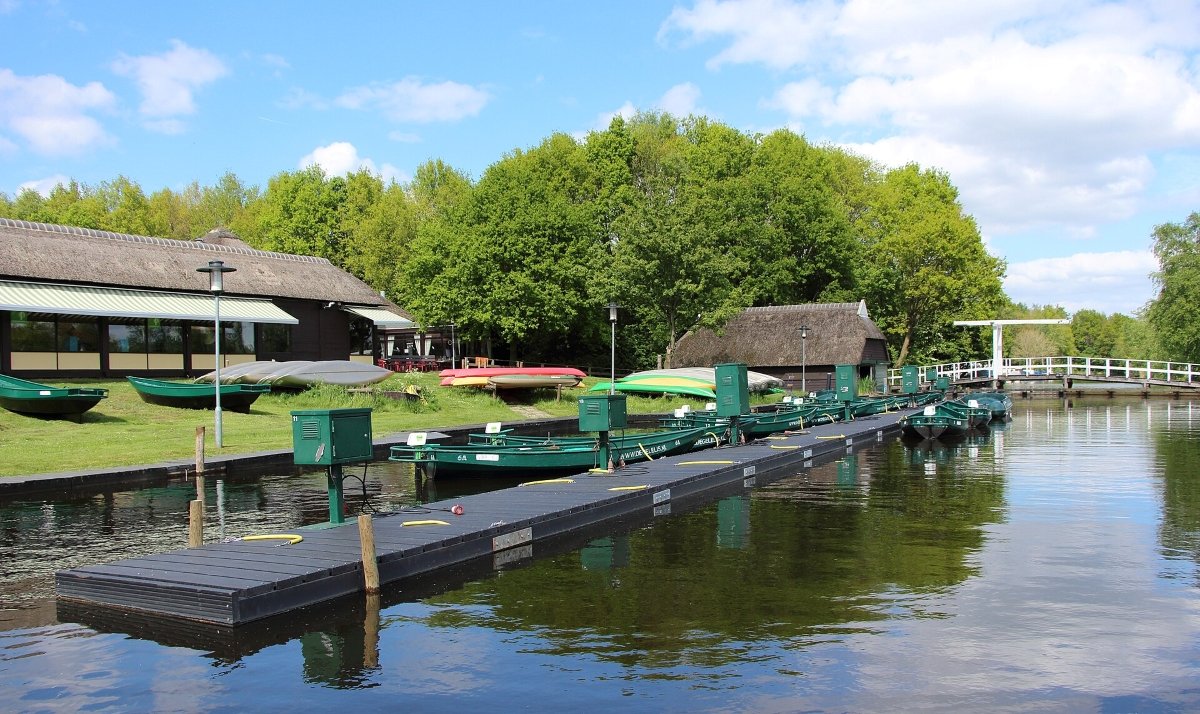
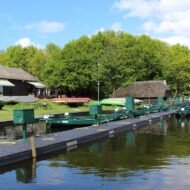
This might be the strangest, most magical landscape in Europe: an 8,000-hectare park built on floating peat. Yes, actual floating islands. Historic villages sit on these islands, reachable only by boat. It’s like an aquatic Venice, except it’s powered by ecosystem management genius rather than tourist desperation.
Why It Matters Ecologically
Weerribben-Wieden is a living museum of peat extraction history turned ecological masterpiece. The floating peat “fen meadow” ecosystem is almost extinct across Europe—this reserve protects some of the last intact examples. It’s critical for: wetland birds (over 150 species), aquatic plants, and incredibly, it demonstrates how humans can coexist with nature through careful management.
The park also pioneered rewetting of degraded peatlands—a climate solution gaining global attention.
The Authentic Experience
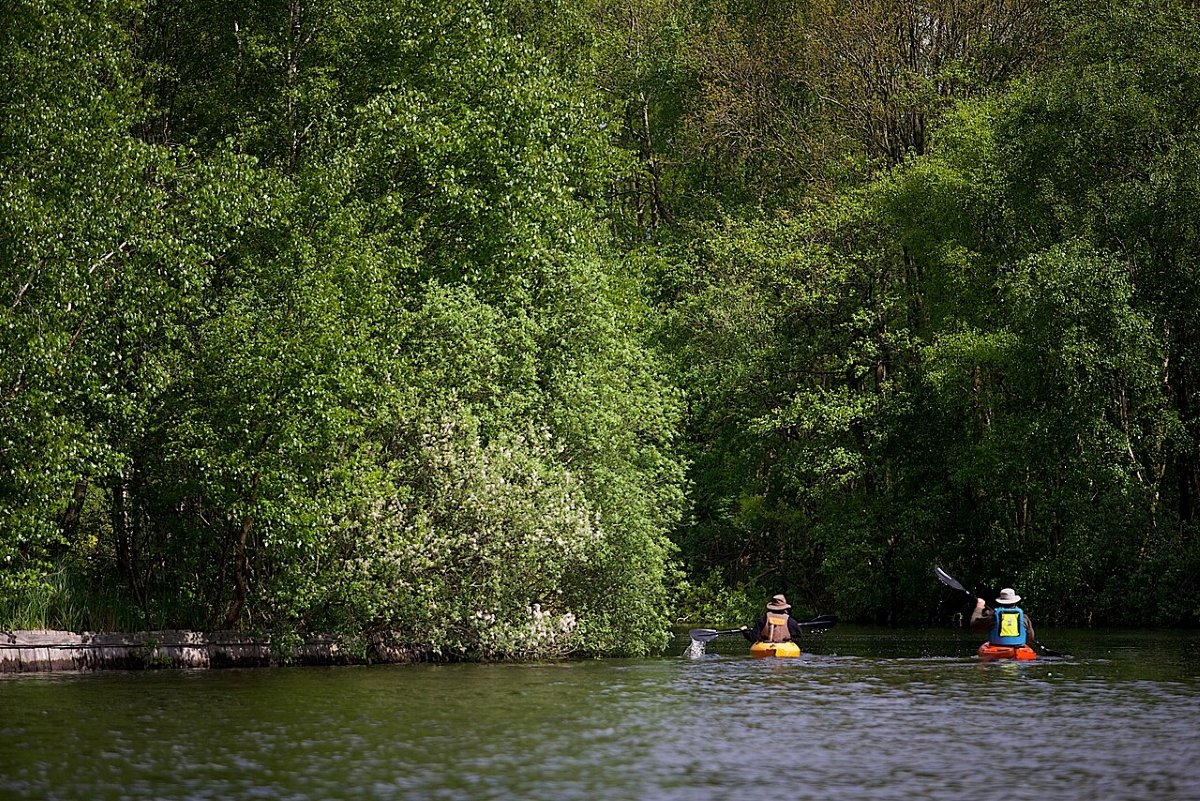
Skip the visitor center; rent a boat. Kayaking through narrow channels between reed-fringed islands, past traditional boat houses, feeling like you’re in a Bruegel painting—this is genuinely unique. The park has maintained traditional villages on the islands. Dine at a waterfront restaurant accessible only by boat. This is Netherlands’ best-kept secret.
Best Time: May-June (breeding bird season, wildflower bloom), September-October (raptor migration, clear skies for photography)
Things to Do & Wildlife Spotting
- Self-guided kayaking: Rent kayaks from village outfitters. Navigate 45 km of waterways independently. Channels are shallow and safe; maps provided.
- Guided boat tours: Professional naturalists identify bird species and explain peat ecology. 2-4 hours, very educational.
- Birdwatching from hides: Great crested grebes, marsh harriers, bitterns (their booming calls at dusk are haunting). Best at sunrise/sunset.
- Cycling loop trails: Islands have connected bike paths. Combine cycling + ferry hopping for island exploration.
- Museum visits: Peat extraction history museums explain how this ecosystem was created through human intervention.
- Wildlife photography: The landscape is utterly photogenic. Golden hour light on water = Instagram gold.
- Fishing tours: For a different angle, join fishing guides who know where pike and perch congregate (and respect conservation zones).
Nearby Attractions
- Giethoorn village: UNESCO-listed “Venice of the North” just outside the park. Tourist-heavy but undeniably charming.
- Workum pottery village: Traditional pottery heritage, artisan studios. 30 minutes away.
- Stavoren harbor town: Historic shipping port with maritime museums, excellent seafood.
- Afsluitdijk: The famous 33 km dam with cycling paths and engineering history. Day trip worthy.
Where to Stay
Budget: Island guesthouses (~€50-70/night)
- Simple, authentically Dutch
- Water access built in (literally)
Mid-range: Boutique island hotels (~€90-140/night)
- More comfort, better meals
- You’re still on islands—the experience is baked in
Splurge: Historic manor hotel renovations (~€150-200/night)
- Recently converted historical buildings
- Premium experience while supporting preservation
Budget Breakdown
- Accommodation: €50-200/night
- Kayak rental: €35-50/day
- Guided boat tour: €40-60 per person
- Meals: €12-20 (Netherlands is pricier than Eastern Europe)
- Total daily budget: €150-280
Getting There
By car: From Amsterdam (2.5 hours) or Groningen (1 hour). By public transport: Train to Steenwijk or Giethoorn, then local buses to park entry points. Best strategy: Amsterdam day trips are possible but exhausting. Stay overnight on or near islands; do activities next day.
Sustainability Note
This is an active working landscape with fishing communities and recreational users. Respect private property, support local businesses, and don’t disturb nesting birds (March-June especially strict).
5. Marais Vernier, France — Normandy’s Hidden Wetland Gem 🇫🇷
The Vibe
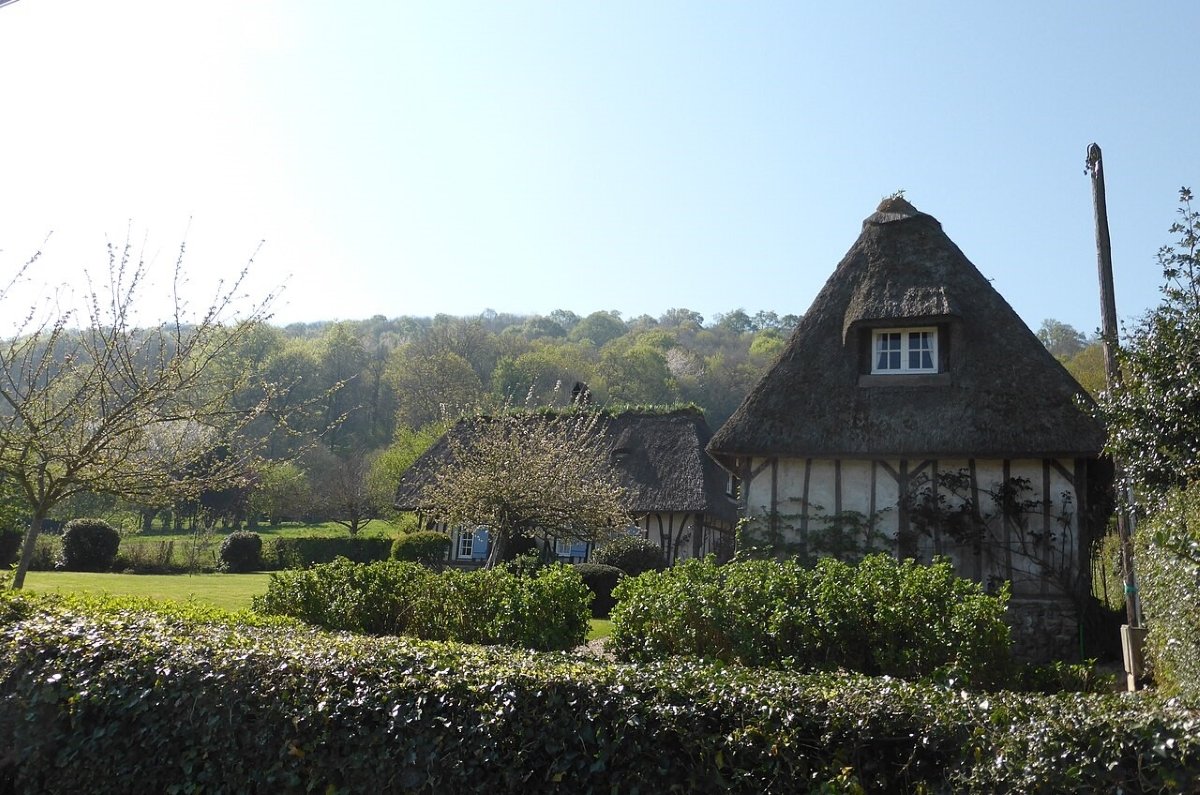
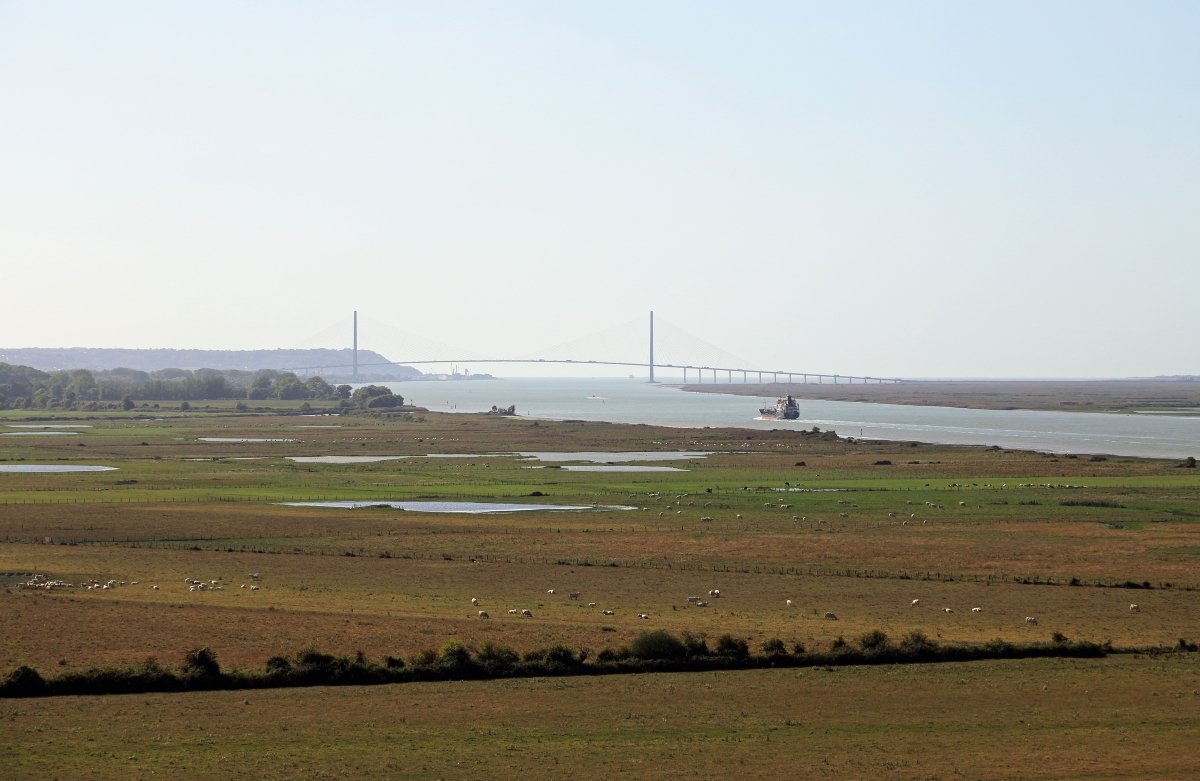
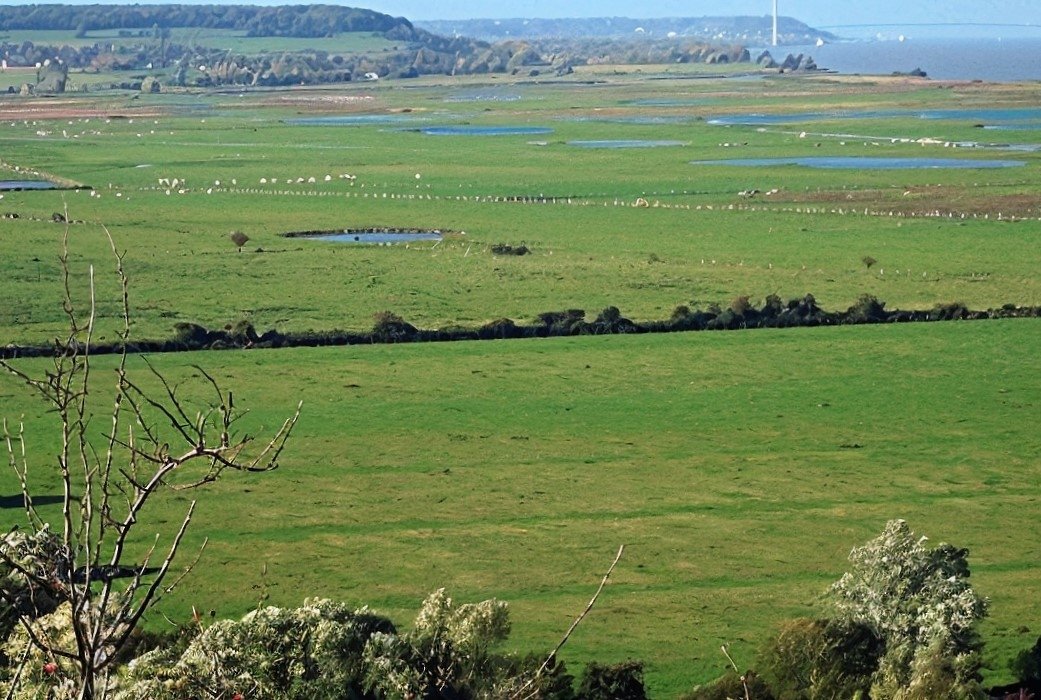
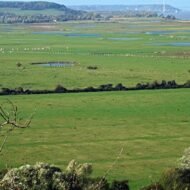
Welcome to a postcard no one knows about. Marais Vernier is Normandy’s “other” landscape: a 4,000-hectare wetland where flatness is a feature, not a bug. It’s 50 km from the Seine river mouth, surrounded by dramatic chalk cliffs, filled with ponies, birds, and centuries-old traditions of reed harvesting. Moody, photogenic, quietly exceptional.
Why It Matters Ecologically
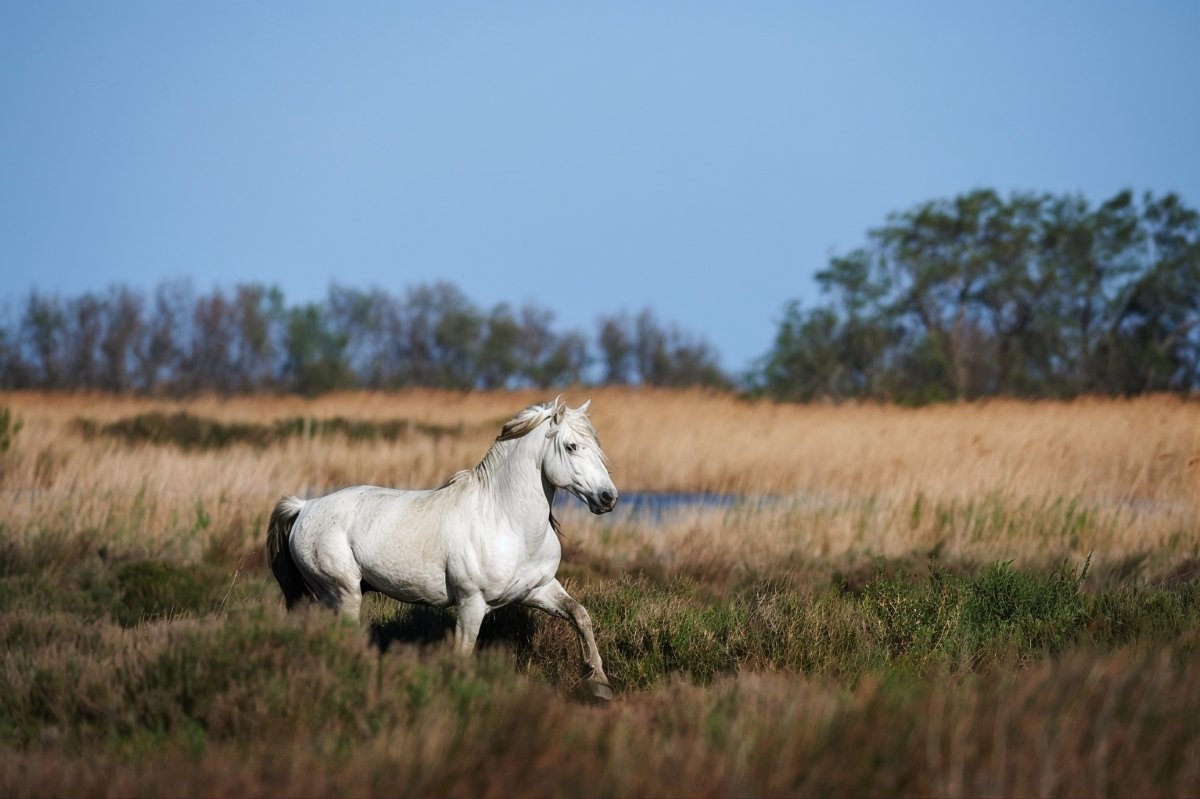
This is one of France’s last large-scale reedbeds and wet meadow complexes. It’s a critical stop for migratory birds, particularly waders and raptors traveling between Africa and Arctic breeding grounds. The park maintains traditional grazing by semi-wild horses (Camargue and local breeds), which prevents reed encroachment and maintains habitat diversity.
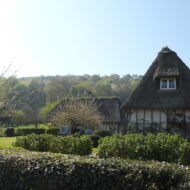
It’s also culturally significant: traditional reed harvesting continues here, maintaining skills that would otherwise vanish.
The Authentic Experience
Marais Vernier rewards slow travel. Rent a bike, follow unmarked paths, get genuinely lost, discover abandoned fishing lodges and wild horses. There’s minimal tourism infrastructure (which is the point). You’ll encounter locals who actually live here, not guides who work here. It’s France that most French people have never heard of.
Best Time: April-May (breeding birds, wildflowers, reed cutting season), September-October (raptors, clearer skies, fewer tourists)
Things to Do & Wildlife Spotting
- Self-guided cycling: Rent bikes in Vernon or Honfleur. The wetland has no roads, just dikes. Cycle the perimeter (24 km) or explore inner networks. Utterly peaceful.
- Bird watching walks: Guided walks ($50-70) with local naturalists. Reed warblers, bearded reedlings, marsh harriers, spotted eagles in migration season.
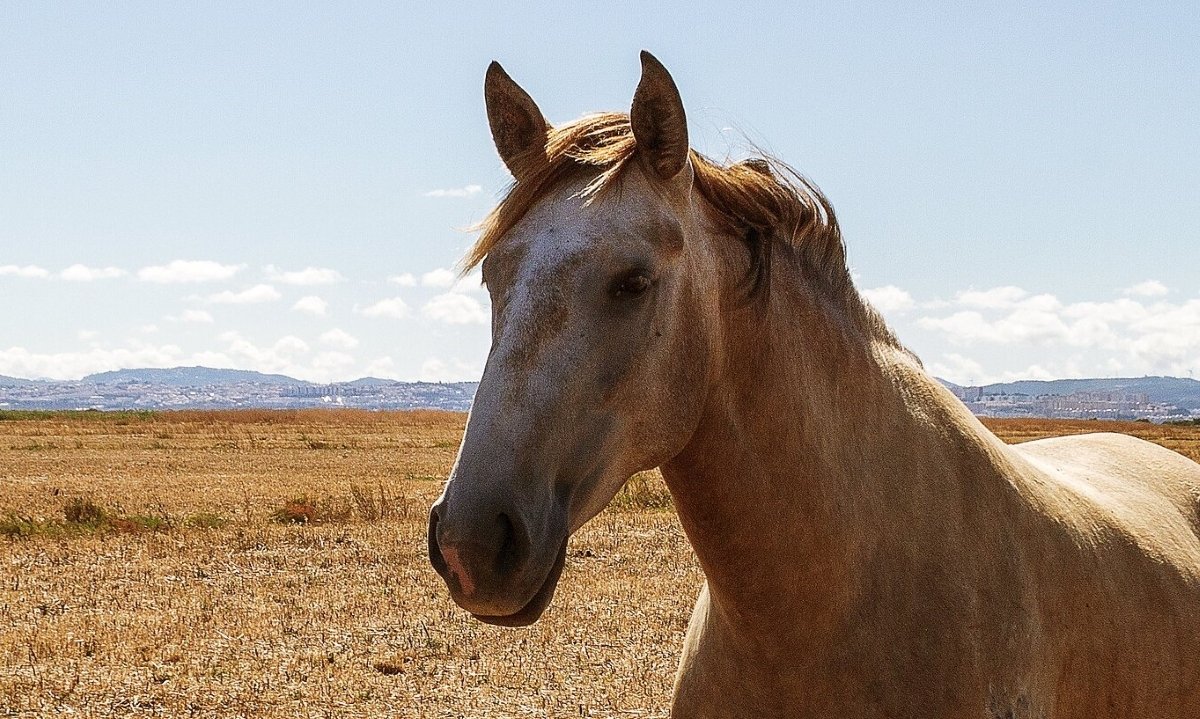
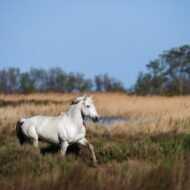
- Wild horse observation: Camargue horses graze freely. Early morning observations = better photo conditions, less human interference.
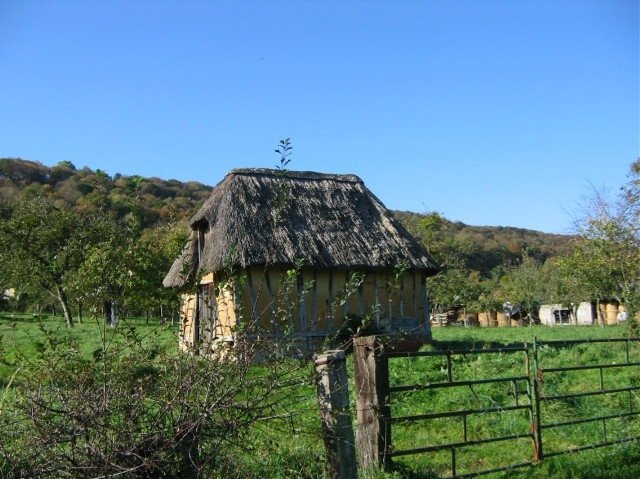
- Reed harvesting tours (seasonal, Jan-Feb): Watch traditional thatchers and reed cutters at work. Connect with centuries-old trade.
- Landscape photography: The light is moody and dramatic. Sunrise and sunset = magical, storm clouds = cinematically perfect.
- Canoe/kayak paddling: Limited to specific channels, but paddling through reedbed corridors is meditative and offers intimate wildlife viewing.
- Fishing culture exploration: Chat with locals at harbor villages. Some guide fishing tours into the wetland.
Nearby Attractions
- Étretat Cliffs (30 km): UNESCO-listed dramatic white cliffs, famous impressionist subject. Absolutely worth a half-day detour.
- Honfleur: Picturesque harbor town, art galleries, excellent restaurants and cideries. Tourist-heavy but undeniably beautiful.
- Rouen Cathedral: Monet’s favorite subject, Gothic masterpiece, 50 km away.
- Tancarville Bridge: Architecturally striking engineering landmark between wetland and estuary.
- Vernon and Giverny: Monet’s gardens, small charming town. 25 km away.
Where to Stay
Budget: Bed & breakfasts in surrounding villages (~€50-75/night)
- Honfleur, Étretat, or Vernon B&Bs
- Commute to wetland 15-45 minutes
- Authentic French hospitality
Mid-range: Boutique hotels in Honfleur (~€100-150/night)
- Direct access to restaurants and galleries
- Waterfront charm
- 30-minute drive to Marais Vernier
Splurge: Château hotels in Seine valley (~€150-220/night)
- Historic properties, premium amenities
- Often includes cycling/hiking guides
- Base for exploring entire Norman region
Budget Breakdown
- Accommodation: €50-220/night
- Bike rental: €15-25/day
- Guided birdwatching: €40-70 per person
- Meals: €12-18 (France prices, but rural = cheaper than Paris)
- Total daily budget: €120-280
Getting There
By car: From Paris (2.5 hours) or Rouen (50 minutes). Rental essential for wetland access. By public transport: Train to Honfleur or Vernon, rent bikes, navigate via GPS. Slower but romantic. Best strategy: Combine with Honfleur/Étretat exploration. Make it a 2-3 day Normandy wetland + coast combo.
Sustainability Note
Marais Vernier is privately managed with conservation easements. Respect grazing areas, don’t disturb nesting birds, and use designated cycling routes. Support local reed harvesters by learning about traditional thatching—it’s literally keeping cultural knowledge alive.
Know Before You Go: Quick Comparison Table
| Destination | Best For | Difficulty | Cost/Day | Peak Season | Access |
|---|---|---|---|---|---|
| Soomaa, Estonia | Bog trekking, moody landscapes, solitude | Moderate-Hard | €130-250 | May-Sep | Car or guide-organized |
| Biebrza, Poland | Crane watching, raptor migration, wild rivers | Easy-Moderate | €100-200 | Mar-May, Sep-Oct | Car + local guide |
| Tagus, Portugal | Accessible birdwatching, near city amenities | Easy | €85-280* | Oct-Apr | Ferry/bus from Lisbon |
| Weerribben, Netherlands | Kayaking, island-hopping, unique landscapes | Easy | €150-280 | May-Jun, Sep-Oct | Kayak rental on-site |
| Marais Vernier, France | Cycling, wild horses, photographic moods | Easy-Moderate | €120-280 | Apr-May, Sep-Oct | Car rental + bike |
*Varies dramatically based on Lisbon vs. local accommodation choice
Why Wetlands Matter (And Why You Should Care)
Here’s a fact that’ll stick with you: wetlands cover less than 6% of Earth’s surface but support 40% of all species—despite being half the size they were 100 years ago.
Every wetland in this article is doing critical climate work. Peatlands (Soomaa, Weerribben-Wieden, Marais Vernier) store more carbon than all forests combined. Estuaries (Tagus) filter pollution and provide nursery grounds for commercial fish species. Floodplain marshes (Biebrza) regulate water flow and prevent downstream flooding.
Your visit matters. Tour fees fund conservation. Local guides employ communities to protect rather than exploit these landscapes. You’re not just taking photos—you’re supporting ecosystem survival.
Final Thoughts: Authenticity in the Age of Over-Tourism
These five reserves still feel real. You won’t encounter Instagram-famous crowds or overpriced visitor packages. You’ll encounter actual wetland ecology, working communities, and moments of genuine solitude.
But they won’t stay secret forever. Biebrza’s crane migrations are getting more coverage. Weerribben is expanding tourism infrastructure. Soomaa is becoming a destination bucket-list item.
The best time to visit is now—while they’re still rough around the edges, still managed for conservation first and tourism second, still places where nature makes the rules.
Pack decent binoculars, waterproof boots, and an open mind. Bring a local guide. Respect the signs. Support the local businesses. And please, don’t flood the Instagram hashtags.
These wetlands have survived millennia of climate change, human settlement, and agricultural expansion. The least we can do is visit them thoughtfully.
Disclaimer
Travel & Environmental Responsibility: All information in this guide is current as of 2024, but conditions change. Check official park websites and local authorities before visiting for:
- Seasonal closures and access restrictions
- Nesting season regulations (typically March-July: restricted access to protect breeding birds)
- Weather-related trail closures (especially spring flooding in Soomaa and Biebrza)
- Permit requirements for certain activities
Guide Requirements: While self-guided visits are possible at all sites, hiring local guides is strongly recommended for:
- Safety in unmarked terrain (bogs, marshes)
- Wildlife identification and ethical viewing
- Conservation compliance
- Supporting local economies
Travel Insurance: Serious recommendation: purchase travel insurance covering trip cancellation (weather), medical evacuation (remote locations), and equipment loss. Some activities (winter tracking, open-water kayaking) carry genuine risk.
Accessibility: Most trails accommodate basic fitness levels, but facilities for people with mobility challenges are limited. Contact park authorities in advance to assess your specific needs.
Photography Ethics: Don’t approach nesting birds, disturb wildlife, or leave trails for photos. Use binoculars/telephoto lenses. If a guide says “stop,” stop immediately—they’re protecting both you and the ecosystem.
Climate & Hygiene: Bring appropriate gear for wet, muddy conditions. Lyme disease tick risk exists (especially warm months). Check vaccination requirements for your origin country. Malaria is not present, but allergies to wetland vegetation can be intense.
Happy trails, and may your wetlands explorations be muddy, magnificent, and genuinely restorative.