


















Look, we need to talk about that Instagram-perfect trip to Santorini you’ve been dreaming about. You know the one—whitewashed buildings, sunset dinners overlooking the caldera, that iconic blue dome everyone photographs. Yeah, that’ll cost you about $400 a night for a decent hotel, plus fighting through selfie sticks just to grab a coffee.
- Why Everyone’s Talking About Dupe Destinations Right Now
- The Mediterranean Magic (Without the Mayhem)
- Asian Adventures (Minus the Tourist Traps)
- European Gems Flying Under the Radar
- Latin American Alternatives
- African Adventures Worth Discovering
- How to Find Your Own Dupe Destinations
- Making It Work for Your Budget
- The Bottom Line
But here’s the thing: some of the world’s most incredible destinations are being absolutely loved to death, while equally stunning places sit practically empty, begging for visitors and charging a fraction of the price.
Welcome to the era of “dupe destinations”—and no, we’re not talking about knockoffs. We’re talking about the real deal alternatives that give you the same vibes, similar experiences, and honestly? Sometimes even better memories, all without the crowds or the credit card meltdown.
Why Everyone’s Talking About Dupe Destinations Right Now
Let’s be real—travel got expensive. Post-pandemic revenge travel sent prices through the roof, and they never really came back down. Meanwhile, places like Barcelona, Venice, and Bali are implementing tourist taxes and restrictions because they literally can’t handle the crowds anymore.
You’re not imagining it: that trip your parents took in the ’90s for $2,000? That’s now $6,000. And you’ll spend half of it queuing.
But here’s where it gets interesting. While everyone’s piling into the same twenty cities they saw on TikTok, there are hundreds of incredible destinations offering the same experiences—authentic food, stunning beaches, rich history, adventure—without the chaos or the inflated prices.
The Mediterranean Magic (Without the Mayhem)
Instead of Santorini → Try Naxos, Greece
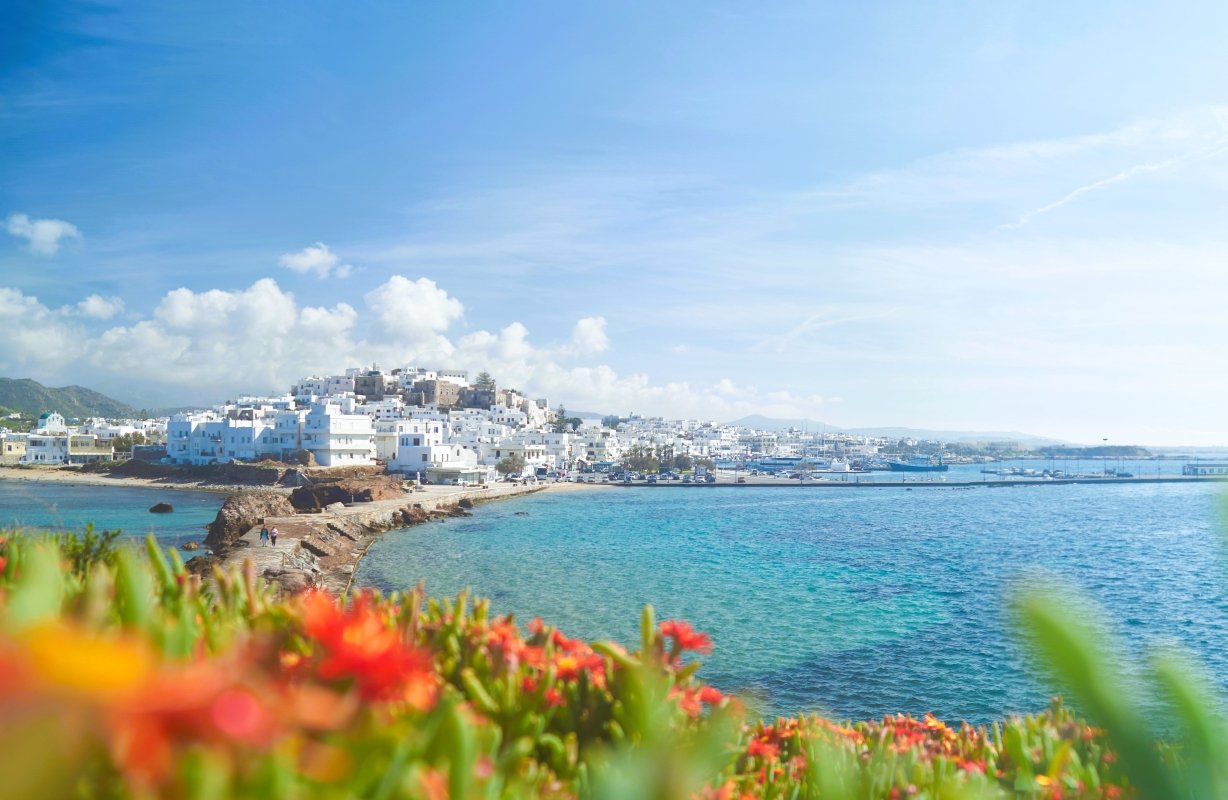
Santorini’s gorgeous. We’re not going to pretend it isn’t. But Naxos, just a ferry ride away, has the same Cycladic architecture, better beaches (seriously—Santorini’s beaches are mostly black pebbles), amazing food, and prices that won’t make you weep into your moussaka.
You’ll find family-run tavernas where dinner for two with wine costs $40 instead of $120. Hotels? Think $80-150 a night for places with sea views, compared to Santorini’s $300-600. Plus, you can actually walk through the old town without being swept away by cruise ship crowds.
Instead of Amalfi Coast → Try Albania’s Riviera
The Albanian Riviera is having a serious moment, and people who’ve been are wondering why they ever paid Italian prices for similar views. The turquoise waters are just as stunning, the coastal villages just as charming, and your money goes about three times further.
We’re talking fresh seafood dinners for $15, boutique hotels for $60 a night, and beaches where you can actually find a spot to lay your towel. The roads are windy (bring motion sickness meds), but that’s half the adventure. Check out Dhërmi, Himara, and Ksamil—you can thank us later.
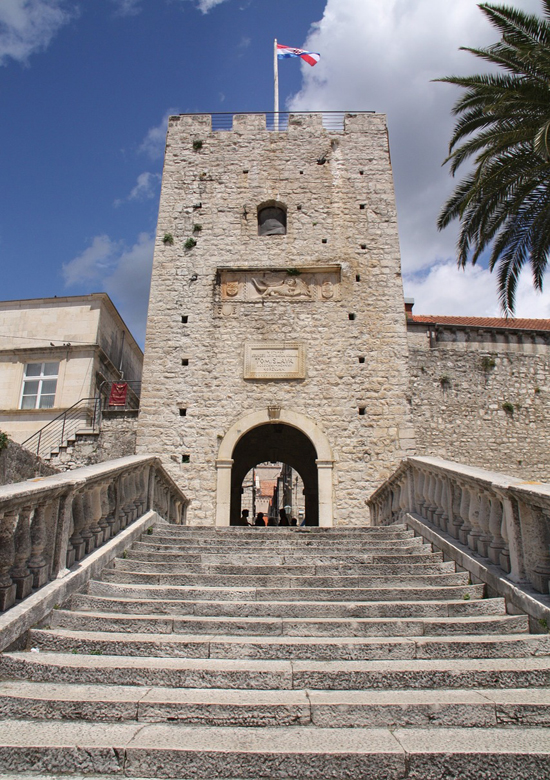
Instead of Dubrovnik → Try Kotor, Montenegro
If you want medieval walls, dramatic bay views, and that Game of Thrones energy without the Game of Thrones crowds (yes, Dubrovnik, we’re looking at you), Kotor delivers. The Bay of Kotor is often called Europe’s southernmost fjord, and the old town is a UNESCO World Heritage site that feels like stepping back in time.
Accommodation runs about 40-60% cheaper than Dubrovnik, the seafood is incredible, and you can hike up to the fortress above town for sunrise without encountering a single tour group. Montenegro is also super accessible for travelers of all abilities, with the main old town areas being relatively flat and walkable.
Asian Adventures (Minus the Tourist Traps)
Instead of Bali → Try Lombok, Indonesia
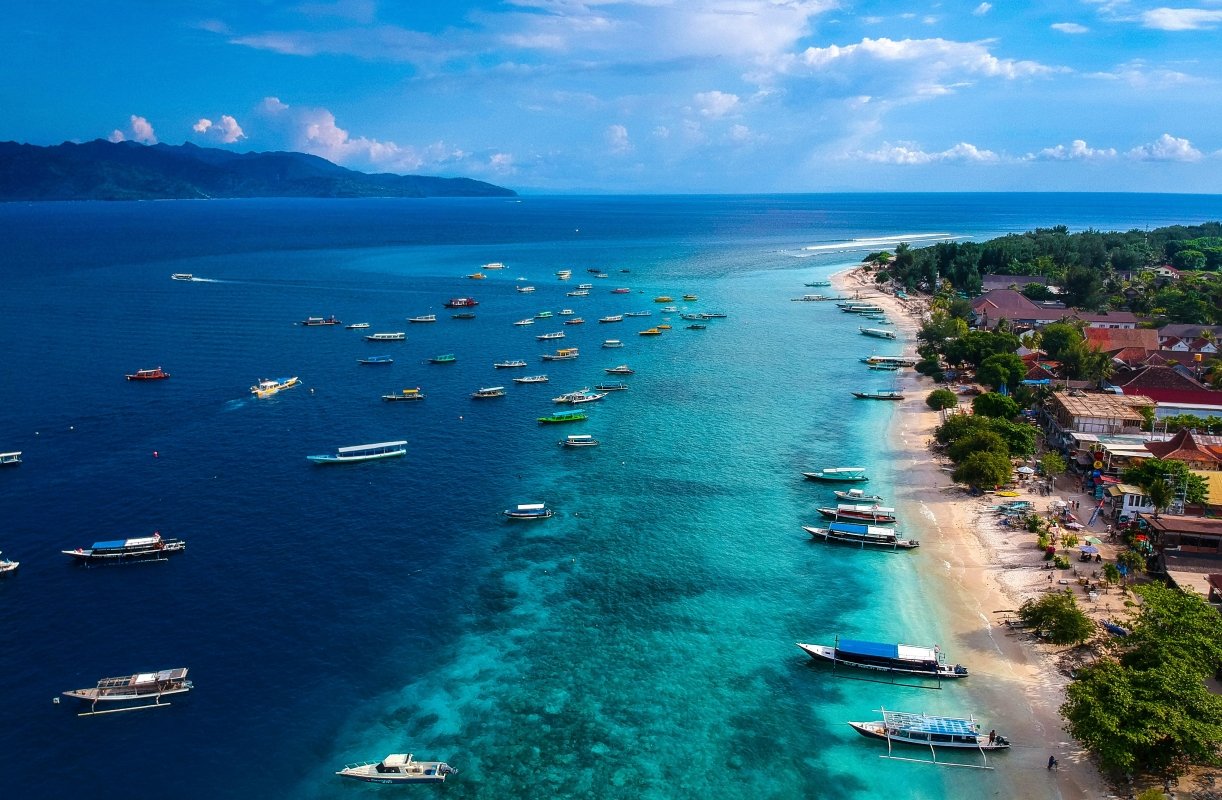
Bali’s not going anywhere, but if you want the beaches, rice terraces, and spiritual vibes without the traffic jams in Canggu and $8 smoothie bowls, Lombok is your answer. It’s literally next door—you can see it from Bali—but it’s way more chill.
The Gili Islands off Lombok’s coast offer better snorkeling than most of Bali, Mount Rinjani is one of Indonesia’s most spectacular hikes, and the beaches on the south coast (Kuta Lombok, Tanjung Aan) are pristine. Accommodations range from budget guesthouses at $20/night to boutique resorts for $100—all significantly cheaper than Bali’s comparable options.
Instead of Tokyo → Try Osaka, Japan
Tokyo’s incredible, but it’s also overwhelming and expensive. Osaka gives you the same modern Japanese city experience with better food (locals will fight you on this), friendlier vibes, and lower prices across the board.
Hotels in Osaka typically run 30-40% cheaper than Tokyo, and the city is incredibly well-connected—you can day trip to Kyoto, Nara, and Kobe easily. The street food scene is unmatched (takoyaki, okonomiyaki, kushikatsu—all the good stuff), and the Dotonbori district delivers that neon-lit Japanese city aesthetic everyone’s chasing.
Instead of Thailand’s Islands → Try Vietnam’s Phu Quoc
Thailand’s islands are beautiful, but they’ve also been on the backpacker trail for decades, and prices reflect that. Phu Quoc, Vietnam’s largest island, offers pristine beaches, incredible seafood, and that laid-back island life at prices that’ll make you double-check your bill.
Beachfront bungalows start around $30-50/night, fresh seafood dinners run $10-15, and you can rent a scooter to explore the island for about $5 a day. The night markets are fantastic, and the island has options for every type of traveler—from budget backpackers to families to folks looking for resort luxury at reasonable prices.
European Gems Flying Under the Radar
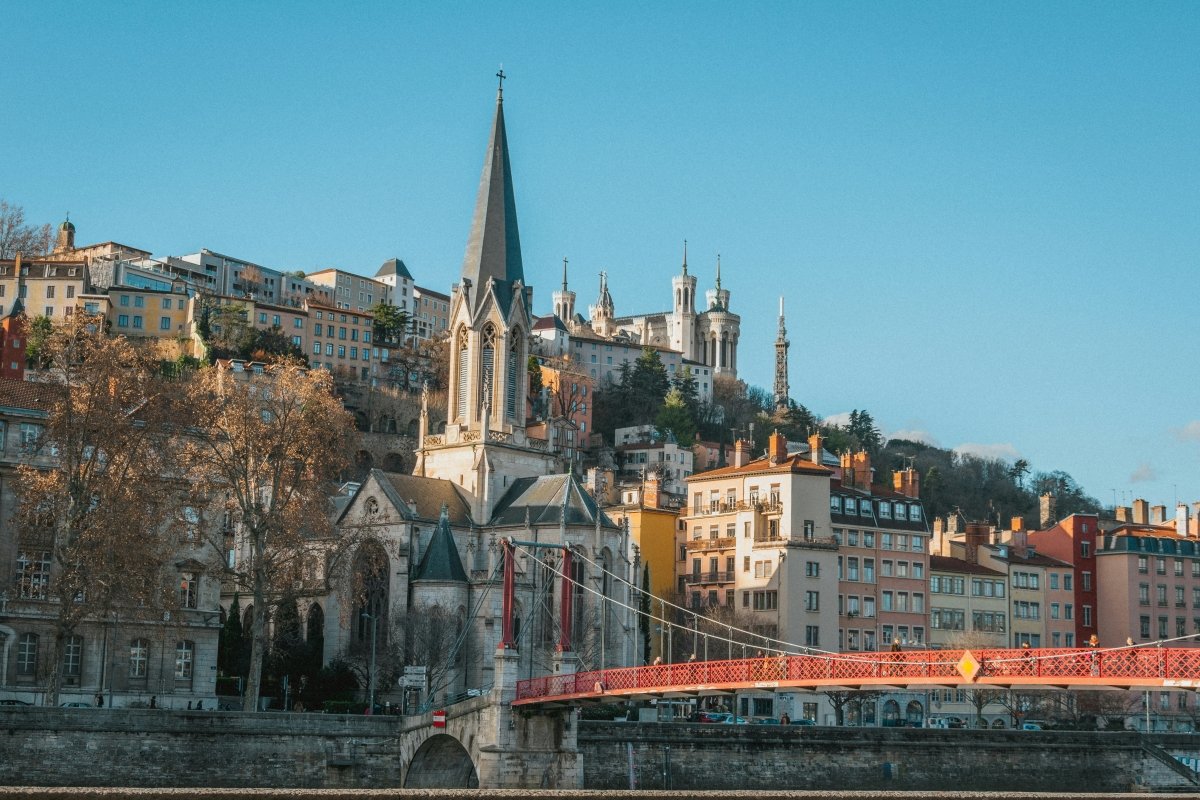
Instead of Paris → Try Lyon, France
Paris will always be Paris, but Lyon offers French charm, world-class food (it’s considered France’s gastronomic capital), beautiful architecture, and way fewer tourists. Hotels cost about half what you’d pay in Paris, the café culture is just as strong, and you’re perfectly positioned to explore the Beaujolais wine region.
The old town (Vieux Lyon) is a UNESCO site, the riverside walks are stunning, and the city has excellent accessibility features including adapted public transport and many wheelchair-friendly attractions. Plus, people are generally friendlier when they’re not exhausted by 30 million annual tourists.
Instead of Amsterdam → Try Utrecht, Netherlands
Amsterdam’s great, but it’s also crowded, expensive, and honestly a bit exhausting. Utrecht, just 30 minutes away by train, has the same charming canals, cycling culture, and historic architecture without the stag parties and overcrowding.
The Oudegracht (old canal) is actually more picturesque than Amsterdam’s canals, with unique wharf cellars that house cafés and restaurants. Accommodation is 30-50% cheaper, the city is more compact and walkable (or bikeable), and you can still easily visit Amsterdam for the day if you want those big museums.
Instead of Iceland → Try the Faroe Islands
Iceland’s otherworldly, but it’s also become incredibly expensive and crowded. The Faroe Islands—18 volcanic islands between Iceland and Norway—offer similarly dramatic landscapes, fewer tourists, and more affordable prices.
You’ll find puffins, dramatic cliffs, waterfalls, and that remote Nordic atmosphere that makes you feel like you’re at the edge of the world. Accommodation and food are still pricey (it’s the North Atlantic, after all), but about 20-30% cheaper than Iceland, and you’ll have those incredible vistas largely to yourself.
Latin American Alternatives
Instead of Tulum → Try Puerto Escondido, Mexico
Tulum used to be the bohemian beach paradise everyone raved about. Now it’s influencer central with prices to match. Puerto Escondido, on Mexico’s Pacific coast, offers better surf, more authentic vibes, and prices that actually make sense.
The Mexican food is incredible (and actually affordable), the beaches are less crowded, and you’ll find a mix of local culture and international travelers without the pretension. Budget accommodations start around $20-40/night, fresh fish tacos cost $2-3, and the sunsets are free.
Instead of Machu Picchu → Try Choquequirao, Peru
Machu Picchu is bucket-list worthy, but getting there now requires advance permits, costs several hundred dollars, and involves sharing the space with thousands of other visitors. Choquequirao, often called Machu Picchu’s sister city, is a more challenging trek but rewards you with similar Incan ruins and maybe a dozen other people.
The trek is demanding (it’s for fit travelers), but if you’re up for adventure, you’ll experience ruins that feel like your own discovery. It’s significantly cheaper than the Machu Picchu experience, and many travelers say it’s actually more rewarding because of the journey and the solitude.
African Adventures Worth Discovering
Instead of Safari in Kenya/Tanzania → Try Zambia
East African safaris are incredible but also incredibly expensive—like $500-1000+ per person per day. Zambia offers world-class wildlife viewing in places like South Luangwa National Park at roughly half the cost.
The walking safaris are phenomenal (Zambia pioneered this experience), the guides are top-notch, and you’ll see all the big animals without the crowd of vehicles that can happen in the Serengeti during peak season. Safari lodges range from budget camping to luxury, but even the upscale options cost less than comparable Kenyan or Tanzanian lodges.
Instead of Morocco → Try Tunisia
Morocco’s been on everyone’s travel list forever, which means prices have climbed and tourist crowds in places like Marrakech can be overwhelming. Tunisia offers similar experiences—ancient medinas, Sahara Desert access, Mediterranean beaches, Roman ruins—with fewer crowds and lower prices.
Tunis, the capital, has a fascinating medina that feels more authentic than Marrakech’s tourist-packed souks. The coastal town of Sidi Bou Said is stunning (think blue and white buildings like Santorini), and you can visit some of the best-preserved Roman ruins outside Italy at places like El Djem and Dougga. Hotels, food, and transportation all cost significantly less than Morocco.
How to Find Your Own Dupe Destinations
Here’s the strategy if you want to get ahead of the curve:
Look at the region, not just the famous spot. If you love a particular country, there’s probably an equally amazing but less famous region within it. Italy has 20 regions—you don’t need to squeeze into Venice and Florence with everyone else.
Check where locals vacation. If locals from an expensive country vacation somewhere specific, that’s usually a sign you’ve found something special at better value. Where do Australians go instead of the Maldives? The Philippines. Where do Germans vacation besides Spain? Croatia and Slovenia.
Follow the new flight routes. Airlines don’t add direct flights unless there’s growing interest. Check recently added routes from your home airport—these destinations are up-and-coming but not yet overrun.
Ask people who just got back. The best recommendations come from travelers who’ve just returned from somewhere unexpected. They’re excited to share, and you’ll get real talk about costs, accessibility, and whether it’s worth the trip.
Making It Work for Your Budget
The beauty of dupe destinations isn’t just that they’re cheaper—it’s that your money goes further across the board. You’re not just saving on hotels; you’re saving on food, activities, transportation, and those random costs that add up (like $15 for a coffee near the Trevi Fountain—yes, really).
This means you can:
- Travel for longer
- Upgrade your accommodation style
- Actually eat at nice restaurants instead of surviving on grocery store sandwiches
- Do more activities and tours
- Come home with money still in your account
The Bottom Line
Look, those famous destinations became famous for a reason—they’re incredible. But they’re not the only incredible places on Earth, and honestly, dealing with overwhelming crowds and prices can seriously diminish the experience.
The world is huge and full of amazing places that haven’t been hashtagged to death. Places where locals are genuinely happy to see visitors, where your tourism dollars make a real difference, and where you can afford to travel the way you actually want to travel.
So maybe this is the year you skip Santorini for Naxos. Trade the Amalfi Coast for Albania. Choose Osaka over Tokyo. Your Instagram will still look amazing, your experiences might actually be better, and your bank account will thank you.
After all, the best travel experiences usually happen in the places you weren’t expecting—the ones you actually discovered yourself, rather than following everyone else’s itinerary.
Now get out there and find your own dupe destination. And hey, when it inevitably becomes the next big thing in three years? You can say you went before it was cool.
Safe travels, whatever you choose.