


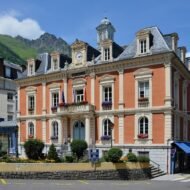
TL;DR: Cauterets is a charming mountain town in the French Pyrénées offering world-class skiing, natural thermal spas, stunning national park hiking, and Belle Époque architecture. Perfect for year-round adventures whether you’re into winter sports, wellness retreats, or outdoor exploration. Budget €80-150/day for mid-range travel.
- Why Cauterets Deserves Your Attention
- When to Visit: Timing Your Perfect Trip
- Getting There (It’s Easier Than You Think)
- The Skiing Situation: What You Need to Know
- Those Famous Thermal Baths (Don’t Skip These)
- Hiking and Summer Adventures
- Where to Stay: Options for Every Budget
- Eating Your Way Through Cauterets
- Beyond the Obvious: Day Trips and Nearby Attractions
- Practical Information You’ll Actually Use
- Insider Tips from Someone Who’s Been There
- Final Thoughts: Is Cauterets Worth Your Time?
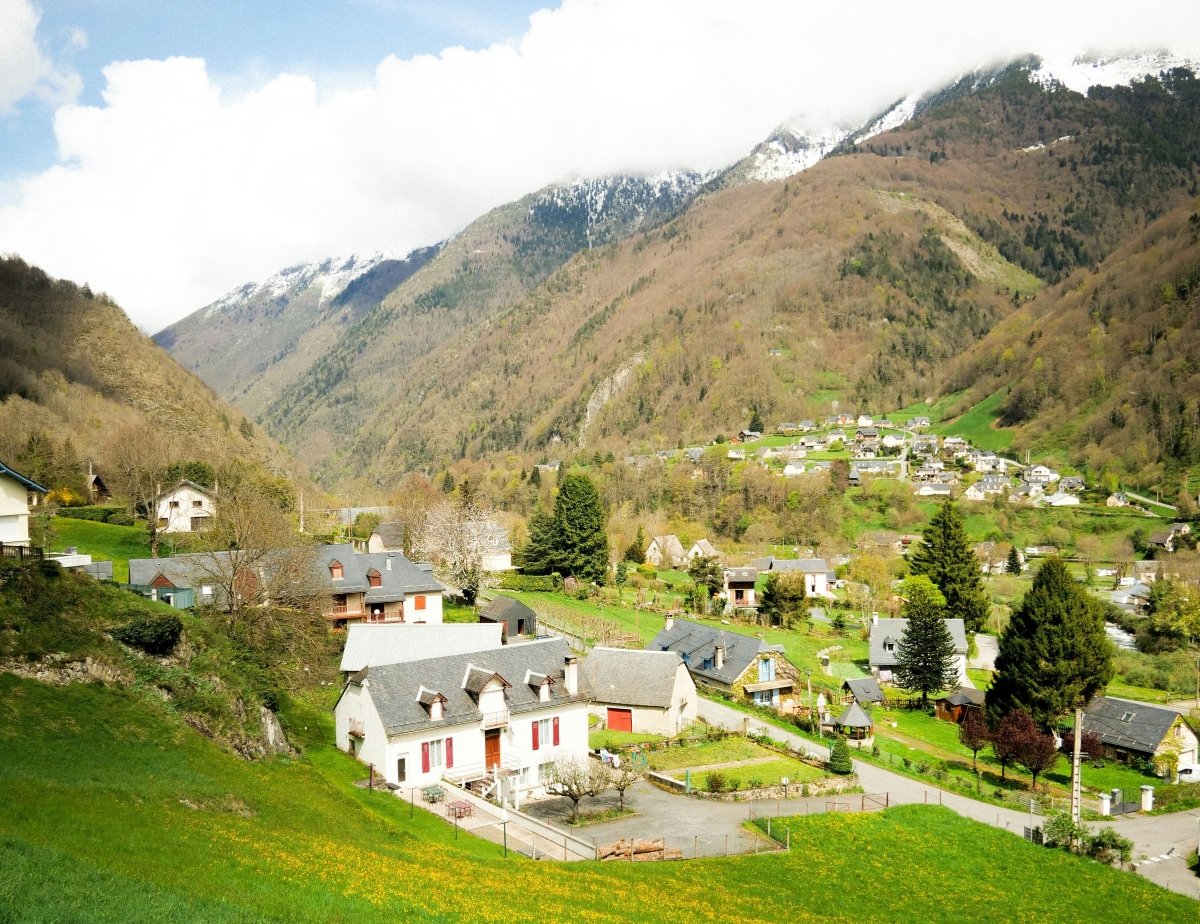
Picture this: You’re soaking in naturally hot thermal waters while snow-capped peaks tower above you, steam rising into crisp mountain air. Hours later, you’re carving down pristine ski slopes, and by evening, you’re wandering cobblestone streets lined with 19th-century buildings that look straight out of a French postcard. Welcome to Cauterets, folks—where the French Pyrénées serve up the perfect blend of adventure, relaxation, and old-world charm.
Why Cauterets Deserves Your Attention
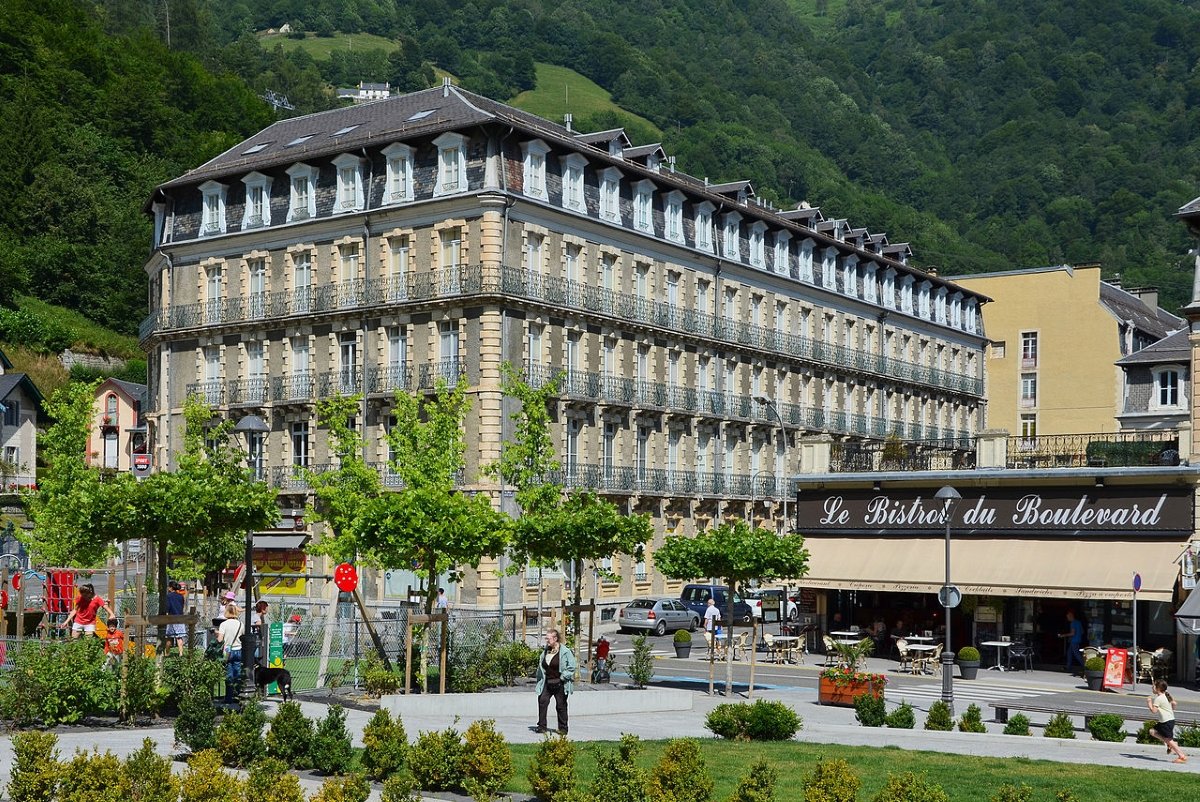
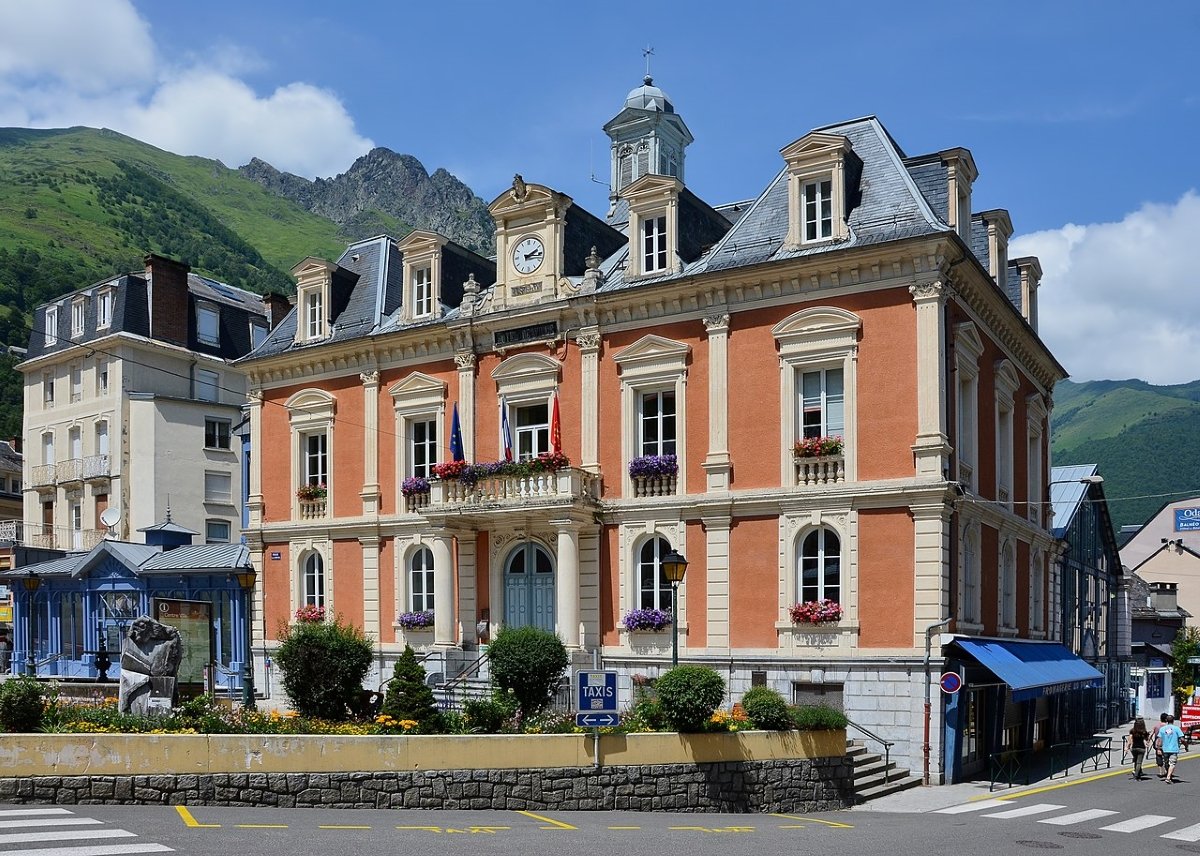
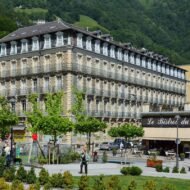
Let’s be honest: when people think French mountain getaways, Chamonix usually steals the spotlight. But here’s the thing—Cauterets offers everything those famous resorts do, minus the overwhelming crowds and wallet-draining prices. This Belle Époque spa town has been drawing visitors since the 1800s (Victor Hugo was a fan!), and once you visit, you’ll understand why it’s remained such a beloved destination.
When to Visit: Timing Your Perfect Trip
Winter (December-March): Peak ski season brings fresh powder and lively slopes. The town buzzes with energy, thermal baths steam invitingly after long days on the mountain, and everything feels properly alpine. Book accommodations at least 2-3 months ahead.
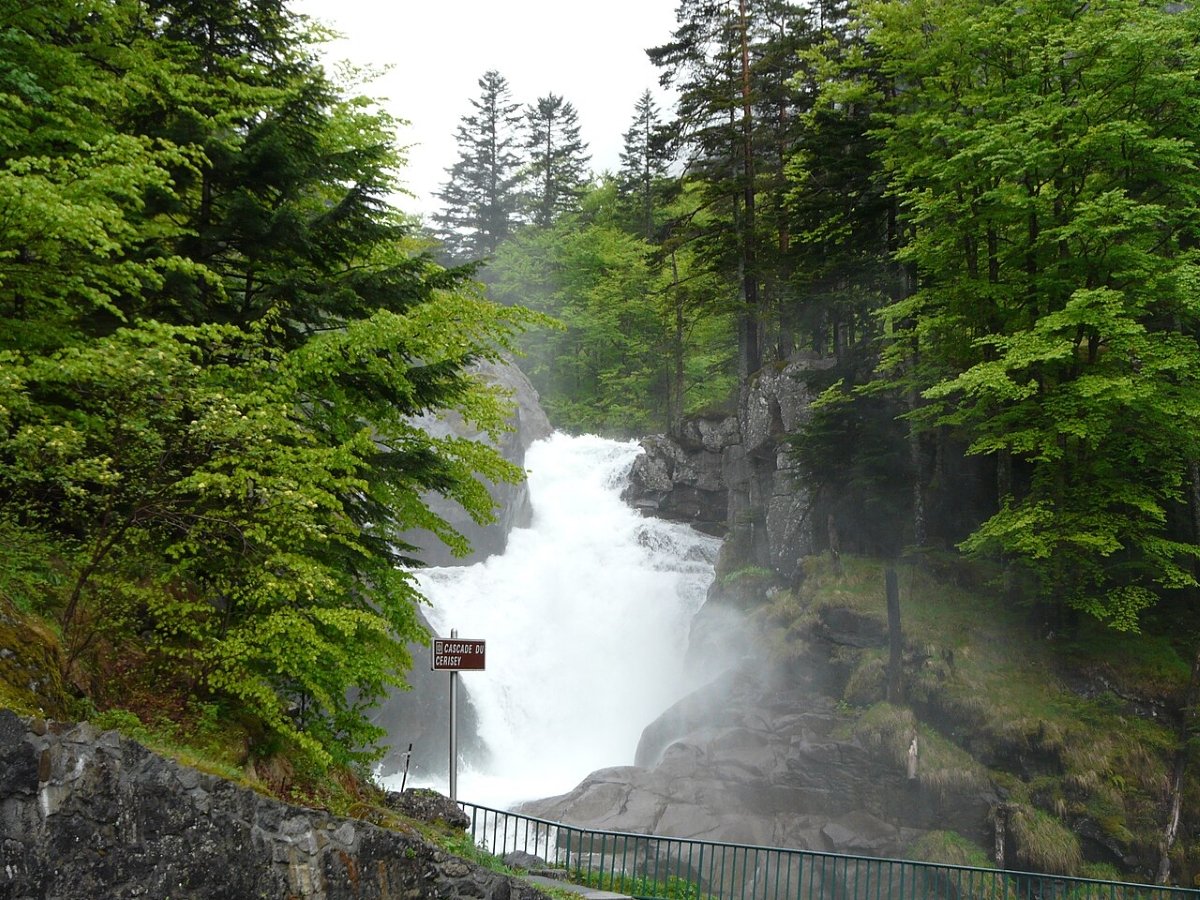
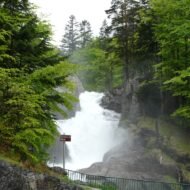
Spring (April-May): Shoulder season magic happens here. You’ll find fewer visitors, lower prices, and the spectacular sight of waterfalls gushing with snowmelt. Some ski facilities close, but hiking trails start opening up.
Summer (June-September): Absolutely prime time for hikers, families, and anyone who wants to explore Pyrénées National Park without breaking a sweat just walking uphill. Wildflowers blanket the meadows, wildlife is active, and those thermal baths feel amazing after long trail days.
Autumn (October-November): Golden larches, crisp air, and serious tranquility. Many facilities reduce hours, but if you’re after peaceful mountain vibes and don’t mind limited services, this is your season.
Getting There (It’s Easier Than You Think)
By Air: Fly into Toulouse-Blagnac Airport (150km away, about 2 hours) or Tarbes-Lourdes-Pyrénées Airport (50km, 1 hour). Both airports connect well to major European cities.
By Train: Take the TGV to Lourdes station, then catch a local bus or arrange a transfer. The scenic drive through mountain valleys is half the fun.
By Car: Total freedom to explore surrounding villages and valleys. From Toulouse, take the A64 toward Lourdes, then follow D921 south. Roads are well-maintained, though winter requires snow tires or chains.
Getting Around: Cauterets itself is wonderfully walkable. A free shuttle runs between town and the ski lifts in winter. For exploring beyond town, having your own wheels helps, though local buses serve major attractions during peak season.
The Skiing Situation: What You Need to Know
The Cauterets ski area actually encompasses two distinct zones that’ll appeal to different types of skiers.
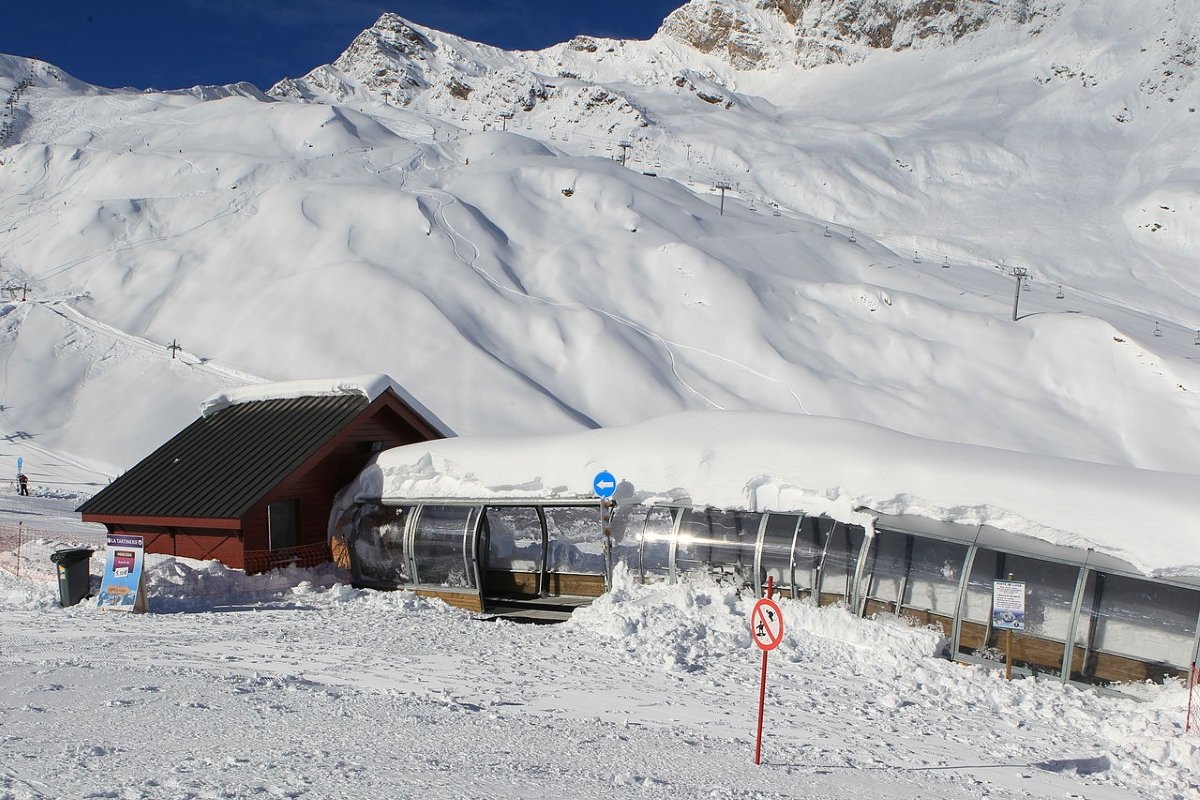
Cirque du Lys (1,850-2,450m): This is your main winter playground with 23 runs covering 36km. It’s brilliantly suited for intermediate skiers, with plenty of cruisy reds and some challenging blacks. The snow record here is solid—being north-facing means better snow preservation. Snowboarders love the natural terrain, and there’s a dedicated freestyle area for anyone wanting to catch air.
Pont d’Espagne (1,500-1,800m): Cross-country skiing enthusiasts, this one’s for you. Nordic trails wind through absolutely stunning scenery, and when there’s good snow coverage, it’s genuinely magical gliding through these forests.
Lift passes: Adult day passes run roughly €35-45 depending on season. Multi-day passes offer better value. Kids under 5 ski free (as they should!), and reduced rates apply for children, seniors, and families.
Ski rental: Expect to pay around €25-35/day for standard equipment, more for performance gear. Book online ahead of time for discounts and to skip the morning rental shop queues.
Those Famous Thermal Baths (Don’t Skip These)
Here’s where Cauterets truly shines. The town sits atop natural sulfurous springs that have attracted wellness-seekers for centuries—and one soak will convert you.
Les Bains du Rocher: The main thermal spa complex offers both traditional treatments and recreational pools. The outdoor pool, surrounded by mountains and accessible year-round, ranks among France’s most atmospheric bathing experiences. Indoor pools, saunas, hammams, and various spa treatments complete the package. Day passes cost around €20-25; spa treatments are extra but worth considering for sore ski legs.
Les Thermes de César: Smaller and more focused on therapeutic treatments, this facility specializes in respiratory and rheumatological conditions. Even if you’re perfectly healthy, their wellness packages make for a seriously relaxing afternoon.
Pro tip: Visit the baths late afternoon after skiing or hiking when your muscles need it most. The contrast between cold mountain air and hot mineral water is absolutely addictive.
Hiking and Summer Adventures
When the snow melts, Cauterets transforms into a hiker’s paradise with direct access to Pyrénées National Park.
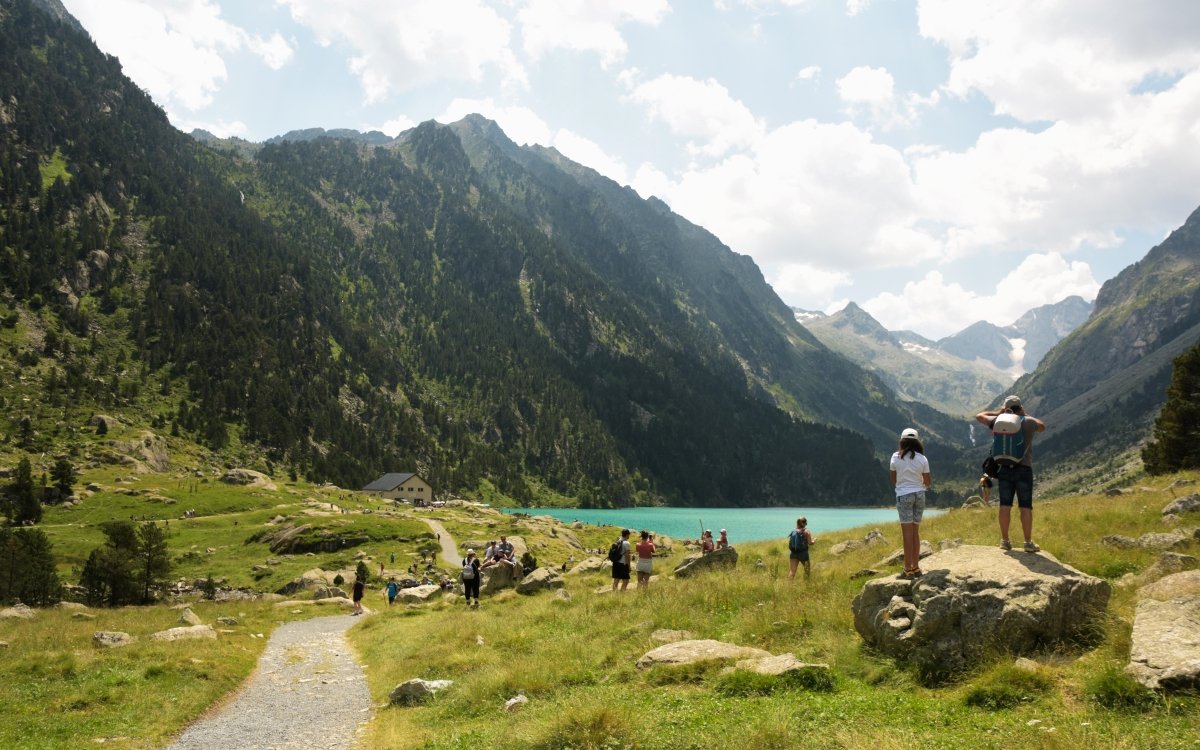
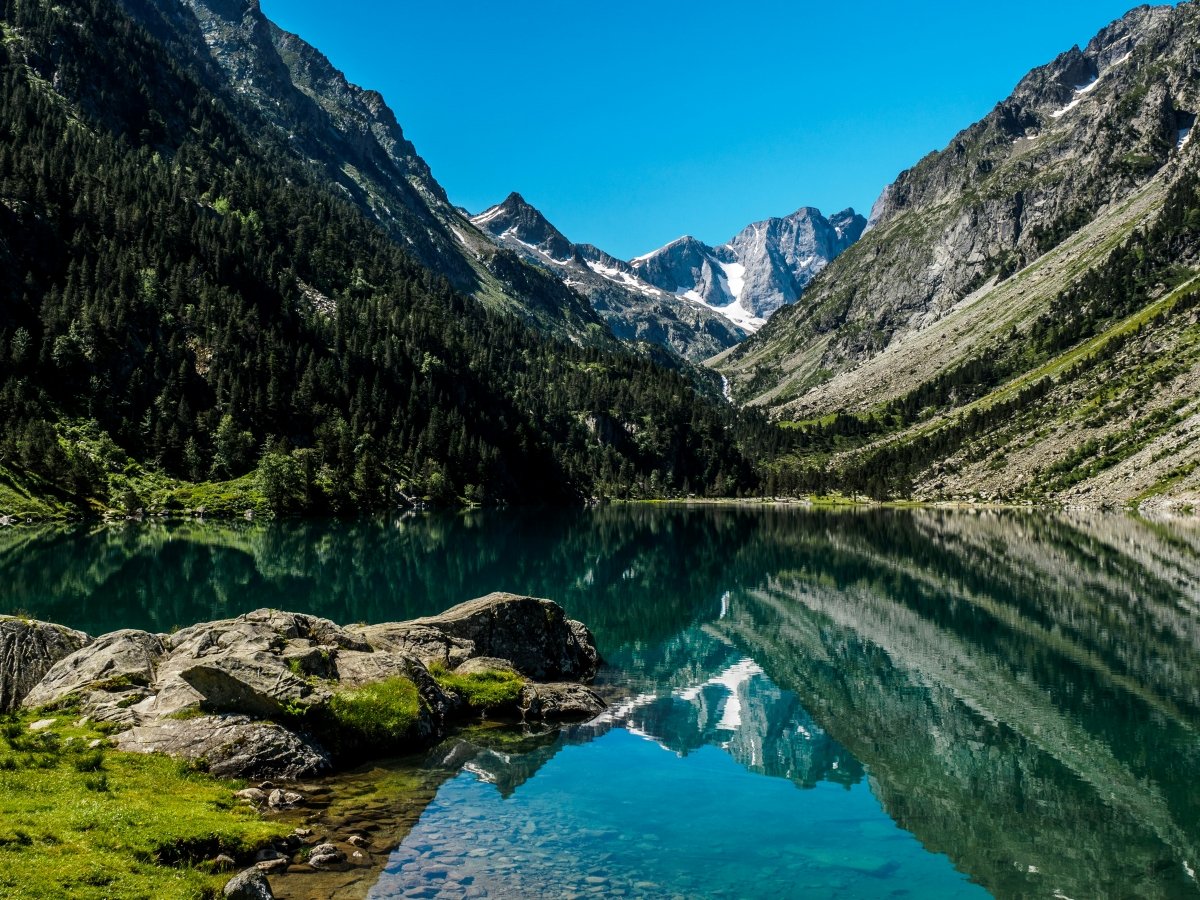
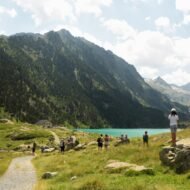
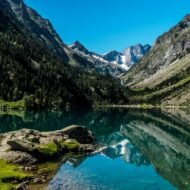
Pont d’Espagne: This isn’t just a ski area—it’s the gateway to some of the Pyrénées’ most stunning trails. A chairlift operates in summer (€9 return) to get you higher faster, though the walk up is beautiful too. From here, trails lead to turquoise mountain lakes like Lac de Gaube, with the dramatic Vignemale peak (3,298m) providing the backdrop.
Valley walks: Gentler options include the Vallée du Lutour and various waterfall trails. The Cascade de Boussès offers an easy family-friendly walk with a spectacular payoff.
Challenge seekers: Ambitious hikers can tackle multi-day routes, with refuges (mountain huts) dotted throughout the park. The GR10 trail passes through this area, offering epic trans-Pyrénées trekking.
Wildlife watching: Keep your eyes peeled for marmots (they’re everywhere!), isards (Pyrénées chamois), golden eagles, and if you’re incredibly lucky, brown bears (though sightings are rare).
Where to Stay: Options for Every Budget
Budget-Friendly (€50-80/night):
- Guesthouses and family-run hotels dot the town center
- Book early for the best deals, especially in winter
- Some include breakfast—always check since mountain breakfasts can be pricey
Mid-Range (€80-150/night):
- Comfortable 2-3 star hotels with mountain views
- Many include spa access or have arrangements with thermal baths
- Look for packages that bundle accommodation with lift passes or spa entries
Splurge-Worthy (€150+/night):
- Boutique hotels in restored Belle Époque buildings
- Hotel Le Lion d’Or and similar establishments offer that classic Pyrénées luxury
- Often include gourmet dining and comprehensive spa facilities
Alternative options: Vacation rentals work brilliantly for families or groups staying several days. Having a kitchen helps control costs, and many apartments occupy those gorgeous historic buildings.
Eating Your Way Through Cauterets
Mountain food in the Pyrénées hits differently, folks. We’re talking hearty, warming dishes designed for people who’ve spent the day actually using their bodies.
Must-try dishes:
- Garbure: A thick soup-stew with cabbage, beans, and preserved duck or pork
- Trinxat: Mashed potato and cabbage pancake, simple but ridiculously satisfying
- Local cheeses: Especially Tomme des Pyrénées and the powerful Roquefort
- Lamb: Pyrénées lamb is exceptional, often slow-cooked with mountain herbs
- Pastries: Gâteau à la broche (a spectacular spit cake) and various regional sweets
Where to eat: Budget €15-20 for casual lunches at mountain restaurants or crêperies. Dinner at proper restaurants runs €25-45 per person. The Restaurant Le Viscos has earned a strong reputation for elevated Pyrénéan cuisine, while smaller bistros offer more wallet-friendly traditional fare.
Money-saving tip: Many hotels offer half-board options (breakfast + dinner) that provide better value than eating out every meal. For lunch, pack supplies from the local markets—mountain picnics are half the fun anyway.
Beyond the Obvious: Day Trips and Nearby Attractions
Gavarnie Cirque (50km): One of Europe’s most dramatic natural amphitheaters, with 1,500-meter-high rock walls and France’s highest waterfall. It’s a UNESCO World Heritage site for good reason.
Spanish border crossing: Ordesa y Monte Perdido National Park sits just across the border in Spain. Combined with Gavarnie, this forms an incredible cross-border hiking region.
Pic du Midi Observatory (80km): Take a cable car to 2,877 meters for mind-blowing panoramic views and stargazing opportunities at the astronomical observatory.
Practical Information You’ll Actually Use
Language: French dominates, though basic English gets you by in tourist areas. A few Spanish and Catalan words pop up given the proximity to Spain. Learning basic French phrases (especially for ordering food) enhances your experience significantly.
Money matters: Budget approximately:
- Shoestring: €60-80/day (budget accommodation, self-catering, limited activities)
- Comfortable: €100-150/day (mid-range hotels, restaurants, lift passes, spa)
- Luxurious: €200+/day (upscale everything)
ATMs: Available in town center. Credit cards widely accepted, but carry some cash for smaller establishments and mountain refuges.
Mobile coverage: Generally good in town, spotty in remote mountain areas. Download offline maps before heading into the backcountry.
Safety: Cauterets is extremely safe. Normal mountain precautions apply—check weather before hiking, carry appropriate gear, inform someone of your plans for long hikes. In winter, avalanche awareness is crucial if venturing off-piste.
Accessibility: The town itself has hills and cobblestones that challenge wheelchair users, though main areas remain accessible. Thermal baths offer facilities for visitors with reduced mobility. Some hiking trails and the Pont d’Espagne chairlift accommodate visitors with disabilities—contact tourist office for specific information.
Insider Tips from Someone Who’s Been There
Book thermal bath sessions for late afternoon when day-trippers have left. You’ll have more space and can watch the sunset from the outdoor pools—trust me on this one.
Wednesday and Saturday mornings bring the local market to town. Stock up on cheese, charcuterie, and regional specialties for way less than supermarket prices.
The tourist office offers guided walks and talks throughout summer, often free or very cheap. These provide fascinating context about the park’s ecology and local history.
Avoid peak French holiday periods (February school holidays, July-August) unless you thrive in crowds. Shoulder seasons offer 90% of the experience at 60% of the price.
Invest in a refillable water bottle. Mountain water from public fountains tastes incredible and saves money on bottled water.
Final Thoughts: Is Cauterets Worth Your Time?
Look, I’ll level with you—Cauterets isn’t trying to be the biggest, flashiest, or trendiest mountain resort. And that’s exactly why it works. This is a place where authenticity hasn’t been bulldozed in favor of mega-resorts, where the thermal traditions stretch back centuries, and where the mountains still feel wild and accessible.
Whether you’re carving turns down Cirque du Lys, soaking post-hike in those glorious thermal waters, or simply wandering streets that have hosted everyone from royalty to writers to regular folks seeking mountain magic, Cauterets delivers something increasingly rare: a genuine Alpine experience without the pretense.
Come for the skiing, stay for the thermal baths, fall in love with the scenery, and leave planning your return trip. The French Pyrénées have been keeping this secret long enough—now it’s your turn to discover it.
Ready to go? Start checking accommodation options now, especially if you’re planning winter or summer high season visits. The mountains are calling, and Cauterets is one answer you definitely won’t regret.