





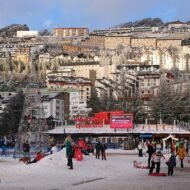
Where You Ski in a T-Shirt and Hit the Beach by Lunch
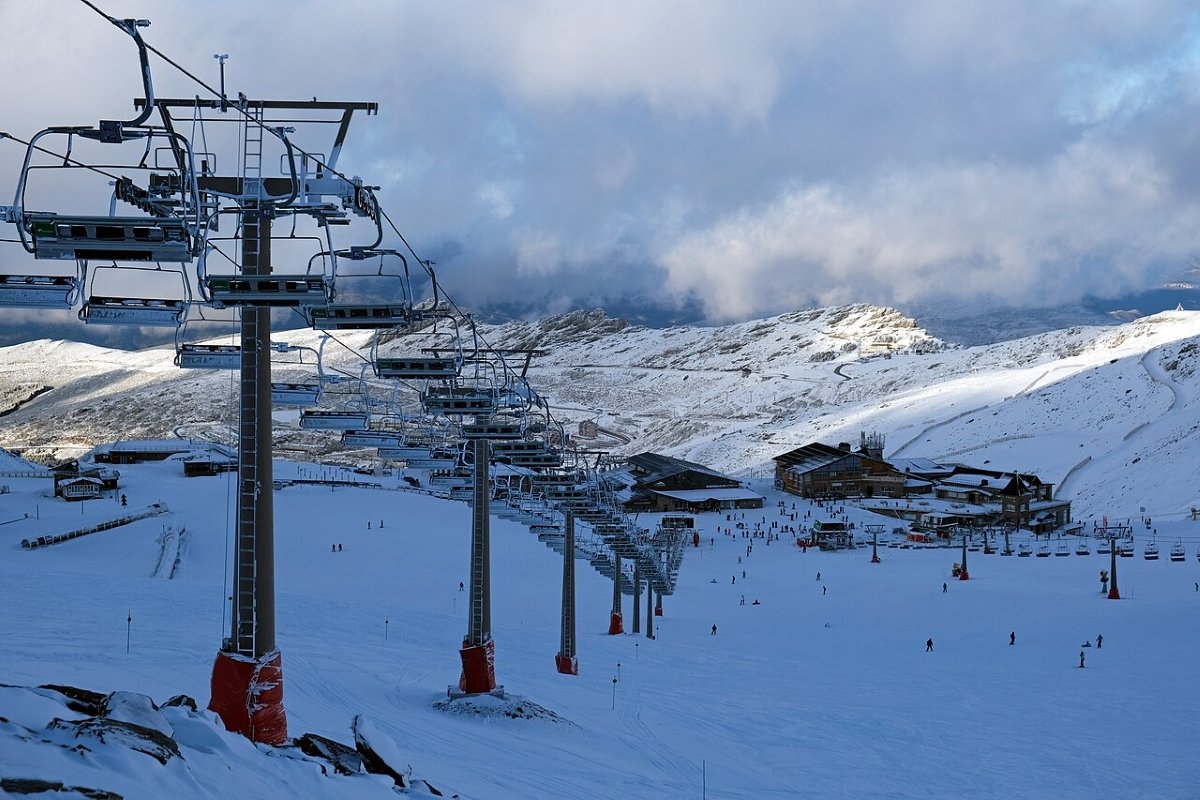
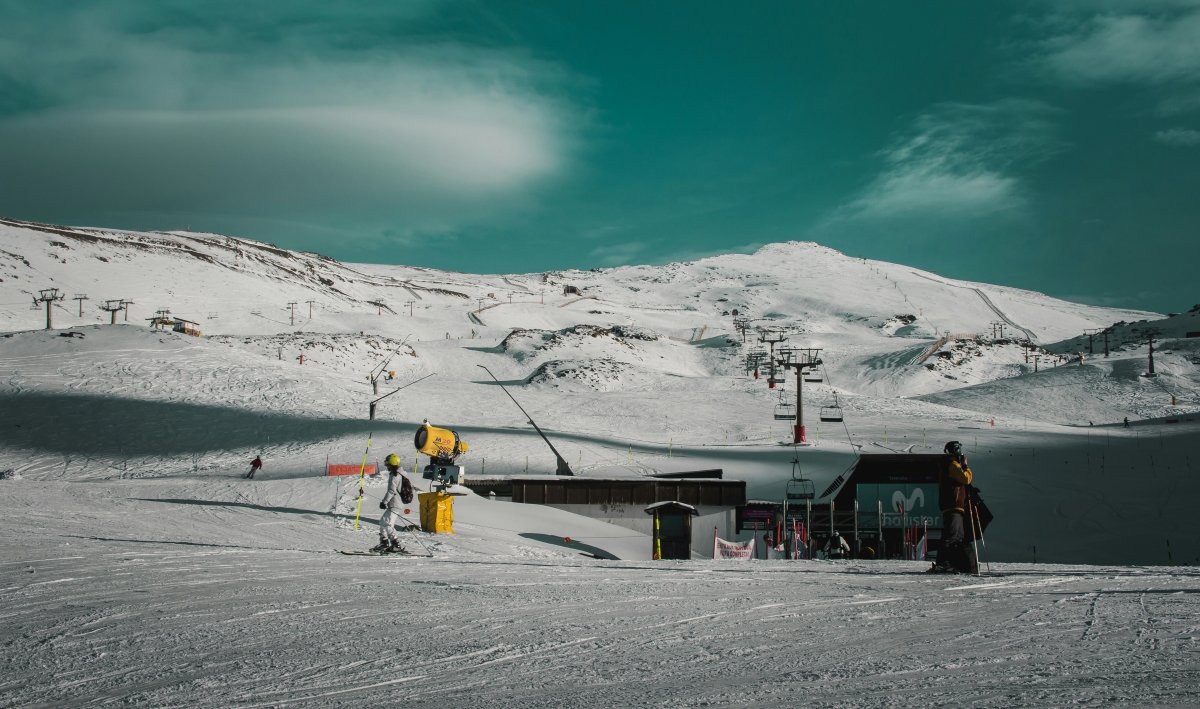
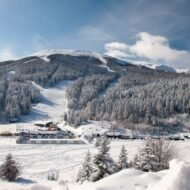
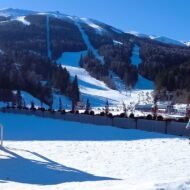
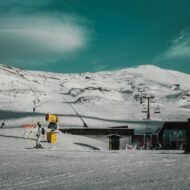
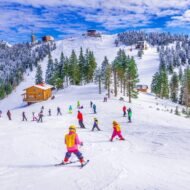
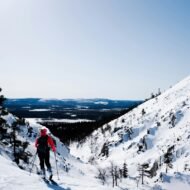
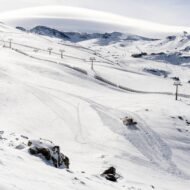
Europe’s southernmost ski resort pulls off the impossible: 105km of slopes, 300+ days of sunshine, and you’re 90 minutes from Mediterranean beaches. Granada’s Moorish palaces provide the ultimate rest day.
Winter Weather Paradox
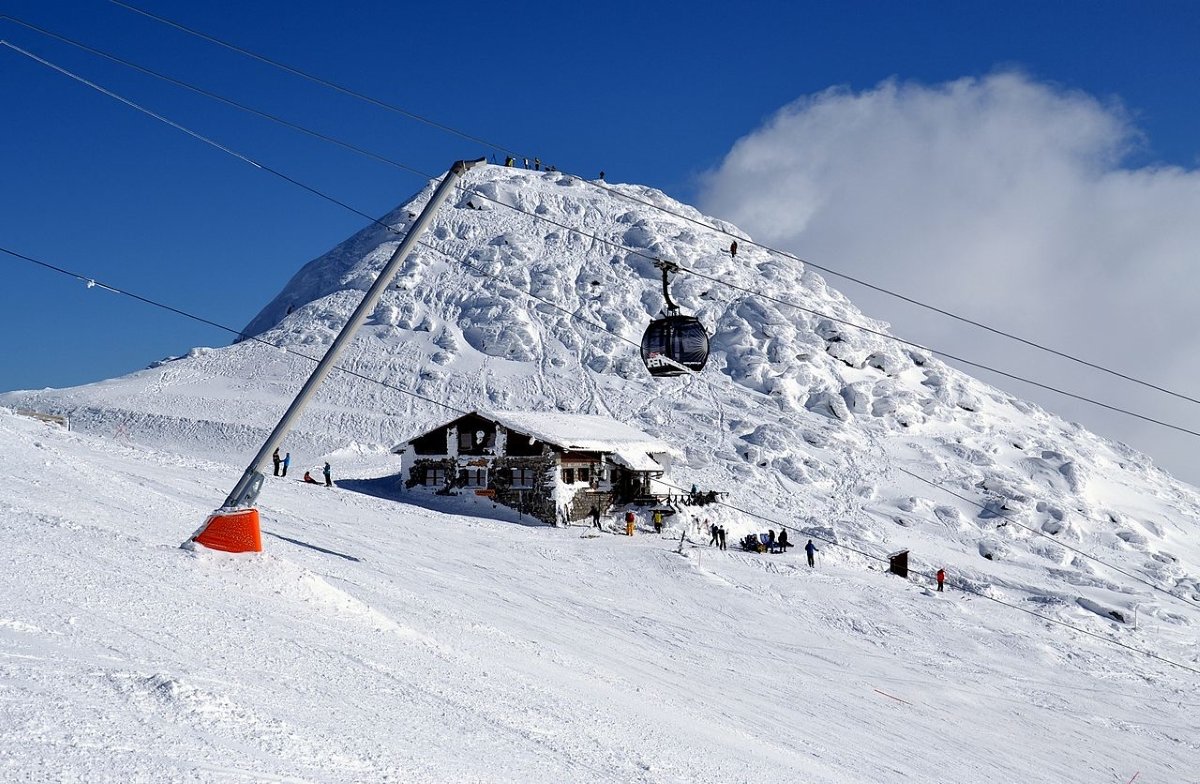
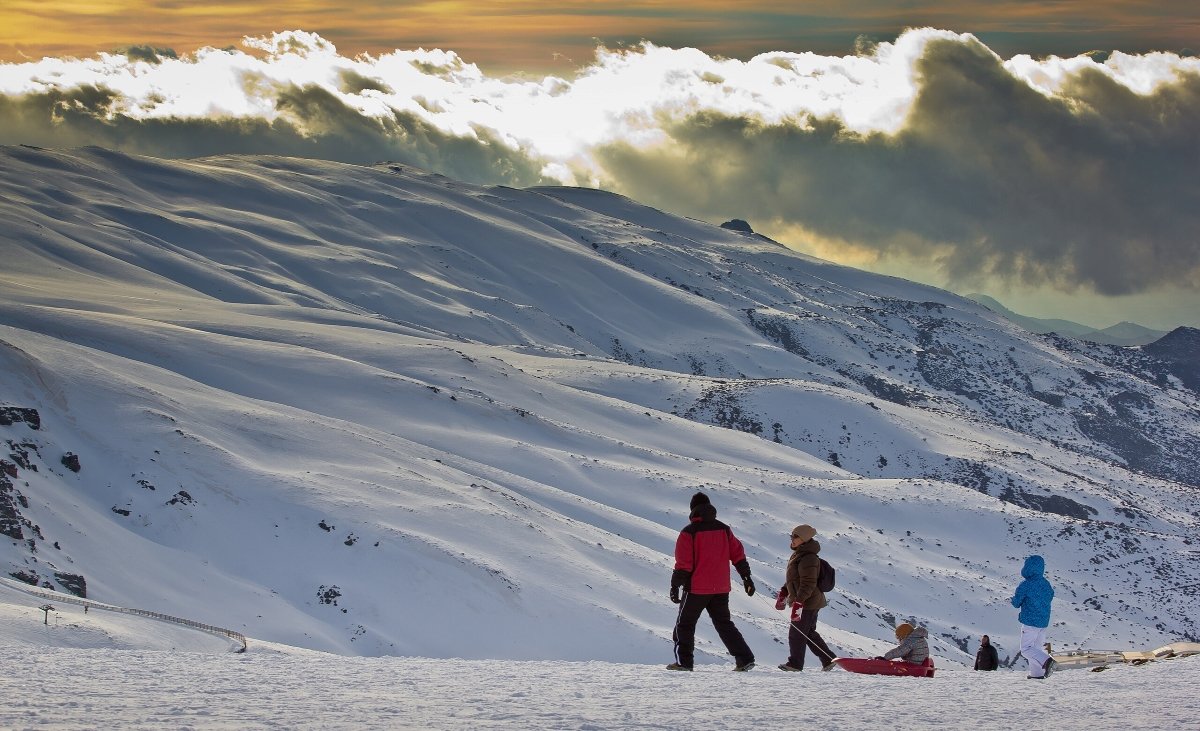
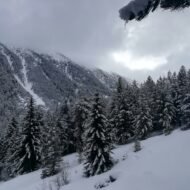
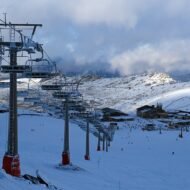
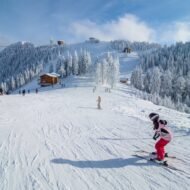
December through April delivers reliable snow (the highest base elevation in Spain at 2,100m helps) with temps from -2°C to 12°C (28°F to 54°F). You’ll literally ski in sunshine while getting a tan. Average snow depth: 1-2 meters. The microclimate is wild—snow on the peaks, sun in the valley.
The Unique Draw
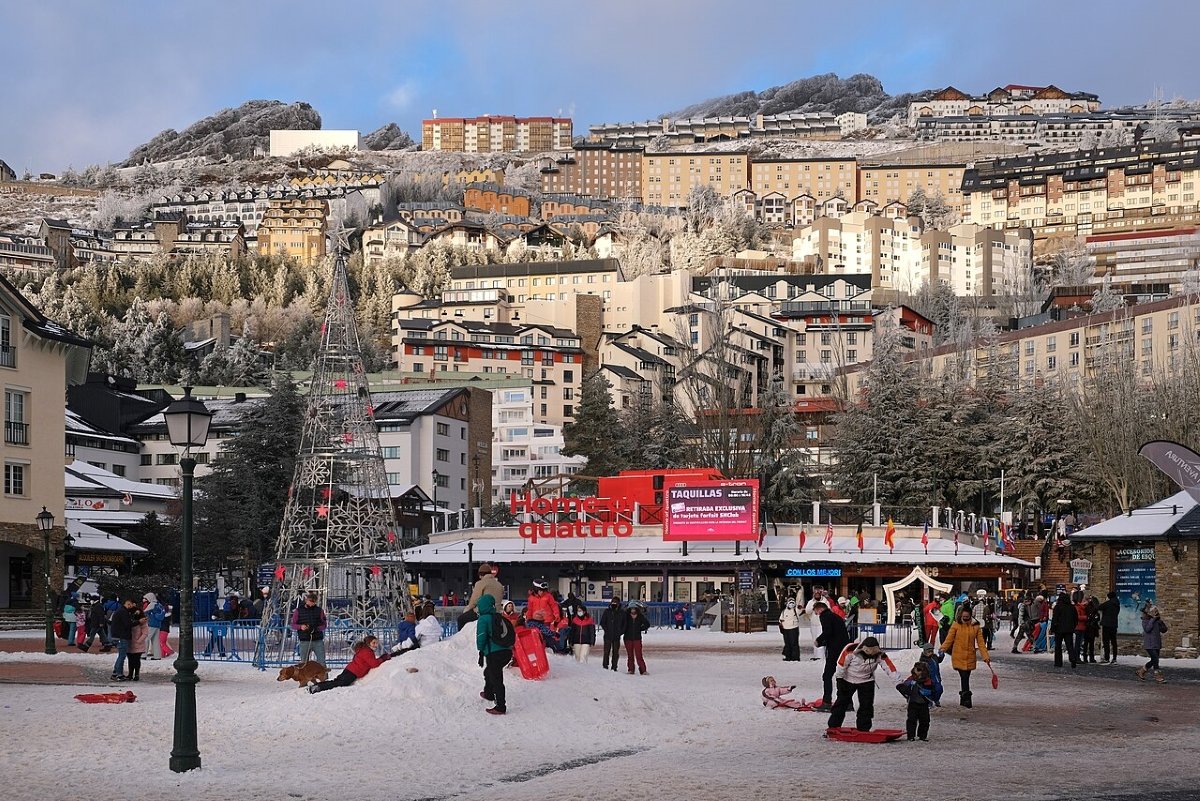
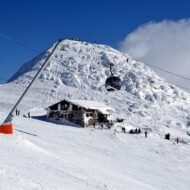
This is skiing with a view of the Mediterranean Sea and North Africa. The highest paved road in Europe leads here. Après-ski means tapas and flamenco, not just beer. The vibe is decidedly un-Alpine in the best way.
Accommodation Strategy
- Budget Smart: Montblanc Lodge (€45-70/night) in Pradollano village
- Middle Ground: Vincci Selección Rumaykiyya (€90-140/night) ski-in/ski-out
- Luxury Choice: El Lodge (€160-250/night) designer boutique with spa
Food Culture Explosion
This is Spain—the food game is next level. Start with churros con chocolate, feast on jamón ibérico, and end with tarta de almendras. Hit Ruta del Veleta for mountain cuisine, or descend to Granada for authentic tapas (free with drinks!). Budget €15-25 for amazing meals.
Shopping Opportunities
Granada’s Alcaicería (old Arab market) sells Moorish ceramics, leather goods, and spices. The resort village has ski gear shops and Spanish fashion boutiques. Don’t miss Granada’s artisan shops for taracea (inlaid wood crafts).
Cultural Jackpot
Granada’s Alhambra (30 minutes away) is one of the world’s most beautiful palaces—Moorish architecture that’ll blow your mind. The Albaicín quarter, Sacromonte caves with flamenco shows, and Renaissance cathedral create a cultural feast between ski days.
Local Traditions
Andalusian culture means flamenco performances, Holy Week processions (if visiting in spring skiing season), and festivals celebrating Moorish-Christian heritage. The food culture itself is a tradition—tapas crawls are non-negotiable.
Budget Considerations
- Ski pass: €48-55/day
- Rentals: €20-25/day
- Meals: €25-40/day (can be less with tapas strategy)
- Wine/beer: €2-4
- Total daily budget: €150-220
Beyond Skiing
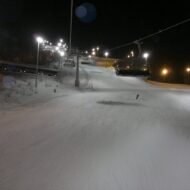
Night skiing several evenings weekly, snowpark for freestylers, snowshoeing, and the bizarre option of morning skiing followed by afternoon beach visits. The coast is 90 minutes away—seriously. Day trip to Granada is mandatory.
5. Bjelašnica, Bosnia and Herzegovina 🏔️
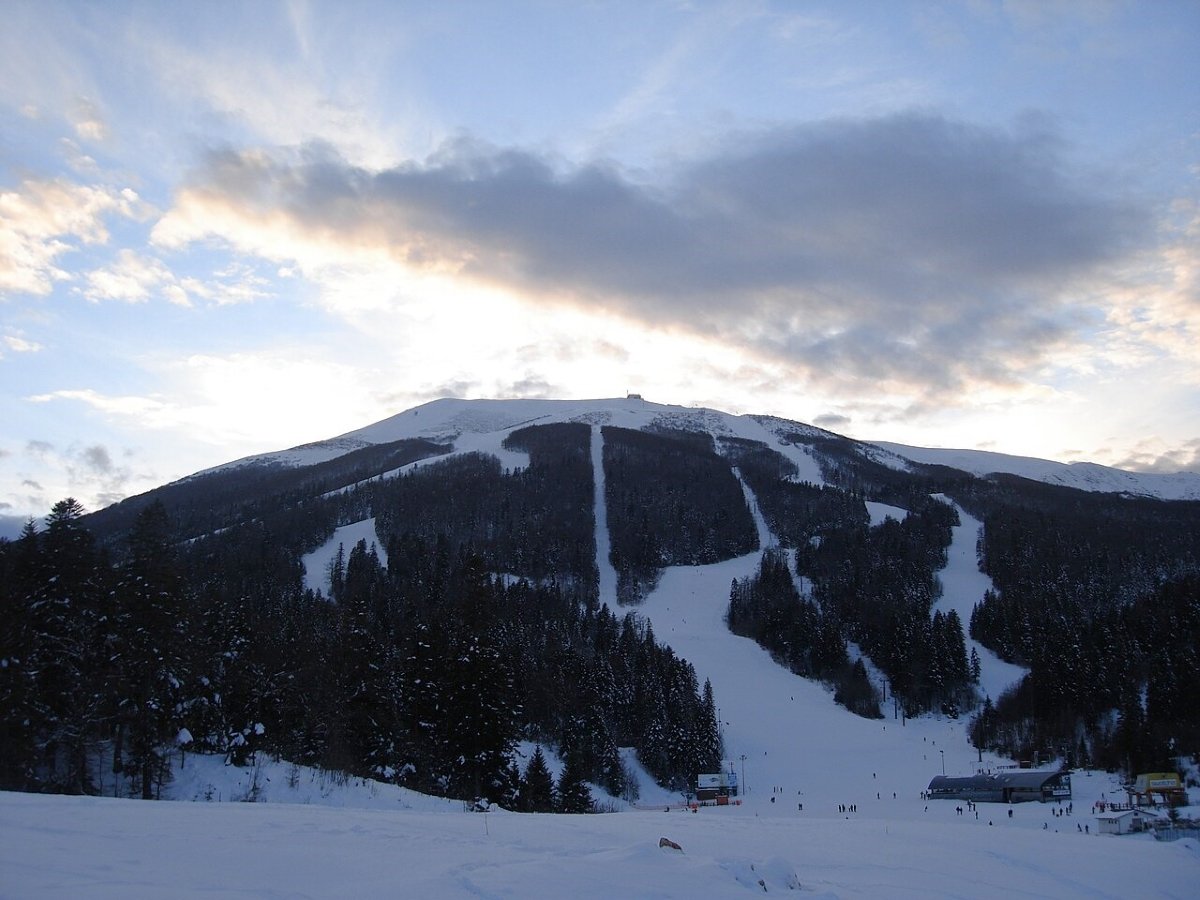
The 1984 Olympic Mountain That Time (Thankfully) Forgot
Where the Sarajevo Winter Olympics happened, history runs deep, and your entire ski vacation costs less than three days in Switzerland. This is raw, authentic mountain culture without the polish—and that’s exactly the appeal.
Winter Weather Reality
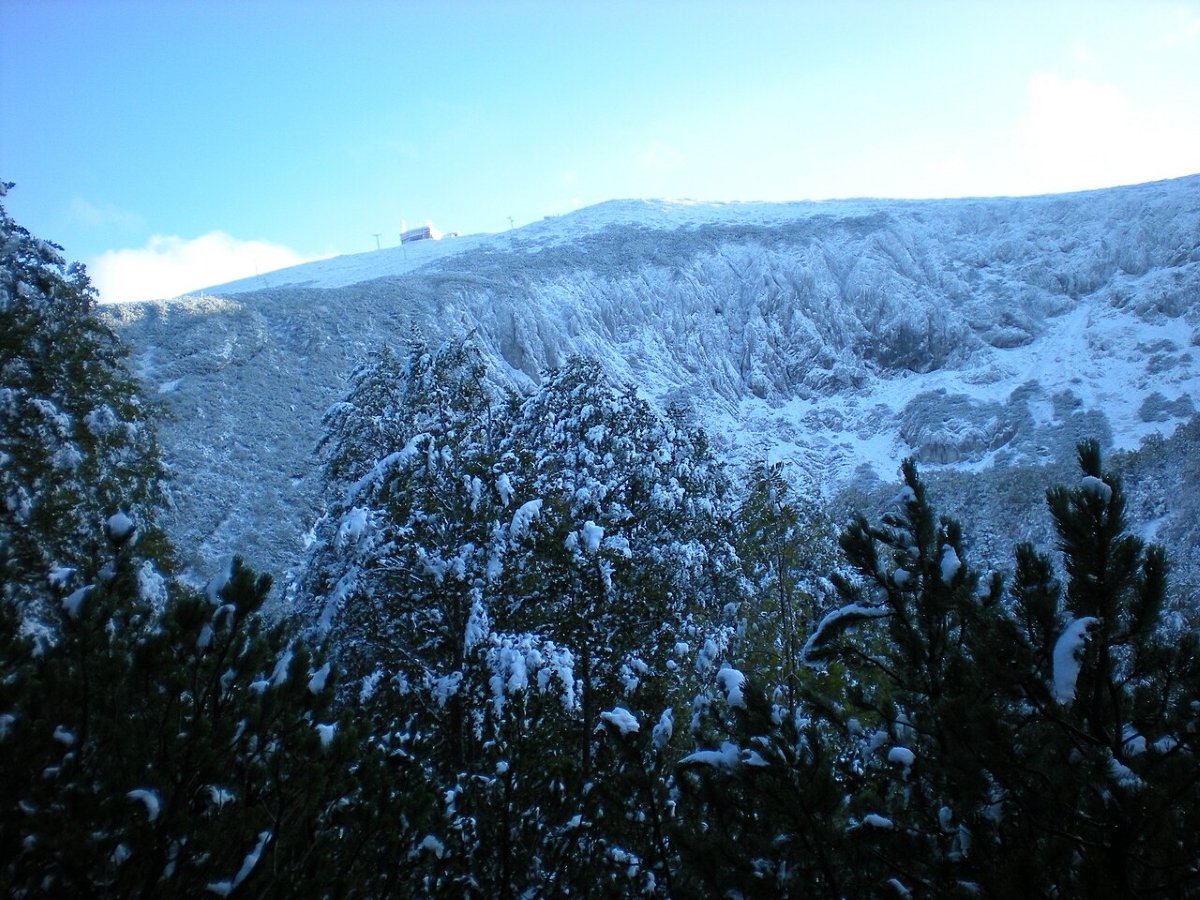
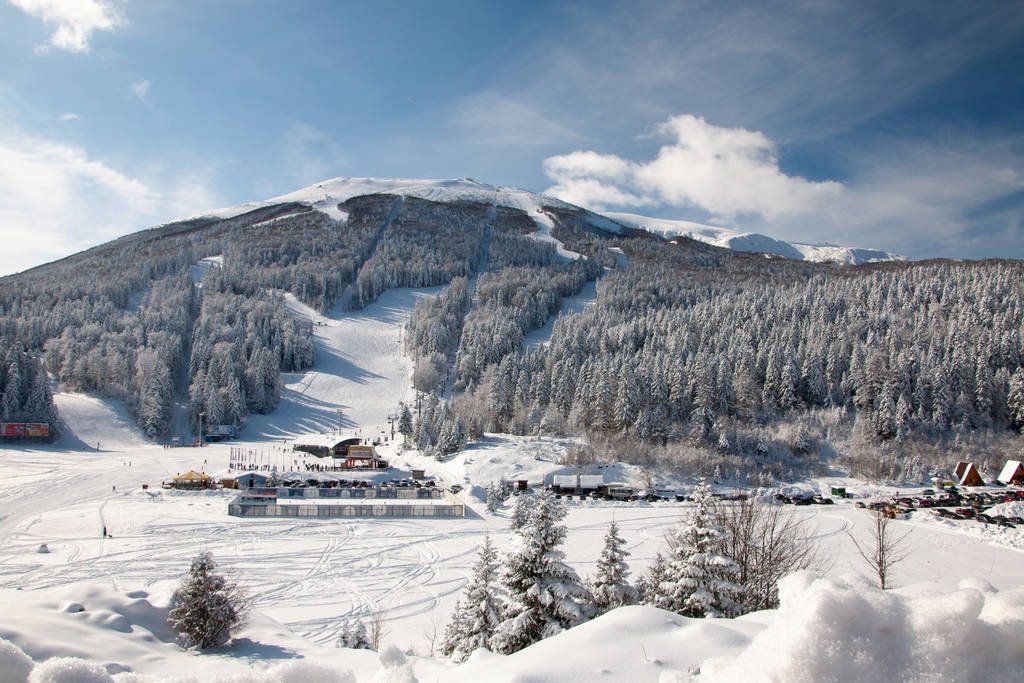
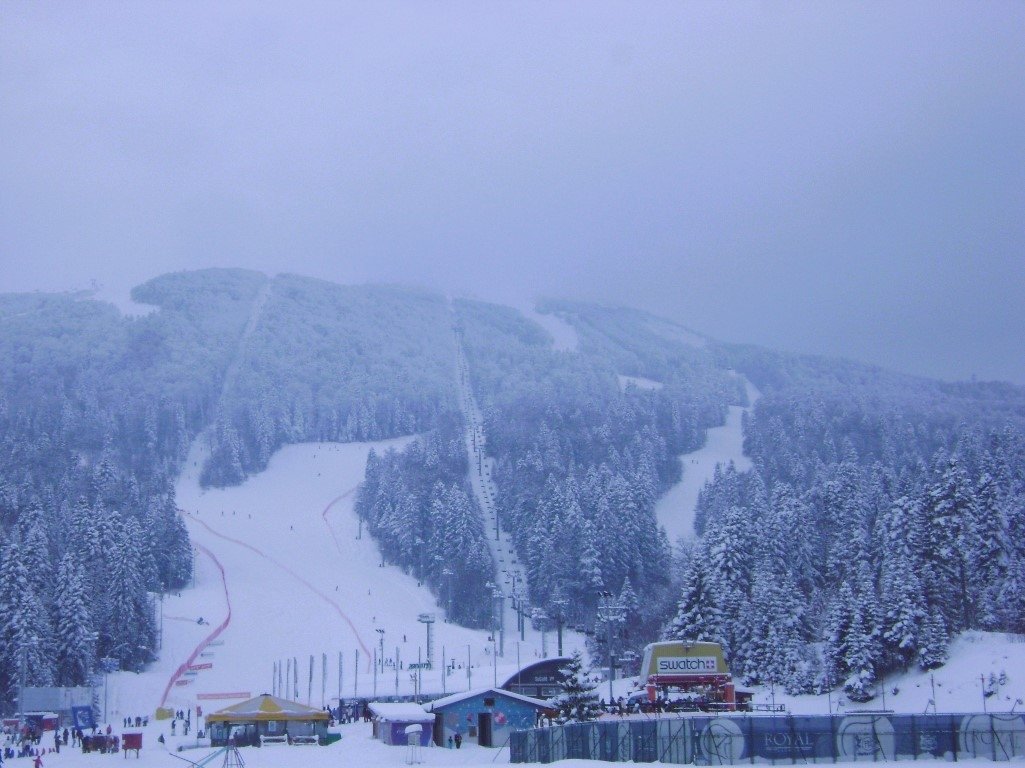
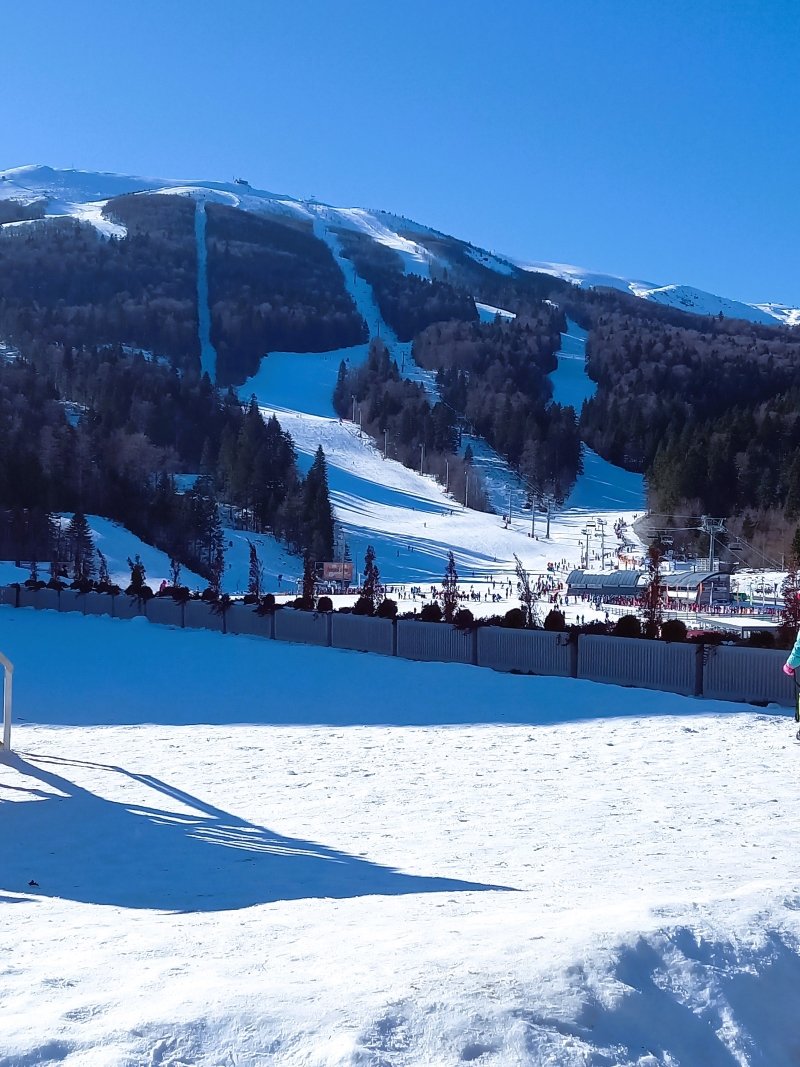
December to March brings serious snow (2-3 meters average) with temps -10°C to 5°C (14°F to 41°F). The Olympic legacy means good infrastructure on a mountain that gets legitimate powder. Expect Balkan cold—it’s the real deal.
What Makes It Unforgettable
You’re skiing on actual Olympic runs (the men’s downhill specifically) with a fraction of visitors. The mountain saw conflict in the ’90s—remnants tell stories—but has transformed into a peaceful powder paradise. The warmth of Bosnian hospitality is unmatched.
Where to Sleep
- Budget Option: Apartments and guesthouses in Babin Do (€30-50/night)
- Comfortable Choice: Hotel Han (€60-90/night) at the base with traditional feel
- Upgrade: Maribor Hotel (€80-120/night) with mountain views
The Food Situation
Bosnian cuisine is comfort food perfection. Ćevapi (grilled meat), burek (meat or cheese pie), begova čorba (chicken soup), and tufahije (poached apples) for dessert. Meals cost €5-10 and portions could feed two. Sarajevo (30 minutes) offers the full culinary experience—East meets West deliciously.
Shopping & Crafts
Sarajevo’s Baščaršija (old bazaar) sells hand-hammered copper, traditional coffee sets, kilim rugs, and filigree jewelry. This is authentic artisan work, not tourist junk. The craftsmanship reflects 500 years of tradition.
Cultural Weight
Sarajevo is a living history museum—Ottoman mosques beside Austro-Hungarian buildings beside synagogues beside Orthodox churches. The wartime tunnel museum is heavy but important. Grab a Bosnian coffee (it’s a ritual, not just caffeine) and absorb the resilience.
Local Traditions
Bosnian coffee culture is sacred—the preparation and serving are ceremonial. Religious diversity means various festivals year-round. Winter brings Bajram celebrations, and traditional sevdah music in Sarajevo’s kafanas (taverns) provides the soundtrack.
Budget Breakdown
- Ski pass: €20-25/day
- Equipment: €10-15/day
- Meals: €15-20/day
- Drinks: €1-2
- Total daily budget: €80-120 (incredibly affordable)
Outdoor Adventures
Explore Sarajevo’s Olympic bobsled track (now street art canvas), snowshoe to abandoned Olympic facilities, winter hiking in Igman, or take a somber but important tour of wartime sites. The mountain bike trails convert to winter fat-biking routes. MORE READ…
6. Pyhä, Finland 🌌
The Arctic Circle Powder Where Northern Lights Replace Après-Ski
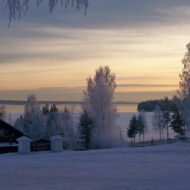
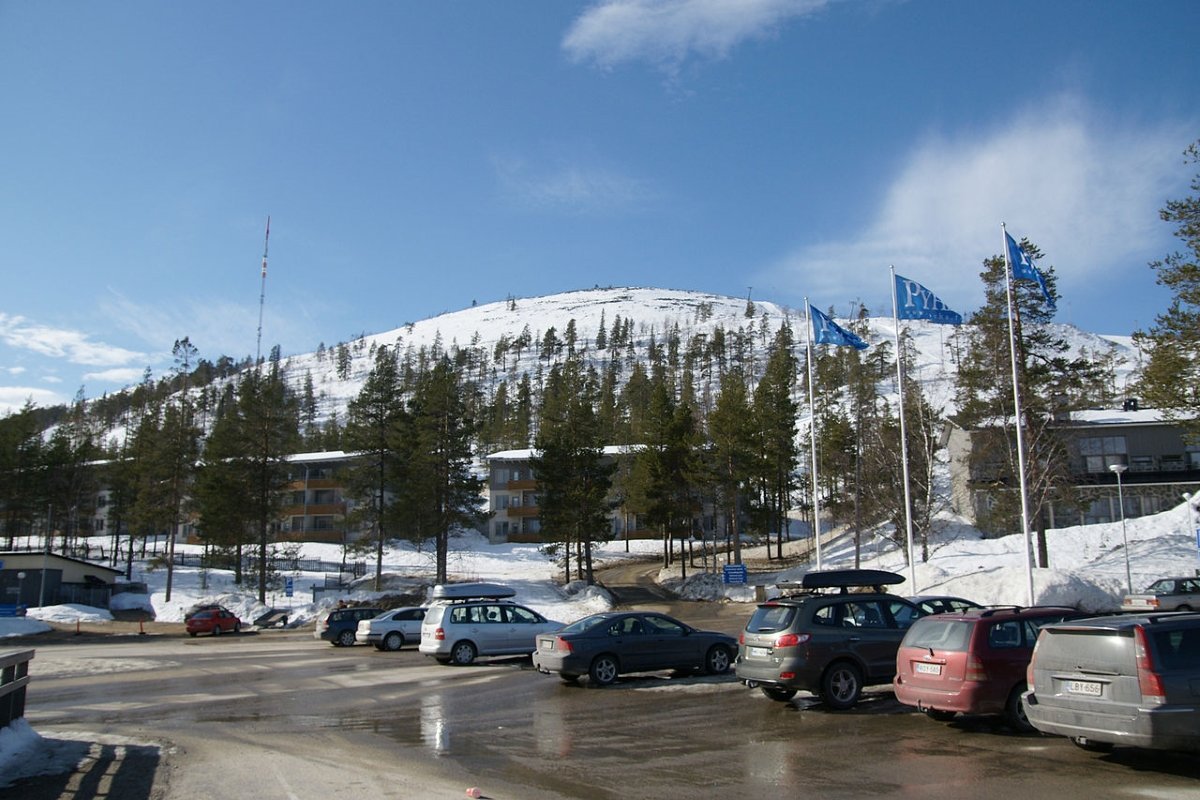
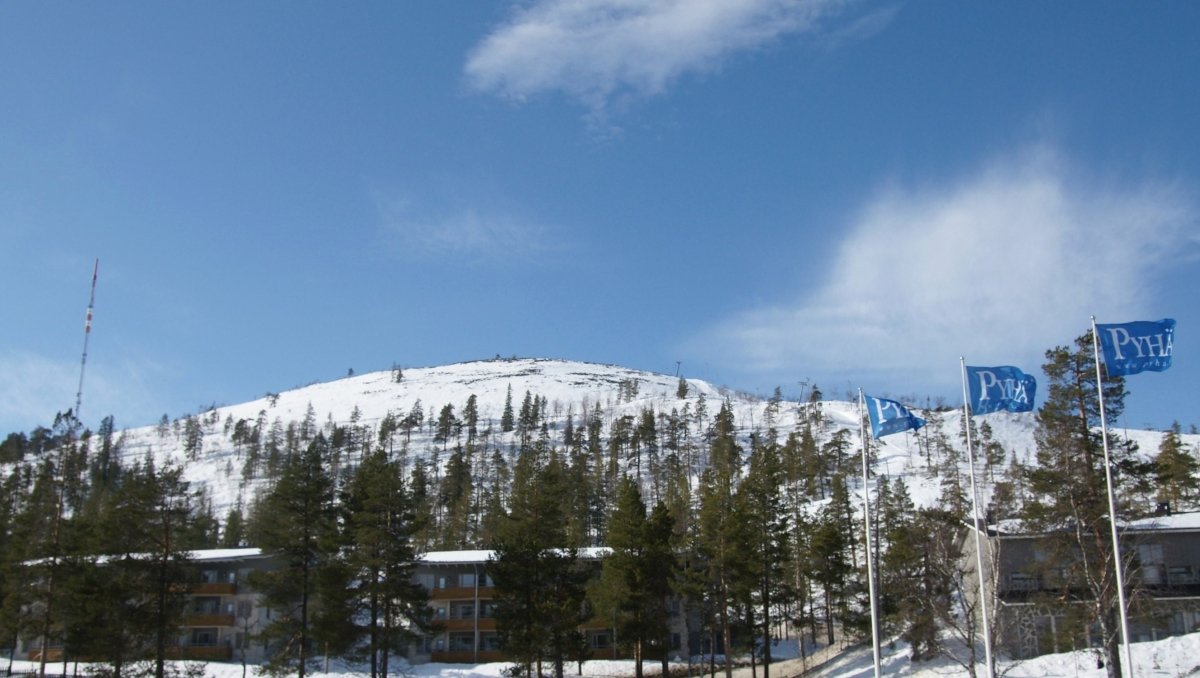
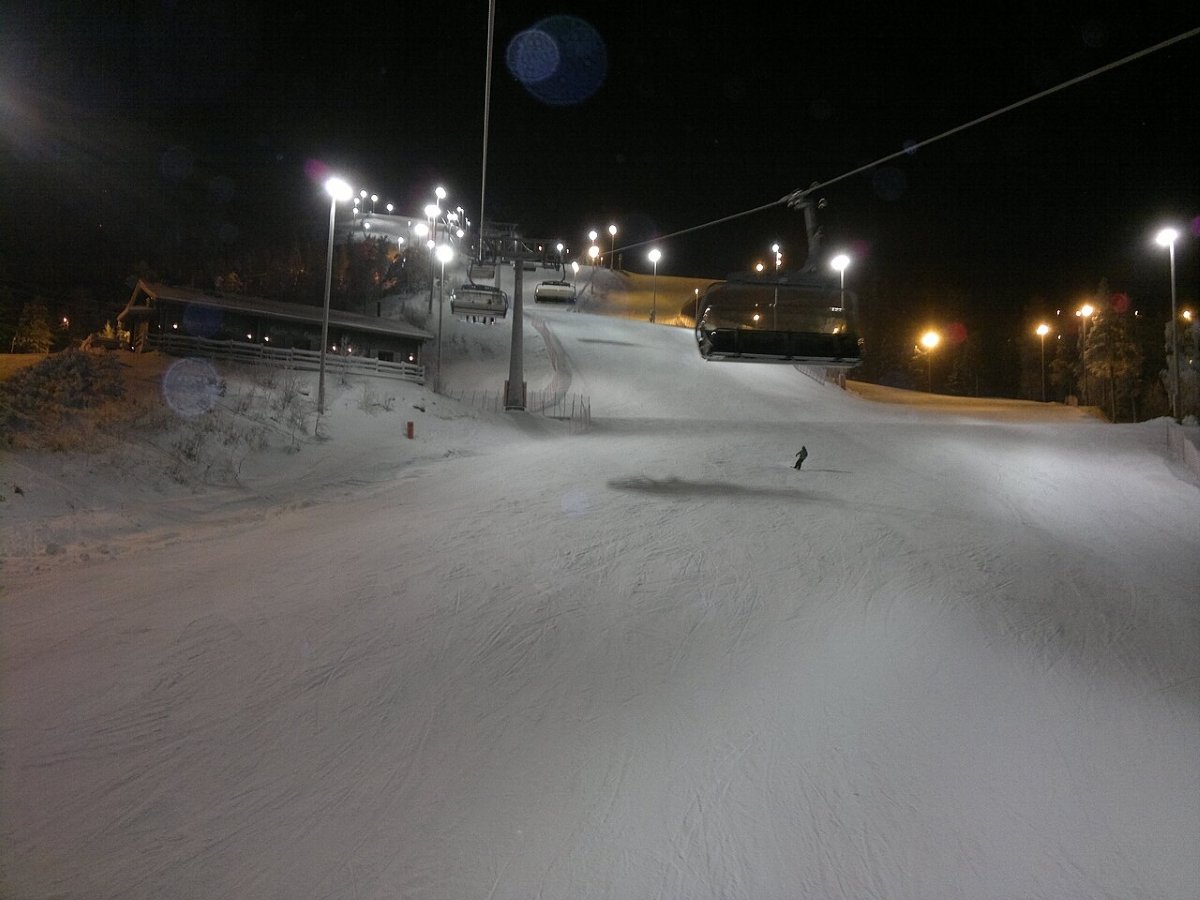
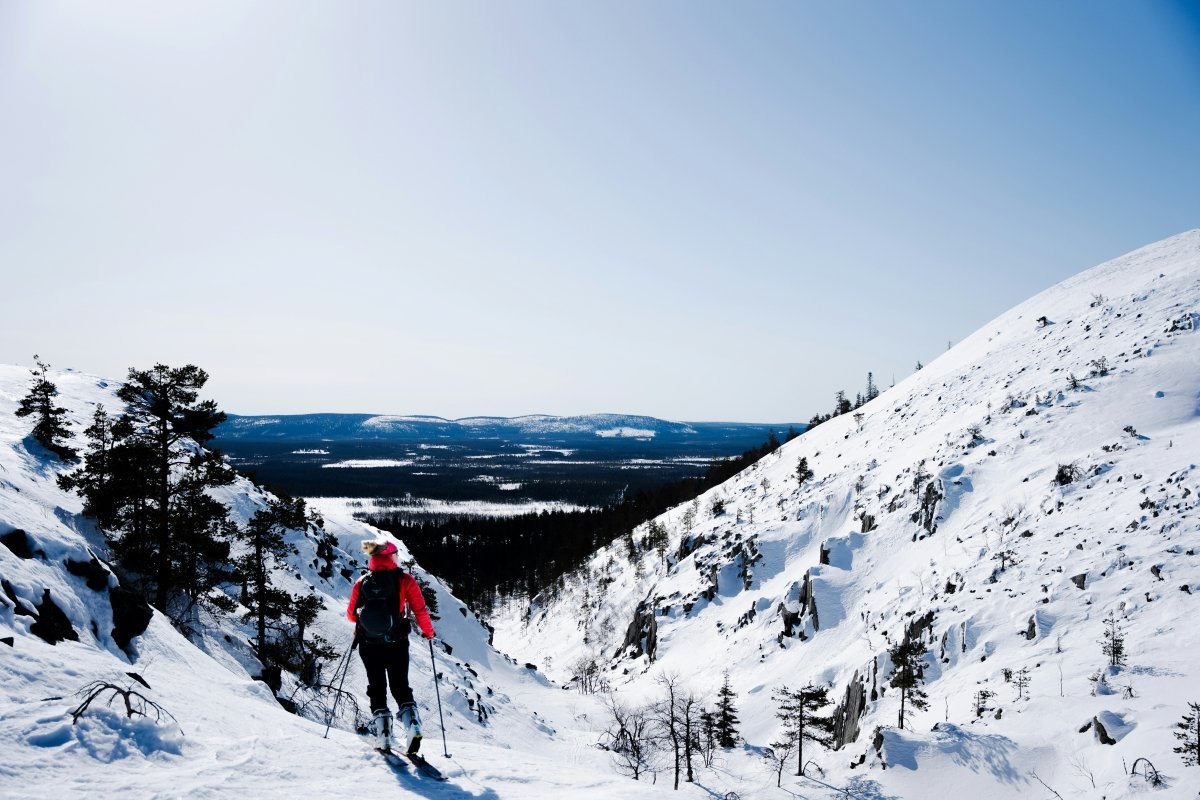
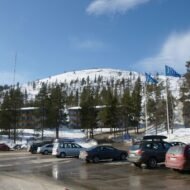
Trading crowded Alpine bars for silent Arctic forests and aurora borealis makes Pyhä the most unique entry on this list. You’re 150km north of the Arctic Circle skiing under the midnight sun’s winter cousin—the polar night.
Winter Weather Extremes
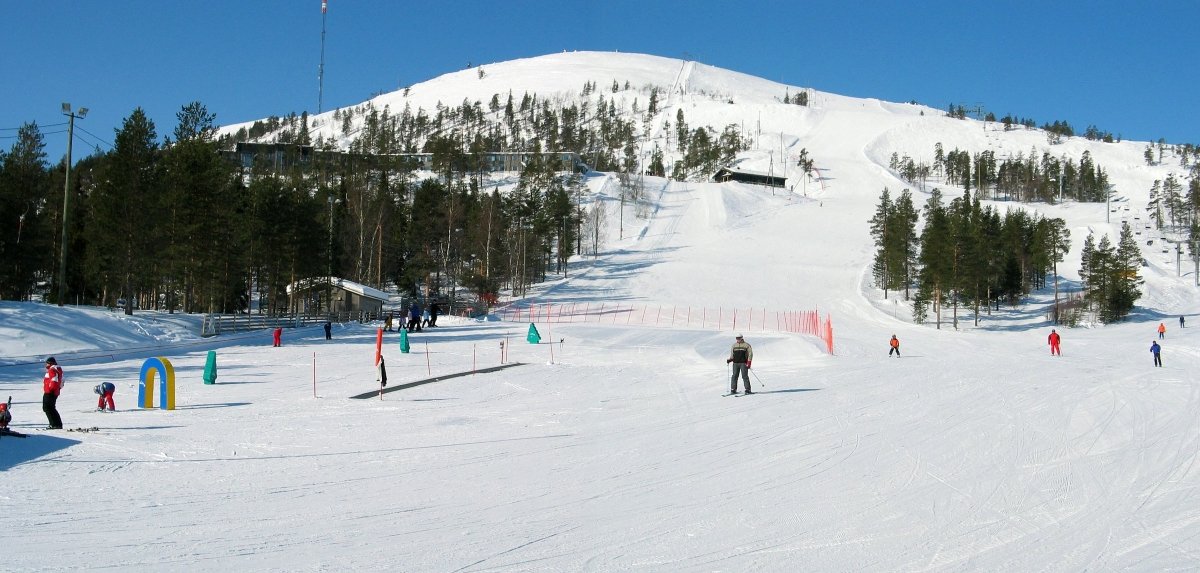
November to May season (yes, May) with temps from -30°C to -5°C (-22°F to 23°F). The cold is dry and manageable with layers. Snow depth reaches 1-2 meters of perfect powder. The “kaamos” (polar night) in December means blue twilight skiing—surreal and magical.
What Makes It Other-Worldly
This isn’t just skiing—it’s an Arctic experience. The northern lights dance above the slopes 150-200 nights per year. You’re surrounded by ancient forest, frozen waterfalls, and snow-covered fells that look like another planet. The silence is profound.
Accommodation Choices
- Budget-Friendly: Pyhätunturi Hotel (€60-90/night) at the base
- Local Experience: Log cabins with saunas (€80-120/night) for groups
- Unique Stay: Wilderness Hotel Muotka (€180-300/night) with glass igloos for aurora viewing
Food Culture
Finnish Lapland cuisine centers on poronkäristys (sautéed reindeer), muikku (fried vendace fish), karjalanpiirakka (Karelian pastries), and cloudberry jam on everything. Restaurant Huttunen serves traditional meals. Budget €20-35 per meal—Finland isn’t cheap, but it’s unforgettable.
Shopping Opportunities
Sami handicrafts (duodji) include reindeer leather goods, knives with birch handles, and traditional textiles. Rovaniemi (90 minutes south) has proper shopping—and Santa Claus Village if you’re feeling festive. Local artisans sell beautiful silver jewelry inspired by nature.
Cultural Immersion
The indigenous Sami culture has thrived here for millennia. Visit the Sami Museum, learn about reindeer herding, and respect that this is their ancestral homeland. The relationship with nature is sacred—something you’ll feel in the pristine wilderness.
Local Traditions
Sauna culture is non-negotiable—every accommodation has one. Ice swimming follows sauna. The tradition of kota (traditional Sami tent) gatherings with fire and stories continues. Midwinter celebrations honor the return of sunlight.
Budget Reality
- Ski pass: €45-50/day
- Rentals: €25-30/day
- Meals: €30-45/day
- Activities: €50-150 (northern lights tours, husky sledding)
- Total daily budget: €200-300 (worth every cent)
Beyond Skiing
Husky sledding, reindeer farm visits, snowmobile safaris, ice fishing, northern lights photography, cross-country skiing through primordial forests, and visiting Finland’s deepest gorge (Isokuru) in winter. The Amethyst Mine in Luosto offers gem hunting in snow. MORE READ..
RECAP: Your European Ski Adventure Awaits
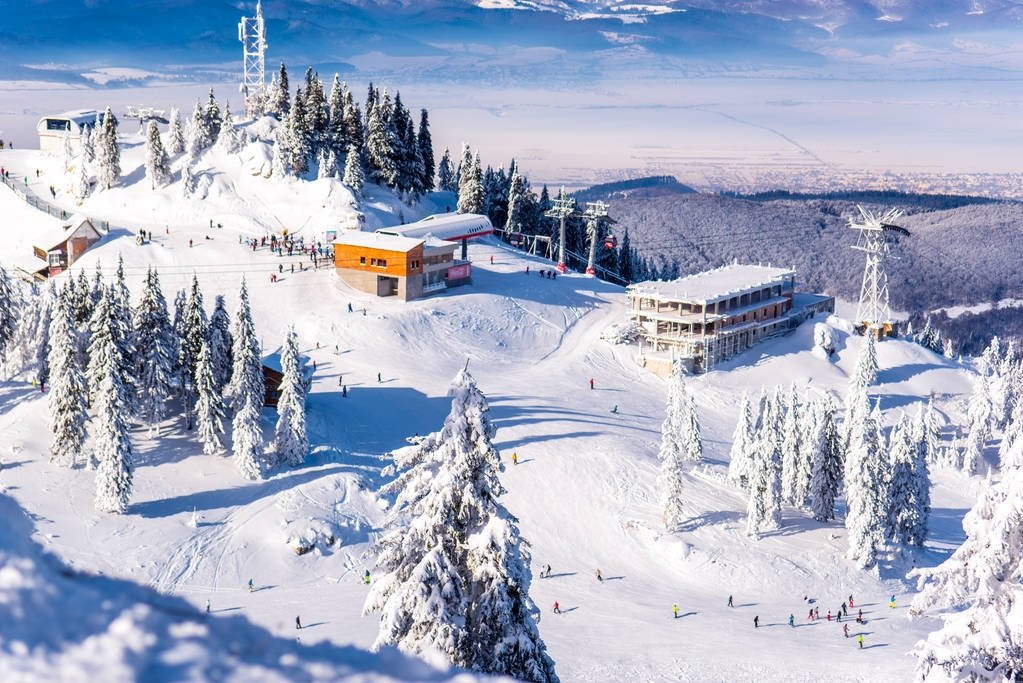
These six lesser-known resorts prove you don’t need to brave Chamonix crowds or drain your bank account in St. Moritz to experience world-class skiing. From Romania’s Carpathian charm to Finland’s Arctic magic, each destination delivers authentic culture, excellent snow conditions, and adventures that extend far beyond the slopes.
The Smart Skier’s Takeaway:
- Best Value: Bjelašnica and Bansko (under €120/day all-in)
- Most Unique Experience: Pyhä (northern lights skiing)
- Culture + Skiing Combo: Sierra Nevada (Alhambra access)
- Best Food Scene: Bansko and Poiana Brașov
- Longest Season: Pyhä (November-May)
- Best for First-Timers to Eastern Europe: Jasná (modern infrastructure)
These destinations reward adventurous travelers willing to look beyond the glossy brochures. You’ll return home with stories nobody else has, authentic cultural connections, and maybe—just maybe—a new perspective on what makes a ski vacation truly unforgettable.
The powder’s waiting. The mulled wine is warm. And your wallet will actually thank you.
DISCLAIMER
All prices, snow conditions, and travel information were accurate as of December 2025 but can vary significantly based on season, booking timing, and current exchange rates. Always verify current conditions, travel requirements, visa regulations, and COVID-related restrictions before booking. Budget estimates are approximate and based on mid-range traveler spending—your costs may vary. Ski conditions depend on weather patterns and cannot be guaranteed. Please purchase appropriate travel insurance and check official government travel advisories for each destination. The author has made every effort to ensure accuracy but cannot be held responsible for changes in circumstances, prices, or conditions.