



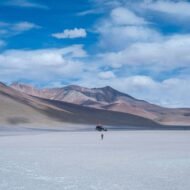
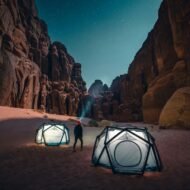
TL;DR : Desert Travel 101: How to Prepare for Remote Arid Destinations , Remote desert travel rewards patience, preparation, and restraint. The biggest risks are usually dehydration, navigation errors, vehicle failure, and communication gaps — not dramatic survival scenarios. Carry more water than you think you need, avoid overdriving difficult terrain, travel with offline navigation tools, and always leave a route plan with someone you trust.
Desert environments are beautiful precisely because they are uncompromising. The travelers who enjoy them most are usually the ones who prepare carefully and move slowly.
Desert Travel 101: The Quiet Discipline of Remote Landscapes
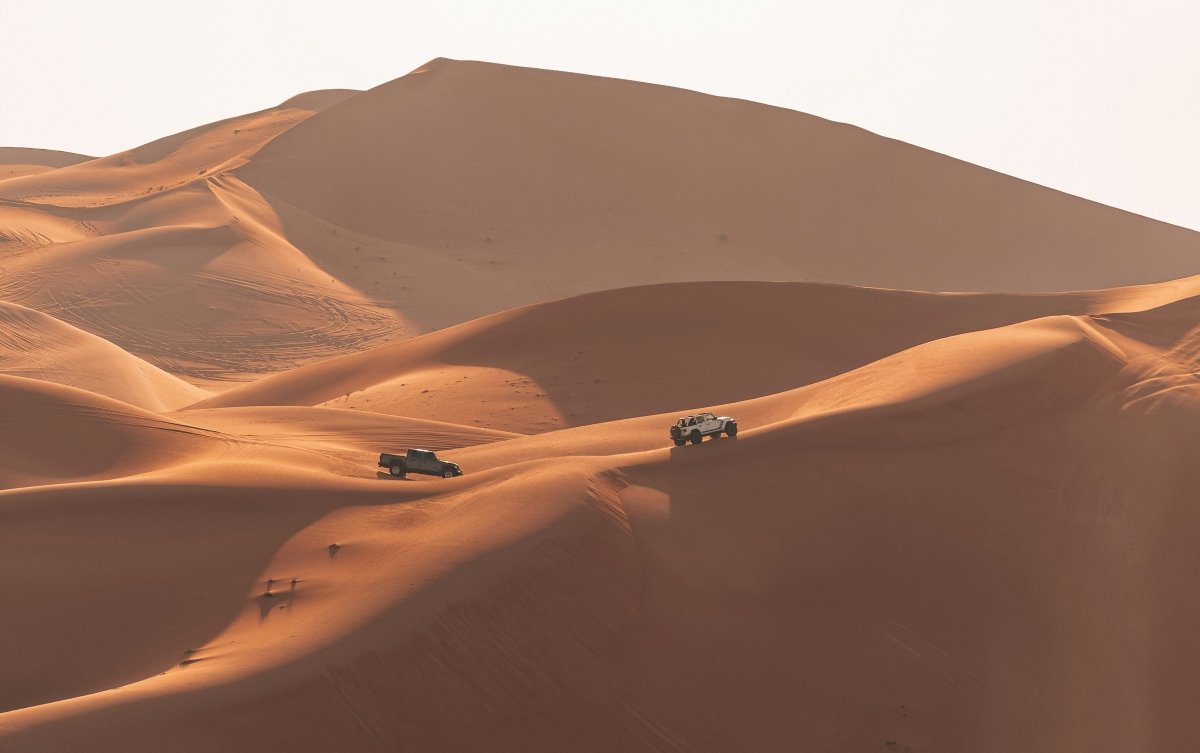
There is a strange silence to remote desert travel. Not emptiness exactly — more like space stretched so wide that every decision begins to matter. Water becomes measurable. Distance feels honest. A wrong turn is no longer a minor inconvenience but a logistical problem.

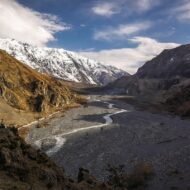
Unlike tropical destinations or dense cities, deserts rarely forgive improvisation. The appeal, though, is precisely this clarity. Arid landscapes strip travel back to essentials: movement, weather, terrain, light, and endurance.
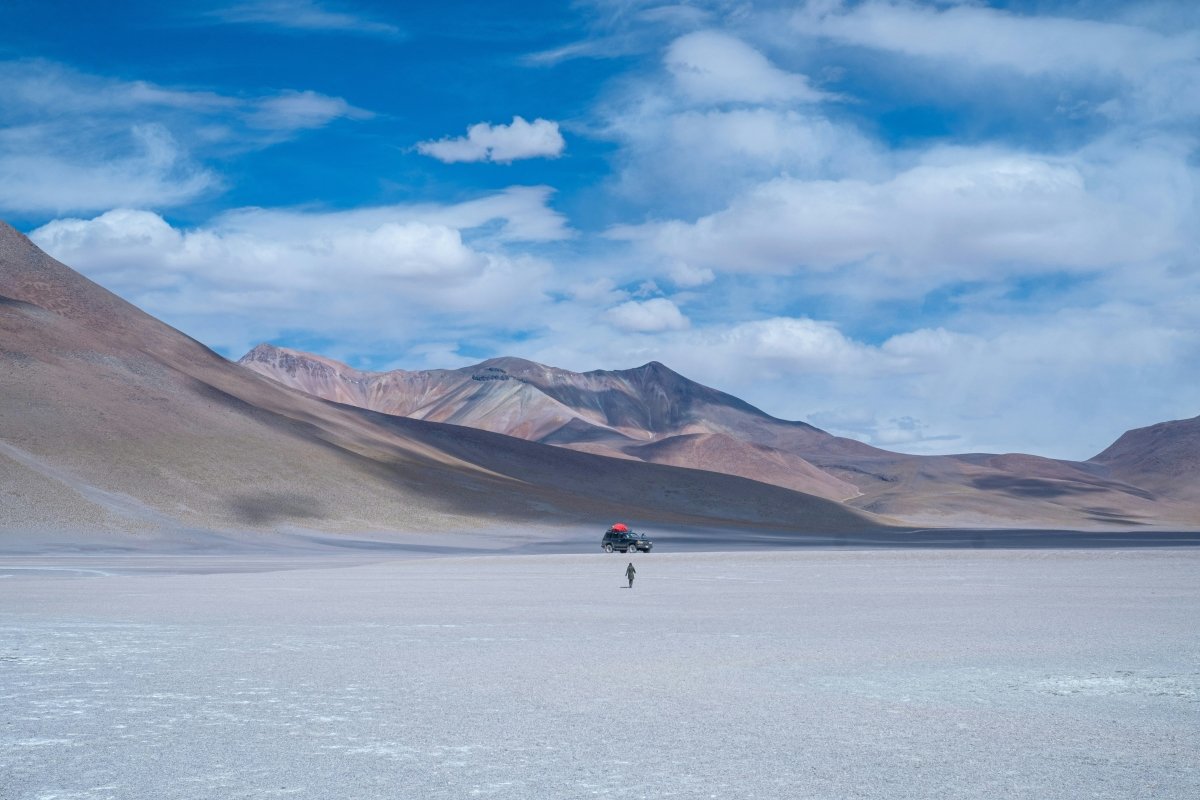
From endless salt flats to volcanic plateaus and wind-carved canyons, remote desert regions ask travelers to slow down and think operationally.
And that is exactly what makes them unforgettable.

Why Desert Travel Requires Different Planning
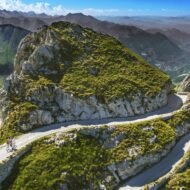
A remote desert is not simply “hot.” Many arid regions are cold at night, wind-exposed, and extremely deceptive in scale. Distances expand psychologically. Roads disappear into dry riverbeds. Fuel stations become uncertain.
The core principles of desert preparation are simple:
Highly Related


- Water redundancy
- Navigation independence
- Vehicle reliability
- Communication backup
- Conservative decision-making
The travelers who struggle most are often not inexperienced — they are overconfident.
Water: Your Primary Survival System
How Much Water Do You Actually Need?
For active desert travel, most experts recommend:
- Minimum: 4–5 liters per person per day
- Safer remote-travel range: 7–10 liters
- Vehicle reserve: additional emergency supply untouched unless necessary
In dry climates, dehydration accelerates because low humidity masks sweat loss.
Smart Water Strategy
Instead of one large container, divide supplies into:
- Daily-use bottles
- Backup reserve containers
- Emergency reserve hidden in vehicle storage
This prevents catastrophic loss if one container leaks or breaks.
Electrolytes Matter More Than Most Travelers Think
Water alone is not always enough. Long exposure to heat and altitude can drain sodium and minerals quickly, leading to fatigue, confusion, headaches, and poor decision-making.
Carry:
- Electrolyte tablets
- Oral rehydration salts
- Salty snacks
- Lightweight high-calorie foods
Navigation: Never Depend on One System
Modern travelers trust phones too easily.
In remote deserts, navigation should work even when:
- there is no signal,
- batteries fail,
- temperatures damage electronics,
- or visibility changes suddenly.
Your Navigation Stack Should Include:
1. Offline GPS Maps
Reliable offline apps remain essential for:
- fuel stops,
- terrain awareness,
- elevation,
- route tracking.
2. Paper Maps
Still relevant in isolated regions where roads shift or digital mapping is inaccurate.
3. Compass Basics
You do not need expedition-level skills, but understanding direction and terrain orientation matters.
4. Route Planning Before Departure
Always identify:
- fuel points,
- emergency exits,
- settlements,
- weather risks,
- restricted areas.
Vehicles: Desert Terrain Punishes Neglect
A desert vehicle does not need to be luxurious. It needs to be dependable.
Essential Vehicle Checklist
Tires
- Full-size spare tire
- Tire repair kit
- Portable air compressor
Fuel
Never rely on “the next station.”
A common desert rule:
Refill whenever fuel is available.
Cooling System
Overheating destroys engines quickly in remote heat.
Check:
- coolant,
- radiator condition,
- belts,
- battery health.
Recovery Gear
For sandy or rocky routes:
- traction boards,
- tow strap,
- shovel,
- gloves.
The more isolated the route, the more self-sufficient your vehicle setup should be.
Communication: Assume You Cannot Call for Help
Many remote deserts have little or no mobile coverage.
What Smart Travelers Carry
Satellite Messenger
Devices like Garmin inReach or ZOLEO allow:
- emergency SOS,
- location sharing,
- limited messaging.
Printed Emergency Contacts
Keep physical copies of:
- route plans,
- local emergency numbers,
- accommodation details,
- border information.
Travel Check-In Routine
Before departure:
- tell someone your route,
- expected arrival time,
- and when to trigger concern.
This single habit saves lives surprisingly often.
The Human Side of Desert Travel
The biggest adjustment is psychological.
Deserts can feel:
- disorienting,
- repetitive,
- intensely isolated.
Travelers accustomed to busy itineraries often underestimate the mental fatigue of long silent distances.
The solution is pacing.
Good desert travel is rarely rushed.
Wake early. Drive conservatively. Stop often. Watch the landscape change slowly.
Quick Overview: What Makes Desert Travel So Rewarding?
Despite the challenges, remote arid destinations offer experiences few other environments can match:
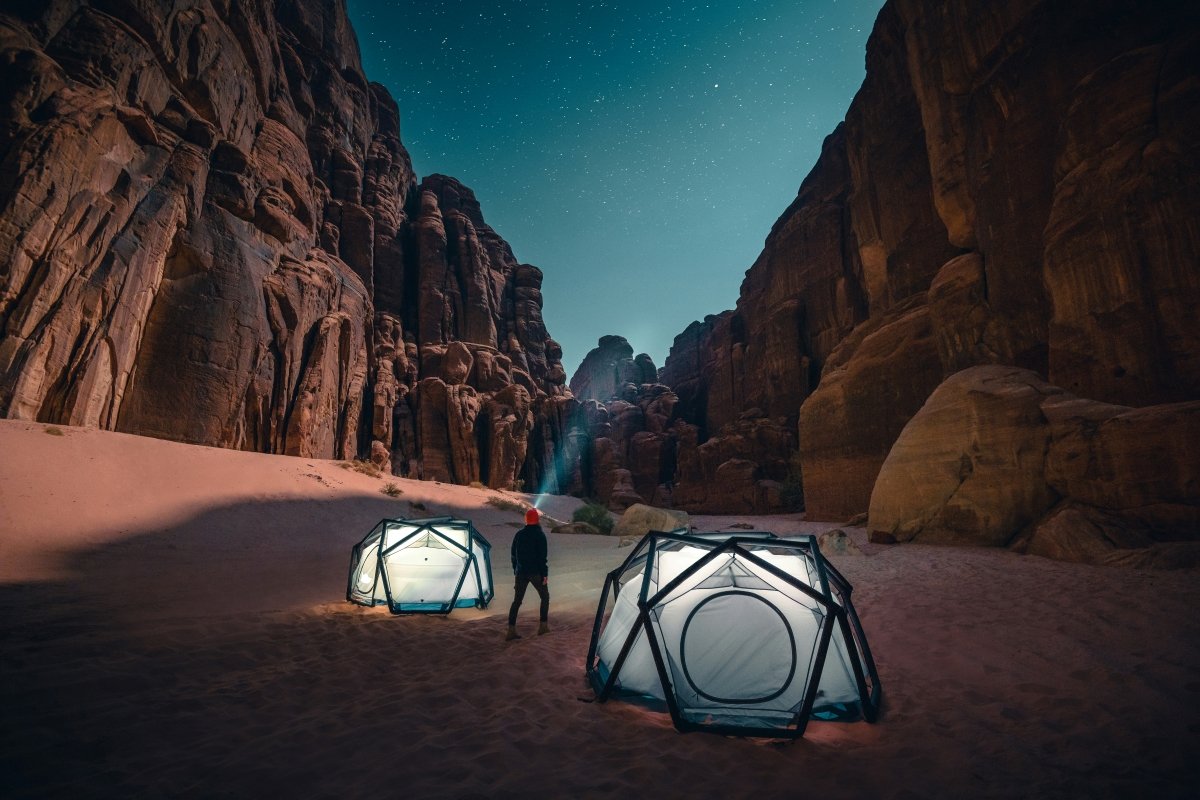
- Extraordinary night skies
- Vast cinematic landscapes
- Silence and solitude
- Geological formations shaped over millions of years
- Rare wildlife adapted to extreme climates
- A stronger sense of self-reliance and awareness
For many travelers, deserts become less about sightseeing and more about perspective.
Where To Stay (Affiliate Opportunities)
This article naturally supports affiliate placements for:
- Desert eco-lodges
- Remote luxury camps
- Off-grid boutique hotels
- Overland expedition camps
- High-altitude guesthouses
- Sustainable desert retreats
Best placement areas:
- After the “Quick Overview” section
- Inside future destination guides
- Within packing and planning articles
Suggested affiliate anchor text:
- “best desert lodges for remote travel”
- “top eco stays in arid landscapes”
- “luxury desert camps worth booking”
Best Tours
High-converting tour categories include:
- Multi-day overland expeditions
- Stargazing tours
- 4×4 desert safaris
- Photography expeditions
- Geological and volcanic tours
- Remote hiking adventures
Suggested affiliate anchor text:
- “best guided desert expeditions”
- “small-group remote desert tours”
- “top-rated stargazing experiences”
Desert Travel Tips Most Guides Ignore
Avoid Driving Midday
Heat increases mechanical failures and driver fatigue.
Keep Cash
Remote stations may not accept cards consistently.
Respect Local Knowledge
If locals advise against a road after rainfall, listen.
Wind Can Be More Dangerous Than Heat
Sandstorms reduce visibility instantly.
Sun Exposure Is Cumulative
Long drives quietly exhaust travelers.
Slow Down More Than You Think
Most desert mistakes happen because travelers push distance too aggressively.
Suggested Internal Link Placement & SEO Anchor Text
To strengthen topical authority and build a high-ranking travel content cluster, add internal links throughout the article.
| Placement Topic | Suggested Anchor Text | Future Supporting Article |
|---|---|---|
| Water section | “how to stay hydrated during extreme heat travel” | Desert hydration guide |
| Navigation section | “best offline GPS apps for remote adventures” | Offline navigation tools |
| Vehicle section | “essential desert road trip vehicle checklist” | 4×4 preparation guide |
| Communication section | “best satellite messengers for travelers” | Satellite communication comparison |
| Packing section | “ultimate desert packing list for remote travel” | Desert packing guide |
| Photography mention | “how to photograph desert landscapes” | Desert photography tips |
| Slow-travel section | “why slow travel works best in remote regions” | Slow travel philosophy article |
| Accommodation section | “best eco-lodges in remote landscapes” | Sustainable stays roundup |
Ready to go further? Start with these..
To turn this into a strong pillar article ecosystem, expand into related long-tail content:
- Ultimate Desert Packing List for Remote Expeditions
- Best Offline Navigation Apps for Adventure Travel
- How to Prepare a Vehicle for Long Desert Road Trips
- Desert Camping Basics for First-Time Travelers
- High-Altitude Desert Travel: What Changes?
- How to Photograph Arid Landscapes and Night Skies
- Best Remote Desert Destinations Around the World
- Luxury Desert Lodges Worth the Journey
- Common Mistakes Travelers Make in Extreme Heat
- Stargazing Travel Guide: Dark Sky Destinations Worldwide
Explore More
Remote desert travel is rarely about rushing between attractions. It is about patience, observation, and preparation — learning how to move carefully through landscapes that operate on their own terms.
Explore more slow-travel guides, expedition planning resources, and remote destination features to continue building smarter, calmer, and more rewarding adventures.