

The Quiet Roads · Hidden Gems Series · Vol. 4
- TL;DR
- Quick Overview
- 01 · Ona, Norway
- 02 · Reitdiephaven, Netherlands
- 03 · O’Brien’s Tower, Ireland
- 04 · Castle of La Muela, Spain
- 05 · Desierto del Diablo, Los Andes Department, northern Argentina
- Things to Do
- Scenic Desert Drives
- Landscape Photography
- Stargazing
- Explore Geological Formations
- Experience the Silence
- Where to Stay
- Best Tours
- Travel Tips
- Explore More
There’s a certain kind of place that doesn’t end up on magazine covers — not because it isn’t remarkable, but because it resists being photographed into something it isn’t. These five destinations have that quality. You won’t find them trending. You might not find many guestbooks, either. What you will find is something that feels, increasingly, like a rare thing: a place that’s still itself.
TL;DR
| # | Destination | Country | The short version |
|---|---|---|---|
| 01 | Ona | 🇳🇴 Norway | Island village, 70 residents, midnight sun, no agenda |
| 02 | Reitdiephaven | 🇳🇱 Netherlands | Frozen-in-time canal harbor, wooden boats, golden light |
| 03 | O’Brien’s Tower | 🇮🇪 Ireland | The original Cliffs of Moher watchtower, built 1835 |
| 04 | Castle of La Muela | 🇪🇸 Spain | Forgotten Moorish fortress in unglamorous, beautiful Almería |
| 05 | Desierto del Diablo | 🇦🇷 Argentina | Los Andes Department, northern Argentina. The name earns itself |
Quick Overview
Five destinations across five countries. None of them are secret — they all exist on maps, and some have modest visitor numbers — but none of them have been absorbed into the mainstream travel circuit in any meaningful way. What links them is a quality of atmosphere that tends to disappear once a place gets popular enough: the sense that you’ve arrived somewhere on its own terms, not yours.
The guides below follow the same structure: hook, overview, things to do, where to stay, best tours, and practical tips. Affiliate links are marked clearly. Internal links point toward deeper individual destination guides where they exist.
01 · Ona, Norway
Møre og Romsdal · Norwegian West Coast · Accessible by ferry
“You arrive by boat. The lighthouse is red. A fisherman waves from a dock that looks like it hasn’t changed since 1960. You think: this is it. This is exactly it.”
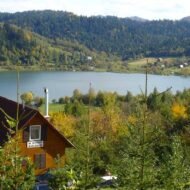
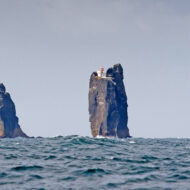
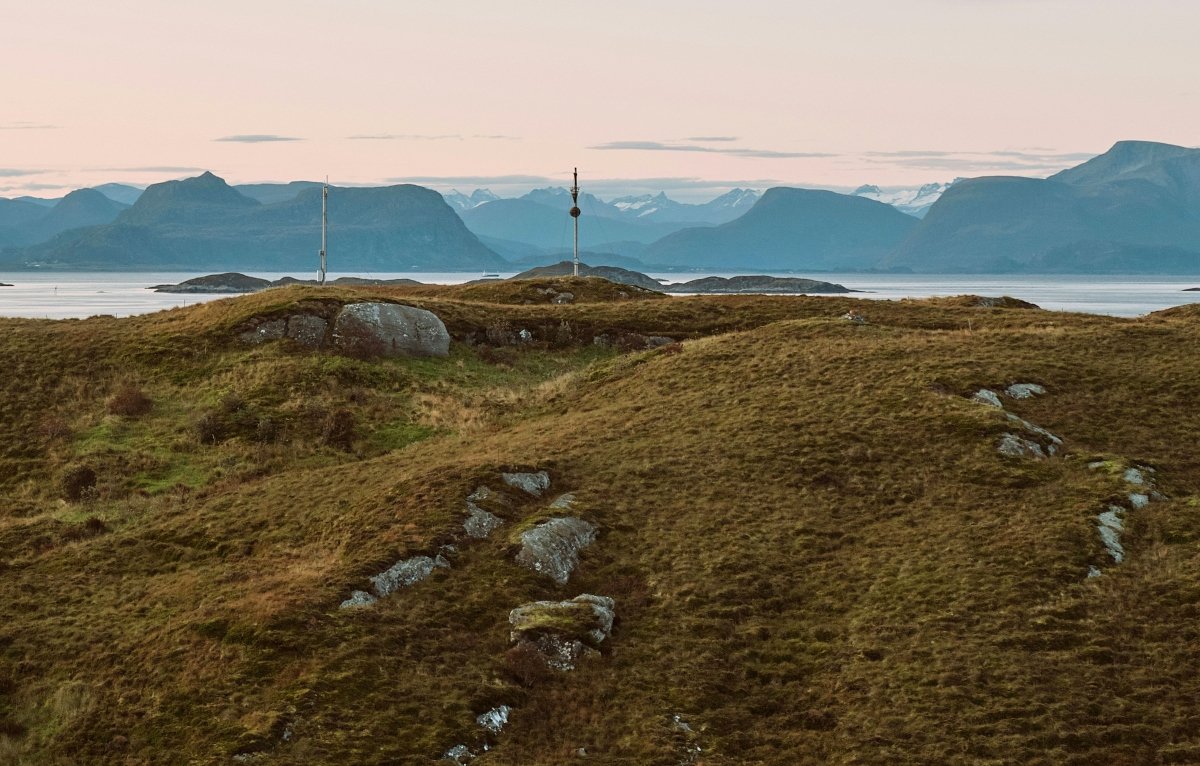
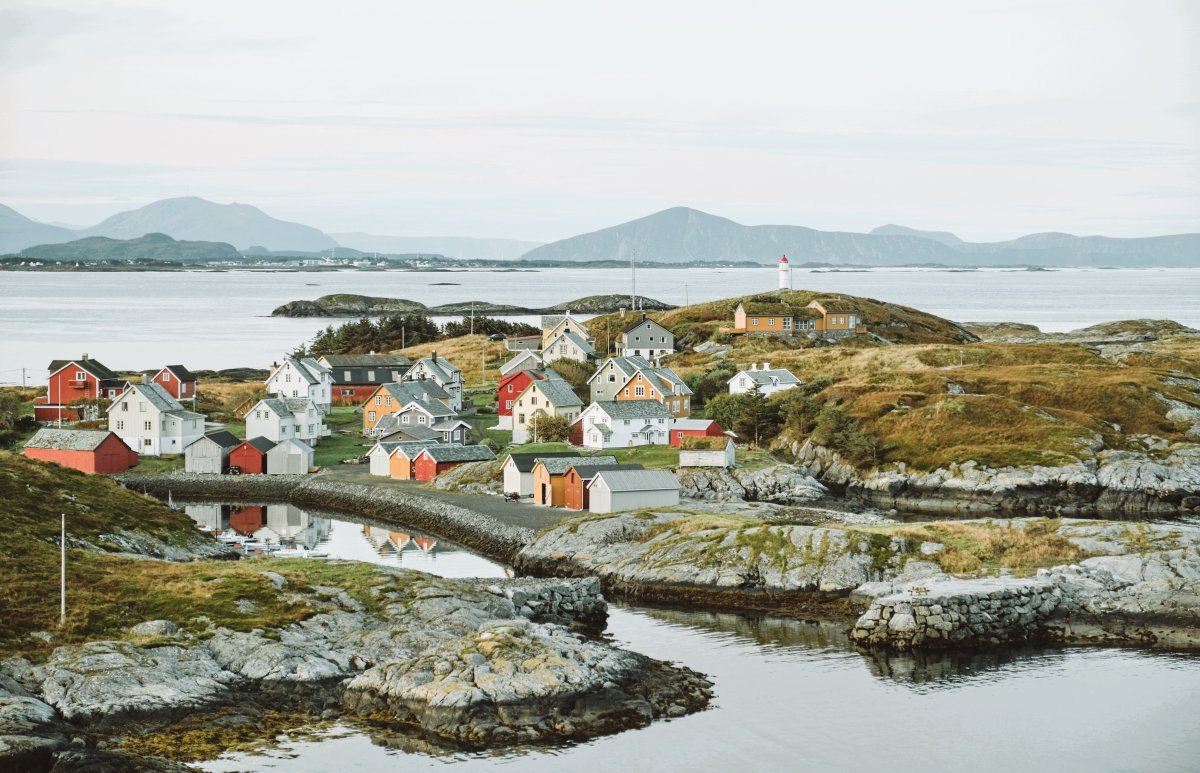
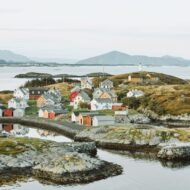
Ona is a tiny island off the coast of Romsdal in western Norway. It has one lighthouse, one small shop (open when it feels like it), roughly 70 permanent residents, and a quality of light in summer that makes everything look slightly unreal. The kind of place that takes 20 minutes to walk across but somehow occupies your thoughts for years after.
It doesn’t have a hotel in the traditional sense. It doesn’t have a tourist office. What it does have is a handful of guesthouses, boat connections from Ålesund and Molde, and an atmosphere that’s genuinely hard to explain to someone who hasn’t been. The sea is everywhere — not as a backdrop, but as a presence. You feel the island’s smallness not as limitation but as a kind of focus.
Things to Do
- Lighthouse walk — Ona fyr is the heart of the island. Climb up if access permits; the view over Hustadvika is exceptional.
- Coastal bird watching — Eiders, oystercatchers, and guillemots nest along the rocky shoreline. A patient hour at dusk yields plenty.
- Ferry to Bjørnsund — The abandoned fishing village of Bjørnsund is a 40-minute ferry ride away — hauntingly beautiful, almost never visited.
- Do very little — Walk the perimeter. Sit at the dock. Buy coffee from wherever’s open. This is not a place for itineraries.
Where to Stay
Ona Havstuer — Small guesthouse right on the water. Simple rooms, honest food, the kind of host who knows everything about the island’s history.
→ Check availability on Booking.com
Romsdalen Guesthouse (mainland alternative) — On the mainland near Ålesund, useful if you want a base for day-tripping to Ona by ferry.
→ Check availability on Booking.com
Best Tours
Ålesund Fjord & Islands Day Tour — Covers Ona as part of a wider coastal circuit from Ålesund. Well-reviewed, small groups.
→ Book on GetYourGuide
Romsdal Ferry Hop (self-guided) — Buy a flexible pass and take the local ferries at your own pace. The best way to see the archipelago honestly.
→ Ferry info via Viator
Practical Tips
- The ferry runs from Ålesund and Molde — check Ruter/Tide timetables in advance; services are infrequent.
- Visit in June or early July for the midnight sun without full peak-season crowds.
- There’s almost no mobile coverage on the island. Download offline maps before leaving the mainland.
- The island shop has limited hours. Bring food for at least one meal.
- Accommodation is extremely limited — book months ahead for summer visits.
📖 Related reading: Norwegian west coast archipelago guide — Bjørnsund, Grip, and the other forgotten island villages of Møre og Romsdal
02 · Reitdiephaven, Netherlands
Groningen Province · Northern Netherlands · 30 min from Groningen city
“It looks like someone painted a Dutch Golden Age landscape and then forgot to turn it back into a photograph.”
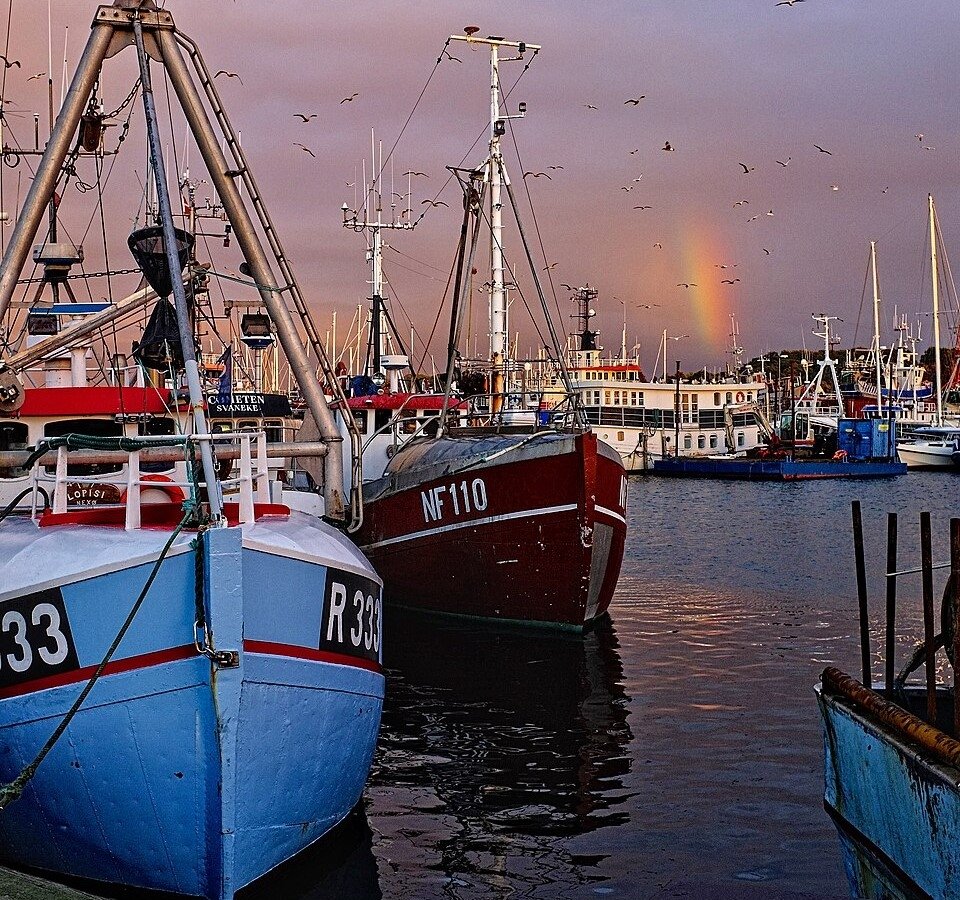
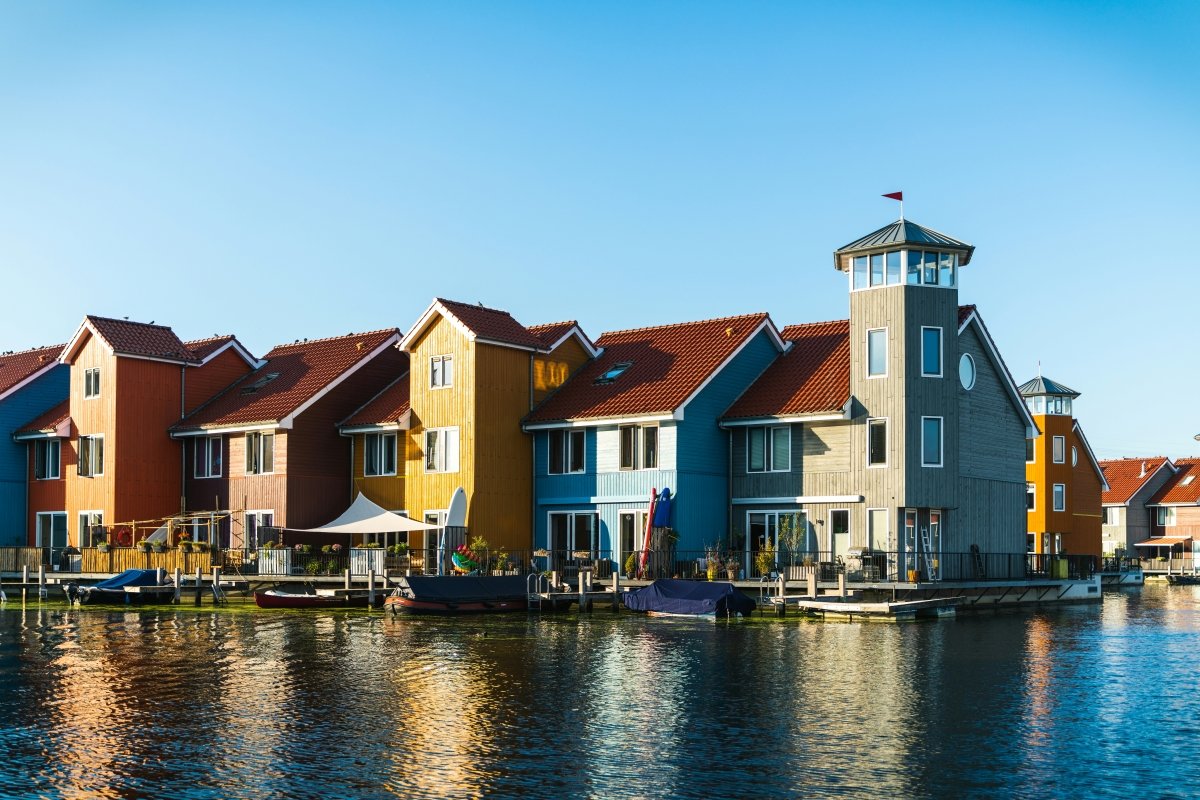
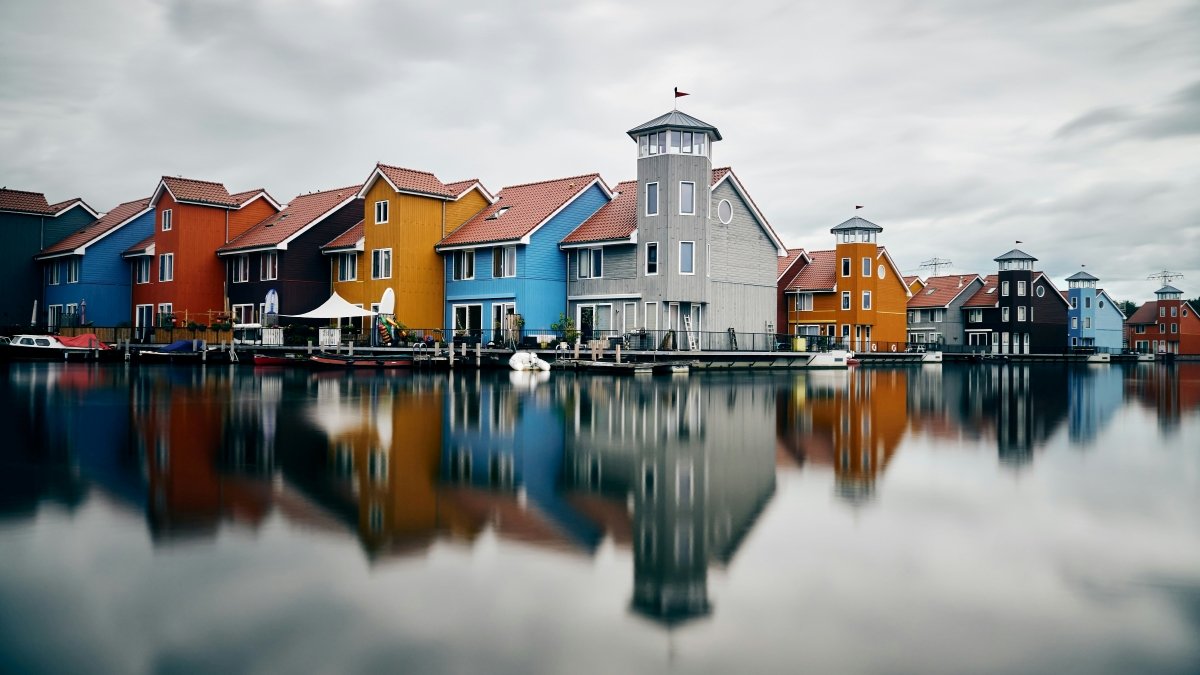
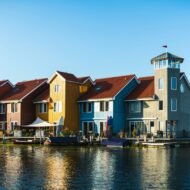
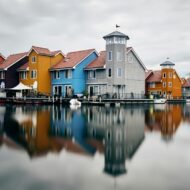
Most people who end up in Reitdiephaven do so by accident — they’re cycling the northern Netherlands coast and they round a bend in the dike road and suddenly there’s a tiny harbor village that looks like it hasn’t changed since the 1800s. Wooden fishing boats, historic warehouses, a windmill or two, a silence that the wind fills completely.
The village proper is tiny — a few dozen houses strung along the Reitdiep canal where it meets the Waddenzee. It’s not a tourist destination in any formal sense, which is precisely what makes it worth seeking out. The harbor has been used by fishermen for centuries; the wooden boats moored here are real working vessels, not decorative ones.
Groningen, 30 kilometers south, makes an ideal base. But serious cyclists sometimes do this as part of a Groningen coast cycling route, which connects several of these preserved harbor villages in a single long day.
Things to Do
- Harbor walk at dusk — The golden hour light on the wooden boats and brick warehouses is the reason most people take 200 photos here.
- Cycle the Reitdiep canal — A flat, beautiful cycling route that runs the full length of the canal toward Groningen city.
- Waddenzee mudflats — Guided wadlopen (mudflat walking) tours depart from nearby Zoutkamp — a properly strange experience.
- Zoutkamp village — The larger neighboring village has a few good fish restaurants and a small fishing heritage museum.
Where to Stay
Hotel de Gouden Karper, Zoutkamp — Small historic hotel in neighboring Zoutkamp. Waterfront location, good regional fish cooking.
→ Check availability on Booking.com
Hotels in Groningen (city base) — 30 min by car or bike. Groningen has a wider range of accommodation and excellent restaurants.
→ Browse options on Booking.com
Best Tours
Groningen Coast Cycling Day Tour — Guided e-bike tour from Groningen through the Reitdiep canal villages. Covers Reitdiephaven and Zoutkamp.
→ Book on GetYourGuide
Waddenzee Wadlopen Tour — Guided mudflat walking on the UNESCO Waddenzee — unique to this coastline and genuinely otherworldly.
→ Book on Viator
Practical Tips
- There’s almost nothing to buy in Reitdiephaven itself — bring a picnic.
- Cycling here from Groningen takes about 1.5–2 hours each way along well-maintained bike paths.
- Early morning is best for photography — the harbor is quiet and the light is clear.
- Tidal flooding can affect access in winter — check conditions if visiting October–March.
📖 Related reading: Northern Netherlands harbor village trail — Zoutkamp, Lauwersoog, and Termunterzijl: the other forgotten ports of Groningen
03 · O’Brien’s Tower, Ireland
Cliffs of Moher · County Clare · Western Ireland
“Everyone photographs the Cliffs. Far fewer people know the name of the man who built the tower at their highest point, in 1835, specifically so visitors could enjoy the view. His name was Cornelius O’Brien. He was a landlord with an eye for spectacle and, apparently, a talent for understatement.”
The Cliffs of Moher are not a hidden gem — they’re one of Ireland’s most visited sites. But O’Brien’s Tower, the circular stone watchtower that stands at the cliffs’ highest point, tends to get overlooked in favour of the cliffs themselves. It shouldn’t. At 214 metres above the Atlantic, the views from the tower’s platform extend — on a clear day — to the Aran Islands, the Twelve Bens of Connemara, and the Maumturks mountains.
The tower was built in 1835 by local MP Cornelius O’Brien as an observation tower for Victorian tourists. It’s one of the more quietly remarkable pieces of tourist infrastructure in Ireland — built entirely for the purpose of enjoying a landscape that needed no improvement, just a slightly elevated vantage point.
The trick to seeing it properly: come very early morning or in the shoulder season (March–April, October). The crowds thin, the light is softer, and you can stand at the wall and look down without feeling like you’re at a theme park. For a full Cliffs of Moher guide including the coastal walk, the 8km cliff path south toward Hag’s Head is significantly less busy than the main viewing platform.
Things to Do
- The coastal path south — Walk the 8km path from the main centre south to Hag’s Head. Far quieter, arguably better views.
- Doolin village — The small village 4km north is the traditional music capital of Clare. Stay here rather than Lahinch for authenticity.
- Aran Islands ferry — Day trips to Inis Mór depart from Doolin pier — one of Ireland’s most dramatic short crossings.
- Sunrise visit — The cliffs face west. Sunrise means the rock face turns amber and you’ll have the path almost entirely to yourself.
Where to Stay
Doolin Inn — Walking distance to the pier, traditional pubs, and the cliffs path trailhead. Good value for the location.
→ Check availability on Booking.com
Cliff View Lodge, Liscannor — Sea views, comfortable rooms, slightly south of the main crowds. A good base for driving the Wild Atlantic Way.
→ Check availability on Booking.com
Best Tours
Cliffs of Moher + Burren Day Tour from Galway — The most popular route. Combines the cliffs with the limestone Burren landscape — highly efficient if you’re based in Galway.
→ Book on GetYourGuide
Cliffs of Moher Boat Tour — See the cliffs from sea level — the only way to truly grasp their scale. Departs from Doolin or Liscannor.
→ Book on Viator
Practical Tips
- Entry to O’Brien’s Tower is a small additional fee on top of the general Cliffs of Moher admission.
- Arrive before 9am or after 5pm in peak season to avoid the tour bus crowds.
- The coastal walk to Hag’s Head is not always well-signposted — download the route offline beforehand.
- Irish Atlantic weather is unpredictable. A waterproof layer is non-negotiable year-round.
- The cliff-edge paths are unfenced in places south of the main area. Take standard care.
📖 Related reading: Wild Atlantic Way — the quiet sections — Loop Head, the Beara Peninsula, and Achill Island: the WAW stretches that remain off the coach tour circuit
04 · Castle of La Muela, Spain
Cortijo de la Muela · Almería Province · Andalucía
“There are hundreds of Moorish castles in southern Spain. Most are well-documented, well-visited, well-signposted. La Muela is none of those things. It sits on a plateau in Almería looking down at a landscape that hasn’t been described in any guidebook I’ve found — which is either a failure of publishing or a form of gift.”
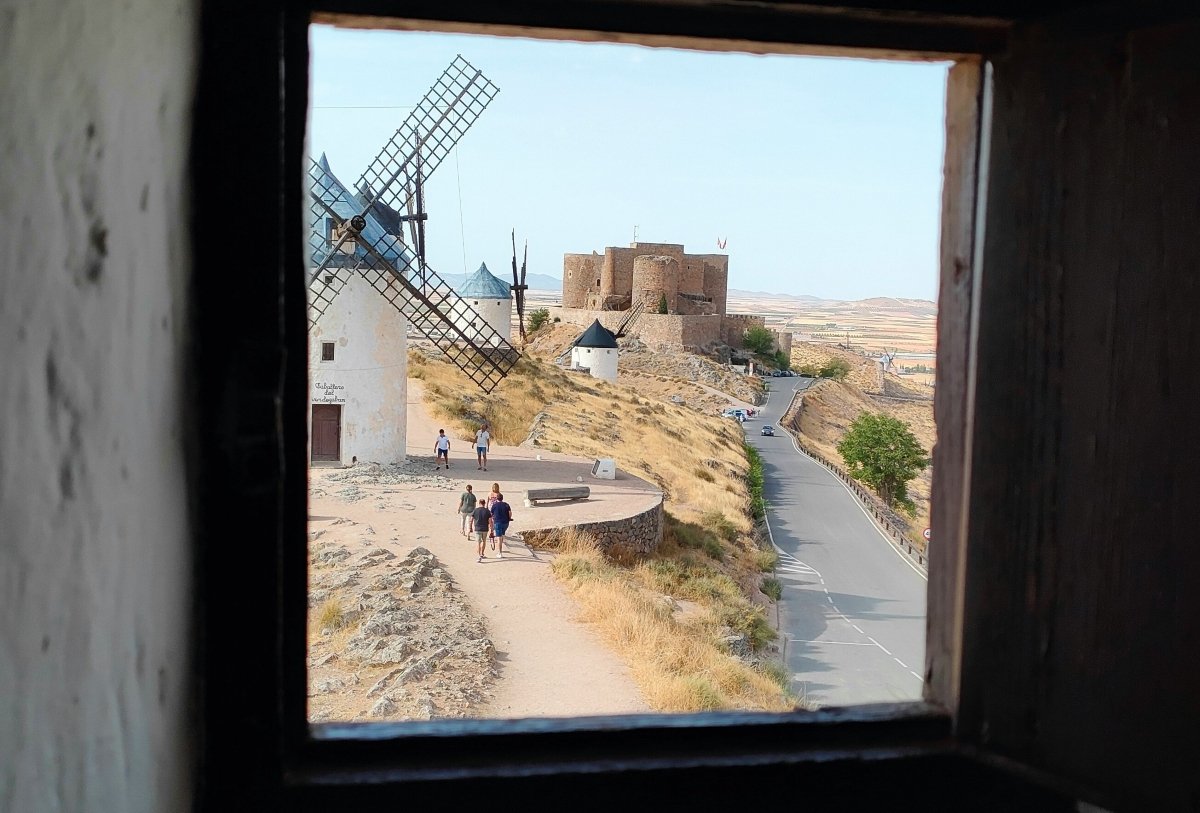
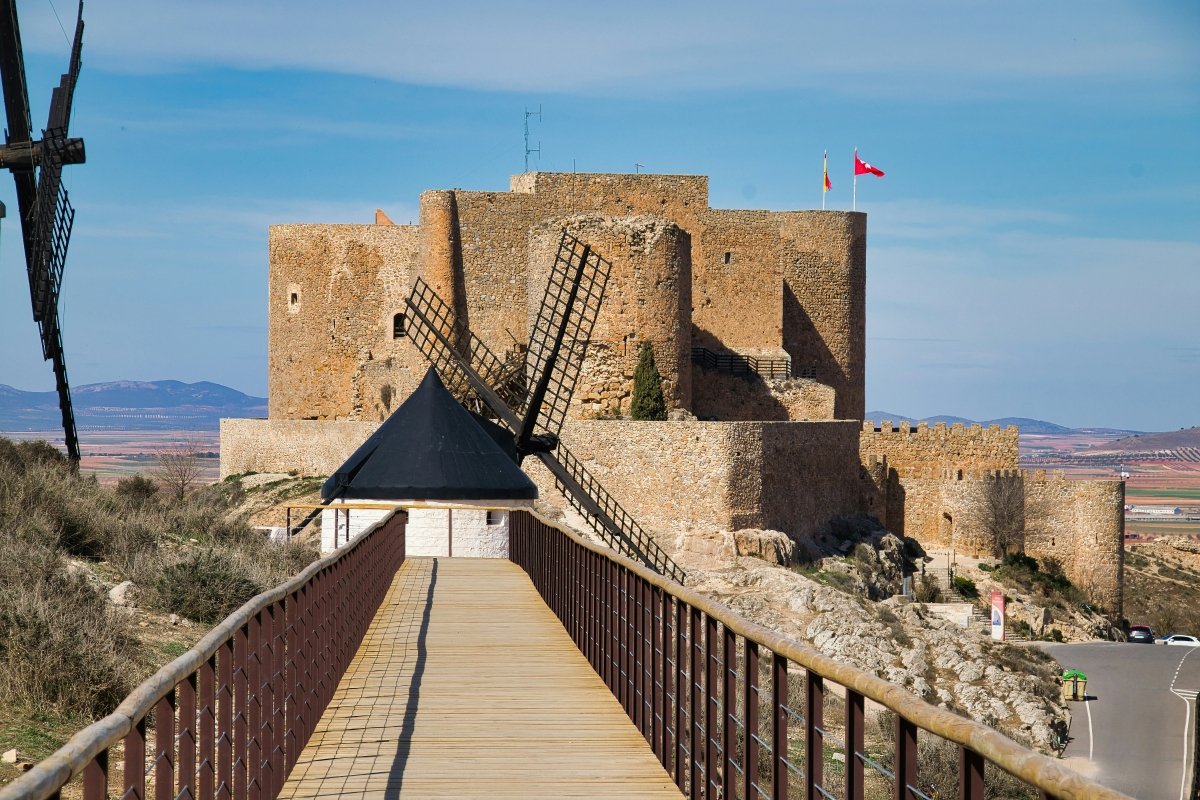
The Castle of La Muela — a Moorish fortification near the village of Cortijo de la Muela in Almería province — sits in a part of Spain that tends to be overlooked by travelers more focused on Seville, Granada, and the coast. Almería is different country: drier, more austere, more cinematic in its landscapes.
The castle sits atop a mesa (muela means millstone or flat-topped hill in Spanish — a common feature in Almería’s geology) with views across semi-arid terrain that doubles as one of Europe’s more unusual landscapes. The fortification is partially ruined but substantially intact — enough to give a clear sense of its original form without requiring imagination to fill in the gaps.
The broader Almería province is underrated as a destination. Cabo de Gata natural park, the Tabernas desert, the Alpujarra villages — it all rewards time. For a complete Almería off-grid travel guide, pairing La Muela with Cabo de Gata gives a rounded picture of what the province does differently from everywhere else in southern Spain.
Things to Do
- Fortress exploration — The ruined battlements and towers reward a slow, unhurried walk. There’s rarely anyone else there.
- Tabernas Desert — Europe’s only semi-desert, 30 minutes away. The landscape used for dozens of Spaghetti Westerns. Genuinely strange.
- Cabo de Gata — Spain’s most preserved Mediterranean coastline is an hour’s drive — volcanic rock, turquoise water, very few tourists.
- Almería city — The city’s Alcazaba (Moorish citadel) rivals the Alhambra in some respects and has no queues.
Where to Stay
Cortijo rural near Tabernas — Traditional Andalucían farmhouse accommodation, typically family-run, surrounded by desert landscape.
→ Browse cortijos on Booking.com
Hotels in Almería city — 45 minutes from La Muela by car. Good transport links and excellent tapas bar culture.
→ Check availability on Booking.com
Best Tours
Tabernas Spaghetti Western Desert Tour — Covers the film set landscape and geology of the Tabernas — often combinable with castle visits nearby.
→ Book on GetYourGuide
Almería Province Self-Drive Route — La Muela + Cabo de Gata + Tabernas in a 2–3 day loop. Car rental from Almería airport is affordable.
→ Compare car rentals via RentalCars.com
Practical Tips
- A car is essentially required — public transport doesn’t reach this area.
- The castle has no formal opening hours or entry fee. Go early to avoid midday heat.
- Summer temperatures in Almería regularly exceed 38°C. April–June and September–October are ideal.
- Signposting is minimal. Offline maps and GPS coordinates are essential for finding the site.
- Combine with Alcazaba de Almería for context — it makes the Moorish history of the region much clearer.
📖 Related reading: Andalucía’s forgotten fortresses — Vélez-Blanco, Castillo de Moclín, and seven other Moorish castles almost no one visits
05 · Desierto del Diablo, Los Andes Department, northern Argentina
Los Andes Department, northern Argentina.
“The Devil’s Desert. The name is not metaphor. The heat is real. The remoteness is real. The silence — once you get far enough from the road — is the kind that makes you reconsider what silence actually means.”
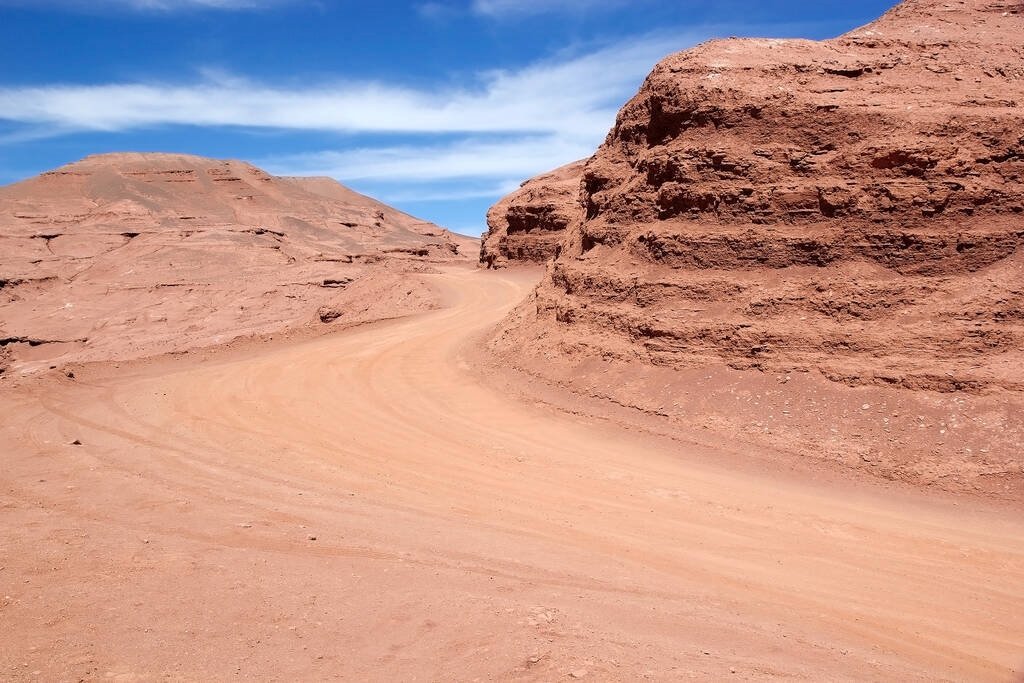
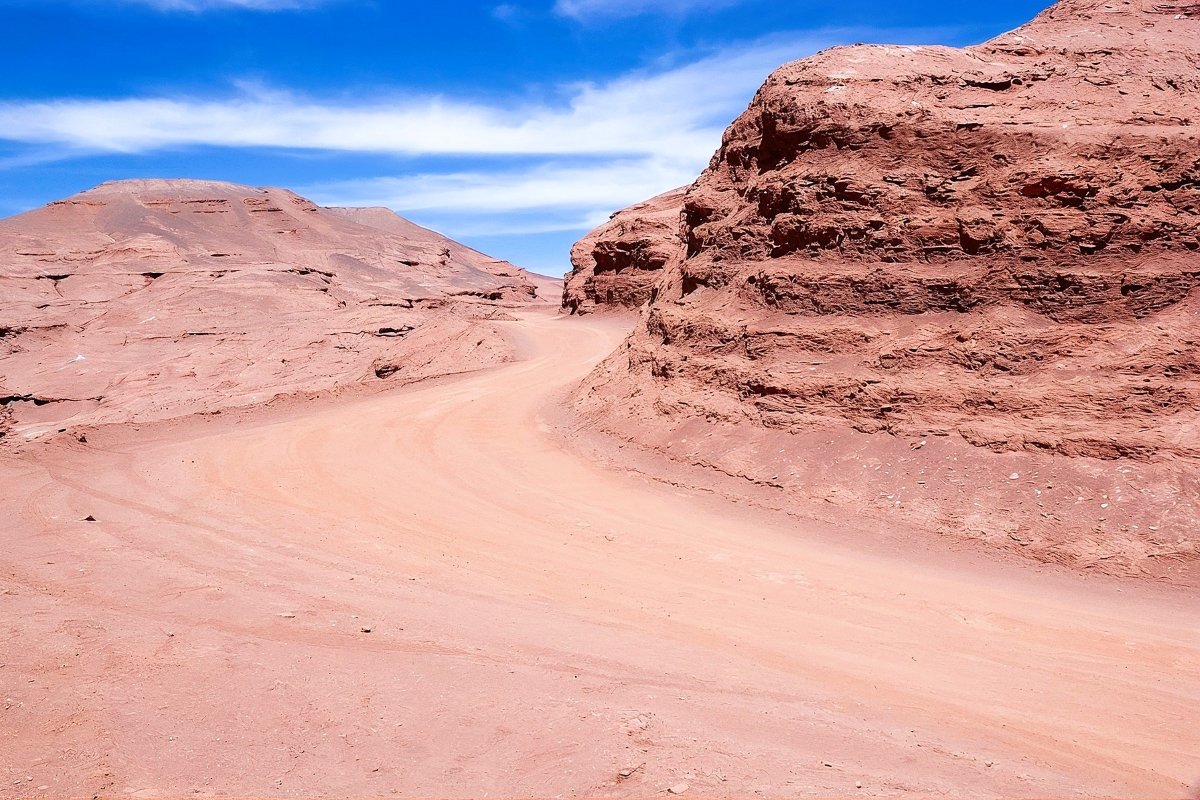
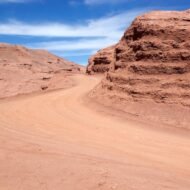
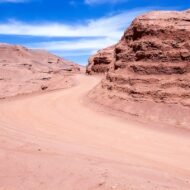
Desierto del Diablo, Devil’s Desert Located near Tolar Grande,( Tolar Grande is a small town located in the province of Salta, within the Los Andes Department, northern Argentina. ) The Devil’s Desert is a totally red plain, part of the The Atacama Puna.
The Atacama Puna is a desert plateau of almost 4,500 meters above sea level. n. m. and around 80,000 km²,1 shared between northwestern Argentina and Chile.
Located very close to the town of Tolar Grande, in the province of Salta, it is one of the most isolated places in the puna, with extreme aridity that makes it almost inhospitable to any living being.
Things to Do
Scenic Desert Drives
The surrounding roads reveal changing rock formations and expansive desert views.
Landscape Photography
Golden hour and blue hour offer especially dramatic light.
Stargazing
Minimal light pollution makes nighttime skies exceptional.
Explore Geological Formations
The terrain showcases layers of erosion and striking desert textures.
Experience the Silence
One of the strongest impressions here is simply the scale and quietness of the landscape.
Where to Stay
Desert Eco-Lodges
Perfect for immersive nature stays.
Remote Boutique Hotels
Ideal for comfort without losing the sense of isolation.
Adventure Camps
Best for photography travelers and road trippers.
Suggested Affiliate Placement:
- Booking.com desert stays
- Eco-lodge affiliates
- Adventure travel accommodations
Best Tours
Guided Desert Excursions
Recommended for first-time visitors.
Photography Tours
Excellent during sunrise and sunset.
Stargazing Experiences
Perfect for night-sky enthusiasts.
Suggested Affiliate Placement:
- Viator desert tours
- Adventure travel experiences
- Guided photography excursions
Travel Tips
- Carry extra water at all times.
- Avoid midday heat during summer.
- Download offline maps.
- Inform someone before remote travel.
- Bring layered clothing for cooler nights.
📖 Related reading: Driving the full Baja peninsula — Tijuana to Los Cabos: the definitive overland guide to one of North America’s great road trips
Explore More
The places above share one quality: they reward curiosity over convenience. None of them are particularly easy to reach. None of them have the infrastructure to absorb large numbers of visitors without changing fundamentally. That’s not a reason to avoid them — it’s a reason to approach them carefully, and to go before the infrastructure arrives.
Continue reading:
- Hidden Islands of Europe: 12 Places Under 500 Residents — From the Faroe outliers to the Dalmatian interior
- The Other Spain: Eight Provinces Nobody Talks About — Beyond Andalucía and Catalonia
- Slow Travel in Ireland: The West Beyond the Cliffs — Kerry, Mayo, and the roads that don’t go anywhere in particular
- Desert Travel 101: How to Prepare for Remote Arid Destinations — Practical guide covering water, navigation, vehicles, and communication
- The Northern Netherlands: A Travel Guide Nobody Asked For — Why Groningen province is quietly one of Europe’s most interesting regions
The Quiet Roads publishes guides to places that reward actual curiosity. We use affiliate links to support the site — they cost you nothing extra and are always clearly marked. We don’t accept paid placements or sponsored destination coverage.
© The Quiet Roads · About · Contact · Newsletter