




















TL;DR: Epic Eco-friendly autumn destinations , Ditch the overcrowded hotspots for these stunning, eco-friendly autumn destinations. From Scotland’s rewilding estates to Japan’s quieter temple trails, discover how to travel lighter on the planet while experiencing fall’s most breathtaking (and overlooked) corners. Plus, the sustainable travel essentials that’ll make your trip both Instagram-worthy and earth-friendly.
- Why Autumn Changes the Sustainable Travel Game
- Hidden Gems That Shine in Autumn
- Scotland’s Cairngorms National Park
- The Azores, Portugal
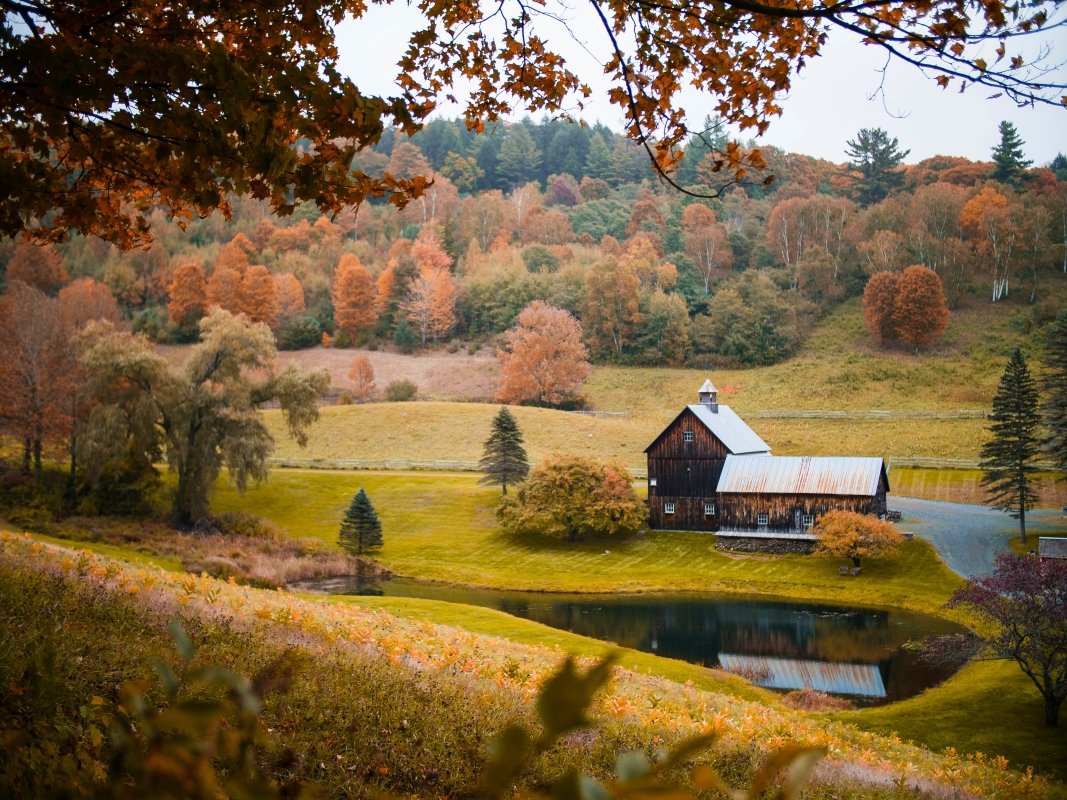
- Vermont’s Northeast Kingdom, USA
- Slovenia’s Julian Alps
- Japan’s Kumano Kodo Pilgrimage Trails
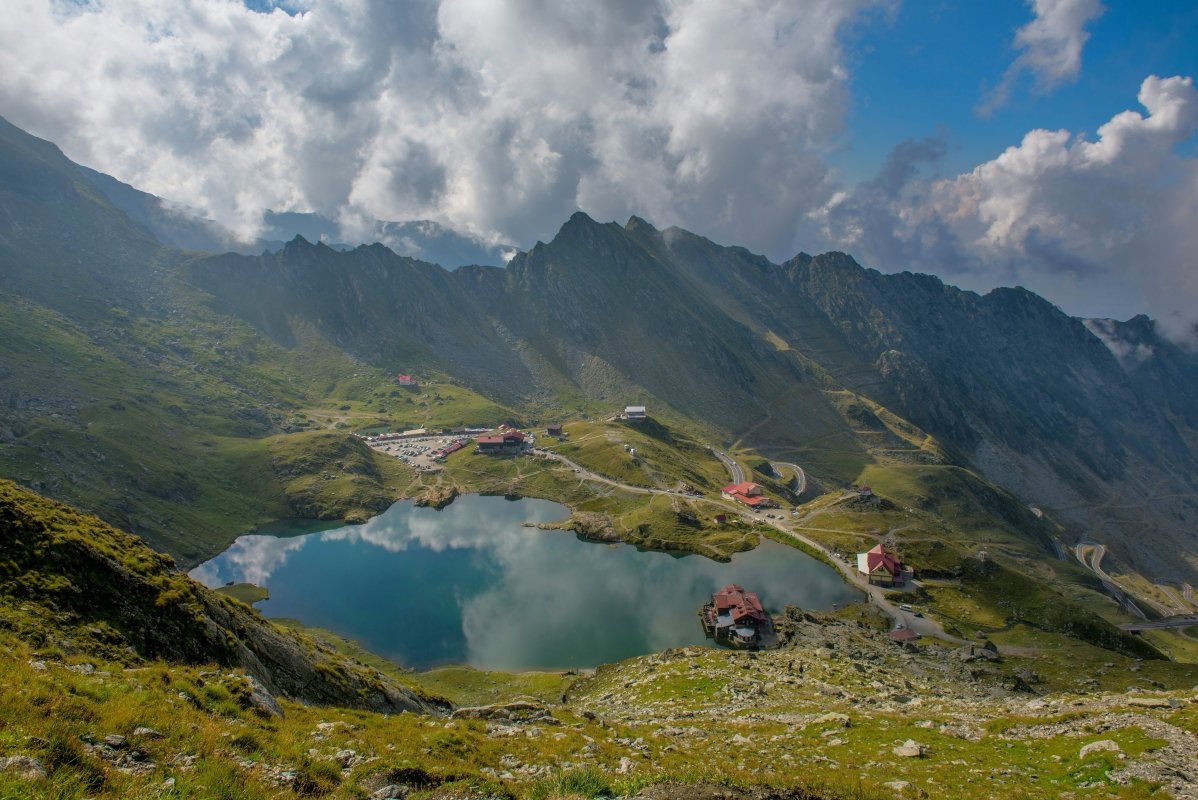
- Romania’s Transylvania (Yes, Really)
- Agri-Tourism & Volunteer Travel That Makes a Difference
- Your Sustainable Travel Essentials Kit
- The Real Talk on Reducing Your Travel Impact
- Making It Happen
Let’s be honest—sustainable travel has moved way beyond just reusing hotel towels. Today’s conscious travelers are seeking experiences that give back more than they take, and autumn? It’s actually the perfect season to do it right.
While everyone’s fighting for elbow room at the same tired tourist traps, fall offers something better: destinations in their golden hour (literally), fewer crowds, and travel experiences that won’t leave you feeling guilty about your carbon footprint. Ready to explore?
Why Autumn Changes the Sustainable Travel Game
Here’s what makes fall the MVP of eco-conscious travel: destinations that get slammed in summer become wonderfully manageable, meaning less strain on local ecosystems and infrastructure. Wildlife viewing gets better as animals prepare for winter. And those lower prices? They mean local businesses still benefit from tourism during their quieter months, supporting year-round employment rather than boom-bust cycles.
Plus, cooler temperatures mean less energy needed for accommodation cooling, and many seasonal foods are at their peak—think farm-fresh apples, pumpkins, and chestnuts straight from local producers.
Hidden Gems That Shine in Autumn
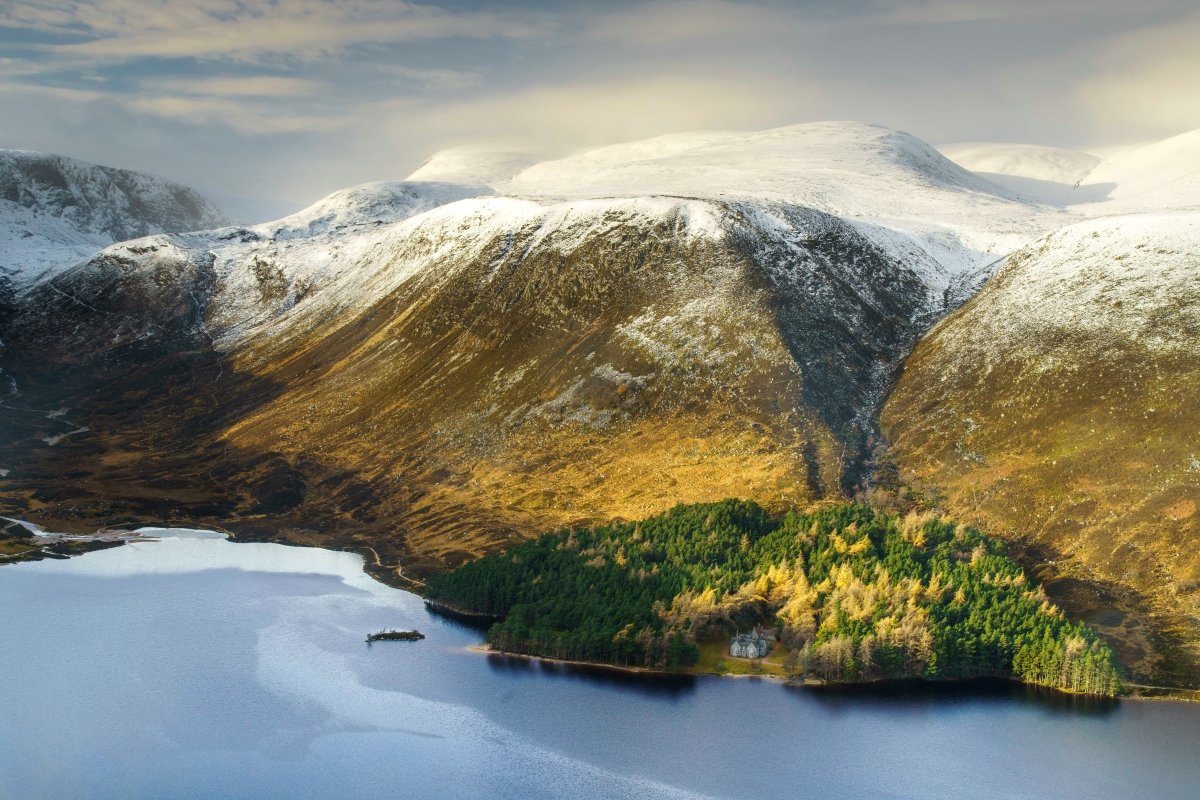
Scotland’s Cairngorms National Park
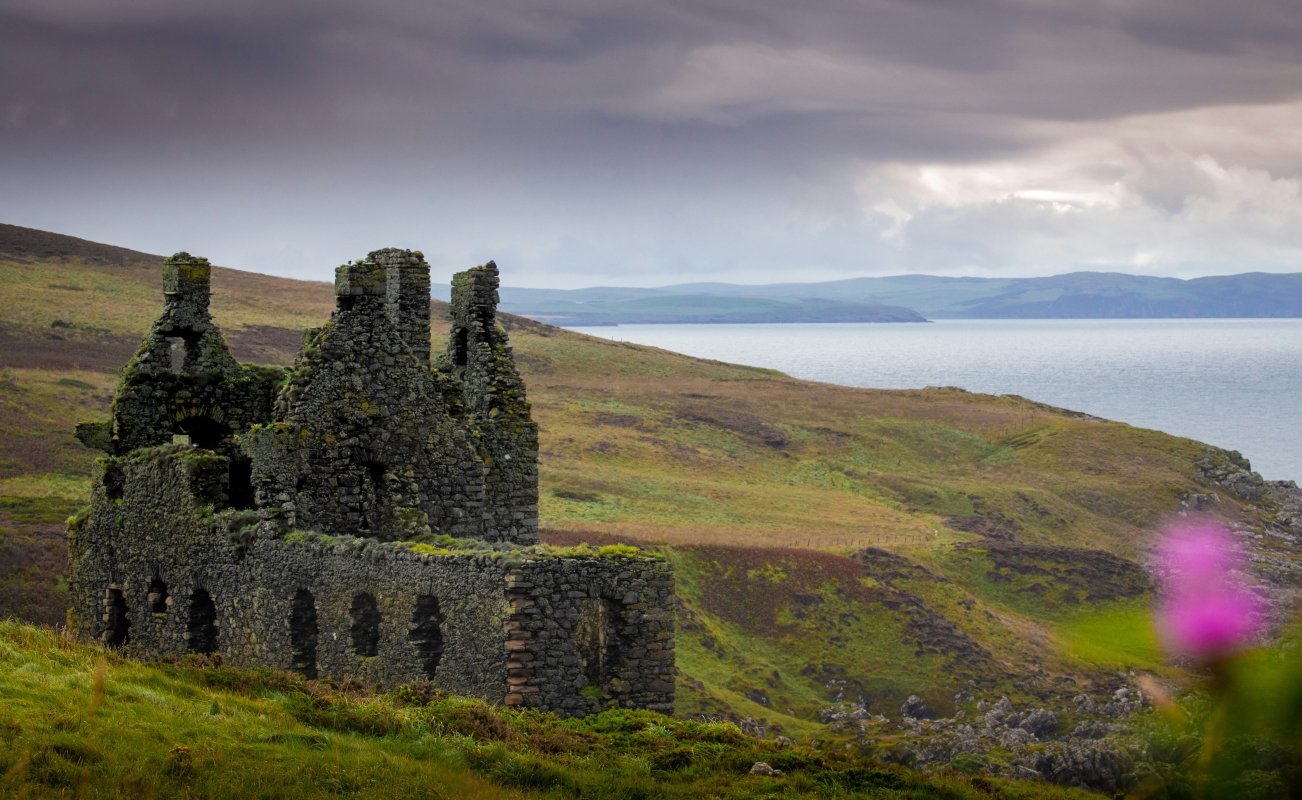
Forget the crowded Highlands tour buses. The Cairngorms explode into copper and gold each October, and this massive park is home to some of Europe’s most ambitious rewilding projects. You can stay at community-owned eco-lodges, spot red squirrels and golden eagles, and hike through ancient Caledonian pine forests that have stood for thousands of years.
Why it matters: Your visit directly supports rewilding efforts and indigenous forest regeneration. Many accommodations are powered by renewable energy, and the park prioritizes low-impact tourism.
Pro tip: Visit in late September for the deer rut—nature’s most dramatic (and free) wildlife spectacle.
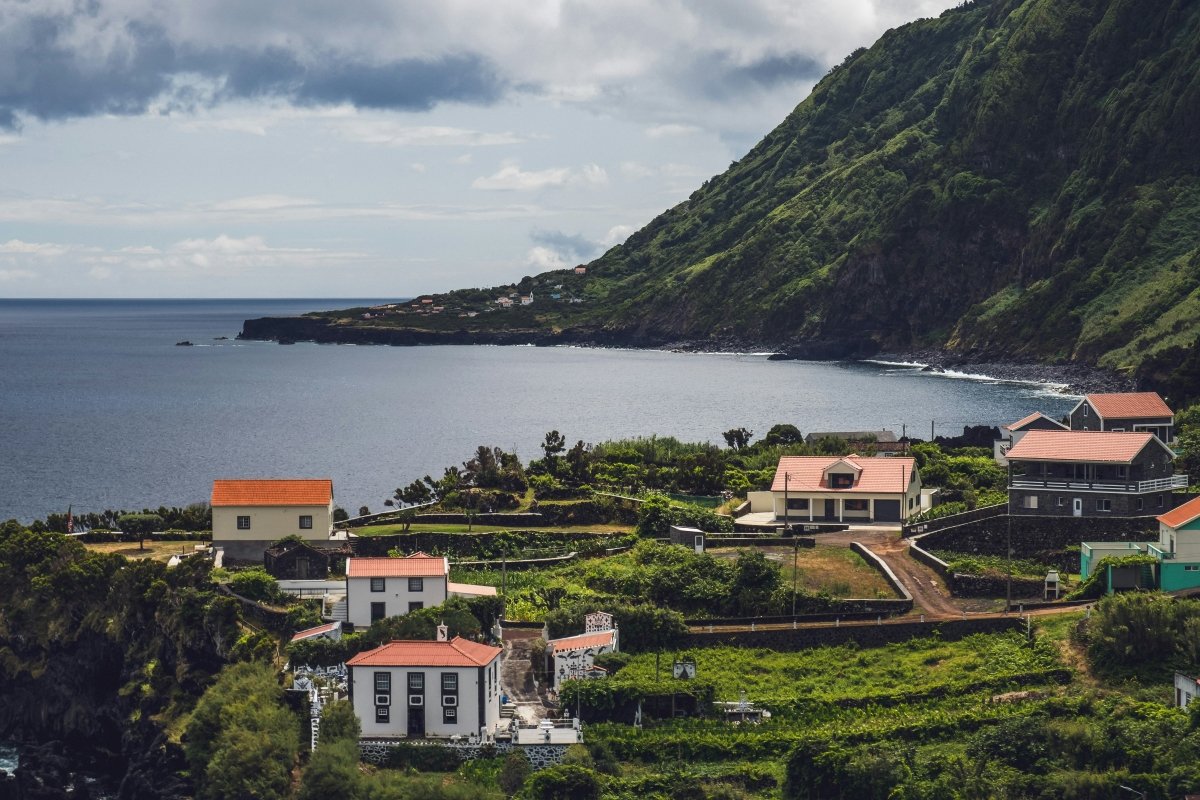
The Azores, Portugal
These volcanic islands in the Atlantic are like Iceland’s more accessible, less-trampled cousin. Autumn brings whale migration season, fewer tourists, and temperatures still perfect for hiking into volcanic craters and soaking in natural hot springs.
The Azores have committed to becoming a fully sustainable destination by 2030, with strict limits on development and a focus on preserving endemic species. Most energy comes from geothermal and renewable sources.
What to do: Join marine biology volunteer programs, stay at family-run quintas (farm stays), or kayak through volcanic lakes surrounded by fall foliage.
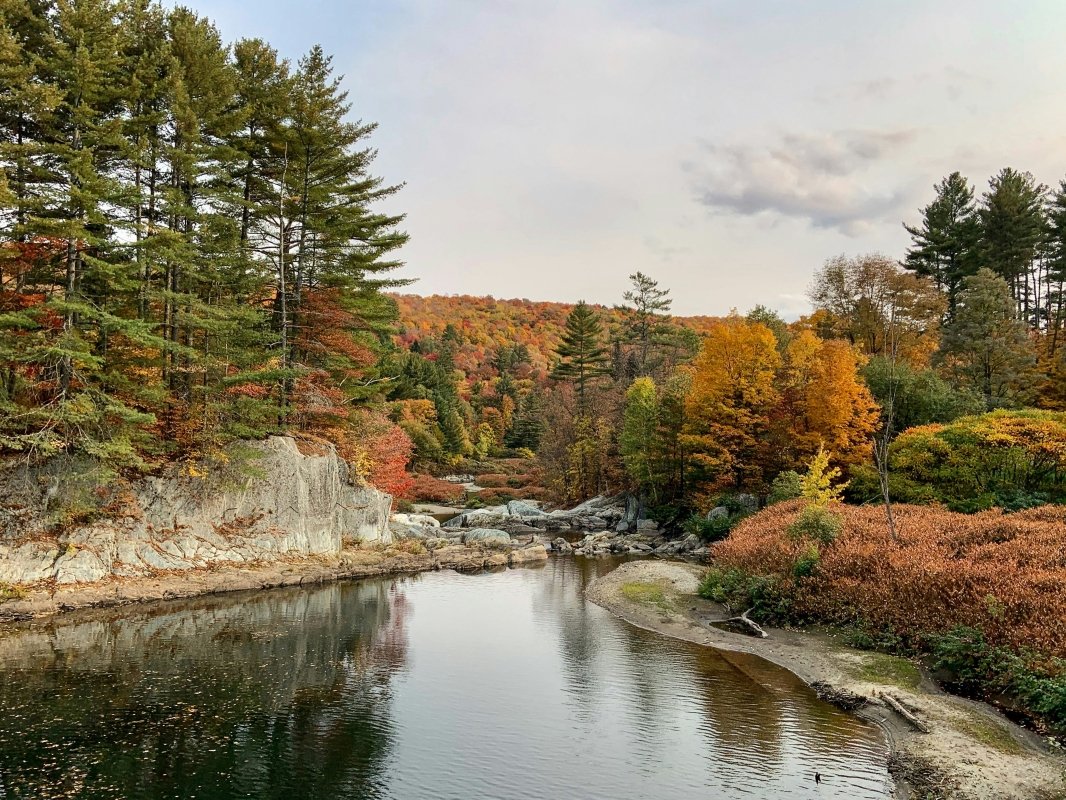
Vermont’s Northeast Kingdom, USA
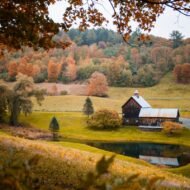
Sure, everyone knows about Vermont’s fall colors—but the Northeast Kingdom in the state’s remote corner remains blissfully under-the-radar. This agricultural region offers authentic farm-to-table experiences, with working farms that welcome visitors for everything from apple pressing to cheese-making workshops.
The sustainable angle: Agri-tourism here supports small family farms practicing regenerative agriculture. You’re not just visiting—you’re helping preserve a traditional way of life and sustainable farming practices.
Don’t miss: The Highland Lodge’s cross-country ski trails transform into autumn hiking paths, and their farm-to-table restaurant sources ingredients from within a 50-mile radius.
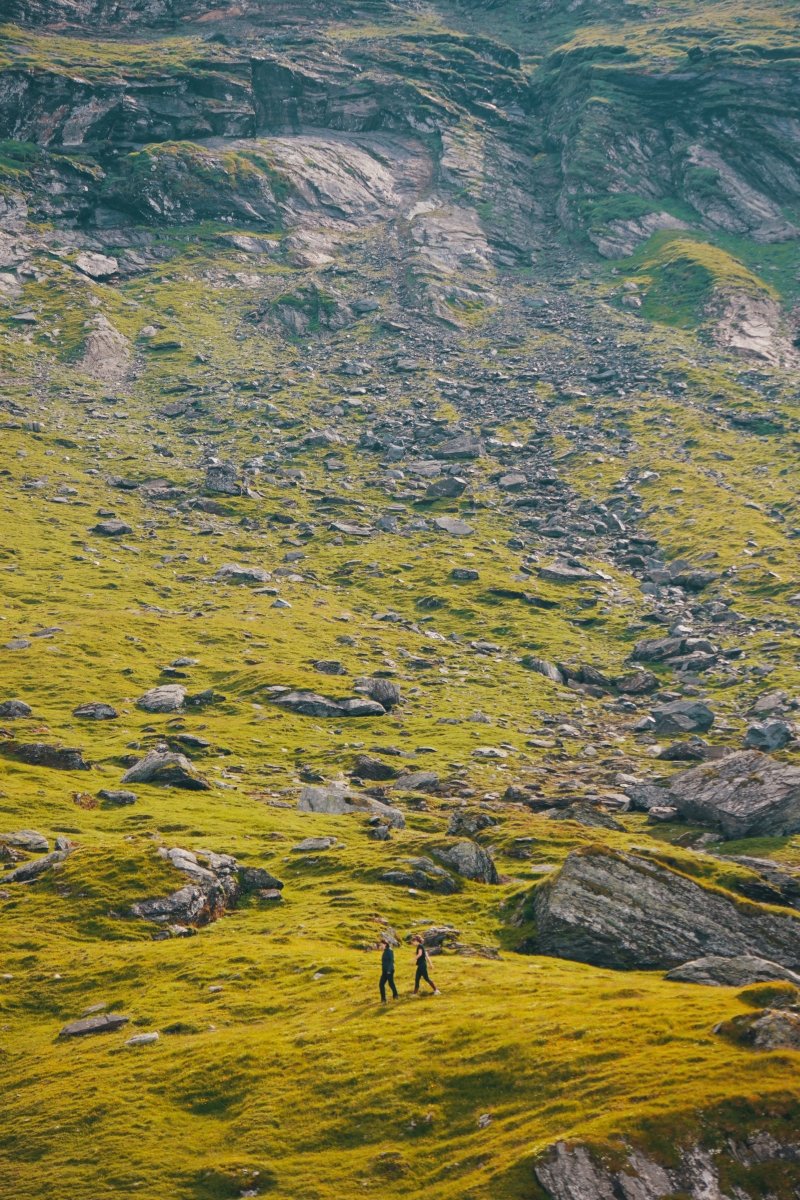
Slovenia’s Julian Alps
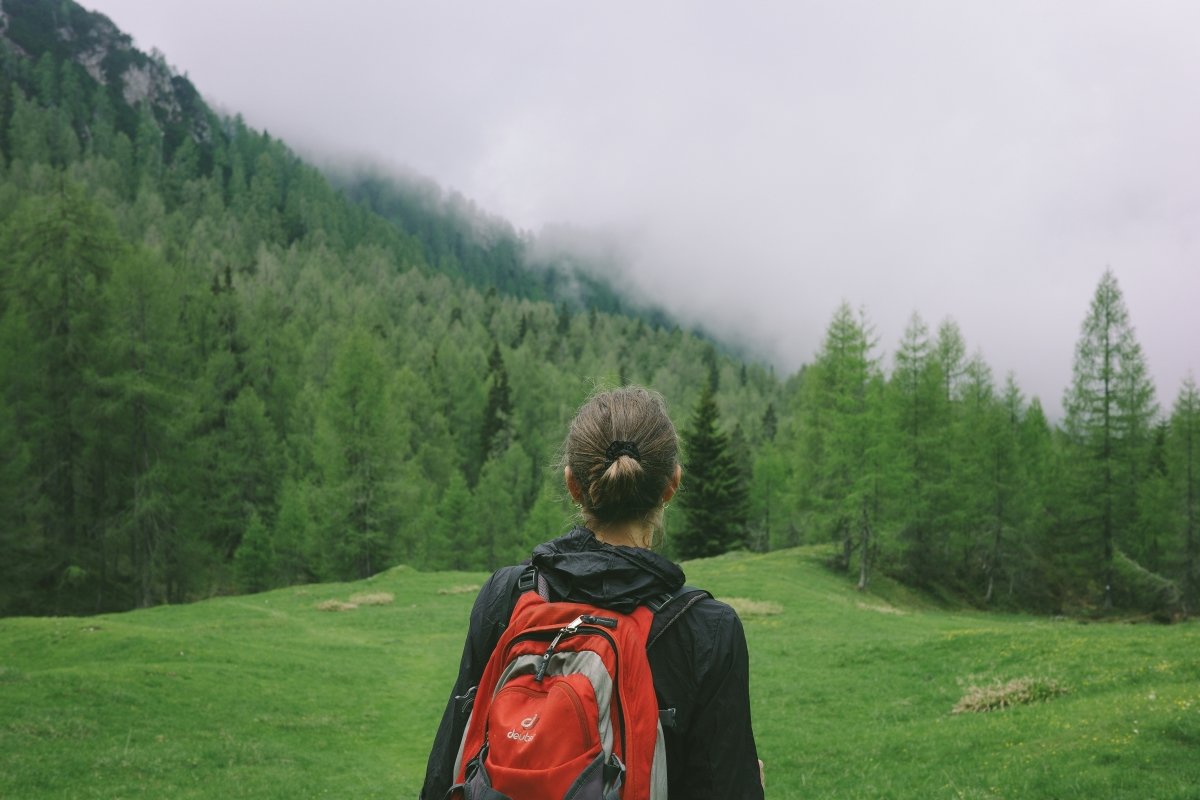
Slovenia might be Europe’s best-kept sustainable travel secret. This tiny country has made environmental protection a constitutional right, and its capital Ljubljana was named European Green Capital. The Julian Alps become a painter’s palette each autumn, with far fewer visitors than the Swiss or Austrian Alps.
Experience this: Stay in mountain huts, hike the Soča Trail through turquoise river valleys, or visit Lake Bohinj (the quieter, more authentic alternative to overrun Lake Bled). The country’s certification program makes it easy to identify genuinely sustainable accommodations and tour operators.
Japan’s Kumano Kodo Pilgrimage Trails
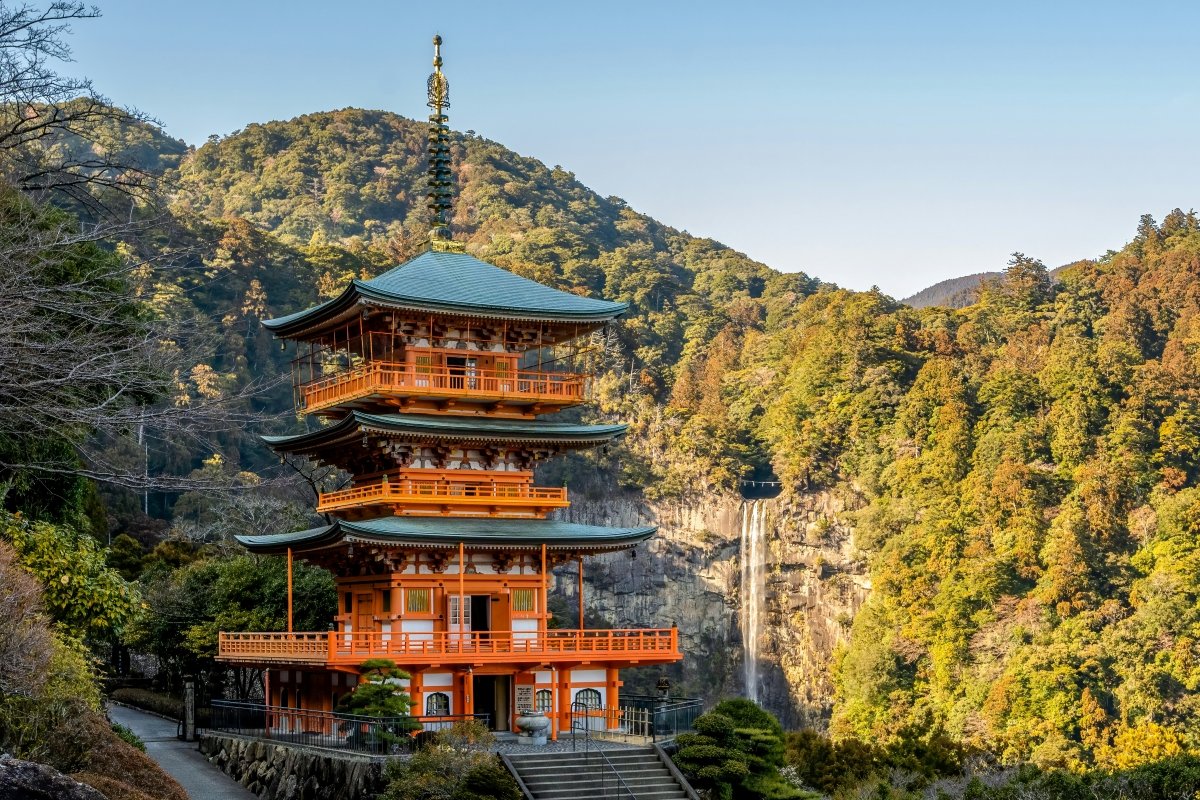
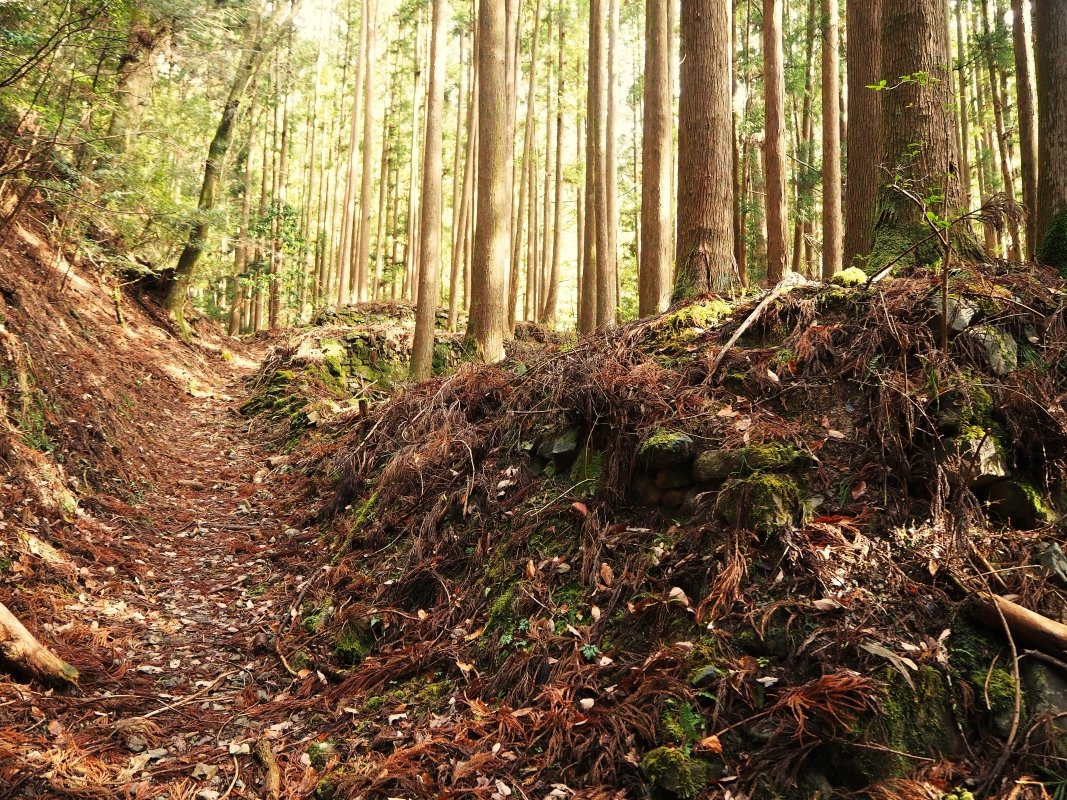
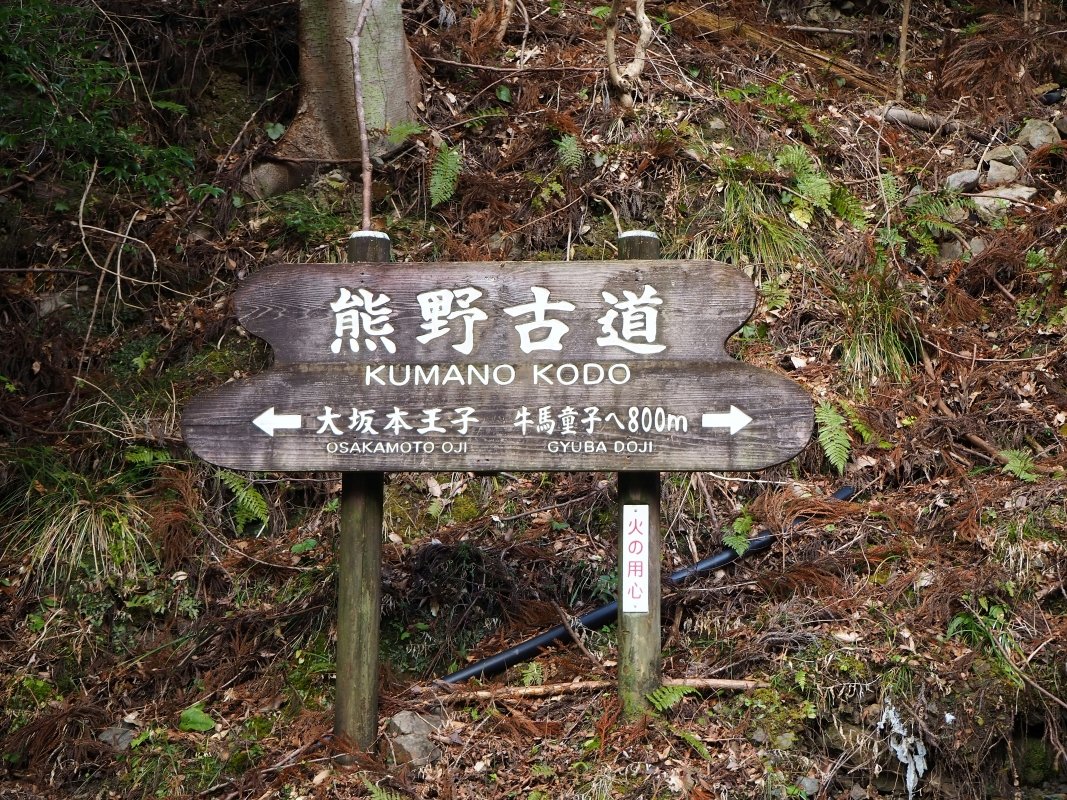
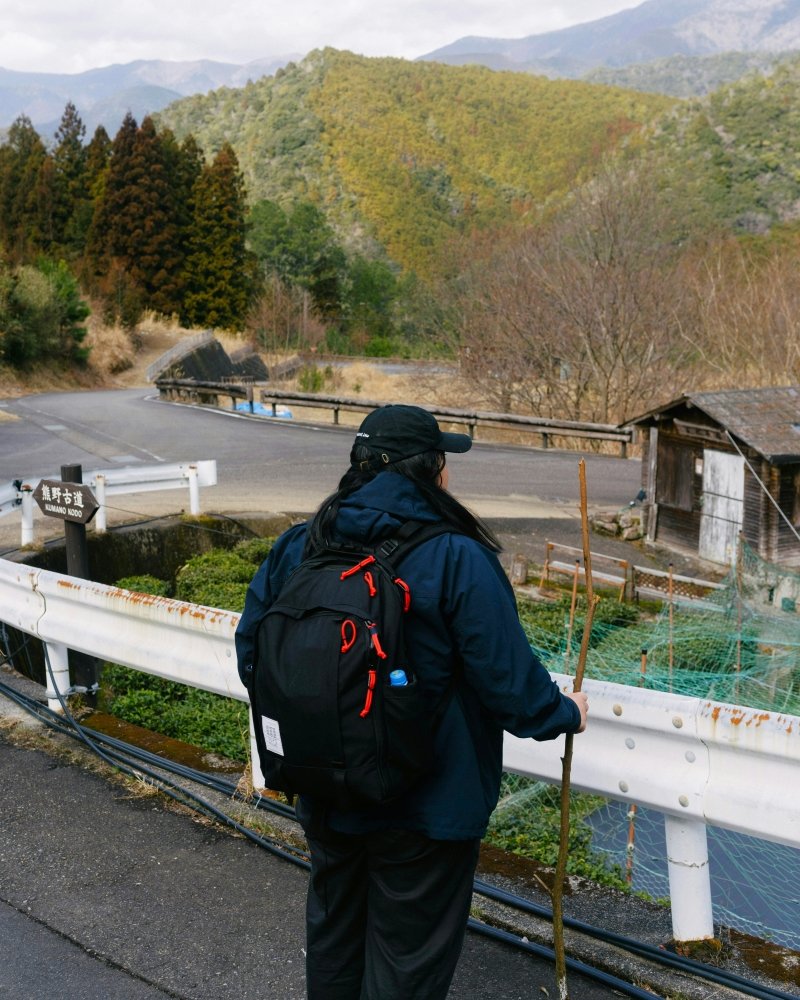
While Kyoto gets absolutely mobbed during fall foliage season, the ancient Kumano Kodo trails through the Kii Peninsula offer equally stunning autumn colors with a fraction of the crowds. These UNESCO-listed pilgrimage routes wind through sacred forests, past waterfalls, and to mountain shrines that have been welcoming travelers for over 1,000 years.
Sustainable stays: Traditional minshuku (family-run guesthouses) provide authentic experiences and direct support to rural communities struggling with depopulation. Many serve locally sourced, seasonal vegetarian Buddhist cuisine.
Timing: Late October through November delivers peak color with mild hiking temperatures.
Romania’s Transylvania (Yes, Really)
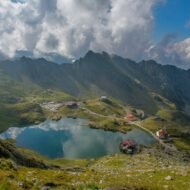
Beyond the Dracula clichés lies one of Europe’s last strongholds of traditional village life and wildlife. Autumn in Transylvania means forests ablaze with color, medieval villages where horse carts still outnumber cars, and bears preparing for hibernation in the Carpathian Mountains.
The eco-bonus: Tourism here supports conservation of Europe’s largest populations of brown bears, wolves, and lynx. Stay in village homestays where your money directly supports communities maintaining traditional, low-impact lifestyles.
Try this: Join a bear-watching tour with local naturalists—ethical, conservation-focused, and genuinely thrilling.
Agri-Tourism & Volunteer Travel That Makes a Difference
The rise of working vacations isn’t just Instagram trend—it’s a meaningful way to connect with places while contributing something tangible.
Top picks for autumn:
- WWOOF programs in Mediterranean olive harvest regions (Italy, Greece, Spain)
- Conservation volunteering in Patagonia’s reforestation projects
- Grape harvest stays at organic vineyards in regions like Languedoc, France or Douro Valley, Portugal
- Wildlife monitoring programs in Costa Rica’s cloud forests during migration season
These experiences typically include accommodation and meals in exchange for 4-6 hours of daily work, dramatically reducing your travel costs while creating genuine connections with local communities.
Your Sustainable Travel Essentials Kit
Forget buying all-new “eco” gear. The most sustainable choice is using what you already have. But if you’re genuinely missing items, here’s what actually matters:
The Actual Essentials:
- A quality water bottle with built-in filter (eliminates plastic bottle waste anywhere)
- Solid toiletries (shampoo bars, soap bars, toothpaste tablets—they’re TSA-friendly and eliminate liquid waste)
- Reusable utensil set (bamboo or metal—avoid the single-use plastic on trains and takeaway)
- Microfiber quick-dry towel (reduces water/energy use at accommodations)
- Reef-safe sunscreen (autumn sun still bites, especially at altitude or on water)
- Reusable produce bags (for market shopping and storing snacks)
Tech That Pays Off:
- Solar-powered battery pack (charges devices without needing electricity)
- E-reader loaded with guidebooks (lighter than paper, eliminates book waste)
What You DON’T Need: Skip the greenwashed “eco travel sets” with 47 bamboo items you’ll never use. Seriously. That reusable coffee cup gathering dust in your cupboard? Pack it. Those tote bags you already have? They’re perfect. Sustainable travel is about using resources wisely, not buying more stuff.
The Real Talk on Reducing Your Travel Impact
Pack Light, Travel Light: Every kilogram matters. Airlines estimate that reducing plane weight by 1kg saves approximately 25kg of CO2 per year. Multiply that by millions of passengers, and packing that extra “just in case” outfit suddenly seems less essential. Bonus: lighter bags mean easier transportation and potentially avoiding checked bag fees.
Choose Eco-Certified Accommodations (But Verify): Look for legitimate certifications like Green Key, EarthCheck, or LEED. A hotel putting out green towel cards doesn’t make it sustainable. Check if they have solar panels, water conservation systems, local sourcing practices, and waste reduction programs. Better yet, choose locally owned guesthouses or agri-tourism stays where your money goes directly to hosts.
Transportation Hierarchy: When possible, rank your choices: walk > bike > train > bus > car > plane. Obviously, you might need to fly to distant destinations, but once there, can you explore by train or bike? Many European cities now have excellent bike-sharing programs, and Japan’s rail system makes car rental unnecessary.
Offset Thoughtfully: Carbon offsets are controversial, but they’re not useless. Choose programs investing in renewable energy or forest conservation with transparent practices (Gold Standard certification is reliable). But remember—offsetting should supplement reduction, not replace it.
Eat Local and Seasonal: This is where sustainable travel gets delicious. Autumn means chestnuts in Italy, mushrooms in Poland, apples everywhere. Farmers’ markets become your best friend. Eating seasonal, local food dramatically reduces your carbon footprint while supporting local economies and giving you more authentic experiences than any restaurant chain.
Stay Longer: Instead of country-hopping, spend more time in fewer places. You’ll reduce transportation emissions, develop deeper connections, and often spend less money. A week in one village beats a whirlwind three-country tour for both your soul and the planet.
Respect Wildlife & Natural Spaces: Stay on marked trails, maintain distance from animals (those “encounters” often stress wildlife), and never feed animals. If tourism is harming a place, it’s not sustainable—no matter how beautiful your photos are.
Making It Happen
Start planning your autumn escape by researching destinations during their shoulder season. Subscribe to alerts from sustainable travel organizations like the Global Sustainable Tourism Council or check certifications through Green Destinations. Many lesser-known destinations actively want to attract autumn visitors to extend their season sustainably.
The beautiful truth about sustainable autumn travel? It’s often more affordable, more authentic, and infinitely more rewarding than following the crowds. You’ll find locals who have time to chat, trails where you can actually hear the leaves crunch underfoot, and accommodation hosts who remember your name.
This autumn, while everyone else is complaining about crowds and overtourism, you could be watching mist rise over a Romanian village, learning to make cheese in Vermont, or hiking through Japanese forests where the only sound is your footsteps and falling leaves.
The planet—and your Instagram feed—will thank you.
Ready to go? Start by identifying your values: Do you want wildlife conservation, cultural immersion, or agricultural experiences? Let that guide your destination choice, then dig into local eco-tourism providers. The world’s most magical autumn destinations are waiting, and they’re not where you think.
What’s your sustainable travel priority—wildlife conservation, cultural preservation, or minimizing your carbon footprint? The best trips often combine all three.