



















TL;DR: Estoril is Portugal’s upscale seaside escape with stunning beaches, a legendary casino, world-class dining, and easy access to Lisbon. Perfect for luxury travelers, couples, families, and adventure seekers looking for coastal charm with a cosmopolitan edge. Plan 2-3 days, budget €80-150/day for mid-range comfort, and visit April-May or September-October for ideal weather without summer crowds.
- Why Estoril? The Riviera That Stole Our Hearts
- Getting There: The Easiest Trip Ever
- Where to Stay: Finding Your Perfect Pocket
- The Beach Life: Sun, Sand & Strategic Placement
- The Casino: Where 007 Never Got Bored
- Eating & Drinking: Your Culinary Masterclass
- What to Do: Beyond the Beach
- Practical Essentials for Smooth Travels
- The Honest Truth: What Estoril Isn’t
- Your 3-Day Estoril Itinerary (The Sweet Spot)
- Final Thoughts: Why Estoril?
Why Estoril? The Riviera That Stole Our Hearts
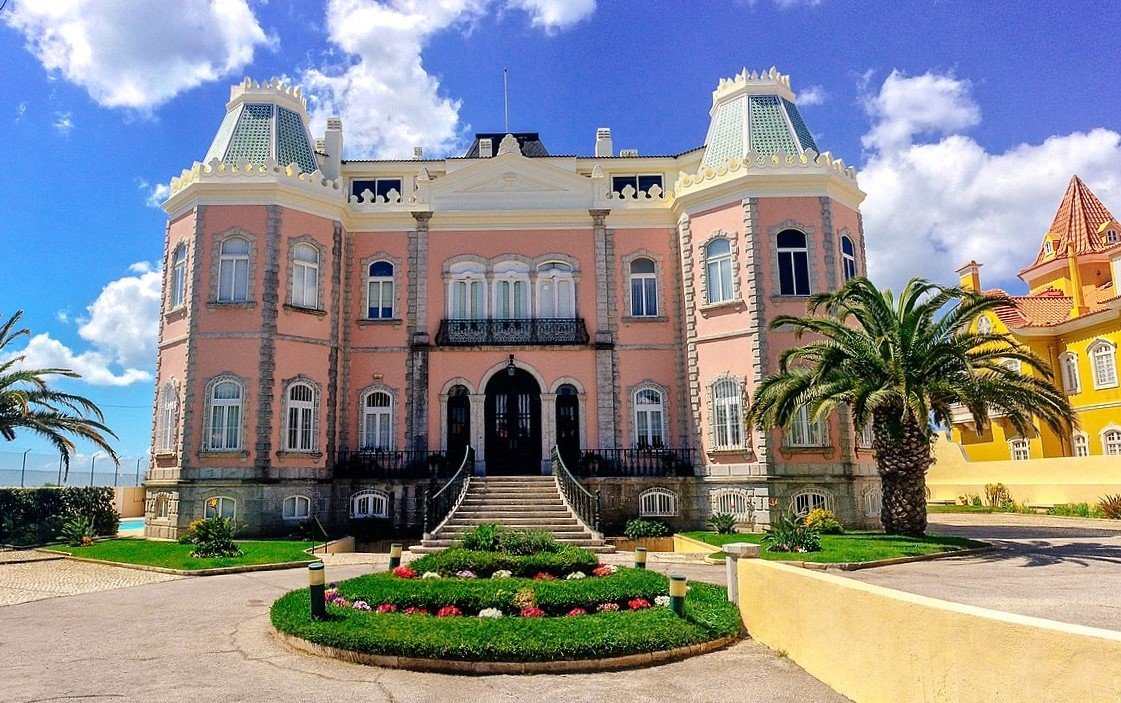
Picture this: you’re sipping a cold pastel de nata with espresso, gazing at the Atlantic from a sun-soaked promenade, with historic Belle Époque architecture framing the views. That’s Estoril—Portugal’s answer to the French Riviera, minus the pretentiousness and packed with genuine charm.
Located just 30km west of Lisbon, Estoril has been drawing European aristocrats, celebrities, and discerning travelers since the 1930s. It’s the kind of place where old-world elegance meets laid-back Portuguese warmth, and everyone—whether you’re a backpacker or billionaire—feels genuinely welcome.
Unlike Lisbon’s trendy chaos or the Algarve’s package-tour vibe, Estoril occupies a sweet spot: cosmopolitan sophistication wrapped in an intimate, walkable seaside town. It’s the escape route for Lisbon-based travelers who want to upgrade their experience without leaving the region.
Getting There: The Easiest Trip Ever
From Lisbon (The Most Practical Option): Take the scenic coastal train (Linha de Cascais) directly from Lisbon Oriente or Cais do Sodré stations. The 30-minute journey costs around €3-5 and is genuinely one of Europe’s most picturesque commutes. Trains run every 15-20 minutes throughout the day. Bonus: you’ll see the coastline transform as you approach, building anticipation.
By Car: If you’re renting wheels, the drive from Lisbon takes 30-40 minutes via the N6 highway. Parking in Estoril is reasonable compared to other European coastal towns—expect €10-15/day in central areas. Street parking is free in many neighborhoods but has time limits.
By Bus: FlixBus and local operators run daily connections. It’s cheaper (€2-3) but slower (45+ minutes). Choose this only if you’re budget-optimizing or enjoy scenic bus rides.
Taxi/Rideshare: Uber and Bolt operate here. From Lisbon airport, expect €30-40 depending on traffic. Not necessary unless you’re traveling with substantial luggage.
Where to Stay: Finding Your Perfect Pocket
Luxury Lovers: The Cascais Casino complex area buzzes with upscale hotels. The Palácio Estoril Hotel, Golf & Wellness Resort feels like stepping into 1930s elegance—marble, crystal chandeliers, the works. Worth the splurge for a night if you want the full Belle Époque experience (€150-250/night).
Comfort-Focused Travelers: Mid-range options like Hotel Cosmopolitan offer excellent value with ocean views and contemporary amenities (€70-120/night). The location’s central, walkable positioning is hard to beat.
Budget-Conscious Explorers: Guesthouses and small hotels in the backstreets offer €30-60/night beds. The trade-off? You’ll need to hunt a bit, but you’ll also experience more authentic local living.
Digital Nomads & Solo Travelers: Co-living spaces and hostels are emerging here. Check Selina or local Airbnb options for community vibes and flexible terms.
Pro tip: Stay in central Estoril, not neighboring Cascais (though it’s excellent for day trips). You’ll wake up to the beach and avoid extra commuting.
The Beach Life: Sun, Sand & Strategic Placement
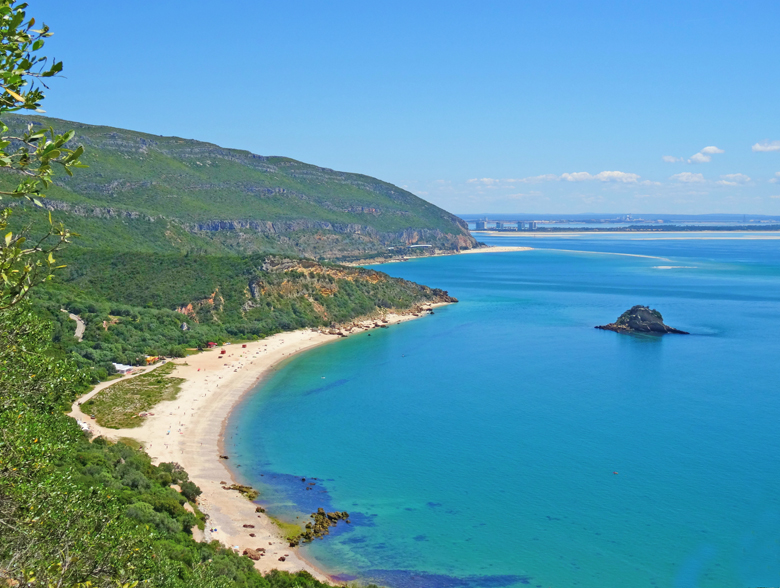
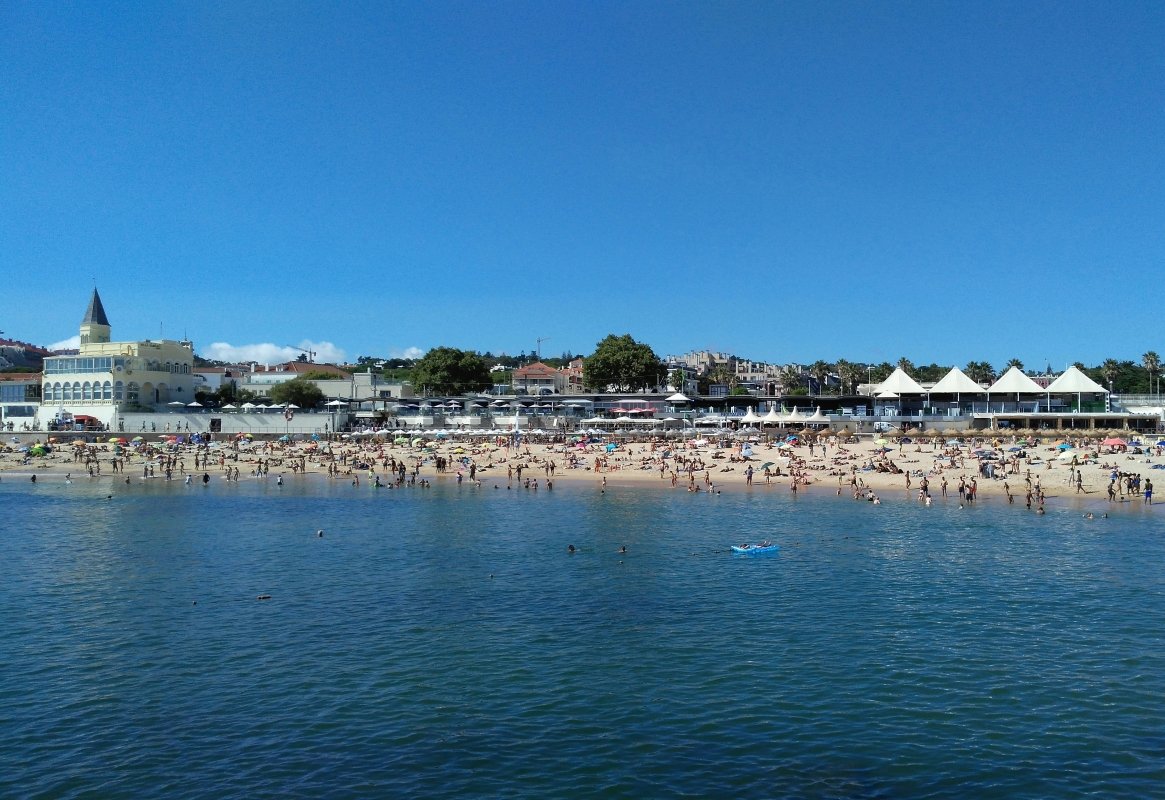
Estoril’s main beach is a crescent of golden sand backed by the iconic promenade. It’s not the wildest, most dramatic strand you’ll find in Portugal, but it’s genuinely lovely—calm waters, manageable crowds, and excellent infrastructure.
Best Time to Swim: June through September. Water temperature peaks around 20°C (68°F) in August. Winter swimmers? The Atlantic hits a bracing 12°C—doable but definitely a commitment.
Beach Vibes: The atmosphere leans upscale-casual. Families cluster near the lifeguard stations. Couples claim spots near the promenade restaurants. Solo adventurers head to the quieter coves at either end. Everyone coexists peacefully.
Beach Clubs: Venues like Safari Lounge and Costa da Caparica (on the opposite side of the bay) offer loungers, umbrellas, and cocktails (€5-12 per drink). Day passes typically run €15-25.
Water Activities: Stand-up paddleboarding, surfing (nearby beaches are better), and kayaking are all available. Several schools rent equipment and offer lessons (€40-80 per session).
The Casino: Where 007 Never Got Bored
The Casino Estoril isn’t just a gambling venue—it’s a cultural institution. Built in 1916, it hosted spies, exiled royalty, and James Bond (well, inspired Ian Fleming to write about it). You don’t need to gamble to appreciate the belle époque architecture, theatrical performances, or upscale dining inside.
The Vibe: Elegantly dressed crowds, subtle sophistication, and genuinely skilled dealers. No neon garishness—this is old-money elegant. Dress code is “smart casual” (no tank tops or flip-flops, but you don’t need a tuxedo).
Games: Roulette, blackjack, poker, and slots. Minimum bets are accessible (€5-10 for table games), but high-stakes rooms exist too.
Beyond Gambling: The casino hosts concerts, theatrical performances, and comedy shows. Check the schedule—even non-gamblers find the cultural programming worthwhile.
Restaurant at the Casino: Michelin-grade dining is available here. Expect €40-80 per person for excellent cuisine with views.
Practical Note: Bring your passport. You need photo ID to enter, and there’s no entry fee, but the atmosphere expects you to dress up slightly.
Eating & Drinking: Your Culinary Masterclass
Estoril punches above its weight gastronomically. You can grab a simple sardinha assada (grilled sardine) for €8 or experience Michelin-recognized cuisine—the choice is yours.
Seafood Temples: Every restaurant claims the freshest fish. O Forno da Boca serves impeccably grilled catches with garlic butter in a no-frills setting—locals eat here, tourists follow (€12-18 mains). Recto Verso bridges casual and upscale with creative seafood dishes (€18-28).
Classic Portuguese: Find solid caldo verde (kale soup), bacalau à Brás (shredded salt cod), and arroz de marisco (seafood rice) throughout town. These aren’t Instagram-worthy but taste like coming home.
Pastry & Coffee Culture: Start mornings at Pastelaria Silva for croissants and espresso (€2-4). Portuguese pastry is genuinely world-class—butter, custard, and technical perfection in every bite.
Wine & Aperitivos: Portuguese wines are criminally underpriced compared to quality. Local Vinho Verde (slightly sparkling, refreshing) pairs perfectly with seafood. A bottle of excellent wine costs €8-15 in restaurants. Hit the wine bars dotting the promenade for €5-7 per glass.
Casual Lunch Spots: Cervejaria Solmar does casual seafood with attitude. Piri Piri Express handles quick, spicy Portuguese chicken plates for €7-10.
Budget Hack: Grab lunch from tasca (small local restaurants) during the 12-3pm window when they serve prato do dia (dish of the day) for €8-12. Most tourists miss this and eat overpriced dinners instead.
Dietary Access: Vegetarian and vegan options exist, though Portugal is carnivore-leaning. Most restaurants accommodate dietary needs if you communicate clearly (English works fine).
What to Do: Beyond the Beach
Cascais (Next-Door Neighbor): Just 20 minutes by train or bus, Cascais is more walkable and touristy than Estoril—excellent for exploring narrow streets, art galleries, and the Boca do Inferno rock formations. Half-day trip recommended.
Sintra (Fairytale Mountains): 45 minutes by train. The Pena Palace and Quinta da Regaleira are architectural fever dreams perched on forested hillsides. Full-day adventure. Absolutely worth it if you have 1-2 spare days.
Lisbon Day Trip: 30 minutes by train puts you in the capital’s chaos. Hit Belém’s pastéis de nata shops, explore the Alfama neighborhood, or catch a concert. Return to Estoril’s peace by evening.
Promenade Walks: The 5km coastal walk from Estoril to Cascais is genuinely excellent. Start at Estoril beach, meander past sailboats and fishing village vibes, end in Cascais. Takes 90 minutes, costs nothing, delivers maximum photo ops.
Estoril Tennis Open: If you’re traveling April-May, this ATP 500 tournament draws top players and buzzing crowds. Tickets start around €25-80 depending on matches and seating.
Palmela Wine Region: 45 minutes inland, the Setúbal Peninsula produces exceptional wines. Several estates offer tastings and farm lunches (€30-50 per person). Couples and wine enthusiasts should prioritize this.
Golf: Estoril sits in golf heaven. Multiple courses welcome visitors. Green fees run €60-120 depending on the course. Oitavos Dunes is spectacular if you want to splurge.
Practical Essentials for Smooth Travels
Money Matters: Portugal uses the Euro. ATMs are everywhere. Credit cards work widely, though smaller tascas appreciate cash. Budget €80-150/day for mid-range comfort (€60+ for accommodation, €20-30 for excellent meals, €10-15 for activities).
Language: English is widely spoken in touristy areas. Learning basic Portuguese phrases (“obrigado,” “quanto custa,” “a conta, por favor”) endears you to locals and opens doors.
Best Time to Visit: April-May brings perfect weather (18-22°C), spring flowers, and fewer tourists. September-October is equally gorgeous with warmer water temperatures (19-20°C). July-August is peak season—crowded, hot, and pricey. November-March is quieter, cooler, and occasionally rainy but contemplative and authentic.
Getting Around: Walk when possible. Trains to Cascais and Lisbon are reliable and cheap. Taxis exist but aren’t necessary for an Estoril-based stay.
Safety: Estoril is one of Portugal’s safest towns. Standard urban precautions apply (watch valuables, don’t wander alone at 3am), but serious crime is genuinely rare.
Internet & Connectivity: Excellent 4G coverage. Rent a local SIM (€10-20 for 1-2 weeks) or use your international plan. WiFi at cafes is ubiquitous.
Accessibility: Estoril’s promenade is wheelchair-accessible. Beaches have accessible facilities. Many restaurants and hotels accommodate mobility needs, though older buildings (naturally) have stairs. Communicate needs directly—Portuguese hospitality extends to accessibility.
The Honest Truth: What Estoril Isn’t
Estoril isn’t a party capital (try Lisbon or Lagos if nightlife’s your priority). It’s not the wildest beach destination (go further south to the Algarve). It’s not cheap—it’s upscale Portugal, reflecting in prices. And it’s not undiscovered—locals know it, tourists find it, but it never feels overwhelmed.
It is a place for genuine relaxation, culinary exploration, coastal beauty, and those “why did it take so long to find this place” travel moments.
Your 3-Day Estoril Itinerary (The Sweet Spot)
Day 1: Arrival & Coastal Vibes
- Morning: Arrive via train, check into accommodation, drop bags
- Midday: Beach walk, light swim if weather permits
- Afternoon: Promenade stroll with pastel de nata and espresso
- Evening: Casual seafood dinner near the beach
Day 2: Culture & Casino
- Morning: Day trip to Cascais (40 minutes walking or 20 by train)
- Afternoon: Return to Estoril, rest, explore side neighborhoods
- Evening: Dress up, visit the Casino Estoril, experience the architecture, maybe a show or dinner
Day 3: Adventure Choice
- Option A (Chill): Extended beach day, wine bar, sunset watching
- Option B (Active): Sintra day trip—Pena Palace and mountain exploration
- Option C (Food-Focused): Wine region tasting and lunch at a farm restaurant
- Evening: Final sunset dinner, leisurely walk, train back to Lisbon
Final Thoughts: Why Estoril?
Estoril doesn’t have the explosive energy of Lisbon or the party vibe of the Algarve. What it does have is something increasingly rare in modern travel: a place where you genuinely slow down, eat well, walk comfortably, and feel the Atlantic breeze without performance-based tourism.
It’s Portugal distilled into a manageable, beautiful, elegant package. It welcomes everyone—solo travelers, couples, families, digital nomads, luxury seekers, budget explorers. The promenade doesn’t judge. The restaurants don’t segregate. The beach accepts all swimmers.
Come for the casino, stay for the sardines, leave with memories of one of Europe’s most underrated coastal towns. Trust us—your future self will thank you.
Ready to book your Estoril escape?
Have you been to Estoril? What was your experience? Share your tips in the comments—we’re always learning from fellow travelers.