












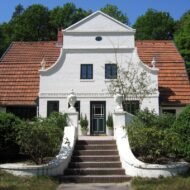
TL;DR: Skip the crowded Louvre lines and discover Europe’s best-kept artistic secrets. From medieval frescoes in Italian hilltops to avant-garde galleries in Portuguese fishing villages, these five under-the-radar destinations offer world-class art without the tourist chaos. Perfect for culture vultures who’d rather sip wine with local artists than fight selfie sticks at the Sistine Chapel.
- 1. Civita di Bagnoregio, Italy – The Dying City That’s Very Much Alive with Art
- The Backstory
- What You’ll Actually Want to See
- Where to Crash
- Summer vs. Winter Vibes
- Perfect For
- Mark Your Calendar
- 2. Barbizon, France – Where Impressionism Actually Started
- The Art History Speedrun
- Must-Sees That Aren’t Overhyped
- Sleep Like an Artist (Probably Better, Actually)
- Seasonal Activities
- The Vibe Check
- Don’t Miss
- 3. Szentendre, Hungary – The Danube’s Colorful Art Colony
- Quick History Lesson
- Gallery Crawl Goals
- Where to Stay Without Breaking the Bank
- Do This, Not That
- Who’ll Love It Here
- Put On Your Calendar
- 4. Óbidos, Portugal – Medieval Walls Meet Modern Galleries
- The Art DNA
- Artistic Highlights
- Accommodation Intel
- Seasonal Breakdown
- Vibe + Visitor Profile
- Mark These Dates
- 5. Worpswede, Germany – The Moor’s Mystical Artist Colony
- The Origin Story
- What Demands Your Attention
- Stay in Style (or On Budget)
- Four-Season Action Plan
- Target Demographics
- Event Calendar
- Final Thoughts: Skip the Lines, Find the Art
- Disclaimer
1. Civita di Bagnoregio, Italy – The Dying City That’s Very Much Alive with Art
The Backstory
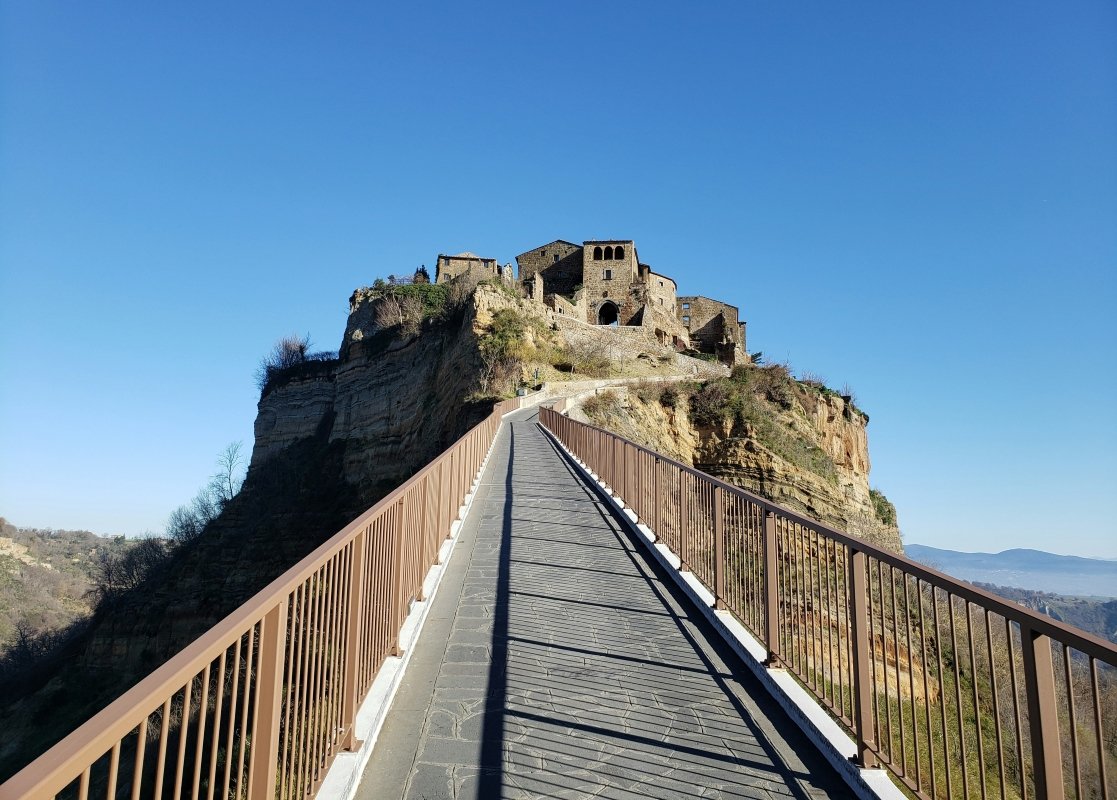
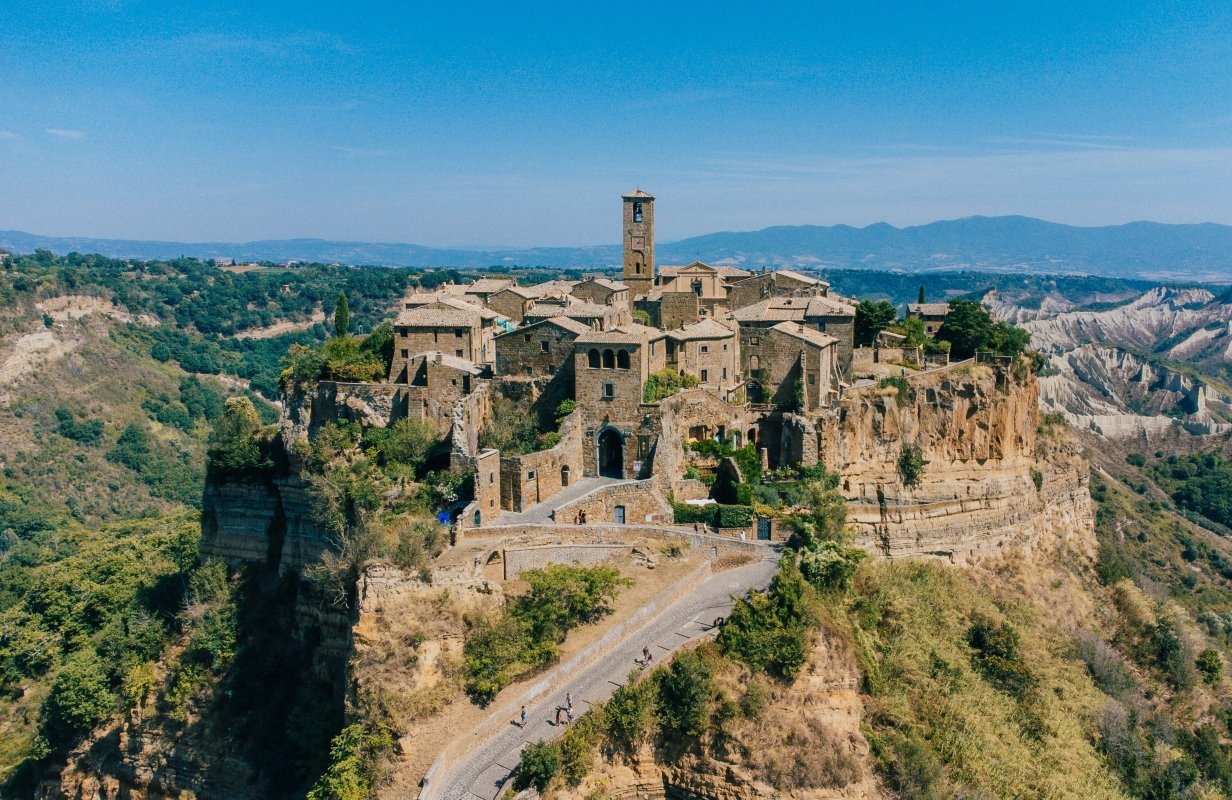
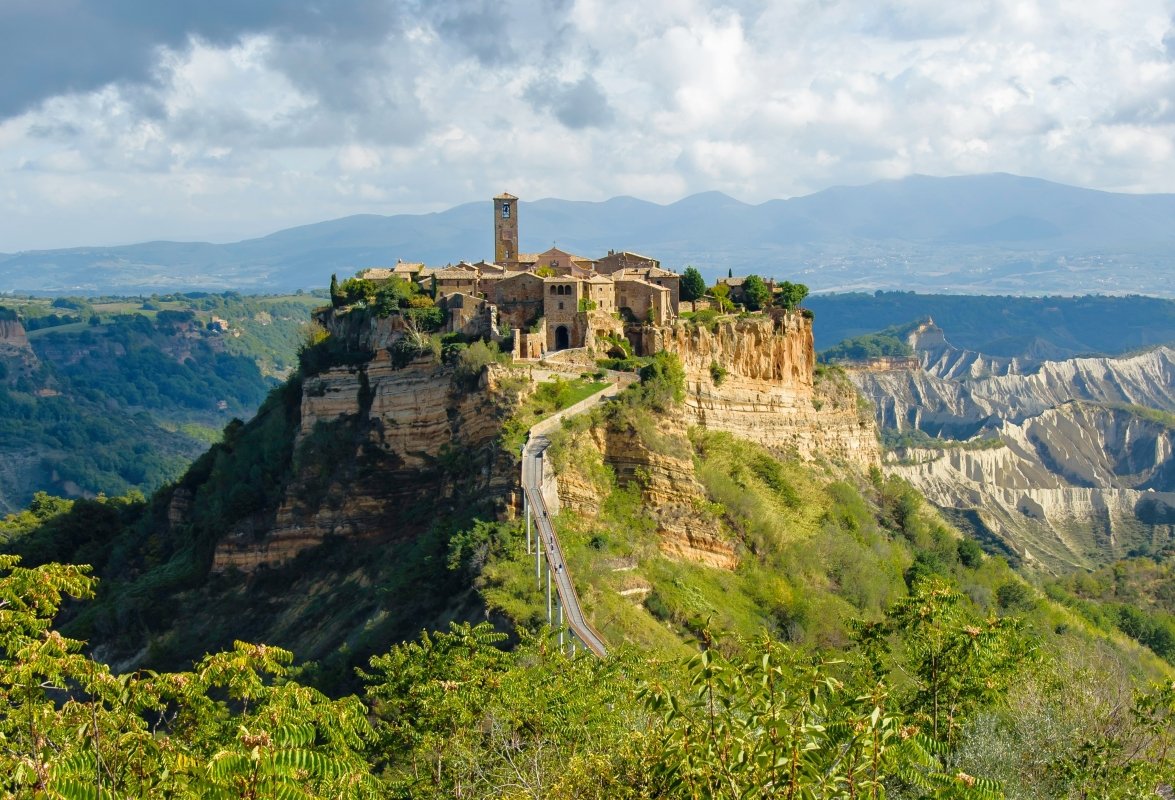
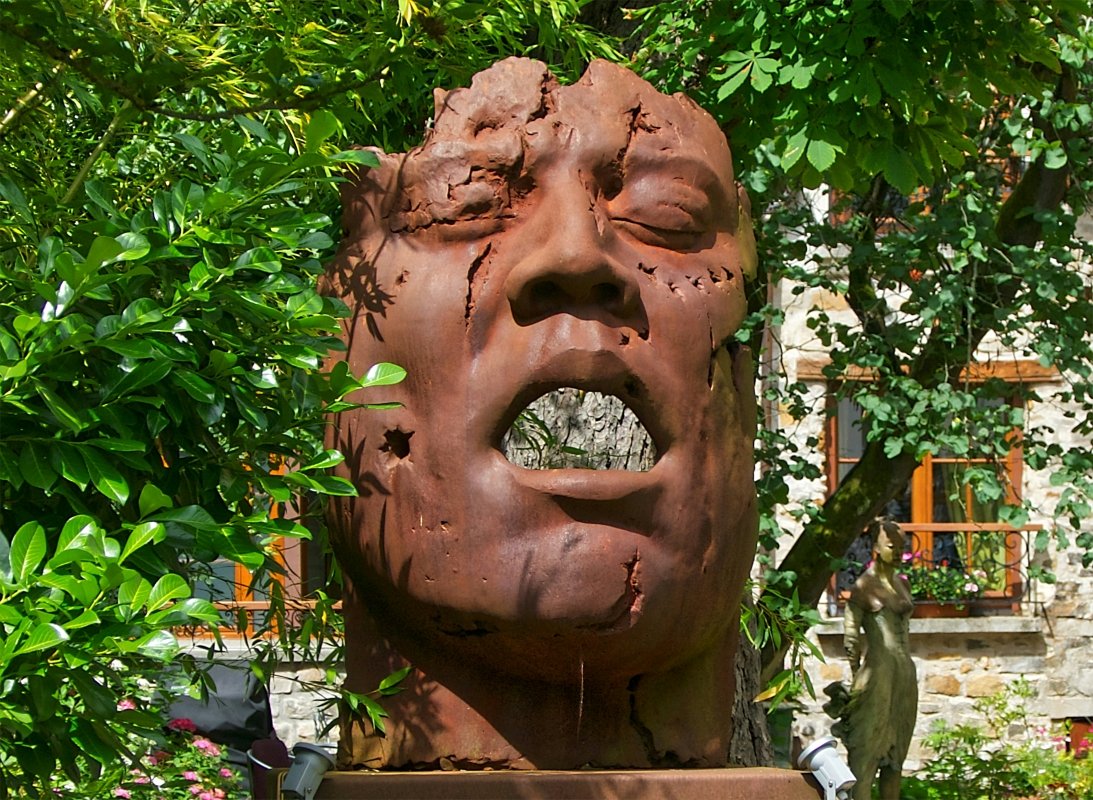
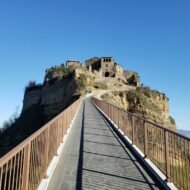
Perched on a crumbling volcanic plateau in Lazio, this 2,500-year-old village (population: 11) is literally disappearing—erosion claims a few inches yearly. But here’s the plot twist: artists from across the globe are flocking here to capture its ethereal beauty before it vanishes. The town’s been a muse for painters since the Renaissance, and contemporary artists now run studios in centuries-old buildings.
What You’ll Actually Want to See
- Museo Geologico e delle Frane: Sounds boring, but the landslide museum has stunning geological art installations
- Chiesa di San Donato: 16th-century frescoes that make you wonder why anyone bothers with prints
- Artist workshops: Wander the five main streets and pop into open studios—ceramicists, painters, and sculptors welcome visitors
- The bridge approach: That iconic pedestrian bridge? Prime golden-hour photography territory
Where to Crash
Splurge: Corte della Maestà (€150-200/night) – boutique B&B in a restored palazzo with breakfast overlooking the valley Mid-range: Civita B&B (€80-120/night) – family-run spot with locally painted ceramic tiles in every room Budget hack: Stay in nearby Bagnoregio (10-minute walk) at Romantica Pucci (€50-70/night) for basic but clean digs
Summer vs. Winter Vibes
Summer (June-August): Painting workshops, outdoor art markets, sunset aperitivo on terrace cafés. Warning: day-trippers arrive by 11am—go early or stay late.
Winter (December-February): Moody fog creates otherworldly atmosphere, perfect for photography. Mercatino di Natale (Christmas market) features local artisan crafts. Basically deserted weekdays.
Perfect For
- Vibe: Contemplative, romantic, slightly melancholic
- Crowd: Serious photographers, plein air painters, couples seeking non-touristy romance
- User reviews say: “Felt like stepping into a Renaissance painting” / “Worth the €5 bridge toll alone” / “Bring good walking shoes—those cobblestones are medieval AF”
Mark Your Calendar
- Palio della Tonna (June): Medieval festival with live historical painting demonstrations
- Art residency exhibitions (year-round): Check local notices for opening nights
2. Barbizon, France – Where Impressionism Actually Started
The Art History Speedrun
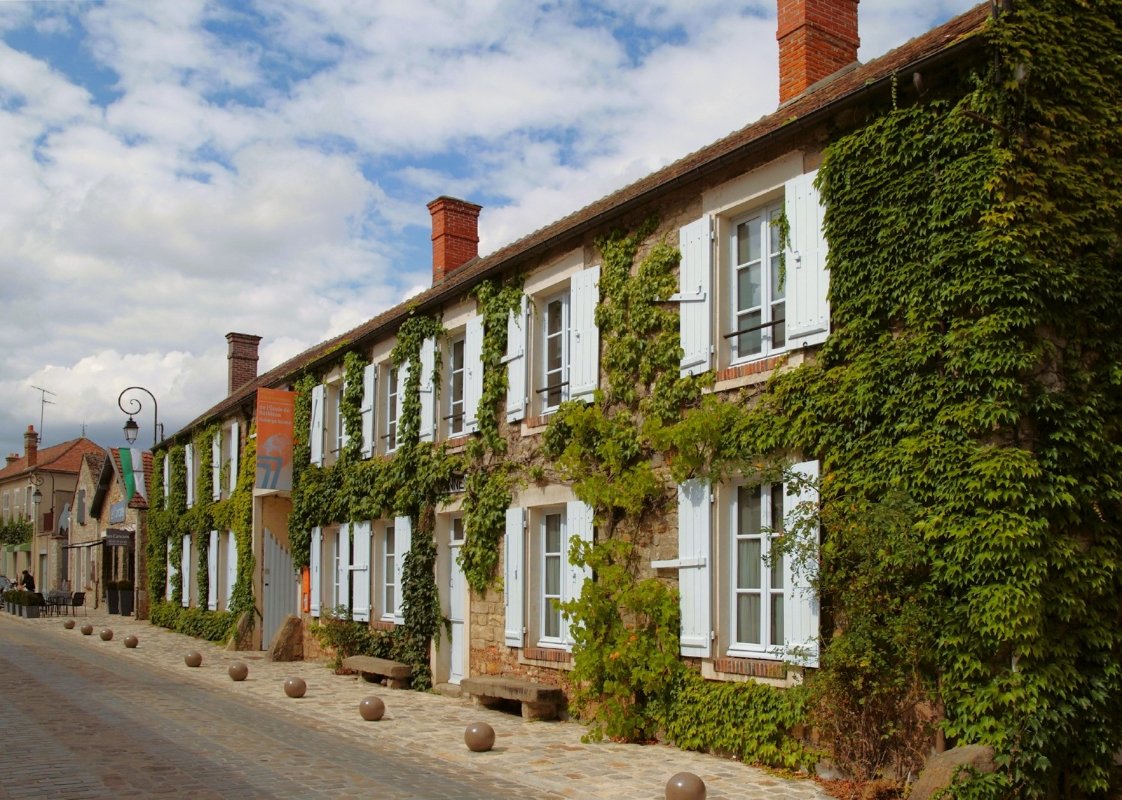
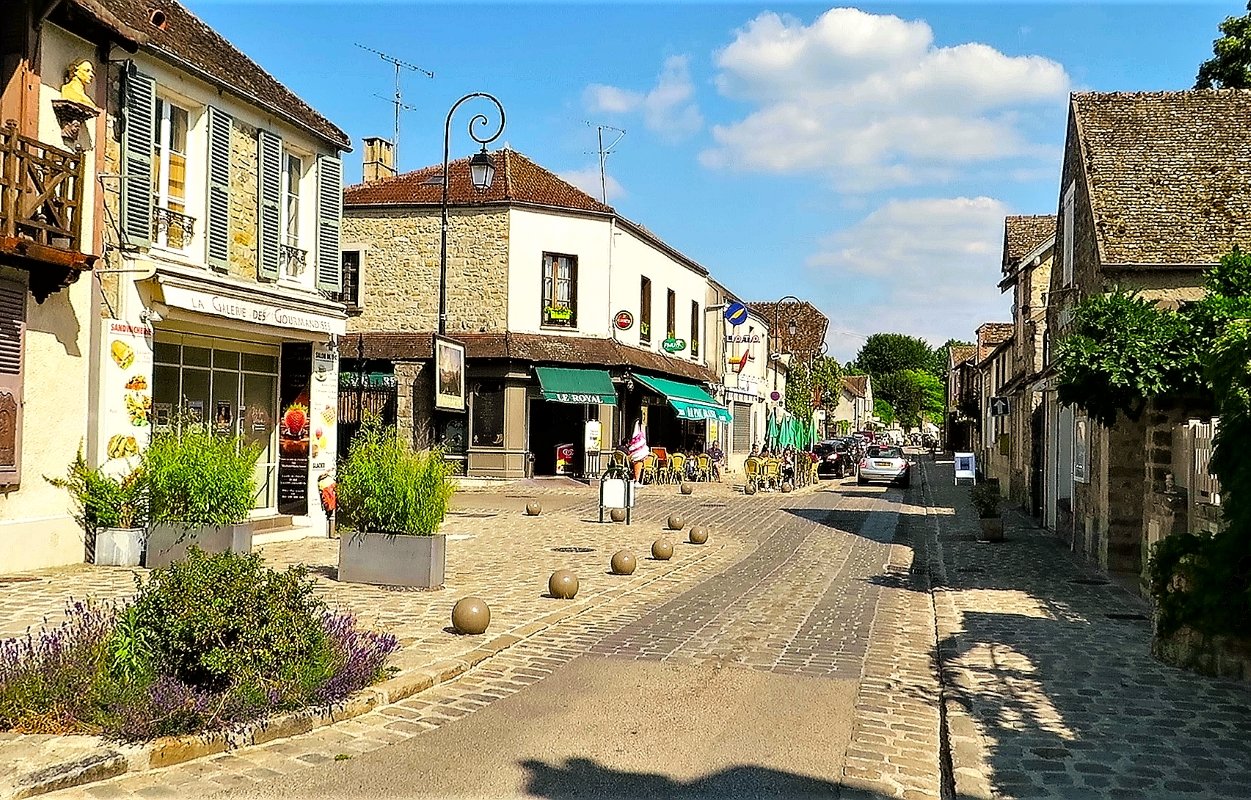
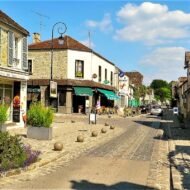
Before Monet was painting water lilies, the Barbizon School artists (1830s-1870s) were revolutionizing landscape painting in this forest village 60km from Paris. Millet, Rousseau, and Corot literally invented plein air painting here. The town’s basically unchanged since then—which is exactly the point.
Must-Sees That Aren’t Overhyped
- Musée départemental des peintres de Barbizon: Small but mighty collection in Théodore Rousseau’s former home
- Auberge Ganne: The inn where broke artists traded paintings for room and board (those paintings are now worth millions—oops)
- Fontainebleau Forest: Rent bikes and follow the marked “Painters’ Trail” to the exact spots where masterpieces were created
- Working artist studios: At least a dozen contemporary artists maintain studios here—many open Saturday mornings
Sleep Like an Artist (Probably Better, Actually)
Splurge: Hôtellerie du Bas-Bréau (€250-400/night) – 5-star where Stevenson and Napoleon III stayed, Michelin-starred restaurant Mid-range: Hôtel Les Pléiades (€120-180/night) – cozy rooms with forest views, excellent breakfast spread Budget: Airbnb studios (€60-90/night) – several artist-owned lofts available for short stays
Seasonal Activities
Summer: Outdoor painting classes (bring your own supplies or rent locally), forest hiking, picnics by the Gorges d’Apremont. Festival de Barbizon (July) brings classical concerts to forest clearings.
Winter: Gallery hopping between toasty cafés, visiting artists’ studios by appointment, cross-country skiing in Fontainebleau. Christmas markets feature original art by local creators.
The Vibe Check
- Energy: Peaceful, intellectual, genuinely arty (not “Live Laugh Love” arty)
- Best for: Painters, art history nerds, Parisians escaping the city, people who actually read artist biographies
- Visitor feedback: “No crowds!” / “Better than Giverny honestly” / “Expensive but worth it for serious art lovers”
Don’t Miss
- Salon de Peinture (May): Open-air art exhibition with works for sale
- Thursday morning market: Local artisans sell original pieces—way better souvenirs than Eiffel Tower keychains
3. Szentendre, Hungary – The Danube’s Colorful Art Colony
Quick History Lesson
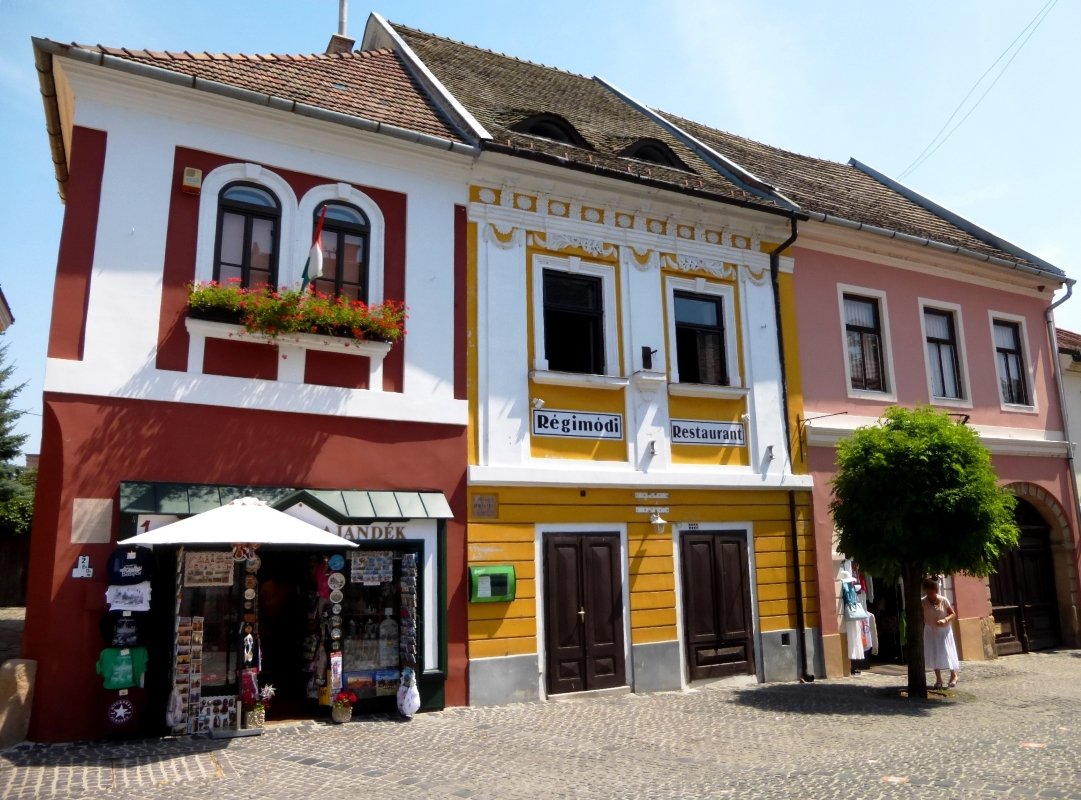
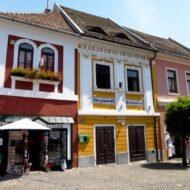
Serbian refugees fled here in the 17th century and built Baroque churches with killer frescoes. Fast-forward to the 1920s: Budapest artists discovered the gorgeous light and cheap rent, establishing Hungary’s most important art colony. Today, it’s got 200+ working artists and the highest gallery-per-capita ratio in Central Europe.
Gallery Crawl Goals
- Margit Kovács Ceramic Museum: Mid-century ceramics that influenced modern Hungarian design—surprisingly addictive
- Ferenczy Museum Center: Seven museums under one ticket (€10), including contemporary Hungarian art
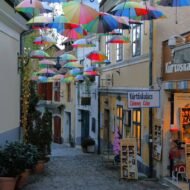
- Open Studios District: Over 50 galleries on cobblestoned streets—get the free walking map from tourism office
- Szentendre Gallery: Cutting-edge contemporary space in a converted warehouse
Where to Stay Without Breaking the Bank
Splurge: Mathias Rex (€100-140/night) – boutique hotel with Danube views, on-site spa Mid-range: Pátria Panzió (€50-80/night) – family-run guesthouse, hearty Hungarian breakfast included Budget winner: Bükkös Hotel (€35-55/night) – basic but spotless, 10-minute walk from center
Do This, Not That
Summer: Riverbank cafés, Danube sunset cruises, outdoor sculpture park, Szentendre Summer Festival (June-August) with art fairs every weekend. Kayak rentals for river perspectives.
Winter: Christmas craft markets (among Europe’s best), mulled wine (forralt bor) in gallery courtyards, ice skating on the main square. Serbian Christmas (January 7) features traditional icon painting demonstrations.
Who’ll Love It Here
- Atmosphere: Bohemian, welcoming, unpretentious
- Target audience: Ceramic enthusiasts, folk art collectors, Budapest day-trippers wanting substance, Orthodox church architecture fans
- Real talk from visitors: “Like a mini Prague without the stag parties” / “Gallery owners actually talk to you” / “That langos though 🤤”
Put On Your Calendar
- Szentendre Art Mill (June): Three-day contemporary art festival in converted industrial space
- Palinka and Art Pairing (September): Yes, fruit brandy and gallery hopping—surprisingly works MORE READ..
4. Óbidos, Portugal – Medieval Walls Meet Modern Galleries
The Art DNA
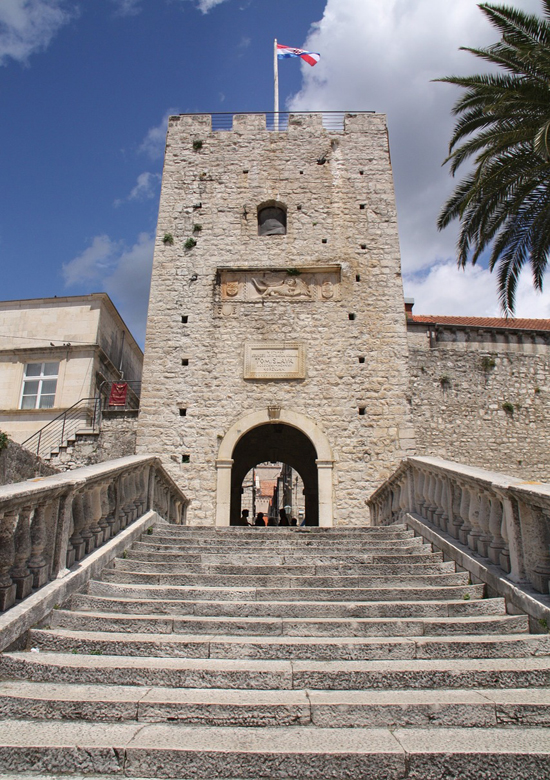
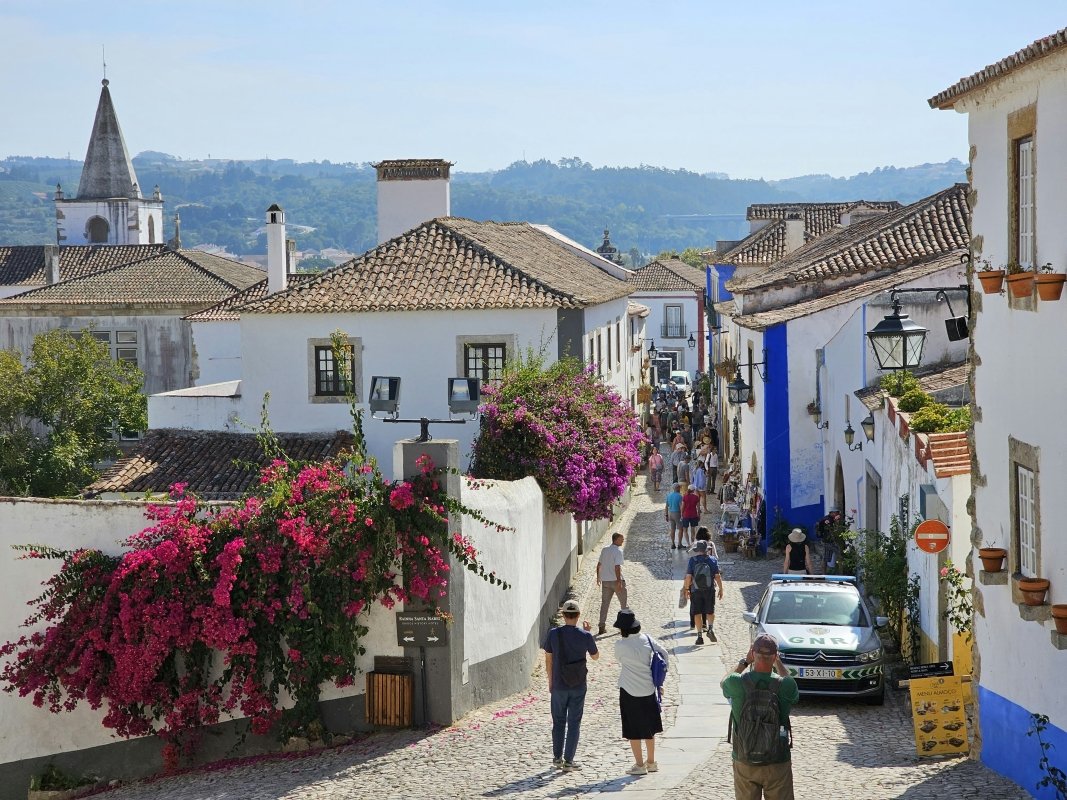
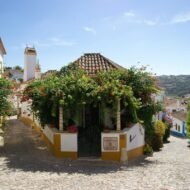
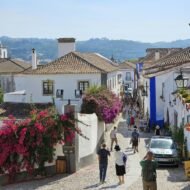
This walled medieval town (seriously, you can walk the entire fortress perimeter) became a wedding gift from King Dinis to Queen Isabel in 1282. She had great taste—the town’s been inspiring artists for centuries. Today, it’s Portugal’s “Literary Village” and home to one of Europe’s most innovative contemporary art programs, all within an area you can cross in 10 minutes.
Artistic Highlights
- Óbidos Contemporary Art Museum: Cutting-edge installations in a beautifully restored granary
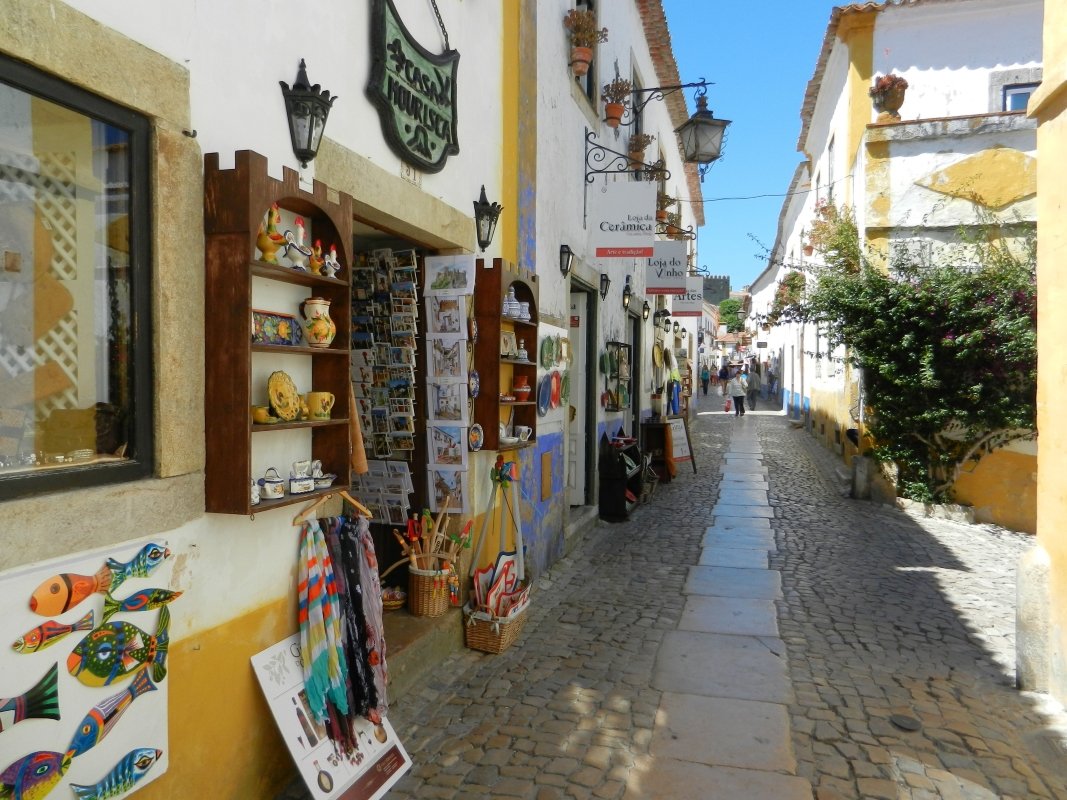
- Book Town Trail: Over 30 book/art shops in tiny medieval buildings—bibliophiles, bring an extra suitcase
- Castle walls: 360° views inspire countless watercolors (and engagement photos)
- José de Óbidos: Renaissance painter born here; see her works in Santa Maria Church
- Street art: Curated murals throughout the village by international artists
Accommodation Intel
Splurge: Pousada Castelo de Óbidos (€200-350/night) – literally sleep in the castle, breakfast in the royal chambers Mid-range: Casa d’Óbidos (€90-140/night) – boutique hotel with contemporary art in every room Budget smart: The Literary Man Óbidos Hotel (€70-110/night) – book-themed hotel, library lounge, affordable and charming
Seasonal Breakdown
Summer: Folio International Literary Festival (October), chocolate festival tours (yes, chocolate and art), outdoor concerts in the castle square. Warning: peak season = crowds.
Winter: Vila Natal (Christmas village, November-January) transforms the town into winter wonderland with artisan markets. Medieval Market (July) features period crafts and authentic demonstrations.
Vibe + Visitor Profile
- Scene: Romantic, literary, pedestrian-friendly (literally no cars inside walls)
- Appeals to: Book lovers, architecture photographers, day-trippers from Lisbon (1 hour away), wine enthusiasts (ginjinha in chocolate cups!)
- Guest reviews highlight: “Fairytale without being cheesy” / “Expensive but gorgeously maintained” / “Go off-season if you hate crowds”
Mark These Dates
- FOLIO Literary Festival (October): Major authors, art-literature crossover events
- Chocolate Festival (March): Local chocolatiers collaborate with artists for edible sculptures MORE READ…
5. Worpswede, Germany – The Moor’s Mystical Artist Colony
The Origin Story
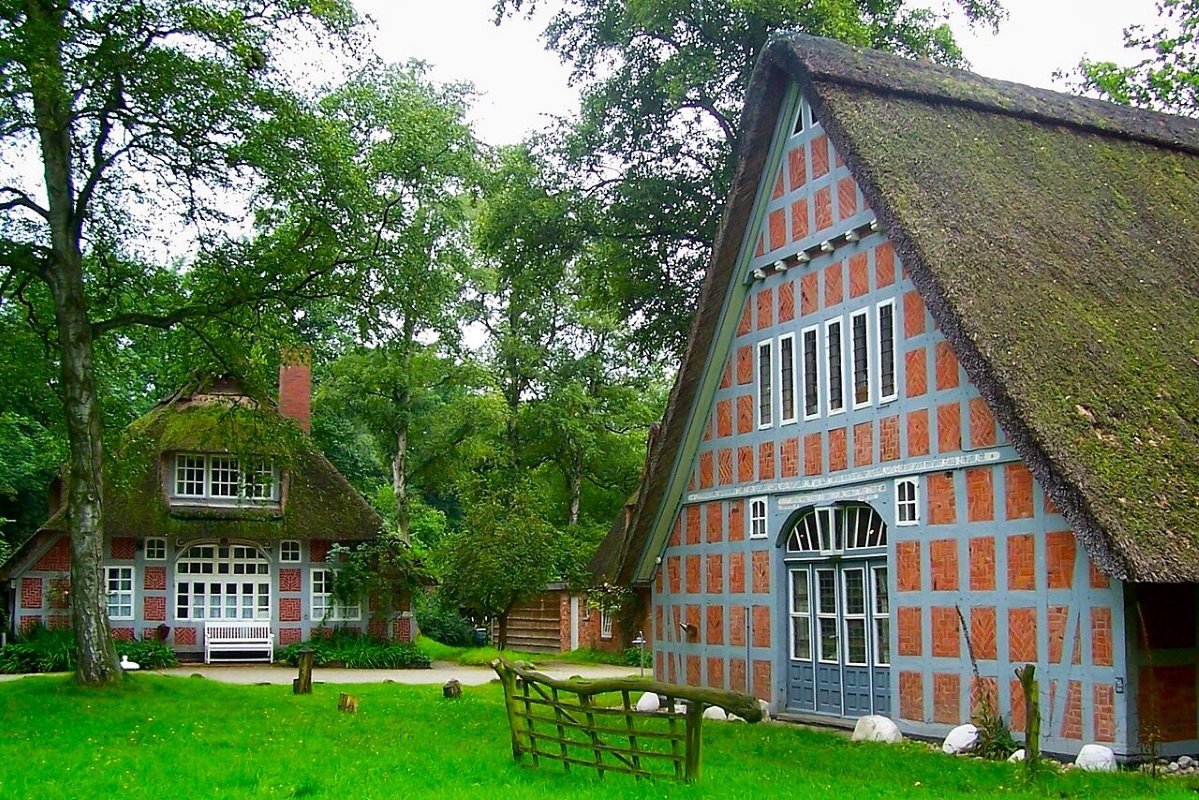
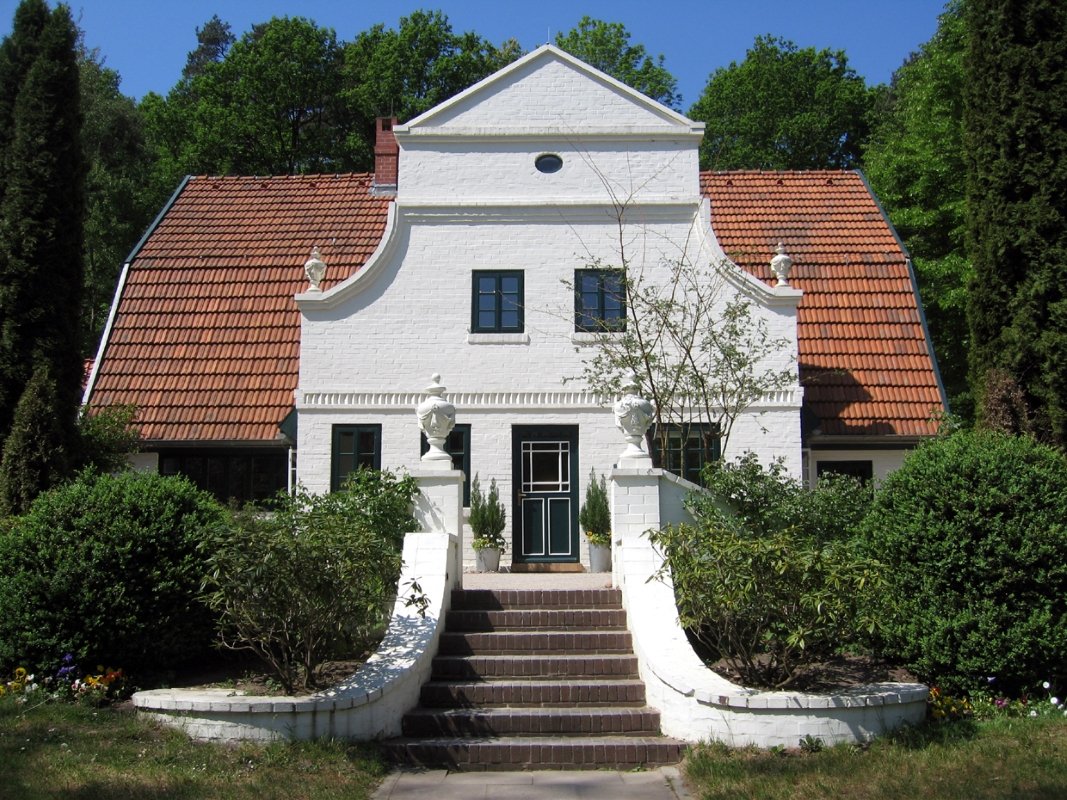
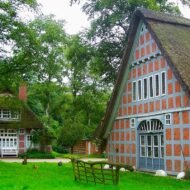
In 1889, artist Fritz Mackensen saw the flat moorland and dramatic skies near Bremen and thought, “This is it.” He convinced fellow artists to abandon Munich, and Germany’s most important artist colony was born. Paula Modersohn-Becker (early Expressionist pioneer) lived and worked here. The colony’s still going strong—30+ artists in permanent residence.
What Demands Your Attention
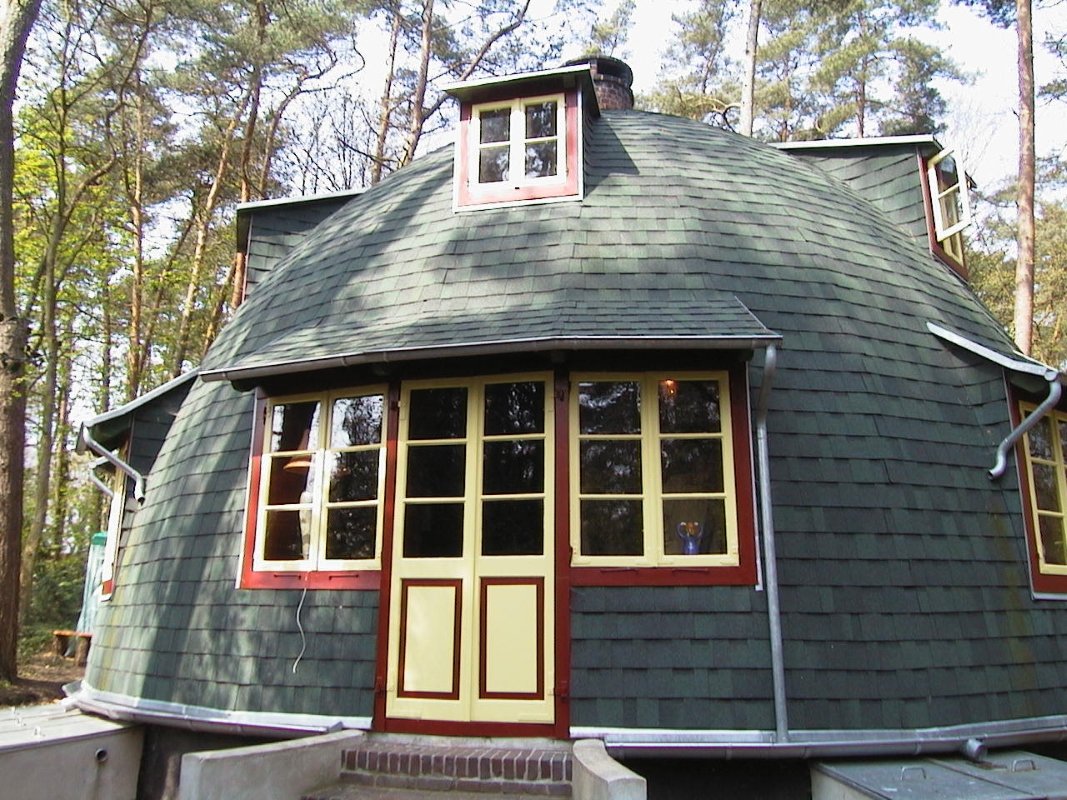
- Große Kunstschau: Rotating exhibitions in a stunning Expressionist building
- Paula Modersohn-Becker Museum: World’s first museum dedicated to a female artist (opened 1927)
- Worpsweder Kunsthalle: Contemporary art in a converted barn
- Artist homes: Barkenhoff (Heinrich Vogeler’s Gesamtkunstwerk) is a tour-de-force of Art Nouveau
- The moor itself: Rent bikes, pack watercolors, recreate those moody landscapes
Stay in Style (or On Budget)
Splurge: Alte Molkerei Worpswede (€140-200/night) – design hotel in former dairy, minimalist chic meets moorland rustic Mid-range: Hotel Eichenhof (€80-120/night) – traditional German comfort, excellent breakfast Budget option: Gasthaus Worpswede (€50-75/night) – family-run inn, basic but friendly
Four-Season Action Plan
Summer: Cycling tours through blooming moorland, open-air painting workshops, Worpsweder Kunstsommer (art summer program, June-August) with daily events. Teufelsmoor (Devil’s Moor) nature walks.
Winter: Mist-shrouded landscapes = photographer heaven, gallery-hopping followed by hearty German stews, Christmas markets with handmade crafts. Cross-country skiing when it snows.
Target Demographics
- Vibe: Introspective, nature-connected, authentically artistic
- Ideal visitor: German Expressionism fans, cyclists, landscape painters, people seeking quiet creativity, day-trippers from Bremen (30 minutes)
- Consensus from reviews: “Underrated!” / “More authentic than Montmartre” / “Bring rain gear” / “Cheese shop = life-changing”
Event Calendar
- Kunstmeile (Art Mile, May): All galleries and studios open simultaneously
- Worpswede Music Festival (August): Classical concerts in historic venues
Final Thoughts: Skip the Lines, Find the Art
These five villages prove that Europe’s best art experiences aren’t behind velvet ropes or €25 admission tickets. They’re in crumbling hillside studios, forest clearings where Impressionism was invented, and medieval bookshops that smell like centuries.
The pattern? Real artists actually live and work in these places. You’re not consuming art in a sterile museum—you’re stepping into living creative communities where someone might invite you into their studio for impromptu wine and honest conversation about their process.
Pro tips for all five:
- Visit shoulder season (April-May, September-October) for ideal weather minus crowds
- Learn three phrases in the local language—artists everywhere appreciate the effort
- Bring a sketchbook even if you “can’t draw”—you’ll want to try
- Buy directly from artists when possible; it’s often cheaper than galleries and you get the story behind the piece
- Check village tourism websites before going—many galleries keep irregular hours
Each of these villages offers something different: Civita’s dramatic mortality, Barbizon’s historical weight, Szentendre’s colorful exuberance, Óbidos’s literary romance, Worpswede’s moody introspection. Pick based on what your soul needs right now.
Disclaimer
Travel information, pricing, and event dates were accurate as of October 2025 but are subject to change. Always verify accommodation availability, gallery hours, and festival dates directly with venues before traveling. Some attractions may require advance booking, especially during peak season. Prices listed are approximate ranges in euros and may fluctuate based on season, availability, and exchange rates. The author visited four of these five locations; information about the fifth comes from extensive research and recent visitor accounts. This article contains subjective opinions about art and travel experiences. Individual preferences may vary—what one person finds “magical,” another might find “too quiet.” Consider your own interests, mobility level, and budget when planning. Some villages have limited accessibility for visitors with mobility challenges due to cobblestone streets and historic buildings.