
























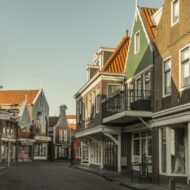
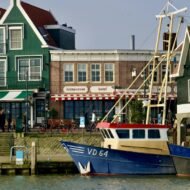


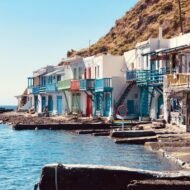
Picture this: cobblestone streets winding down to harbor waters so clear you can see the fish swimming below, colorful houses that look like they’ve been painted by fairy tale artists, and the salty breeze carrying stories of centuries-old maritime traditions. Europe’s fishing villages aren’t just destinations – they’re time capsules where every weathered dock and nets-draped cottage whispers tales of the sea.
- 1. Reine, Lofoten Islands, Norway – Arctic Paradise
- 2. Cadaqués, Spain – Salvador Dalí’s Inspiration
- 3. Staithes, England – Yorkshire’s Hidden Gem
- 4. Nyhavn, Copenhagen, Denmark – Fairytale Harbor
- 5. Honfleur, France – Impressionist Inspiration
- 6. Rovinj, Croatia – Istrian Jewel
- 7. Nida, Lithuania – Curonian Spit Wonder
- 8. Cudillero, Spain – Asturian Amphitheater
- 9. Klima, Milos, Greece – Cycladic Gem
- 10. Volendam, Netherlands – Living Tradition
- Planning Your European Fishing Village Adventure
Whether you’re a history buff, photography enthusiast, or simply someone who appreciates authentic coastal charm, these ten fishing villages offer experiences that’ll make your Instagram followers seriously jealous. From Arctic fjords to Mediterranean coves, each destination brings its own unique flavor of maritime magic.
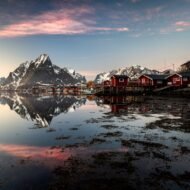
1. Reine, Lofoten Islands, Norway – Arctic Paradise
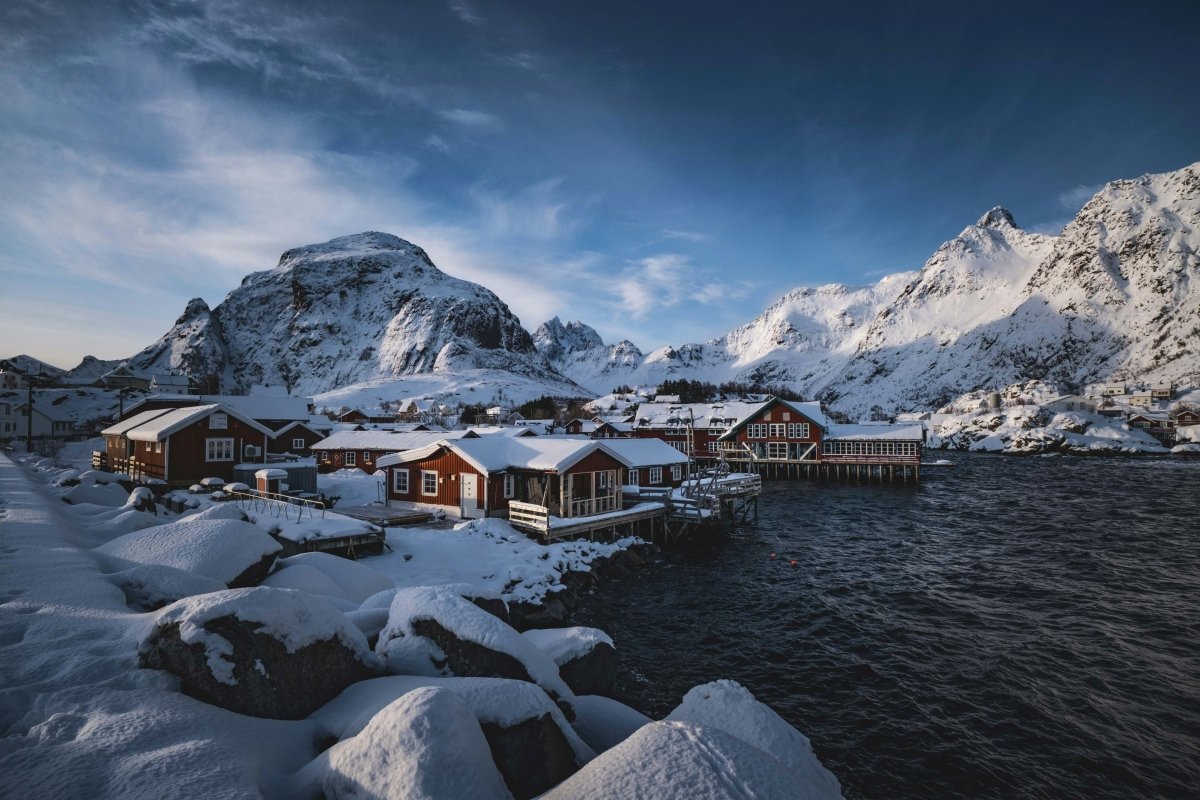
Why It’s Special: Reine isn’t just a fishing village – it’s nature’s masterpiece painted on an Arctic canvas. Perched on a tiny island connected by bridges, this 300-person community sits beneath some of the most dramatic mountain peaks in Europe. The village has been continuously inhabited since the 12th century, making it one of Norway’s oldest fishing settlements.
Historical Significance: For over 800 years, Reine has been the heart of the Lofoten cod fishing industry. During the winter spawning season (January-April), the village transforms into a bustling hub where traditional methods meet modern techniques. The iconic red fishermen’s cabins (rorbuer) you’ll see dotting the coastline have housed generations of seasonal workers.
Budget Considerations:
- Expensive destination (Norway pricing)
- Meals: €25-40 per person
- Activities: €50-150 per day
- Groceries: 30-50% higher than mainland Europe
Accommodation Options: Traditional rorbuer (fishermen’s cabins) offer authentic experiences starting from €120/night. The Reine Rorbuer provides luxury versions with modern amenities (€200-400/night). Budget travelers can find hostel beds in nearby Å for €35-50/night.
Campervan Spots: Wild camping is permitted in Norway with restrictions. Designated areas near Reine include Sakrisøy parking area and spots along the E10. Many locals offer private camping spots for €15-25/night.
Summer Activities (June-August):
- Midnight sun photography expeditions
- Sea kayaking through crystal-clear waters
- Hiking to Reinebringen viewpoint (challenging but rewarding)
- Deep-sea fishing excursions
- Northern Lights hunting (late August)
Winter Activities (December-March):
- Aurora borealis viewing (some of Europe’s best spots)
- Traditional cod fishing experiences
- Cross-country skiing
- Ice climbing
- Winter photography workshops
Getting There: Fly to Leknes Airport, then drive 1 hour. The journey through Lofoten’s stunning landscapes is half the adventure.
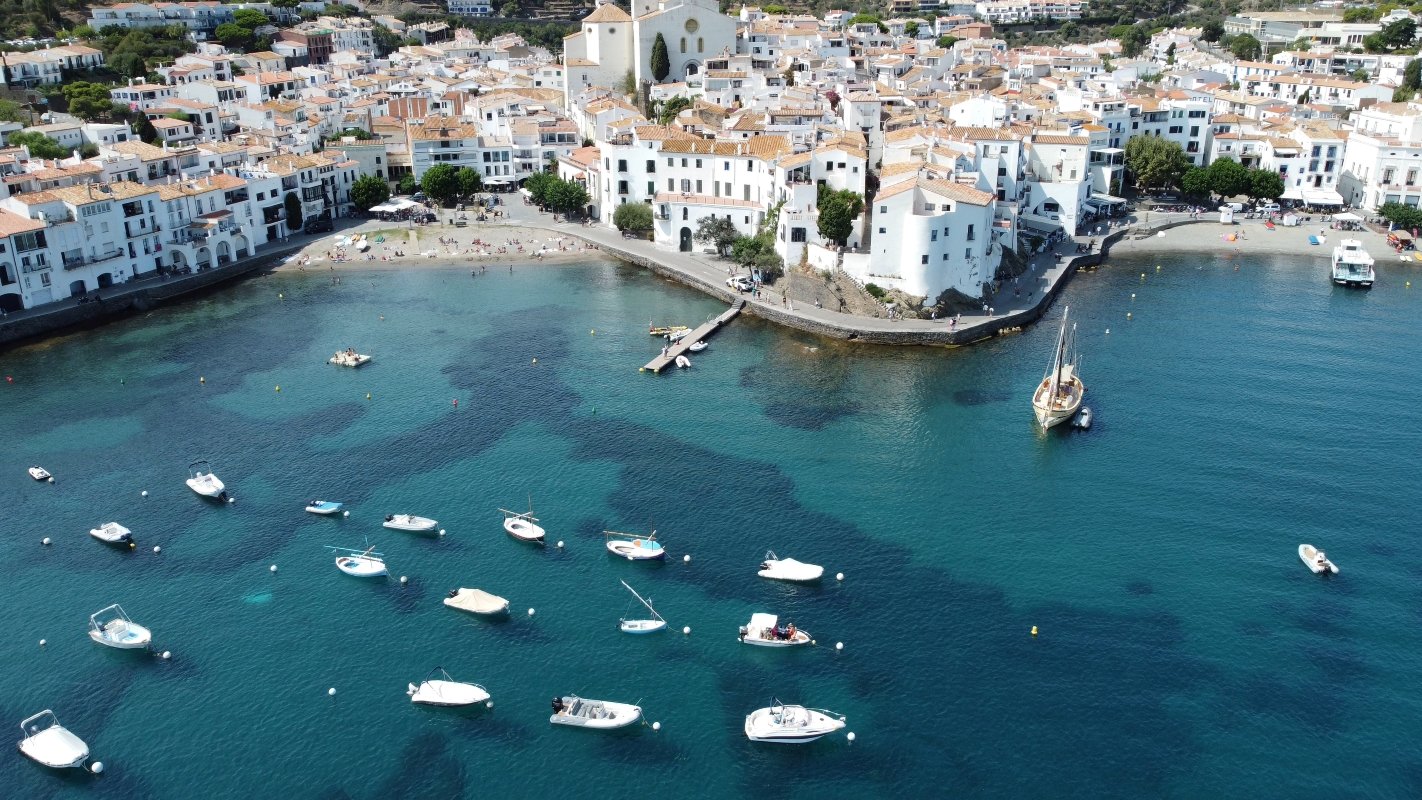
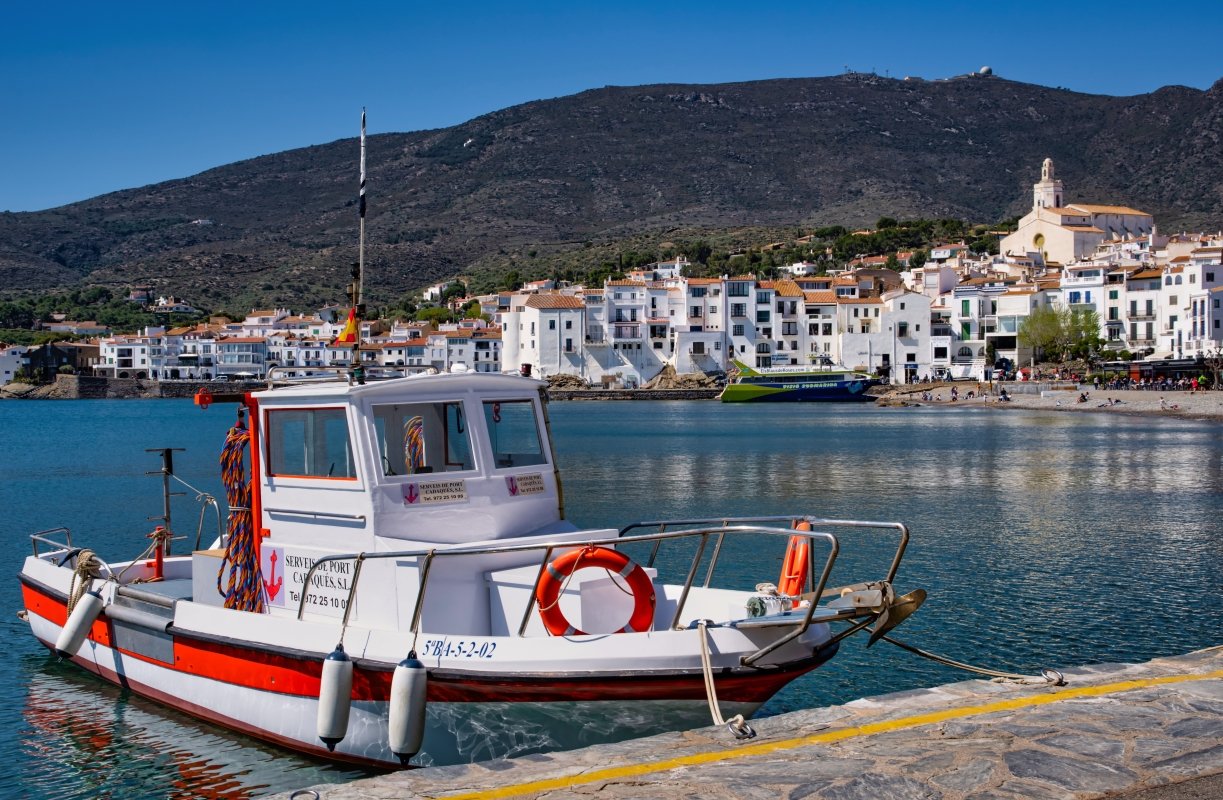
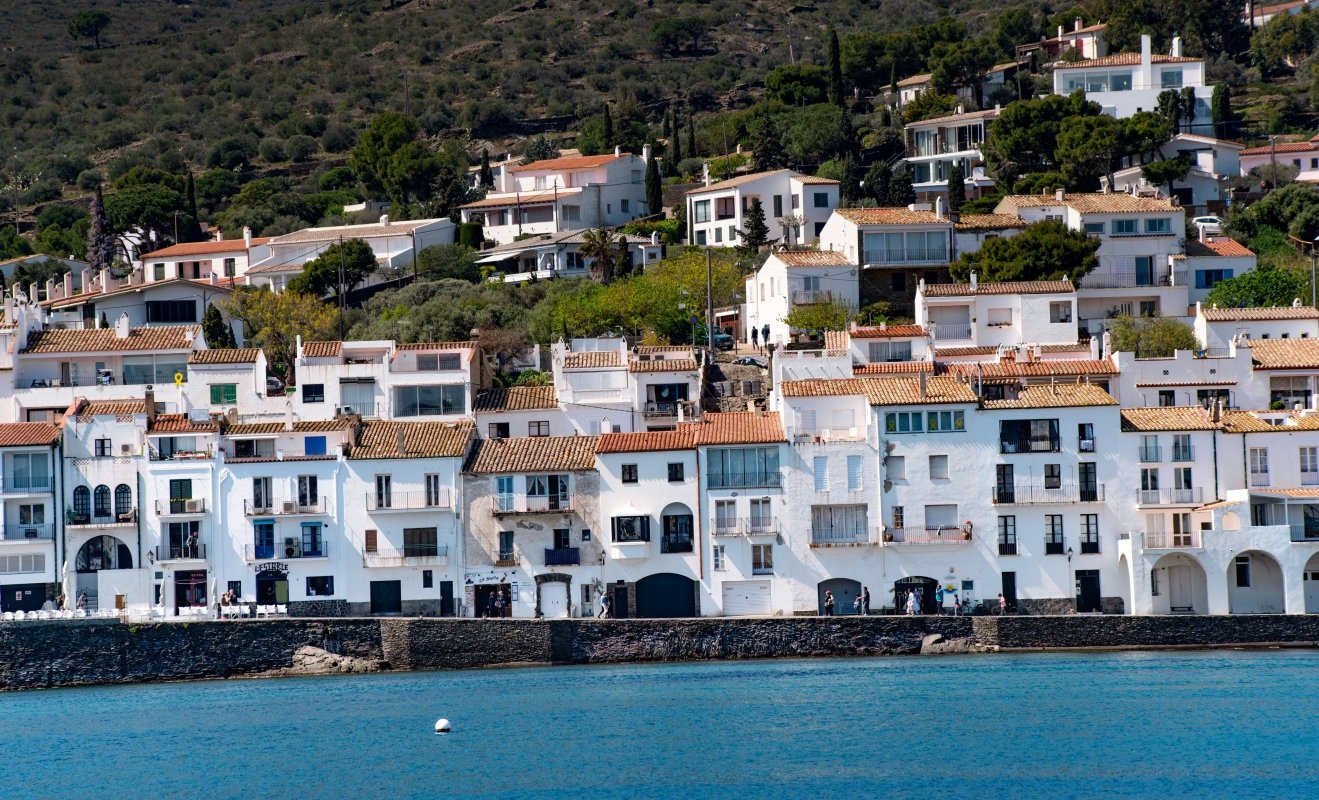
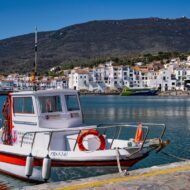
2. Cadaqués, Spain – Salvador Dalí’s Inspiration
Why It’s Special: This whitewashed Mediterranean gem on Costa Brava captivated Salvador Dalí so completely that he made it his permanent home. The village’s surreal beauty, with its maze-like streets and hidden coves, continues to inspire artists and dreamers from around the world.
Historical Significance: Cadaqués has been a fishing port since Roman times, but its isolation (accessible only by a winding mountain road until the 1960s) preserved its authentic character. The village became an artistic haven in the 20th century, attracting Picasso, Miró, and of course, Dalí, who lived here until his death in 1989.
Budget Considerations:
- Mid-range pricing for Spain
- Meals: €15-30 per person
- Activities: €10-40 per day
- Peak season (July-August) prices increase 40-50%
Accommodation Options: Hotel Llané Petit offers boutique luxury with sea views (€150-300/night). Casa Blanca provides charming mid-range options (€80-150/night). Budget travelers can find hostels and guesthouses for €40-70/night.
Campervan Spots: Camping Cadaqués is the main option (€25-35/night) with beach access. Wild camping is prohibited, but some locals offer private parking for €15-20/night.
Summer Activities:
- Dalí House Museum tours in nearby Portlligat
- Snorkeling in Cap de Creus Natural Park
- Beach hopping to hidden coves
- Sunset sailing trips
- Local art gallery crawls
Winter Activities:
- Hiking the Cap de Creus coastal trails
- Exploring Dalí’s surrealist landscapes
- Wine tasting in nearby Empordà region
- Photography workshops
- Peaceful beach walks without crowds
Getting There: Drive from Barcelona (2.5 hours) or take a bus to Figueres, then local transport to Cadaqués.
3. Staithes, England – Yorkshire’s Hidden Gem
Why It’s Special: Staithes feels like stepping into a 19th-century painting. This former fishing village, where Captain Cook once worked as a young apprentice, clings to dramatic cliffs with such tenacity that it seems to defy gravity. The village has remained largely unchanged for centuries, making it one of England’s most authentic coastal experiences.
Historical Significance: Once one of Yorkshire’s largest fishing ports, Staithes was home to over 80 fishing boats in its heyday. The village is famous as the boyhood home of Captain James Cook, who worked here as a grocer’s apprentice before his legendary voyages. The Staithes Group of artists, including Dame Laura Knight, painted here in the early 1900s.
Budget Considerations:
- Moderate UK pricing
- Meals: £12-25 per person
- Activities: £5-30 per day
- Accommodation costs vary significantly by season
Accommodation Options: The Captain Cook Inn offers historical charm (£80-120/night). Numerous B&Bs provide cozy stays (£60-90/night). Holiday cottages can be rented weekly (£400-800/week).
Campervan Spots: Parking is extremely limited in the village itself. Nearby Hinderwell has campervan-friendly spots, or try Runswick Bay Caravan Park (£20-30/night).
Summer Activities:
- Fossil hunting on the beach
- Coastal path hiking
- Traditional crab fishing
- Captain Cook Museum visits
- Artists’ workshops and plein air painting
Winter Activities:
- Storm watching from the harbor
- Cozy pub evenings
- Photography of dramatic seascapes
- Local history tours
- Peaceful contemplation walks
Getting There: Drive from Whitby (30 minutes) or take local buses. The narrow village streets are pedestrian-only.
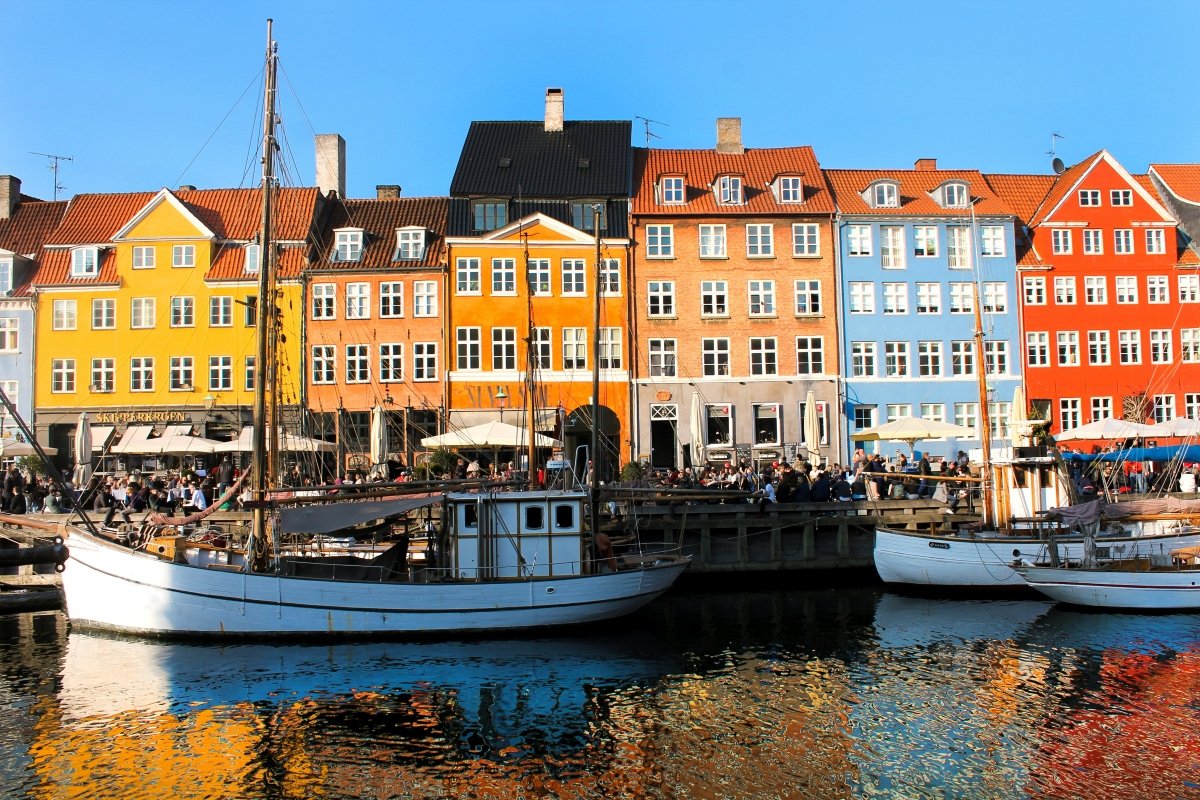
4. Nyhavn, Copenhagen, Denmark – Fairytale Harbor
Why It’s Special: Nyhavn isn’t just Copenhagen’s most photographed spot – it’s a living fairy tale. This 17th-century waterfront district, with its rainbow-colored townhouses and historic wooden ships, perfectly captures Denmark’s maritime heritage while serving as a vibrant hub of cafés, restaurants, and Danish hygge.
Historical Significance: Built in the 1670s by Swedish prisoners of war, Nyhavn was Copenhagen’s commercial port for over 300 years. Hans Christian Andersen lived in three different houses here, writing many of his famous fairy tales. The canal connected the sea to the old town, making it crucial for trade and defense.
Budget Considerations:
- Expensive (Copenhagen pricing)
- Meals: €20-40 per person
- Activities: €15-50 per day
- Consider Copenhagen Card for museum access
Accommodation Options: Hotel d’Angleterre offers luxury with harbor views (€300-500/night). 71 Nyhavn Hotel provides boutique charm (€150-250/night). Budget options include Generator Copenhagen hostel (€30-60/night).
Campervan Spots: Central Copenhagen doesn’t allow campervan parking. Use Charlottenlund Camping (€25-35/night) 20 minutes from city center.
Summer Activities:
- Canal boat tours
- Outdoor dining and people-watching
- Historic ship boarding
- Cycling Copenhagen’s bike-friendly streets
- Tivoli Gardens visits
Winter Activities:
- Cozy café culture and hygge experiences
- Christmas markets (December)
- Indoor museum hopping
- Traditional Danish dining
- Ice skating in nearby parks
Getting There: Nyhavn is in central Copenhagen, easily accessible by metro, bus, or on foot from the main train station.
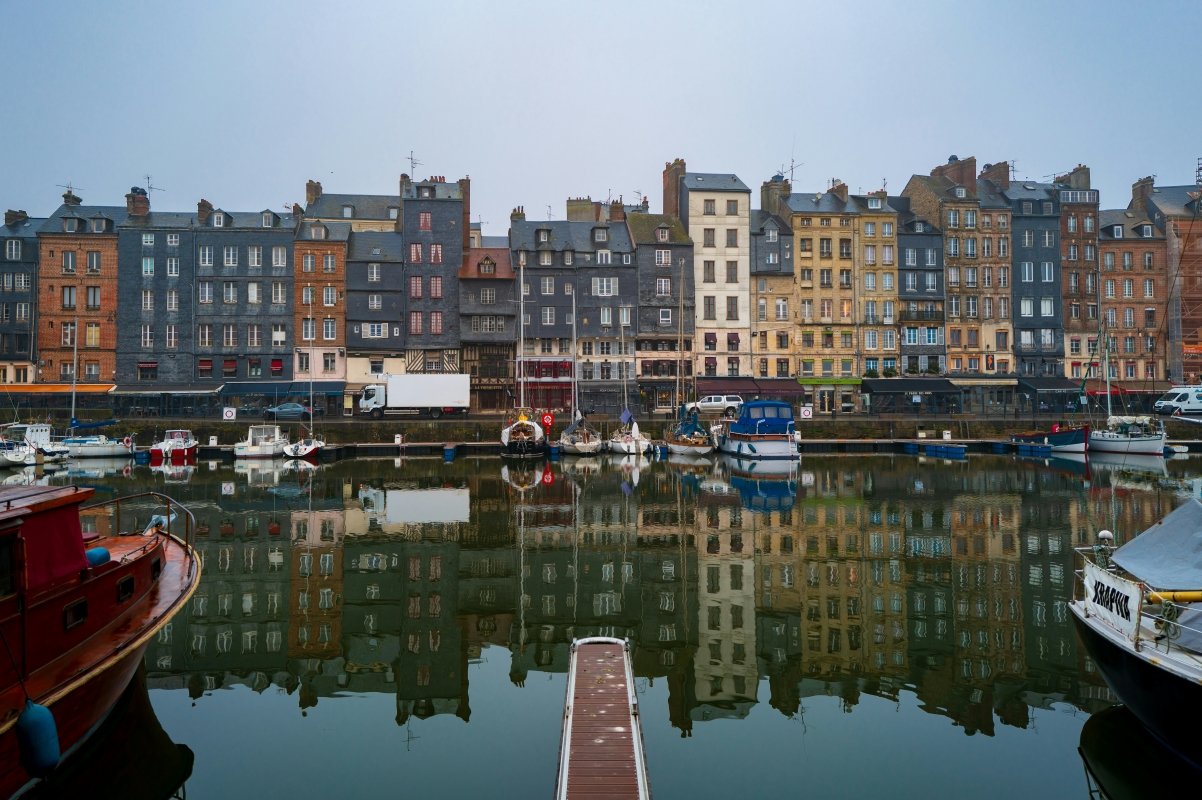
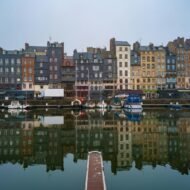
5. Honfleur, France – Impressionist Inspiration
Why It’s Special: Honfleur is where Impressionism took its first breath. This perfectly preserved medieval port, with its unique wooden church and slate-covered houses, inspired Claude Monet, Eugène Boudin, and countless other artists. The old harbor (Vieux Bassin) remains virtually unchanged since the 17th century.
Historical Significance: Founded in the 11th century, Honfleur was a major departure point for expeditions to the New World, including Samuel de Champlain’s voyages to Canada. The town’s golden age came in the 17th-18th centuries when it prospered from trade with the Americas. The 19th century brought artistic fame when painters discovered its unique light.
Budget Considerations:
- Mid-range French pricing
- Meals: €18-35 per person
- Activities: €8-25 per day
- Normandy offers good value compared to Paris
Accommodation Options: Les Maisons de Léa offers boutique luxury (€150-280/night). Hotel des Loges provides historic charm (€90-150/night). Budget travelers can find B&Bs for €60-90/night.
Campervan Spots: Camping La Briquerie (€22-32/night) is 10 minutes from town. Some designated parking areas allow overnight stays for €15-20.
Summer Activities:
- Impressionist painting workshops
- Calvados and cider tastings
- Normandy beach excursions
- Harbor market visits
- Seine estuary nature walks
Winter Activities:
- Cozy gallery browsing
- Traditional Norman cuisine experiences
- Peaceful harbor photography
- Museum visits
- Countryside drives through Pays d’Auge
Getting There: Drive from Paris (2 hours) or take a bus from Caen or Le Havre.
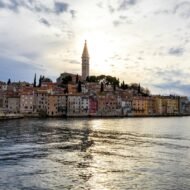
6. Rovinj, Croatia – Istrian Jewel
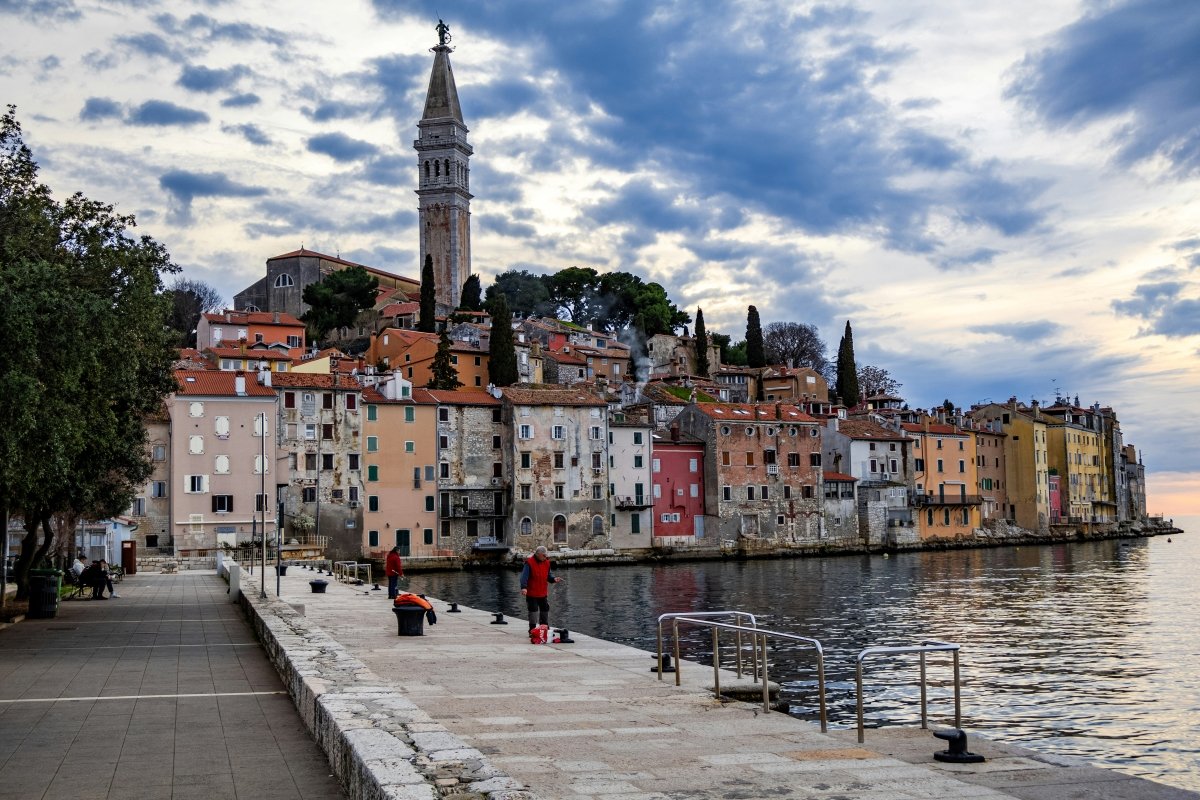
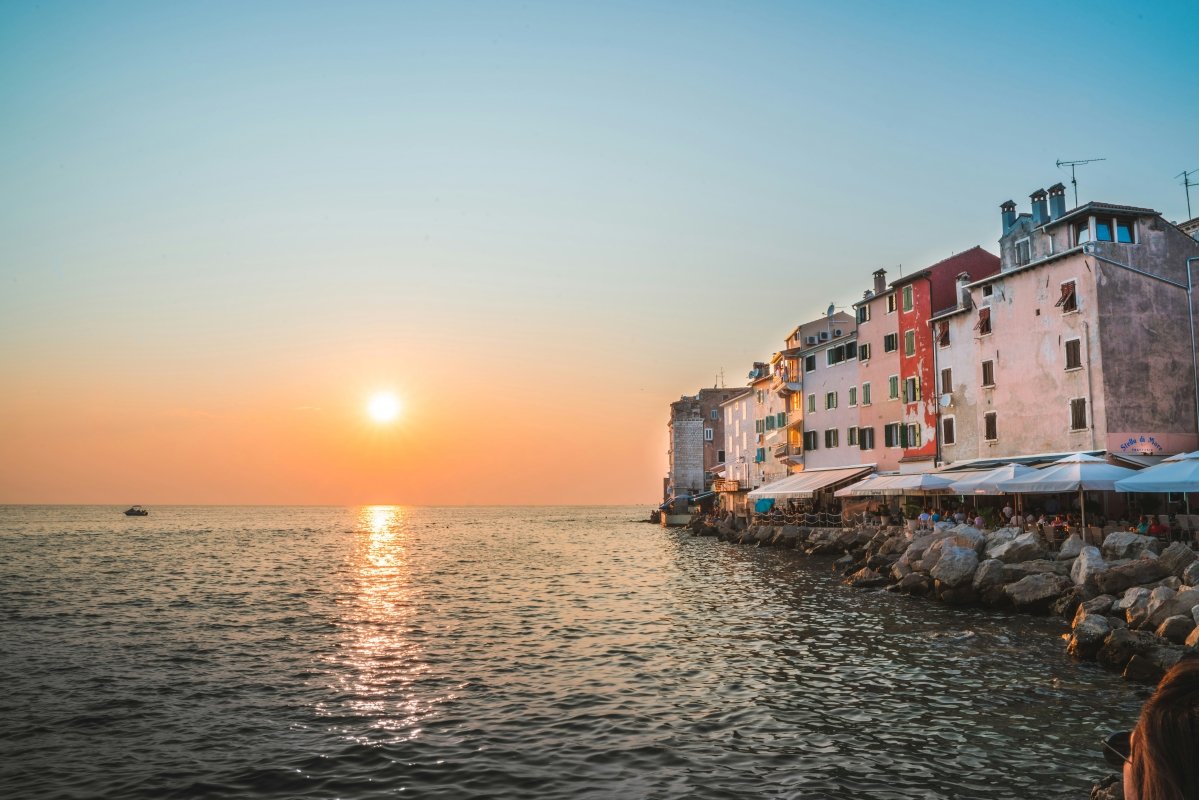
Why It’s Special: Rovinj rises from the Adriatic like a Mediterranean dream, its pastel-colored houses climbing from the harbor to the hilltop church. This former fishing village perfectly blends Italian and Croatian cultures, creating a unique atmosphere that feels both familiar and exotic.
Historical Significance: Originally a Roman settlement, Rovinj became Venetian in 1283 and remained under Italian influence until 1947. The town was actually an island until 1763, when the channel was filled to connect it to the mainland. Its fishing tradition dates back centuries, though tourism has largely replaced nets and boats.
Budget Considerations:
- Excellent value for Europe
- Meals: €12-25 per person
- Activities: €10-35 per day
- Shoulder seasons offer best prices
Accommodation Options: Hotel Adriatic offers luxury with harbor views (€120-200/night). Villa Valdibora provides boutique charm (€80-140/night). Private apartments start from €40-80/night.
Campervan Spots: Camping Polari (€20-35/night) offers beach access. Camping Vestar (€18-28/night) is budget-friendly. Wild camping is not permitted.
Summer Activities:
- Island hopping to nearby archipelago
- Underwater photography and diving
- Truffle hunting in Istrian countryside
- Wine tasting tours
- Sea kayaking adventures
Winter Activities:
- Peaceful old town exploration
- Local cooking classes
- Art studio visits
- Coastal hiking
- Thermal spa experiences in nearby Istarske Toplice
Getting There: Fly to Pula Airport (40 minutes drive) or drive from Ljubljana (2.5 hours).
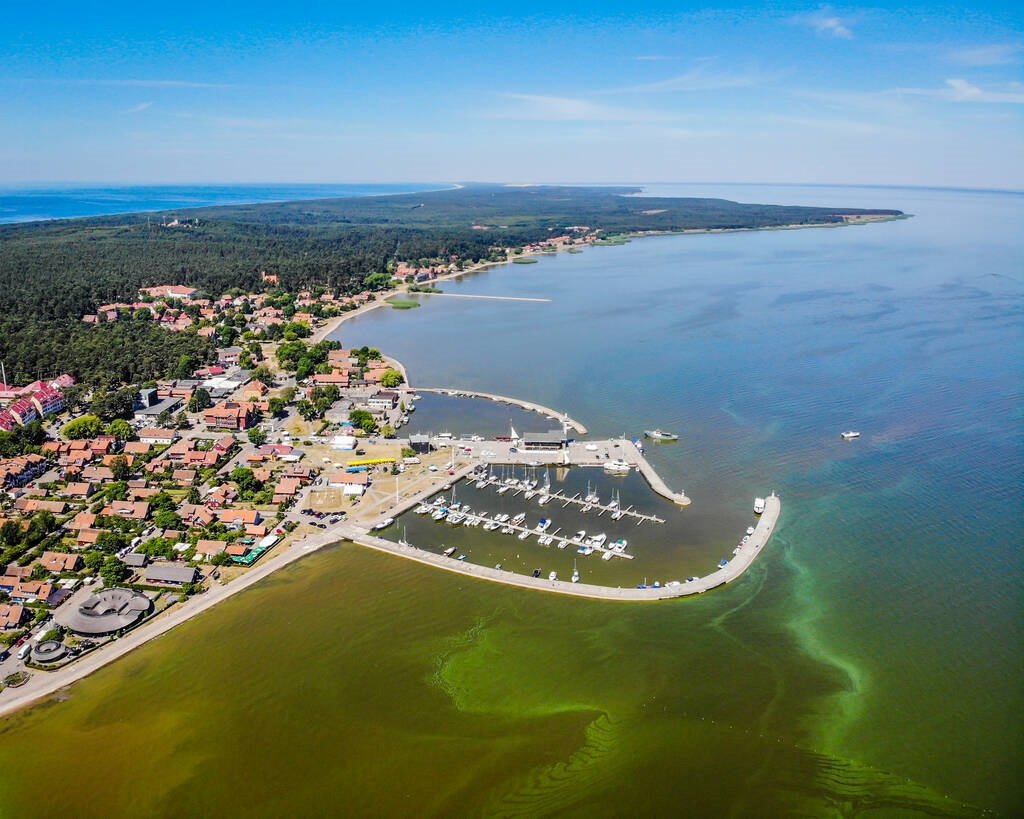
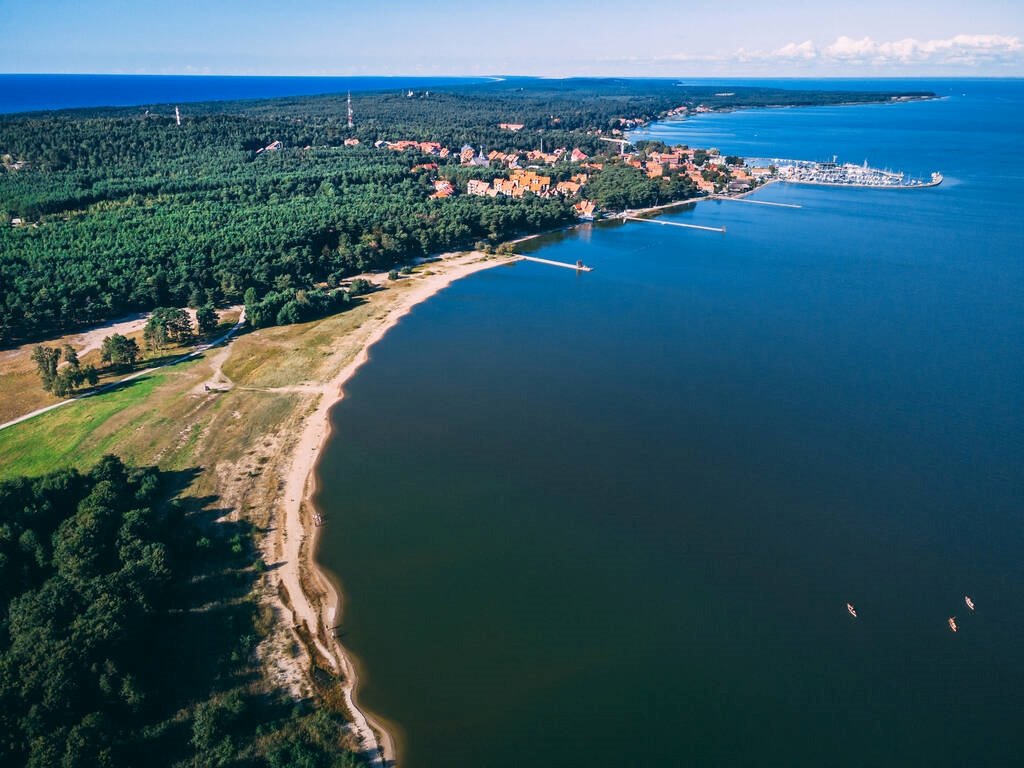
7. Nida, Lithuania – Curonian Spit Wonder
Why It’s Special: Nida sits on the Curonian Spit, a 98-kilometer sand dune peninsula that’s one of Europe’s most unique landscapes. This former fishing village, with its distinctive wooden houses and towering dunes, offers a completely different European coastal experience – one where the Sahara meets the Baltic.
Historical Significance: Nida has been inhabited since the 14th century, originally by Curonian tribes. The village survived Swedish wars, plague, and the “Great Dune Catastrophe” of the 18th century when moving sand dunes buried the entire settlement. The current village was rebuilt in the 19th century using traditional Curonian architecture.
Budget Considerations:
- Very affordable by European standards
- Meals: €8-18 per person
- Activities: €5-25 per day
- Excellent value for unique experiences
Accommodation Options: Nidos Banga offers modern comfort (€60-100/night). Traditional guesthouses provide authentic experiences (€30-60/night). Camping options are available for €15-25/night.
Campervan Spots: Several designated areas allow overnight parking (€10-15/night). Camping Nida offers full facilities (€15-25/night).
Summer Activities:
- Paragliding from Parnidis Dune
- Amber hunting on beaches
- Cycling the Curonian Spit
- Boat trips to Klaipėda
- Traditional fishing experiences
Winter Activities:
- Cross-country skiing
- Ice fishing
- Winter photography
- Local craft workshops
- Peaceful dune walks
Getting There: Ferry from Klaipėda (20 minutes) then drive or cycle to Nida.
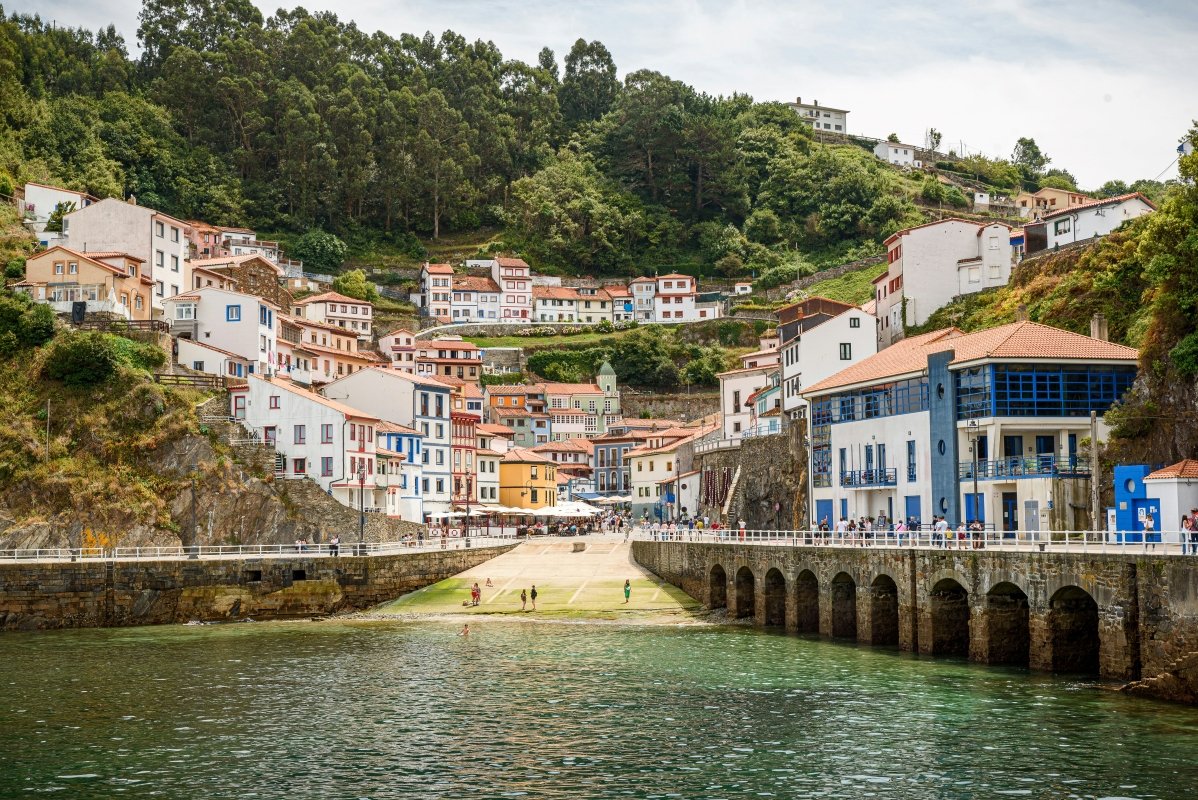
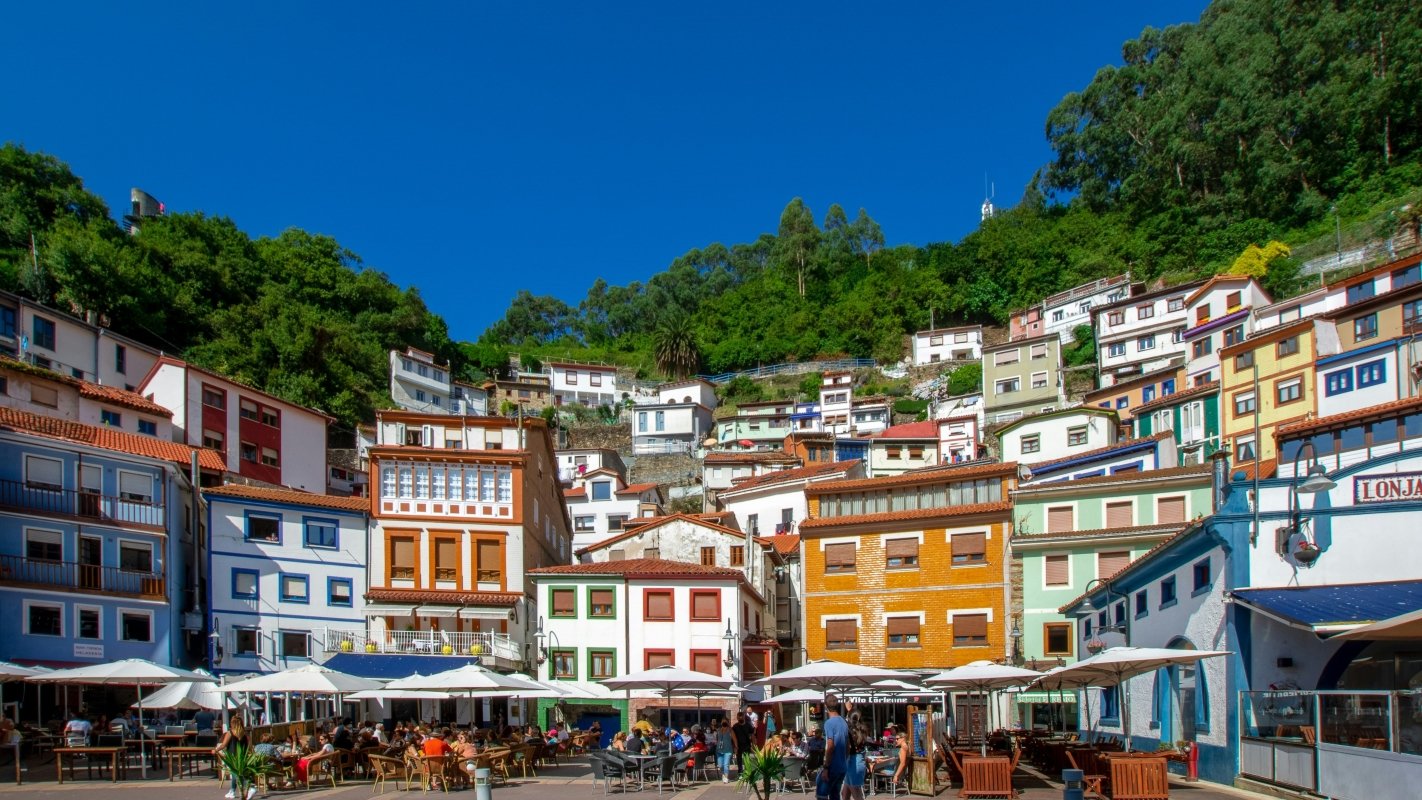
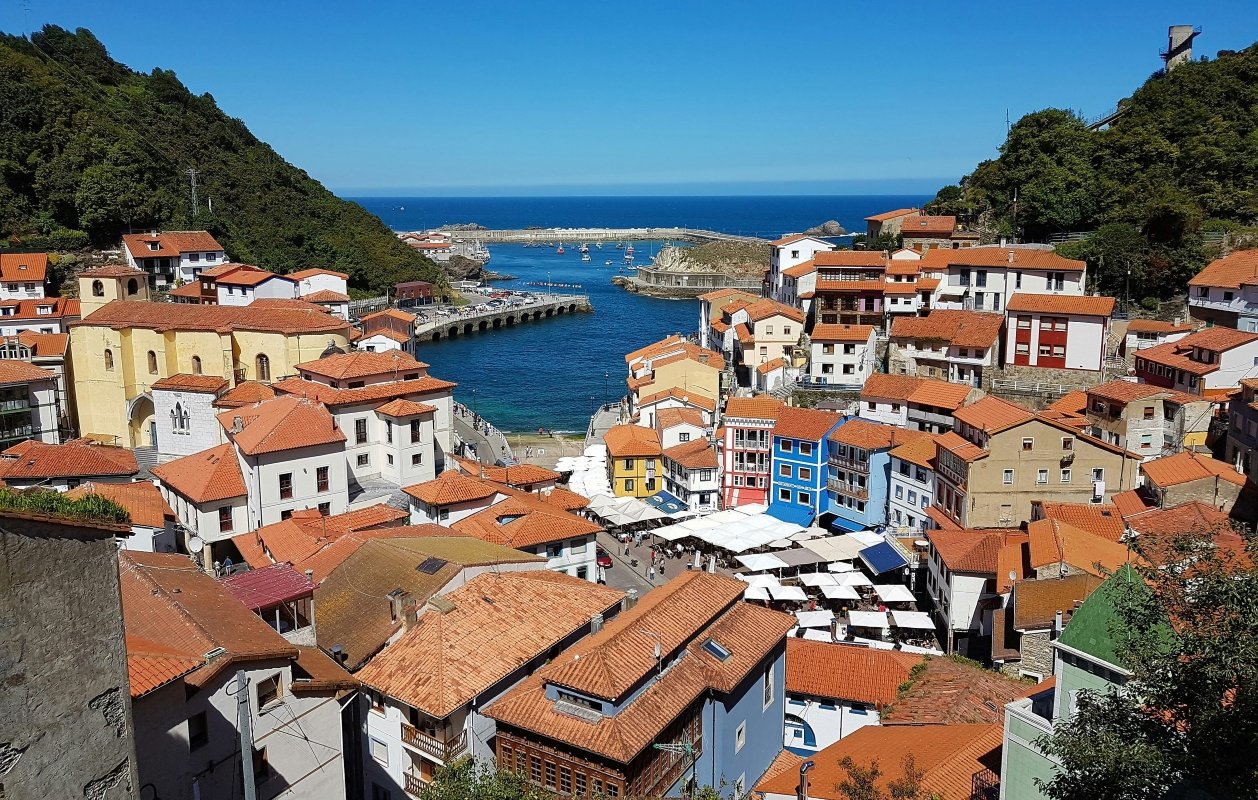
8. Cudillero, Spain – Asturian Amphitheater
Why It’s Special: Cudillero is Spain’s most theatrical fishing village, its colorful houses cascading down the hillside like seats in a natural amphitheater. This Asturian gem offers a completely different Spanish coastal experience – one where Celtic culture meets Spanish tradition, and cider flows as freely as wine.
Historical Significance: Founded in the 13th century, Cudillero has been a fishing port for over 700 years. The village’s unique architecture developed from its challenging topography – houses had to be built into the steep hillside. Cudillero’s fishing fleet was once one of northern Spain’s largest, specializing in sardines and anchovies.
Budget Considerations:
- Affordable Spanish pricing
- Meals: €12-22 per person
- Activities: €8-30 per day
- Excellent value for authentic experiences
Accommodation Options: Hotel Cudillero offers harbor views (€70-120/night). Casa rural options provide countryside charm (€45-80/night). Budget pensions start from €35-55/night.
Campervan Spots: Camping Cudillero (€18-28/night) is just outside town. Some designated parking areas allow overnight stays.
Summer Activities:
- Traditional Asturian festivals
- Cider house tours
- Coastal path hiking
- Sea fishing excursions
- Beach hopping along Costa Verde
Winter Activities:
- Storm watching from the harbor
- Traditional sidrerías (cider houses)
- Local craft shopping
- Peaceful countryside walks
- Photography of dramatic seascapes
Getting There: Drive from Oviedo (1 hour) or take buses from major Asturian cities.
9. Klima, Milos, Greece – Cycladic Gem
Why It’s Special: Klima is the fishing village that Instagram dreams are made of. These colorful boat garages (syrmata) built right into the cliffs create one of the most photogenic harbors in the Greek islands. Unlike many touristy Greek destinations, Klima maintains its authentic fishing village atmosphere.
Historical Significance: Klima has served as a fishing harbor for centuries, with its unique architecture developing from practical needs. The ground-floor boat garages protected fishing boats from winter storms, while families lived above. This traditional Cycladic adaptation to coastal living represents centuries of maritime wisdom.
Budget Considerations:
- Moderate Greek island pricing
- Meals: €15-25 per person
- Activities: €10-35 per day
- Shoulder seasons offer significant savings
Accommodation Options: Klima offers limited but charming options. Traditional houses converted to guesthouses (€60-120/night). Nearby Adamas has more choices (€40-100/night).
Campervan Spots: Camping Milos (€15-25/night) in Adamas. Wild camping is tolerated in designated areas but not encouraged.
Summer Activities:
- Swimming in crystal-clear waters
- Boat trips to nearby beaches
- Sunset photography sessions
- Snorkeling and diving
- Traditional Greek cooking classes
Winter Activities:
- Peaceful village exploration
- Local taverna experiences
- Hiking coastal trails
- Photography workshops
- Thermal spring visits
Getting There: Ferry from Piraeus (Athens) or fly to Milos Airport, then drive 10 minutes to Klima.
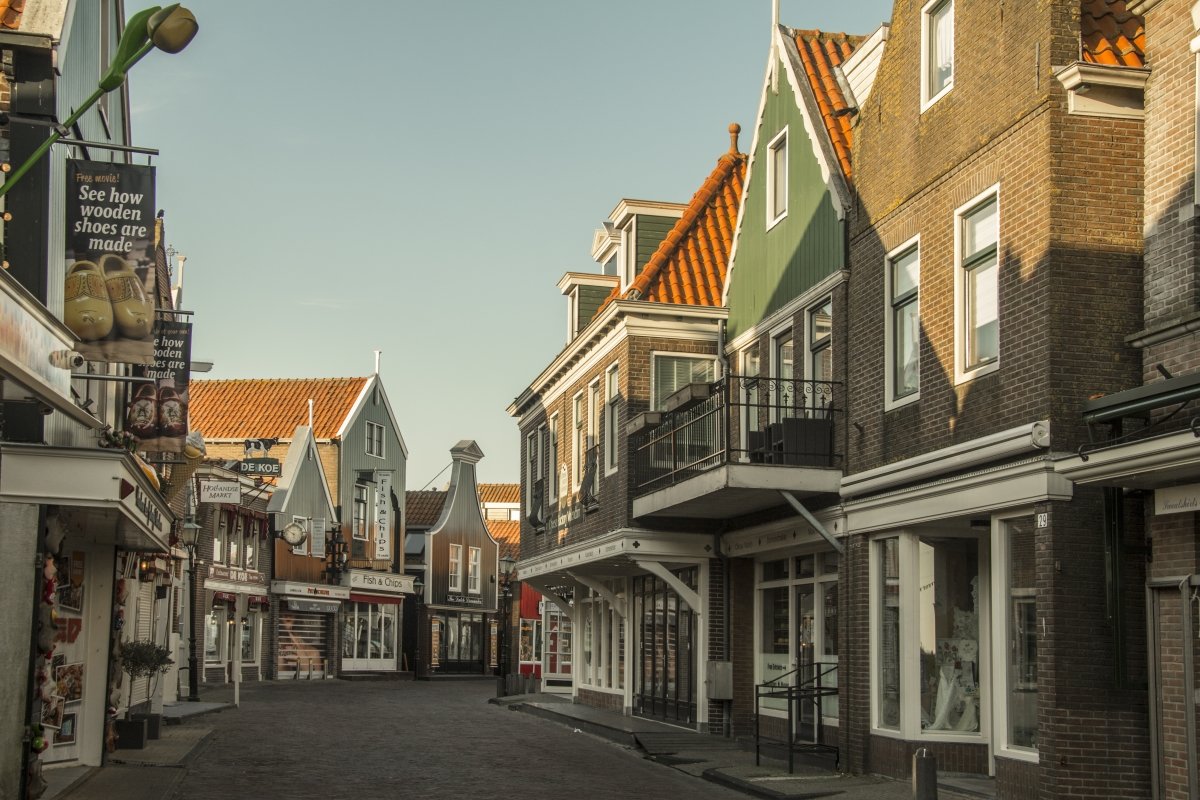
10. Volendam, Netherlands – Living Tradition
Why It’s Special: Volendam isn’t just a fishing village – it’s a living museum where traditional Dutch culture thrives. Famous for its distinctive costumes, cheese-making tradition, and musical heritage, this former fishing community on the Zuiderzee perfectly preserves Dutch maritime culture while embracing modern tourism.
Historical Significance: Founded in the 14th century, Volendam was originally a fishing village on the Zuiderzee. When the sea was enclosed and became the IJsselmeer in 1932, the village adapted by embracing tourism while maintaining its traditions. The village is famous for its traditional costumes, still worn during festivals and by some locals daily.
Budget Considerations:
- Moderate Dutch pricing
- Meals: €15-30 per person
- Activities: €8-25 per day
- Day trips from Amsterdam are popular
Accommodation Options: Hotel Spaander offers historic charm (€90-150/night). Local B&Bs provide cozy stays (€60-100/night). Amsterdam accommodations with day trips are common.
Campervan Spots: Camping De Badhoeve (€20-30/night) nearby. Some designated parking areas allow overnight stays.
Summer Activities:
- Traditional costume photography
- Cheese-making demonstrations
- Boat trips on IJsselmeer
- Cycling through Dutch countryside
- Local festival participation
Winter Activities:
- Cozy brown café experiences
- Traditional craft workshops
- Ice skating (when weather permits)
- Local museum visits
- Peaceful harbor walks
Getting There: Bus from Amsterdam (30 minutes) or drive via scenic routes through Dutch countryside.
Planning Your European Fishing Village Adventure
Best Time to Visit: Late spring through early fall (May-September) offers the warmest weather and longest days, but also the biggest crowds and highest prices. Shoulder seasons (April-May, September-October) provide excellent value with fewer tourists. Winter visits offer authentic local experiences and dramatic coastal beauty, though some services may be limited.
Getting Around: Renting a car provides the most flexibility for village hopping, especially for accessing remote locations and campervan spots. Public transportation connects most villages to major cities, but schedules can be limited. Consider regional rail passes for multi-country trips.
Photography Tips: Golden hour lighting (sunrise/sunset) transforms these villages into pure magic. Bring a tripod for low-light conditions and long exposures of harbors. Respect local privacy – always ask before photographing people, especially in traditional costumes.
Cultural Sensitivity: These are living communities, not theme parks. Respect local customs, support local businesses, and remember that residents go about their daily lives despite tourist interest. Learn a few basic phrases in the local language – it’s always appreciated.
Sustainable Travel: Choose accommodations and tour operators committed to preserving these communities’ character. Avoid overcrowded peak times when possible, and consider longer stays in fewer places rather than rushed village-hopping.
Each of these villages offers something unique – from Arctic grandeur to Mediterranean charm, from artistic inspiration to living traditions. Whether you’re drawn to dramatic landscapes, cultural heritage, or simply the timeless appeal of harbors and boats, Europe’s fishing villages promise experiences that will stay with you long after you’ve returned home.
Pack your camera, bring your sense of adventure, and prepare to fall in love with these coastal gems that prove some of Europe’s best treasures are found in its smallest places.
Disclaimer: Travel information, prices, and conditions are subject to change. Always verify current requirements, opening hours, and local regulations before traveling. Accommodation prices are approximate and vary significantly by season, availability, and booking platform. Activity prices and availability may change due to weather, seasonal operations, or local circumstances. This article is for informational purposes only and does not constitute professional travel advice. Travelers should consult official tourism websites, local authorities, and current travel advisories before making travel plans. The author and publisher are not responsible for any inconvenience, loss, or injury resulting from the use of this information.