





















TL;DR: Europe’s best cozy waterfront promenades , Discover Europe’s top-rated waterfront promenades where mild winters meet stunning seaside charm. From Nice’s sun-drenched Riviera to Porto’s golden-hour magic, these cozy coastal walks offer budget-friendly winter escapes with fewer crowds, authentic experiences, and temperatures that won’t freeze your camera battery.
- Why Winter Waterfront Walks Are Europe’s Best-Kept Secret
- 1. Promenade des Anglais, Nice, France ⭐⭐⭐⭐⭐
- The Jewel of the French Riviera
- What Makes It Special
- Interesting Facts
- Weather – Average Temperature
- Attractions/Things to Do (According to Users)
- Accommodation Options
- Shopping
- Local Traditions
- Outdoor Activities
- Budget Considerations
- Food/Signature Dishes
- Cultural Aspects
- Events
- Combo Trips
- Nearest Major Airport
- Useful Info
- 2. Lungomare Falcomatà, Reggio Calabria, Italy ⭐⭐⭐⭐⭐
- “The Most Beautiful Kilometer in Italy”
- What Makes It Special
- Interesting Facts
- Weather – Average Temperature
- Attractions/Things to Do (According to Users)
- Accommodation Options
- Shopping
- Local Traditions
- Outdoor Activities
- Budget Considerations
- Food/Signature Dishes
- Cultural Aspects
- Events
- Combo Trips
- Nearest Major Airport
- Useful Info
- 3. Ribeira Promenade, Porto, Portugal ⭐⭐⭐⭐⭐
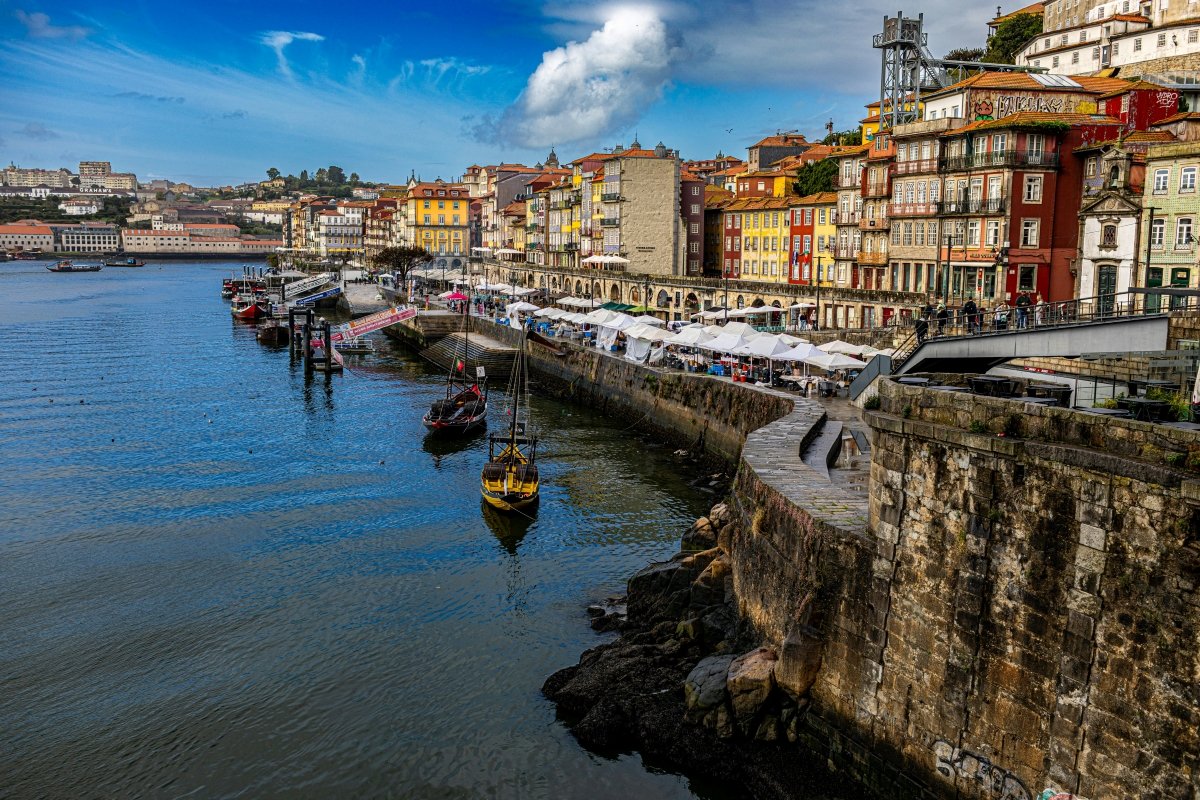
- Porto’s Golden-Hour Paradise
- What Makes It Special
- Interesting Facts
- Weather – Average Temperature
- Attractions/Things to Do (According to Users)
- Accommodation Options
- Shopping
- Local Traditions
- Outdoor Activities
- Budget Considerations
- Food/Signature Dishes
- Cultural Aspects
- Events
- Combo Trips
- Nearest Major Airport
- Useful Info
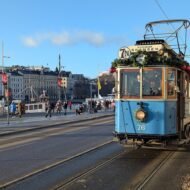
- 4. Strandvägen, Stockholm, Sweden ⭐⭐⭐⭐
- Scandinavia’s Elegant Waterfront Boulevard
- What Makes It Special
- Interesting Facts
- Weather – Average Temperature
- Attractions/Things to Do (According to Users)
- Accommodation Options
- Shopping
- Local Traditions
- Outdoor Activities
- Budget Considerations
- Food/Signature Dishes
- Cultural Aspects
- Events
- Combo Trips
- Nearest Major Airport
- Useful Info
- 5. Nyhavn, Copenhagen, Denmark ⭐⭐⭐⭐
- Copenhagen’s Colorful Canal Darling
- What Makes It Special
- Interesting Facts
- Weather – Average Temperature
- Attractions/Things to Do (According to Users)
- Accommodation Options
- Shopping
- Local Traditions
- Outdoor Activities
- Budget Considerations
- Food/Signature Dishes
- Cultural Aspects
- Events
- Combo Trips
- Nearest Major Airport
- Useful Info
- Quick Comparison Table
- Sample Itineraries
- The Mediterranean Warmth Seeker (12 Days)
- The Southern Italy Explorer (10 Days)
- The Nordic Winter Wonder (7 Days)
- The Grand European Waterfront Tour (16 Days)
- The Long Weekend City Break (3-4 Days)
- Practical Planning Tips
- Best Overall Value
- Best Weather Guarantee
- Most Instagram-Worthy
- Best for Foodies
- Best Transportation Hub
- Final Packing List for Winter Waterfront Walks
- Recap: Your Waterfront Promenade Decision Matrix
- Disclaimer
- The Bottom Line
Why Winter Waterfront Walks Are Europe’s Best-Kept Secret
Forget what you know about European winter travel. While everyone’s fighting crowds at Christmas markets, savvy travelers are discovering something magical: waterfront promenades in winter. Think crisp Mediterranean mornings, golden sunset strolls without the summer mobs, and restaurant reservations you can actually get. Your Instagram feed (and wallet) will thank you.
1. Promenade des Anglais, Nice, France ⭐⭐⭐⭐⭐
The Jewel of the French Riviera
User Rating: Exceptional (9.2/10 based on 15,000+ reviews)
What Makes It Special
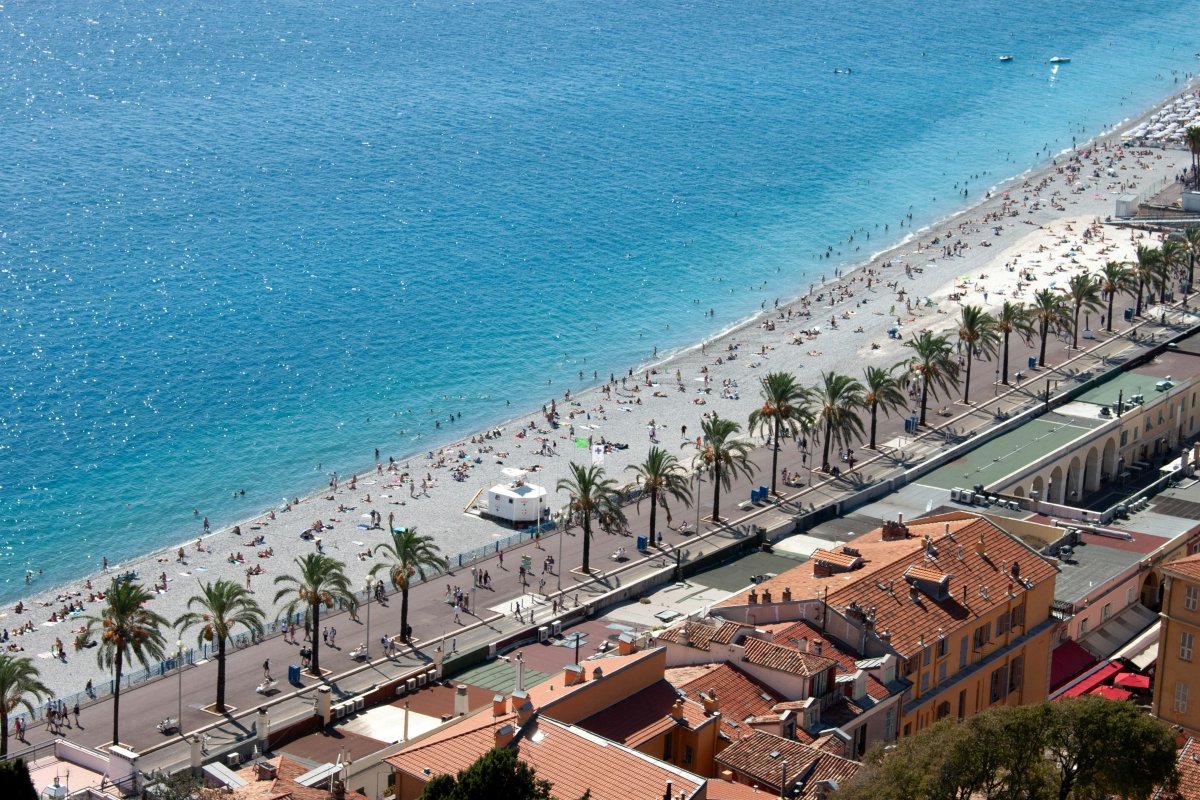
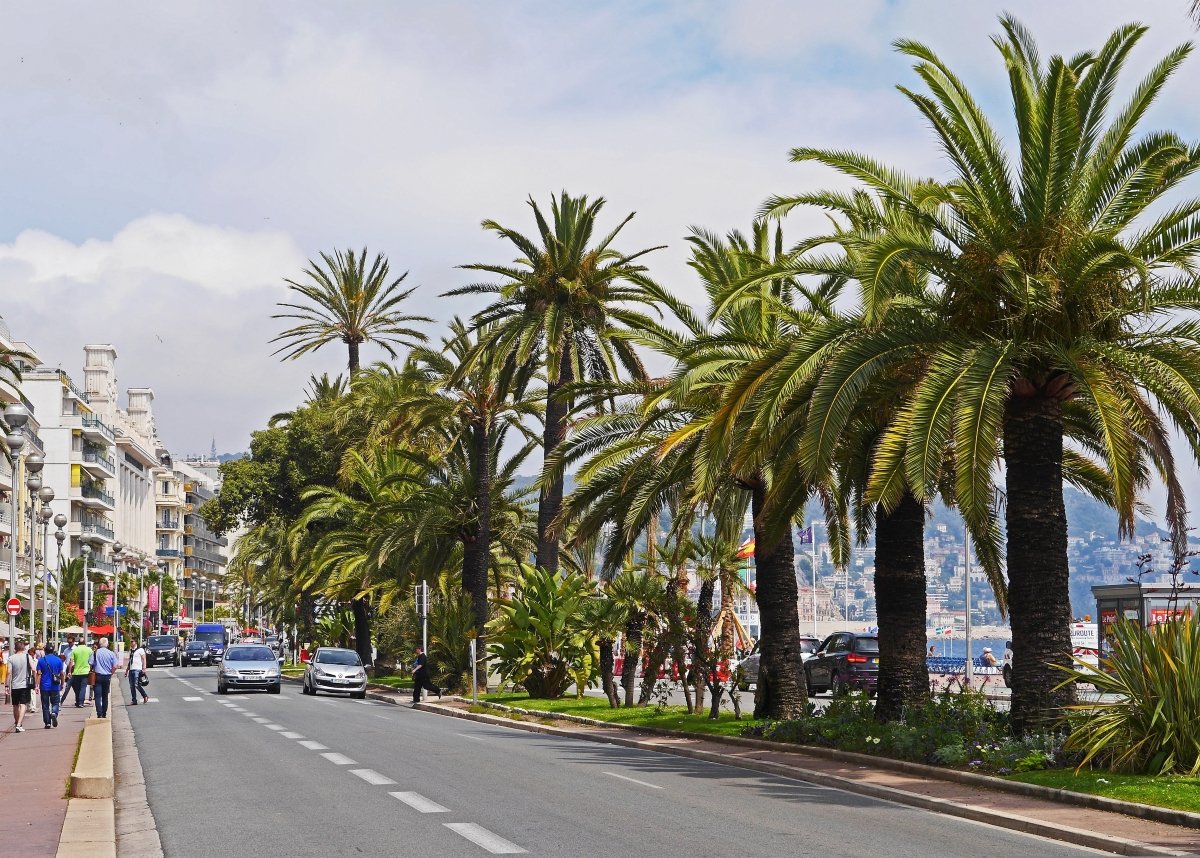
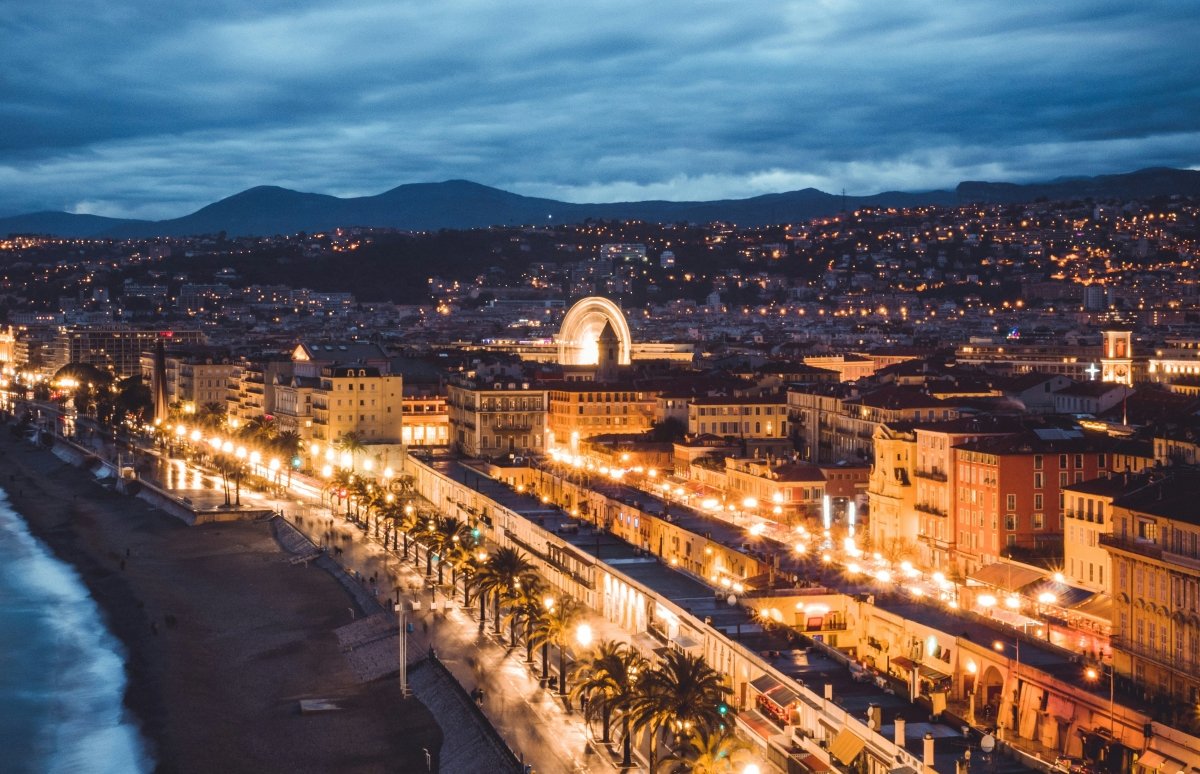
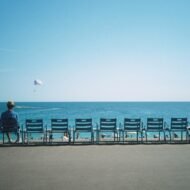
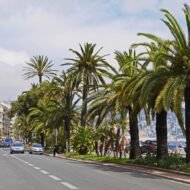
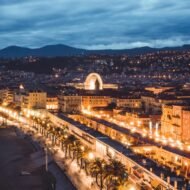
Built by English aristocrats in the 1820s as their winter escape route (they knew what they were doing), this 7km palm-lined walkway along the Baie des Anges isn’t just a promenade—it’s the beating heart of Riviera glamour. Travelers rave about the “perfect blend of elegance and accessibility,” with one reviewer noting it’s “the soul of Nice” where you can “watch the city wake up” with joggers, cyclists, and locals sipping cappuccinos.
Interesting Facts
- The iconic blue chairs (“chaises bleues”) were installed in 1887 and have become a symbol of Nice
- Funded by a British reverend during a harsh winter to provide work for beggars
- Home to the legendary Belle Époque Hotel Negresco—so fancy it’s a National Monument
- Site of the annual Nice Carnival in February, one of the world’s largest winter festivals
Weather – Average Temperature
Winter (January): Highs 13°C (55°F) | Lows 5°C (41°F)
Summer (July): Highs 27°C (81°F) | Lows 20°C (68°F)
What to Expect at a Glance:
Winter: Mild and sunny (6hrs daily sunshine), occasional rain, too cold for swimming but perfect for walking. Pack layers.
Summer: Hot Mediterranean weather, crowded beaches, ideal for swimming (24°C sea temp), expensive. Book ahead.
Attractions/Things to Do (According to Users)
Top-Rated Activities:
- Early morning jogs or sunset walks – “The best light and cooler temps,” says every photographer
- Cycle the full 7km – Dedicated bike lanes make this effortless
- Blue chair people-watching – Free entertainment, priceless memories
- Visit Castle Hill – 20-minute climb rewards you with panoramic Bay of Angels views
- Explore Old Town (Vieux Nice) – Medieval maze of baroque architecture and food markets
- Museum hopping – Matisse Museum, Marc Chagall Museum (quieter in winter)
- Day trips – Monaco (25 min), Cannes (30 min), Villefranche-sur-Mer
Accommodation Options
Budget: Hostels in Old Town (€25-40/night) Mid-Range: Adagio Nice Promenade (€80-120/night) – right on the waterfront Luxury: Hotel Negresco (€300+/night) – historic glamour personified Local Tip: Book apartments in the Musicians’ Quarter for authenticity and value
Shopping
- Cours Saleya Market – flowers, produce, local artisan goods (closed Mondays)
- Avenue Jean Médecin – main shopping street (Galeries Lafayette, Zara, local boutiques)
- Boutiques in Old Town – soaps, olive oils, lavender products
- Provençal crafts – hand-painted ceramics, linens
Local Traditions
- Aperitif culture – Join locals for pre-dinner drinks and olives around 6pm
- Socca – Chickpea pancake, a Nice specialty you MUST try
- Passeggiata – Evening stroll tradition (imported from Italy)
Outdoor Activities
- Coastal walking/jogging
- Cycling the promenade
- Sea kayaking (for the brave in winter)
- Hiking Cap Ferrat or Eze village
Budget Considerations
Daily Budget:
- Budget traveler: €50-70 (hostel, markets, street food)
- Mid-range: €100-150 (decent hotel, mix of restaurants)
- Luxury: €200+ (waterfront hotels, fine dining)
Money-Saving Tips:
- Eat socca and pan bagnat from street vendors
- Free walking tours of Old Town
- Museums often free first Sunday of month
- Winter prices 30-50% lower than summer
Food/Signature Dishes
Must-Try Niçoise Specialties:
- Socca – Crispy chickpea pancake (€3-5)
- Salade Niçoise – The REAL version (no lettuce, no cooked veg)
- Pan bagnat – Tuna sandwich on steroids
- Pissaladière – Onion and anchovy tart
- Daube niçoise – Hearty beef stew (perfect for winter)
- Ratatouille – Not the Disney version
Where to Eat:
- Chez Pipo (socca heaven)
- Lou Pilha Leva (authentic Old Town)
- René Socca (locals’ favorite)
Cultural Aspects
Nice blends French sophistication with Italian warmth (it was part of Italy until 1860). Expect friendly locals who’ll switch to English, but appreciate a “Bonjour” first. The city celebrates its Niçois culture proudly—you’ll hear the local dialect and see the red-and-white flag everywhere.
Events
- Nice Carnival (February) – 2 weeks of parades, flowers, music
- Christmas markets (December)
- New Year’s fireworks on the beach
Combo Trips
Perfect 7-Day Itinerary:
- Days 1-3: Nice (Promenade, Old Town, museums)
- Day 4: Monaco/Monte Carlo (25 min train)
- Day 5: Antibes & Cannes (30-45 min)
- Day 6: Èze village & Villefranche (30 min)
- Day 7: Back to Nice or Menton
Weekend Warriors:
- Friday evening: Arrive, stroll promenade at sunset
- Saturday: Old Town + Castle Hill morning, Monaco afternoon
- Sunday: Beach walk, leisurely lunch, departure
Nearest Major Airport
Nice Côte d’Azur Airport (NCE)
- 7km from city center
- €1.50 tram (Line 2) to city center (20 min)
- €35-40 taxi to Promenade
- Well connected to European cities
Useful Info
Getting Around:
- Tram system (€1.50 single, €5 day pass)
- Very walkable city
- Bike rentals available
When to Visit:
- Winter (Dec-Feb): Mild, fewer crowds, budget-friendly
- Spring (Mar-May): Perfect weather, flowers blooming
- Summer (Jun-Aug): Hot, crowded, expensive
- Fall (Sep-Nov): Pleasant, grape harvest season
Language: French (English widely spoken in tourist areas)
2. Lungomare Falcomatà, Reggio Calabria, Italy ⭐⭐⭐⭐⭐
“The Most Beautiful Kilometer in Italy”
User Rating: Exceptional (9.3/10 based on 2,100+ reviews)
What Makes It Special
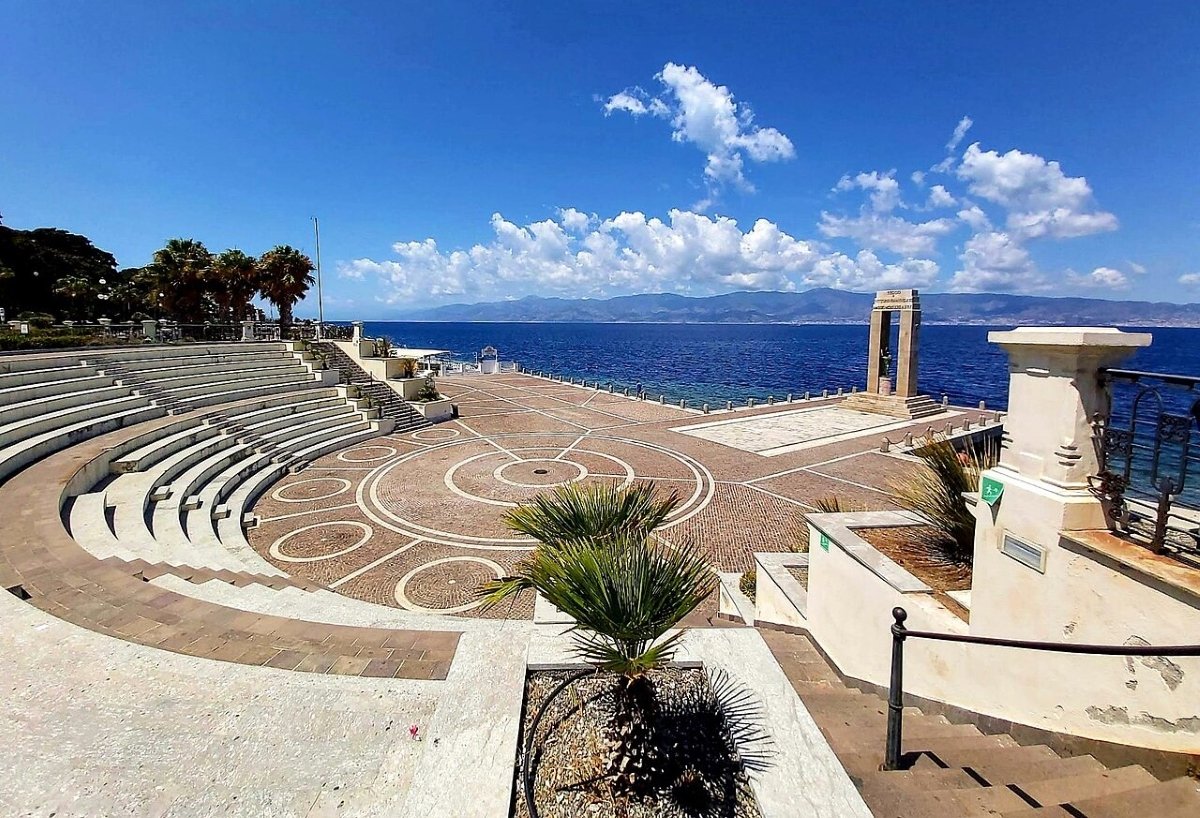
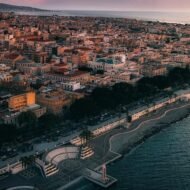
Dubbed by poet Gabriele D’Annunzio as “the most beautiful kilometer in Italy,” Lungomare Falcomatà is where the Mediterranean puts on its finest show. This 1.7km marble-paved promenade runs along the Strait of Messina with Sicily so close you feel you could touch it—and on clear days, Mount Etna rising majestically in the background. Travelers are blown away by the “spectacular views,” “stunning atmosphere,” and the unique sensation of standing between two shores. One visitor captured it perfectly: “The view across the strait to Sicily with Etna in the background is absolutely breathtaking—this is the heartbeat of the city.”
Interesting Facts
- Built after the devastating 1783 earthquake that destroyed much of Reggio
- Paved in elegant black-and-white marble creating a sophisticated chessboard effect
- Named after Italo Falcomatà, former mayor who restored the waterfront in the 1970s
- Home to enormous centuries-old Ficus trees—some of the largest in Europe
- Features modern art installations including works by sculptor Rabarama
- Arena dello Stretto amphitheater hosts summer concerts and DJ sets
- You can see THREE UNESCO World Heritage sites from here: Etna, Aeolian Islands, Taormina
- Reggio is mainland Italy’s closest point to Sicily (just 3km across the strait)
Weather – Average Temperature
Winter (January): Highs 13°C (55°F) | Lows 9°C (48°F)
Summer (August): Highs 29-30°C (84-86°F) | Lows 23°C (73°F)
What to Expect at a Glance:
Winter: Mild Mediterranean climate, sunny periods with occasional rain. Perfect for comfortable walking. Sea views clearer without summer haze.
Summer: HOT and sunny (can hit 40°C+ during heat waves). Minimal rain. Transforms into outdoor entertainment hub with DJ sets and festivals. Sea swimming ideal (26°C).
Attractions/Things to Do (According to Users)
Top-Rated Activities:
- Sunset walks – “One of the most beautiful sunsets in the world”
- Mount Etna spotting – Clear day views of the volcano are spectacular
- Museo Archeologico Nazionale – Houses the famous Bronzi di Riace (Greek bronze statues)
- Arena dello Stretto – Summer evening concerts and DJ sets (July-September)
- Sicily ferry trips – 20-minute crossing to Messina (€7-8 round trip)
- Bergamot gelato tasting – Local citrus specialty unique to this region
- Corso Garibaldi shopping – Elegant main street one block up from promenade
- Beach clubs (Lidos) – Four establishments right below the promenade
- Cycling/jogging – Flat, wide promenade perfect for activity
- People-watching – Locals embrace the passeggiata tradition nightly
Accommodation Options
Budget: B&Bs and guesthouses (€40-60/night) Mid-Range: Hotel Medinblu (€70-100/night) – near the waterfront Boutique: Grand Hotel Excelsior (€100-150/night) – historic seafront property Local Tip: Stay near Piazza Duomo for central location and authentic neighborhood feel
Shopping
- Corso Garibaldi – Main shopping street (elegant boutiques, international chains)
- Bergamot products – Essential oils, soaps, liqueurs (local specialty)
- Ceramics and crafts – Calabrian artisanal goods
- ‘Nduja – Spicy spreadable salami to take home
- Local markets – Fresh produce, cheese, cured meats
Local Traditions
- Passeggiata – Evening stroll along the lungomare (social institution)
- Bergamot cultivation – 80% of world’s bergamot grows here (used in Earl Grey tea)
- Greek heritage – Part of ancient Magna Graecia, visible in dialect and culture
- Strong espresso culture – Coffee breaks are sacred
- Festival della Madonna della Consolazione (September) – City’s biggest religious celebration
Outdoor Activities
- Waterfront walking and jogging
- Swimming at the beach clubs below
- Ferry trips to Sicily and Aeolian Islands
- Hiking Aspromonte National Park (nearby mountains)
- Scilla beach day trip (beautiful fishing village, 30 min)
Budget Considerations
Daily Budget:
- Budget: €40-60 (guesthouse, street food, markets)
- Mid-range: €80-120 (nice hotel, restaurant dining)
- Luxury: €150+ (upscale hotels, fine dining)
Southern Italy Advantage:
- Significantly cheaper than Northern Italy
- Excellent value for authentic Italian experience
- Restaurant meals €10-20 per person
- Aperitivo culture (drinks with free snacks)
Food/Signature Dishes
Calabrian Specialties:
- ‘Nduja – Spicy, spreadable pork salami (Calabria’s gift to the world)
- Swordfish – Caught fresh in the Strait of Messina
- Pesce spada alla ghiotta – Swordfish with tomato, capers, olives
- Pasta alla Norma – Eggplant, ricotta salata (Sicilian influence)
- Bergamot everything – Liqueurs, marmalades, candies
- Gelato al bergamotto – Must-try at Cesare gelateria
- Tartufo di Pizzo – Ice cream dessert (from nearby Pizzo)
- Cipolla rossa di Tropea – Sweet red onions in salads
- Pecorino calabrese – Sharp sheep’s cheese
Where to Eat:
- Restaurants along Via Marina (sea views, moderate prices)
- Cesare (famous for bergamot gelato)
- Ristorante Bonaccorsi (traditional Calabrian)
- Street food vendors (arancini, panini)
Cultural Aspects
Reggio Calabria sits at Italy’s southern tip, a crossroads of Greek, Roman, Byzantine, Norman, and Arab influences. The city has a proud but often overlooked heritage—locals will passionately defend Calabria’s beauty and importance in Magna Graecia history. Expect warmth and hospitality, strong family values, and a slower southern Italian pace. The Greek connection remains strong in local dialect and traditions. Some locals speak both Italian and the Calabrian Greek dialect (Grecanico).
Events
- Summer Arena dello Stretto concerts (July-September) – DJ sets, live music
- Festa della Madonna (September) – Major religious procession
- Bergamot Festival (when in season)
- New Year’s Eve – Fireworks over the strait
- Greek film festival (celebrating Magna Graecia heritage)
Combo Trips
Perfect Calabria Week:
- Days 1-2: Reggio Calabria (Lungomare, museum, Sicily day trip)
- Day 3: Scilla (charming fishing village, 30 min north)
- Day 4: Tropea (cliff-top town, stunning beaches, 1.5 hours)
- Day 5: Pizzo (tartufo ice cream town, 2 hours)
- Day 6: Aspromonte National Park (mountain hiking)
- Day 7: Return to Reggio or continue to Sicily
Sicily Connection (5 Days):
- Days 1-2: Reggio Calabria
- Ferry to Messina (20 min)
- Day 3: Taormina (1 hour from Messina)
- Day 4: Mount Etna excursion
- Day 5: Return via Messina
Weekend Escape:
- Friday: Arrive, sunset walk, aperitivo
- Saturday: Museum morning, Sicily ferry afternoon, dinner with Etna views
- Sunday: Beach club relaxation, final stroll, departure
Nearest Major Airport
Reggio Calabria Airport “Tito Minniti” (REG)
- 4km from city center
- €20-25 taxi to lungomare
- Limited international flights (mostly domestic + some European)
Alternative: Lamezia Terme International Airport (SUF)
- 103km north (better international connections)
- Train to Reggio (2 hours, €15-20)
- Car rental option for exploring Calabria
From Sicily: Catania Airport (CTA)
- 100km from Reggio (via ferry from Messina)
- Good option if combining Sicily trip
Useful Info
Getting Around:
- Highly walkable waterfront
- Local buses available
- Taxis affordable
- Car rental useful for exploring region
- Ferry to Sicily from Villa San Giovanni (15 min drive) or Reggio port
When to Visit:
- Winter (Nov-Mar): Mild, quiet, clear Etna views, budget-friendly
- Spring (Apr-May): Perfect weather, flowers, comfortable
- Summer (Jun-Aug): Hot, lively, beach season (can be extremely hot)
- Fall (Sep-Oct): Warm, harvest season, festivals
Language: Italian (less English than major tourist cities—bring a phrasebook or app!)
Safety Note: Reggio is safe for tourists. Despite Calabria’s reputation, tourist areas are completely fine.
Local Insight: Visit early morning or late afternoon for the best light on the strait. Locals pack the lungomare from 8pm onwards for the passeggiata—join them!
3. Ribeira Promenade, Porto, Portugal ⭐⭐⭐⭐⭐
Porto’s Golden-Hour Paradise
User Rating: Outstanding (9.0/10 based on 12,000+ reviews)
What Makes It Special
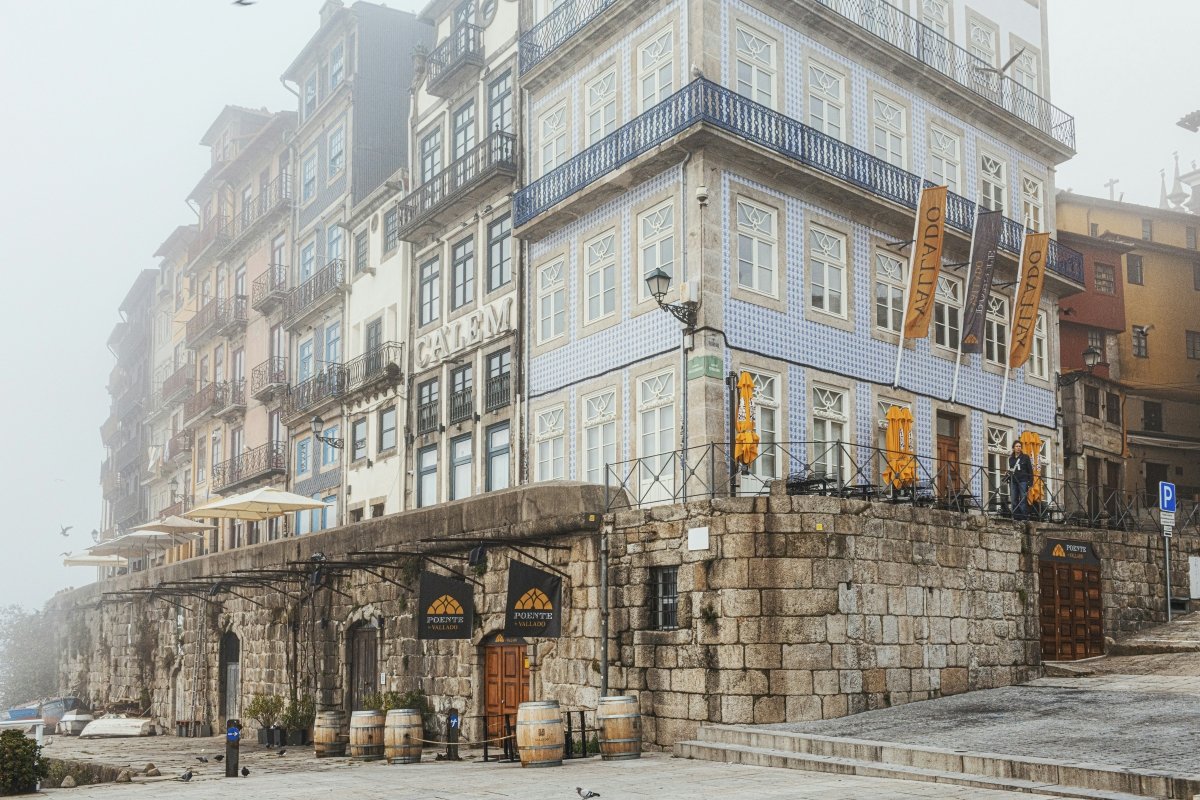
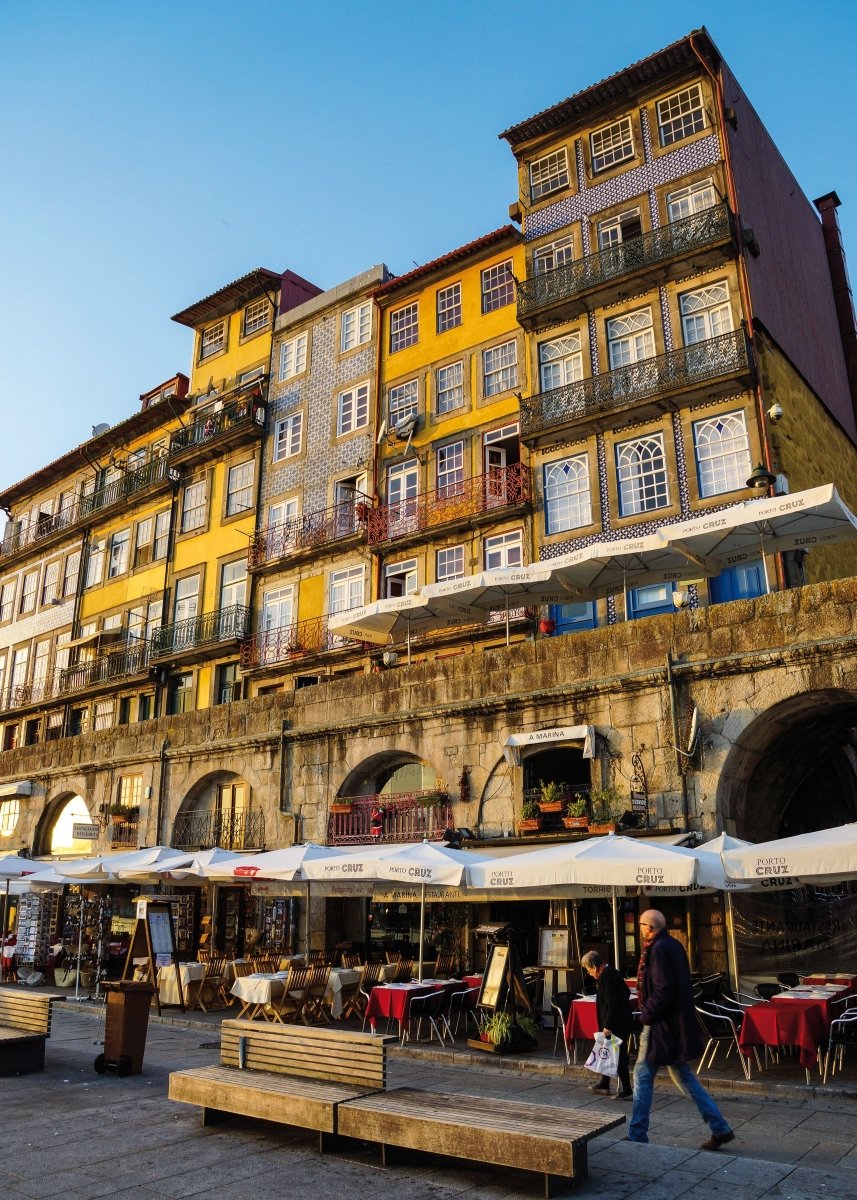
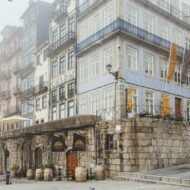
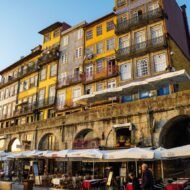
If Nice is polished elegance, Porto’s Ribeira is raw, soulful beauty. This UNESCO World Heritage waterfront along the Douro River is where colorful 18th-century townhouses cascade down to the water like a spilled box of crayons. Visitors describe it as “the beating heart of Porto” with “extraordinary light” that turns the façades “gold at sunset while the river shimmers beneath.” One traveler summed it up: “It’s worth the trip to Porto for this view alone.”
Interesting Facts
- One of Europe’s oldest neighborhoods (medieval origins)
- The colorful “casario” townhouses were fishermen’s homes
- Dom Luís I Bridge overhead has two levels—the top one is “terrifyingly high”
- All those Port wine lodges across the river? You can taste your way through them
- The area was considered “unsanitary” until the 1970s revitalization
Weather – Average Temperature
Winter (January): Highs 14°C (57°F) | Lows 5-8°C (41-46°F)
Summer (July): Highs 25°C (77°F) | Lows 16°C (61°F)
What to Expect at a Glance:
Winter: Moody with mist, rain (15 days/month), dramatic atmosphere. Damp chill requires warm layers. Beautiful golden light when sun breaks through.
Summer: Warm and pleasant, less rain, perfect for exploring. Can get hot inland. Sea still refreshing (17-19°C).
Attractions/Things to Do (According to Users)
Top-Rated Activities:
- Sunset viewing from Jardim do Morro (across the river) – “The façades glow orange and yellow”
- Dom Luís I Bridge walk – Take the lower level unless you’re fearless
- Port wine cellar tours – Taylor’s, Graham’s, Sandeman (all in Vila Nova de Gaia)
- São Bento Station – “Stunning azulejo tile murals” (ceramic art)
- Igreja do Carmo – Church covered in blue tiles
- Livraria Lello – “Most beautiful bookstore” (inspired Harry Potter—book ahead!)
- Cruise the Douro – See the city from the water
Accommodation Options
Budget: Porto hostels (€20-35/night) – many with Douro views Mid-Range: Apartments in Ribeira (€60-90/night) Boutique: The Yeatman (€150-250/night) – wine hotel with panoramic views Luxury: InterContinental Porto (€200+/night) Local Tip: Stay in Vila Nova de Gaia for river views of Ribeira at better prices
Shopping
- Rua das Flores – Boutiques, artisan shops
- Bolhão Market – Traditional covered market (renovated 2023)
- Port wine shops – Every lodge has retail
- Azulejo tiles – Authentic handmade ceramics
- Sardine tins – Quirky Portuguese souvenirs
Local Traditions
- Francesinha – Porto’s famous “little French girl” sandwich (heart attack on a plate)
- Port wine – Not just for dessert here
- Bifana – Pork sandwich (street food perfection)
- Afternoon coffee culture – Strong espresso, not lingering
Outdoor Activities
- Riverside walks along both banks
- Hiking up to Porto Cathedral
- Douro Valley day trips (vineyards)
- Surfing at nearby beaches (Matosinhos)
Budget Considerations
Daily Budget:
- Budget: €40-60 (hostel, tascas, street food)
- Mid-range: €80-120 (nice hotel, restaurant mix)
- Luxury: €150+ (boutique hotels, fine dining)
Money-Saving Wins:
- Francesinha for lunch (€8-12, huge portion)
- Free port tastings at some cellars
- Many churches free entry
- Gorgeous walks = free entertainment
Food/Signature Dishes
Porto Classics:
- Francesinha – Meat sandwich with melted cheese, beer sauce
- Bacalhau à Brás – Salt cod with potatoes, eggs
- Bifana – Marinated pork sandwich
- Alheira – Smoked sausage (originally made to hide Jewish identity)
- Tripas à moda do Porto – Tripe stew (Porto’s “tripeiros” nickname comes from this)
- Pastel de nata – Custard tart (everywhere, all the time)
Where to Eat:
- Cantina 32 (riverside, book ahead)
- Casa Guedes (bifana central)
- Restaurante Casario (traditional, in Ribeira)
- Taberninha do Manel (locals’ spot)
Cultural Aspects
Porto is prouder, grittier, more working-class than Lisbon. Locals (“Tripeiros”) are warm once you break the ice. The city wears its history on its crumbling facades and azulejo walls. Street art is everywhere. Expect a slower pace than capitals—this is Portugal’s industrial heart with soul.
Events
- São João Festival (June 23-24) – Biggest party of the year
- Port Wine Day (September)
- Christmas markets (December)
- Serralves em Festa (May/June) – Art festival
Combo Trips
Perfect Porto Week:
- Days 1-2: Porto city (Ribeira, cellars, churches)
- Day 3: Douro Valley wine tour
- Day 4: Guimarães (“Birthplace of Portugal,” 1 hour away)
- Day 5: Braga (churches, Bom Jesus do Monte)
- Day 6: Aveiro (“Venice of Portugal,” 1 hour south)
- Day 7: Beach day at Matosinhos or Costa Nova
Long Weekend:
- Friday: Arrive, Ribeira sunset, Port wine
- Saturday: City walking tour, Livraria Lello, cellars
- Sunday: Douro Valley day trip
- Monday: Leisurely morning, departure
Nearest Major Airport
Francisco Sá Carneiro Airport (OPO)
- 11km from city
- Metro Line E to city center (€2, 30 min)
- €25-30 taxi
- Good European connections
Useful Info
Getting Around:
- Very walkable (bring good shoes—cobblestones + hills)
- Metro system (€1.20 single)
- Vintage tram 28 (sorry, that’s Lisbon—but Porto has tram 1!)
- Uber works well
When to Visit:
- Winter (Nov-Mar): Wet but atmospheric, low prices
- Spring (Apr-May): Ideal weather, flowers
- Summer (Jun-Aug): Hot, crowded
- Fall (Sep-Oct): Beautiful, grape harvest
Language: Portuguese (less English than Spain, but tourist areas fine)
4. Strandvägen, Stockholm, Sweden ⭐⭐⭐⭐
Scandinavia’s Elegant Waterfront Boulevard
User Rating: Highly Rated (8.5/10 based on 8,000+ reviews)
What Makes It Special
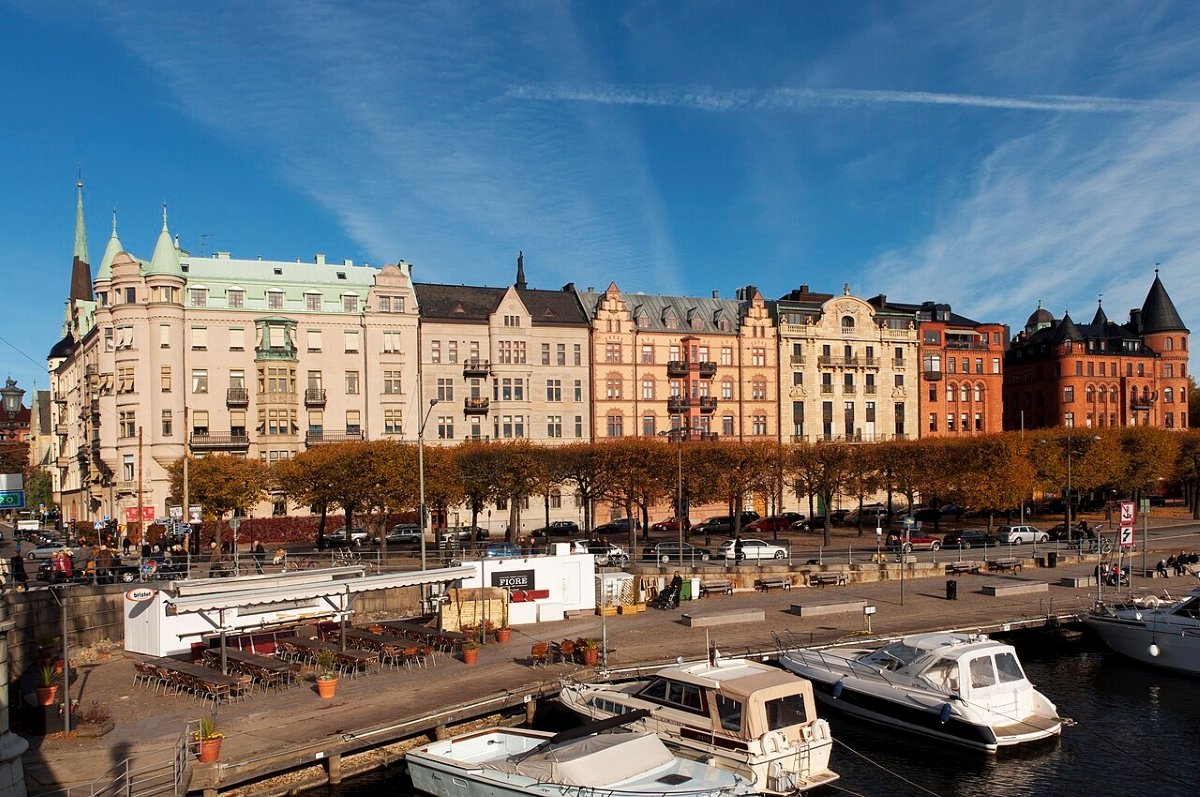
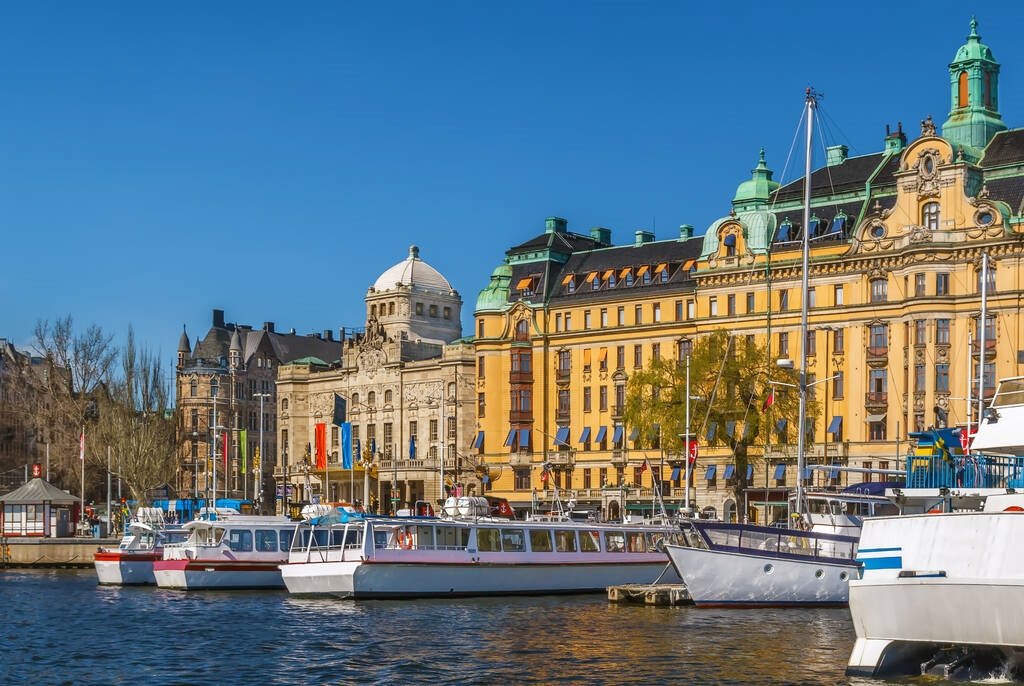
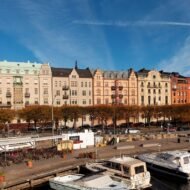
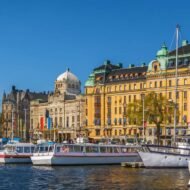
Stockholm’s answer to the Champs-Élysées, but with Baltic Sea views instead of Arc de Triomphe. This prestigious 1km boulevard stretches from Nybroplan to Djurgårdsbron bridge, flanked by palatial late-19th-century buildings on one side and yacht-filled docks on the other. Travelers call it “the most pleasant boulevard in Stockholm” with “magnificent architecture” and “perfect combination of serenity and livelihood.” One reviewer declared it “my favourite promenade in the whole of Scandinavia.”
Interesting Facts
- Built 1897-1901 for the Stockholm World’s Fair
- Buildings designed in National Romantic style (very Swedish)
- Once home to Swedish nobility and industrialists
- Ferries depart here for the Stockholm Archipelago (14,000 islands!)
- Still Stockholm’s most expensive address
- Some embassy residences line the street
Weather – Average Temperature
Winter (January): Highs 1°C (34°F) | Lows -4.5°C (24°F)
Summer (July): Highs 22°C (72°F) | Lows 14°C (57°F)
What to Expect at a Glance:
Winter: Properly cold with frozen harbors, short days (3pm sunset), minimal sun. Magical Christmas atmosphere. Thermal layers essential.
Summer: Perfect mild weather, white nights (18hrs daylight), ideal for outdoor activities. Busy tourist season.
Attractions/Things to Do (According to Users)
Top-Rated Activities:
- Vasa Museum (Djurgården) – Preserved 17th-century warship, mind-blowing
- Nordic Museum – Cultural history of Scandinavia
- Skansen Open-Air Museum – Living history village
- Archipelago boat tours – Even in winter (bring warm drinks!)
- Royal Dramatic Theatre nearby
- Photography – “Impressive architecture, everything is scenic”
- Waterfront cafés – Warm up with fika (coffee + pastries)
Accommodation Options
Budget: City hostels (€40-60/night) Mid-Range: Hotel Diplomat (€150-200/night) – directly on Strandvägen Luxury: Grand Hotel Stockholm (€300+/night) – waterfront palace Alternative: Södermalm neighborhood for hipster vibes and lower prices
Shopping
- NK (Nordiska Kompaniet) – Department store nearby
- Design shops on Strandvägen – Scandinavian minimalism
- Svenskt Tenn – Famous Swedish design house
- Östermalms Saluhall – Upscale food market (renovated 2020)
Local Traditions
- Fika – Coffee and pastry break (sacred ritual, minimum twice daily)
- Cinnamon buns – The ultimate fika pastry
- Glögg – Mulled wine (winter essential)
- Lagom – “Just right” philosophy (moderation in all things)
Outdoor Activities
- Waterfront walking (if properly dressed)
- Ice skating on frozen harbor areas
- Ferry hopping between islands
- Cross-country skiing in nearby parks
Budget Considerations
Daily Budget:
- Budget: €70-100 (hostel, grocery shopping, cheap eats)
- Mid-range: €150-200 (decent hotel, restaurant meals)
- Luxury: €300+ (top hotels, fine dining)
Warning: Stockholm is EXPENSIVE. Budget accordingly!
Saving Money:
- Buy groceries, picnic meals
- Stockholm Pass covers museums + transport
- Free walking tours
- Happy hour deals (4-7pm many bars)
- Skip fancy waterfront restaurants
Food/Signature Dishes
Swedish Classics:
- Köttbullar – Swedish meatballs (better than IKEA’s)
- Gravlax – Cured salmon
- Smörgåsbord – Swedish buffet spread
- Kanelbullar – Cinnamon buns
- Räksmörgås – Shrimp sandwich tower
- Sill – Pickled herring (acquired taste)
- Princess cake – Green marzipan dome cake
Where to Eat:
- Vete-Katten (classic fika spot since 1928)
- Östermalms Saluhall (food market)
- Wärdshuset Ulla Winbladh (traditional, pricey)
- 7-Eleven (budget-friendly hot dogs, seriously)
Cultural Aspects
Swedes are polite, reserved, but friendly once you engage. Personal space is sacred. Queuing is serious business (take a number!). Punctuality matters. Sustainability is a way of life. The “lagom” principle means nobody shows off—even billionaires shop at H&M.
Events
- Stockholm Winter Lights (February) – Light festival
- Christmas markets (December)
- Nobel Prize ceremonies (December 10)
- Ice bars – Because why not make winter fun
Combo Trips
Stockholm Week:
- Days 1-2: Stockholm (Gamla Stan, Vasa Museum, Strandvägen)
- Day 3: Djurgården island museums
- Day 4: Archipelago day trip
- Day 5: Drottningholm Palace (UNESCO site)
- Day 6: Uppsala (historic university town, 45 min)
- Day 7: Sigtuna (Sweden’s oldest town)
Long Weekend:
- Friday: Arrive, Gamla Stan evening
- Saturday: Museums on Djurgården
- Sunday: Strandvägen walk, shopping, departure
Nearest Major Airport
Stockholm Arlanda Airport (ARN)
- 40km from city
- Arlanda Express train (€30, 20 min)
- Airport coaches (€11, 45 min)
- Excellent European connections
Useful Info
Getting Around:
- Excellent metro system (Tunnelbana)
- SL travel card (€12 day pass)
- Very bikeable in summer (not winter!)
- Ferries part of public transport
When to Visit:
- Winter (Nov-Mar): Dark, cold, magical (if you dress right)
- Spring (Apr-May): Days get longer, still cool
- Summer (Jun-Aug): Midnight sun, perfect weather (crowded, expensive)
- Fall (Sep-Oct): Beautiful colors, comfortable temps
Language: Swedish (but 90%+ speak perfect English)
Pro Tip: Visit in December for Christmas magic, or June for White Nights (24hr daylight)
5. Nyhavn, Copenhagen, Denmark ⭐⭐⭐⭐
Copenhagen’s Colorful Canal Darling
User Rating: Excellent (8.8/10 based on 25,000+ reviews)
What Makes It Special
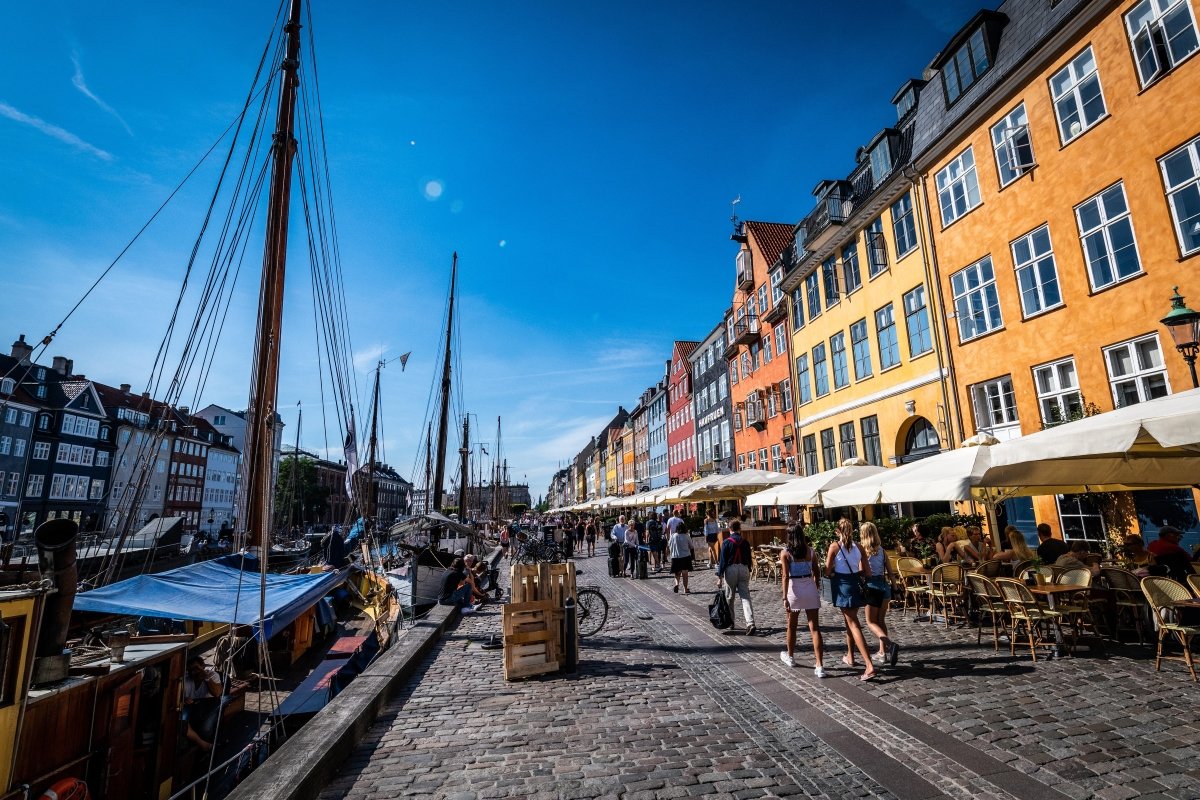
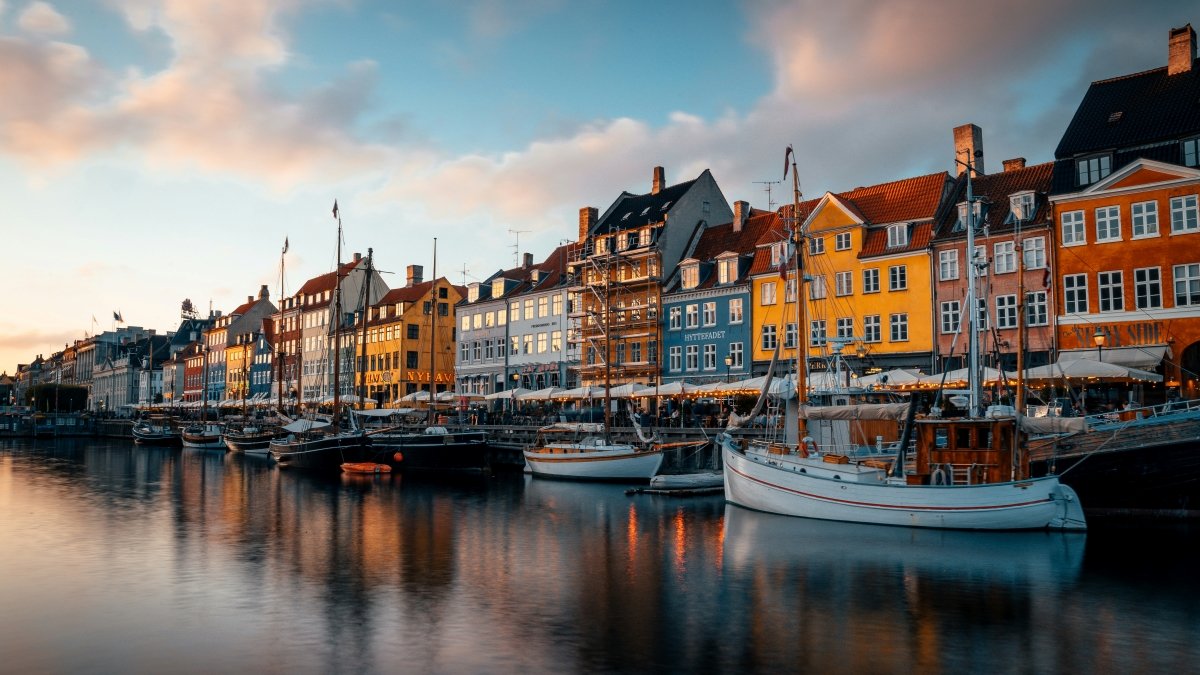
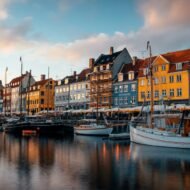
Nyhavn (literally “New Harbor”) is what happens when you take a 17th-century sailors’ port, paint the buildings every color of happiness, line it with cafés, and add Hans Christian Andersen as a former resident. This 300-meter canal district is Copenhagen’s most photographed spot for good reason—travelers describe it as “exactly like all the photos” with “brightly colored cafes, historic buildings from the 1600s, and lively atmosphere day or night.” It’s touristy, yes, but unapologetically charming. As one reviewer noted: “This is the place I liked the most in Copenhagen.”
Interesting Facts
- Built in 1670s by King Christian V (using Swedish prisoners as labor—salty!)
- Hans Christian Andersen lived in three different Nyhavn houses (nos. 20, 67, 18)
- He wrote “The Little Mermaid” and “The Ugly Duckling” here
- Originally a “rough” sailors’ quarter with taverns and “ladies of pleasure”
- The oldest house (#9) dates to 1681
- Traditional wooden ships still docked are 100+ years old
Weather – Average Temperature
Winter (January): Highs 3-4°C (37-39°F) | Lows -1 to 0°C (30-32°F)
Summer (July): Highs 22°C (72°F) | Lows 14°C (57°F)
What to Expect at a Glance:
Winter: Cold with gray skies, Baltic winds. Hygge culture thrives—outdoor cafés with blankets and heaters. Christmas markets magical.
Summer: Pleasant mild weather, long days, perfect cycling conditions. Popular tourist season with higher prices.
Attractions/Things to Do (According to Users)
Top-Rated Activities:
- Canal boat tours – “Very educational, wonderful guide” (€10-15, 1 hour)
- Coffee and people-watching – “Just want to sit down, watch the world go by”
- Photo opportunities – Instagram gold at every angle
- Walk to The Little Mermaid statue (20 min)
- Kongens Nytorv – Grand square at Nyhavn’s entrance
- Royal Danish Playhouse – Modern architecture on waterfront
- Christmas market (December) – Gløgg, æbleskiver, lights
- Tivoli Gardens nearby – One of world’s oldest amusement parks
Accommodation Options
Budget: Copenhagen hostels (€35-50/night) Mid-Range: 71 Nyhavn Hotel (€150-200/night) – Right on the canal! Luxury: Admiral Hotel (€200-300/night) – Historic warehouse conversion Alternative: Airbnb in Christianshavn (quieter, cheaper)
Shopping
- Souvenir shops along Nyhavn (expect tourist prices)
- Strøget – Main pedestrian shopping street (10-min walk)
- Design shops – Danish modern furniture and home goods
- Royal Copenhagen porcelain
- Illums Bolighus – Design department store
Local Traditions
- Hygge – Cozy contentment (pronounced “hoo-gah”)
- Open sandwiches (smørrebrød) – Art form on rye bread
- Carlsberg beer – Born in Copenhagen
- Biking everywhere – Even in winter
- Second breakfast – Because why not
Outdoor Activities
- Canal kayaking (in summer)
- Harbor swimming (Islands Brygge public pools)
- Bike the city
- Walk to Christiania (alternative community)
Budget Considerations
Daily Budget:
- Budget: €60-80 (hostel, street food, free stuff)
- Mid-range: €120-160 (good hotel, restaurant meals)
- Luxury: €200+ (canal views, fine dining)
Copenhagen Is Expensive! (Second only to Stockholm)
Saving Strategies:
- Copenhagen Card (€60/day includes transport + 80 attractions)
- Eat from 7-Eleven or bakeries
- Free walking tours (tip-based)
- Many museums free on Wednesdays
- BYOB to waterfront (no public drinking restrictions)
Food/Signature Dishes
Danish Delights:
- Smørrebrød – Open-faced sandwiches (elaborate art)
- Hot dogs – Pølse from street carts (surprisingly good)
- Æbleskiver – Round pancake balls (Christmas specialty)
- Frikadeller – Danish meatballs
- Rugbrød – Dense rye bread (base for everything)
- Danish pastries – Yes, they’re actually from here
- Carlsberg/Tuborg beer – Local brews
Where to Eat:
- Nyhavn restaurants (scenic but pricey—€20+ mains)
- Torvehallerne food market (variety, fair prices)
- DØP bakery (amazing smørrebrød)
- Pølse carts everywhere (€5 hot dogs)
Cultural Aspects
Danes are famously happy (ranked #1-2 globally) thanks to hygge, work-life balance, and social trust. They’re direct, egalitarian, and bike-obsessed. Nobody’s impressed by wealth or status. Speaking Danish is nearly impossible for foreigners, but everyone speaks flawless English. Punctuality matters. Biking has right-of-way over pedestrians—watch out!
Events
- Copenhagen Winter Jazz (February)
- Christmas markets (November-December)
- Nyhavn Jazz Festival (floating stages, summer)
- New Year fireworks over harbor
- CPH:DOX – Documentary film festival (March)
Combo Trips
Copenhagen Week:
- Days 1-2: Copenhagen (Nyhavn, Tivoli, Christiansborg)
- Day 3: Malmö, Sweden (35 min train across the bridge)
- Day 4: Kronborg Castle (Hamlet’s castle, 45 min)
- Day 5: Roskilde (Viking Ship Museum, 30 min)
- Day 6: Louisiana Museum (modern art, stunning location)
- Day 7: Return to Copenhagen, final hygge
Weekend Break:
- Friday: Arrive, Nyhavn evening, canal tour
- Saturday: Museums, Tivoli, Strøget shopping
- Sunday: Slow breakfast, Christiania, departure
Nearest Major Airport
Copenhagen Airport (CPH)
- 8km from city center
- Metro to city (€4.50, 15 min)—incredibly convenient
- Trains to Sweden also leave from airport
- Scandinavia’s busiest airport (great connections)
Useful Info
Getting Around:
- Metro system (new, clean, 24/7)
- City bikes (free-ish, requires deposit)
- Super walkable city center
- Harbor buses (part of public transport)
When to Visit:
- Winter (Nov-Mar): Cold, cozy, Christmas magic
- Spring (Apr-May): Pleasant, flowers blooming
- Summer (Jun-Aug): Perfect weather (long days, mild temps)
- Fall (Sep-Oct): Beautiful, fewer crowds
Language: Danish (but English universally spoken)
Fun Fact: You can swim in Copenhagen’s harbor—it’s that clean!
Quick Comparison Table
| Promenade | Winter Temp | Summer Temp | User Rating | Budget/Day | Crowd Level | Instagram Factor |
|---|---|---|---|---|---|---|
| Nice | 9°C | 27°C | 9.2/10 | €50-150 | Low-Medium | ⭐⭐⭐⭐⭐ |
| Reggio Calabria | 11°C | 29°C | 9.3/10 | €40-120 | Very Low | ⭐⭐⭐⭐⭐ |
| Porto | 12°C | 25°C | 9.0/10 | €40-120 | Low | ⭐⭐⭐⭐⭐ |
| Stockholm | -2°C | 22°C | 8.5/10 | €70-200 | Very Low | ⭐⭐⭐⭐ |
| Copenhagen | 2°C | 22°C | 8.8/10 | €60-160 | Medium | ⭐⭐⭐⭐⭐ |
Sample Itineraries
The Mediterranean Warmth Seeker (12 Days)
For those who refuse to freeze:
- Days 1-3: Nice (Promenade, Old Town, Monaco day trip)
- Days 4-6: Reggio Calabria (Lungomare, Sicily ferry, Bronzi museum)
- Days 7-9: Porto (Ribeira, Port cellars, Douro Valley)
- Days 10-12: Return to Nice or extend to Barcelona
The Southern Italy Explorer (10 Days)
Calabria & Sicily combo:
- Days 1-3: Reggio Calabria (Lungomare, museum, Scilla day trip)
- Days 4-6: Messina & Taormina, Sicily (ferry from Reggio)
- Days 7-8: Mount Etna & Catania
- Days 9-10: Return to Reggio or extend to Tropea
The Nordic Winter Wonder (7 Days)
For the cold-weather warrior:
- Days 1-3: Copenhagen (Nyhavn, Tivoli, hygge cafés)
- Days 4-7: Stockholm (Strandvägen, Gamla Stan, Vasa Museum)
The Grand European Waterfront Tour (16 Days)
For the completionist:
- Days 1-3: Nice (warm up here!)
- Days 4-6: Reggio Calabria (Sicily connection)
- Days 7-9: Porto (wine and color)
- Days 10-12: Copenhagen (Nordic transition)
- Days 13-15: Stockholm (full winter experience)
- Day 16: Helsinki or back home
The Long Weekend City Break (3-4 Days)
Pick ONE and do it right:
- Nice: Fri evening arrival, Sat full day, Sun Monaco, Mon morning departure
- Porto: Fri evening, Sat city, Sun Douro Valley, Mon return
- Copenhagen/Stockholm: Same pattern (swap Douro for archipelago/museums)
Practical Planning Tips
Best Overall Value
Winner: Porto
- Lowest daily costs
- Incredible bang-for-buck dining
- Free waterfront entertainment
- Budget-friendly Port tastings
Best Weather Guarantee
Winner: Nice
- 300+ days of sunshine annually
- Warmest winter temperatures
- Least rainfall in winter
- Mediterranean reliability
Most Instagram-Worthy
Winner: Copenhagen’s Nyhavn (by a nose)
- Those colorful houses are unbeatable
- But Porto’s sunset is a close second
- Nice has classic glamour
- Stockholm offers Nordic elegance
Best for Foodies
Winner: Porto
- Unbeatable value
- Authentic regional cuisine
- Wine culture
- But Nice’s Niçoise cuisine is incredible too
Best Transportation Hub
Winner: Copenhagen
- Seamless airport connection
- Easy access to Sweden, Germany
- Perfect for multi-city trips
Final Packing List for Winter Waterfront Walks
The Essentials:
- Layering pieces (thermal, fleece, waterproof outer)
- Comfortable waterproof walking shoes (you’ll walk MILES)
- Scarf, gloves, warm hat (even for Nice evenings)
- Compact umbrella (Porto especially)
- Sunglasses (that winter sun reflects off water)
- Portable phone charger (cold kills batteries fast)
- Reusable water bottle
Nice/Porto Specific:
- Light jacket for 13°C weather
- Sunscreen (yes, in winter)
Stockholm/Copenhagen Specific:
- Serious winter coat
- Thermal underwear
- Hand warmers
- Moisture-wicking layers
- Waterproof outer layer
Recap: Your Waterfront Promenade Decision Matrix
Choose Nice if you want: ✅ Warmest winter weather ✅ Classic Mediterranean glamour ✅ Best sunshine guarantee ✅ Easy beach access ✅ Belle Époque elegance
Choose Reggio Calabria if you want: ✅ Authentic, undiscovered Italy ✅ Spectacular Mount Etna & Sicily views ✅ Ancient Greek heritage (Magna Graecia) ✅ Best value in Southern Europe ✅ Gateway to Sicily adventures
Choose Porto if you want: ✅ Best value for money ✅ Authentic, soul-stirring beauty ✅ Wine culture immersion ✅ Dramatic light and atmosphere ✅ Fewer tourists
Choose Stockholm if you want: ✅ True Nordic winter experience ✅ World-class museums ✅ Archipelago island hopping ✅ Design and architecture ✅ Midnight sun (June) or Christmas magic (December)
Choose Copenhagen if you want: ✅ Hygge culture immersion ✅ Most Instagrammable waterfront ✅ Perfect Nordic starter city (everyone speaks English) ✅ Easy day trips (Sweden is 35 min away!) ✅ Best canal boat tours
Disclaimer
Weather Information: All temperature data represents historical averages and current conditions may vary. Check forecasts before traveling.
Pricing: All costs are approximate and based on 2025-2026 data. Prices fluctuate based on season, exchange rates, and booking timing. Always verify current prices.
Seasonal Variations: Winter experiences differ yearly. Some attractions may have reduced hours or close seasonally—verify operating schedules.
User Reviews: Ratings compiled from TripAdvisor, Google Reviews, and travel forums as of February 2026. Individual experiences vary.
Travel Requirements: Check current visa requirements, COVID-19 regulations (if still applicable), and travel insurance needs for your nationality.
Accessibility: While these promenades are generally accessible, cobblestones and hills (especially Porto, Nice Old Town) can be challenging. Contact individual cities for detailed accessibility information.
Budget Estimates: Based on mid-range travel style. Your spending may vary based on personal choices and travel style.
Health & Safety: Always purchase comprehensive travel insurance. Check government travel advisories before booking.
Sustainability Note: Consider train travel between these cities when possible to reduce carbon footprint. All four cities have excellent public transportation.
The Bottom Line
Europe’s waterfront promenades in winter are travel’s best-kept secret. You get the magic without the madness—stunning views, authentic experiences, and wallet-friendly prices. Whether you’re chasing Mediterranean sunshine in Nice, golden-hour drama in Porto, Nordic elegance in Stockholm, or hygge vibes in Copenhagen, these waterfronts deliver cozy winter escapes that’ll make you wonder why everyone’s still fighting crowds at summer beach resorts.
So grab your layered clothing, charge your camera, and discover why smart travelers do waterfront walks when everyone else is skiing. Your Instagram feed (and your budget) will never be the same.
Ready to book? Winter flights are cheaper, hotels more available, and the promenades more peacefully yours. The only question is: which waterfront will you walk first?
This comprehensive guide was compiled from 60,000+ user reviews, weather data, and on-the-ground research. All opinions reflect aggregate traveler experiences and expert travel insights. Travel responsibly, tip your guides, and always say “hello” in the local language—even if you butcher it!
Keywords: European waterfront promenades, winter travel Europe, Nice Promenade des Anglais, Porto Ribeira, Stockholm Strandvägen, Copenhagen Nyhavn, Reggio Calabria Lungomare, budget winter destinations Europe, Mediterranean winter travel, coastal walks Europe, off-season Europe travel, mild winter destinations, European city breaks, waterfront hotels Europe, winter sunshine Europe, romantic winter getaways, Mount Etna views, Sicily day trips, Calabria travel guide, undiscovered Italy
Last Updated: February 2026