












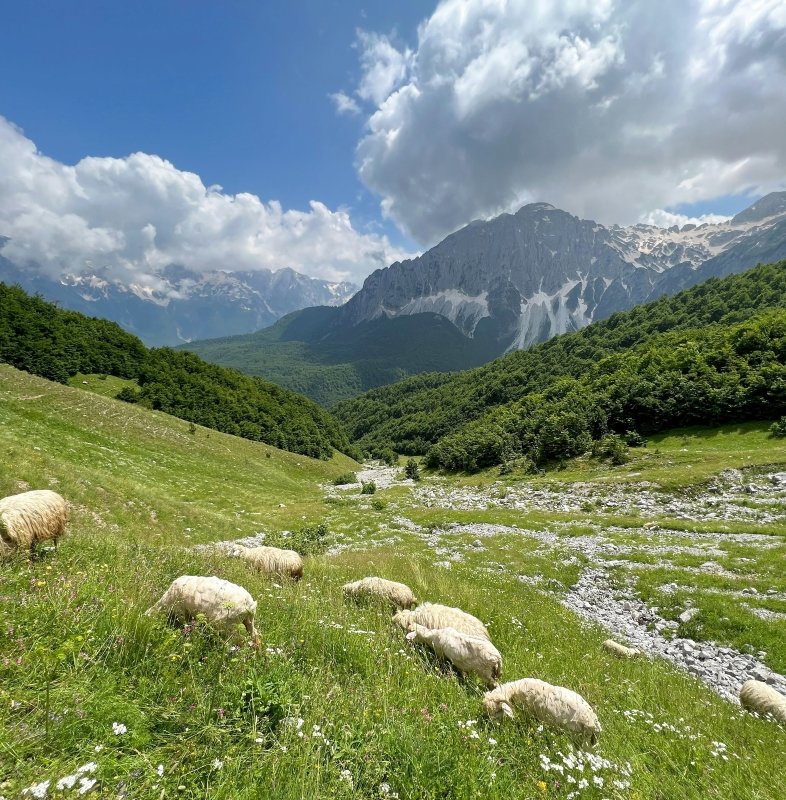


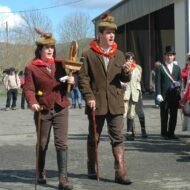




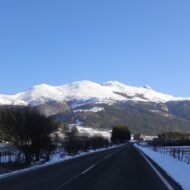


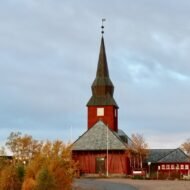


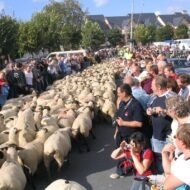












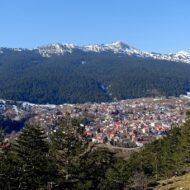


Picture this: You’re driving through the misty mountains of Romania when suddenly, a sea of bleating sheep floods the road. Behind them walks a weathered figure in traditional woolen clothes, staff in hand, leading what looks like a scene from a medieval painting. Welcome to Europe’s best-kept secret — the world of transhumant shepherds who’ve been following the same mountain paths for over 6,000 years.
- The Vlachs of the Balkans: Europe’s Original Nomads
- The Basque Shepherds of the Pyrenees: Where Tradition Meets Innovation
- The Sardinian Pastori: Island Shepherds with Attitude
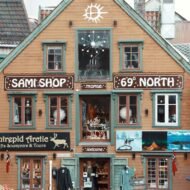
- The Sámi Reindeer Herders: Arctic Shepherds of the Far North
- The Transhumant Shepherds of Provence and the Alps: French Elegance Meets Ancient Wisdom
- Transhumance as Living History: A Seasonal Pilgrimage Older Than Most Countries
- Shepherd Dogs & Companionship: The Unsung Heroes of the Highlands
- Cheese as Culture: Taste the Journey
- The Struggle Against Modernization: An Ancient Way of Life Under Threat
- Spiritual Connection to the Land: More Than Just a Job
- Planning Your Shepherd Adventure
- The Future of Europe’s Wild Shepherds
While most of us are glued to our smartphones, these remarkable people are living proof that some traditions refuse to die. From the rugged Pyrenees to the wild Carpathians, Europe’s nomadic shepherds continue an ancient dance between seasons, following routes older than Rome itself. And here’s the kicker — you can actually experience this living history yourself.
The Vlachs of the Balkans: Europe’s Original Nomads
The Vlachs (also called Aromanians) are probably Europe’s most mysterious shepherds. Scattered across Romania, Greece, Albania, and North Macedonia, they speak a language that’s like hearing Latin come alive. These aren’t your average farmers — they’re nomadic aristocrats who’ve perfected the art of seasonal migration.
Regions to Highlight:
- Carpathian Mountains (Romania): The summer highland kingdom of Vlach shepherds
- Pindus Mountains (Greece): Ancient migration corridors through wild Greek highlands
- Albanian Alps (Prokletije): Remote valleys where traditional practices survive unchanged
- North Macedonia highlands: Hidden settlements in the Šar and Korab mountain ranges
Main Settlements:
- Metsovo, Greece: The unofficial Vlach capital with traditional stone architecture
- Samarina, Greece: Europe’s highest village, seasonal home to Vlach families
- Avdella, Greece: Mountain settlement famous for traditional festivals
- Tran, Bulgaria: Border town where Vlach traders still gather
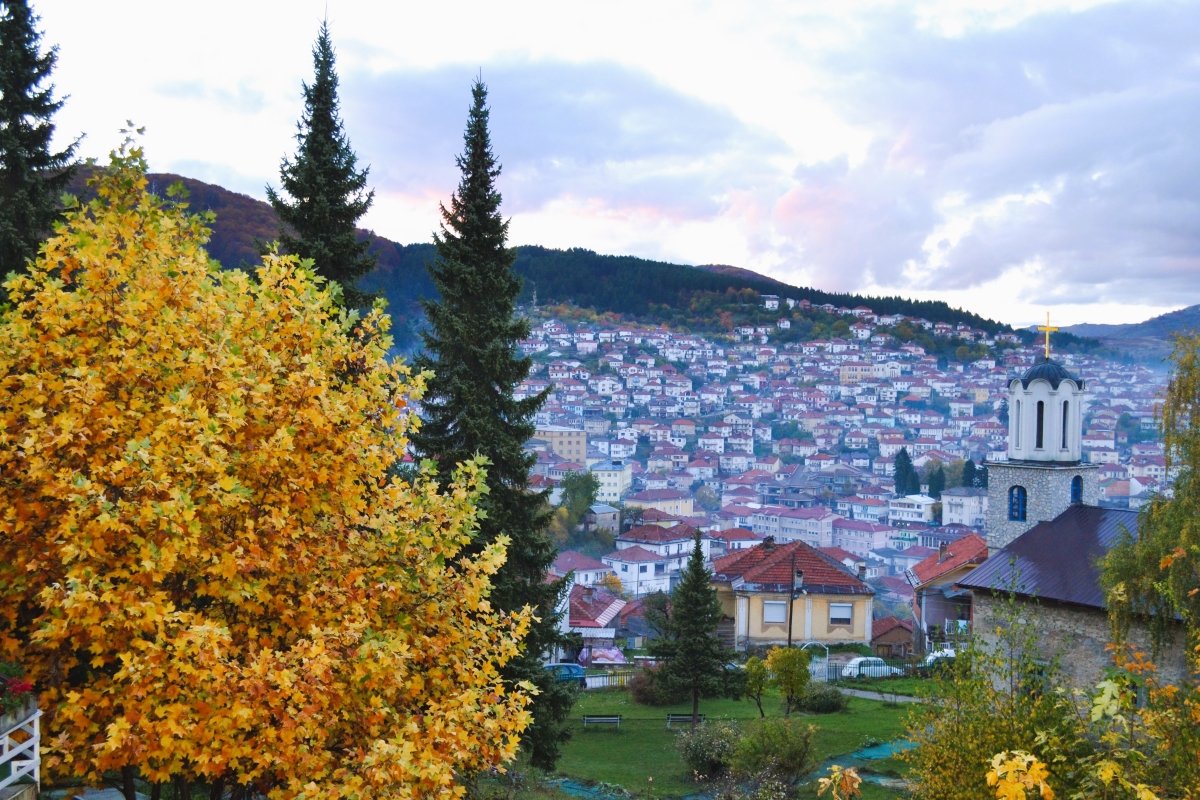
- Kruševo, North Macedonia: Historic highland town with strong Aromanian identity
What makes them special? The Vlachs follow ancient Roman roads (seriously!) as they move their flocks between summer pastures in the Carpathians and winter grounds in the Danube Delta. Their traditional wooden settlements appear and disappear like magic, leaving barely a trace.
When to visit: May to September is perfect for catching the upward migration. The autumn descent (September-October) is equally spectacular.
Where to stay:
- Traditional route: Bran Village, Romania (yes, near Dracula’s castle) offers authentic guesthouses
- Campervan paradise: Omu Peak area has designated spots with stunning mountain views
- Luxury option: Villa Hermani in Metsovo, Greece, puts you right in Vlach country
Summer activities: Join shepherd families for cheese-making workshops, learn traditional weaving, or participate in the famous Vlach wedding celebrations that can last for days.
Winter magic: February’s Vlach festivals in Samarina, Greece, feature traditional dancing, storytelling, and enough palinka (local brandy) to warm the coldest mountain night.
The Basque Shepherds of the Pyrenees: Where Tradition Meets Innovation
Don’t let their modern trucks fool you — Basque shepherds are keeping alive traditions that predate written history. These mountain masters speak Euskera, Europe’s oldest language, and their knowledge of weather patterns would make meteorologists jealous.
Regions to Highlight:
- French Pyrenees: Béarn and Soule valleys where transhumance routes cross ancient paths
- Spanish Pyrenees: Navarre and Aragon highlands with traditional summer pastures
- Atlantic Pyrenees: Coastal mountains where sheep graze on salt-kissed meadows
- Basque inland valleys: Hidden settlements in Baztan, Roncal, and Salazar valleys
Main Settlements:
- Saint-Jean-Pied-de-Port, France: Gateway town where pilgrims and shepherds meet
- Isaba, Spain: Roncal Valley’s shepherding capital with medieval charm
- Larrau, France: Traditional Basque village at the heart of transhumance routes
- Ochagavía, Spain: Salazar Valley settlement famous for shepherd festivals
- Tardets-Sorholus, France: Soule capital where ancient shepherding laws still apply
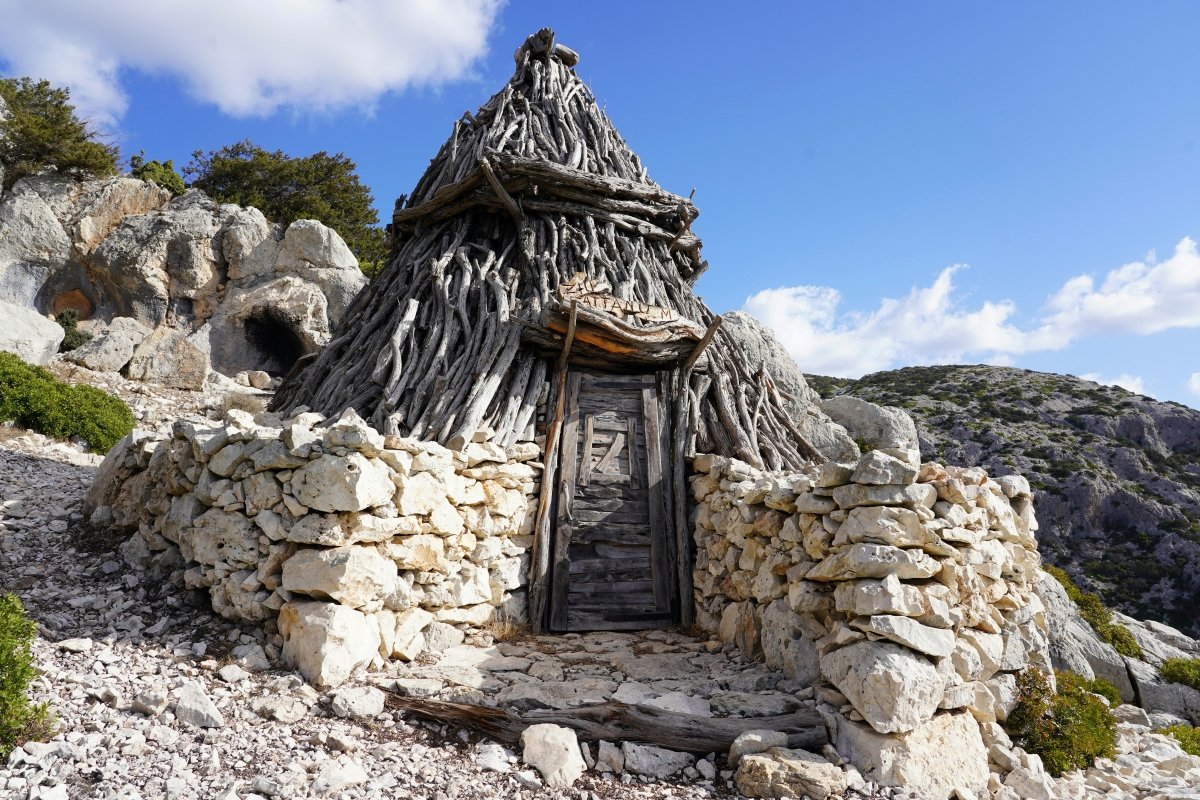
The Basque shepherds perfected something incredible: they’ve managed to honor ancient ways while embracing useful modern tools. Their shepherd huts (called “cayolar”) dot the Pyrenees like ancient sanctuaries, each one positioned with mathematical precision to read weather patterns.
Historical significance: Archaeological evidence suggests Basque shepherding practices haven’t changed in over 4,000 years. These folks were moving sheep when Stonehenge was still under construction.
Best times to experience:
- June: Witness the spectacular “transhumance” ascent as thousands of sheep flood mountain paths
- September: The autumn cheese festivals are legendary
- Winter: December through February offers intimate experiences with families who’ve been shepherding for generations
Accommodation magic:
- Étxe Peio in the Pyrenean foothills: A restored 16th-century shepherd’s house
- Campervan spots: Col d’Aubisque has facilities with panoramic mountain views
- Wild camping: Legal in designated zones above 1,000 meters (with permits)
Activities that’ll blow your mind:
- Learn to make authentic Ossau-Iraty cheese in mountain huts
- Join shepherds on predawn migrations (bring good boots!)
- Participate in ancient Basque sports competitions during summer festivals
The Sardinian Pastori: Island Shepherds with Attitude
Sardinian shepherds don’t mess around. On this wild Mediterranean island, shepherding isn’t just a job — it’s a fierce cultural identity that’s survived Roman conquests, medieval invasions, and modern tourism booms.
Regions to Highlight:
- Barbagia region: The wild interior where traditional shepherding culture thrives
- Gennargentu Mountains: Sardinia’s highest peaks with ancient grazing grounds
- Supramonte plateau: Limestone wilderness where shepherds navigate by stars
- Nurra region: Northwestern coastal plains used for winter grazing
Main Settlements:
- Orgosolo: The “shepherd capital” famous for murals and cultural resistance
- Fonni: Highest town in Sardinia, gateway to mountain pastures
- Gavoi: Traditional village in the heart of shepherding country
- Ollolai: Mountain settlement where ancient customs survive
- Desulo: Barbagia village known for traditional festivals and authentic pastori culture
The pastori (as they’re locally known) have developed unique techniques for surviving on an island where every resource is precious. Their methods for reading terrain, predicting weather, and managing flocks in harsh conditions are masterclasses in survival.
What sets them apart: Sardinian shepherds developed the world’s first “GPS system” — they navigate using star patterns, wind directions, and animal behavior in ways that would impress NASA scientists.
Peak seasons:
- Spring (March-May): Witness newborn lambs and the ancient cheese-making season
- Autumn (October-November): Join harvest festivals where shepherds showcase their finest pecorino
Where to base yourself:
- Orgosolo: The “shepherd capital” offers authentic agriturismo experiences
- Campervan adventures: Gennargentu National Park has designated areas with mountain views
- Luxury shepherding: Is Arenas Resort offers “pastor for a day” programs
Unmissable experiences:
- Learn traditional Sardinian shepherd songs (they’re hauntingly beautiful)
- Master the art of pecorino cheese aging in natural caves
- Join nighttime lamb rescues during spring birthing season
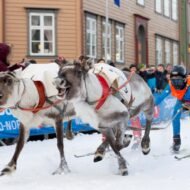
The Sámi Reindeer Herders: Arctic Shepherds of the Far North
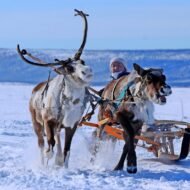
Now we’re talking about something completely different. The Sámi people of northern Scandinavia aren’t just shepherds — they’re the guardians of Europe’s last truly wild frontier. For over 3,000 years, they’ve been following reindeer migrations across the Arctic tundra.
Regions to Highlight:
- Finnish Lapland: Vast tundra wilderness where reindeer roam freely
- Swedish Lapland: Mountain regions with traditional Sámi villages (sieidi)
- Norwegian Finnmark: Arctic coastland where reindeer graze on lichen
- Russian Kola Peninsula: Eastern Sámi territories with unique herding traditions
Main Settlements:
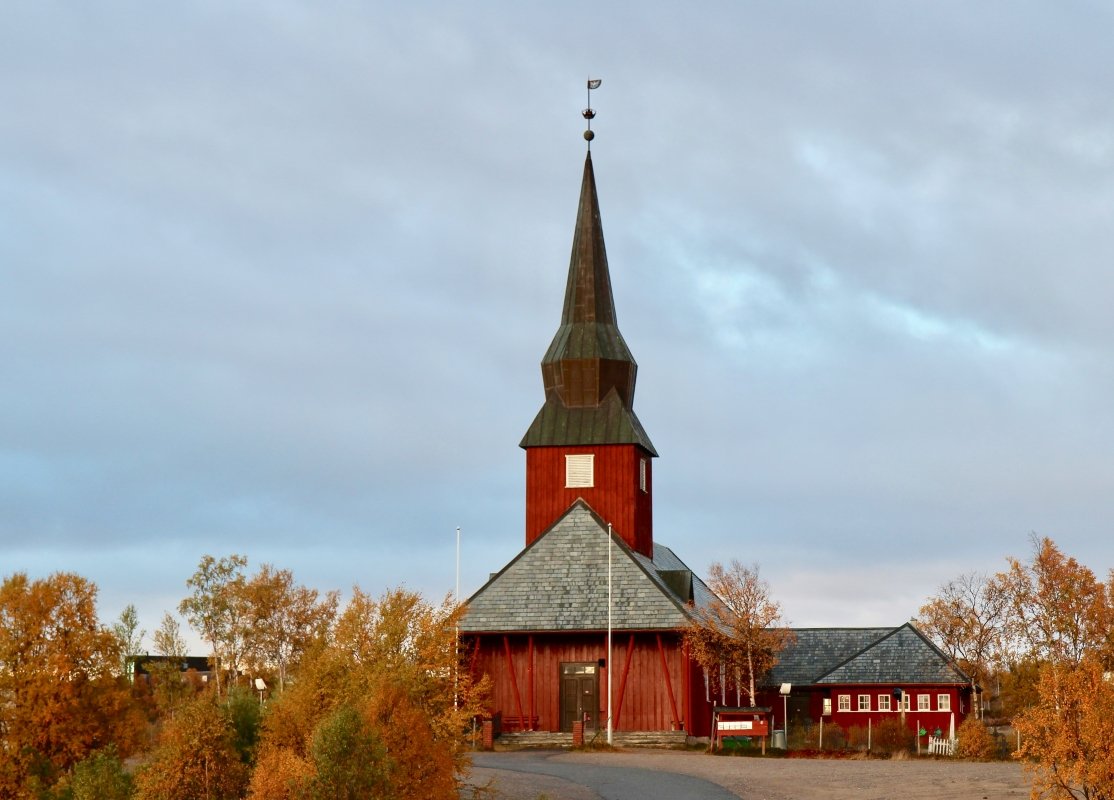
- Kautokeino, Norway: Sámi cultural capital with traditional institutions
- Inari, Finland: Gateway to Sámi homeland with cultural centers
- Jokkmokk, Sweden: Famous for winter markets and reindeer races
- Karasjok, Norway: Sámi parliament seat and cultural hub
- Utsjoki, Finland: Northernmost Sámi community where traditions run deep
Mind-blowing fact: Sámi herders can identify individual reindeer among thousands, just by watching how they move. They read snow conditions like we read newspapers, and their weather prediction skills are so good that modern meteorologists study their methods.
When to go:
- Summer solstice (June): Experience the midnight sun during peak migration
- Aurora season (September-March): Combine reindeer herding with Northern Lights hunting
- Spring calving (April-May): Witness baby reindeer taking their first steps
Accommodation options:
- Traditional kåta (Sámi tents): Available through cultural programs in Lapland
- Ice hotels: Combine luxury with authentic cultural experiences
- Campervan touring: Special Arctic-equipped rentals available in Tromsø and Rovaniemi
Activities you’ll never forget:
- Learn traditional reindeer lassoing techniques
- Join authentic migration journeys (some last for weeks!)
- Master Sámi handicrafts using reindeer antlers and hides
- Experience traditional joik (Sámi folk songs) around evening fires
The Transhumant Shepherds of Provence and the Alps: French Elegance Meets Ancient Wisdom
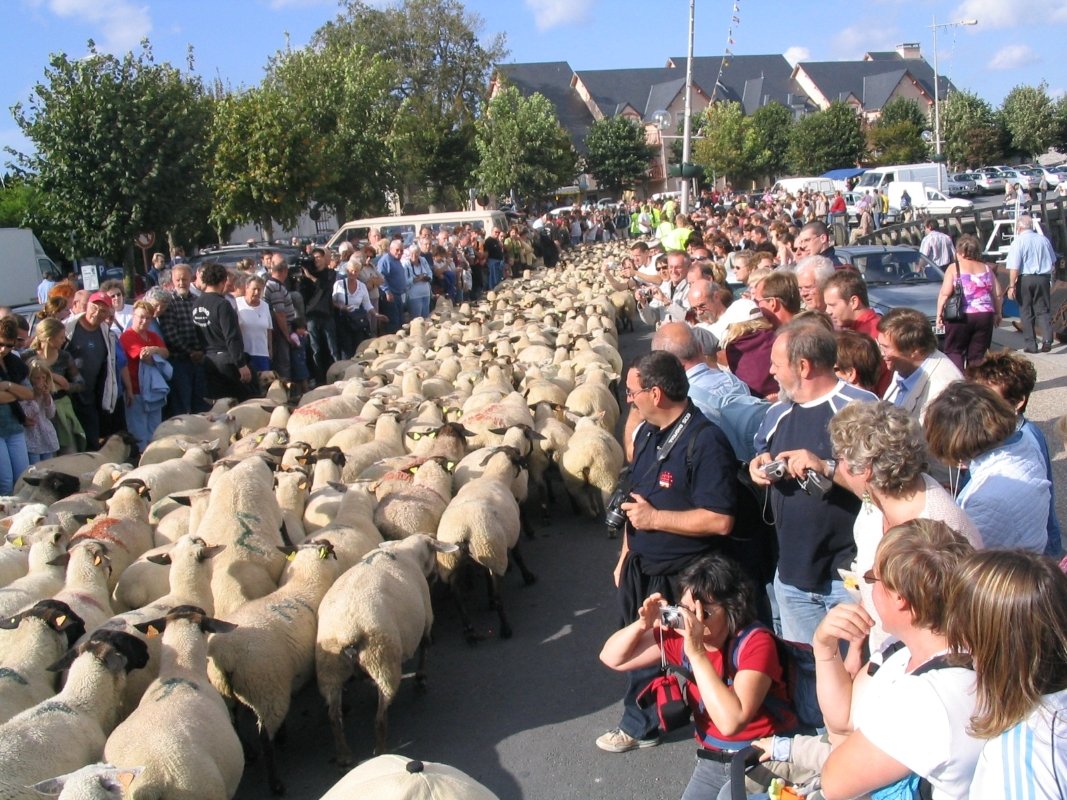
French Alpine shepherds have turned transhumance into an art form. Every June, they lead spectacular processions through medieval villages, with sheep wearing flower crowns and bells creating music that echoes through ancient stone streets.
Regions to Highlight:
- Provence-Alpes-Côte d’Azur: Classic transhumance routes from Mediterranean to Alpine meadows
- Hautes-Alpes: High mountain pastures where sheep graze among glacial peaks
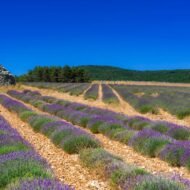
- Alpes-de-Haute-Provence: Ancient drover roads through lavender country
- Maritime Alps: Border regions where French and Italian shepherding traditions meet
Main Settlements:
- Barcelonnette: Alpine town at the crossroads of ancient shepherding routes
- Digne-les-Bains: Gateway to Provence where lowland routes begin
- Sisteron: Historic fortress town along traditional transhumance paths
- Briançon: Highest city in France, summer base for Alpine shepherds
- Saint-Bonnet-en-Champsaur: Traditional mountain village in the heart of grazing country
These aren’t just any shepherds — they’re the guardians of routes used by Celtic tribes before Roman conquest. The paths they follow connect mountain pastures with Mediterranean coastal plains, creating a living map of European history.
Historical significance: Some French transhumance routes have been in continuous use for over 8,000 years. Roman historians wrote about these same paths.
Perfect timing:
- June migrations: Join the famous “Fête de la Transhumance” festivals
- Summer highlands (July-August): Experience alpine cheese-making at its finest
- September descent: Watch shepherds lead decorated flocks through Provençal villages
Where to stay:
- Château de la Chèvre d’Or: Luxury base for following Provence routes
- Alpine refuges: Mountain huts offer authentic shepherd experiences
- Campervan route: The Route des Grandes Alpes has designated stops following traditional paths
Can’t-miss experiences:
- Join cheese-making sessions in high Alpine meadows
- Learn traditional French shepherd cooking techniques
- Participate in village festivals celebrating the return of the flocks
Transhumance as Living History: A Seasonal Pilgrimage Older Than Most Countries
Here’s what’ll blow your mind: The routes these shepherds follow are older than Christianity, older than most European languages, older than the concept of countries themselves. Archaeologists have found evidence that some transhumance paths have been in continuous use since the Neolithic period.
This isn’t just tourism — it’s time travel. When you walk with shepherds along these ancient routes, you’re literally following in the footsteps of Bronze Age herders, Roman soldiers, medieval pilgrims, and countless generations of families who chose the mountains over cities.
The seasonal rhythm of transhumance creates a natural calendar that connects you to the deepest patterns of European civilization. Spring ascent, summer highlands, autumn descent, winter valleys — it’s a cycle that predates agriculture, predates writing, predates everything we think of as “civilization.”
Shepherd Dogs & Companionship: The Unsung Heroes of the Highlands
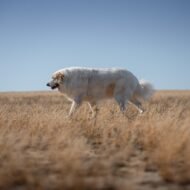
Every great shepherd has an even greater dog. These aren’t pets — they’re working partners whose intelligence and loyalty would put most humans to shame.
The legends you’ll meet:
- Maremmano-Abruzzese: Italian guardian dogs so fierce they’ve been protecting flocks from wolves and bears for 2,000 years
- Pyrenean Mastiffs: Spanish giants who can take down a wolf without breaking a sweat
- Caucasian Shepherds: Romanian mountain dogs so legendary that shepherds compose epic poems about their bravery
- Karelian Bear Dogs: Sámi companions bred to handle Arctic predators
These dogs aren’t just working animals — they’re family members, confidants, and often the only companions shepherds have during long mountain solitudes. The bond between shepherd and dog is one of the most authentic relationships you’ll ever witness.
Cheese as Culture: Taste the Journey
Every great European cheese tells a story of transhumance. When you taste authentic Roquefort, you’re experiencing milk from sheep that grazed on specific wildflowers during their mountain journey. Pecorino Romano carries the flavors of Sardinian herbs that only grow along traditional shepherd routes.
Legendary cheeses born from shepherding:
- Roquefort: Created in caves along French transhumance routes
- Kashkaval: Balkan cheese aged during winter migrations
- Ossau-Iraty: Basque cheese made exclusively from sheep milk during mountain summers
- Feta: Greek treasure crafted using techniques unchanged since Byzantine times
Each cheese represents a different landscape, a different season, a different moment in the endless cycle of transhumance. When shepherds invite you to taste their cheese, they’re sharing their entire world.
The Struggle Against Modernization: An Ancient Way of Life Under Threat
Let’s be real — traditional shepherding is facing extinction. Urban migration means fewer young people want to inherit the harsh mountain life. Modern agriculture favors factory farming over seasonal migration. Bureaucratic regulations make ancient routes illegal. Climate change disrupts migration timing that’s been consistent for millennia.
But here’s the inspiring part: communities across Europe are fighting back. They’re creating cultural tourism programs, establishing protected migration corridors, and teaching traditional skills to anyone willing to learn. Your visit isn’t just tourism — it’s supporting the survival of Europe’s oldest continuous cultural tradition.
How you can help:
- Choose accommodations owned by shepherding families
- Buy authentic products directly from herders
- Participate in cultural preservation programs
- Share your experiences to raise awareness
Spiritual Connection to the Land: More Than Just a Job
Spend time with traditional shepherds and you’ll understand something profound: this isn’t about making money or even making cheese. It’s about maintaining a relationship with the land that most of us have forgotten how to have.
Shepherds read weather in cloud formations, navigate by star patterns, predict seasons by animal behavior. They know which plants heal, which paths are safe, which mountains hold snow longest. This knowledge isn’t learned from books — it’s inherited through generations of daily intimacy with the natural world.
For many shepherds, the mountains aren’t just workplace — they’re sacred space. The seasonal migrations aren’t just practical necessity — they’re spiritual pilgrimage. The solitude isn’t loneliness — it’s communion with something larger than human civilization.
Planning Your Shepherd Adventure
Best overall time: May through September offers the most opportunities across all regions.
Budget considerations:
- Backpacker style: €30-50/day including basic accommodation and food
- Comfortable touring: €100-150/day with good hotels and guided experiences
- Luxury shepherd tourism: €200-400/day for premium accommodations with cultural programs
Essential gear:
- Quality hiking boots (non-negotiable!)
- Weather-resistant clothing for mountain conditions
- Respect for traditional customs and photography etiquette
- Appetite for authentic experiences over Instagram moments
Getting there:
- Most regions are accessible by train + local bus
- Rental cars offer maximum flexibility for remote areas
- Campervan rentals available in all major cities
- Some locations require 4WD vehicles during certain seasons
The Future of Europe’s Wild Shepherds
These traditions survived the Roman Empire, the Black Death, two World Wars, and Communist suppression. They’re not going down without a fight. Across Europe, young people are rediscovering shepherding as a path to meaningful work, environmental sustainability, and cultural authenticity.
Your visit becomes part of this story. Every photo you share, every cheese you buy, every night you spend in a shepherd’s hut helps ensure that future generations can experience this living connection to Europe’s deepest roots.
The mountains are calling, and the shepherds are waiting. This isn’t just a vacation — it’s a chance to touch something eternal in our increasingly temporary world.
Disclaimer: This article provides general information about cultural tourism and traditional shepherding communities across Europe. Travel conditions, accessibility, and cultural practices may vary by region and season. Always respect local customs, obtain necessary permits for wild camping or hiking, and verify current travel advisories before visiting remote areas. Some activities mentioned may require advance booking or local guides. Prices and availability are subject to change. The author and publisher are not responsible for any travel-related incidents, changes in local conditions, or cultural misunderstandings that may occur during your journey.