






TL;DR: Gniezno is Poland’s first capital and spiritual heart, packed with stunning Gothic architecture, fascinating history, and zero tourist crowds. Think Krakow vibes without the selfie sticks – plus it’s incredibly budget-friendly.
- Why Gniezno Should Be on Your Radar Right Now
- The Crown Jewel: Gniezno Cathedral
- What Makes Gniezno Special
- Getting There and Getting Around
- Where to Stay
- Food Scene That Won’t Break the Bank
- Beyond the Obvious: Hidden Gems
- Practical Travel Tips
- Day Trip Possibilities
- Budget Breakdown
- Why Now is the Perfect Time
Ready to discover a place that most travelers completely miss? Gniezno (pronounced “G-nyez-no”) might not roll off your tongue like Paris or Rome, but this compact city in central-western Poland is about to become your new obsession. As Poland’s first historical capital and the cradle of Polish Christianity, Gniezno offers an authentic slice of European history that hasn’t been Instagram-ified to death.
Why Gniezno Should Be on Your Radar Right Now
Picture this: wandering through medieval streets where Polish kings were once crowned, exploring a cathedral that’s nearly 1,000 years old, and enjoying hearty Polish cuisine for the price of a coffee in Western Europe. That’s Gniezno in a nutshell.
Located just 50 kilometers northeast of Poznań, this city of around 70,000 people punches way above its weight in terms of historical significance. While everyone’s fighting for space at Krakow’s Main Square, you’ll have Gniezno’s treasures practically to yourself.
The Crown Jewel: Gniezno Cathedral
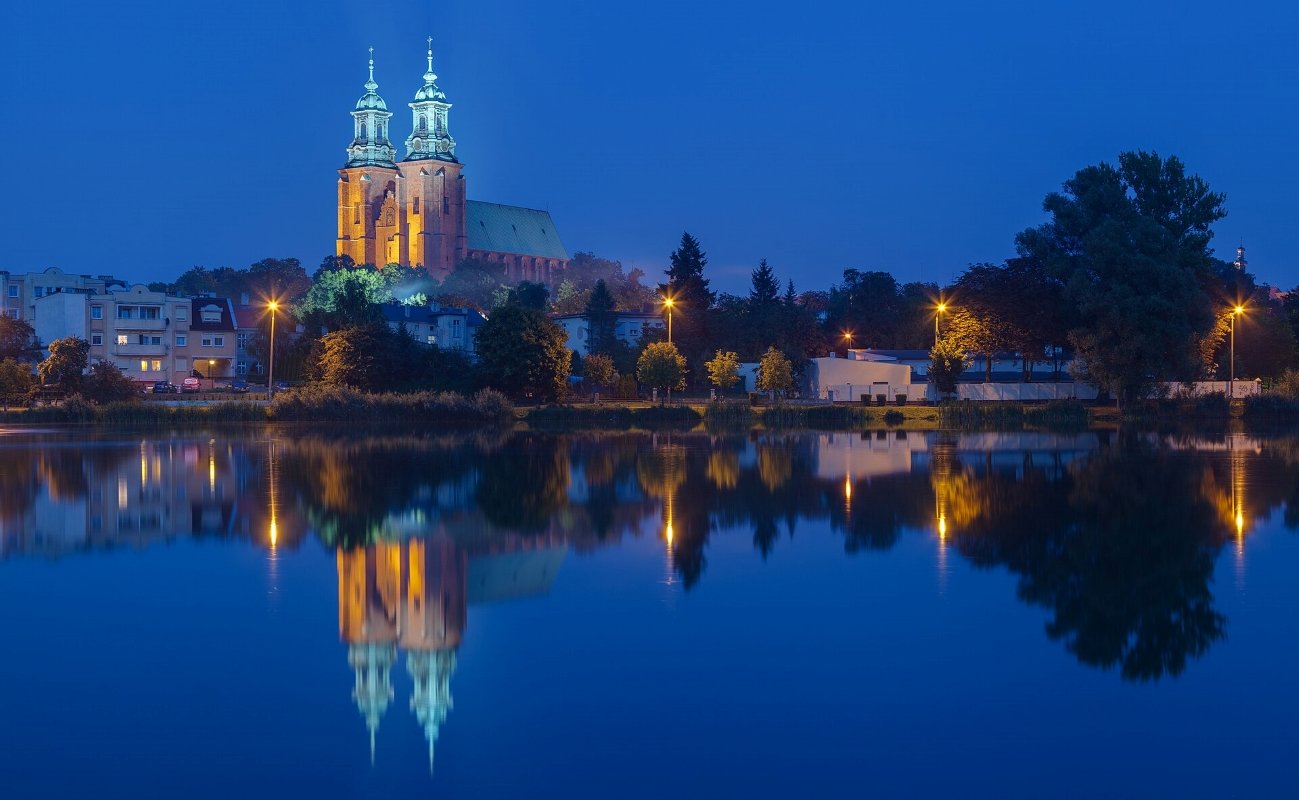
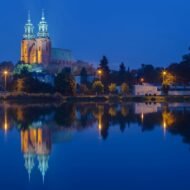
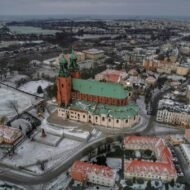
The Gniezno Cathedral isn’t just a church – it’s the spiritual birthplace of Poland. This Gothic masterpiece has witnessed the coronation of Polish kings and houses the tomb of Saint Adalbert, one of Poland’s patron saints. The famous Gniezno Doors (bronze doors dating from around 1175) are considered some of Europe’s finest examples of Romanesque art, depicting scenes from Saint Adalbert’s life in incredible detail.
Pro tip: Visit early morning or late afternoon for the best lighting and fewer tour groups. The cathedral is free to enter, but consider a small donation to help with preservation efforts.
What Makes Gniezno Special
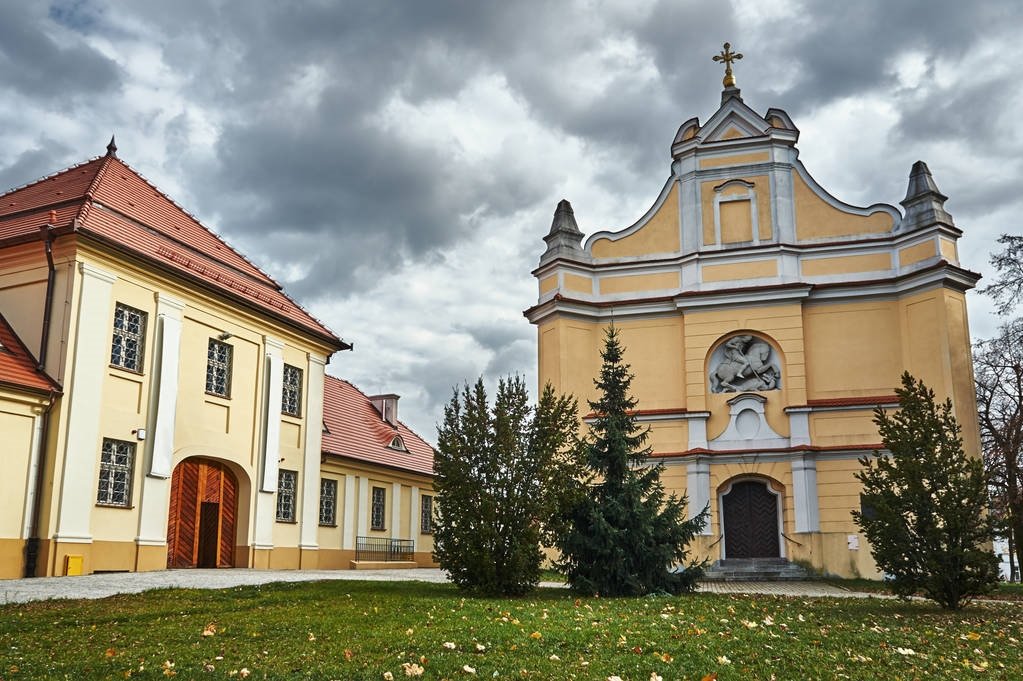
Medieval Architecture That’ll Blow Your Mind Beyond the cathedral, Gniezno’s Old Town showcases beautiful examples of Gothic, Renaissance, and Baroque architecture. The Town Hall and surrounding market square transport you back centuries, while the city’s defensive walls and towers tell stories of medieval battles and triumphs.
Museum of the Origins of the Polish State This modern, interactive museum brings Polish history to life through engaging exhibits and multimedia presentations. It’s perfect for understanding the context of what you’re seeing around the city, and the English translations are excellent.
Lake Jelonek Recreation Area Need a break from history? This beautiful lake area offers swimming, boating, and peaceful walking trails. It’s where locals go to unwind, making it perfect for experiencing everyday Polish life.
Getting There and Getting Around
Coordinates: 52°32′09″N 17°35′45″E
From Major Cities:
- Poznań: 50 minutes by train (frequent connections)
- Warsaw: 3 hours by train with one connection
- Gdansk: 4 hours by train
- Krakow: 5 hours by train with connections
Getting Around Gniezno: The historic center is completely walkable – you can see the main sights in a day, though you’ll want to stay longer. Local buses connect the city center with surrounding attractions and the train station.
Where to Stay
Budget-Friendly Options ($25-50/night):
- Hotel Pietrak – Central location, clean rooms, friendly staff
- Pension Pod Arkadami – Charming guesthouse near the cathedral
Mid-Range Comfort ($50-80/night):
- Hotel Gniezno – Modern amenities in a historic building
- Villa Pallas – Stylish boutique hotel with excellent breakfast
Local Tip: Book directly with hotels for better rates and local recommendations.
Food Scene That Won’t Break the Bank
Gniezno’s food scene focuses on hearty, traditional Polish cuisine at prices that’ll make you want to extend your stay.
Must-Try Local Spots:
- Restauracja Ratuszowa – Traditional Polish dishes in a historic setting
- Bistro na Starówce – Modern takes on classic recipes
- Bar Mleczny – Communist-era milk bars serving filling meals for under $5
Don’t Miss: Pierogi (dumplings), żurek (sour rye soup), and locally brewed beer. The regional specialty is rogale świętomarcińskie (St. Martin’s croissants), available at local bakeries.
Beyond the Obvious: Hidden Gems
Grzybowo Palace A 20-minute bus ride takes you to this stunning neo-Renaissance palace surrounded by beautiful parkland. It’s rarely crowded and perfect for photos.
Modlniczka Forest Excellent hiking trails and the remains of a medieval settlement. Local families picnic here on weekends, offering great people-watching opportunities.
Gniezno Hills Landscape Park Rolling hills, ancient oak forests, and archaeological sites including early Slavic settlements. Rent a bike and explore the well-marked trails.
Practical Travel Tips
Best Time to Visit: May through September offers warm weather and longer days. Winter can be beautiful but cold, with some attractions having limited hours.
Language: While Polish is the primary language, younger people and tourism workers often speak English. Learning basic Polish greetings will earn you smiles and better service.
Money: Poland uses the złoty (PLN). Credit cards are widely accepted, but carry some cash for small vendors and tips.
Cultural Etiquette: Poles appreciate polite behavior – say “dzień dobry” (good day) when entering shops and “dziękuję” (thank you) when leaving.
Day Trip Possibilities
Biskupin (45 minutes by bus): Reconstructed Iron Age settlement that’s like a Polish Stonehenge but way more interactive.
Poznań (1 hour by train): If you want more urban energy, Poznań offers excellent restaurants, nightlife, and shopping while maintaining historical charm.
Konin (30 minutes by train): Small town with beautiful parks and one of Europe’s largest open-pit mines (surprisingly fascinating tours available).
Budget Breakdown
Daily Costs (per person):
- Budget traveler: $30-40 (hostel, street food, walking tours)
- Mid-range: $60-80 (hotel, restaurant meals, museum entries)
- Comfortable: $100+ (boutique hotel, fine dining, private tours)
Money-Saving Tips: Many churches and historical sites are free. Pack snacks from local supermarkets (Biedronka, Żabka) rather than eating at tourist spots. Consider a Polish rail pass if visiting multiple cities.
Why Now is the Perfect Time
Gniezno sits at a sweet spot – developed enough for comfortable travel but undiscovered enough to feel authentic. With Poland’s growing popularity as a travel destination, places like this won’t stay secret forever. Plus, the favorable exchange rate makes Poland incredibly affordable for international visitors.
Whether you’re a history buff fascinated by medieval Europe, a photographer seeking unique shots, or a traveler tired of overcrowded tourist traps, Gniezno delivers experiences that’ll stick with you long after you’ve returned home.
Bottom line: Skip the overpriced, overcrowded European capitals for a weekend and discover a piece of authentic Polish history that most travelers never see. Your Instagram followers (and your wallet) will thank you.
Have you been to Gniezno or other hidden gems in Poland? The comments section is perfect for sharing your own discoveries and travel tips!