


TL;DR: Innsbruck combines world-class skiing, stunning mountain scenery, imperial history, and vibrant city life in one impossibly picturesque package. Whether you’re here for winter sports, summer hiking, or just soaking up Tyrolean culture, this compact Austrian gem delivers year-round without breaking the bank. Skip the crowded Swiss resorts—Innsbruck offers better value and equally jaw-dropping Alps views.
- Why Innsbruck Should Be Your Next Alpine Adventure
- Getting There (It’s Easier Than You Think)
- When to Visit (Spoiler: There’s No Bad Time)
- Where to Stay (For Every Budget)
- Getting Around (It’s Ridiculously Easy)
- Must-See Attractions (Beyond the Obvious)
- The Golden Roof (Goldenes Dachl)
- Nordkette Cable Car
- Ambras Castle (Schloss Ambras)
- Imperial Palace (Hofburg)
- Bergisel Ski Jump
- Outdoor Adventures (The Real Reason You’re Here)
- Food and Drink (Prepare to Gain Weight)
- Nightlife and Entertainment
- Day Trips Worth Taking
- Practical Tips (The Stuff That Actually Helps)
- Sustainable Tourism
- Final Thoughts
Why Innsbruck Should Be Your Next Alpine Adventure
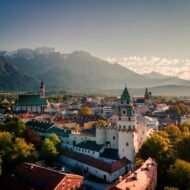
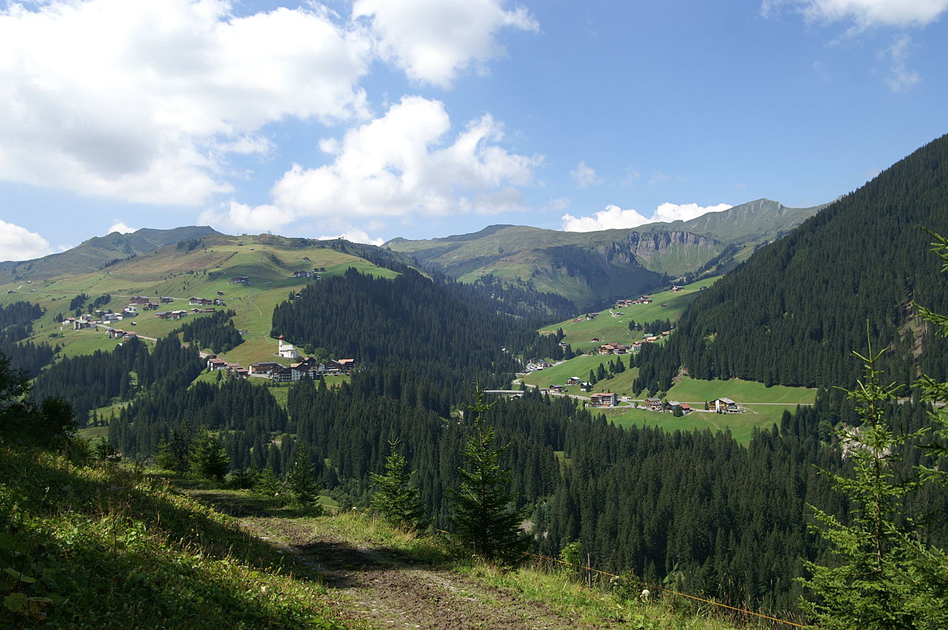
Let’s be honest: when most people think “Austrian Alps,” they picture remote mountain villages or expensive ski resorts. But Innsbruck? It’s the best-kept secret that’s hiding in plain sight. This capital of Tyrol packs legitimate alpine adventure, baroque architecture, and a lively university-town vibe into a walkable city surrounded by mountains that’ll make your Instagram followers seriously jealous.
The name literally means “bridge over the Inn” (the river running through it), but don’t let that modest etymology fool you. This place has hosted the Winter Olympics twice (1964 and 1976), and once you see those peaks towering over the medieval Old Town, you’ll understand why.
Getting There (It’s Easier Than You Think)
Innsbruck Airport (INN) sits just 4 kilometers from the city center—you can literally see the mountains from the runway. Direct flights connect from London, Amsterdam, and various German cities, though many visitors fly into Munich (about 90 minutes away by train) for more flight options and often better prices.
The train connections are excellent. Austria’s ÖBB rail network runs regular services from Vienna (4.5 hours), Salzburg (2 hours), Munich (1.5 hours), and Zurich (3.5 hours). Pro tip: book advance tickets online for significant savings, and consider an ÖBB Vorteilscard if you’re exploring more of Austria.
Driving? The A12 and A13 highways connect Innsbruck to the rest of Europe, but honestly, you won’t need a car in the city itself. The public transport is so good that having a vehicle becomes more hassle than help.
When to Visit (Spoiler: There’s No Bad Time)
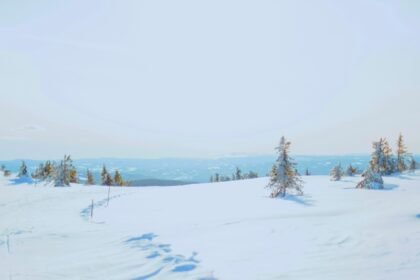
Winter (December-March): Peak ski season means fresh powder, festive Christmas markets, and that magical alpine winter atmosphere. Yes, it’s crowded and pricier, but if skiing or snowboarding is your jam, this is when you want to be here. The Christmas market at the Golden Roof is genuinely enchanting, not just tourist trap material.
Spring (April-May): Shoulder season gold. Fewer visitors, lower prices, and if you time it right in late spring, you can ski in the morning and hike in wildflower meadows in the afternoon. The weather can be unpredictable, but that’s part of the adventure.
Summer (June-September): Hiking season is absolutely glorious. Long daylight hours, comfortable temperatures in the mountains (while the valleys stay warm), and mountain huts serving hearty food. Festival season also kicks in, with events like the Innsbruck Festival of Early Music.
Fall (October-November): Another shoulder season with stunning foliage, harvest festivals, and that crisp mountain air. Some higher-altitude attractions start closing, but prices drop significantly.
Where to Stay (For Every Budget)
Splurge: The Grand Hotel Europa (near the train station) offers old-world elegance with modern amenities, while Hotel Innsbruck right in the Old Town puts you in the heart of everything with mountain views from your balcony.
Mid-Range: Hotel Goldener Adler has been welcoming guests since 1390—yes, really—and offers historic charm at reasonable prices. NALA individuellhotel combines contemporary design with Tyrolean warmth and includes free public transport cards.
Budget: Nepomuk’s Jugendhotel provides clean, modern hostel vibes perfect for solo travelers and backpackers. Youth Hostel Innsbruck might not win design awards, but it’s affordable, clean, and well-connected by public transport.
Alternative: Airbnb apartments in neighborhoods like Wilten or Pradl give you local flavor and kitchen facilities for even bigger savings on food costs.
Getting Around (It’s Ridiculously Easy)
Here’s the beautiful thing: if you’re staying overnight, your accommodation provides a free Innsbruck Card that covers all public transport in the region. The tram and bus system is intuitive, punctual (this is Austria, after all), and reaches virtually everywhere you’d want to go.
The Old Town is completely walkable—15 minutes end-to-end. For reaching ski areas and mountain attractions, specific transport is included with many lift tickets or available through combo passes.
Bike rentals are widely available, and the city has excellent cycling infrastructure if you prefer pedal power.
Must-See Attractions (Beyond the Obvious)
The Golden Roof (Goldenes Dachl)
This glittering landmark in the Old Town’s main square features 2,657 fire-gilded copper tiles and served as a royal box where Emperor Maximilian I watched tournaments. It’s probably the most photographed building in Innsbruck, and for good reason—the Gothic architecture against the mountain backdrop is absolutely stunning. The attached museum dives into Maximilian’s life and is worth the modest entrance fee if you’re into history.
Nordkette Cable Car
This isn’t just transport—it’s an experience. Designed by architect Zaha Hadid, these futuristic cable cars whisk you from the city center (Congress station) to 2,256 meters above sea level in about 20 minutes. At the top, you’re standing on the Hafelekar peak with 360-degree views of the Alps. There’s a clifftop viewing platform that’s not for the faint of heart. In winter, you can ski back down into the city—how many places let you do that?
Ambras Castle (Schloss Ambras)
Located slightly outside the city center, this Renaissance castle houses an incredible collection assembled by Archduke Ferdinand II. The Chamber of Art and Curiosities is fascinatingly weird (think portraits, armor, and random historical oddities), while the Spanish Hall is breathtakingly beautiful. The castle gardens offer peaceful strolling with mountain views, and there’s rarely a crowd.
Imperial Palace (Hofburg)
Emperor Maximilian I and Empress Maria Theresa both left their marks on this palace. The Rococo state rooms are opulent without being overwhelming, and the Giant’s Hall features elaborate ceiling frescoes. It’s more intimate than Vienna’s imperial palaces but no less impressive.
Bergisel Ski Jump
Even if you’re not launching yourself off a massive ramp (probably wise), visiting the Bergisel Ski Jump designed by Zaha Hadid is thrilling. Take the funicular to the observation deck for panoramic views of Innsbruck and the Inn Valley. The on-site museum explains the physics and history of ski jumping. If you visit during summer training or competition days, watching athletes fly through the air is genuinely awe-inspiring.
Outdoor Adventures (The Real Reason You’re Here)
Skiing and Snowboarding
Innsbruck’s ski areas include:
Nordkette: Ski from 2,256m straight back into the city. Known for challenging terrain and freeriding opportunities. Not ideal for beginners, but intermediate to advanced skiers will love it.
Patscherkofel: More family-friendly, hosted Olympic events, offers stunning views and less intense slopes. Good for those building confidence.
Stubai Glacier: About 30 minutes away, this is Austria’s largest glacier ski area with guaranteed snow, even when lower areas are struggling. Open longer than most areas (October to June).
The Stubai Super Ski Pass covers nine areas with 300km of slopes—incredible value if you’re here for a week or more.
Summer Hiking
The trail network is phenomenal. Beginners can stroll around the Muttereralm or Patscherkofel plateau, while experienced hikers can tackle multi-day hut-to-hut routes in the Stubai Alps. The Zirbenweg (Stone Pine Trail) offers relatively easy hiking with spectacular scenery.
Many mountain huts (Hütten) serve traditional food and drinks—after a few hours hiking, nothing tastes better than Kaiserschmarrn (shredded sweet pancake) and a cold beer on a sunny terrace.
Mountain Biking
From gentle valley trails to serious downhill tracks, Innsbruck’s mountain biking scene is world-class. Several areas offer bike parks with lifted access, so you can save your energy for the fun downhill parts. The Nordkette Singletrail is legendary among experienced riders.
Via Ferrata (Klettersteig)
These protected climbing routes with fixed cables, ladders, and bridges offer the thrill of mountaineering with added security. Several routes near Innsbruck range from beginner-friendly to seriously challenging. Guided tours are available if you’re new to this activity.
Food and Drink (Prepare to Gain Weight)
Tyrolean cuisine is hearty, filling, and absolutely delicious. Think German comfort food meets Italian influences meets mountain fuel.
Must-try dishes:
- Tiroler Gröstl: Pan-fried potatoes, onions, and beef or pork, topped with a fried egg. Peak comfort food.
- Käsespätzle: Cheese noodles that are basically Austrian mac and cheese, but better
- Wiener Schnitzel: Yes, it’s Viennese, but done exceptionally well here
- Speckknödel: Dumplings with bacon—simple, satisfying, traditional
- Apfelstrudel: Apple strudel is an art form in Austria, especially when served warm with vanilla sauce
Where to eat:
Traditional: Gasthaus Anich serves authentic Tyrolean food without tourist trap prices. Die Wilderin focuses on regional ingredients prepared with modern touches while respecting tradition.
Casual: 360 Grad (at the Nordkette top station) offers basic fare with literally the best view in town. Moustache serves excellent street food and craft beer in a relaxed setting.
Fine Dining: Lichtblick on the 7th floor of the Rathausgalerien shopping center (don’t let that deter you) offers creative cuisine with panoramic views.
Coffee culture: Innsbruck takes its coffee seriously. Café Central and Café Munding (Innsbruck’s oldest café, since 1803) are perfect for people-watching over a melange (similar to cappuccino) and a slice of Sachertorte.
Nightlife and Entertainment
As a university city, Innsbruck has a surprisingly vibrant nightlife scene beyond what you’d expect from a mid-sized alpine town.
Bars: Tribaun and 360°Bar offer craft beer selections. Kater Noster serves creative cocktails in a stylish setting. For something more traditional, the Hofgarten Café has a lovely beer garden.
Live Music: Treibhaus is the main venue for concerts ranging from indie rock to electronic music. Weekends often feature DJs and dancing.
Cultural Events: Tiroler Landestheater presents opera, theater, and musicals. The Innsbruck Festival of Early Music (summer) attracts international visitors interested in baroque and renaissance performances.
Day Trips Worth Taking
Swarovski Crystal Worlds: About 20 minutes away in Wattens, this attraction is far more interesting than a glorified showroom sounds. Artist André Heller created surreal, glittering installations that are genuinely impressive. The garden features a giant face made of grass with water pouring from its mouth—it’s oddly captivating.
Stubai Valley: Beyond the glacier, the valley offers traditional villages, hiking trails, and the Stubai WildeWasserWeg (Wild Water Way)—a gorge trail with waterfalls and bridges that’s dramatic and family-friendly.
Achensee Lake: Tyrol’s largest lake offers swimming, sailing, and the nostalgic Achensee Steam Cog Railway. Less crowded than many alpine lakes, it’s perfect for a relaxed summer day.
Practical Tips (The Stuff That Actually Helps)
Money: Austria uses the euro. Credit cards are widely accepted, but smaller establishments may prefer cash. ATMs are plentiful. Expect to pay €4-6 for a coffee, €10-15 for lunch, €20-35 for dinner at mid-range restaurants.
Language: German is official, but English is widely spoken, especially in tourist areas and by younger people. Learning a few basic German phrases (Grüß Gott = hello, Danke = thank you) is appreciated but not essential.
Tipping: Round up or add 5-10% for good service at restaurants. It’s customary to hand the tip directly to the server rather than leaving it on the table.
Safety: Innsbruck is exceptionally safe. Standard precautions apply (watch for pickpockets in crowded tourist areas), but violent crime is rare. Mountain safety is more relevant—check weather forecasts, carry appropriate gear, and don’t overestimate your abilities.
Accessibility: The city center has good accessibility, with most major attractions offering wheelchair access or accommodations. Mountain attractions obviously present more challenges, though some cable cars and viewing platforms are accessible.
Best Money-Saving Tip: The Innsbruck Card (available for 24, 48, or 72 hours) includes free cable car rides, museum entries, and public transport. If you’re planning to do multiple attractions, it pays for itself quickly. Calculate whether your itinerary makes it worthwhile before purchasing.
Sustainable Tourism
Innsbruck takes environmental protection seriously (as they should—the mountains are their livelihood). You can contribute by:
- Using public transport (it’s excellent anyway)
- Staying on marked trails when hiking
- Respecting quiet hours (typically 10pm-6am in residential areas)
- Supporting local businesses over international chains
- Avoiding single-use plastics (tap water is safe and tastes great)
- Choosing accommodations with environmental certifications
Final Thoughts
Innsbruck doesn’t try too hard. It doesn’t need to. When your backyard is the Alps and your city center looks like a baroque postcard, the place kind of sells itself. But what makes Innsbruck special isn’t just the scenery—it’s that perfect balance of accessibility and authenticity.
You can ski in the morning, explore imperial history in the afternoon, and enjoy craft beer with university students in the evening. You can spend a week here skiing different mountains every day, or use it as a base for exploring Tyrol. You can visit in winter for snow sports or summer for hiking, and either way, you’ll understand why locals seem so genuinely happy to live here.
Unlike some alpine destinations that feel like theme parks for tourists, Innsbruck remains a real city where real people live, work, and play. Yes, tourism is important, but it’s not the only thing happening here. That authenticity makes all the difference.
Whether you’re a solo traveler, a couple seeking romance, a family wanting adventure, or friends chasing powder, Innsbruck delivers. It’s not the cheapest destination in Europe, but compared to Switzerland or many of France’s alpine resorts, it offers better value without compromising on quality or experience.
So pack your hiking boots and camera, practice your German greetings, and prepare for a city that manages to be both impossibly scenic and genuinely livable. Innsbruck isn’t just a travel destination—it’s a reminder that some places really do have it all.
Grüß Gott, and enjoy your Alpine adventure!