












Ever wondered what it feels like to stand on the deck of a ship that changed history? Europe’s coastline is dotted with magnificent vessels that have survived centuries of storms, battles, and time itself. These floating treasures aren’t just for maritime buffs – they’re living time machines that let you experience the golden age of sail, the drama of naval warfare, and the incredible craftsmanship of eras gone by. From sleek tea clippers that raced across oceans to mighty warships that decided the fate of nations, Europe’s historic ships offer adventures that go way beyond your typical museum visit. Ready to embark on a journey through time? Let’s set sail and discover Europe’s most legendary ships!
- The History Behind Europe’s Maritime Treasures
- Where Can You Find These Maritime Marvels?
- Fun Facts That Will Blow Your Mind
- Why You Should Add Historic Ships to Your Travel Plans
- Most Popular Maritime Attractions
- 1. The Cutty Sark (Greenwich, UK)
- 2. The Vasa Museum (Stockholm, Sweden)
- 3. The ORP Błyskawica and Dar Pomorza (Gdynia, Poland)
- 4. Battleship Georgios Averof (Marina Flisvos, Greece)
- 5. East Indiaman “Amsterdam” (Netherlands)
- 6. “Seute Deern” at German Maritime Museum (Bremerhaven)
- 7. HMS Victory (Portsmouth, UK)
- 8. HMS Warrior (Portsmouth, UK)
- Other Notable Vessels Worth Visiting
- Maritime Events Not to Miss
- Combine Your Ship Visit with Cycling or Hiking
- Travel Tips and Practical Information
- Final Thoughts
The History Behind Europe’s Maritime Treasures
Europe’s love affair with the sea stretches back thousands of years, but it was during the Age of Sail (16th-19th centuries) when ships truly became legends. These weren’t just vehicles – they were the space shuttles of their time, pushing the boundaries of what was possible and connecting continents.
The great naval powers – Britain, Spain, the Netherlands, and the Nordic countries – competed fiercely to build faster, stronger, and more imposing vessels. Ships like HMS Victory became floating fortresses with up to 100 cannons and crews of 800 men. Meanwhile, merchant vessels like the Dutch East Indiamen grew to massive proportions, becoming the first true global trading vessels.
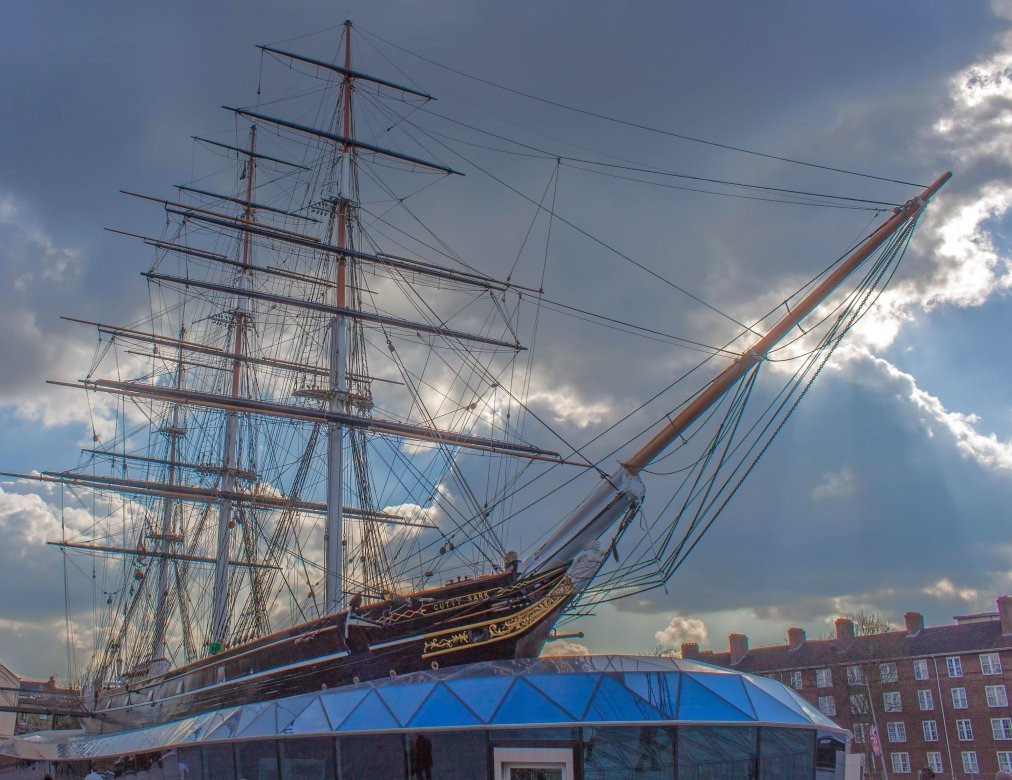
By the 19th century, wood gave way to iron, and sail to steam. This transition created fascinating hybrid ships like the Cutty Sark – one of the fastest sailing ships ever built, designed to outrun steamships in the lucrative tea trade. The early 20th century brought behemoth battleships and destroyers that would shape world history through two devastating wars.
What makes these preserved vessels so special isn’t just their age – it’s that each tells a unique story of innovation, adventure, tragedy, or triumph that changed the course of European history.
Where Can You Find These Maritime Marvels?
Europe’s historic ships aren’t hiding – they’re proudly displayed in major ports and maritime cities across the continent. The UK boasts the highest concentration, with Portsmouth and London being true ship-spotting paradises. Scandinavian countries preserve their rich Viking and naval heritage in Stockholm, Oslo, and Copenhagen.
The Mediterranean offers its own treasures, with Greece, Spain, and Italy showcasing vessels from their powerful maritime pasts. Northern Europe doesn’t disappoint either, with Germany, Poland, and the Netherlands home to some of the most impressive maritime museums and ship restorations anywhere in the world.
Many of these ships are centerpieces of dedicated maritime museums, while others stand as independent attractions in historic harbors. Almost all are accessible by public transportation from major cities, making ship-hopping across Europe surprisingly convenient!
Fun Facts That Will Blow Your Mind
• The Vasa sank on its maiden voyage after sailing less than one nautical mile – talk about a bad first day at work! • HMS Victory is technically still in active service in the Royal Navy, making it the oldest commissioned warship in the world. • The Cutty Sark is named after a witch’s skimpy outfit in a Robert Burns poem – sailors weren’t exactly subtle with ship names. • The Polish destroyer ORP Błyskawica saved the town of Cowes during WWII by defending it against German air raids while undergoing repairs there. • The Amsterdam sank in 1749 due to a worm infestation – yes, worms can sink ships! • Many historic ships report ghost sightings – from mysterious footsteps on HMS Victory to the apparition of a young boy on the Cutty Sark. • The Georgios Averof was nicknamed “The Lucky Uncle” because it survived both World Wars virtually unscathed.
Why You Should Add Historic Ships to Your Travel Plans
Beyond the obvious Instagram potential (hello, perfect sunset shots from a historic deck!), these vessels offer experiences you simply can’t find elsewhere:
- Hands-on history – Many ships feature interactive exhibits where you can try hauling ropes, navigating with stars, or loading (replica) cannons.
- Unique perspectives – Standing on the actual deck where Admiral Nelson died or where sailors once raced to China gives you goosebumps no history book can deliver.
- Family-friendly adventure – Kids who might yawn through traditional museums come alive when climbing aboard real ships.
- Stunning engineering – Marvel at the craftsmanship achieved without modern tools or technology.
- Cultural insights – Ships reveal fascinating details about daily life, social hierarchies, and values of past societies.
- Maritime festivals – Time your visit right and you might catch regattas, tall ship gatherings, or historical reenactments.
Most Popular Maritime Attractions
1. The Cutty Sark (Greenwich, UK)
The world’s sole surviving tea clipper sits in a stunning glass display that lets you walk both on and under her hull. This record-breaking speed demon of the seas once raced to bring the first tea harvest from China, making fortunes for her owners.
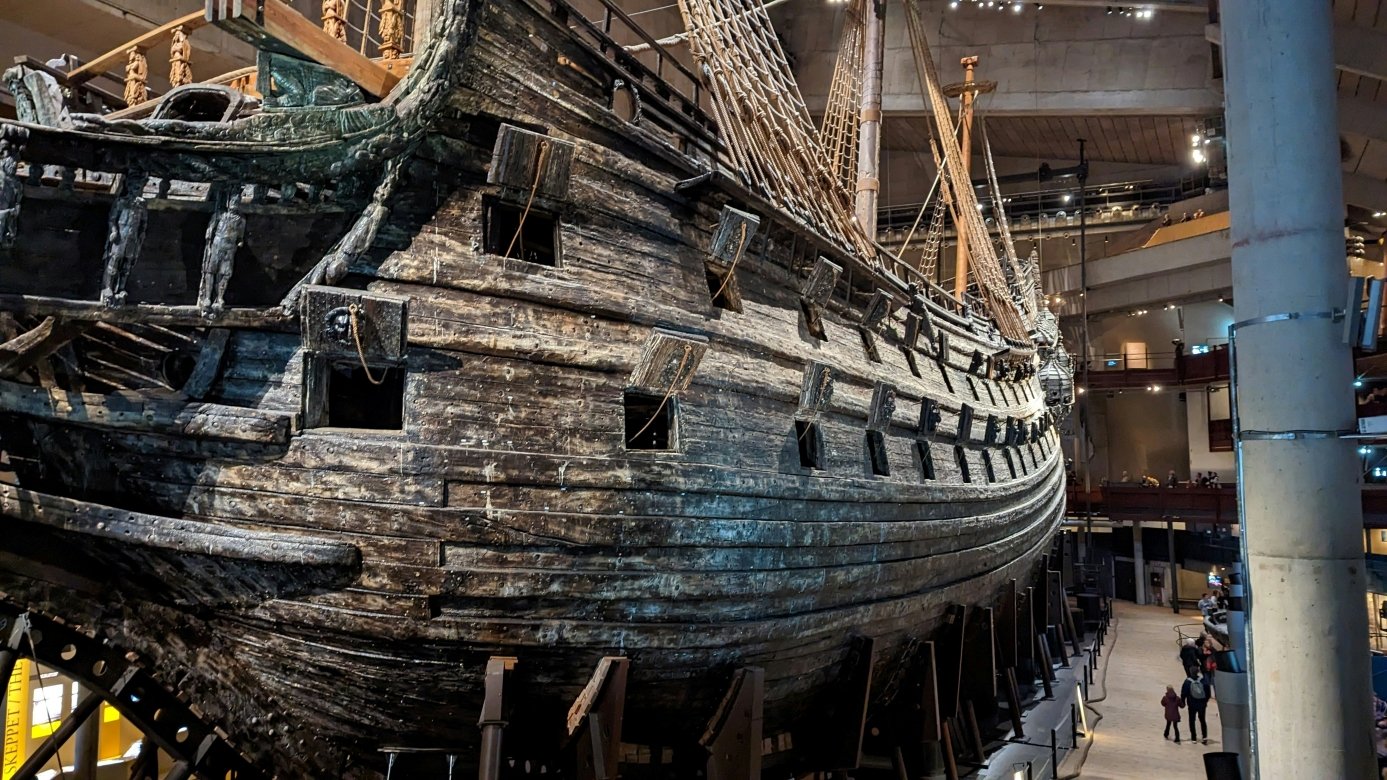
2. The Vasa Museum (Stockholm, Sweden)
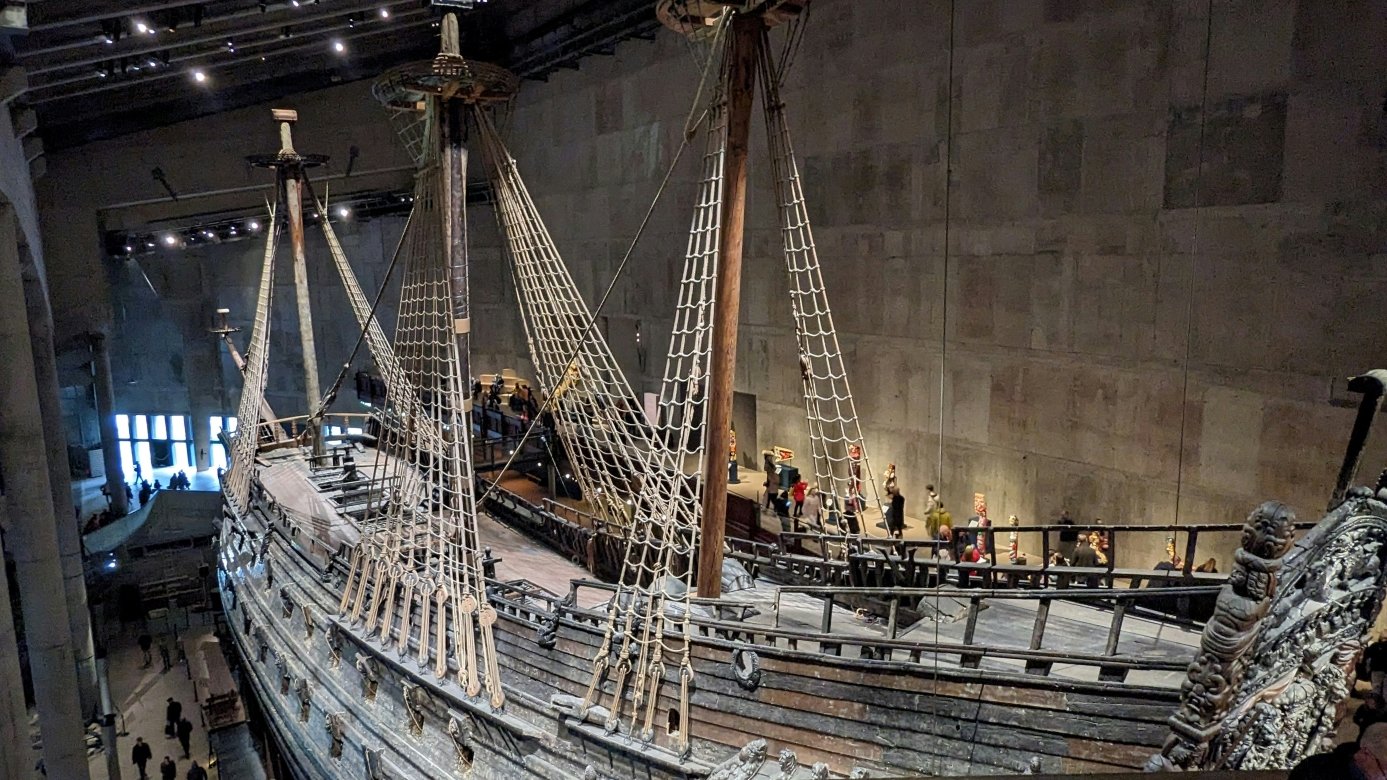
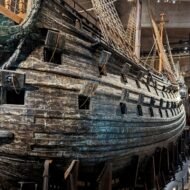
Housing a nearly perfectly preserved 17th-century warship that spent 333 years underwater, this is Scandinavia’s most visited museum. The ornately decorated ship is 98% original and offers an unmatched glimpse into the Swedish “great power period.”
3. The ORP Błyskawica and Dar Pomorza (Gdynia, Poland)
Gdynia offers two legendary ships within walking distance of each other. The ORP Błyskawica, a WWII destroyer, is the oldest preserved ship of its type in the world. Having served valiantly throughout the war (even heroically defending the English coast), she now serves as a powerful memorial to Polish naval history.
Just a short stroll away sits the magnificent Dar Pomorza (Gift of Pomerania), a stunning white three-masted sailing frigate. Built in 1909 and serving as a Polish training ship from 1930 to 1982, this graceful “White Frigate” sailed around the world, trained generations of Polish sailors, and won the prestigious Cutty Sark Trophy in 1972. Now permanently docked as a museum ship, visitors can explore her elegant decks, captain’s quarters, and fascinating navigation rooms while experiencing life aboard a true tall ship.
4. Battleship Georgios Averof (Marina Flisvos, Greece)
Once the pride of the Greek navy, this armored cruiser played a decisive role in the Balkan Wars and both World Wars. Now restored to her former glory, she’s a floating naval museum with stunning views of the Athens Riviera.
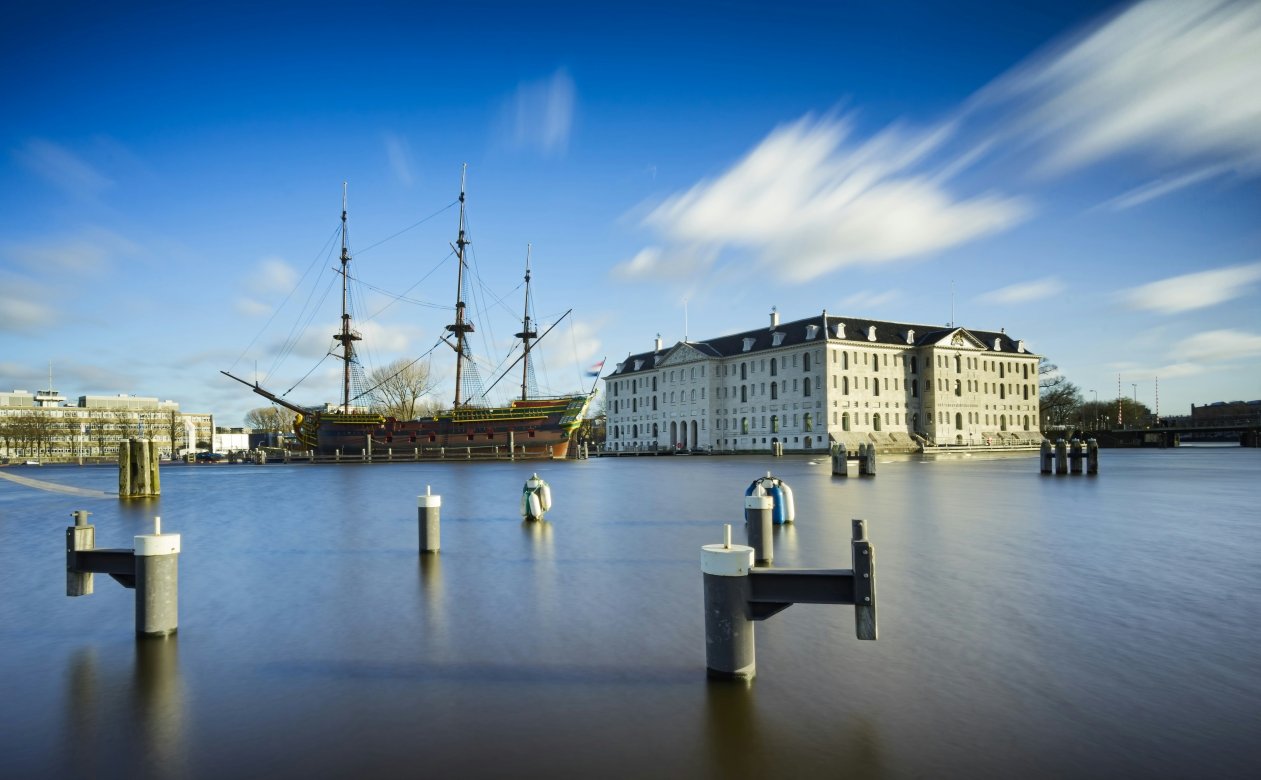
5. East Indiaman “Amsterdam” (Netherlands)
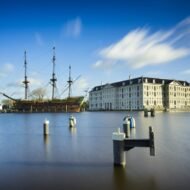
This faithful replica of an 18th-century trading ship sits beside Amsterdam’s Maritime Museum, offering visitors a chance to explore all decks of a vessel that once connected Europe with Asia. The attention to historical detail is simply breathtaking.
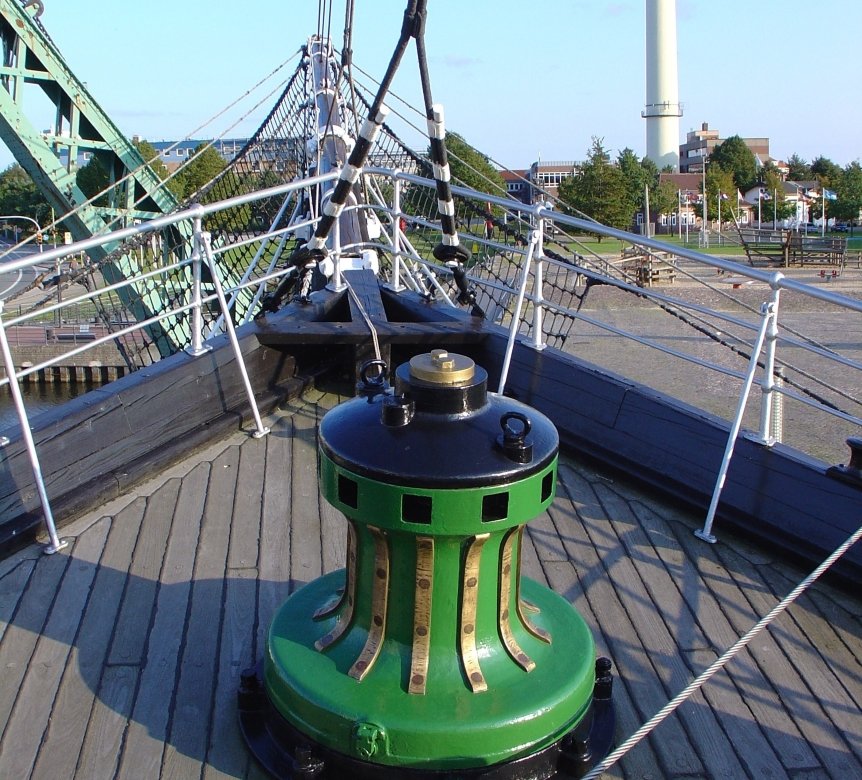
6. “Seute Deern” at German Maritime Museum (Bremerhaven)
This beautifully preserved three-masted sailing ship exemplifies Germany’s shipbuilding prowess. The museum surrounding it features an impressive collection spanning prehistoric log boats to modern vessels.
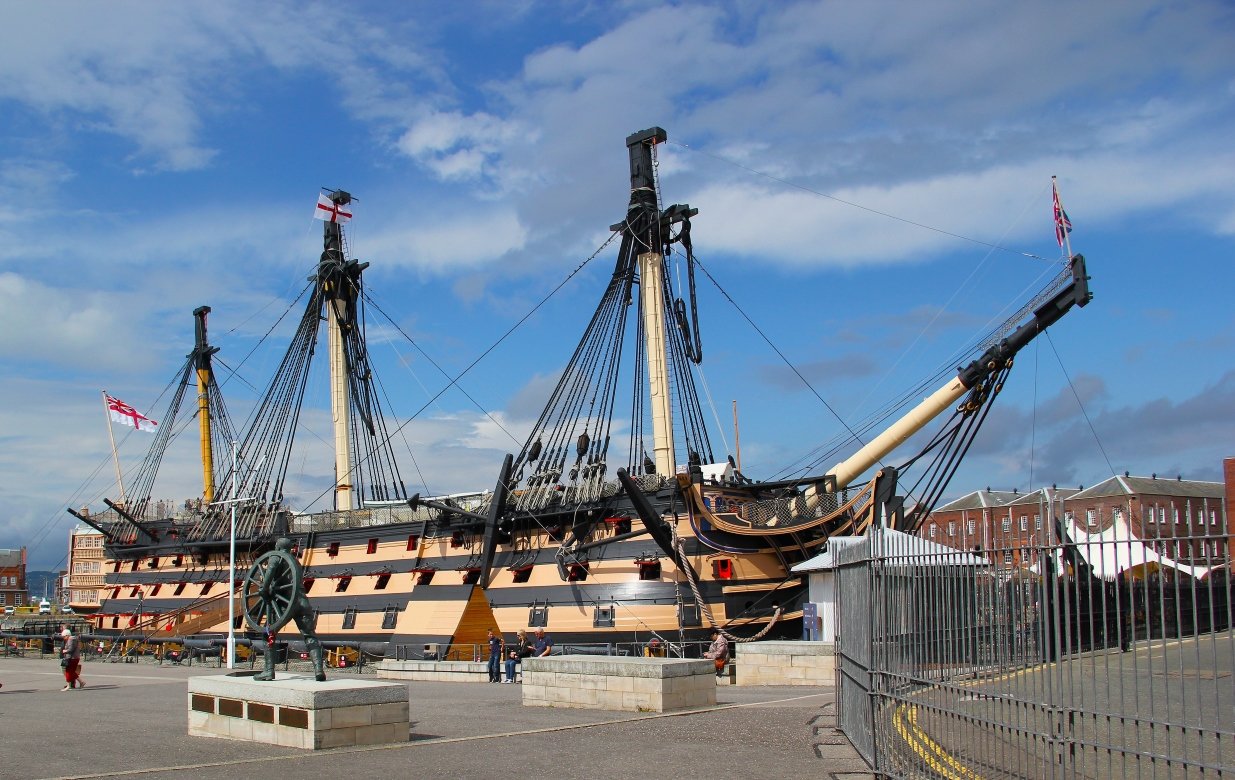
7. HMS Victory (Portsmouth, UK)
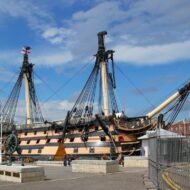
Lord Nelson’s flagship from the Battle of Trafalgar is the world’s oldest commissioned warship. Standing on the spot where Nelson fell is a powerful experience for any history buff, while the massive 104-gun arrangement impresses everyone.
8. HMS Warrior (Portsmouth, UK)
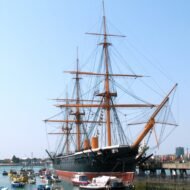
Britain’s first iron-hulled, armored warship revolutionized naval warfare in 1860. The perfect transitional vessel between the age of sail and steam, she features massive steam engines alongside impressive masts and sails.
Other Notable Vessels Worth Visiting
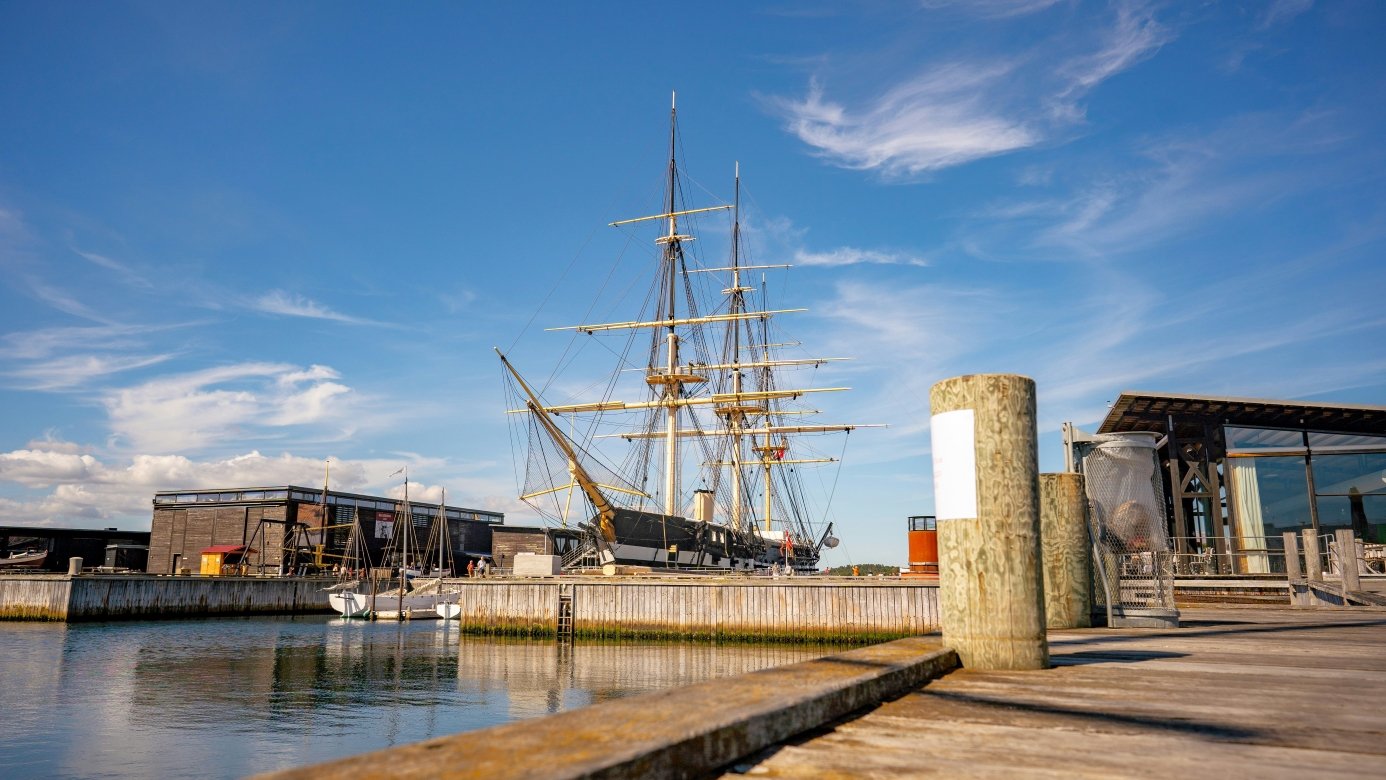
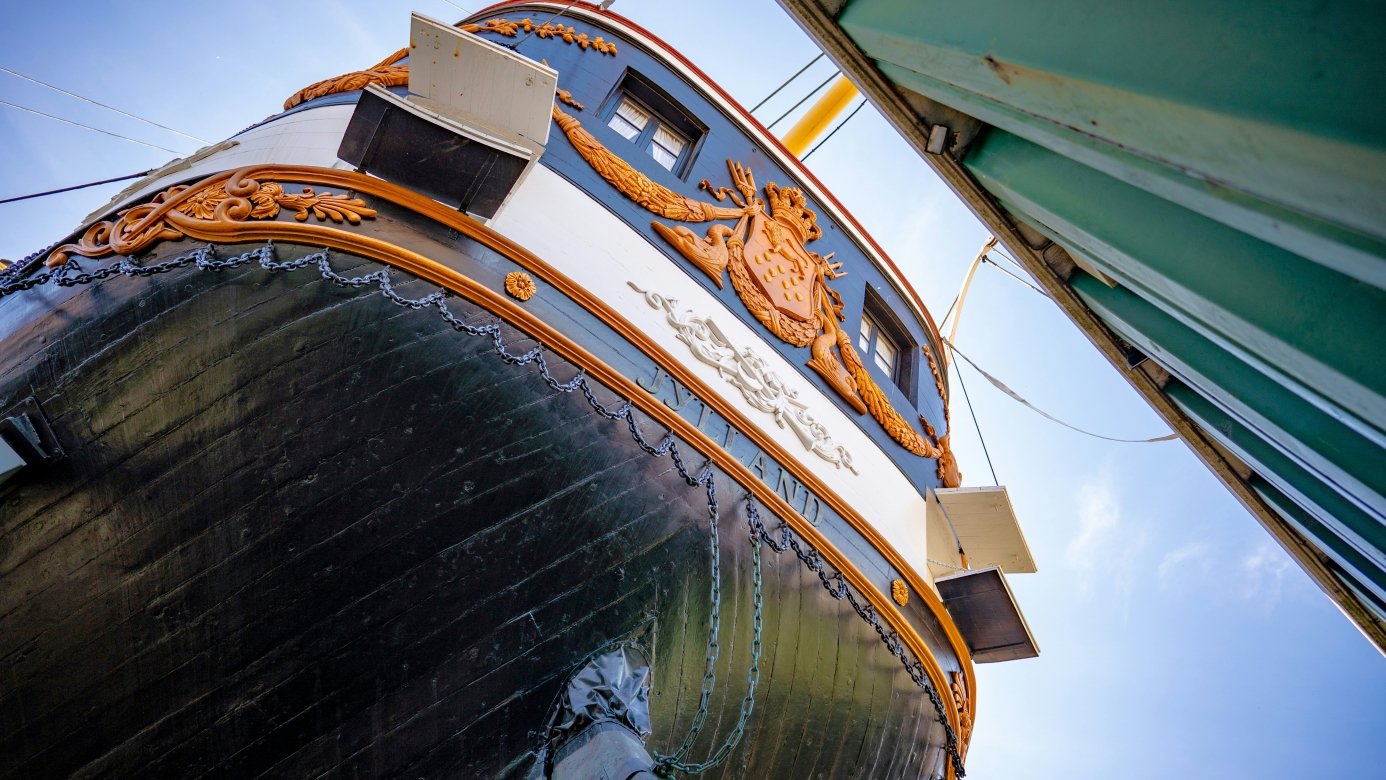
- HDMS Jylland (Ebeltoft, Denmark) – One of the world’s largest wooden warships and the last remaining screw-propelled frigate. This impressive Danish vessel combines sail and steam power, served in the 1864 Battle of Heligoland, and is now magnificently preserved in a dedicated museum complex.
- SS Great Britain (Bristol, UK) – Brunel’s engineering masterpiece was the world’s first iron steamer to cross the Atlantic.
- Viking Ship Museum vessels (Oslo, Norway) – Incredibly preserved 9th-century Viking ships that once served as burial vessels.
- Spanish galleon replica Andalucía (Various Spanish ports) – A stunning recreation of the ships that created Spain’s global empire.
- Russian cruiser Aurora (St. Petersburg) – The ship whose guns signaled the start of the Russian Revolution. • Galeón Andalucía (Various ports) – A magnificent replica of a 16th-century Spanish galleon that actually sails between European ports.
Maritime Events Not to Miss
- Sail Amsterdam (Netherlands) – The world’s largest nautical event brings together hundreds of historic vessels every five years.
- Brest Maritime Festival (France) – Features over 1,000 vessels and thousands of sailors from around the world.
- Kiel Week (Germany) – One of the largest sailing events worldwide combines historic ships with modern racing vessels.
- The Tall Ships Races (Various European ports) – Majestic tall ships race between cities, with opportunities for visitors to board when in port.
- Portsmouth Navy Days (UK) – Historic and modern naval vessels open to the public alongside spectacular demonstrations.
Combine Your Ship Visit with Cycling or Hiking
Many historic ships are perfectly positioned for active travelers: • Rent a bike in Amsterdam and cycle to the Maritime Museum’s replica ships, then continue along scenic canal paths. • Portsmouth’s Historic Dockyard connects to beautiful coastal walks with views across the Solent. • The Vasa Museum sits on Stockholm’s green island of Djurgården, perfect for hiking and cycling adventures. • ORP Błyskawica and Dar Pomorza are located on a beautiful stretch of Polish coastline with excellent cycling routes along the Baltic Sea. • Greenwich’s Cutty Sark is a perfect starting point for exploring London’s Thames Path on foot or bike.
Travel Tips and Practical Information
- Best season: Late spring to early autumn offers the best weather and many ships host special summer programs.
- Tickets: Most ships offer online booking with discounts for combined attractions.
- Photography: Check policies beforehand – some areas may restrict flash photography.
- Accessibility: Historic ships can be challenging for those with mobility issues; check websites for accessibility options.
- Guided tours: Often worth the extra cost for fascinating stories and access to restricted areas.
- Family visits: Many ships offer special activities for children – check for “gunner’s experience” or “sailor for a day” programs.
- Timing: Allow at least 2-3 hours for major attractions like the Vasa or HMS Victory.
Final Thoughts
Europe’s historic ships aren’t just relics of the past – they’re living connections to the ages of exploration, trade, and naval power that shaped our modern world. Standing on their decks, you can almost hear the shouts of sailors, feel the pitch and roll of ocean waves, and imagine horizons filled with possibility rather than the familiar coastlines of today.
Whether you’re a history enthusiast, a photography lover, or simply looking for something different on your European adventure, these majestic vessels offer experiences that will stay with you long after you’ve returned to shore. So hoist your travel plans and set a course for Europe’s most legendary ships – adventures await that are, quite literally, unlike anything on earth! Photo credit: HMS Warrior / Averof Today