









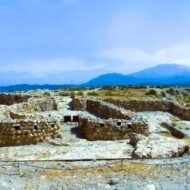


Picture this: you’re standing before a massive stone circle that’s been watching over the landscape for over 4,000 years. The wind whispers through ancient stones, and you can almost feel the presence of our Neolithic ancestors who moved these colossal blocks without cranes, trucks, or modern machinery. Welcome to megalithic Europe – a continent dotted with mysterious stone monuments that continue to baffle archaeologists and enchant travelers from around the globe.
- A Journey Through Stone Age History
- Where Can You Find These Ancient Wonders?
- Mind-Blowing Fun Facts About Megalithic Europe
- Compelling Reasons to Explore Megalithic Europe
- Most Popular Megalithic Destinations
- Other Notable Megalithic Treasures
- Events Not to Miss
- Cycling and Hiking Adventures
- Travel Tips and Practical Information
- Final Thoughts: Your Megalithic Adventure Awaits
From the world-famous Stonehenge to hidden gems tucked away in remote valleys, Europe’s megalithic sites offer an incredible journey through time. These aren’t just piles of old rocks – they’re windows into the minds and souls of people who lived thousands of years ago, creating structures so impressive they still leave us scratching our heads today. Whether you’re a history buff, spiritual seeker, or just someone who loves a good mystery, Europe’s ancient stone monuments promise adventures that’ll stick with you long after you’ve returned home.
A Journey Through Stone Age History
The megalithic period in Europe spans roughly from 4500 to 1500 BCE, representing one of humanity’s most ambitious architectural phases. The word “megalithic” literally means “large stone,” but these monuments represent so much more than their massive construction materials suggest.
Our Neolithic ancestors weren’t just randomly stacking stones – they were creating sophisticated astronomical calendars, burial chambers, and ceremonial centers that required incredible engineering skills and social organization. Think about it: moving stones weighing up to 50 tons without modern equipment meant entire communities had to work together with nothing but rope, wooden rollers, and sheer determination.
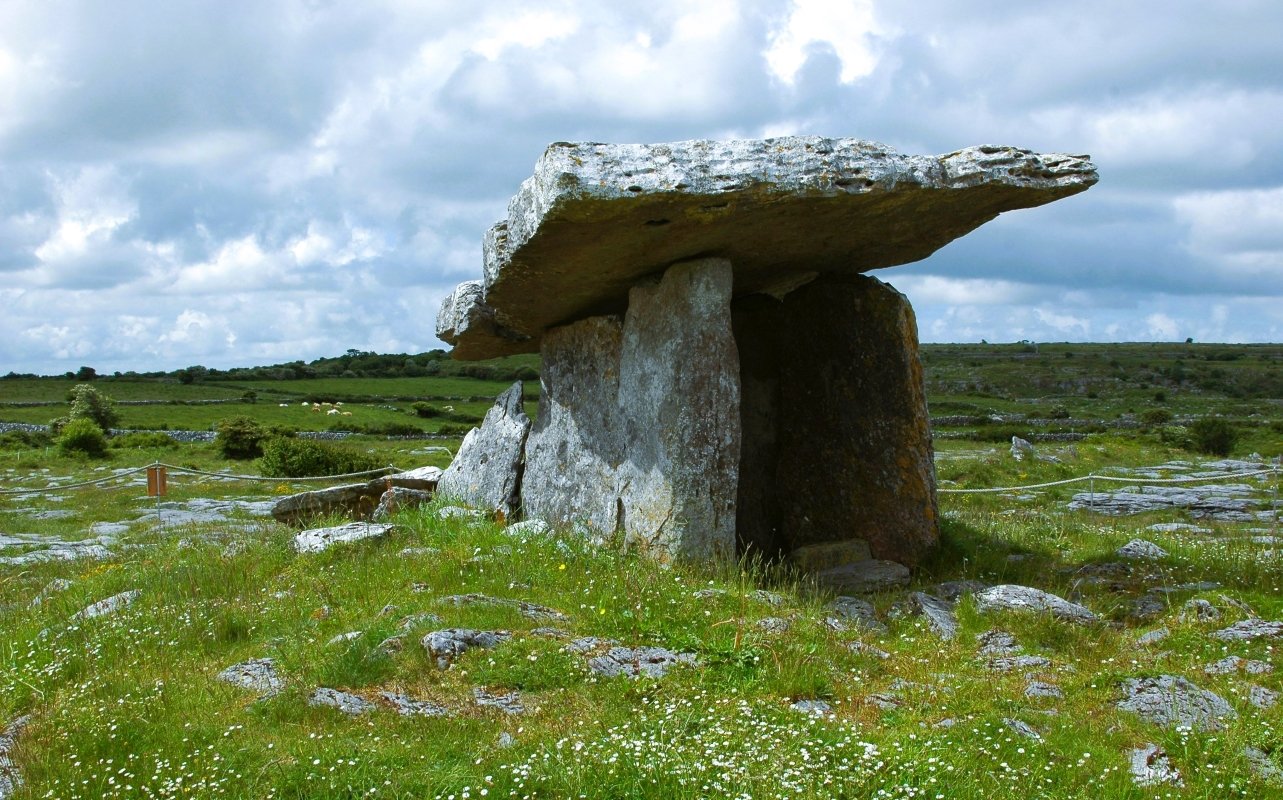
These monument builders left us with three main types of structures: dolmens (table-like stone tombs), menhirs (standing stones), and stone circles. Each served different purposes, from marking seasonal changes to honoring the dead, and their construction techniques varied dramatically across different regions and time periods.
What’s truly mind-blowing is how these ancient engineers managed to transport massive stones across vast distances, sometimes from quarries located hundreds of miles away, then precisely position them to align with celestial events like solstices and equinoxes.
Where Can You Find These Ancient Wonders?
Megalithic monuments are scattered across Europe like a giant connect-the-dots puzzle, with the highest concentrations found in Atlantic Europe – particularly the British Isles, France, Spain, and Portugal. However, impressive examples can be discovered from Scandinavia down to the Mediterranean islands.
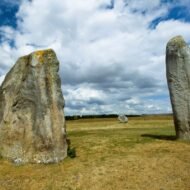
United Kingdom and Ireland boast the most famous sites, including England’s Stonehenge and Avebury, Scotland’s Ring of Brodgar, and Ireland’s Newgrange passage tomb. The British Isles alone contain over 1,000 stone circles and countless other megalithic structures.
France is absolutely loaded with megalithic treasures, especially in Brittany where you’ll find the incredible Carnac stones – over 3,000 standing stones arranged in mysterious alignments stretching for miles. The country has more megalithic monuments than anywhere else in Europe.
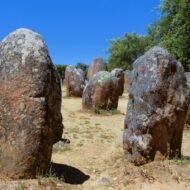
Spain and Portugal offer spectacular dolmens and passage graves, particularly in regions like Galicia and the Alentejo. Portugal’s Almendres Cromlech is often called the “Portuguese Stonehenge.”
Scandinavia surprises many visitors with impressive ship-shaped stone settings and burial mounds, while Germany, Netherlands,Sardinia,Greece and Malta each contribute their own unique megalithic styles to Europe’s ancient stone symphony.
Mind-Blowing Fun Facts About Megalithic Europe
Ready to have your mind blown? The Carnac stones in France contain enough stone to build a wall around Paris! Some individual stones weigh more than four elephants combined, yet our ancestors somehow managed to stand them upright with Bronze Age technology.
Here’s something that’ll make you appreciate ancient engineering: Stonehenge’s famous bluestones traveled roughly 150 miles from Wales to their current location in England. Imagine organizing that logistics nightmare without trucks, trains, or even wheels!
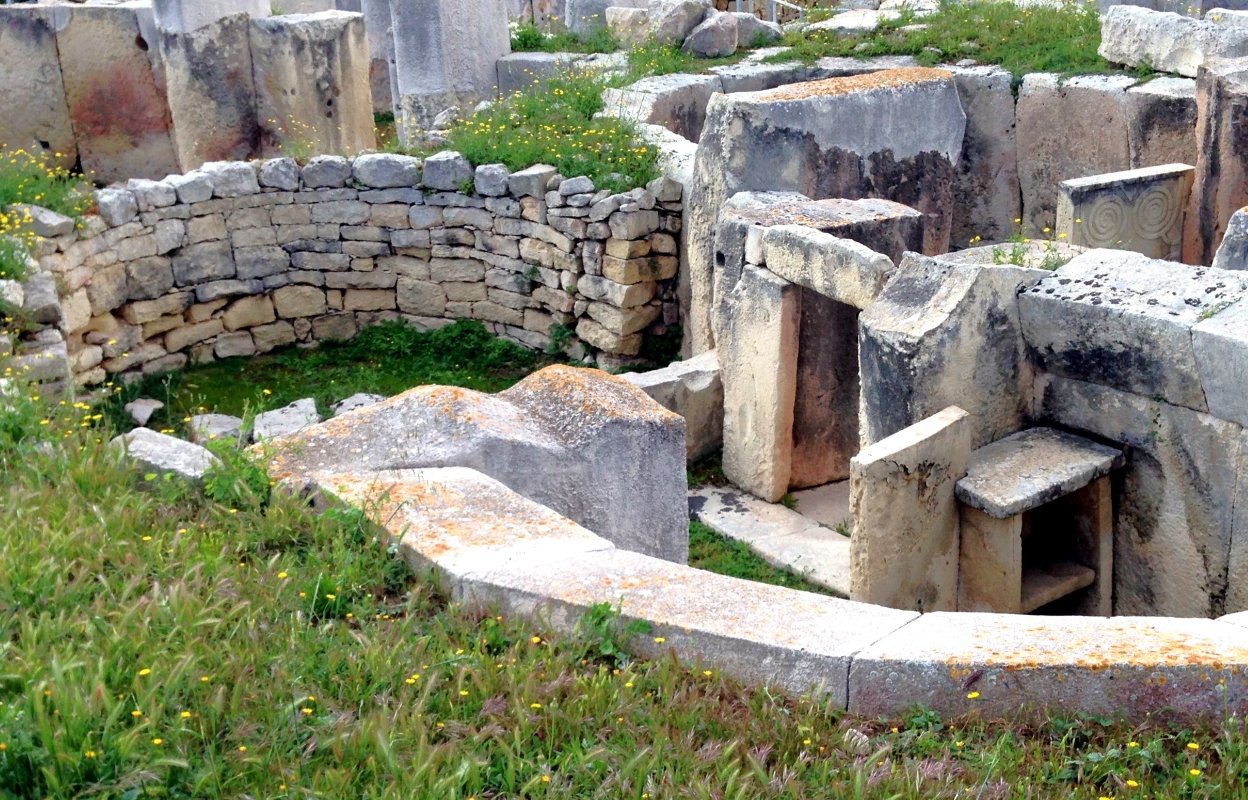
Malta’s megalithic temples are actually older than both Stonehenge and the Egyptian pyramids, making them some of humanity’s oldest free-standing structures. The Ggantija temples on Gozo island were already ancient when the pharaohs were just getting started.
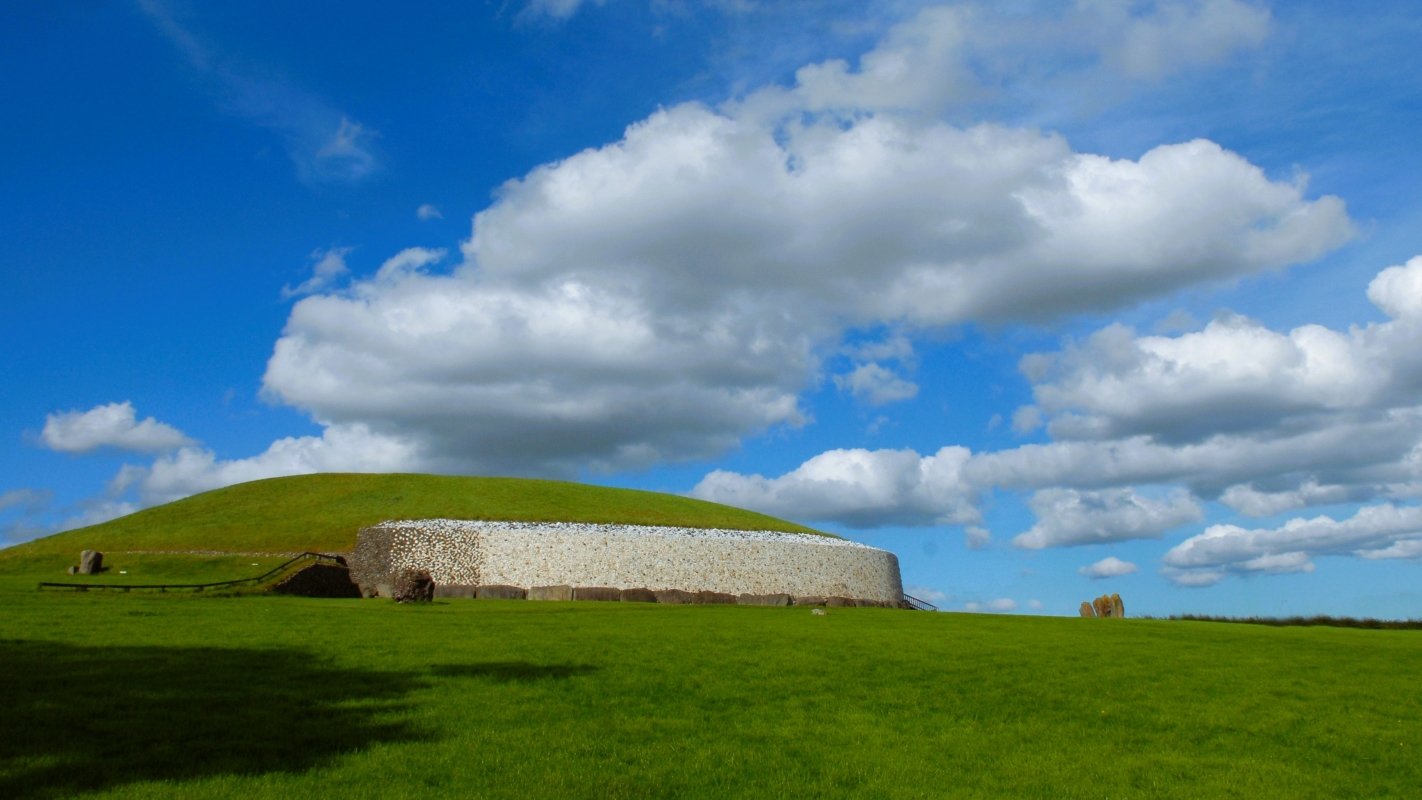
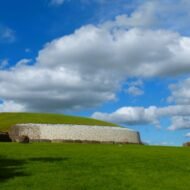
Many megalithic sites demonstrate sophisticated astronomical knowledge – Newgrange in Ireland is positioned so perfectly that sunlight floods its inner chamber only during the winter solstice sunrise. The waiting list to witness this event is currently over 30 years long!
Some stone circles contain acoustic properties that amplify sound in remarkable ways. At certain sites, a whisper at the center can be heard clearly around the entire perimeter – ancient concert halls, perhaps?
Compelling Reasons to Explore Megalithic Europe
Connect with humanity’s deepest roots. Standing before these monuments, you’re literally touching the same stones that our ancestors shaped thousands of years ago. It’s the ultimate time travel experience without needing a DeLorean.
Solve ancient mysteries. Despite centuries of study, many megalithic sites still guard their secrets. You might be the one to notice something archaeologists have missed! Every visit offers opportunities to form your own theories about their purpose and meaning.
Experience spiritual energy. Whether you’re religiously inclined or not, many visitors report feeling something special at these sites. The combination of ancient human intention, natural beauty, and historical weight creates an atmosphere that’s hard to find anywhere else.
Enjoy incredible photography opportunities. Golden hour lighting on ancient stones, dramatic weather patterns, and stunning landscapes make megalithic sites a photographer’s paradise. Your Instagram feed will never look the same.
Escape the crowds. While famous sites like Stonehenge attract tour buses, hundreds of lesser-known megalithic monuments offer peaceful, contemplative experiences away from the tourist masses.
Most Popular Megalithic Destinations
Stonehenge, England – The undisputed heavyweight champion of stone circles, attracting over a million visitors annually. Book well in advance and consider sunrise or sunset access for a more intimate experience.
Newgrange, Ireland – This 5,000-year-old passage tomb is older than Stonehenge and features intricate spiral carvings that’ll leave you speechless. The winter solstice experience is bucket-list worthy.
Carnac, France – Over 3,000 standing stones arranged in mysterious alignments stretching across the Brittany countryside. Rent a bike to explore the full extent of this megalithic wonderland.
Avebury, England – Unlike Stonehenge, you can actually walk among these massive stones and explore the surrounding landscape freely. The nearby village sits partially within the stone circle itself.
Ring of Brodgar, Scotland – Located in Orkney’s stunning landscape, this stone circle offers dramatic views and fascinating nearby sites including Skara Brae, Europe’s best-preserved Neolithic village.
Almendres Cromlech, Portugal – Often called the “Portuguese Stonehenge,” this site offers incredible sunset views and far fewer crowds than its famous British counterpart.
Other Notable Megalithic Treasures
Poulnabrone Dolmen, Ireland – This iconic portal tomb sits dramatically on the Burren’s limestone landscape, creating one of Europe’s most photographed megalithic scenes.
Gavrinis, France – A small island in Brittany harboring a passage tomb with the most spectacular megalithic art in Europe. The boat trip to reach it adds extra adventure.
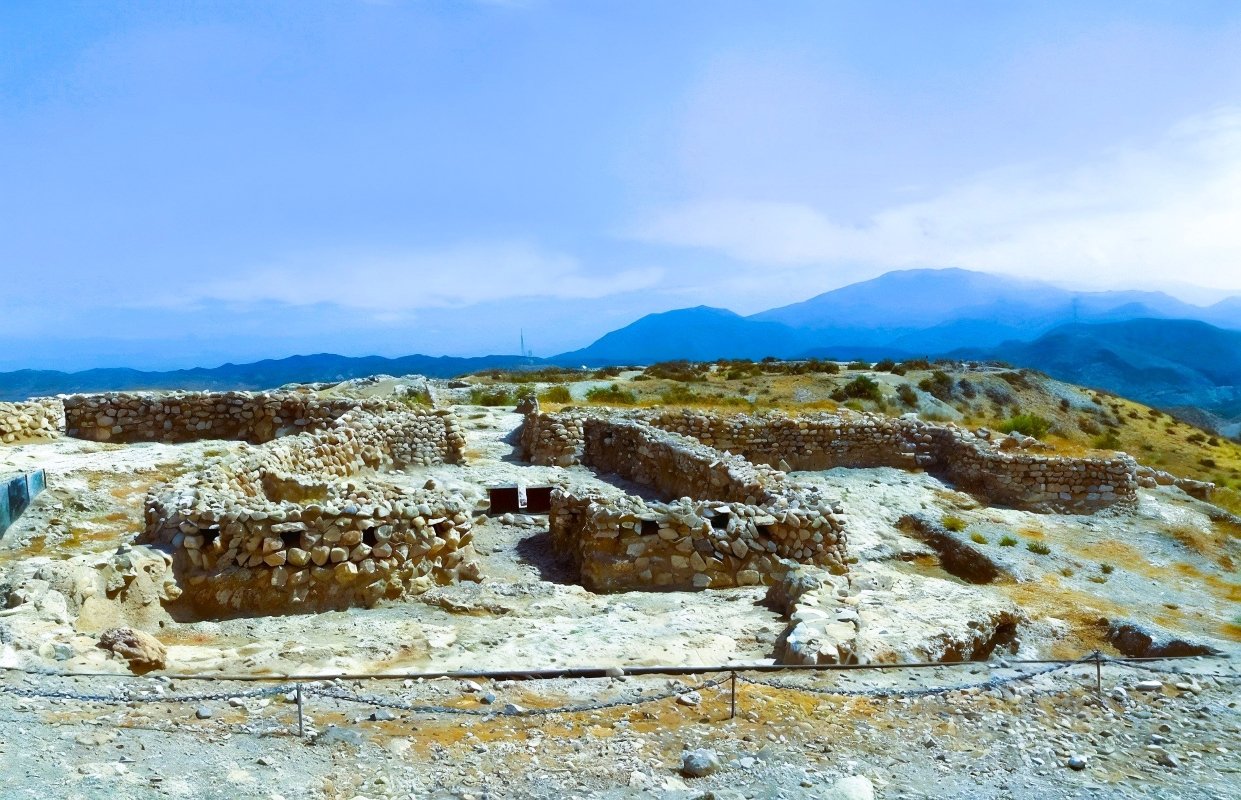
Los Millares, Spain – This extensive site includes not just megaliths but an entire prehistoric settlement, offering insight into how megalith builders actually lived.
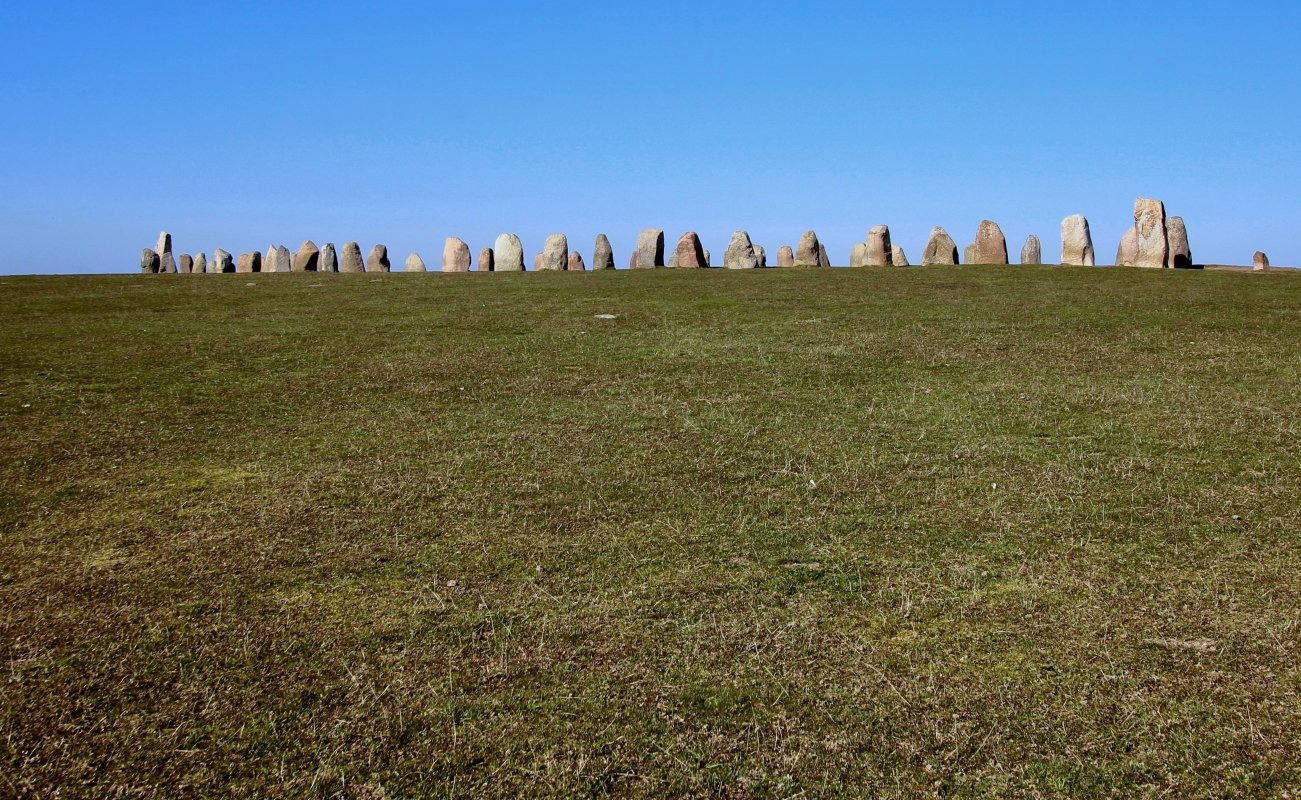
Ales Stenar, Sweden – A massive stone ship setting overlooking the Baltic Sea, proving that megalithic monuments aren’t limited to Atlantic Europe.
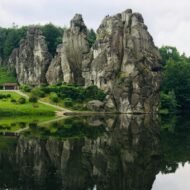
Externsteine, Germany – While partly natural, these towering sandstone pillars have been modified and used for ceremonial purposes for thousands of years.
Tarxien Temples, Malta – Incredibly well-preserved megalithic temples featuring elaborate stone carvings and evidence of animal sacrifice rituals.
Events Not to Miss
Summer Solstice at Stonehenge (June 21st) draws druids, pagans, and curious travelers from worldwide. While crowded, the energy is electric as thousands gather to witness the sunrise alignment.
Winter Solstice at Newgrange (December 21st) offers a more exclusive experience, though lottery tickets are required due to limited space in the chamber.
Beltane Fire Festival in Edinburgh (April 30th) celebrates ancient Celtic traditions near several megalithic sites in Scotland, combining historical sites with living traditions.
Carnac’s Summer Archaeological Festival features guided tours, lectures, and special access to normally restricted areas, perfect for serious megalith enthusiasts.
Orkney’s St. Magnus Festival combines music with archaeology, offering concerts at megalithic sites that create unforgettable acoustic experiences.
Many sites also host regular full moon gatherings, astronomy nights, and seasonal celebrations that let you experience these monuments as they were originally intended – as markers of natural cycles and community gathering places.
Cycling and Hiking Adventures
The Megalithic Trail in Brittany offers dedicated cycling routes connecting dozens of stone monuments across 200 miles of stunning French countryside. Local bike rental shops provide maps highlighting the most impressive sites.
Scotland’s Orkney Islands present incredible hiking opportunities between megalithic sites, with well-marked paths leading from Skara Brae to the Ring of Brodgar and beyond. The relatively small island size makes it perfect for combining multiple sites in a single day’s adventure.
Portugal’s Alentejo region features gentle hiking trails connecting remote dolmens and menhirs scattered across cork oak forests and rolling hills. Many sites remain virtually unknown to tourists, offering peaceful encounters with ancient stones.
The Cotswold Way in England passes several megalithic sites including lesser-known stone circles and burial chambers, combining beautiful countryside walks with archaeological discoveries.
Ireland’s Wicklow Mountains hide numerous megalithic tombs accessible via established hiking trails, often with spectacular mountain and valley views as bonus rewards.
Many walking and cycling routes can be combined with local accommodations in historic villages, creating perfect bases for multi-day megalithic exploration adventures.
Travel Tips and Practical Information
Best times to visit: Late spring through early fall offers the most comfortable weather, but winter visits can be magical with fewer crowds and dramatic lighting. Many sites are accessible year-round, though some restrict access during harsh weather.
Getting around: Renting a car provides maximum flexibility for reaching remote sites, though many famous monuments are accessible via public transportation or organized tours. Consider hiring local guides who know hidden gems and fascinating stories.
What to bring: Comfortable walking shoes are essential, as many sites require hiking across uneven terrain. Weather can change quickly, especially in Atlantic coastal areas, so pack layers and waterproof gear. Don’t forget your camera and a good flashlight for exploring passage tombs.
Respect the monuments: Never climb on ancient stones or remove anything from sites. Many megalithic monuments are incredibly fragile despite their massive appearance. Follow all posted guidelines and stay on designated paths.
Accommodation strategies: Book accommodations well in advance, especially near famous sites during peak season. Consider staying in nearby villages rather than major cities for more authentic experiences and easier site access.
Budget considerations: Many sites are free to visit, though famous locations like Stonehenge require advance booking and entrance fees. Factor in transportation costs, as remote sites often require rental cars or taxi services.
Final Thoughts: Your Megalithic Adventure Awaits
Europe’s megalithic monuments offer something truly extraordinary – the chance to step back in time and connect with humanity’s ancient past in the most direct way possible. These aren’t museum pieces behind glass barriers; they’re living monuments you can touch, explore, and experience firsthand.
Whether you’re drawn by historical curiosity, spiritual seeking, photographic opportunities, or simply the thrill of solving ancient mysteries, megalithic Europe delivers experiences that’ll enrich your understanding of human achievement and creativity. From world-famous sites that draw millions to hidden gems known only to locals, every megalithic monument has its own personality and story to tell.
The best part? This adventure doesn’t require extreme physical fitness, expensive equipment, or specialized knowledge. All you need is curiosity, respect for ancient cultures, and willingness to let these remarkable monuments work their magic on your imagination.
Start planning your megalithic journey today – these stones have waited thousands of years for you to discover them, and they’re not going anywhere anytime soon. Your adventure through ancient Europe’s most mysterious monuments awaits, promising memories that’ll last as long as the stones themselves. Photo credit: Cairn Gavrinis entrance