




TL;DR
Moravia is the eastern region of the Czech Republic that’s been hiding in plain sight while everyone flocks to Prague. Think rolling vineyards producing world-class wines, medieval castles straight out of fairy tales, underground cave systems that’ll blow your mind, and ski slopes where you won’t fight crowds. Budget travelers can comfortably explore for €40-60 per day, while foodies will lose it over hearty traditional cuisine and wine that never makes it past the Czech border because locals drink it all. Best time? August-September for wine season, or December-February for skiing on a shoestring.
- TL;DR
- Why Moravia Should Be on Your Radar
- Highlights: What Makes Moravia Unmissable
- Outdoor Adventures: Skiing Without the Alpine Price Tag
- Food: Hearty, Honest, and Delicious
- Local Traditions and Cultural Vibes
- Budget Considerations: More Bang for Your Crown
- Practical Information
- Final Thoughts: Moravia’s Quiet Magic
- Disclaimer
Why Moravia Should Be on Your Radar
Look, I get it. When people think Czech Republic, they think Prague. But here’s the thing—Moravia is what the Czech Republic feels like when it’s not performing for tourists. This eastern region offers colorful villages, rolling hills, good wine, good folk music, friendly faces, and a languid pace that makes you actually slow down and breathe.
While Bohemians love beer, Moravians love wine. If Bohemia is about towns and cities, Moravia is all rolling hills and pretty landscapes. The capital Brno is the country’s second-largest city, but don’t let that fool you—this is still an under-the-radar destination where you can experience authentic Czech culture without the tourist circus.
Highlights: What Makes Moravia Unmissable
The Wine Country
The Moravian region produces approximately 90-95% of the Czech Republic’s wine, and honestly? It’s criminally underrated. Picture this: you’re cycling through picturesque villages between Mikulov and Velké Pavlovice, stopping at family-owned cellars where the wine has been made the same way for generations.
During August to November, Czechs are legally allowed to sell burčák, or young wine—a light, sweet, slightly fizzy wine that’s a typical Czech drink. You haven’t lived until you’ve tried this stuff fresh from the barrel while sitting in a centuries-old wine cellar with blue-and-white murals on the walls.
Moravian Karst: Underground Wonder
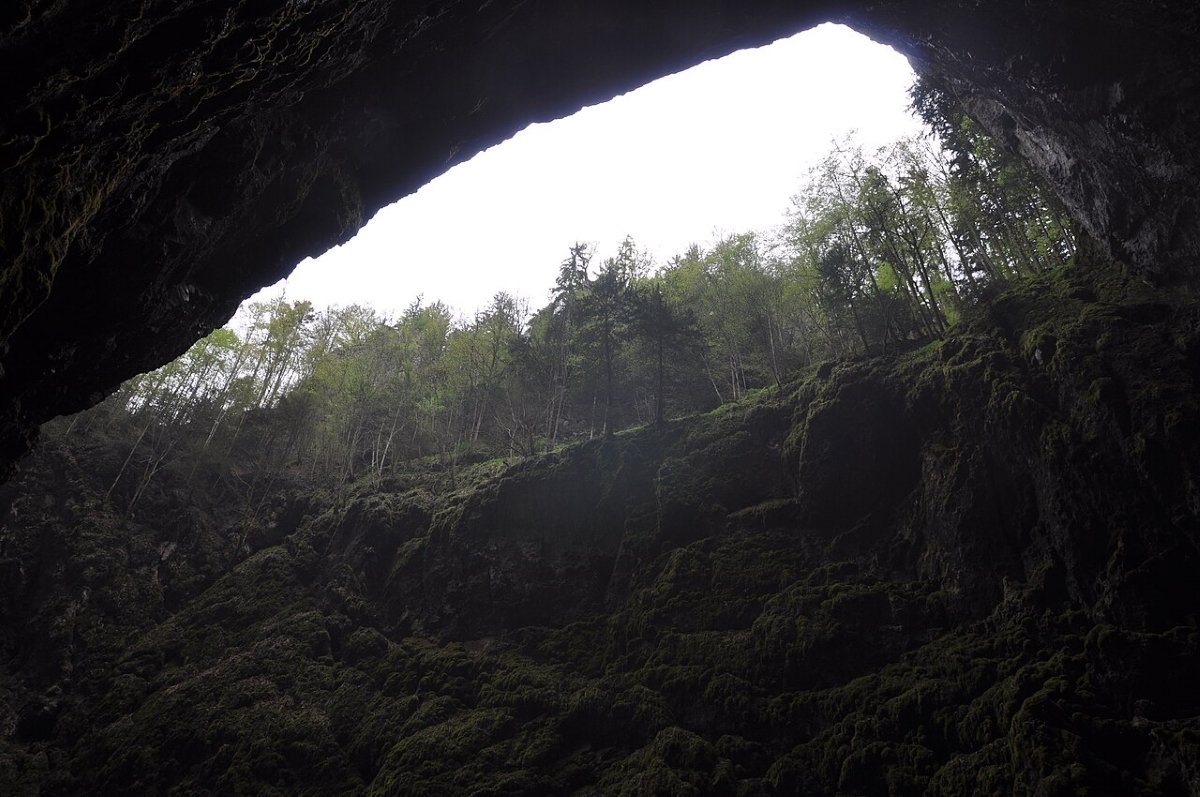
One of the best-explored limestone cave systems in Europe, Moravian Karst consists of several hundred caves in a densely wooded area with canyons, underground rivulets and deep cliffs. The Punkva Caves are the star attraction here—you walk through incredible karst formations, then hop on a boat and glide along an underground river. The Macocha Gorge features a canyon carved by the Punkva River that’s 138 feet deep. It’s absolutely surreal.
Brno: The Underdog Capital
Brno is a vibrant place that surprises not only for its history and number of monuments but also for its lively atmosphere, cultural life and leisure offer. The Cathedral of St. Peter and Paul has this quirky tradition—the bells always ring noon at 11 A.M., a tradition dating back to a 1645 siege by the Swedes. Why? Because the bell-ringer outsmarted the Swedish army by ringing an hour early, and they left thinking their deadline had passed. Genius.
Don’t miss Villa Tugendhat, a UNESCO-protected functionalist masterpiece that’s one of the innovative prototypes of modern architecture in Europe.
Fairytale Towns
Telč deserves its own spotlight. Its enormous central square is like the backdrop of a film set, with pastel-colored Renaissance houses that look like they were designed by someone who really understood beauty. The whole town is a UNESCO World Heritage Site, and it’s compact enough to explore in a couple of hours while feeling like you’ve stepped back in time.
Olomouc is another gem—long a bastion of the Austro-Hungarian Empire, the city boasts two enormous central squares, a clock tower, and the country’s largest Trinity column. It’s also a university town, which means great student vibes and affordable eats.
Outdoor Adventures: Skiing Without the Alpine Price Tag
Winter Sports Paradise
Moravia’s ski scene is where budget-conscious snow lovers come to play. The Dolní Morava ski resort near Kralický Sněžník offers some of the best downhill runs in the country, with modern facilities that rival Alpine resorts at a fraction of the cost.
Kouty nad Desnou in the Jeseníky Mountains is the largest ski resort in Moravia with 11 km of downhill ski tracks, over 4 km with evening lighting, 70 km of maintained cross-country ski tracks, and lift capacity over 11,000 people per hour. For families, there are snow playgrounds, snowtubing tracks, and ski schools—all without the crowds you’d find in Austria or Switzerland.
Nové Město na Moravě is one of the most important cross-country ski centers in the Czech Republic, with 100 kilometres of carefully groomed tracks. World-class racers compete here annually, but regular folks can enjoy the same trails through romantic remote villages.
Beyond Skiing
The Moravian landscape is perfect for cycling, hiking, and general wandering. The Lednice-Valtice complex is known as the European Garden for its beauty, monumental wealth and seductive natural environment—palaces, romantic buildings, gardens and bucolic corners spread across what’s considered the largest man-made landscape in Europe.
Food: Hearty, Honest, and Delicious
What to Eat
Moravian cuisine is comfort food taken seriously. It includes many pork and poultry meat and dumpling dishes, and often uses flour; in the south, many vegetables and fruits such as plums.
Must-Try Dishes:
Moravský Vrabec (Moravian Sparrow): Despite the name, it contains no sparrow whatsoever—it’s pork, sauerkraut, and dumplings, with the meat cut into small chunks that resemble birds. Weird origin story, delicious result.
Olomoucké Tvarůžky: A special ripened, low-fat, highly aromatic mature cheese that’s a true icon of Moravian cuisine. Made in Loštice, the tradition dates back to the 15th century. It’s pungent, it’s intense, and locals love it fried, marinated, or added to potato pancakes.
Frgály: Sweet cakes about 30 cm in diameter made of dough with toppings like poppyseed, cheese curd, or plum jam, then sprinkled with sweet crumbs. Perfect with afternoon coffee.
Štramberské Uši (Štramberk Ears): Gingerbread biscuits shaped like cones, traditionally baked in Štramberk, recalling a legend about a 13th-century battle with the Tatars who cut off locals’ ears. Morbid history, tasty cookie.
Wine and Spirits
South Moravia is wine country through and through. In the southern part of Moravia there are vineyards, and wine and related products are used in the kitchen. The most abundant fruits are apricots, peaches, plums and almonds.
Moravians prefer a glass of wine—or even better, fiery slivovice (plum brandy)—to beer. The slivovice here is strong enough to strip paint, and every family has their own secret recipe.
Budget Eating
In typical, rustic restaurants, you can get by with €10-15 for tasty, super plentiful dishes. A proper Czech meal with soup, main course, and beer will rarely set you back more than €12-15 outside Prague. Street food like the “Czech hot dog” (párek v rohlíku) costs around €2-3 and makes for a solid snack.
Local Traditions and Cultural Vibes
Folk Culture Alive and Well
Folk music, all but gone in Bohemia, is still very much alive in Moravia. You’ll encounter traditional music and dance at festivals throughout the region, with performers in elaborate embroidered costumes that have been passed down through generations.
Between May 27-29, Vlčnov comes alive during the UNESCO-protected Ride of the Kings, a tradition of over 200 years. Young men on horseback, dressed in traditional costumes, parade through the village in a celebration of spring and coming-of-age.
The Wine Festival Circuit
The Pálava Wine Harvest Festival in Mikulov and the Znojmo Wine Festival are two of the most famous events, both happening in September. Expect wine tastings from local vineyards, historical parades, music performances ranging from folk to rock, and gastronomy stalls overflowing with regional delicacies.
The Pálava Grape Harvest Festival takes place every second weekend in September, transforming the picturesque town of Mikulov into a celebration of all things wine. The Znojmo festival features a historical parade with knights, kings, and queens in medieval costumes that brings the town’s history to life.
Other Notable Events
International Folklore Festival in Strážnice (June-July): Thousands of people gather to watch or participate in contests of Verbunk, the traditional dance of the Czech Republic.
Colours of Ostrava: This international, multi-genre music festival has been held annually since 2002 in the entrancing surroundings of Dolní Vítkovice—an area that belonged to metallurgical factories, mines and ironworks. Over 450 programme items on 24 stages make it one of Central Europe’s biggest music events.
Budget Considerations: More Bang for Your Crown
Daily Costs
Here’s the reality: Budget travelers in the Czech Republic spend $59 (approximately €59) per person per day on average, mid-range travelers spend $143 (approximately €143) per day, and luxury travelers spend around $347 (approximately €347) per day.
Outside Prague, these costs drop even further. In Brno, accommodation was slightly cheaper than in Prague—mid-range hotels in the center cost around €80 per night, and you can find excellent guesthouses for €30-50.
Accommodation Breakdown
Budget Options: Simple rooms start at €12, while typical rustic guesthouses offer stays from €30-80 per night, usually including breakfast.
Mid-Range: Expect to pay €50-100 per night for comfortable hotels or Airbnb apartments outside major tourist areas. In Brno and smaller towns, this gets you genuine comfort.
Peak vs. Off-Season: Most places see biggest crowds during summer, with hotel prices dramatically increasing during peak season. December to February sees the lowest hotel prices for budget-conscious travelers—perfect if you’re hitting the ski slopes anyway.
Money-Saving Tips
- Student Discounts: If you have an ISIC card, you get up to 80% off public transportation throughout the country
- Cook Your Own Meals: Grocery shopping at local markets is significantly cheaper than eating out every meal
- Avoid Tourist Traps: Skip Old Town Prague pricing and head to Moravia where locals eat
- Travel Off-Season: Visit between November-March (excluding Christmas) for the best accommodation deals
- Use Public Transport: Buses and trains are efficient and cheap, especially with advance booking
Practical Information
Getting There
By Air: Brno-Tuřany Airport is served by budget airlines like Wizz Air and Ryanair, with direct flights from various European cities. Alternatively, fly into Prague or Vienna and take a bus or train to Moravia (2-3 hours).
By Train: Take trains from Prague to Brno, then use public transit to reach local towns. RegioJet and České dráhy offer excellent deals, especially with advance booking.
By Car: Renting a car gives you maximum flexibility to explore wine villages and remote areas. For Moravia’s wine country, renting a car is truly the best option.
Best Time to Visit
Wine Season (August-September): The weather is excellent—warm, sunny, and perfect for biking. Plus, it’s burčák season and wine harvest festivals are in full swing.
Ski Season (December-March): Perfect for winter sports enthusiasts looking for affordable European skiing.
Shoulder Season (April-May, October): Fewer crowds, reasonable prices, and pleasant weather for exploring towns and hiking.
Getting Around
Public transportation is reliable and affordable. Regional buses connect most towns, and the train network is extensive. In cities like Brno and Olomouc, trams and buses make getting around easy.
For exploring wine country, cycling is hugely popular—you can rent bikes in most tourist areas, and the terrain is generally manageable.
Language and Communication
Czech is the official language. English is spoken in tourist areas and by younger generations, but less commonly in small villages. Germans are better understood in some areas near the Austrian border. Learn a few basic Czech phrases—locals really appreciate the effort:
- Hello: Ahoj (AH-hoy)
- Thank you: Děkuji (DYEH-koo-yee)
- Cheers: Na zdraví (nah ZDRAH-vee)
- Please: Prosím (PROH-seem)
Currency
The Czech Republic uses the Czech Crown (Koruna, CZK), not the Euro. ATMs are widely available, and credit cards are accepted in most establishments. Always have some cash for small purchases, especially in villages.
Rough Conversions (rates fluctuate):
- 1 EUR ≈ 25 CZK
- 1 USD ≈ 23 CZK
Final Thoughts: Moravia’s Quiet Magic
Here’s what nobody tells you about Moravia: it doesn’t try to impress you. There’s no hard sell, no tourist performance. South Moravia welcomed 589,000 visitors in Q2 2024—significant but nowhere near Prague’s millions. This means you get authentic experiences without feeling like you’re part of a conveyor belt.
The region is perfect for travelers who want to dig deeper than Instagram highlights. Want to spend an afternoon in a 500-year-old wine cellar listening to the winemaker’s family stories? You can do that. Feel like exploring a cave system that rivals anything in Europe without fighting crowds? It’s waiting for you. Craving traditional food that hasn’t been watered down for tourists? Every village restaurant has you covered.
Moravians still consider themselves distinct from “Czechs,” and while those differences may not always be apparent to visitors, you’ll feel something different here—earthier, more connected to tradition. It’s a place where Catholic faith still matters, where folk music isn’t a museum piece, and where people take genuine pride in their wine, their food, and their heritage.
The best part? You can experience all of this without breaking the bank. While Western Europe’s prices climb ever higher, Moravia remains refreshingly affordable. Whether you’re a budget backpacker sleeping in hostels and cooking meals, a mid-range traveler enjoying comfortable hotels and restaurant meals, or someone who wants to splurge on wine experiences and boutique stays, Moravia accommodates everyone.
So skip the crowds in Prague—or at least, don’t stop there. Head east into the rolling hills where the wine flows, the caves go deep, the snow falls fresh, and the locals still remember how to celebrate properly. Moravia isn’t trying to be the next big thing. And that’s exactly why you should go.
Disclaimer
All prices and information provided in this guide are based on data current as of 2024-2025 and are subject to change. Exchange rates fluctuate, seasonal pricing varies, and local conditions can shift. While every effort has been made to ensure accuracy, travelers should verify specific details—especially regarding accommodation costs, attraction hours, and event dates—before making final plans.
Travel involves inherent risks. This guide is for informational purposes only and does not replace proper travel insurance, common sense, or personal research. Budget estimates are based on average traveler experiences and your actual costs may vary depending on your travel style, timing, and personal choices.
When visiting wineries or participating in wine tastings, please drink responsibly and never drive under the influence. Arrange transportation in advance when planning vineyard tours.
Respect local customs, follow posted guidelines at natural sites and historical monuments, and be mindful that you’re a guest in people’s communities. Leave places better than you found them.
Na zdraví and happy travels!