


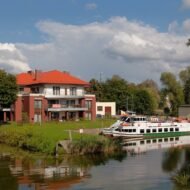
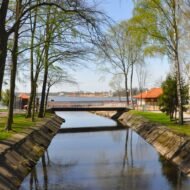
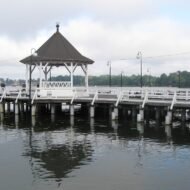
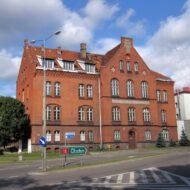
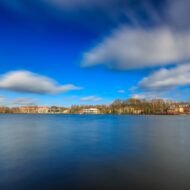
TL;DR: Ostróda is a charming, affordable Masurian town in northern Poland packed with lakes, canal boat rides, medieval history, and zero tourist crowds. If you’ve done Kraków and Warsaw and want something real — this is it.
- KNOW BEFORE YOU GO
- So… Why Ostróda?
- A Quick Slice of History (Without the Homework)
- Getting There
- Where to Stay
- Top Things to Do
- 1. Sail or Cruise the Elbląg–Ostróda Canal
- 2. Explore Lake Drwęca and Lake Szeląg Wielki
- 3. Visit the Teutonic Castle
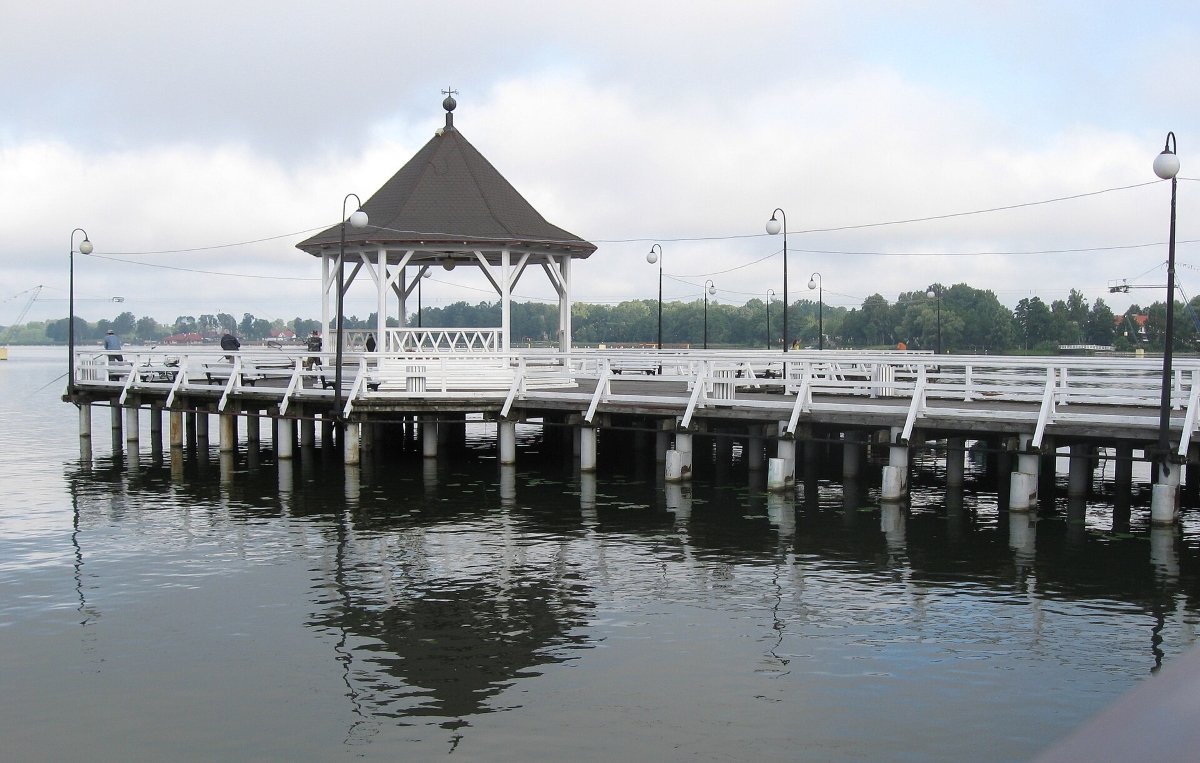
- 4. Walk or Cycle the Lakefront Promenade
- 5. Day Trip to the Masurian Lake District
- 6. Attend the Country Picnic Festival
- 7. Hit the Slopes (Winter)
- What to Eat & Drink
- Practical Tips for Every Traveller
- When to Go
- Budget Breakdown (Per Person, Per Day)
- Recap: Why Ostróda Deserves a Spot on Your Map
- Disclaimer
KNOW BEFORE YOU GO
| Category | Details |
|---|---|
| 📍 Location | Warmian-Masurian Voivodeship, northern Poland |
| 🗣️ Language | Polish (English spoken in hotels/tourist spots) |
| 💶 Currency | Polish Złoty (PLN) — cards widely accepted |
| 🌡️ Best Time to Visit | June–September (lake season); Dec–Feb for snowy charm |
| ✈️ Nearest Airport | Olsztyn–Mazury Airport (~45 km); Warsaw Chopin (~180 km) |
| 🚆 Train Access | Direct trains from Warsaw (~2.5–3 hrs), Gdańsk (~2 hrs) |
| 🏠 Avg. Hotel Cost | €30–€80/night (budget to mid-range) |
| 🍽️ Avg. Meal Cost | €5–€15 per person |
| 🚗 Getting Around | Car recommended; local buses available |
| ♿ Accessibility | Town centre mostly accessible; some lake trails uneven |
| 🛡️ Safety | Very safe; standard travel precautions apply |
| 📶 Connectivity | Good 4G/LTE; free Wi-Fi in most cafés & hotels |
| 🌐 Visa | Schengen Area rules apply |
| ⏱️ Recommended Stay | 3–5 days minimum |
So… Why Ostróda?
Let’s be honest — most travellers zoom straight to Gdańsk, Warsaw, or Kraków and call it a day. Poland’s greatest tourist secret stays safe, tucked away in the lake-studded landscapes of Masuria.
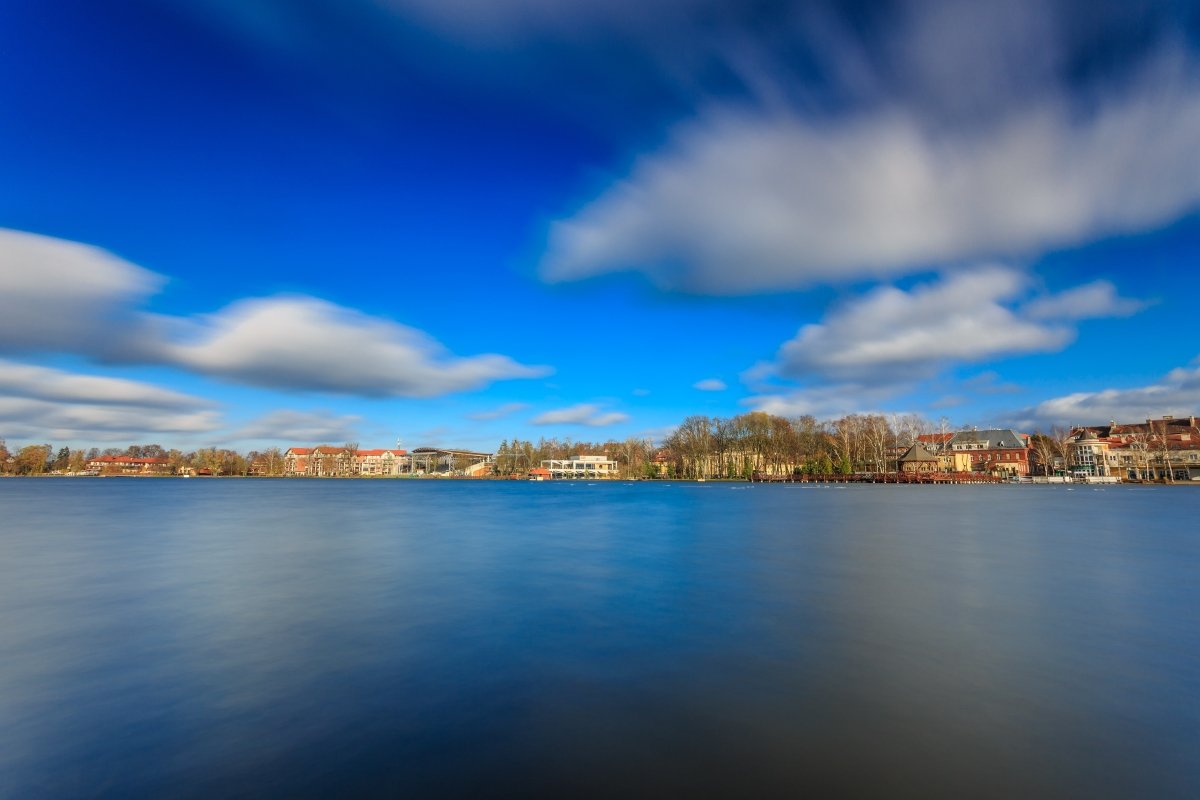
Ostróda (pronounced Oh-STROO-dah) sits right in the heart of the Masurian Lake District — a region so ridiculously beautiful that even Poles treat it like their private paradise. About 35,000 people call it home, but in summer the population swells as Poles from all over the country descend on its shimmering waters, pine forests, and easy-going promenades.
And here’s the kicker: most international travellers haven’t discovered it yet. So you get all the charm, none of the selfie-stick traffic jams.
Whether you’re a solo adventurer, a couple looking for a romantic escape, a family with kids in tow, or a traveller with accessibility needs — Ostróda has something genuine to offer everyone.
A Quick Slice of History (Without the Homework)
Ostróda has been around since the 13th century, originally founded under the name Osterode during the era of the Teutonic Knights — those armoured medieval monks who left an impressive architectural footprint all over northern Poland.
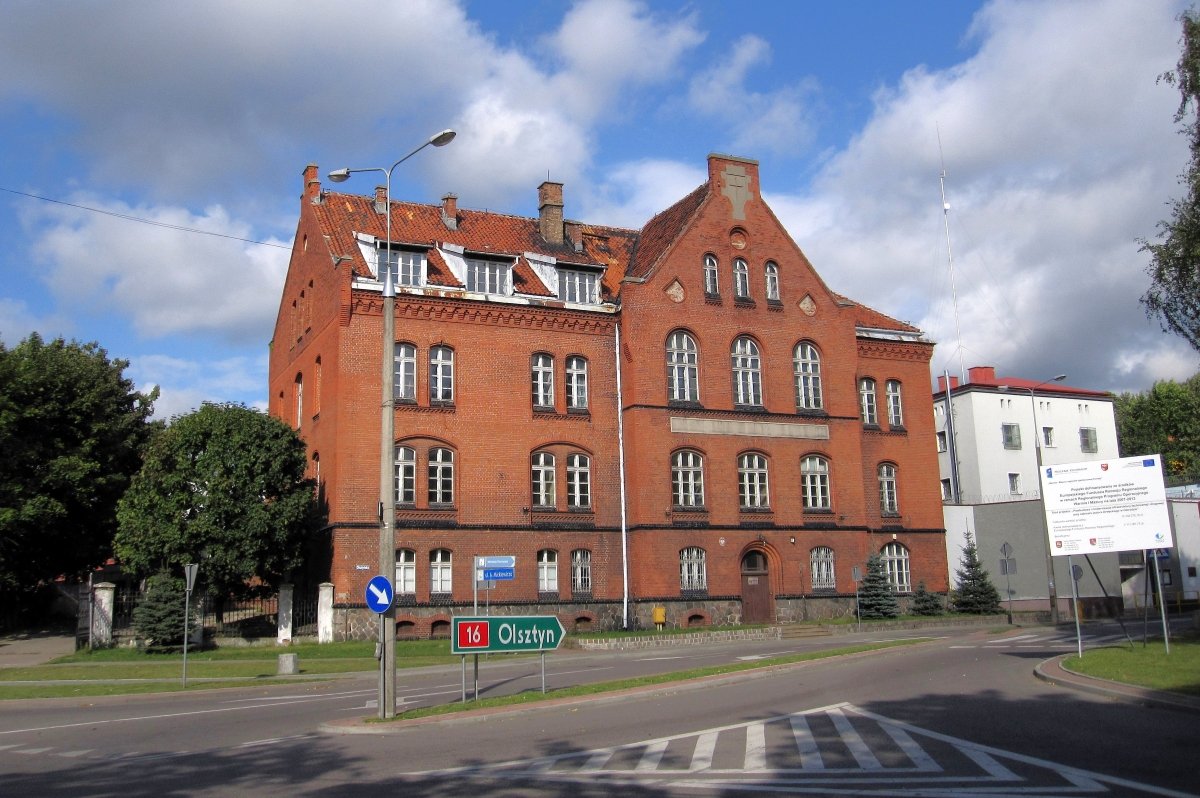
The town shifted between German and Polish hands over the centuries (it was part of East Prussia for long stretches), which is why it carries that fascinating cultural duality you can still feel in the architecture and local identity. After World War II, it became firmly part of Poland and was resettled by Poles, many of them displaced from territories that are now part of Ukraine.
That layered history — Teutonic, Prussian, Polish — gives Ostróda a depth you won’t find in purpose-built tourist towns.
Getting There
By Train The most comfortable option. Warsaw Central to Ostróda takes around 2.5–3 hours on InterCity or regional trains. From Gdańsk, you’re looking at roughly 2 hours. Trains are clean, punctual by European standards, and cheap.
By Car Ostróda sits near the S7 expressway, making it an easy drive from Warsaw (about 200 km) or Gdańsk (about 160 km). Driving gives you the freedom to explore the surrounding villages and lakeshores at your own pace — which is genuinely worth it.
By Bus FlixBus and Polish regional coaches connect Ostróda to major cities. Slower, but budget-friendly.
By Plane Olsztyn–Mazury Airport (SZY) is the closest, though flight connections are limited. Warsaw Chopin (WAW) is your best international hub, after which a train or hired car completes the journey.
Where to Stay
Ostróda punches above its weight for accommodation options. You’ll find everything from lakeside resorts to budget guesthouses and Airbnb-style apartments.
Splurge a Little Hotel Trzy Wyspy (“Three Islands”) is a perennial favourite — right on the lake with a spa, pool, and water sports rentals. It’s the kind of place where you check in and immediately regret not booking an extra night.
Mid-Range Sweet Spot Plenty of pensjonaty (guesthouses) and small hotels in the town centre offer clean, comfortable rooms with breakfast included. Look for anything advertising “widok na jezioro” — that means lake view, and it’s worth it.
Budget & Backpacker Hostels and private rooms through local booking platforms exist, especially in summer. The town also has decent camping options near the water for those who want to sleep under Masurian stars.
Accessibility Note If you have mobility requirements, it’s worth calling hotels directly to confirm room specifics — Polish accessibility standards in older buildings can vary. Newer lakeside hotels generally have lifts and adapted rooms.
Top Things to Do
1. Sail or Cruise the Elbląg–Ostróda Canal
This is genuinely one of the most extraordinary engineering experiences in Europe — and almost nobody outside Poland knows it exists. The Elbląg–Ostróda Canal was built in the 19th century and features a jaw-dropping system of slipways where boats are physically hauled overland on rail-mounted trolleys to get around elevation changes. No locks. Boats on land. It’s wild.
You can take day cruises from Ostróda along stretches of the canal. Book in advance in peak summer — this is popular with Polish tourists.
2. Explore Lake Drwęca and Lake Szeląg Wielki
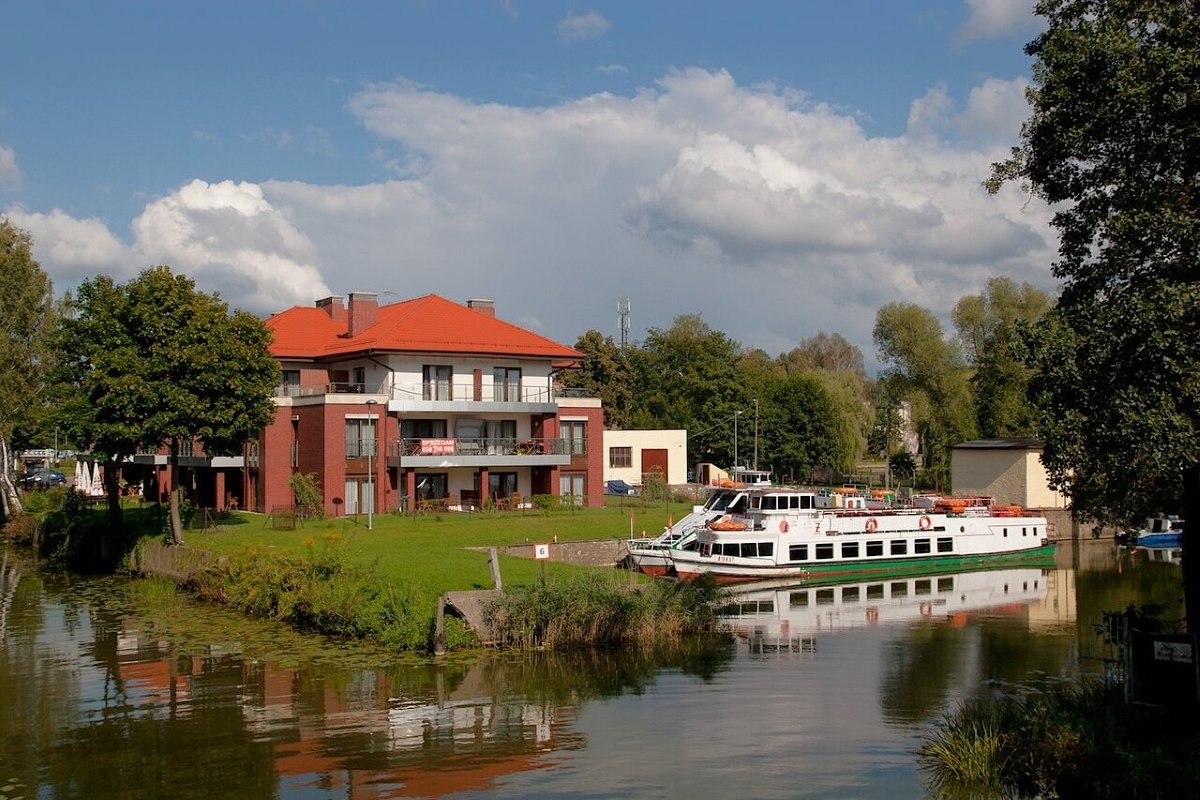
The town sits between two gorgeous lakes. Rent a kayak, stand-up paddleboard, or small motorboat and explore at your leisure. In summer, the waterfront buzzes with activity. In the shoulder season, you might have whole stretches of lake to yourself.
Swimming is free at designated beach areas (plaże). The water is clean and cool — refreshing in July and August heat.
3. Visit the Teutonic Castle
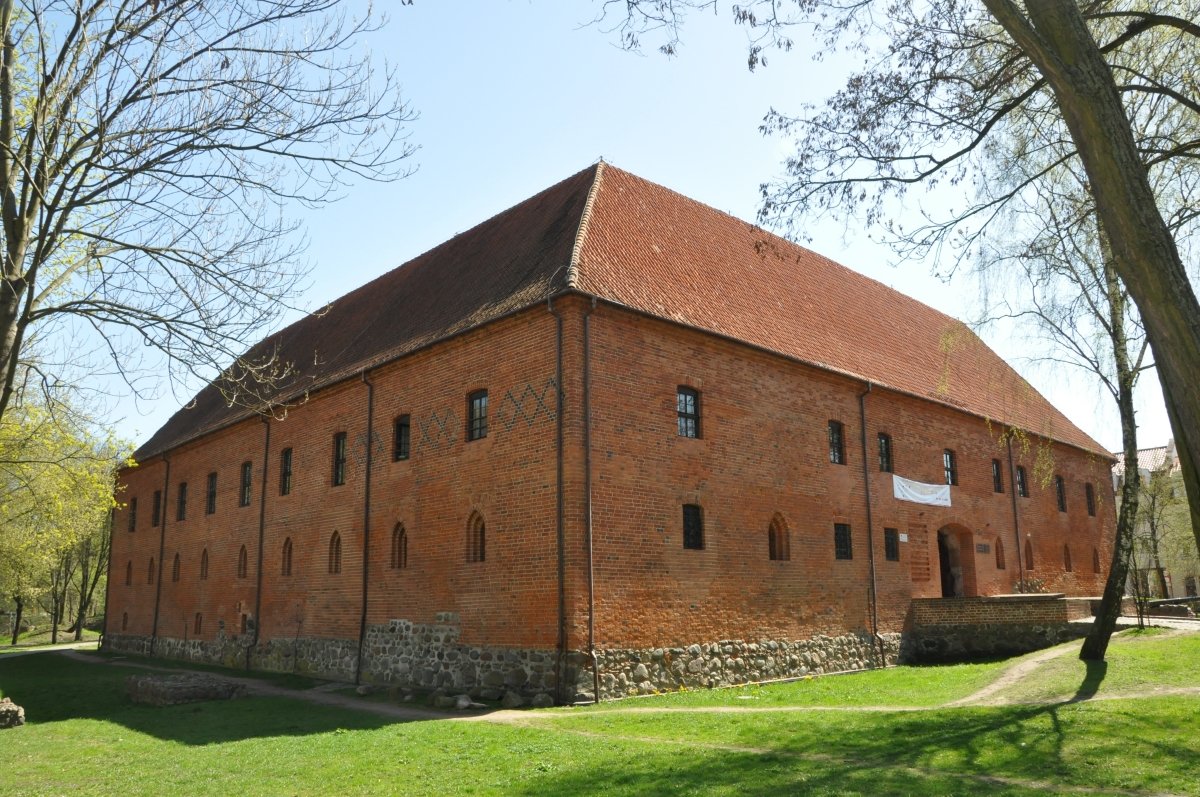
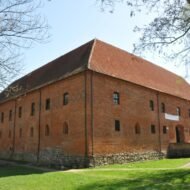
The 14th-century Teutonic Knight castle in Ostróda is one of those understated historical gems that deserves far more attention than it gets. It’s compact but evocative, and the medieval watchtower offers views over the town and surrounding lakes. In summer, the castle hosts outdoor events and medieval-themed festivals.
4. Walk or Cycle the Lakefront Promenade
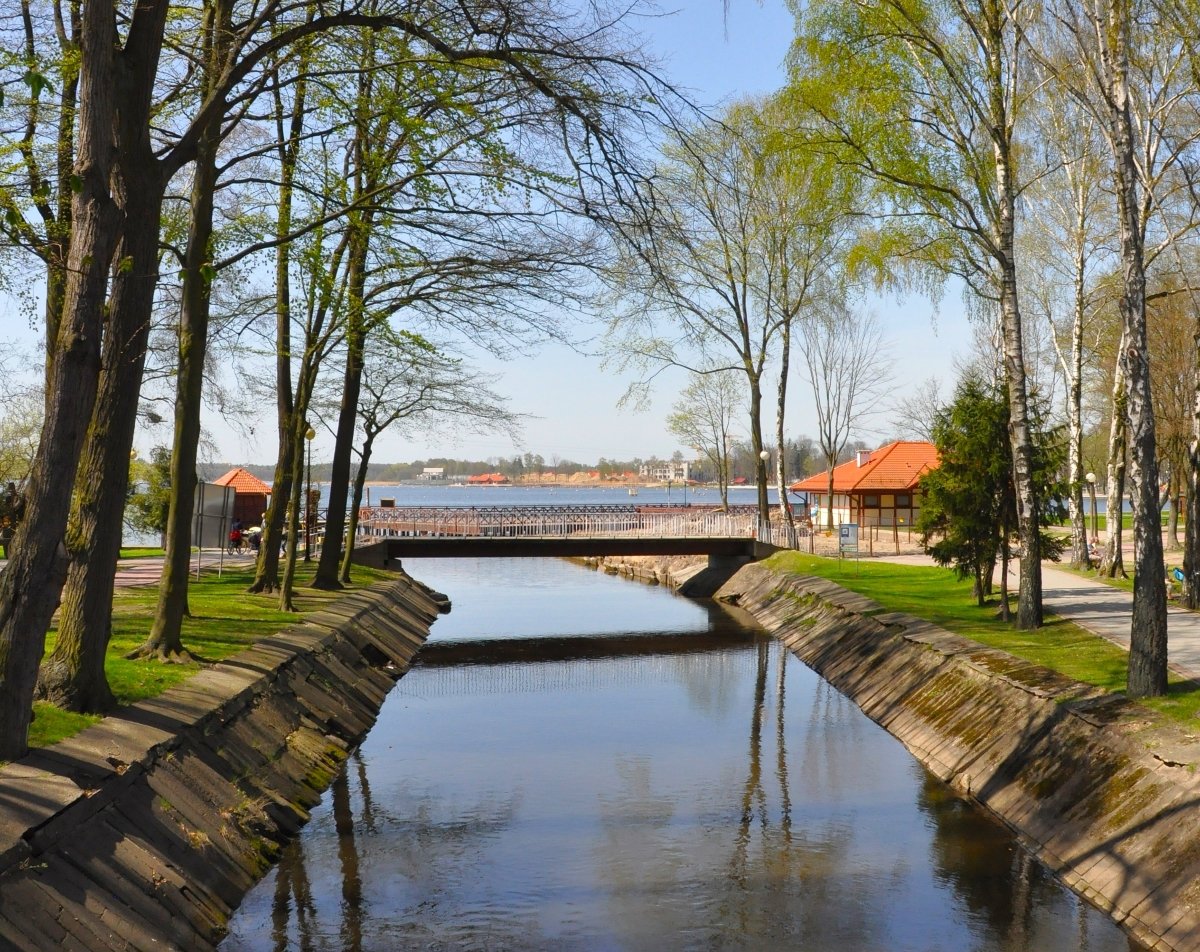
The promenada along the lake is the social heart of summer Ostróda. Tree-lined, well-maintained, and populated by families, couples, dogs, and ice cream vendors — it’s the kind of walk that makes you slow down and exhale. Bike rentals are available in town.
5. Day Trip to the Masurian Lake District
Ostróda is an ideal base for exploring wider Masuria. The Mazury region contains over 2,000 lakes — you could drive 20 minutes in any direction and find a picturesque village, a secluded kayak trail, or a viewpoint that’ll make your camera work overtime.
Nearby highlights include:
- Morąg — a quiet town with a beautiful Gothic church
- Iława — another gorgeous lake town, about 25 km away
- Miłomłyn — a tiny village on the canal with real rural Polish charm
6. Attend the Country Picnic Festival
Every summer (typically June/July), Ostróda hosts the Country Picnic — one of Poland’s biggest country music festivals. Yes, country music. In Poland. It’s completely unexpected, wildly fun, and attracts tens of thousands of visitors. If your dates align, it’s an unforgettable experience.
7. Hit the Slopes (Winter)
Don’t sleep on Ostróda in winter. The surrounding region has small ski slopes suited to families and beginners. The snow-covered Masurian landscape is genuinely stunning, the crowds are minimal, and prices are rock bottom compared to the Alps.
What to Eat & Drink
Masurian cuisine is hearty, honest, and deeply satisfying. It reflects the region’s agricultural roots and chilly winters. Don’t leave without trying:
Śledziowe specialties (Herring dishes) Masuria has a strong herring tradition — pickled, in cream, with onions. Order it as a starter and you’ll understand why Poles take it seriously.
Żurek A sour rye soup, often served in a bread bowl, with boiled egg and sausage. It sounds odd. It tastes incredible. It’s a non-negotiable.
Bigos Poland’s national hunter’s stew — sauerkraut, fresh cabbage, various meats, slowly cooked for hours. Every family has their own recipe. Restaurant versions range from good to transcendent.
Fresh-caught fish Lake fish — particularly pike, perch, and tench — are local staples. Order grilled or pan-fried with dill butter. Simple, fresh, perfect.
Craft beer & local mead Polish craft beer has exploded in quality over the last decade. Local mead (miód pitny) is also worth a try — it’s a Polish tradition going back centuries.
Where to Eat The promenade and town centre have a solid range of restaurants and milk bars (bary mleczne) — Poland’s legendary cheap canteens where a full hot meal costs under €4. Don’t be intimidated by the lack of English menus — point, smile, and be surprised.
Practical Tips for Every Traveller
Money ATMs are plentiful. Poland uses the złoty (PLN), not the euro — don’t get caught out. Exchange rates at airport kiosks are poor; use ATMs or in-town exchange offices (kantory).
Language Polish is genuinely difficult, but locals appreciate any effort. Learn: Dzień dobry (Good day), Dziękuję (Thank you), Przepraszam (Excuse me/Sorry). Younger Poles and hospitality workers generally speak good English.
Getting Around Locally The town centre is walkable. For lake access and wider exploration, a car or bicycle is useful. Local taxis and ride-share apps (Bolt is widely used in Poland) work fine in town.
LGBTQ+ Travellers Poland’s political climate around LGBTQ+ rights has been contentious in recent years, and rural areas tend to be more conservative. Ostróda is a small town — public displays of affection may attract attention in some settings. That said, tourist-oriented businesses are generally welcoming, and safety incidents are rare. Travel with awareness and trust your instincts.
Travelling with Kids Ostróda is genuinely family-friendly. Playgrounds, beach areas, boat trips, and open green space make it easy to keep younger travellers happy. The pace of life is relaxed, and restaurants are accustomed to families.
Travellers with Disabilities The main promenade and town centre are reasonably accessible. Some older buildings and rural trails present challenges. Contact your accommodation in advance to confirm specific needs. The canal cruise boats vary in accessibility — ask operators directly.
Solo Travellers Safe, welcoming, and easy to navigate. The summer festival season is a great time to meet people. Off-season, the town is quiet but never unwelcoming.
When to Go
June–August is peak season. The lakes are warm, the festival is on, the promenade is lively, and everything is open. Book accommodation early — Polish holidaymakers fill Masurian towns quickly.
May & September are the sweet spots for travellers who want warm weather, fewer crowds, lower prices, and the ability to walk into a restaurant without a reservation.
October–April is quiet — many tourist facilities close or reduce hours. But if you love misty lakes, empty trails, hearty food, and the feeling of having a beautiful place almost entirely to yourself, off-season Masuria is genuinely magical.
Budget Breakdown (Per Person, Per Day)
| Style | Estimated Cost |
|---|---|
| Budget (hostel, milk bars, self-catering) | €25–€40 |
| Mid-range (guesthouse, restaurants, activities) | €60–€100 |
| Comfortable (lakeside hotel, dining out, tours) | €120–€180 |
Poland remains one of Western and Central Europe’s best-value destinations. Your money goes substantially further here than in Germany, the UK, or Scandinavia.
Recap: Why Ostróda Deserves a Spot on Your Map
✔ Stunning natural setting — lakes, forests, and open skies in every direction
✔ One of Europe’s most unique engineering wonders (the canal slipways)
✔ Medieval history without the museum crowds
✔ Incredible value for money
✔ A genuine slice of Polish life, not a tourist performance
✔ Welcoming to solo travellers, couples, families, and all backgrounds
✔ Easy to reach from Warsaw or Gdańsk
✔ A perfect base for exploring the wider Masurian Lake District
Ostróda won’t be “undiscovered” forever. International travellers are slowly waking up to what Poles have known for generations — that Masuria is one of the most beautiful regions in all of Europe, and Ostróda is one of its most liveable, loveable towns.
Go before the crowds catch on.
Disclaimer
This travel article is intended for general informational purposes only. Travel conditions, opening hours, prices, and local regulations can change — always verify details with official tourism sources or directly with service providers before your trip. The author and publisher accept no liability for errors, omissions, or outcomes arising from use of this information. All travellers are encouraged to check their government’s travel advisories for Poland before booking. Travel insurance is strongly recommended.
Safe travels — and may your żurek always arrive steaming hot.