













TL;DR: Slow Food Travel movement 2026 guide , Slow Food Travel is the antidote to rushed, forgettable tourism. It’s about eating what locals actually eat, staying in places that give back to the land, and letting the food on your plate tell the story of wherever you are. If you’ve ever left a trip feeling like you barely scratched the surface — this one’s for you.
- So, What Exactly Is Slow Food Travel?
- Why 2026 Is the Year to Go Slow
- Know Before You Go
- The Destinations Leading the Way in 2026
- Emilia-Romagna, Italy — The Undisputed Heartland
- Oaxaca, Mexico — Ancient Flavors, Living Traditions
- Basque Country, Spain — Where Food Is a Way of Life
- Tbilisi & the Georgian Wine Regions — The World’s Oldest Wine Country
- How to Travel Slow: Practical Tips for Everyone
- The Slow Food Travel Mindset: A Recap
- Disclaimer
So, What Exactly Is Slow Food Travel?
Let’s get one thing straight: Slow Food Travel isn’t about eating slowly (though savoring a three-hour lunch in Bologna certainly doesn’t hurt). It’s a travel philosophy rooted in the global Slow Food movement — founded in Italy back in 1989 by Carlo Petrini as a direct pushback against the opening of a McDonald’s near the Spanish Steps in Rome. Petrini’s core idea was elegant and radical at the same time: food should be good, clean, and fair. Good for the people eating it, clean for the planet producing it, and fair for the farmers and makers growing it.
Fast-forward to 2026, and Slow Food Travel has evolved into one of the most compelling and fastest-growing niches in responsible tourism. Travelers — especially Millennials and Gen Z — are increasingly bored with bucket-list ticking and Instagram-optimized itineraries. They want meaning. They want connection. And honestly? They want to eat something they’ll still be thinking about five years from now.
Why 2026 Is the Year to Go Slow
A few things have converged to make this the golden moment for Slow Food Travel:
Post-overtourism reckoning. Cities like Venice, Barcelona, and Dubrovnik have been choking on mass tourism for years. Travelers and destinations alike are actively seeking alternatives — and Slow Food Travel naturally steers people toward less-visited, more authentic regions.
The agritourism boom. Farm stays, working vineyard visits, and harvest retreats have exploded globally. Italy alone reported a 23% increase in agritourism bookings between 2023 and 2025. Greece, Portugal, Japan, Peru, and Georgia (the country, not the state) are all seeing similar surges.
Food as cultural currency. UNESCO’s Intangible Cultural Heritage list keeps expanding its food-related entries — from Neapolitan pizza-making to Mexican cuisine to the Mediterranean diet. Travelers increasingly want to engage with these traditions, not just photograph them.
Sustainability pressure. The carbon cost of travel is under the microscope. Slow Food Travel, by its nature, tends to be lower-impact: you stay longer in fewer places, support local economies, eat seasonally, and avoid the logistical footprint of hyper-packed itineraries.
Know Before You Go
| Topic | What You Need to Know |
|---|---|
| Best destinations in 2026 | Emilia-Romagna (Italy), Oaxaca (Mexico), Basque Country (Spain), Tbilisi (Georgia), Mekong Delta (Vietnam), Osaka (Japan), Alentejo (Portugal) |
| Ideal trip length | Minimum 7–10 days per region; longer is always better |
| Cost range | Mid-range to premium; farm stays can be surprisingly affordable ($60–$150/night) |
| Best travel seasons | Harvest seasons are gold: Sept–Oct in Europe, Jan–Mar in Southeast Asia |
| Booking ahead | Essential — popular cooking classes, farm dinners, and cheese caves book out months in advance |
| Language tips | Learning even 5–10 food-related words in the local language opens doors instantly |
| What to pack | Comfortable walking shoes, a reusable bag for markets, an open appetite (figuratively and literally) |
| Who it’s for | Solo travelers, couples, families, food-curious groups of any age and background |
| What to avoid | All-inclusive resorts, chain restaurants, tour groups of 40+ people with matching lanyards |
| Slow Food resources | slowfood.com, Terra Madre network, local Slow Food “convivia” (chapters) worldwide |
The Destinations Leading the Way in 2026
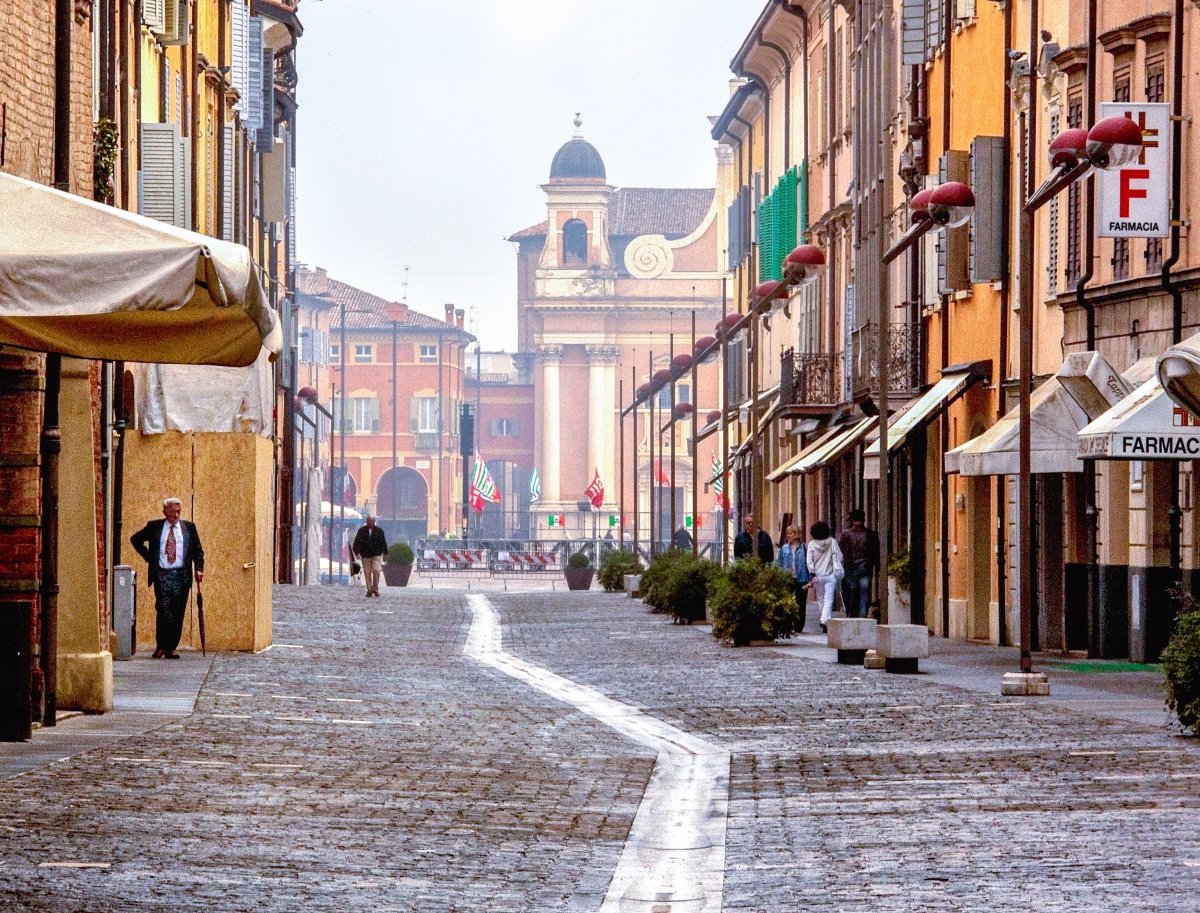
Emilia-Romagna, Italy — The Undisputed Heartland
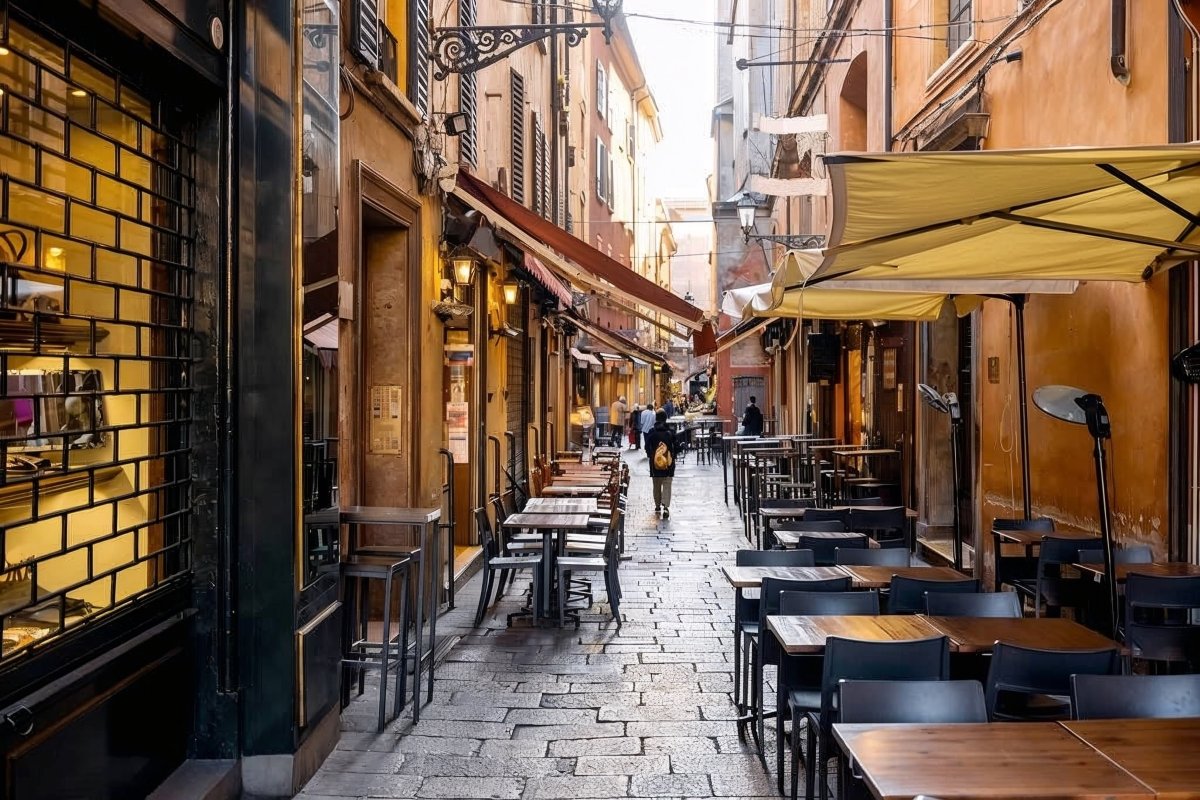
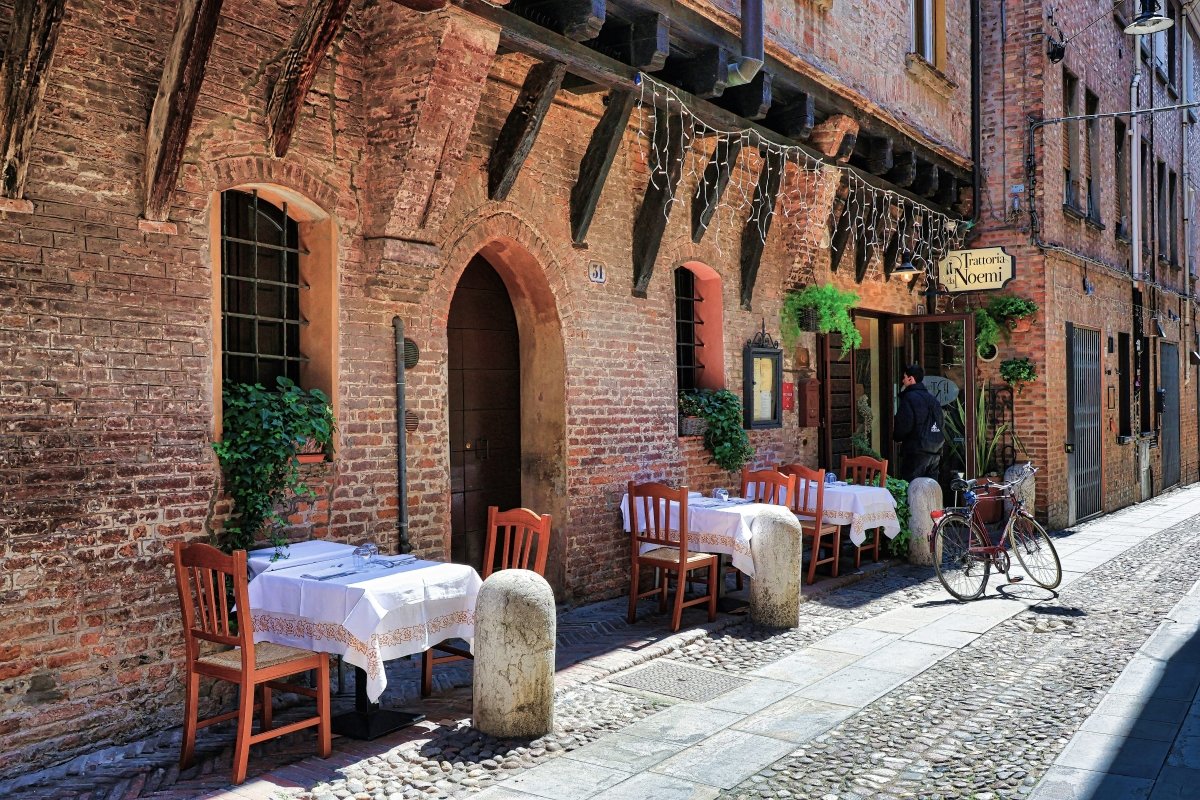
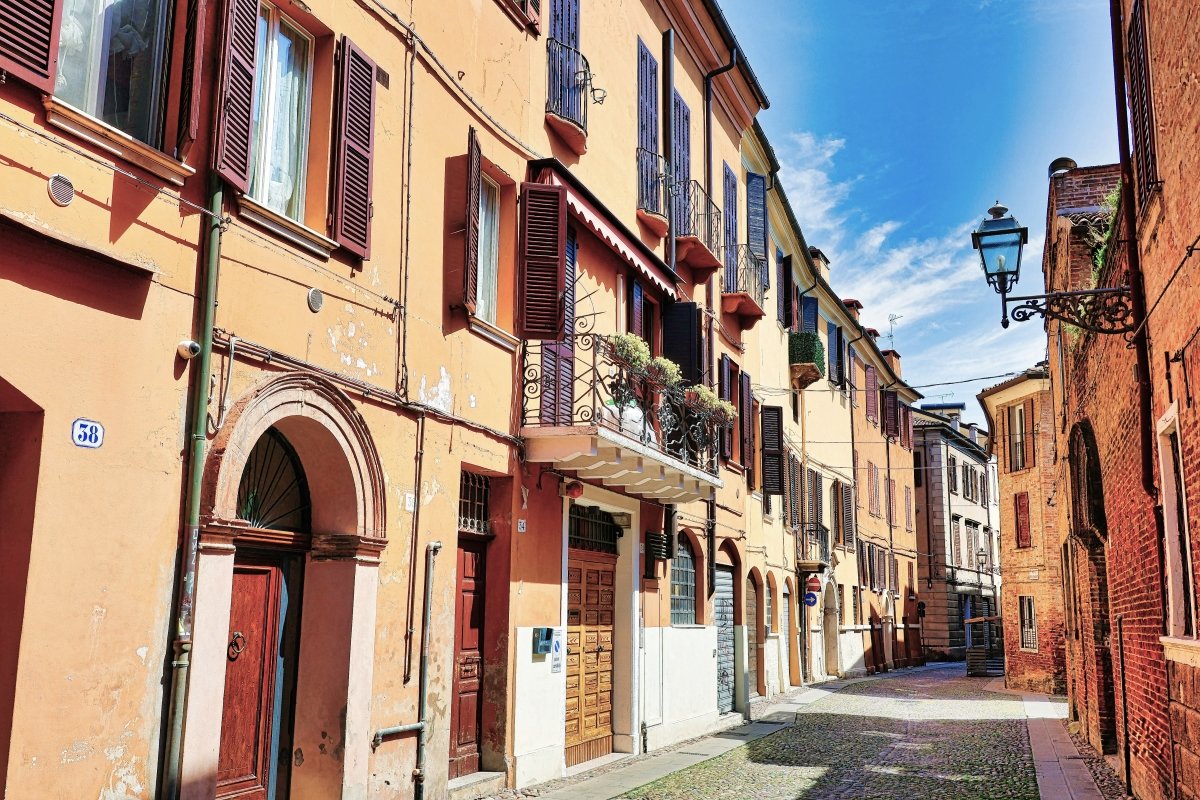
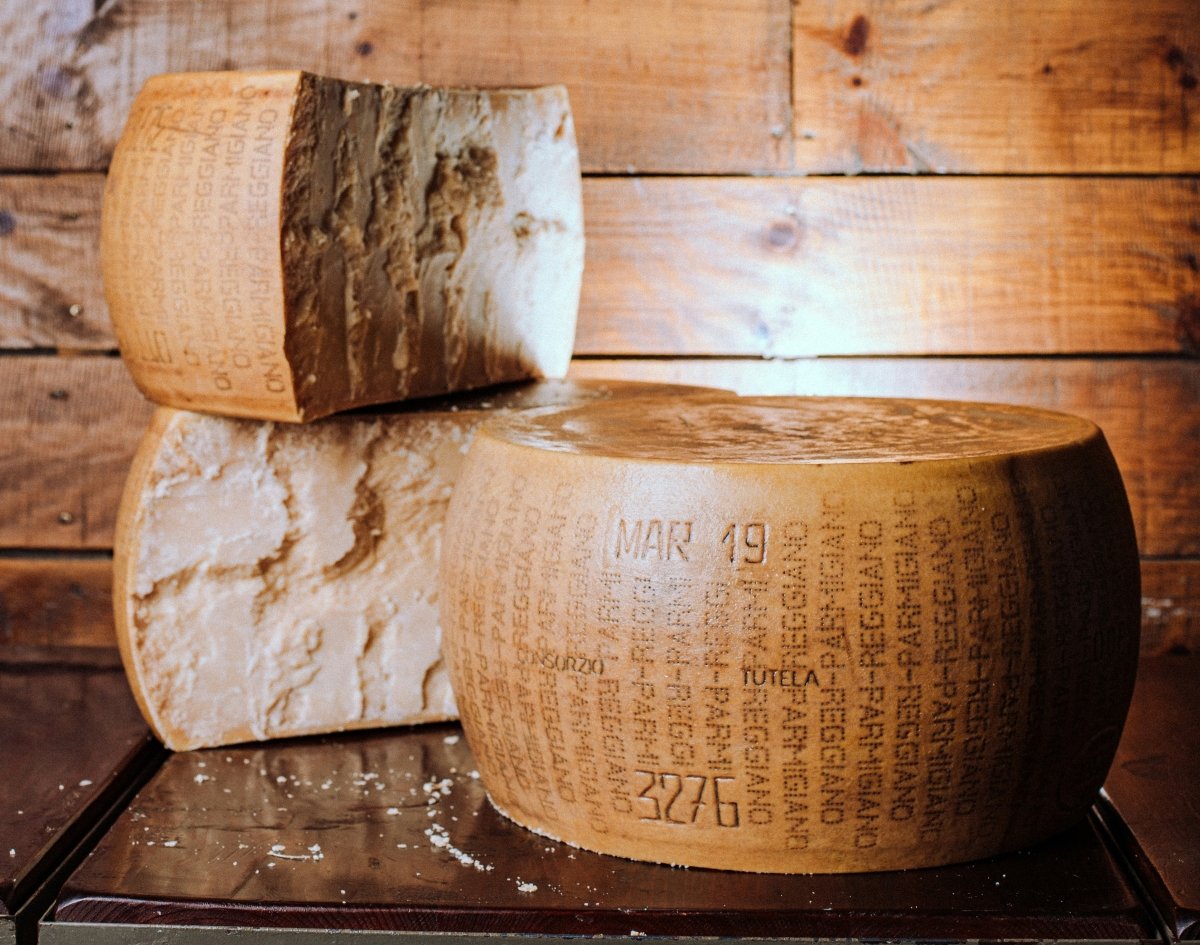
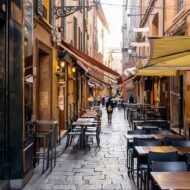
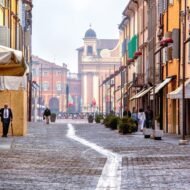
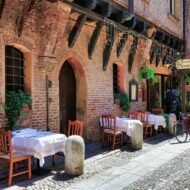
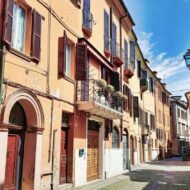
If Slow Food Travel had a capital city, it would probably be somewhere in Emilia-Romagna. This northern Italian region is home to Parmigiano-Reggiano, Prosciutto di Parma, balsamic vinegar of Modena, fresh egg pasta, and mortadella — and those are just the greatest hits. The region operates like a living food museum, except everything is edible and nothing is behind glass.
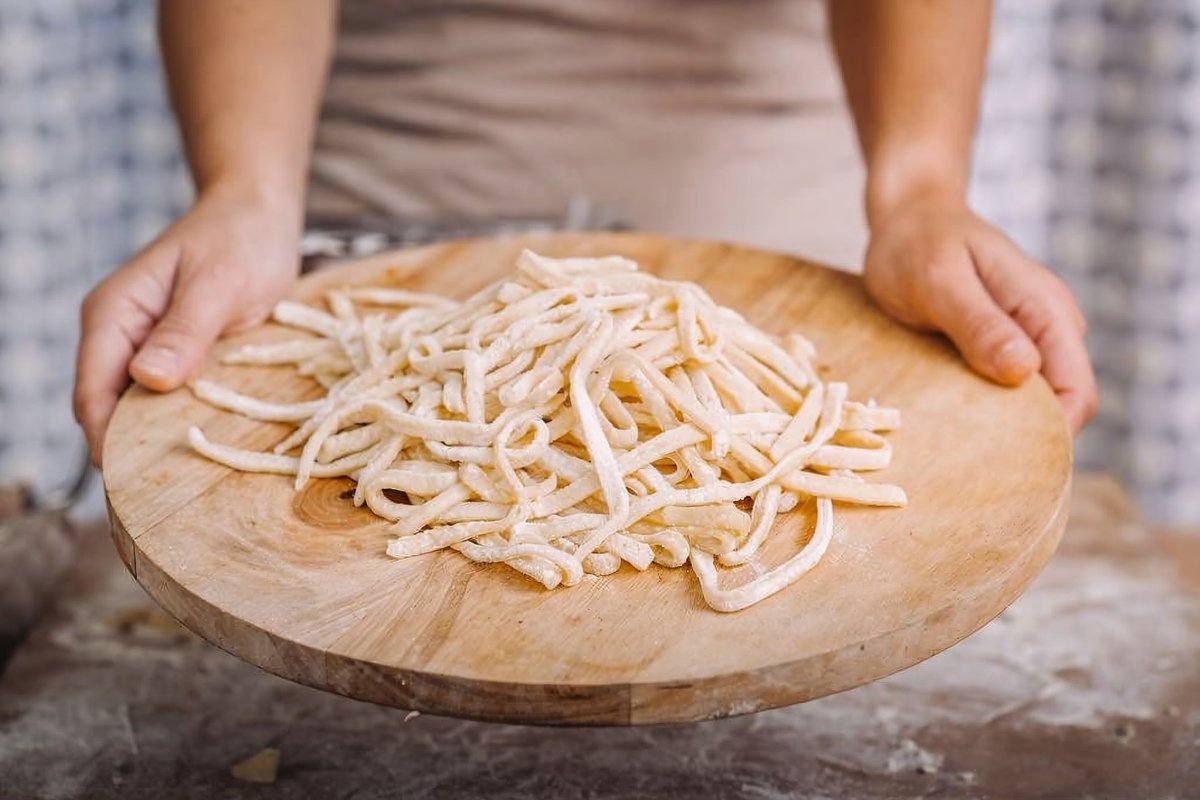
Visit a Parmigiano-Reggiano cooperative at 5am to watch the wheels being turned. Take a pasta-making class with a sfoglina (a traditional pasta-roller) in Bologna. Book a dinner at a farmhouse in the hills above Modena. This is food travel at its most immersive, and the region’s producers are some of the most passionate people you’ll ever meet. MORE READ…
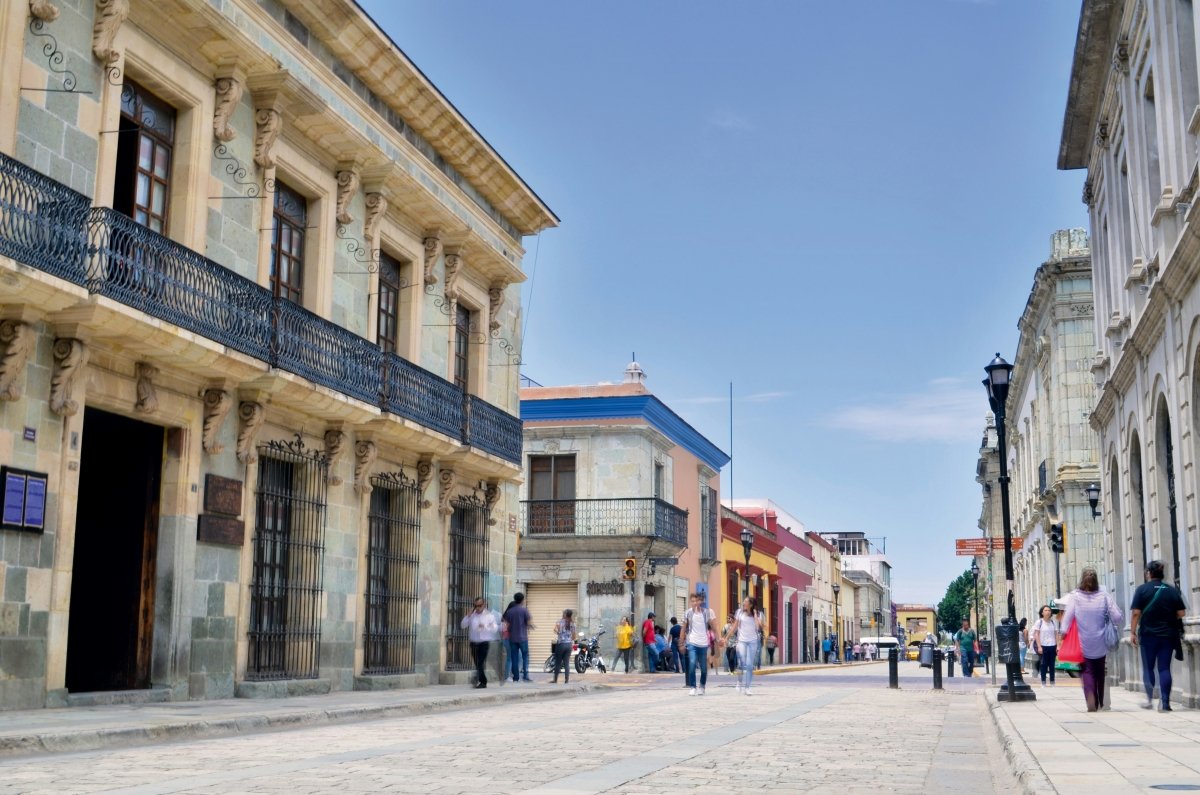
Oaxaca, Mexico — Ancient Flavors, Living Traditions
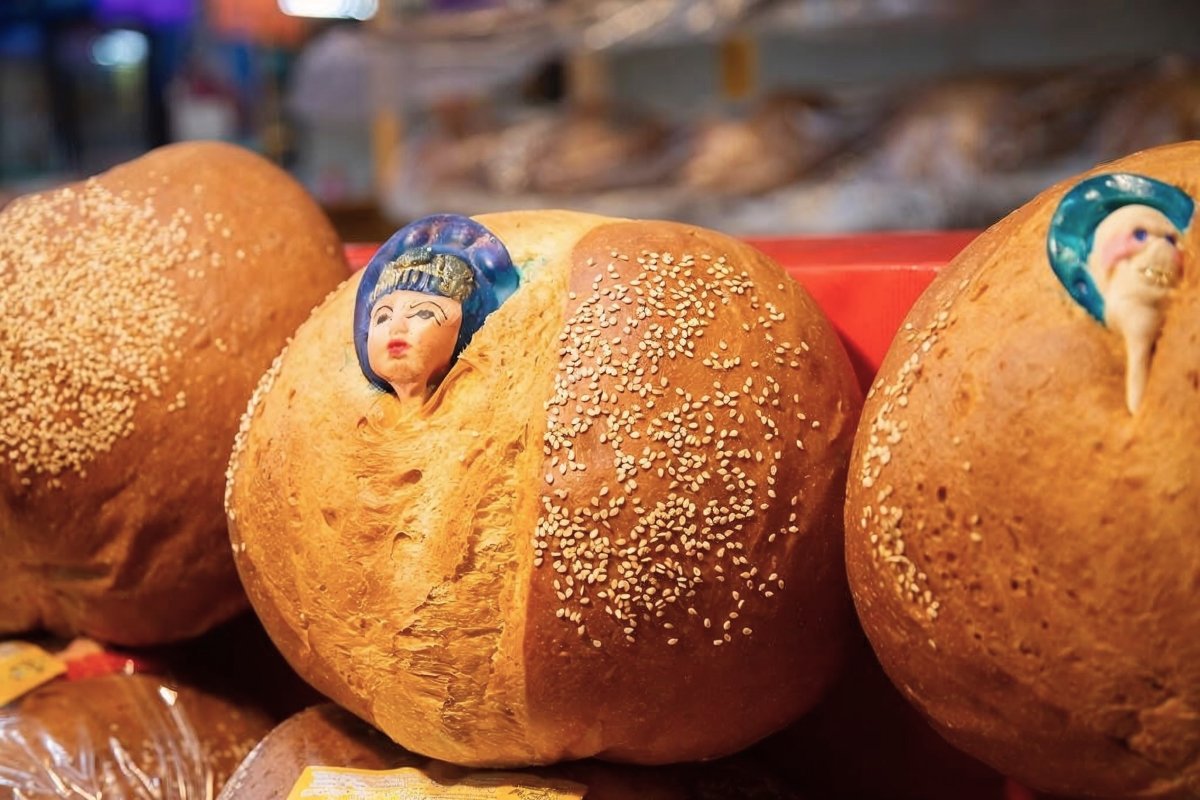
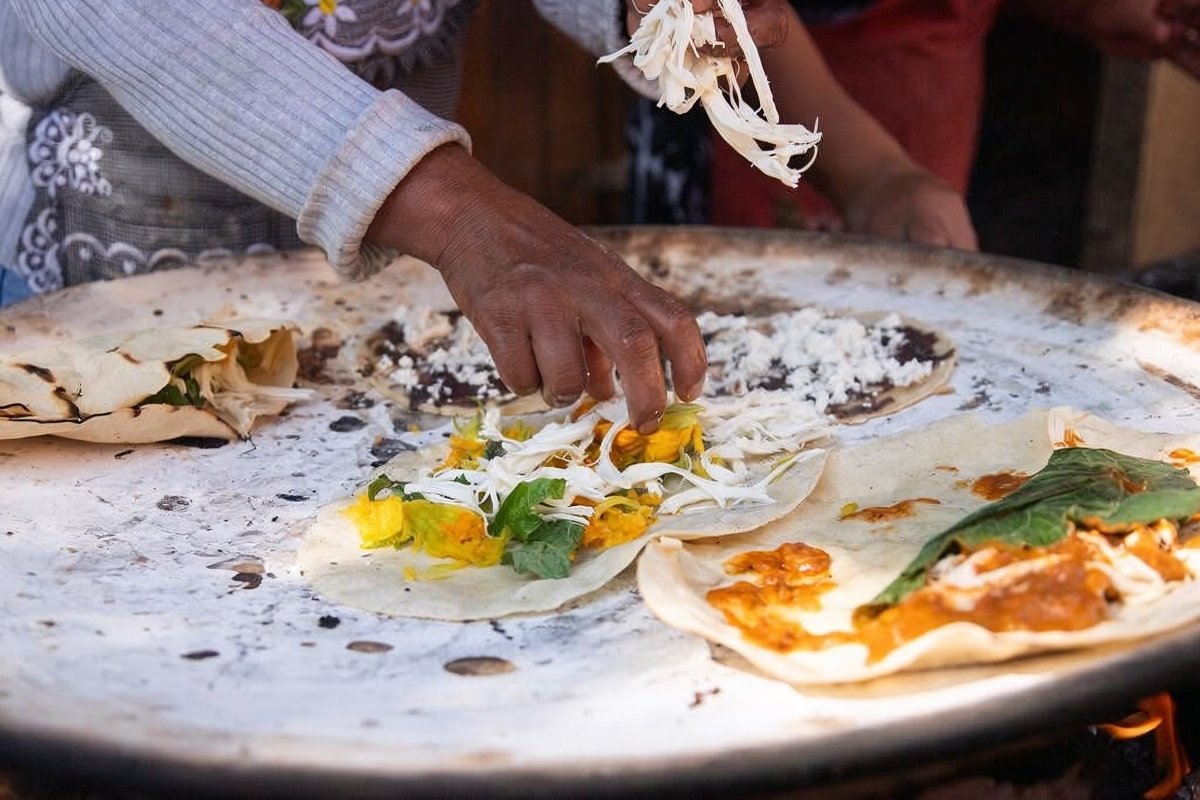
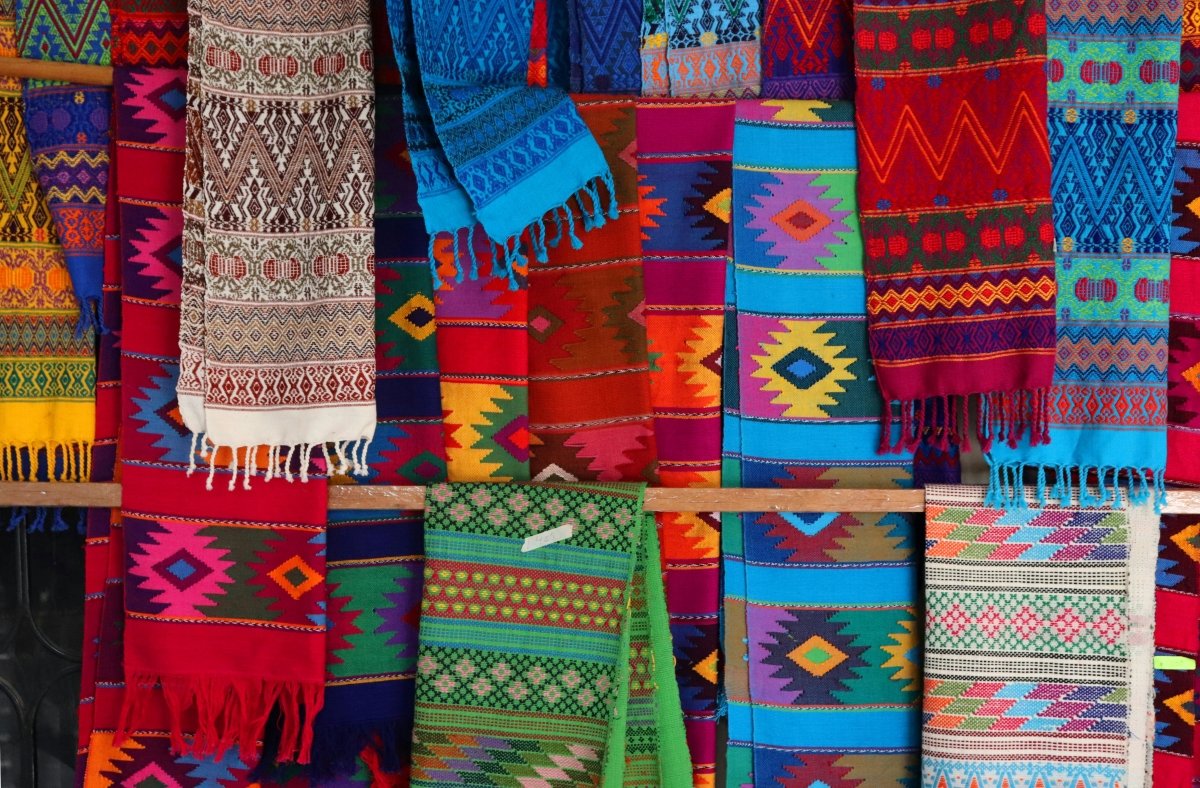
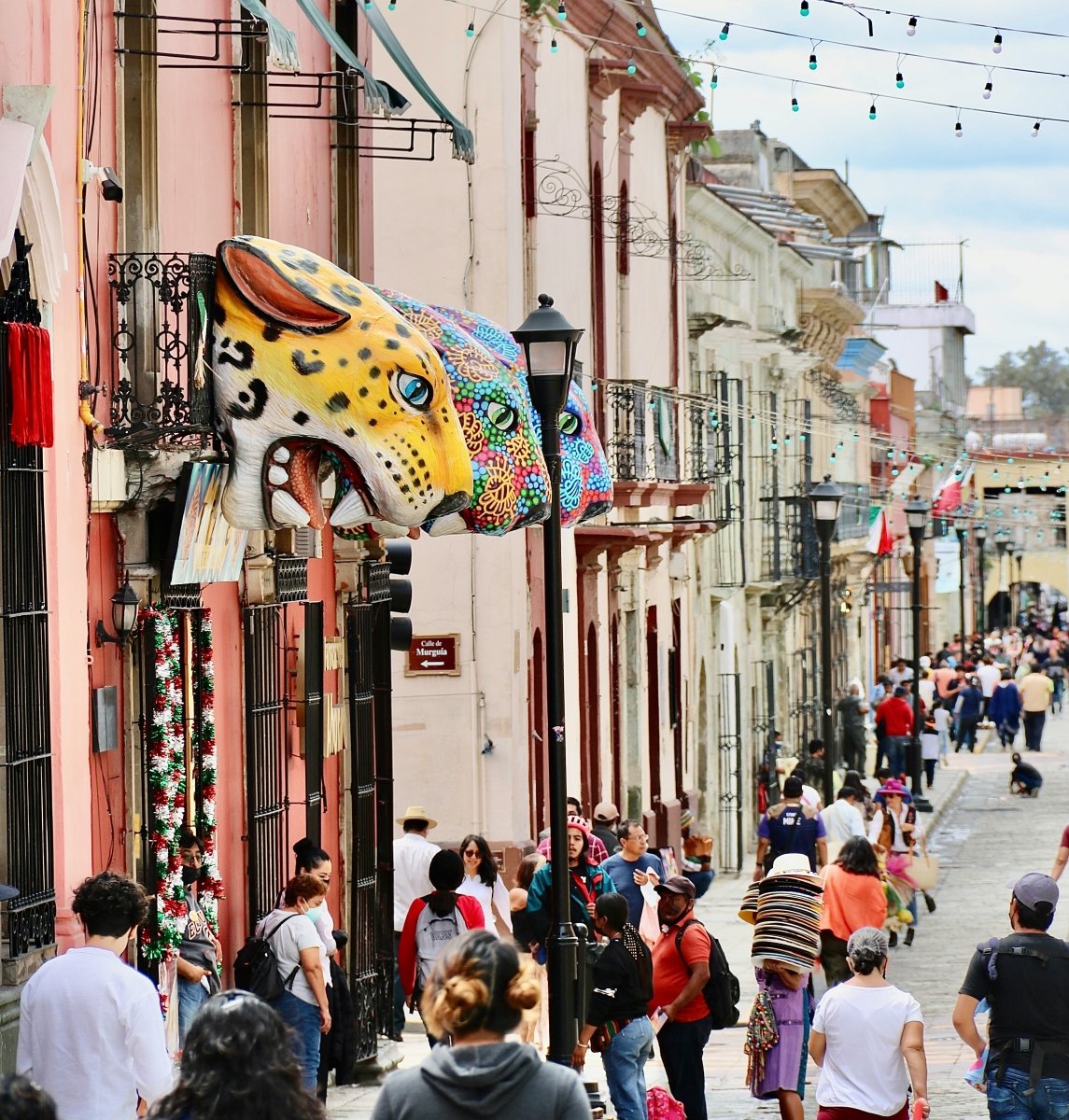
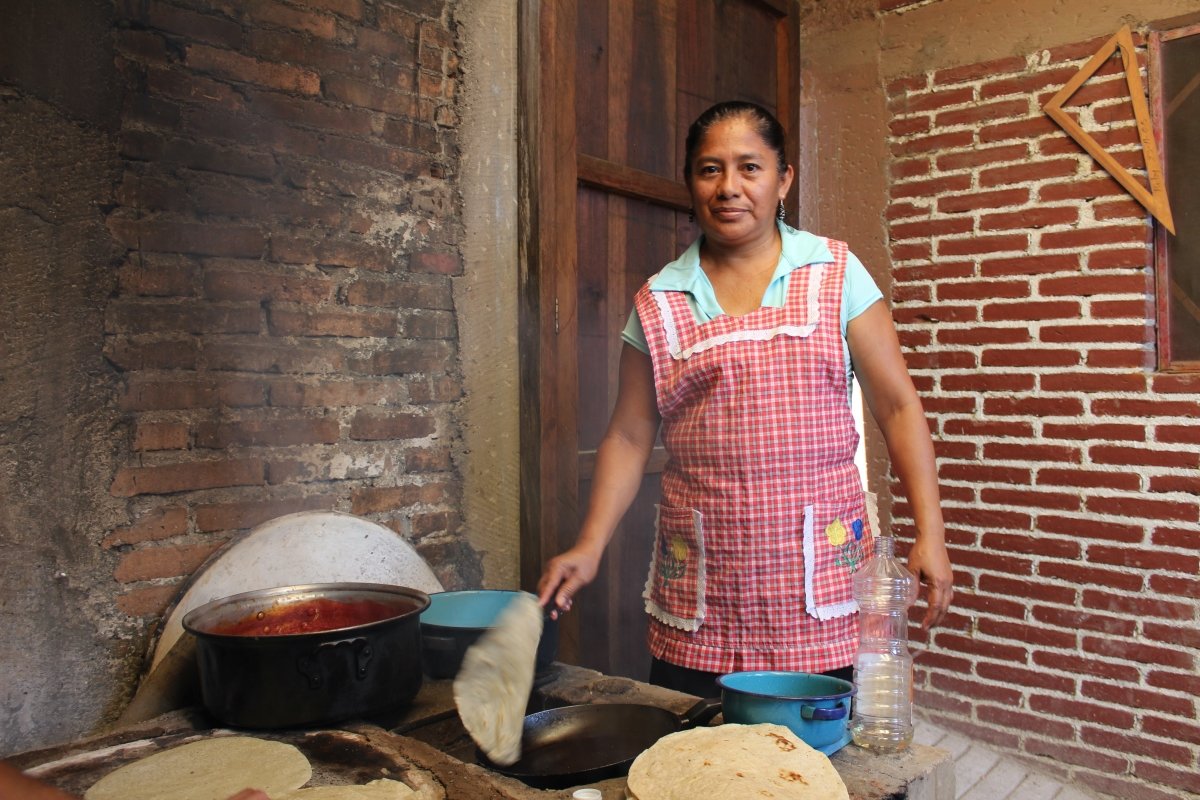
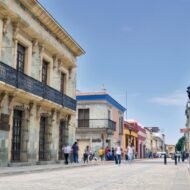
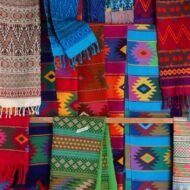
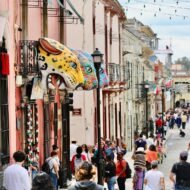
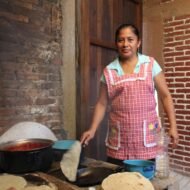
Oaxaca has been on the culinary radar for years, but it remains genuinely extraordinary. The state’s indigenous food traditions — mole negro, tlayudas, mezcal, chapulines (yes, grasshoppers), and a staggering variety of chiles — are deeply tied to land, ritual, and community. The Slow Food movement has a strong presence here, supporting local farmers and traditional producers.
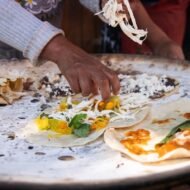
The Mercado Benito Juárez and Mercado 20 de Noviembre are essential stops, but go beyond: visit a mezcal palenque (distillery) in the Sierra Juárez mountains, take a cooking class with a Zapotec chef, or join a community-led cacao harvest in the tropical lowlands.
Basque Country, Spain — Where Food Is a Way of Life
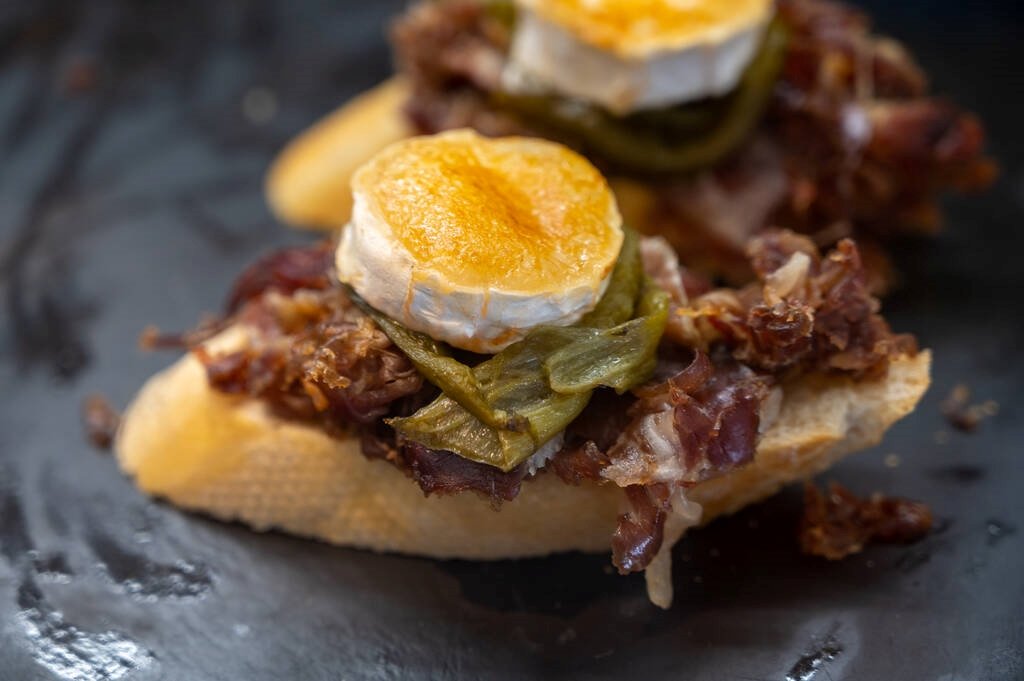
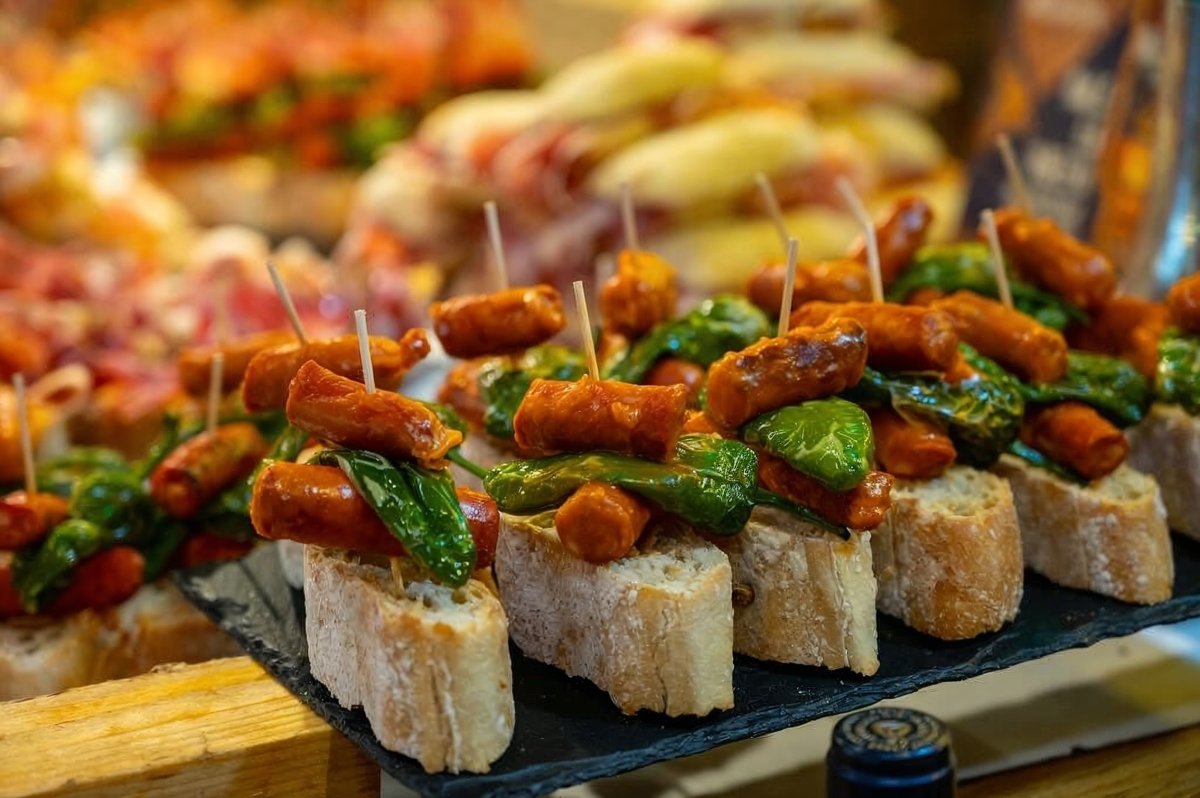
The Basques have long had a different relationship with food than the rest of the world. Pintxos culture, txakoli wine, Idiazabal cheese, salt cod prepared seventeen different ways — and a txoko (private gastronomic society) culture where cooking is a genuine community act. The region’s cuisine isn’t just delicious; it’s a social institution.
For Slow Food travelers, the draw is the network of small producers, traditional cider houses (sagardotegiak), and the stunning contrast between modern culinary innovation and deeply rooted tradition.
Tbilisi & the Georgian Wine Regions — The World’s Oldest Wine Country
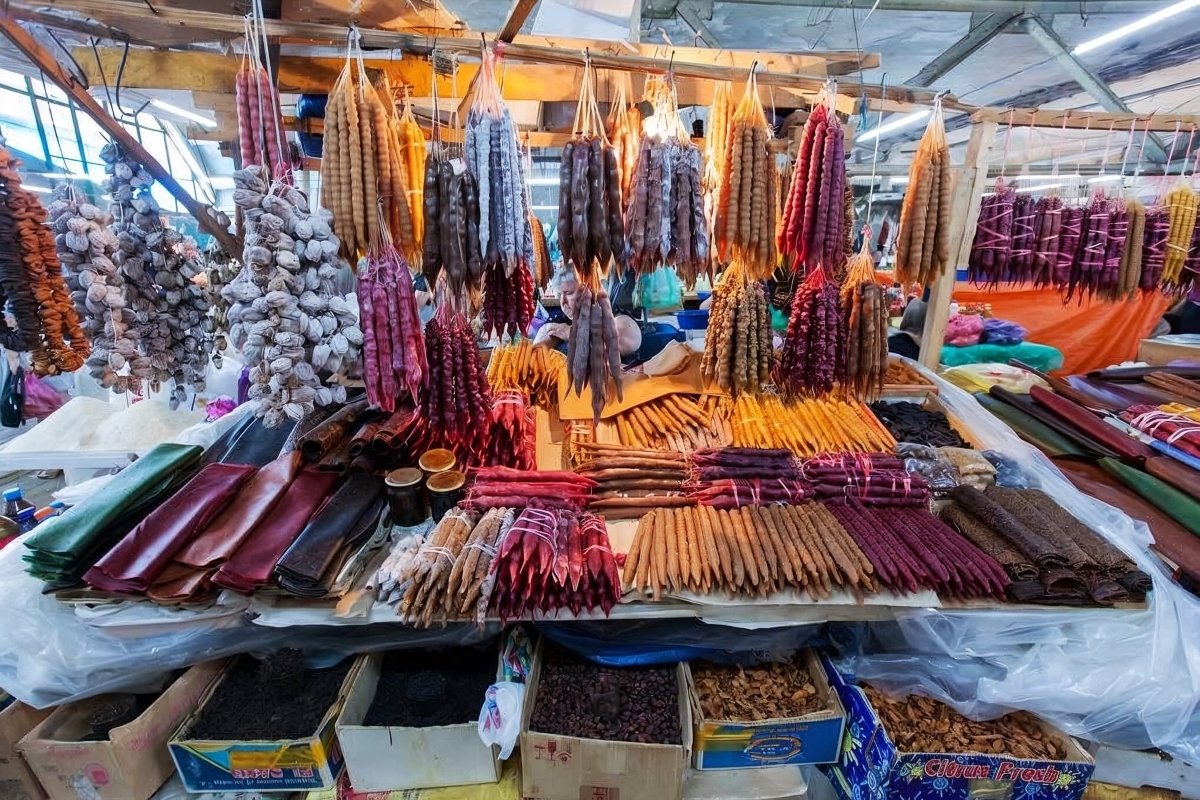
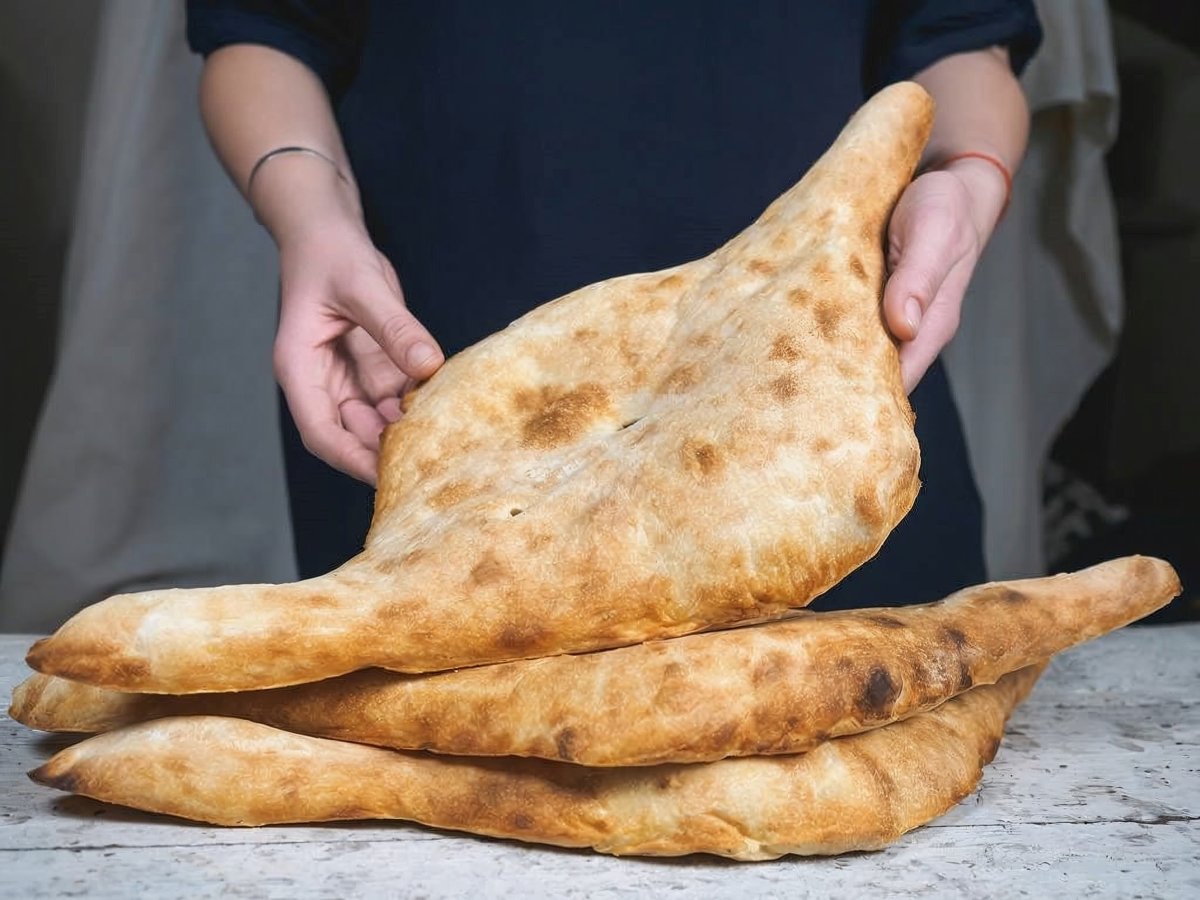
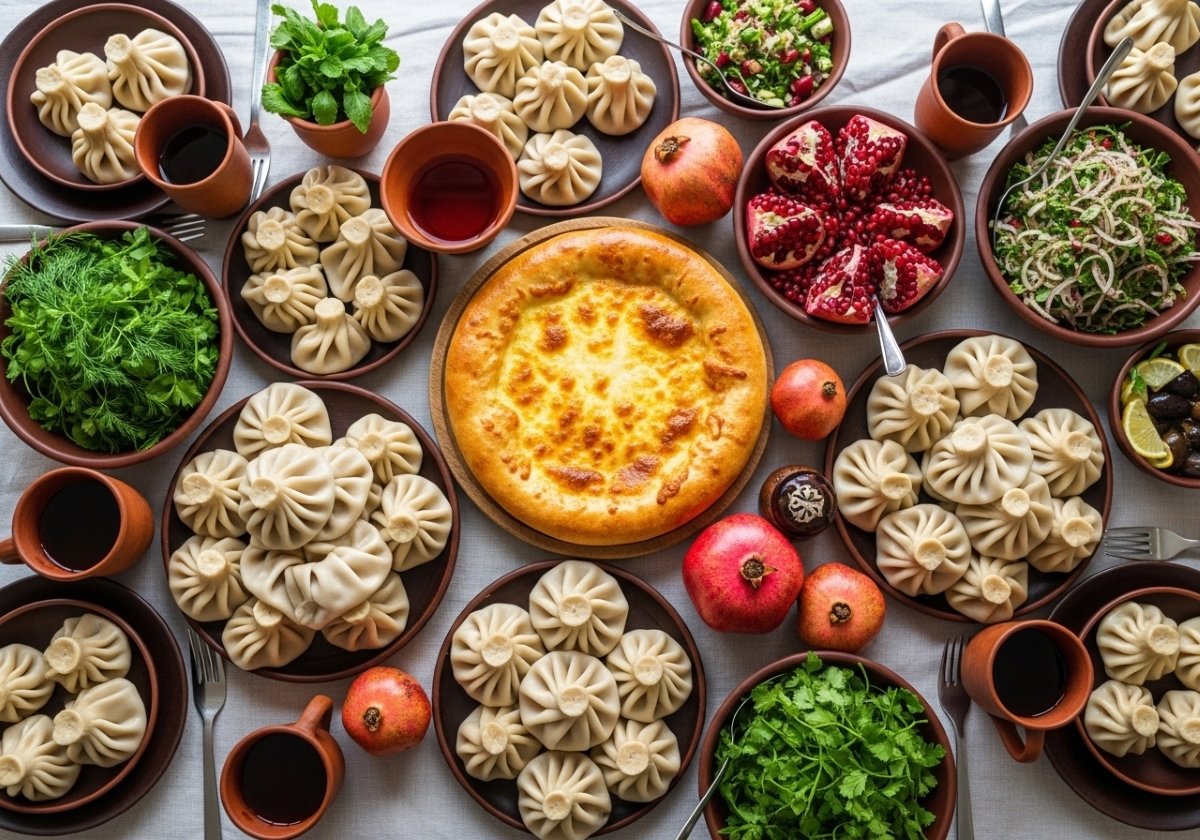
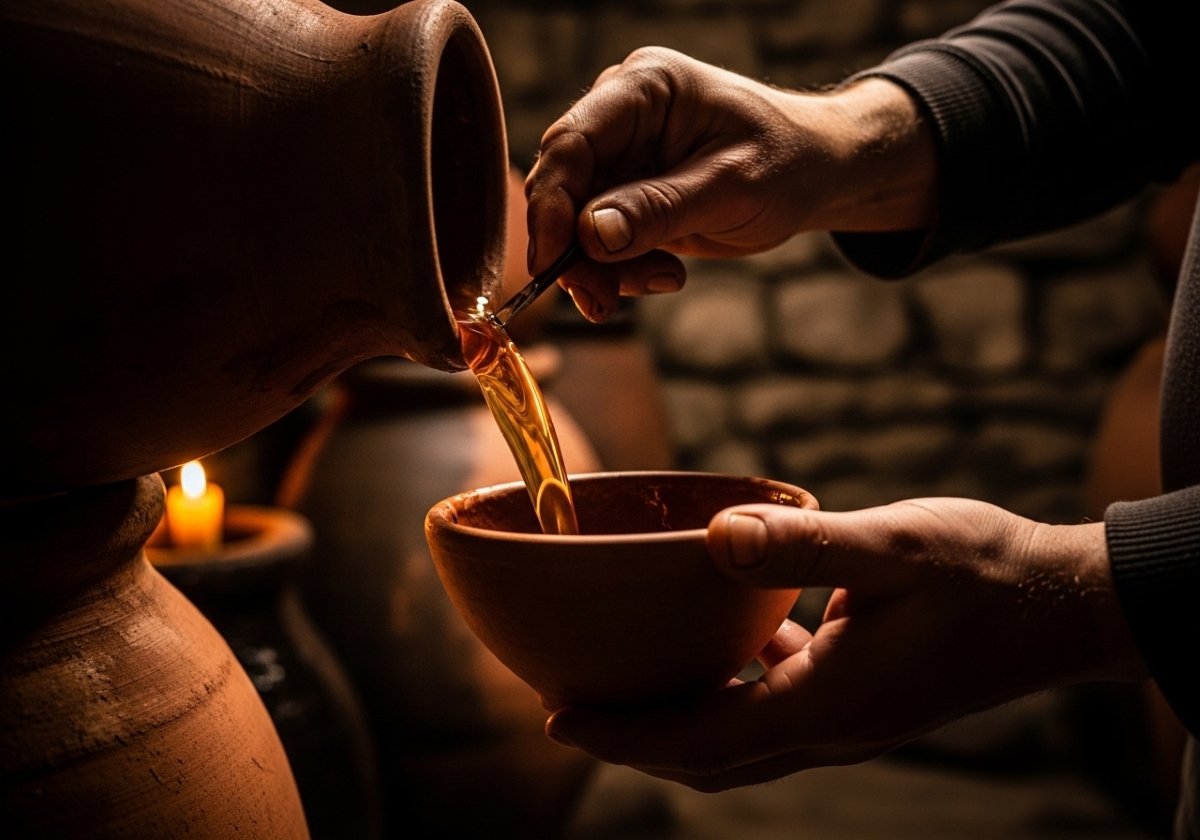
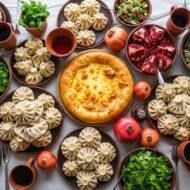
Georgia is having its moment, and it’s richly deserved. The country has been making wine in clay vessels called qvevri for at least 8,000 years — making it quite possibly the birthplace of wine civilization. The amber wines, natural fermentations, and intense hospitality (tamada toasts at a supra feast table) make Georgia one of the most rewarding Slow Food destinations on Earth right now.
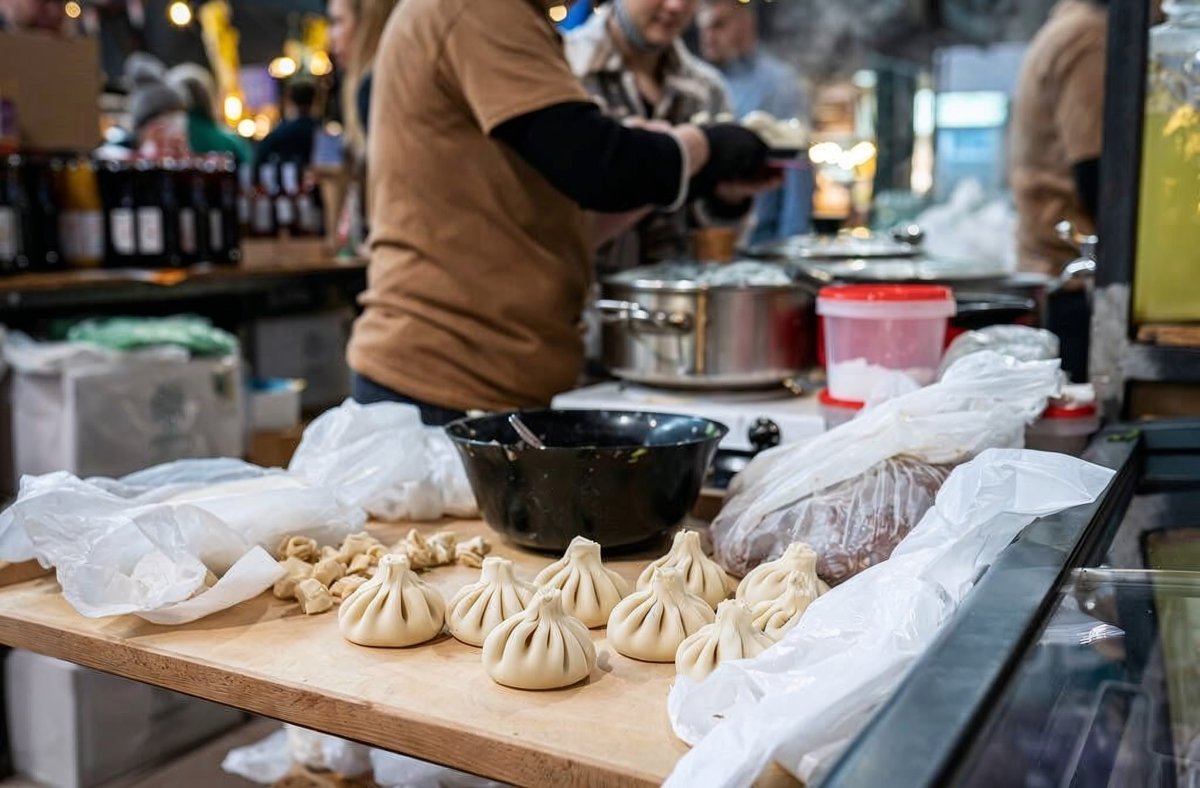
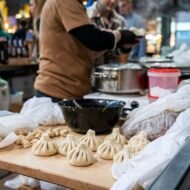
Stay in a family-run guesthouse in Kakheti wine country. Attend a rtveli (grape harvest) in September. Eat khinkali dumplings in the mountains. You’ll leave understanding why Georgians say: “Every guest is a gift from God.”
How to Travel Slow: Practical Tips for Everyone
You don’t need to be a foodie with a Michelin-starred Instagram to do Slow Food Travel right. Here’s how anyone can engage with it meaningfully:
Stay longer, go further less. Resist the urge to hop between five cities in ten days. Pick one region, sink into it, and let it reveal itself to you over time.
Eat where locals eat. This sounds obvious but requires effort. Walk away from the restaurant with the menu in twelve languages. Find the place with handwritten daily specials and no English translation.
Go to the market first. Every destination has a market. Go early, go hungry, go without a shopping list, and let what’s seasonal and local guide your day.
Cook something. A cooking class is one of the highest-ROI experiences in travel. Not only do you learn something practical, you get direct insight into local food culture, technique, and hospitality.
Talk to producers. Farmers, cheesemakers, bakers, winemakers — they are almost universally happy to talk about their craft. Seek them out. Ask questions. Buy something.
Eat seasonally and locally. Avoid out-of-season imports and chain establishments. Eat what the region grows right now. It’ll taste better. It’ll cost less. And it directly supports the local economy.
Be inclusive in your approach. Slow Food Travel is for everyone — regardless of dietary requirements, budget constraints, or culinary expertise. Vegetarians, vegans, and those with allergies can absolutely thrive: farmers’ markets, plant-based regional cuisines, and legume-forward food traditions exist in virtually every Slow Food destination. Communicate your needs warmly and directly; in most cultures, feeding guests well is a point of pride.
The Slow Food Travel Mindset: A Recap
Here’s the heart of it, distilled:
- Slow down your itinerary — depth beats breadth every time.
- Follow the food — let what’s seasonal, local, and traditional guide your choices.
- Support producers directly — buy at the source, eat at the farm, tip generously.
- Engage with culture — food is never just food. It’s history, identity, and community.
- Leave it better — spend your money with people doing things the right way.
- Be curious, not performative — this isn’t about the content. It’s about the experience.
The Slow Food movement has a phrase: “An gastronome who is not also an environmentalist is stupid. An environmentalist who is not also a gastronome is sad.” Slow Food Travel is the bridge between the two — and in 2026, there has never been a better time to cross it.
Disclaimer
The information in this article is intended for general travel inspiration and planning purposes. Prices, availability, and seasonal details can vary significantly by destination and year. Always verify up-to-date entry requirements, local regulations, and booking details directly with providers before travel. The author encourages all travelers to engage with local cultures respectfully and responsibly. Slow Food Travel is a philosophy, not a brand — always research independently and support producers directly.