

A Slower Side of Europe: Places Beyond the Familiar Routes
There are still places in Europe where mornings begin with church bells rather than suitcase wheels.
Places where fishing boats return before sunrise, where mountain roads lead to villages shaped more by weather and geography than tourism, and where cafés remain part of local routine rather than curated experience.
They are rarely the destinations most photographed or most discussed. Often, they exist slightly beyond the familiar routes — overlooked in favour of larger cities, famous coastlines, or destinations long transformed by their own popularity.
Yet these quieter places frequently offer something increasingly difficult to find in modern travel: a sense of continuity.
Not untouched places — Europe has few of those left — but places that still move according to older rhythms.
For travellers willing to slow down, they reveal another side of the continent entirely.
Monemvasia, Greece
Approaching Monemvasia from the mainland, the town appears almost improbable — a vast rock rising from the sea, connected to the Peloponnese by a narrow causeway.
Behind its stone walls lies a Byzantine settlement where narrow lanes still follow medieval patterns, shaped by centuries of trade, invasion, and isolation.
In the early morning, before day visitors arrive, the town feels suspended between sea and stone. Wooden shutters open slowly above worn alleyways, and light reflects softly against fortified walls that have faced the Aegean for generations.
Monemvasia has become better known in recent years, yet it still retains a measured atmosphere that many Greek islands have long since lost.
Outside summer, particularly in autumn, the town returns more fully to itself.
Gjirokastër, Albania
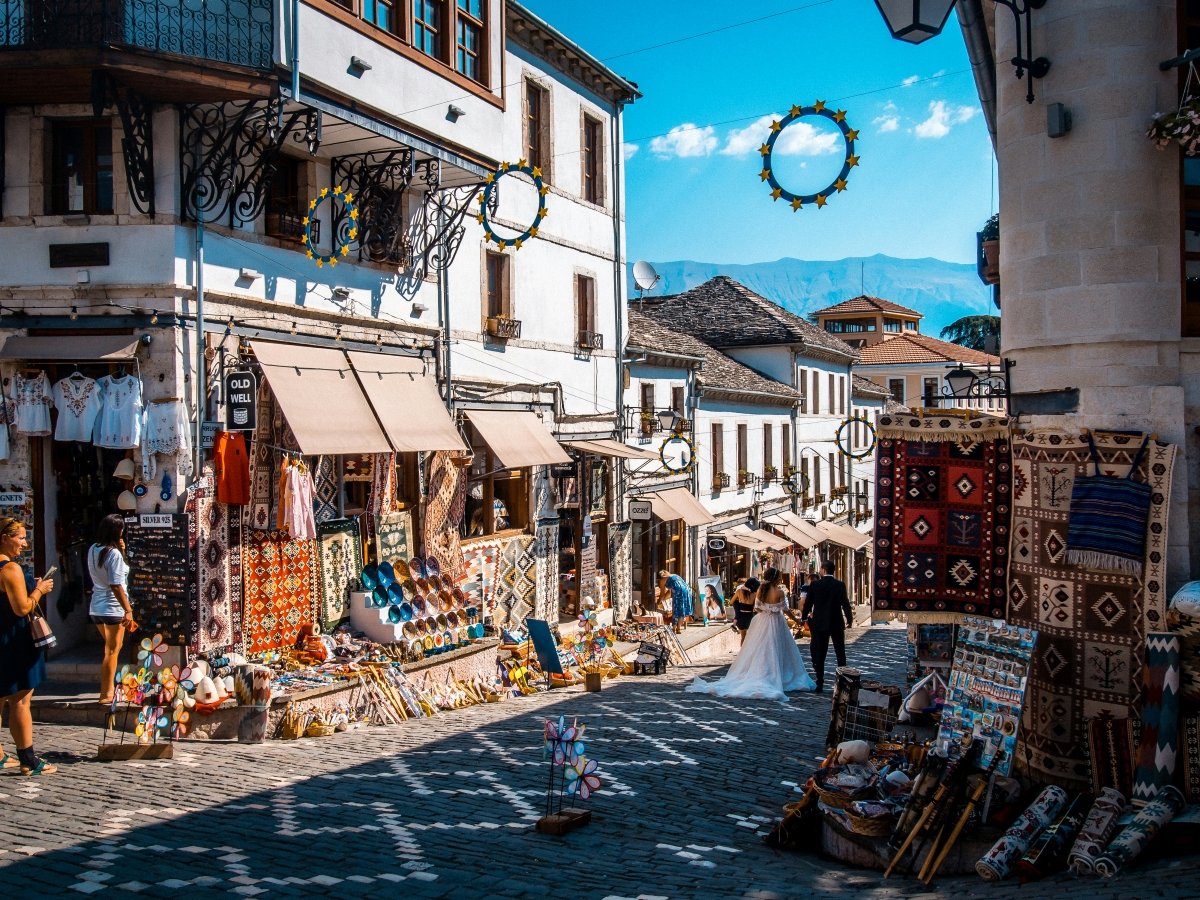
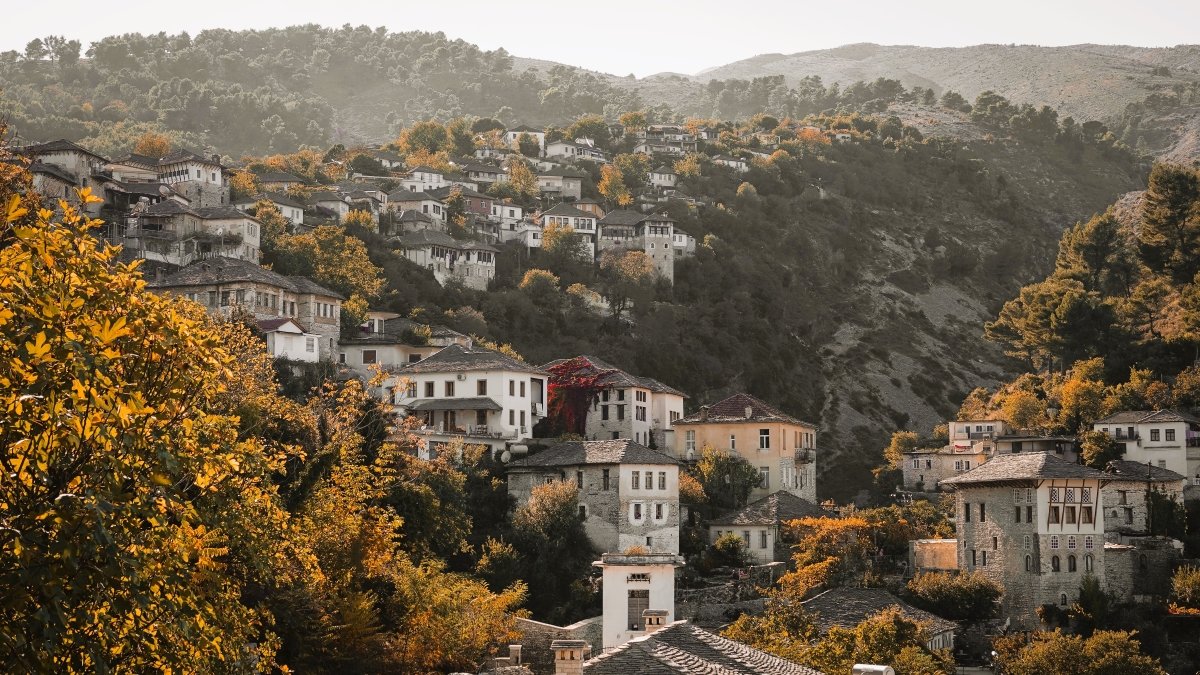
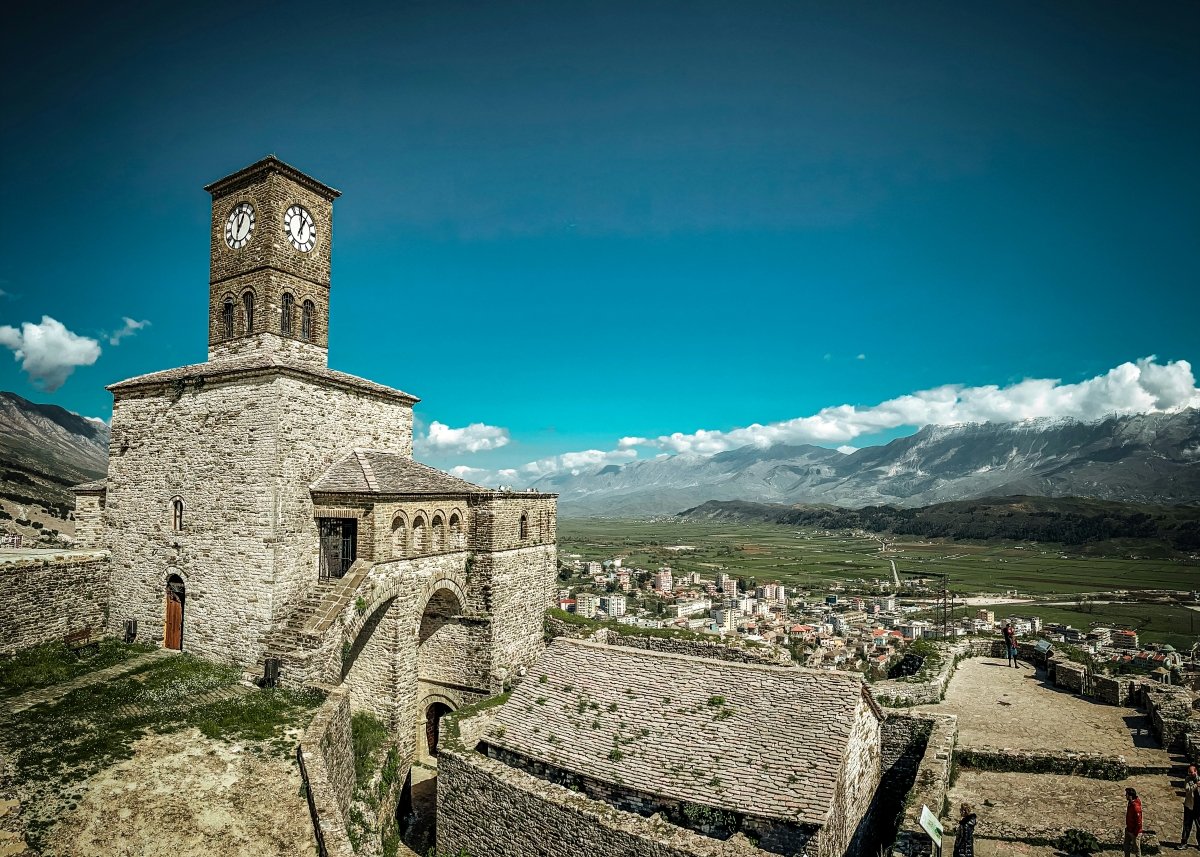
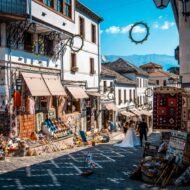
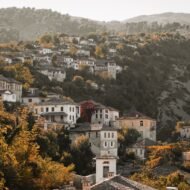
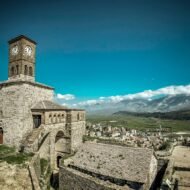
In southern Albania, Gjirokastër climbs across the hillside in layers of pale stone and slate roofs.
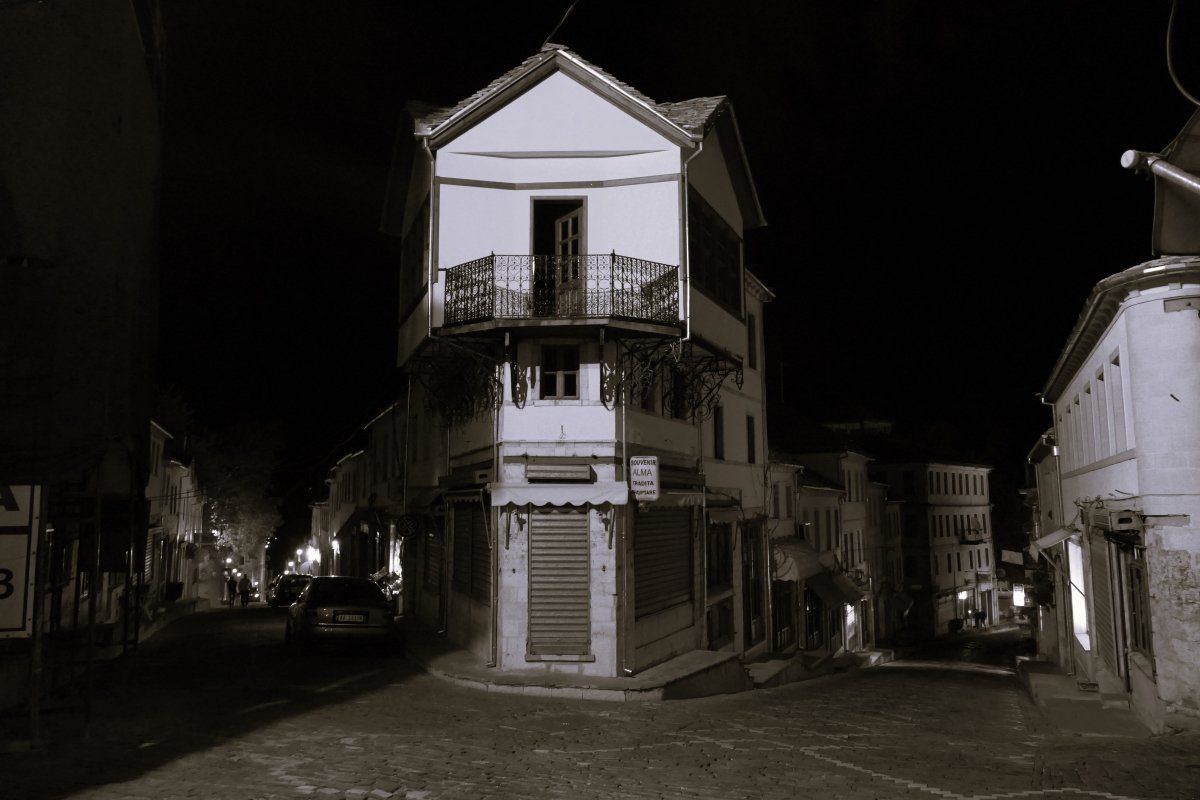
The town’s Ottoman architecture remains remarkably intact, shaped by mountain winters, regional craftsmanship, and centuries of Balkan history.
Unlike many restored historic towns elsewhere in Europe, Gjirokastër still feels lived-in rather than preserved for observation. Laundry hangs between narrow streets. Small cafés fill gradually in the evening. Conversations continue late into the night beneath stone archways.
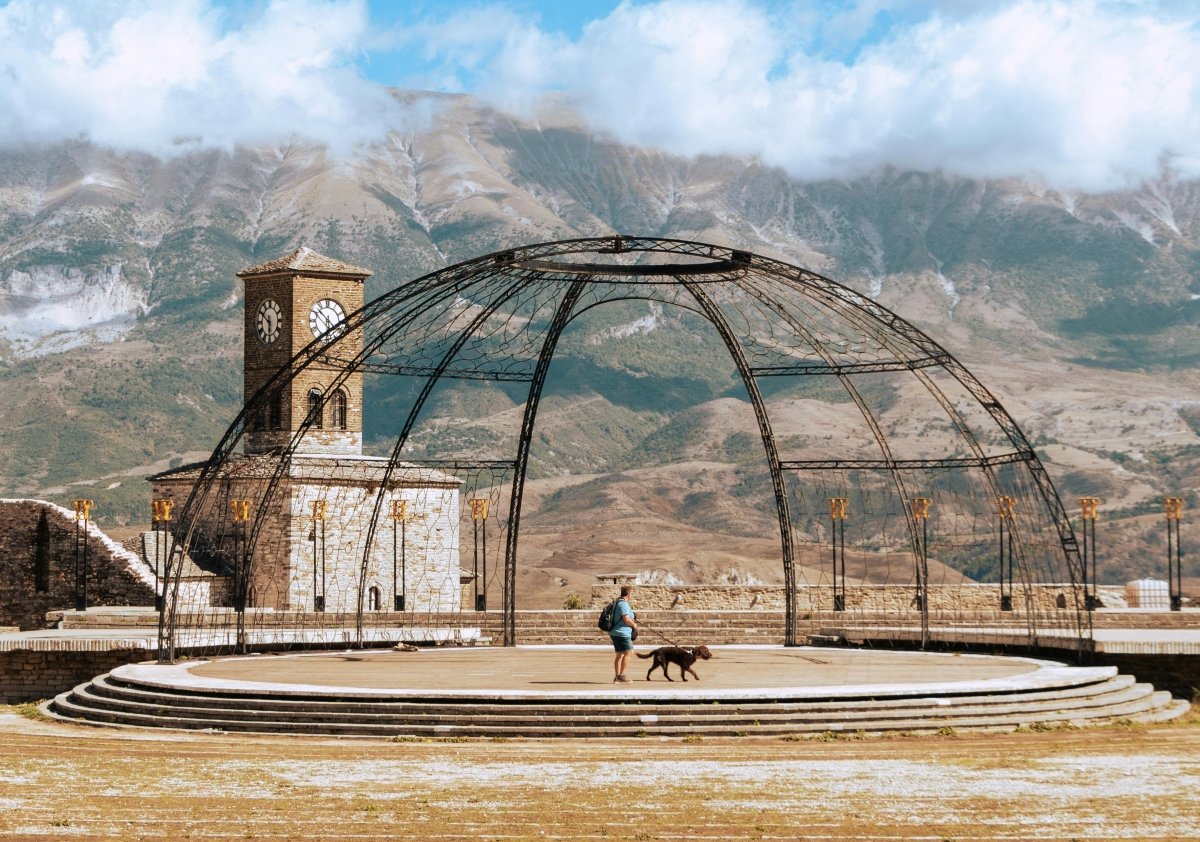
The surrounding mountains reinforce the town’s sense of separation from faster-moving parts of Europe.
Travel here is not built around landmarks alone, but around atmosphere, texture, and pace.
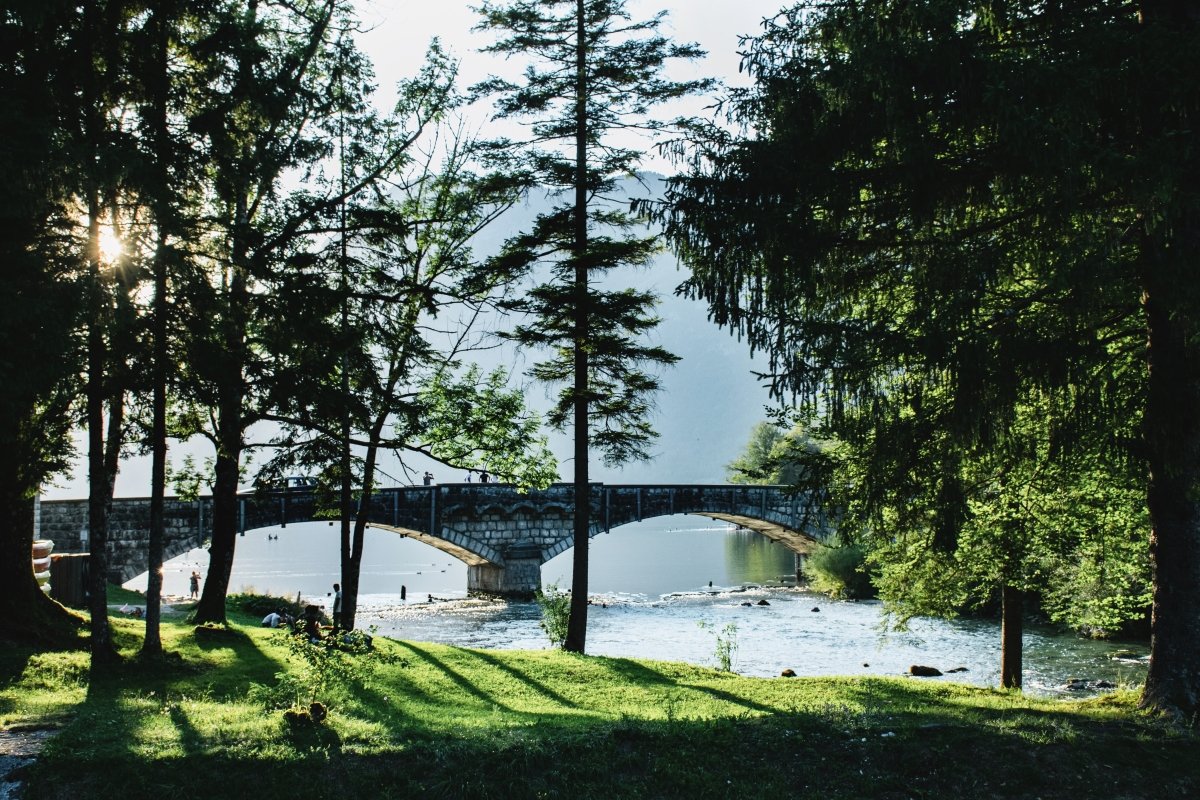
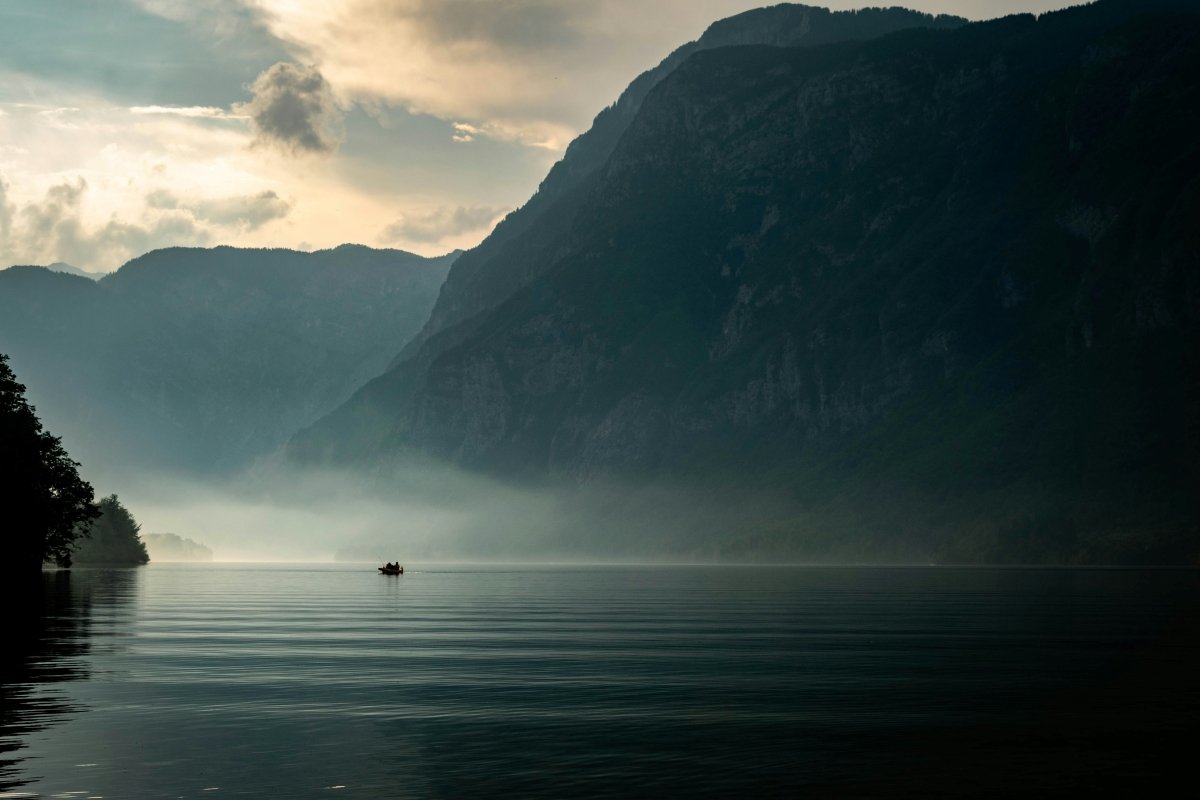
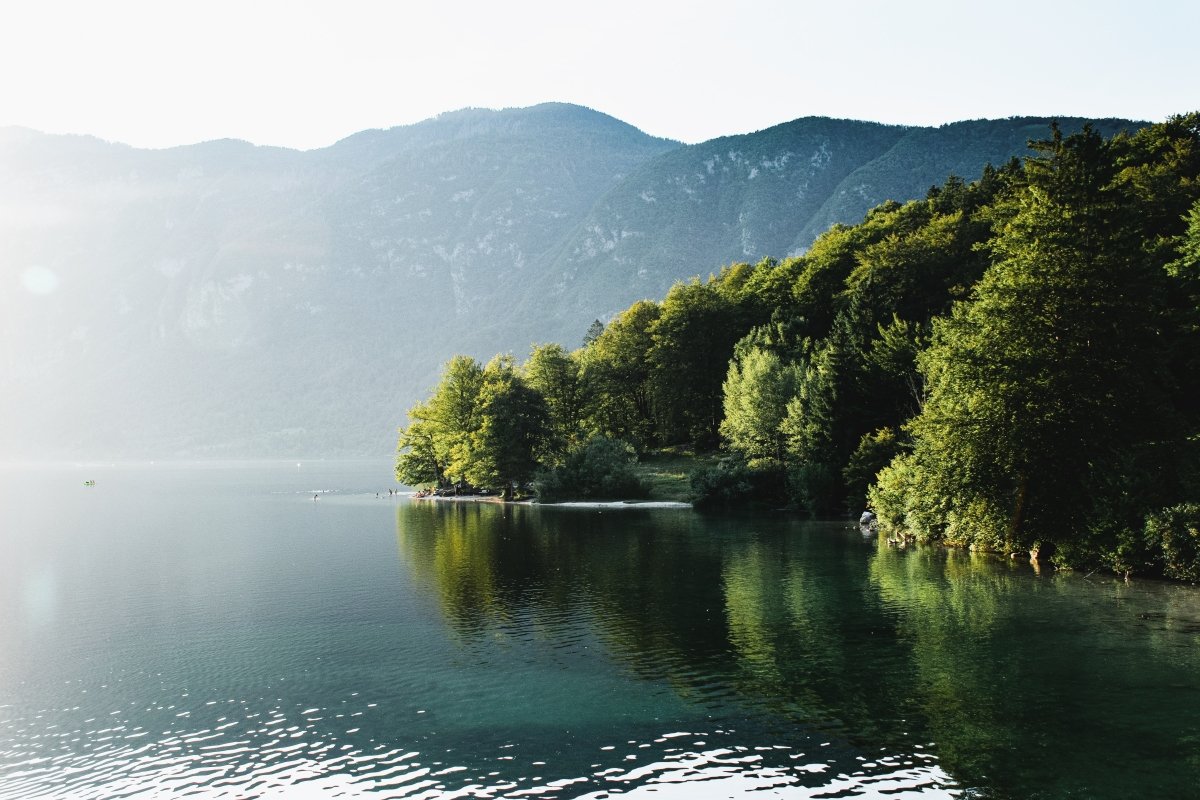
Lake Bohinj, Slovenia
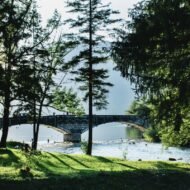
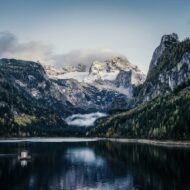
Travellers arriving in Slovenia often continue directly toward Lake Bled, but deeper inside Triglav National Park, Lake Bohinj offers something quieter.
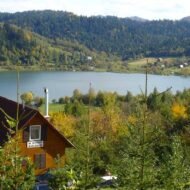
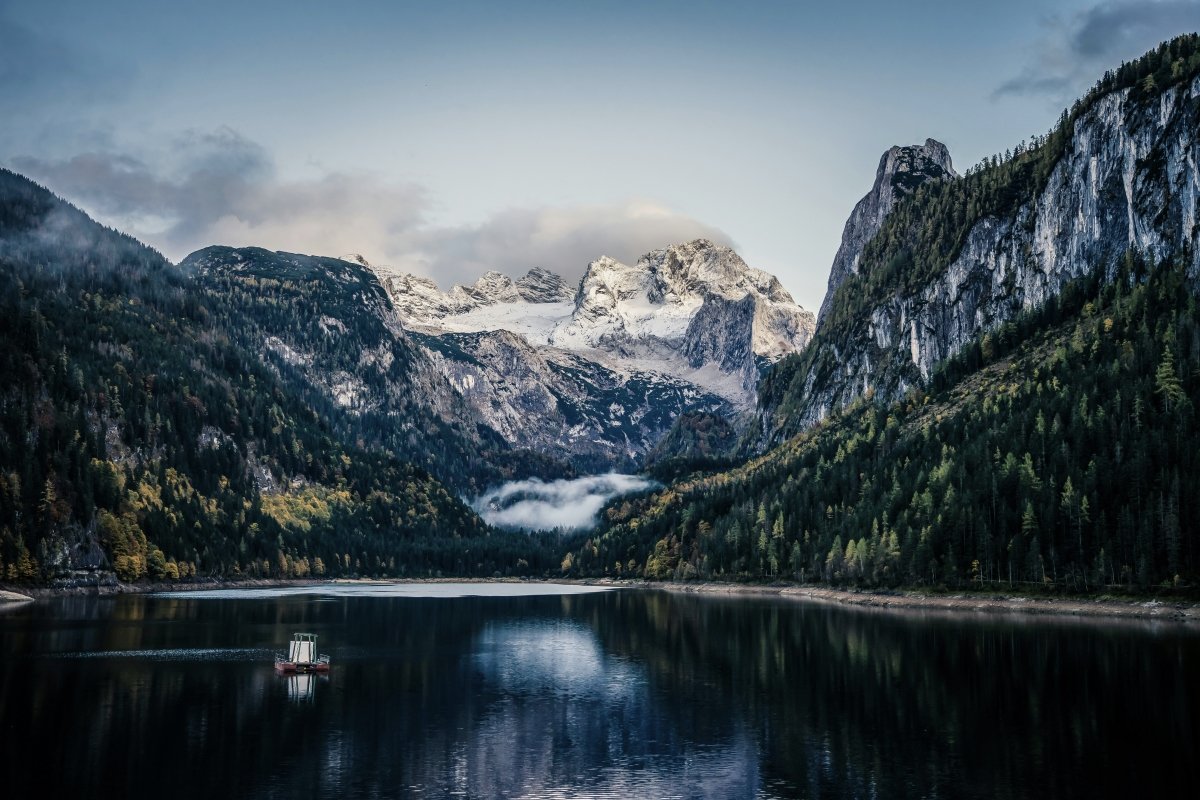
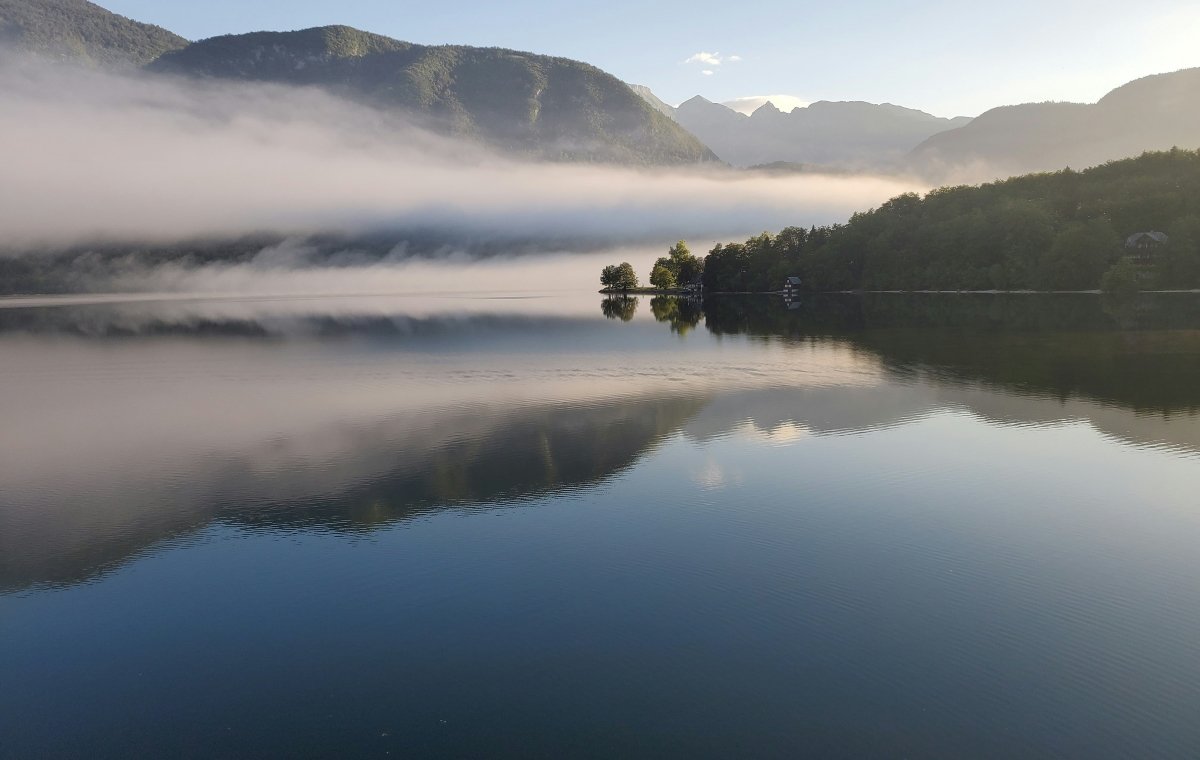
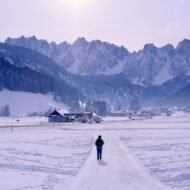
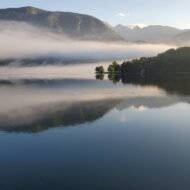
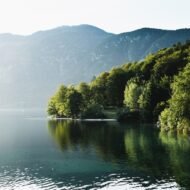
The lake sits beneath steep forested slopes where weather changes quickly and mornings often begin in silence except for water moving against the shore.
Even during summer, Bohinj rarely feels performative. Hiking trails disappear into alpine woodland, small villages remain understated, and much of daily life continues independently of tourism.
The appeal here lies less in spectacle than in balance — between landscape, settlement, and restraint.
It is a place best experienced slowly: walking, swimming, or simply remaining still long enough for the landscape to reveal itself gradually.
Piódão, Portugal
Hidden within Portugal’s Serra do Açor mountains, Piódão appears almost monochromatic at first glance.
Its stone houses, built from local schist, blend into the surrounding hillside so completely that the village can seem part of the landscape itself.
For much of its history, isolation shaped life here. Roads arrived late, winters were difficult, and communities depended heavily on one another.
That remoteness remains part of the village’s identity.
By evening, when mist settles over the mountains and lights begin appearing between slate rooftops, Piódão feels far removed from the coastal tourism more commonly associated with Portugal.
Perast, Montenegro
The Bay of Kotor has become increasingly visible in international travel, yet Perast still retains a quieter character than many neighbouring destinations.
Facing calm water beneath steep limestone mountains, the town unfolds slowly — baroque churches, faded stone palaces, and narrow waterfront paths shaped by centuries of maritime history.
Unlike larger Adriatic destinations built around movement and nightlife, Perast encourages stillness.
Afternoons pass slowly here. Boats drift quietly across the bay. Bells echo from church towers across the water.
Its beauty lies not in spectacle, but in proportion and atmosphere.
Vis Island, Croatia
For decades, Vis remained largely inaccessible to foreign visitors due to its military importance within former Yugoslavia.
That long isolation altered the island’s trajectory.
Even now, Vis feels noticeably quieter than much of the Croatian coast. Fishing villages continue operating at their own pace, vineyards cover the inland hills, and many beaches remain reachable only by narrow roads or boat.
The island’s relationship with tourism still feels relatively balanced.
Outside peak summer weeks, daily life remains visible rather than hidden behind seasonal performance.
Travelling More Slowly
Many of Europe’s quieter destinations share certain characteristics.
They are often geographically isolated — protected by mountains, distance, or difficult access. Some were historically overlooked; others simply developed more slowly.
Increasingly, they also represent an alternative to the accelerated rhythm of modern tourism.
In these places, travel becomes less about accumulation and more about observation. Attention shifts toward details easily missed elsewhere: changing weather, regional architecture, local routines, conversations overheard in cafés.
Places like these rarely remain entirely untouched forever.
But for now, beyond Europe’s familiar routes, another pace of travel still exists.
Further Reading
- Hidden Coastal Towns in Europe
- Quiet Destinations in Greece Beyond the Islands
- Slow Travel Through the Balkans
- Europe in Autumn: Places Best Experienced Slowly
- Mountain Villages of Southern Europe