











































TL;DR: The “No-Coat” Tour: Ranking Europe’s Mildest Winter Escapes , Forget icy sidewalks and gloomy skies—Europe’s southern coast is serving up 15-20°C temperatures, sunny beaches, and zero crowds this winter. From Cyprus’s year-round swimming weather to Portugal’s surf-friendly shores, these five destinations prove you don’t need a long-haul flight to escape the cold.
1. Limassol, Cyprus – The Sun Trap
Average January Temperature: 17°C (63°F)
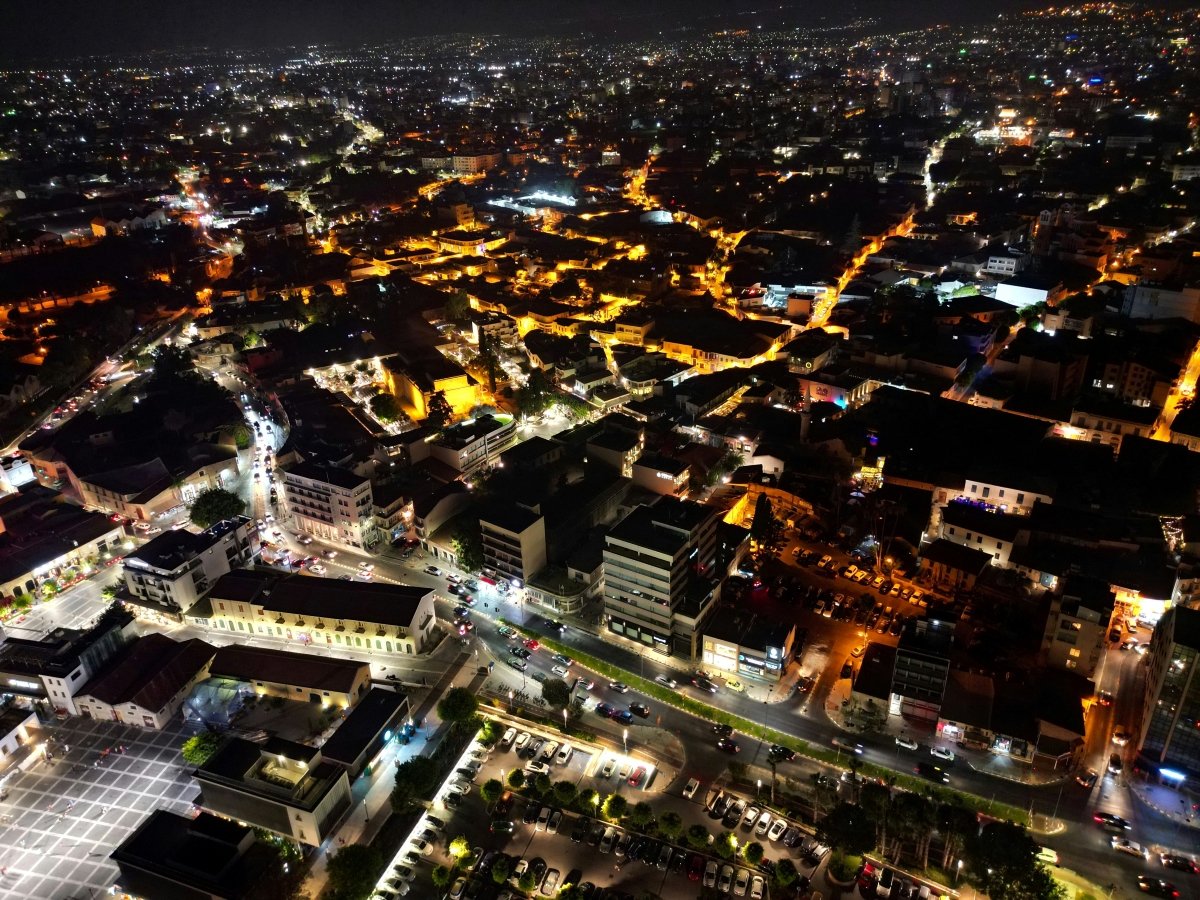
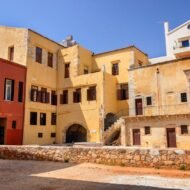
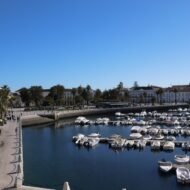
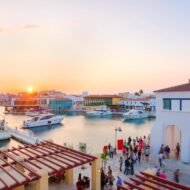
Cyprus literally brags about having 340 days of sunshine annually, and honestly? They’ve earned it. Limassol sits pretty on the island’s southern coast where winter feels more like everyone else’s spring.
What Winter Actually Feels Like Here Mornings are crisp enough for a light jacket, but by noon you’re peeling layers off. Rain happens maybe 5-7 days per month, and even then it’s brief. Locals still hit the beaches for walks, and you’ll spot brave souls swimming when it hits 18°C. The Mediterranean stays around 17-18°C—refreshing if you’re feeling adventurous.
Things Actually Worth Doing (according to people who’ve been)
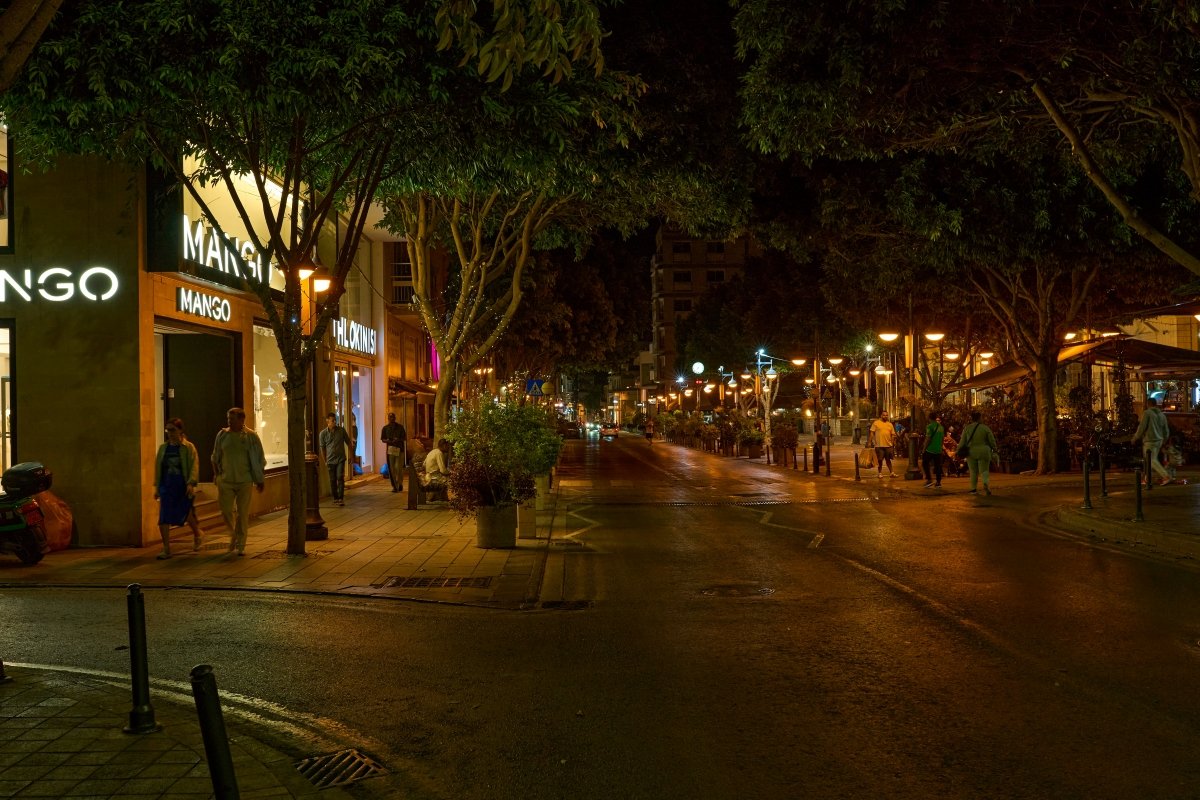
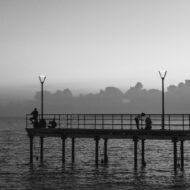
- Walk the 16km Limassol seafront promenade—Europe’s longest, btw
- Explore Kourion’s ancient amphitheater (way less crowded in winter)
- Day trip to Troodos Mountains for actual snow (yes, really)
- Wine tasting in Commandaria region—Cyprus has been making wine for 5,000 years
- Browse Limassol Old Town’s narrow streets and traditional tavernas
Where to Stay Budget travelers love the guesthouses around the old port (€30-50/night). Mid-range? Try the Amathus area hotels (€70-120). Splurging? The beachfront resorts drop their summer prices by 40% in winter.
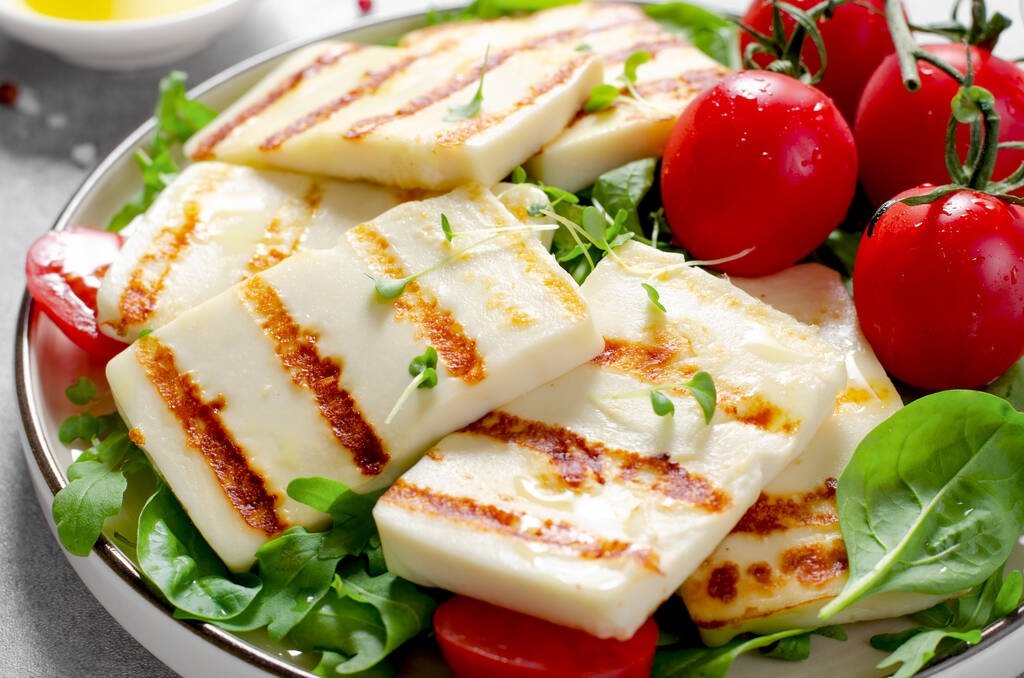
Shopping Scene The old covered market (Carob Mill) has local crafts and halloumi cheese that’ll ruin grocery store versions forever. For modern stuff, hit Limassol Marina’s boutiques or MyMall.
Local Winter Traditions Cypriots celebrate Green Monday (Kathara Deftera) before Lent with massive outdoor picnics—kite flying, vegetarian feasts, the works. It’s chaotic and wonderful.
Budget Snapshot
- Coffee: €2.50-3.50
- Taverna meal: €12-18
- Beer: €3-4
- Bus ticket: €1.50 Daily budget: €50-80 comfortably
Signature Food You Can’t Skip Halloumi everything (it’s from here!), souvlaki, moussaka, and meze platters that keep coming until you wave the white flag. Try commandaria wine—it’s sweet, strong, and historically exported to medieval royalty.
Cultural Quirks Cyprus is where Greece meets the Middle East meets British colonial history. You’ll hear Greek, see mosques and churches side by side, and encounter roundabouts everywhere. Coffee culture is HUGE—people spend hours at cafes.
Winter Events
- Limassol Carnival (February/March)—think parades, costumes, absolute madness
- Wine Festival at KEO brewery
- Various Christmas markets through early January
Getting There Larnaca International Airport (LCA) – 50km away, 45-minute drive Paphos Airport (PFO) – 65km away, also works
Useful Info: Cyprus drives on the left (British influence). Everyone speaks English. The euro is currency. North Cyprus is a separate entity requiring passport crossing—plan accordingly.
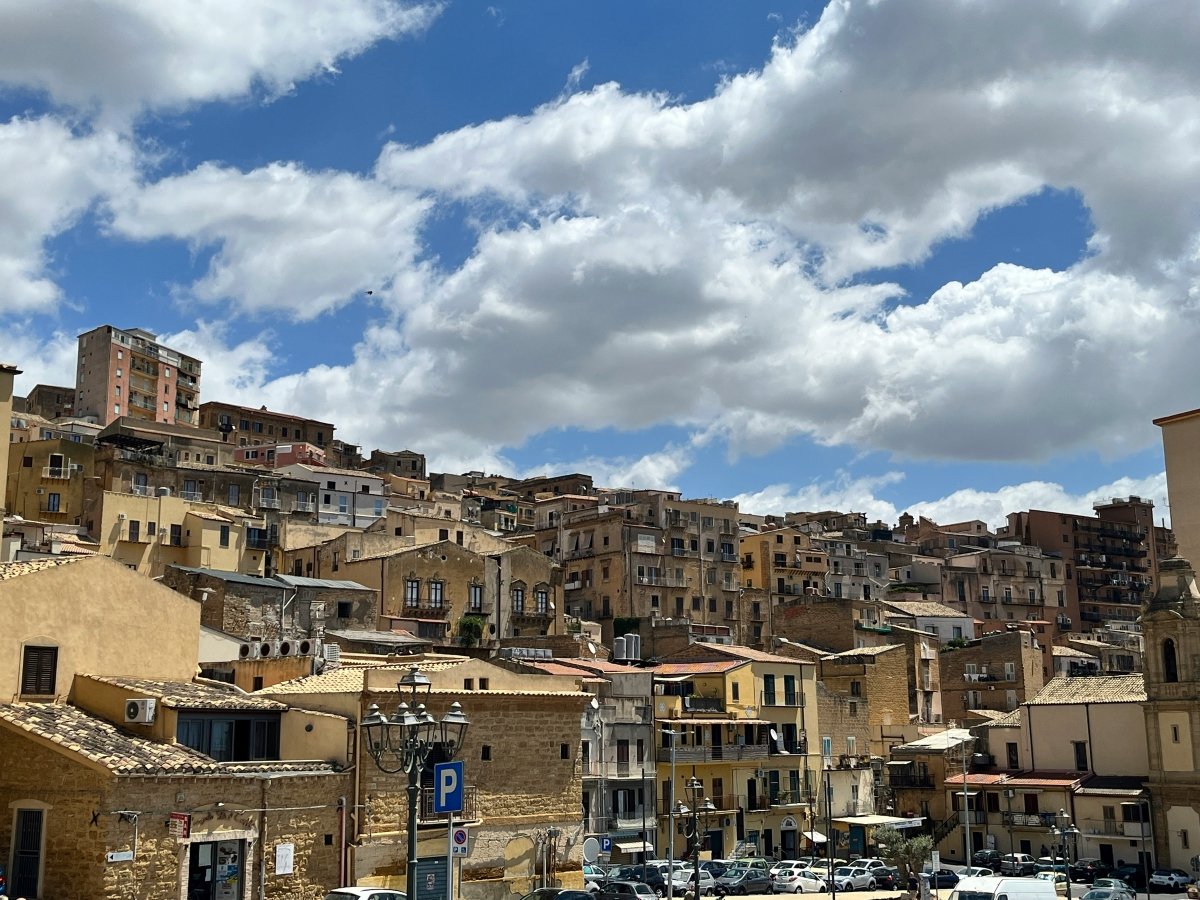
2. Southern Sicily, Italy – Where Baroque Meets Beach
Average January Temperature: 15°C (59°F)
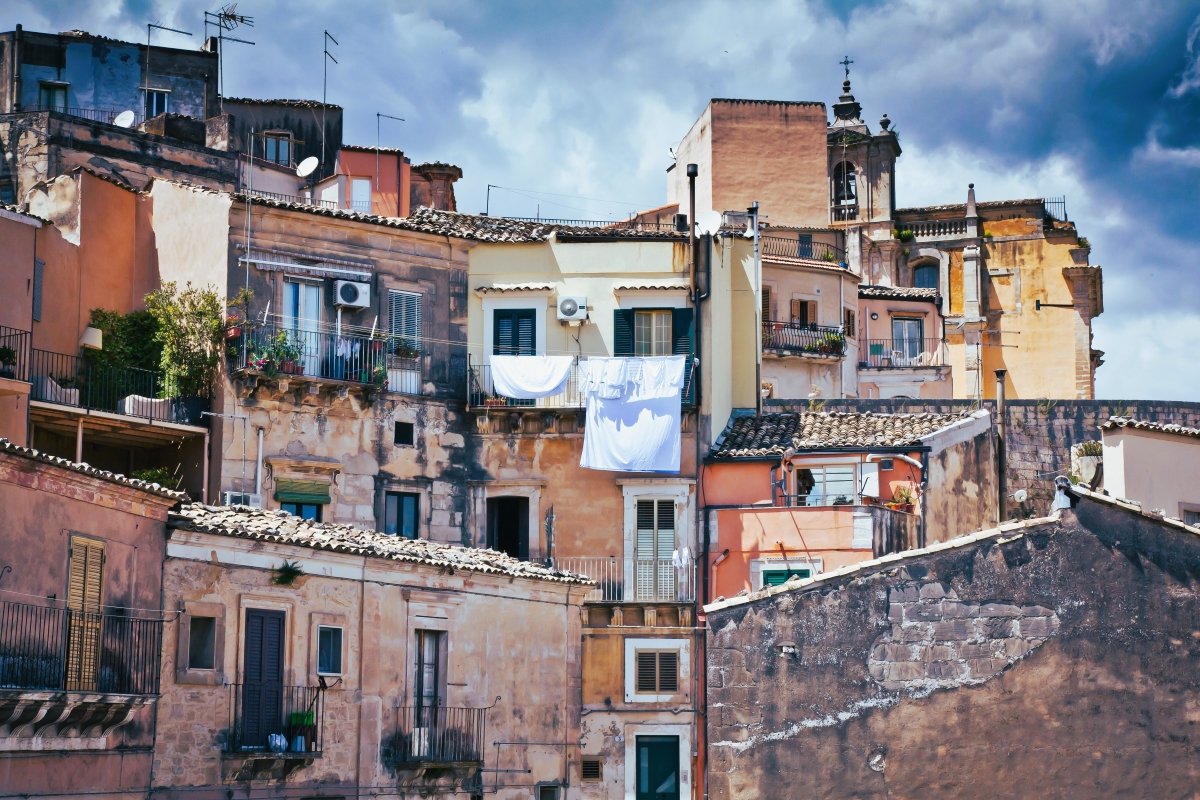
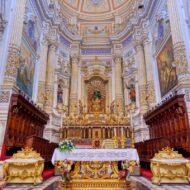
Sicily in winter is like finding a secret level in your favorite game. The tourists vanish, prices drop, and suddenly you’ve got UNESCO World Heritage sites practically to yourself.
Winter Reality Check It’s mild but unpredictable. You might get a stunning 18°C sunny day followed by a 12°C drizzly one. Pack layers. The volcanic soil around Mount Etna actually makes winters slightly milder on the eastern coast. Snow caps Etna itself, creating this bizarre beach-meets-mountain vibe.
What People Actually Love Doing
- Exploring Catania’s fish market—chaotic, loud, incredible
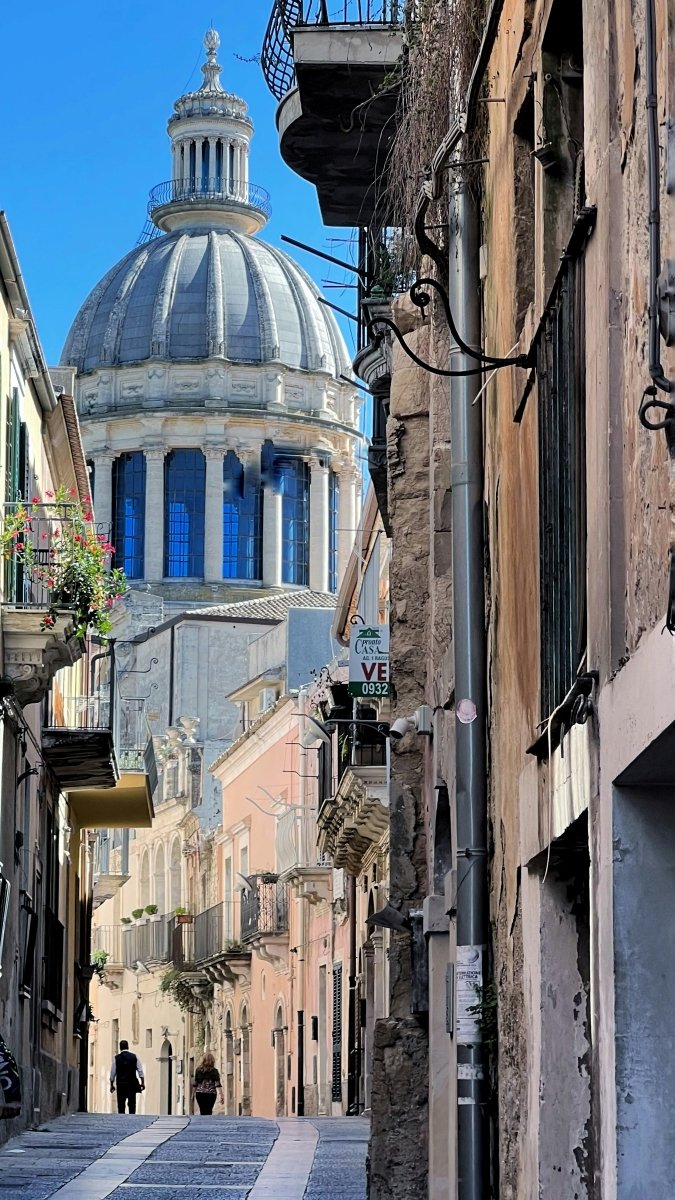
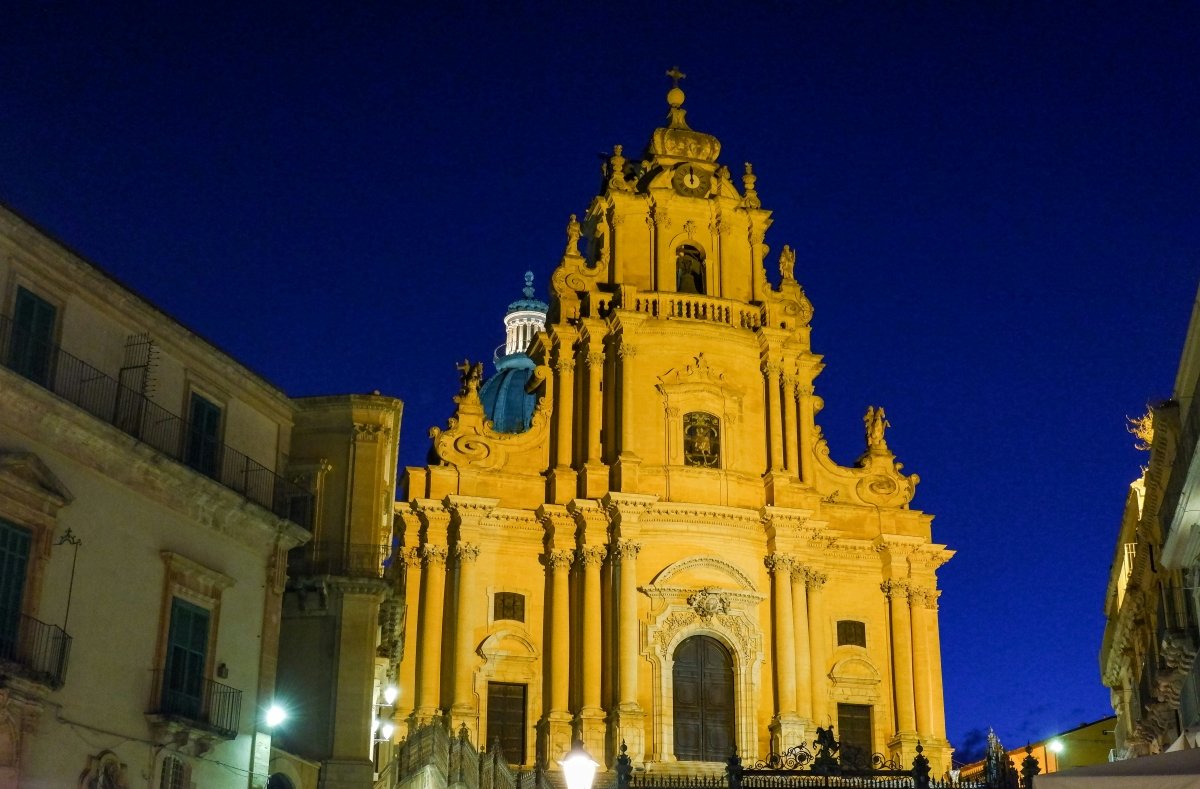
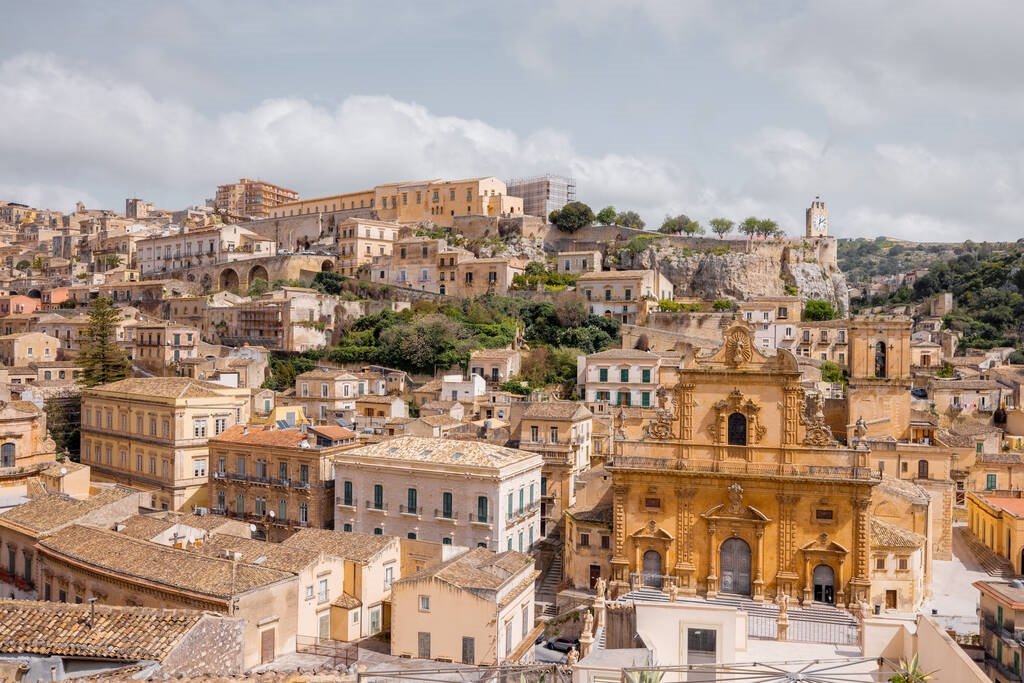
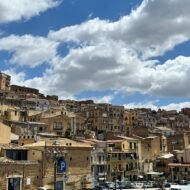
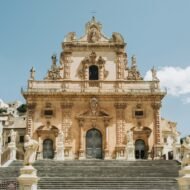
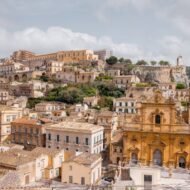
- Val di Noto baroque towns (Noto, Ragusa, Modica)—Instagram gold
- Hiking Mount Etna’s lower slopes (with a guide in winter)
- Chocolate tasting in Modica (they make it Aztec-style)
- Beach walks in Marzamemi or San Vito lo Capo
- Syracuse’s ancient Greek theater and Ortigia island
Accommodation Options Stay in agriturismos (farm stays) for €40-70, converted palazzos in baroque towns for €60-100, or beachfront B&Bs. Airbnb is huge here and offers great value.
Shopping Catania’s Via Etnea for mainstream shops, but the real gems are ceramic shops in Caltagirone, almond paste figurines, and Etna wines. Every town has a weekly market—go early.
Local Winter Vibes Sicilians take winter seriously food-wise. It’s citrus season, so blood oranges are EVERYWHERE. Sant’Agata Festival (early February) in Catania is one of Italy’s biggest religious celebrations—intense and worth experiencing.
Budget Breakdown
- Espresso: €1-1.50
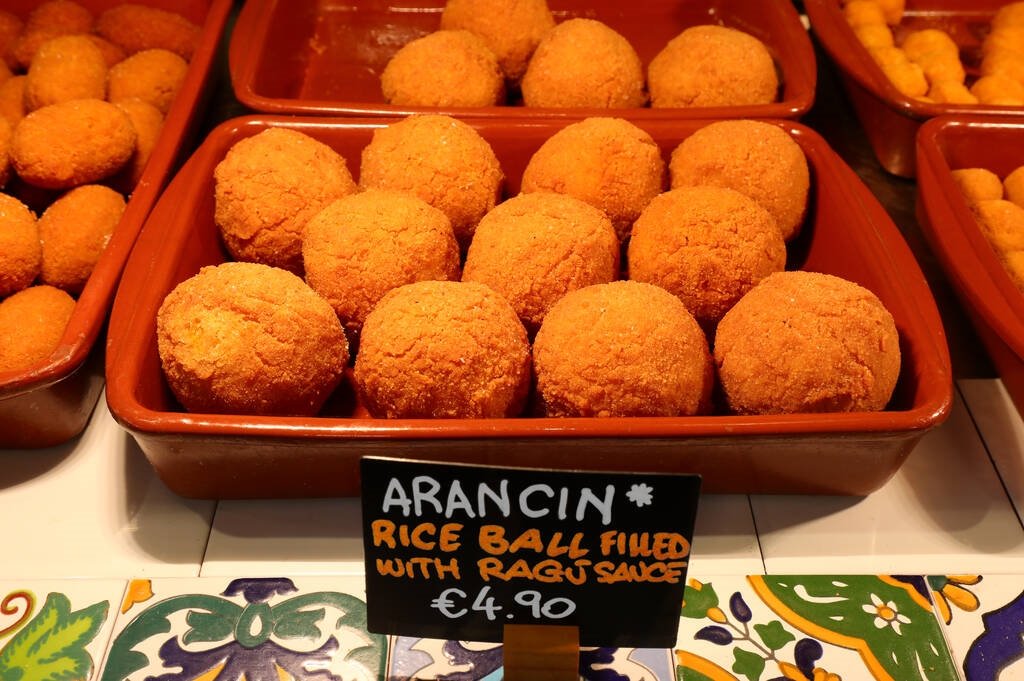
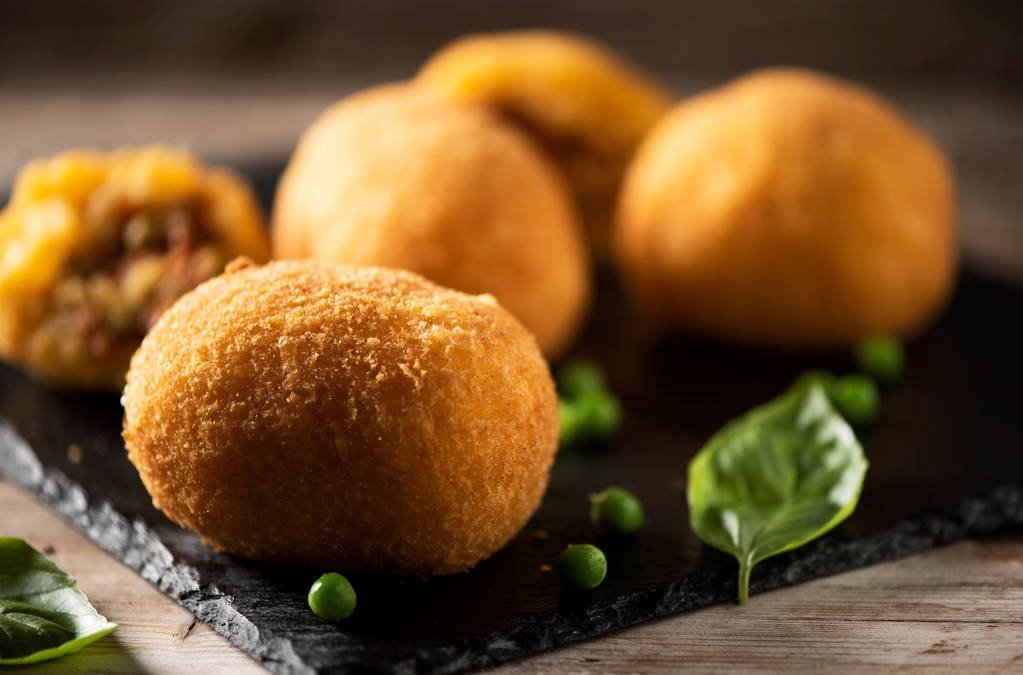
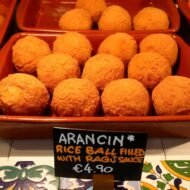
- Arancini (fried rice ball): €2-3
- Restaurant meal: €15-25
- Local bus: €1-1.50 Daily budget: €60-90
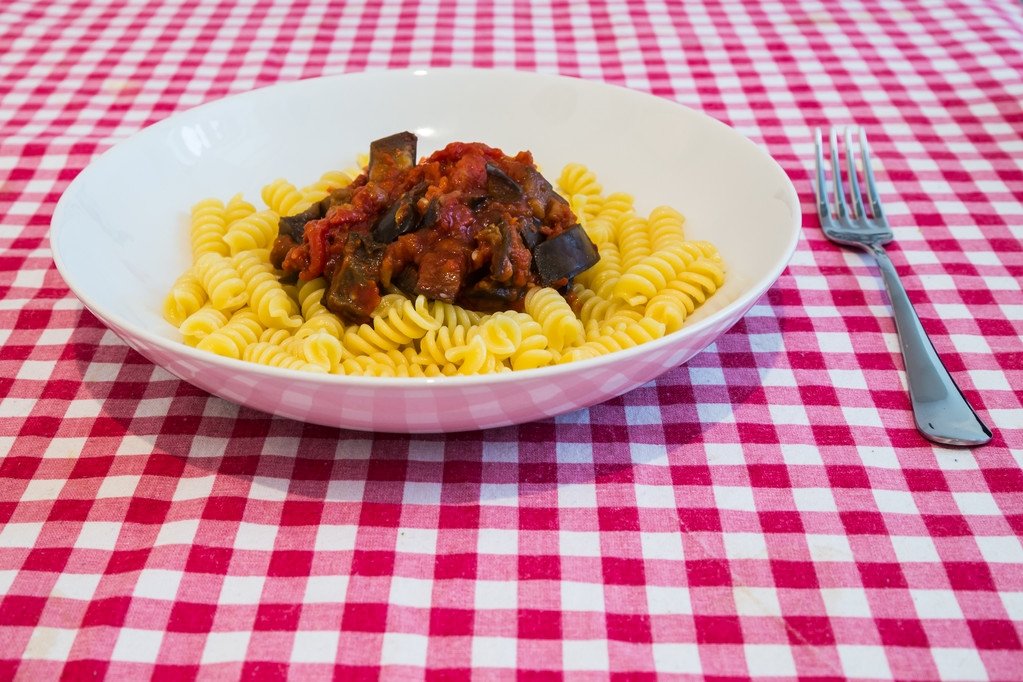
Food That Defines Sicily Arancini, pasta alla Norma, caponata, cannoli (fresher than you’ve ever had), pasta con le sarde, and street food like panelle (chickpea fritters). Grab granite even in winter—Sicilians don’t care about weather.
Cultural Deep Cut Sicily has been conquered by Greeks, Romans, Arabs, Normans, Spanish—everyone. This layering shows up in architecture, food, language. Arabic influences are everywhere if you look for them.
Events Calendar
- Almond Blossom Festival in Agrigento (February)
- Carnival celebrations across the island
- Sant’Agata Festival, Catania (February 3-5)
Nearest Major Airport Catania-Fontanarossa Airport (CTA) – main gateway Palermo Airport (PMO) – for western Sicily Both well-connected to European cities
Good to Know: Rent a car—public transport exists but is slow. Learn basic Italian; English is hit-or-miss outside tourist centers. Sicilians eat dinner late (9pm+).
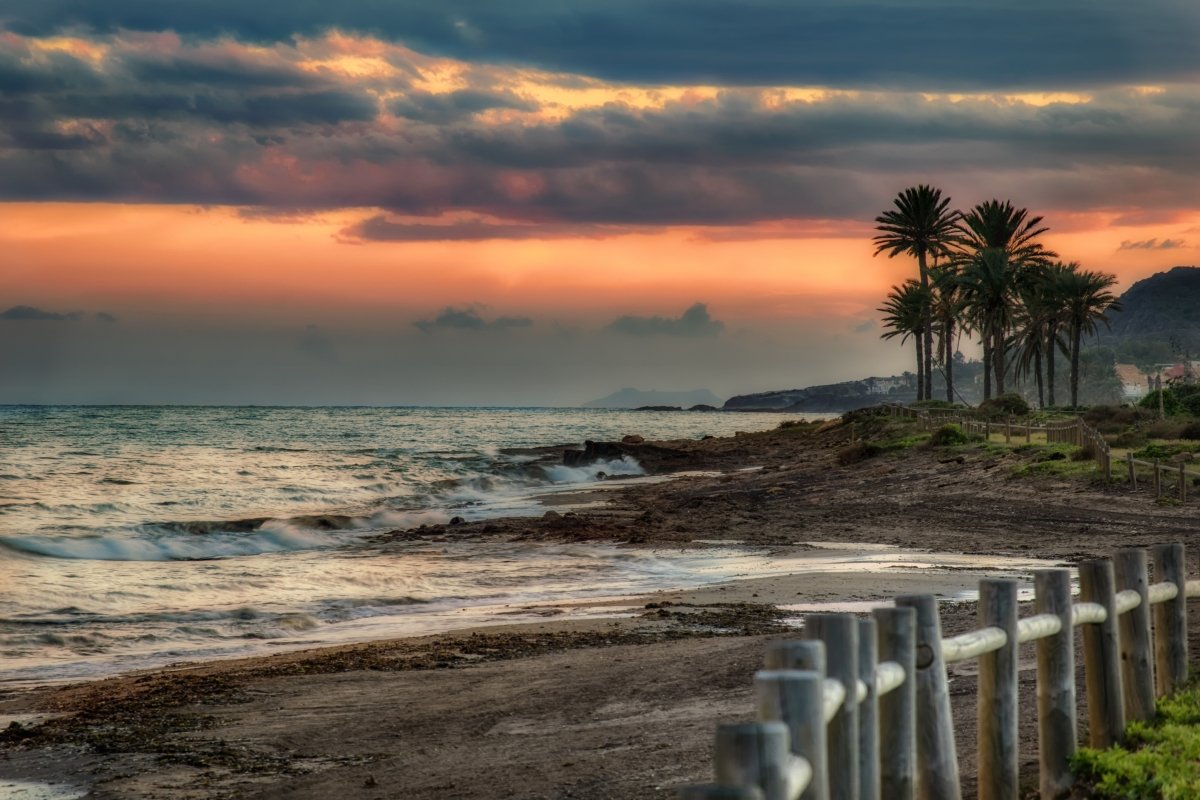
3. Almería, Spain – Europe’s Desert Coast
Average January Temperature: 16°C (61°F)
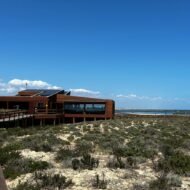
Almería is Spain’s secret weapon. It’s so dry and sunny that spaghetti westerns were filmed here (seriously—the actual Wild West landscapes). Europe’s only desert climate means winter rain is practically a myth.
What Winter Feels Like Dry, sunny, occasionally windy. You’ll get 6-7 hours of sunshine daily. Morning temps start around 10°C, afternoons hit 17-18°C. The Mediterranean is brisk (16°C) but swimmable if you’re not precious about it. Zero humidity makes it feel warmer than the thermometer suggests.
Top Experiences (from actual visitors)
- Cabo de Gata Natural Park—volcanic cliffs, hidden beaches, surreal landscapes
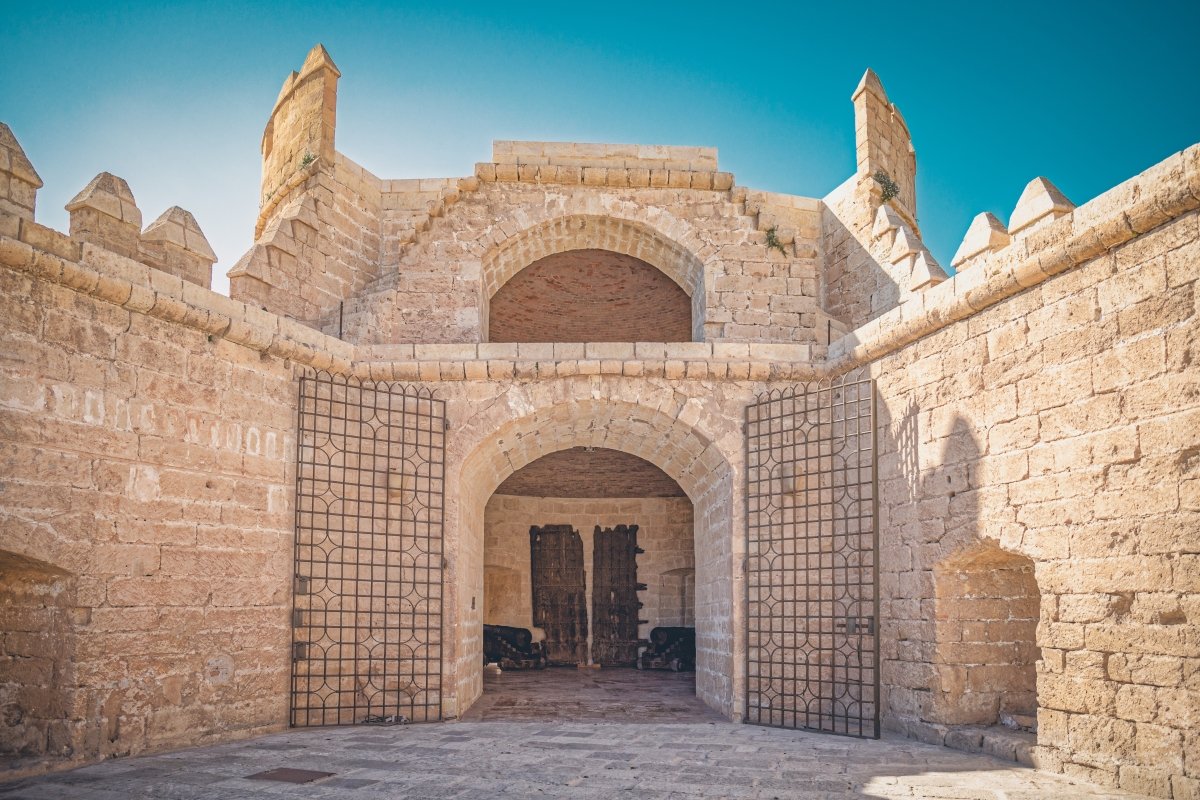
- Alcazaba fortress—massive Moorish citadel overlooking the city
- Mini-Hollywood/Oasys theme park—where Clint Eastwood filmed
- Tabernas Desert—literally looks like Arizona
- Beach hopping: Playa de los Muertos, Playa de Mónsul
- Tapas crawling (bars give free tapas with drinks here!)
Where to Crash Budget: Hostels and cheap hotels in city center (€25-45). Mid-range: Coastal hotels in Roquetas de Mar (€50-80). Boutique stays in Cabo de Gata villages for a quieter vibe.
Shopping Situation Central market for produce and local cheese. Calle de las Tiendas for shopping. Honestly, Almería isn’t a shopping destination—you come for nature and food.
Local Traditions Almería still has a strong Moorish cultural memory. January 6 is Three Kings Day (bigger than Christmas here). Flamenco is real and raw, not touristy—catch a show at a peña flamenca.
Money Talk
- Coffee: €1.20-1.80
- Menu del día lunch: €10-14
- Beer + tapa: €2-3
- Bus ride: €1.05 Daily budget: €40-70 (Spain’s cheaper coast!)
Must-Eat Dishes Ajo colorao (paprika and garlic soup), gurullos (pasta-like grains with seafood), pescado frito (fried fish), and tapas culture means free food with every drink. Try local migas and anything with prawns from Garrucha.
Cultural Flavor Almería feels more North African than Madrid. Eight centuries of Moorish rule left deep marks. The pace is slow, siestas are real, and life centers around eating and socializing. English isn’t widely spoken—bring a translation app.
Event Highlights
- Three Kings Parade (January 5)
- Almond blossom season in the valleys
- Flamenco festivals (check local listings)
Airport Access Almería Airport (LEI) – 9km from city center Small but serves major Spanish and European cities
Insider Tips: Tap water is safe but tastes weird (desalinated). Rent a car for Cabo de Gata exploration. Download offline maps—cell service is spotty in the desert.