









What Award-Winning European Cities Have in Common
Across Europe, a quieter movement is reshaping the future of travel — one built not on spectacle, but on sustainability, livability, culture, and human-scale innovation.
There is a noticeable shift happening across Europe’s most respected destinations. Increasingly, the cities receiving international recognition are not necessarily the largest, wealthiest, or most visited. Instead, they are places that prioritize balance: between tourism and local life, innovation and heritage, growth and environmental responsibility.
From Nordic capitals redefining green mobility to smaller regional cities investing in regenerative tourism, Europe’s award-winning destinations reveal a new philosophy of travel — one where quality matters more than scale.
For travelers searching for meaning rather than momentum, these cities offer something increasingly rare: places designed not simply to attract visitors, but to remain deeply livable for the people who call them home.
Quick Overview
Across initiatives such as the European Green Capital Award, European Capital of Smart Tourism, UNESCO recognition programs, and sustainable destination rankings, several common patterns continue to emerge.
Award-winning European cities tend to share:
- strong environmental policies
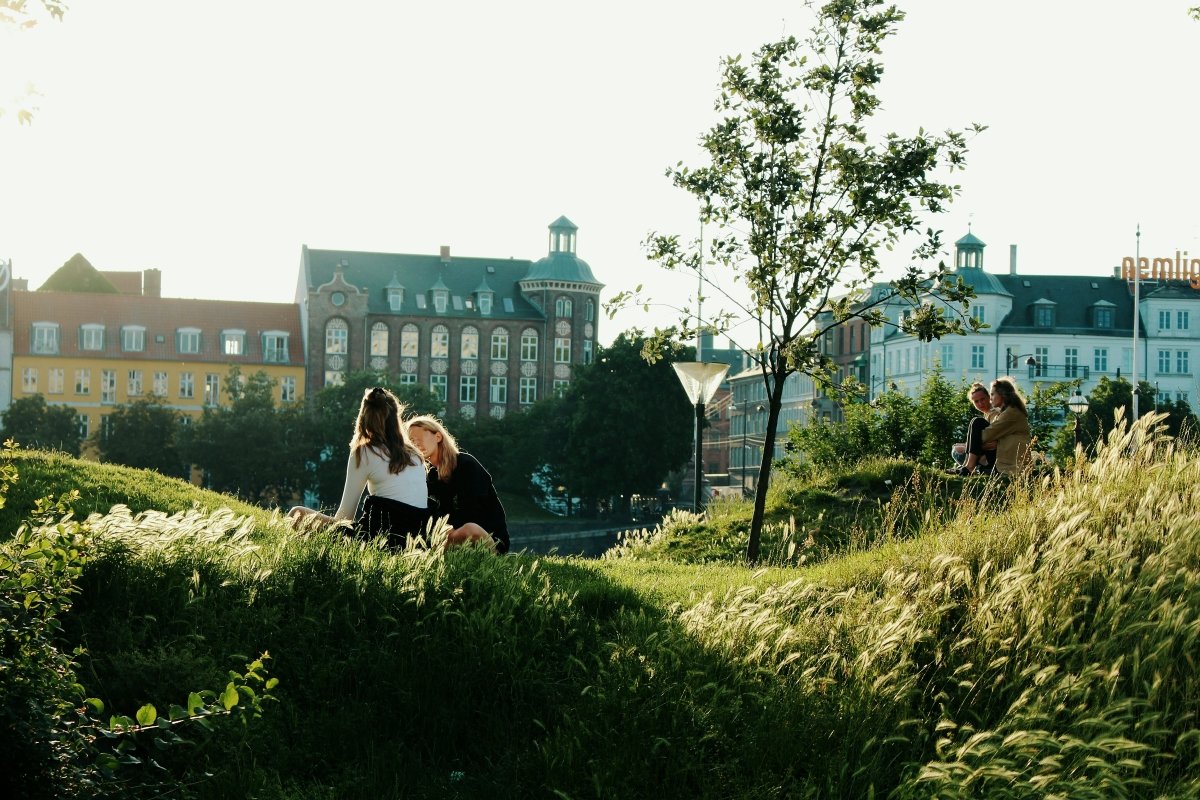
- investment in public space
- pedestrian-friendly design
- preservation of local identity
- support for slow and cultural tourism
- renewable energy integration
- human-centered innovation
- protection against overtourism
Importantly, many of these places are not trying to become global mega-destinations. Instead, they focus on creating healthier urban experiences for both residents and visitors.
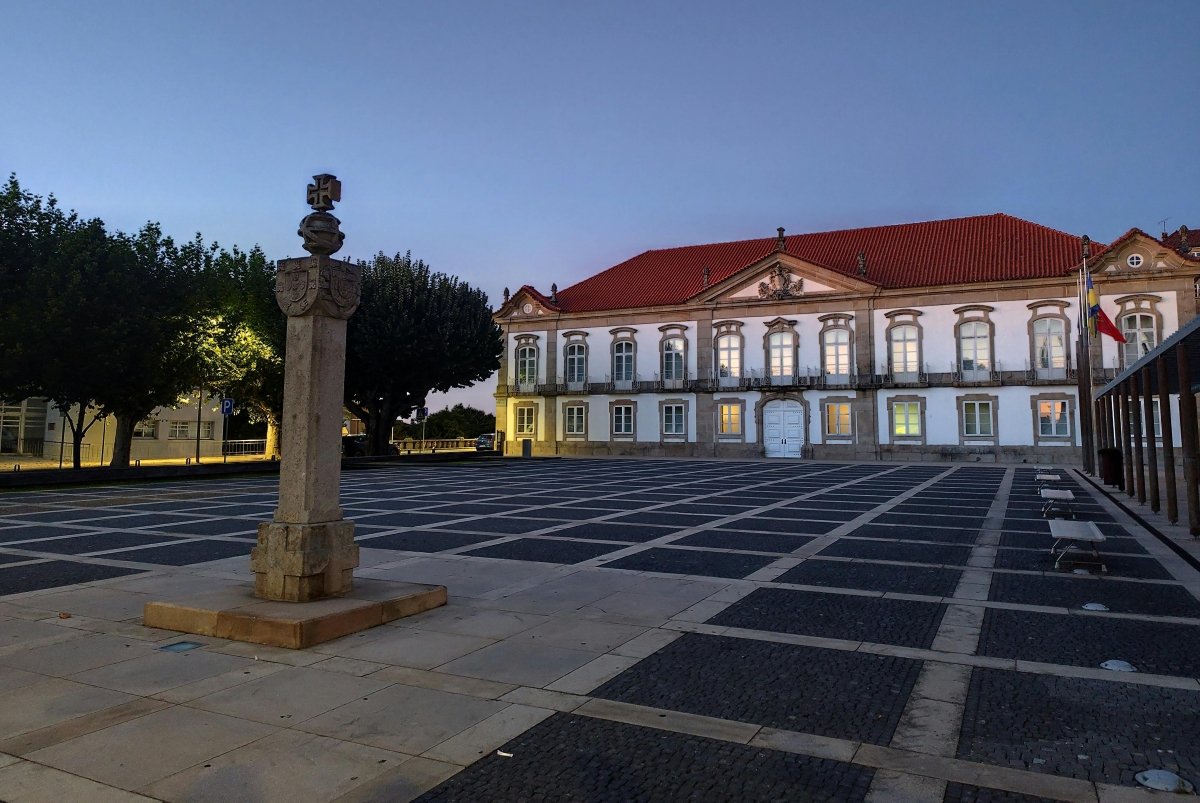
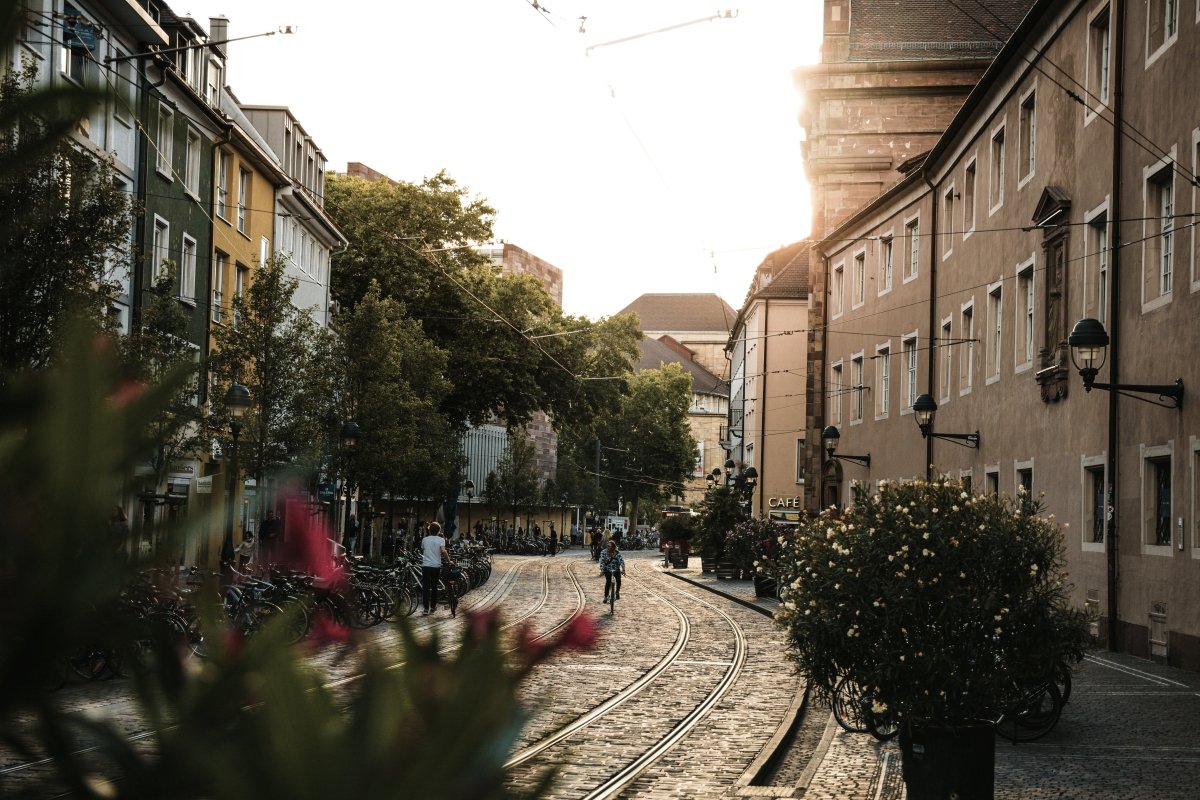
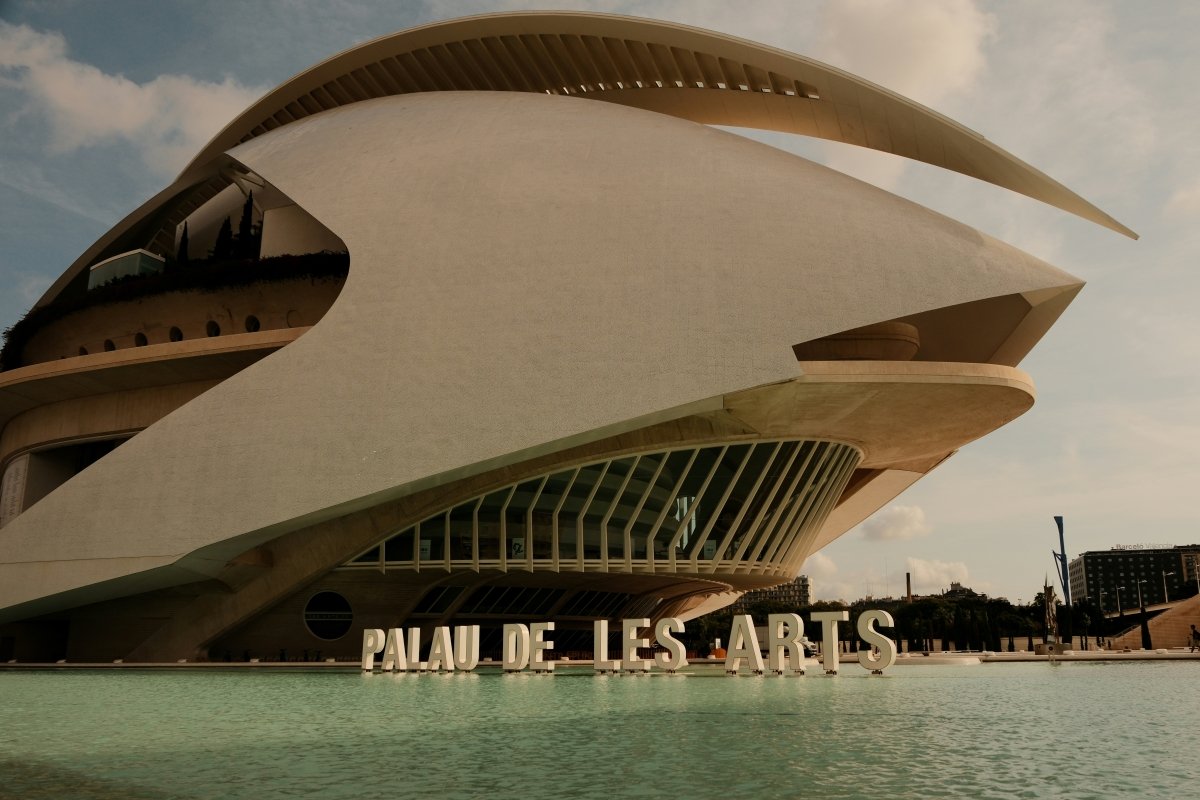
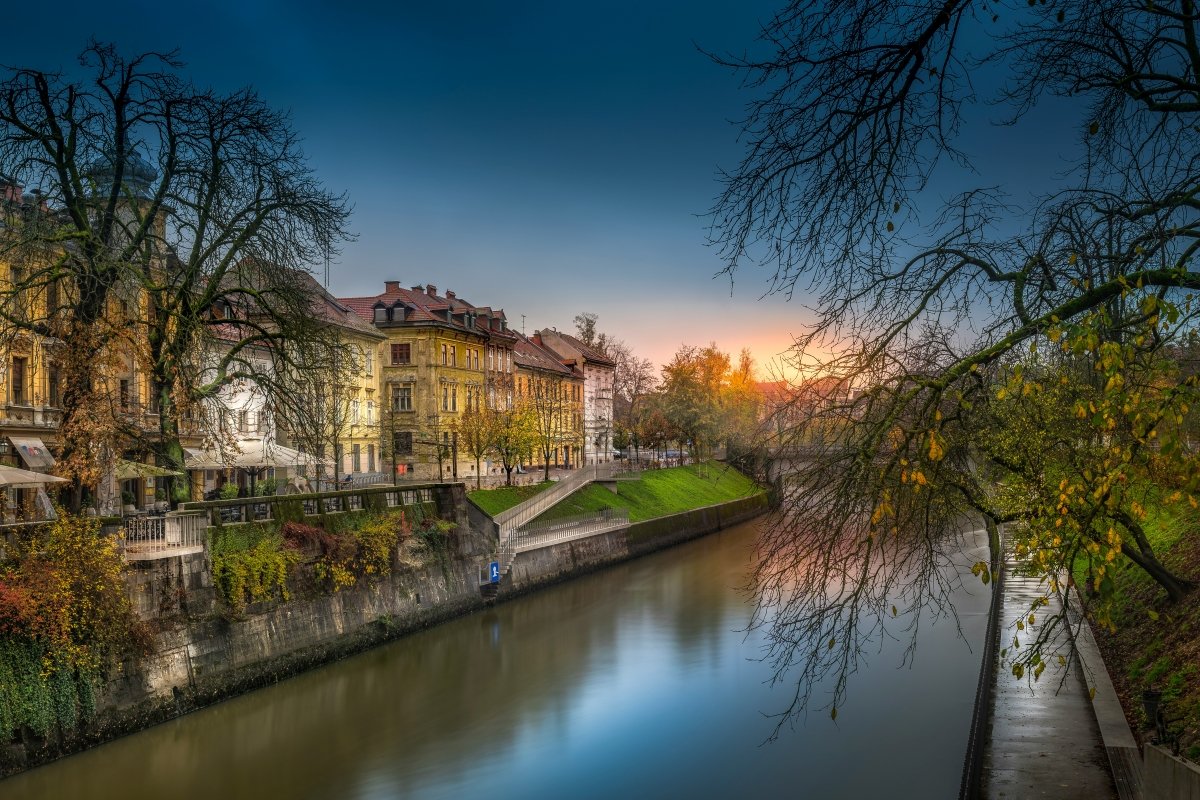
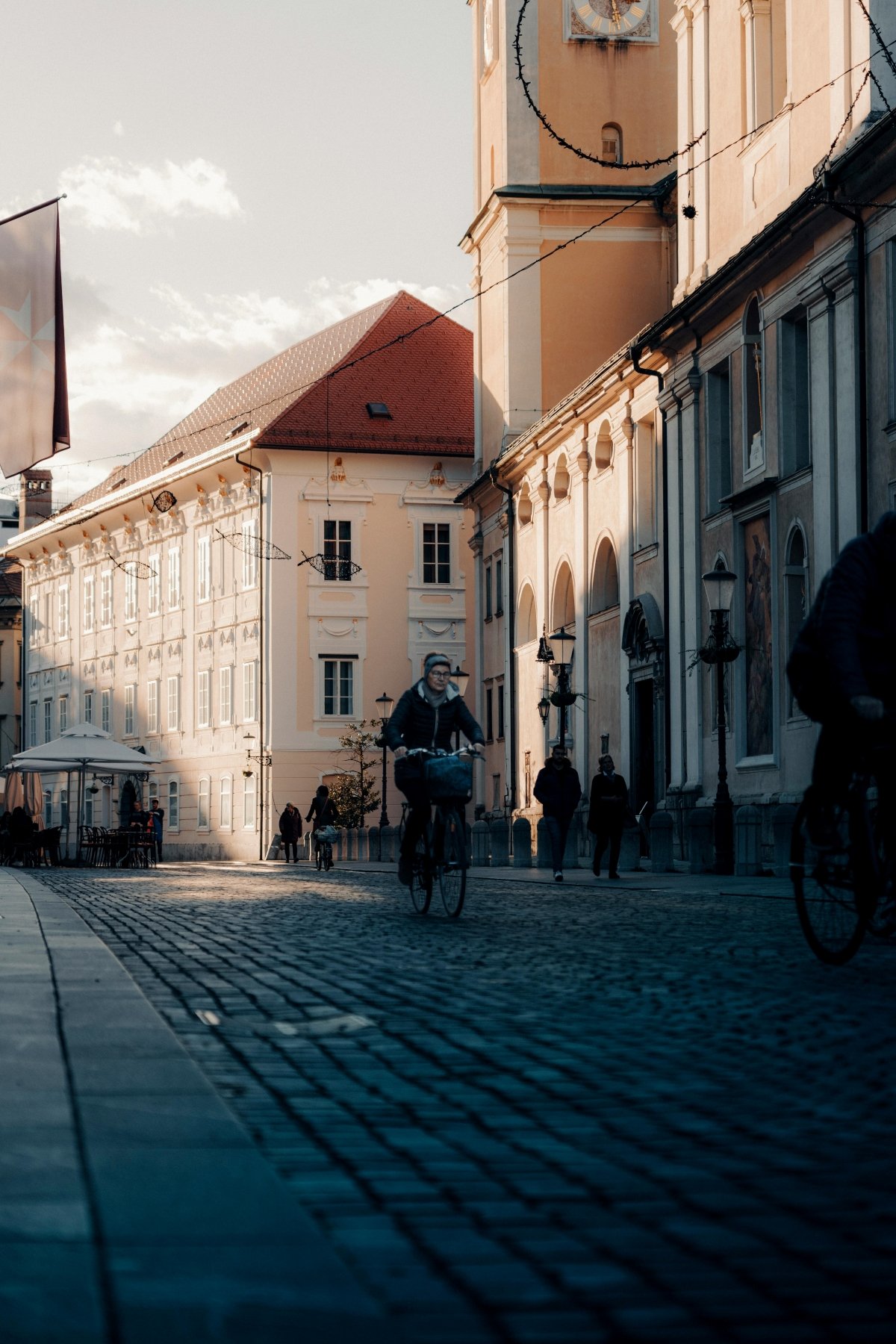
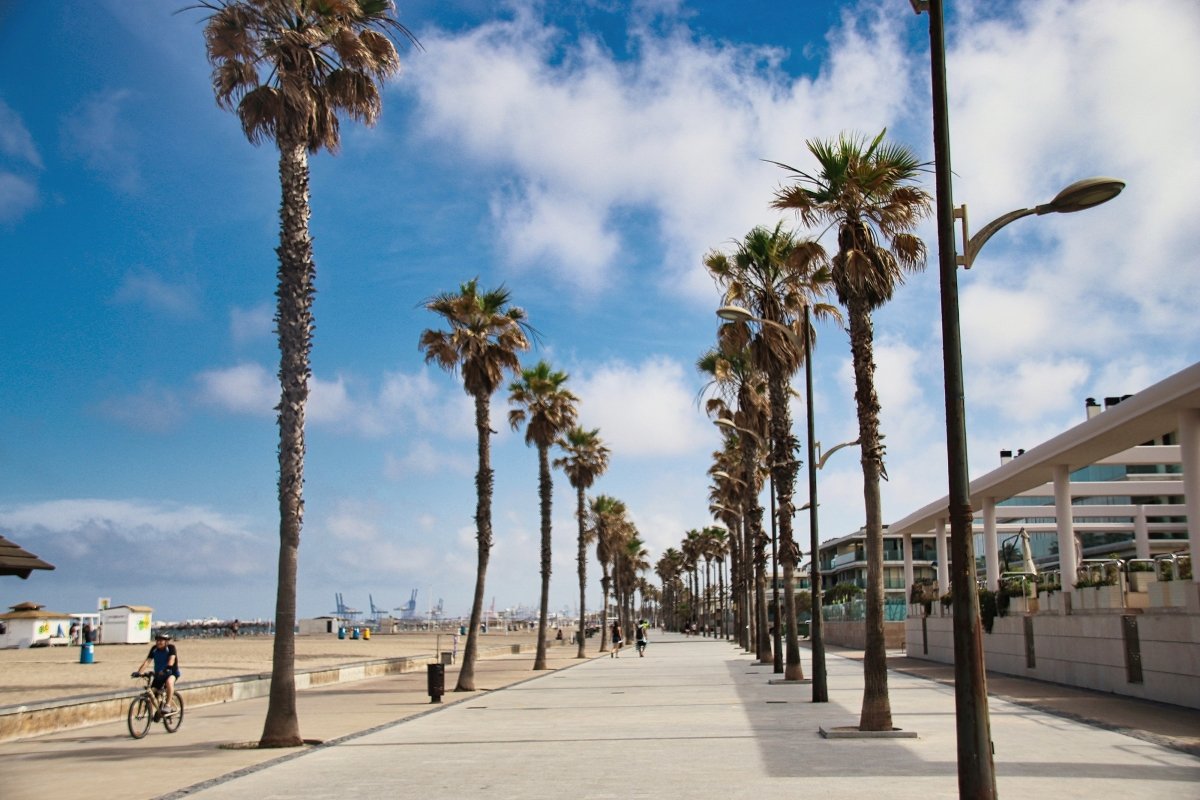
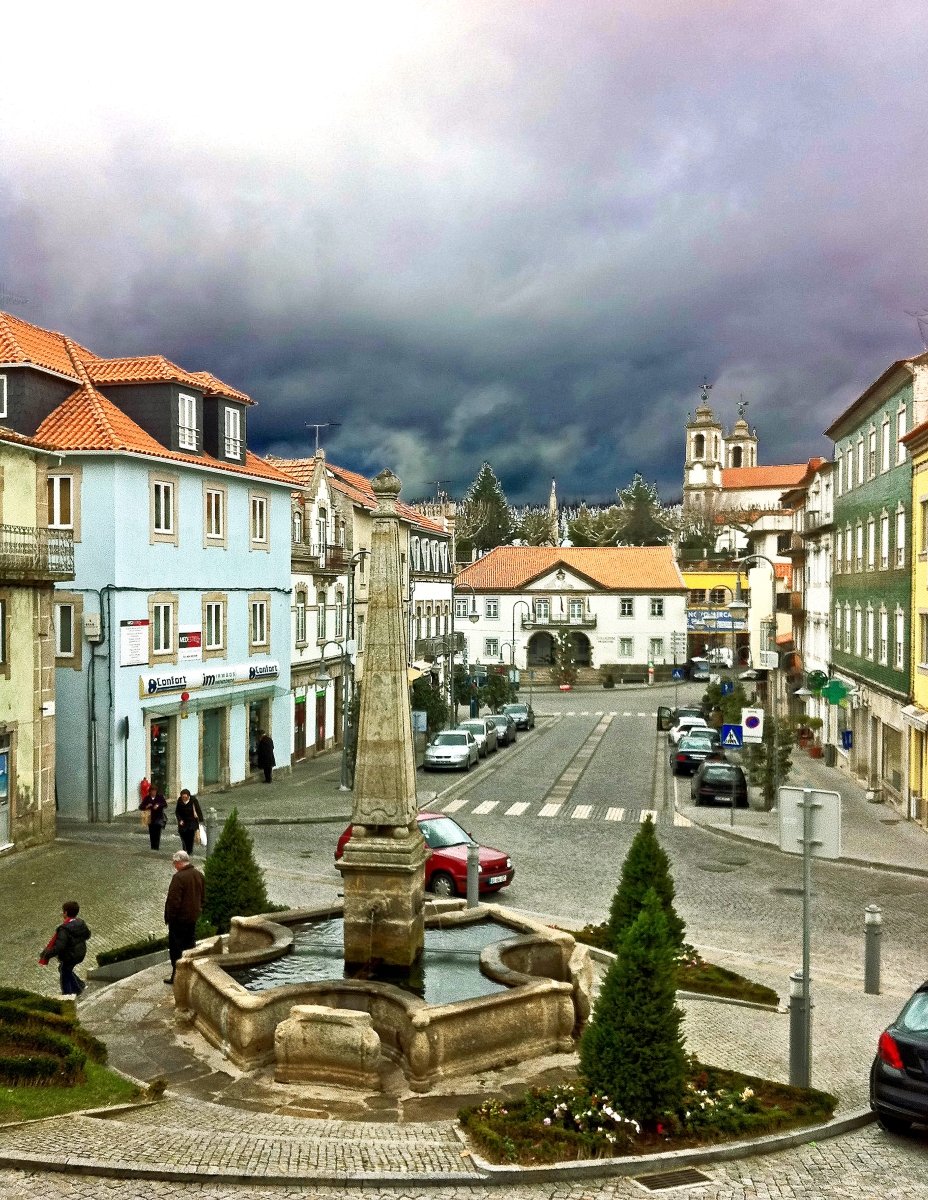
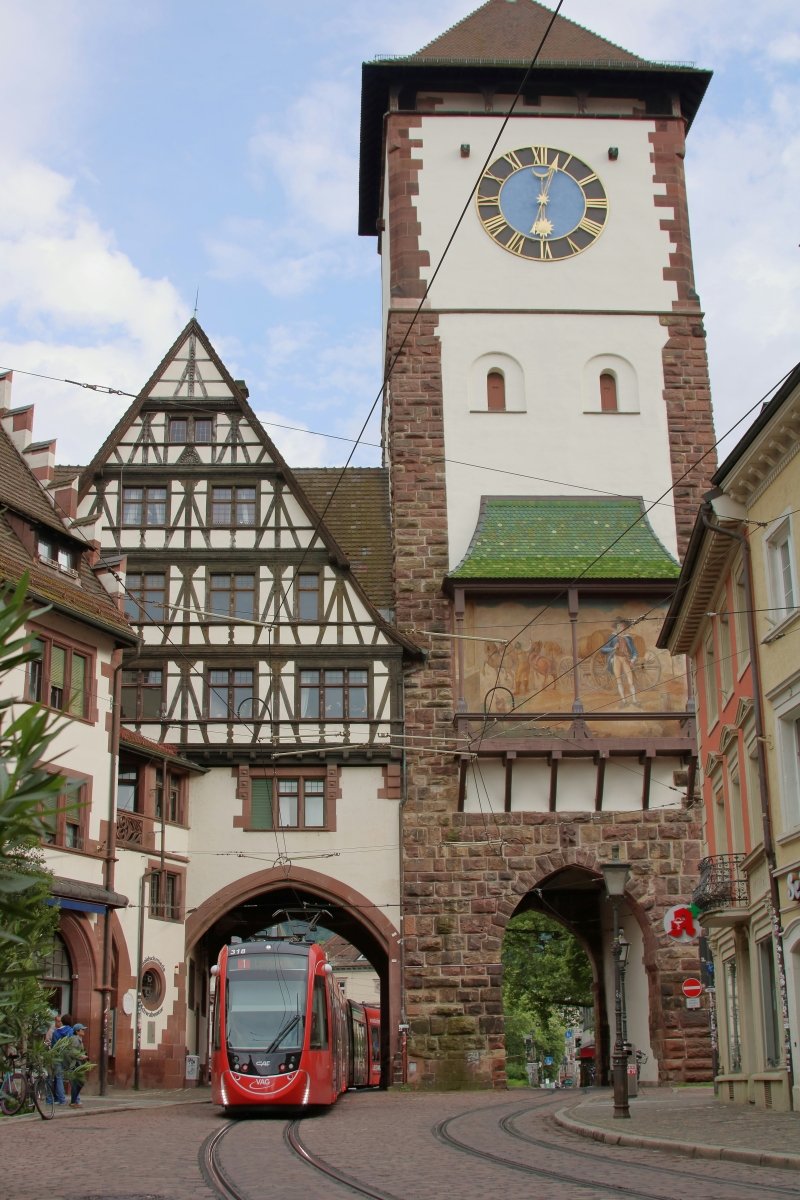
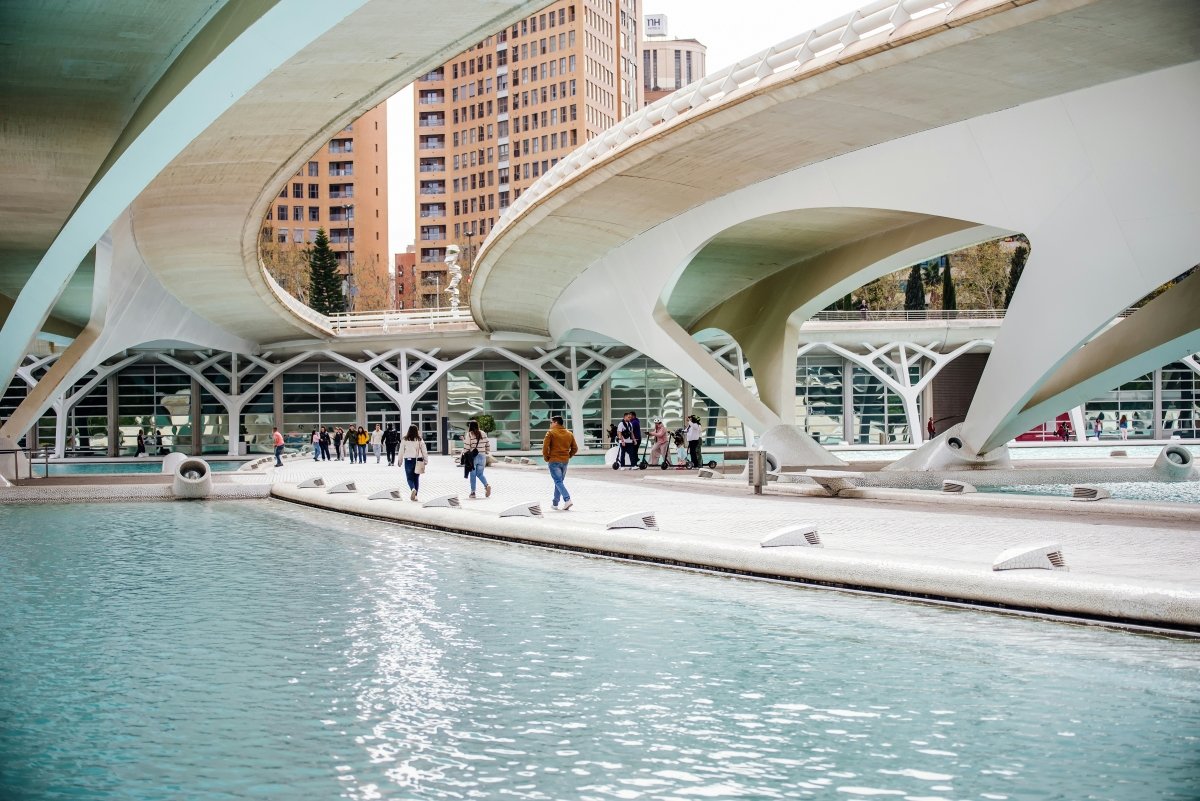
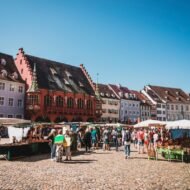
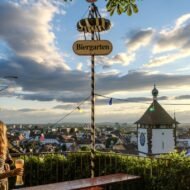
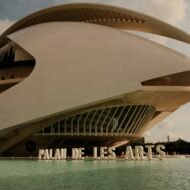
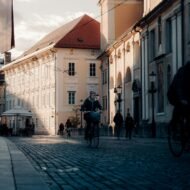
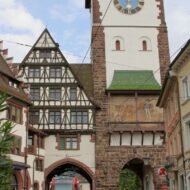
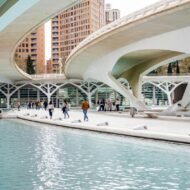
Cities like Ljubljana, Freiburg im Breisgau, Valencia, Copenhagen, and Seia each approach sustainability differently, yet all reflect a broader European transition toward more thoughtful travel ecosystems.
The Return of Human-Scale Cities
One of the strongest similarities among Europe’s recognized destinations is their emphasis on human-scale urban living.
Walkability matters. Public transportation matters. Access to parks, cycling infrastructure, waterfronts, and cultural spaces matters.
Rather than designing cities exclusively around consumption, these destinations increasingly prioritize quality of life.
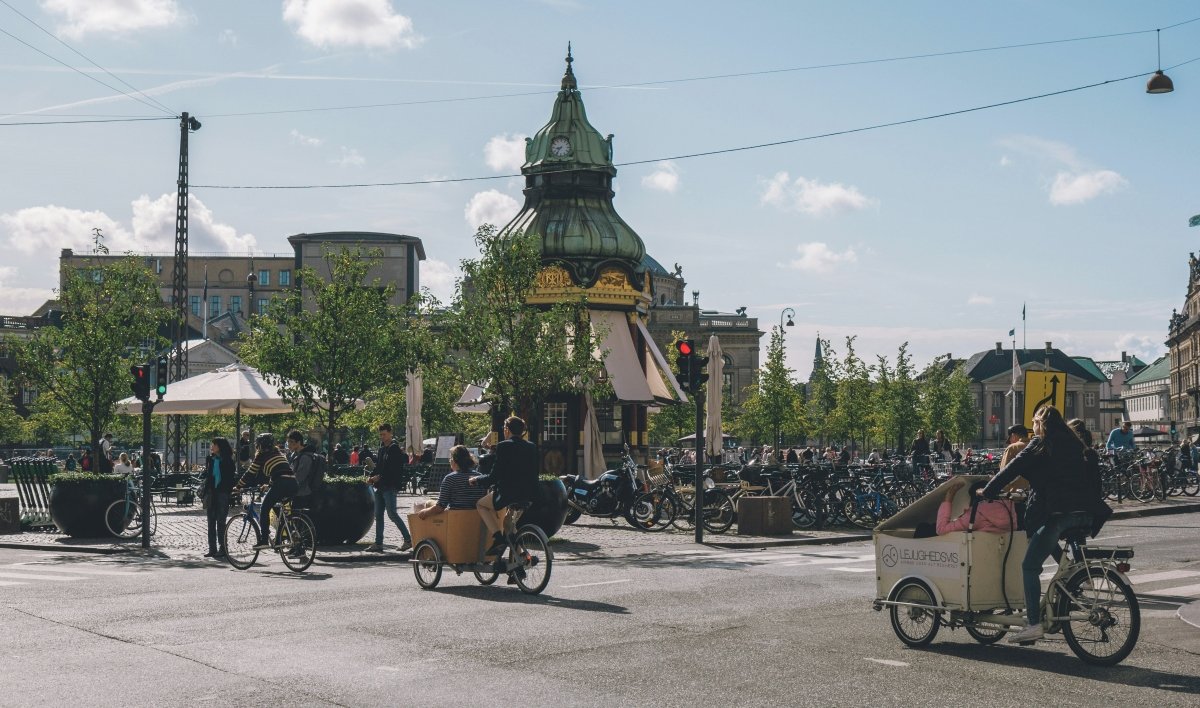
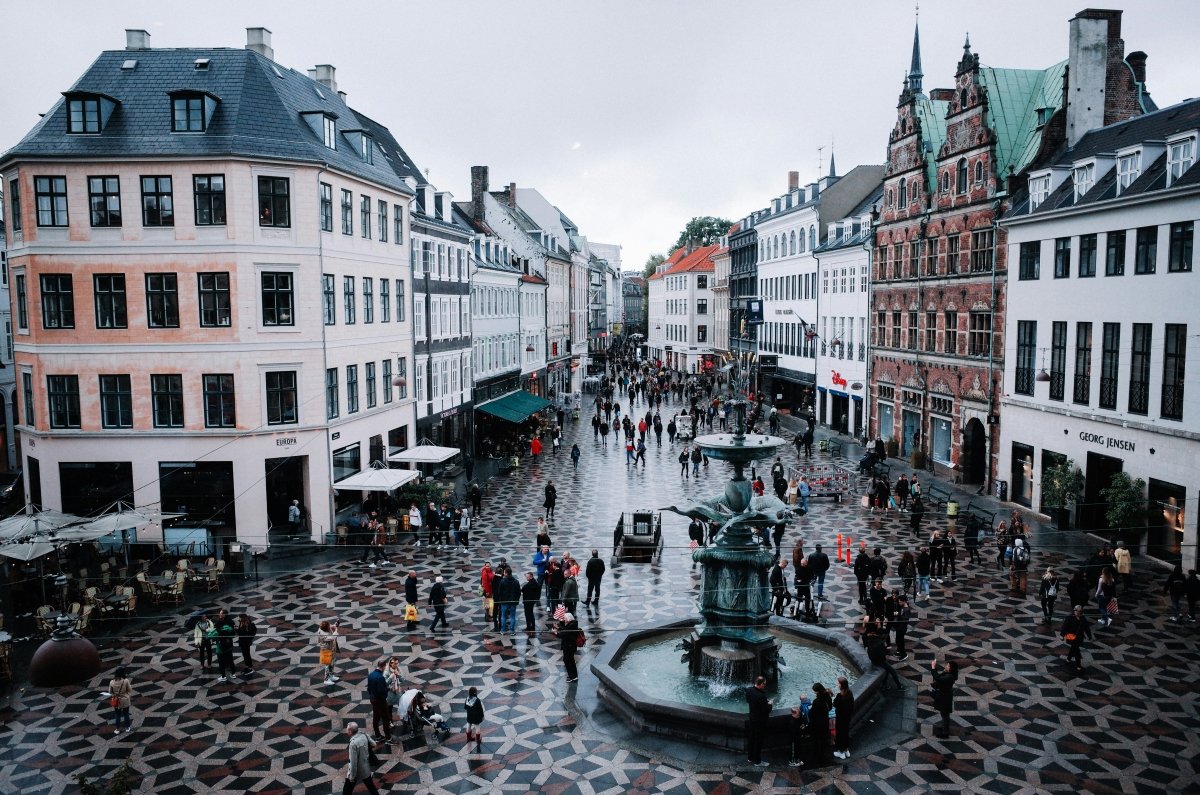
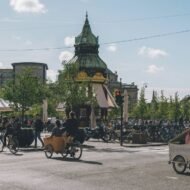
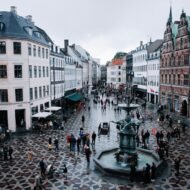
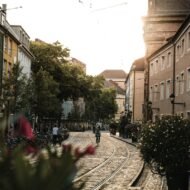
In Copenhagen, cycling infrastructure has become central to daily movement. In Ljubljana, much of the city center has been pedestrianized, dramatically improving air quality and public experience. Meanwhile, smaller cities across Portugal, Austria, and Scandinavia are quietly experimenting with sustainable mobility and low-impact tourism models.
For travelers, this translates into calmer, cleaner, and more immersive experiences.
Sustainability Beyond Marketing
The most respected European destinations no longer treat sustainability as a branding exercise. Instead, sustainability increasingly shapes infrastructure, architecture, transportation, gastronomy, and tourism planning itself.
This distinction matters.
Many award-winning cities focus not only on attracting visitors, but on limiting the negative effects of tourism. Policies surrounding green transportation, waste reduction, heritage preservation, and local sourcing have become central to how destinations define long-term success.
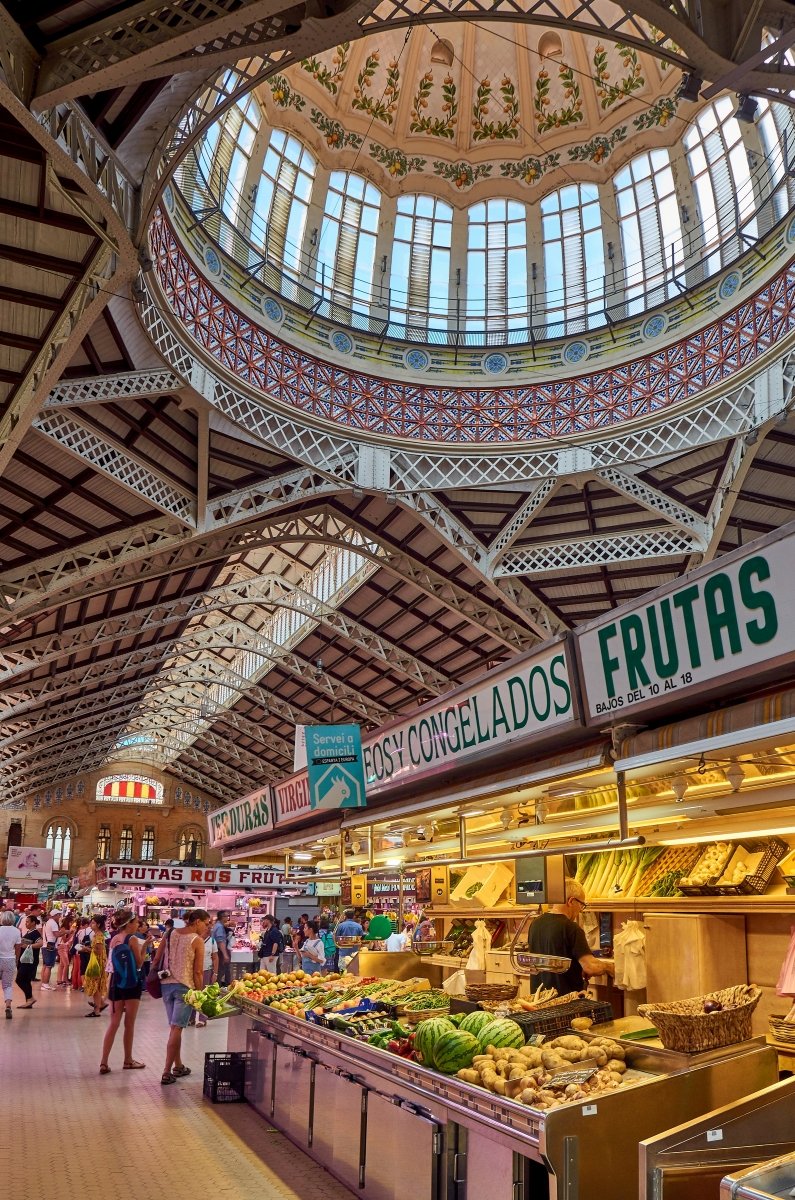
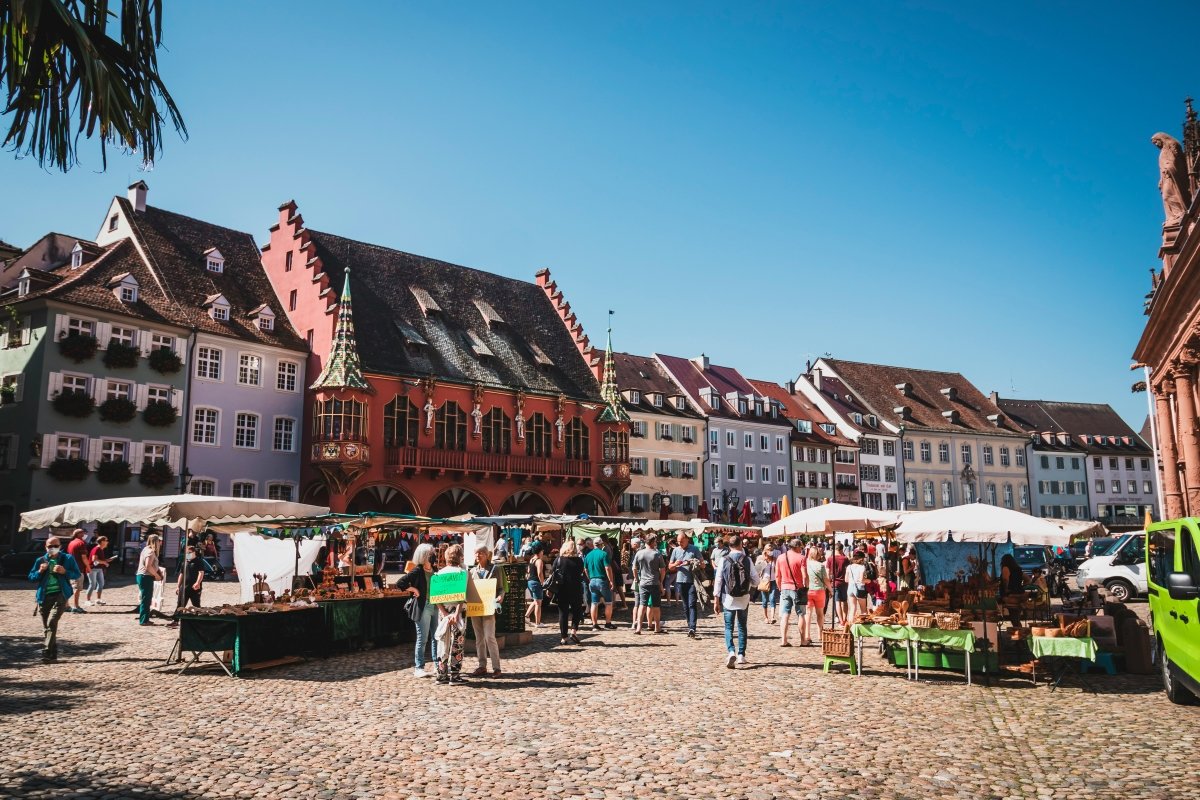
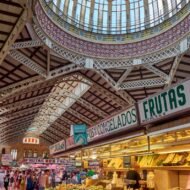
In places like Valencia and Freiburg im Breisgau, renewable energy integration and climate-conscious urban planning are now visible parts of everyday city life rather than isolated pilot projects.
The result is a travel experience that feels coherent rather than performative.
The Rise of Slow Cultural Travel
Another shared characteristic is the growing rejection of hyper-accelerated tourism.
Award-winning destinations increasingly encourage:
- longer stays
- regional exploration
- local gastronomy
- cultural immersion
- nature integration
- seasonal travel
This reflects a wider change in traveler behavior. Many visitors are now prioritizing atmosphere over checklists, authenticity over scale, and depth over speed.
Smaller European cities benefit particularly from this transition. Places once overlooked in favor of major capitals are becoming attractive precisely because they offer slower rhythms and stronger local identity.
Technology With a Human Face
Innovation also plays a role — but often in quieter ways than expected.
Europe’s leading sustainable destinations rarely present themselves as futuristic “smart cities” disconnected from local culture. Instead, technology is used to improve:
- public services
- environmental efficiency
- mobility
- accessibility
- energy management
- visitor flow regulation
In many cases, digital infrastructure exists not to dominate urban life, but to support more sustainable living conditions.
This balance between technological progress and cultural continuity increasingly defines Europe’s most admired urban models.
Where to Stay
Hotel Cubo
A refined contemporary stay reflecting Ljubljana’s blend of modern sustainability and understated elegance.
Hotel SP34
A design-focused urban hotel emphasizing Nordic simplicity, cycling culture, and responsible hospitality.
Only YOU Hotel Valencia
A stylish base for exploring one of Europe’s most dynamic sustainability-focused Mediterranean cities.
Best Tours
Sustainable City Walking Tours
Many European cities now offer sustainability-focused tours exploring green architecture, urban regeneration projects, eco districts, and local food systems.
Slow Travel Rail Journeys
Rail itineraries connecting award-winning European destinations provide one of the continent’s most environmentally responsible and scenic ways to travel.
Local Gastronomy Experiences
Farm-to-table dining, seasonal markets, and regional culinary workshops increasingly form part of Europe’s sustainable tourism identity.
Travel Tips
- Visit during shoulder seasons to experience cities more naturally.
- Prioritize trains over short-haul flights whenever possible.
- Support locally owned hotels, restaurants, and artisan businesses.
- Explore secondary cities rather than only major capitals.
- Slow itineraries often reveal more meaningful travel experiences.
- Research sustainability certifications carefully — not all are equally rigorous.
Explore More
The future of European travel may not be defined by how many visitors a city attracts, but by how successfully it balances tourism with livability, sustainability, and cultural continuity.
Increasingly, Europe’s most admired destinations are those that remain deeply connected to their landscapes, communities, and identities while still embracing innovation and change.
For travelers, this signals the beginning of a different kind of journey — one shaped less by urgency and more by awareness.
Perhaps that is what award-winning European cities truly have in common.