

TL;DR: 🌸 Mallorca in Bloom: The Island’s Most Elegant Secret Season , —Mallorca’s almond blossom season (late January to early March) transforms this Mediterranean island into a pink-and-white paradise. With seven million trees blooming across countryside villages, plus perfect 15-20°C weather, it’s nature’s most underrated spectacle. Best spots: Bunyola, Son Servera, and the vintage train route to Sóller. Bonus: you get to eat your way through almond cakes and liqueurs while everyone else is still stuck in winter.
- The Angle: Europe’s Most Instagrammable Secret (That Won’t Break the Bank)
- The Details: Everything You Need to Know (But Were Too Lazy to Google)
- When to Go: Timing is Everything, People
- Where to Find the Good Stuff
- How to Actually Experience It (Beyond Taking 500 Photos)
- What to Expect: The Sensory Overload
- Practical Stuff Nobody Thinks About Until It’s Too Late
- The Instagram Strategy (Let’s Be Real, You’re Going For the ‘Gram)
- Beyond the Blossoms: Bonus Mallorca Perks
- Recap: Your Almond Blossom Cheat Sheet
- Disclaimer
The Angle: Europe’s Most Instagrammable Secret (That Won’t Break the Bank)
Here’s what nobody tells you about winter in the Mediterranean: while Northern Europe is battling grey skies and sleet, Mallorca is putting on one of nature’s most spectacular shows. And unlike those pricey cherry blossom packages to Japan, this one comes with cheaper flights, discounted hotel rates, and no jet lag if you’re flying from Europe.
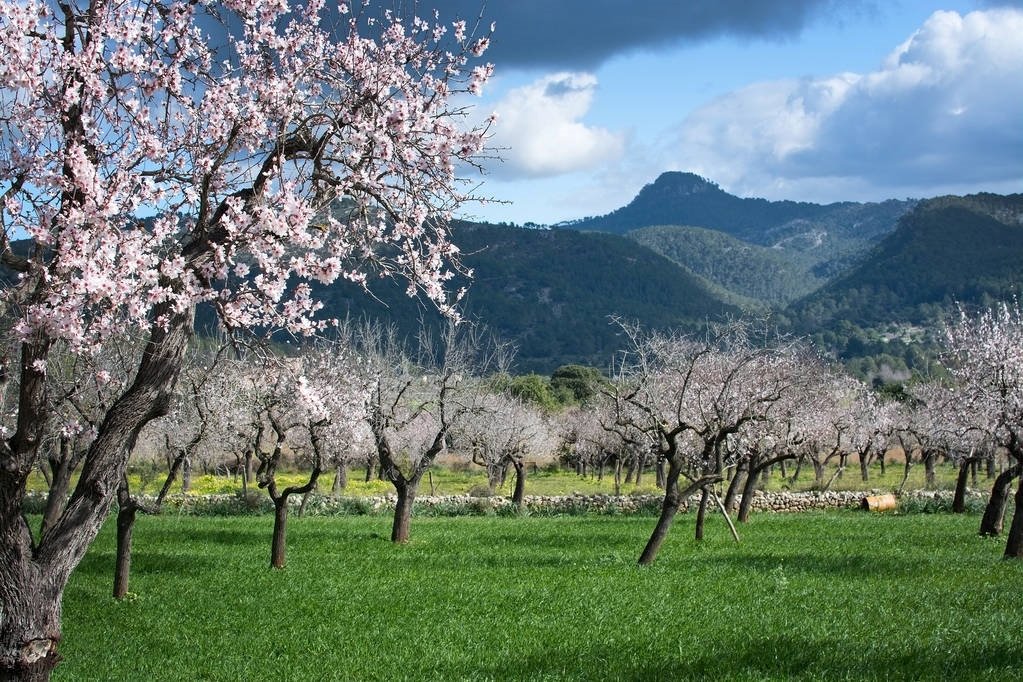
Picture this: nearly seven million almond trees draped across red-earth fields, their delicate white and pink petals creating what locals affectionately call “Mallorcan snow.” The contrast against those brilliant blue winter skies? Chef’s kiss. It’s the kind of scene that makes photographers weak at the knees and turns casual travelers into Instagram influencers.
But here’s the real kicker—this isn’t some tourist trap. This is an authentic agricultural tradition that’s been feeding Mallorcan culture and cuisine for centuries. You’re not just witnessing a pretty sight; you’re experiencing the island’s soul waking up after winter.
The Details: Everything You Need to Know (But Were Too Lazy to Google)
When to Go: Timing is Everything, People
The almond blossom season typically kicks off in late January and runs through February, sometimes stretching into early March if the weather’s been cooler. Peak bloom? That’s usually mid-to-late February, when practically every tree on the island decides to join the party.
Pro tip: Mother Nature doesn’t follow calendars, so cold snaps can delay blooming by a week or two. Check local Mallorca tourism sites or Instagram hashtags like #mallorcanalmonds before booking if you’re a stickler for catching peak season.
Best months at a glance:
- Late January: Early bloomers start showing off
- Early-to-mid February: Prime time—trees everywhere going full tilt
- Late February to early March: Still gorgeous, but some petals start falling
Where to Find the Good Stuff
Almond trees grow all over Mallorca, but some spots are absolute showstoppers. Here’s where to point your rental car (or bike, if you’re feeling sporty):
Central Mallorca—The Heavyweight Champion This is where the magic really happens. Towns like Marratxí, Santa Maria del Camí, Bunyola, Lloseta, Selva, and Sencelles are basically swimming in almond groves. The microclimate here is perfect for almond production, so you’re looking at endless fields of blossoms with the Serra de Tramuntana mountains photobombing every shot.
Drive the quiet country roads connecting these villages, and you’ll find yourself pulling over every five minutes because, holy smokes, another perfect photo op just appeared.
Eastern Mallorca—Where Mountains Meet Blossoms Head to Manacor, Sant Llorenç des Cardassar, and Son Servera for a different vibe. Here, the flowering trees play off the Tramuntana range (a UNESCO World Heritage Site, thank you very much) creating that dramatic backdrop travel bloggers dream about.
The Sóller Train Route—For Lazy Romantics Not into hiking or driving? No problem. Hop on the vintage wooden train from Palma to Sóller (runs since 1912, drips with old-world charm) and let the almond groves come to you. The route cuts through the heart of blossom country, especially around Bunyola, and you can just chill with your camera while someone else does the navigating.
Train times: 10:30am, 12:50pm, 3:10pm, and 6:00pm from Palma. A return ticket including the tram to Port de Sóller costs €38.
Viewpoints That’ll Blow Your Mind
- Puig de Randa (Llucmajor): Climb up to the monastery for sweeping views over the Pla de Mallorca’s almond-covered plains
- Bonany Hermitage (Vilafranca de Bonany): A peaceful sanctuary with panoramic blossom views
- Sant Salvador (Felanitx): Historic architecture plus insane floral landscapes
How to Actually Experience It (Beyond Taking 500 Photos)
Hiking Routes That Don’t Suck
If you’re into walking but not into suffering, try these:
- Es Capdellà to Puig Galatzó (3 hours): This route through the public Galatzó Estate offers magnificent views of the conical Puig Galatzó mountain with almond groves all around. Moderate difficulty, massive payoff.
- Alaró to Es Verger (4 hours): Starts in charming Alaró village and takes you through diverse landscapes—almond groves, olive trees, the works. Ends at a mountain restaurant famous for lamb. Yes, you can eat your way through this hike.
Cycling is also huge here. Base yourself anywhere inland and explore the quiet country lanes. Just know that western Mallorca has the Serra de Tramuntana mountains (not flat), while much of the rest is pretty chill terrain-wise.
The Fira de la Flor d’Ametler: Almond Fair Extraordinaire
Every year on the first Sunday in February, Son Servera hosts the Almond Blossom Fair at the historic Ca s’Hereu estate. This isn’t some cheesy tourist event—it’s a proper celebration of Mallorca’s almond heritage.
What’s there?
- Stalls selling everything almond: oils, liqueurs (Flor d’Ametlla), soaps, creams, roasted almonds, turrón (that delicious Spanish nougat)
- Traditional Mallorcan dancing and live performances
- Local bars and restaurants serving up almond-based dishes
- Agricultural displays and machinery (if that’s your thing)
- Best part? Entry is FREE
Fair hours: 9:30am to 2:00pm. Get there early before the crowds descend.
Taste Your Way Through Almond Country
You haven’t really done Mallorca until you’ve tasted its almond creations. These aren’t your sad supermarket almonds—Mallorcan almonds are sweet, protein-rich, and full of healthy fatty acids thanks to dry-field cultivation and that perfect Mediterranean climate.
Must-tries:
- Gató d’Ametlla: Moist almond cake, often served with almond ice cream. It’s basically heaven on a plate.
- Turrón: Traditional Spanish nougat that comes in soft and hard varieties
- Cold Almond Soup: Served in summer, but you’ll see it on menus
- Almond sauces: Particularly good with fish dishes
- Flor d’Ametlla Liqueur: Sweet almond liqueur that makes a perfect souvenir (or in-flight entertainment)
What to Expect: The Sensory Overload
The Visual Feast Two types of almond trees grow in Mallorca: bitter almonds with pink flowers, and sweet almonds with white flowers. Together, they create this incredible patchwork of white, pink, and rose against red-earth fields. The fully formed blossoms have five delicate petals clustered around a bright red-violet flower cup. Against those crisp blue winter skies? Forget about it.
The Scent When the air is filled with the fragrance of millions of blossoms—subtle, sweet, slightly floral—it hits different than your typical flower garden. It’s lighter, more nuanced, and somehow perfectly Mediterranean.
The Weather Temperatures hover between 15-20°C (59-68°F) in February. That’s perfect jacket weather—cool enough to be comfortable while exploring, warm enough that you’re not freezing your ass off. Plus, with over 300 days of sunshine per year, chances are high you’ll have clear skies for those perfect photos.
Practical Stuff Nobody Thinks About Until It’s Too Late
Getting There Fly into Palma de Mallorca Airport (PMI)—it’s well-connected to most European cities, and winter rates are usually cheaper than summer. From there, rent a car if you want flexibility to explore the countryside. Otherwise, buses connect major towns, but you’ll have limited access to the really spectacular rural spots.
Where to Stay Winter is off-season in Mallorca, which means hotel deals. Consider basing yourself in:
- Palma: Easy access to everything, urban amenities, good restaurants
- Sóller: Charming mountain town, perfect for blossom exploration
- Inland villages (Santa Maria, Alaró): Authentic experience, closer to the groves
Airbnb and rural fincas (countryside estates) are also great options for a more immersive experience.
How Long to Stay 3-4 days is enough to hit the highlights without rushing. A week gives you time to really explore, hike different routes, and maybe hit the beach (yes, in February—don’t knock it till you’ve tried it).
What to Pack
- Layers (mornings can be cool, afternoons warm)
- Comfortable walking shoes or hiking boots
- Camera with a decent zoom lens
- Sunscreen (even winter sun can burn)
- Light rain jacket (just in case)
- An appetite for almond cake
The Instagram Strategy (Let’s Be Real, You’re Going For the ‘Gram)
Best photo spots:
- Any country road between Bunyola and Santa Maria at golden hour
- Onboard the Sóller train shooting through windows
- Puig de Randa lookout for those panoramic shots
- Son Servera countryside with the Tramuntana backdrop
- Close-ups of pink and white blossoms against blue sky
Hashtag game: #MallorcaInWinter #AlmondBlossom #MallorcanSnow #Mallorca #BalearicIslands #TravelMallorca #HiddenGems
Beyond the Blossoms: Bonus Mallorca Perks
Since you’re there anyway:
- Explore Palma’s stunning Gothic cathedral and old town
- Check out charming mountain villages like Valldemossa and Deià
- Hit up local markets (Inca market on Thursdays is legendary)
- Sample Mallorcan wine (yes, it’s actually good)
- If you’re brave, take a dip at one of the quiet winter beaches
Recap: Your Almond Blossom Cheat Sheet
When: Late January through February (peak mid-to-late February)
Where: Central Mallorca (Bunyola, Santa Maria, Marratxí) and eastern coast (Manacor, Son Servera); Sóller train route for easy viewing
Must-Do:
- Drive/cycle through countryside villages
- Attend the Almond Blossom Fair in Son Servera (first Sunday in February)
- Ride the Palma-Sóller vintage train
- Taste gató d’ametlla and other almond treats
- Hike to viewpoints like Puig de Randa
Why Go:
- Stunning natural spectacle with 7+ million blooming trees
- Perfect weather (15-20°C/59-68°F)
- Off-season prices (cheaper flights, hotels)
- Authentic cultural experience
- Incredible food scene
- Way less crowded than summer
Pro Tips:
- Rent a car for maximum flexibility
- Check bloom status before booking
- Combine with coastal/cultural Mallorca exploration
- Try at least three different almond desserts
- Get off the main roads for the best views
Disclaimer
Travel information, including bloom times, train schedules, and event dates, is subject to change. While we’ve done our best to provide accurate and current information as of February 2025, we recommend checking official Mallorca tourism websites, local sources, and accommodations for the most up-to-date details before finalizing your travel plans. Weather patterns can affect bloom timing by one to two weeks in either direction. Always verify ferry and train schedules, as services may be reduced in winter months. Some hiking routes may be affected by weather conditions—check local advice before setting out.
This guide is for informational purposes and does not constitute professional travel advice. Individual experiences may vary. Always travel responsibly and respect local communities, private property, and natural environments.
The Bottom Line: Mallorca’s almond blossom season is that rare travel sweet spot where stunning natural beauty meets affordability, accessibility, and authenticity. It’s not overrun with tourists, it’s not overpriced, and it’s definitely not overhyped. If anything, it’s one of Europe’s best-kept seasonal secrets. So grab your camera, pack your appetite, and get ready to fall in love with an island that’s so much more than summer beaches.
Trust us—you’ll be googling “flights to Mallorca next February” before you even finish this article.
Ready to plan your almond blossom adventure? Save this guide, bookmark those village names, and start dreaming in pink and white. Mallorca is waiting.