






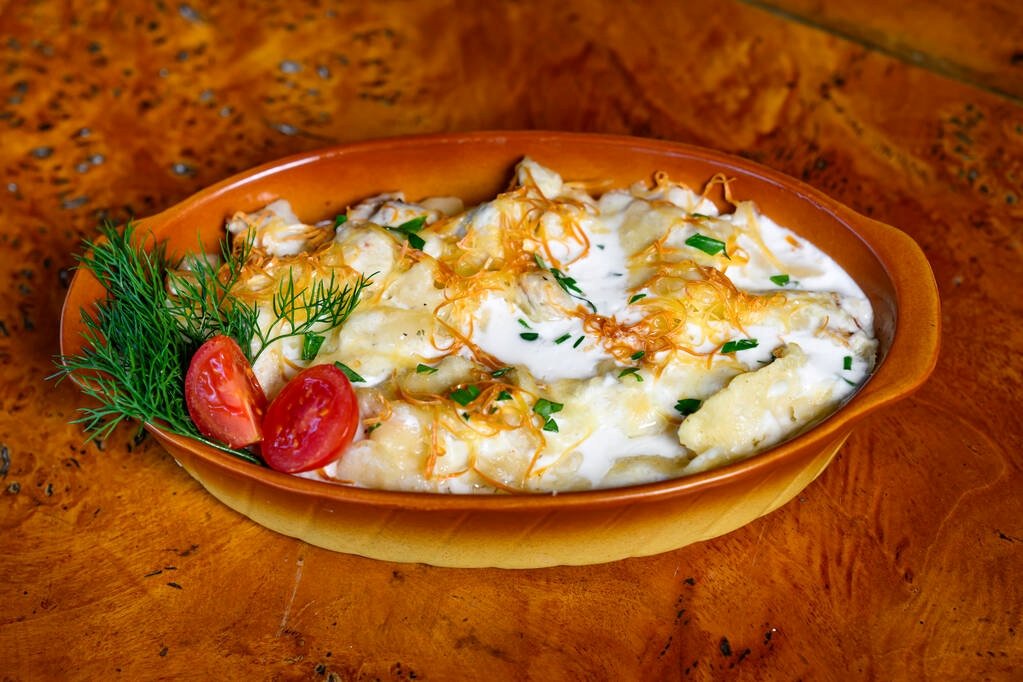


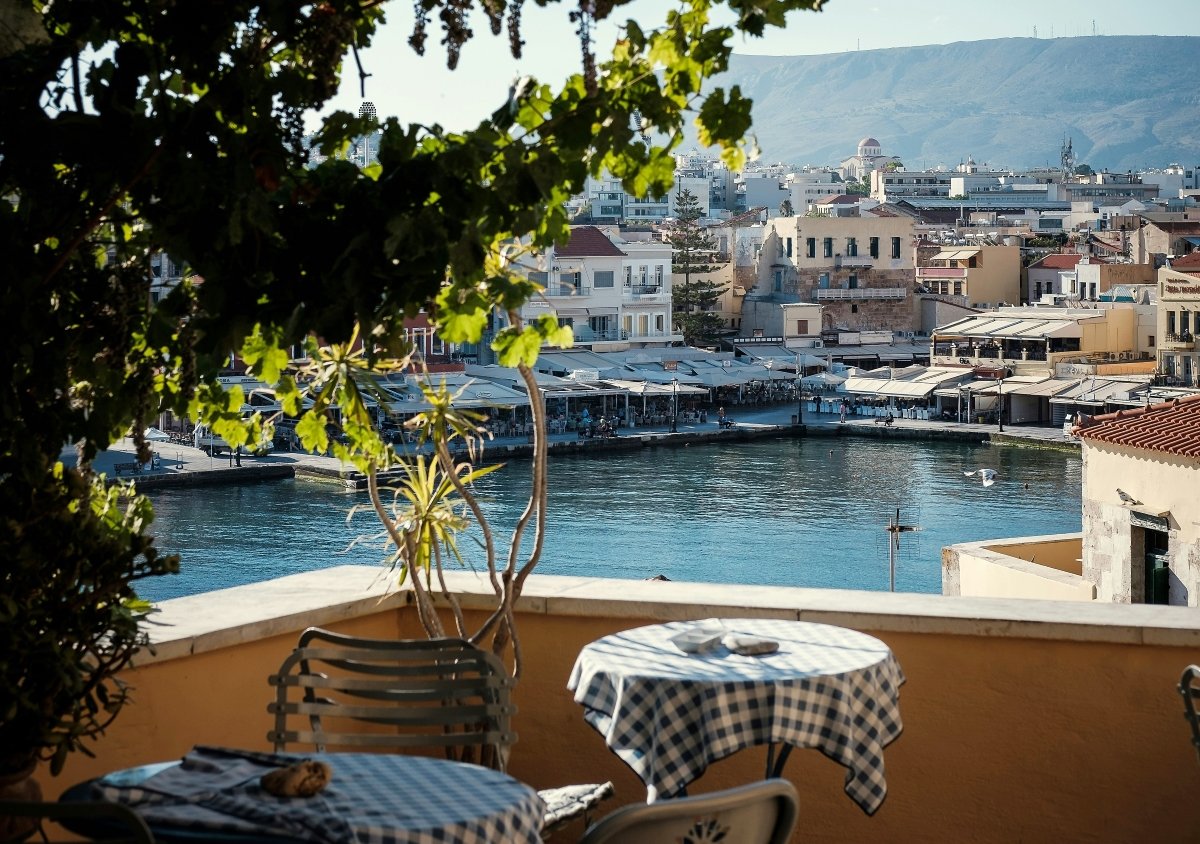
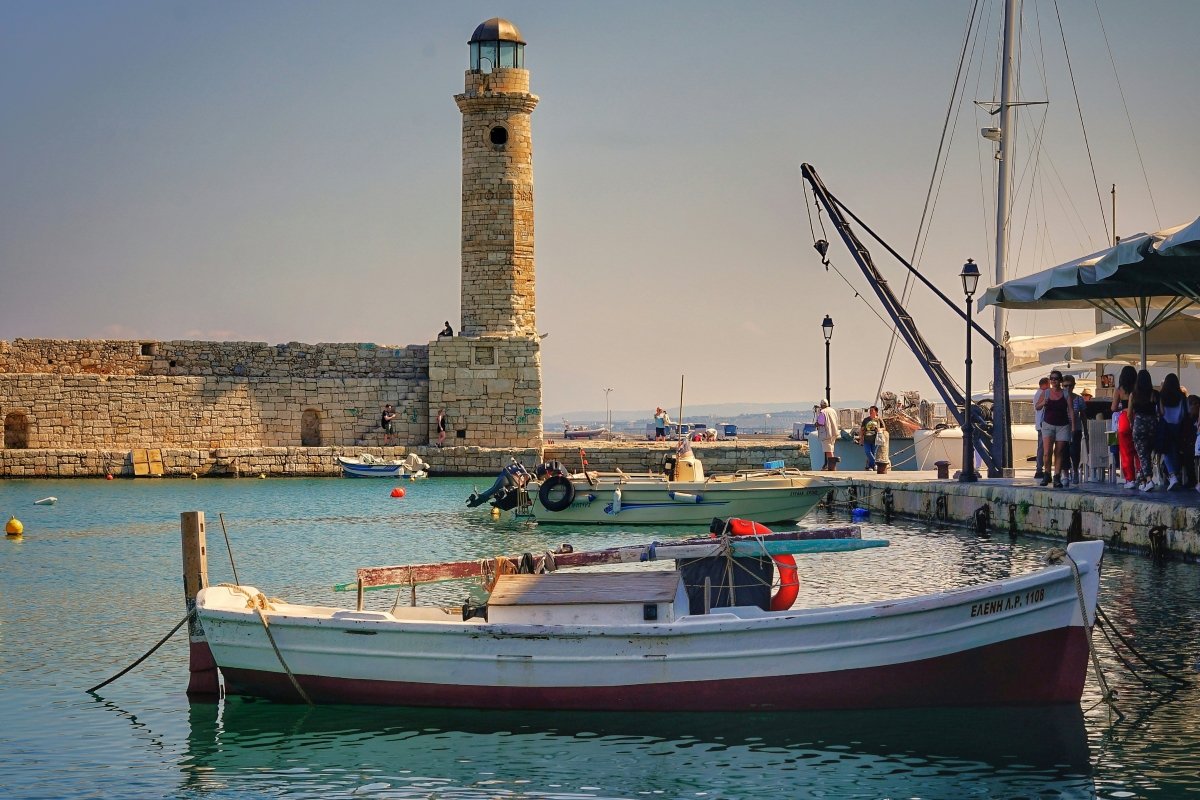
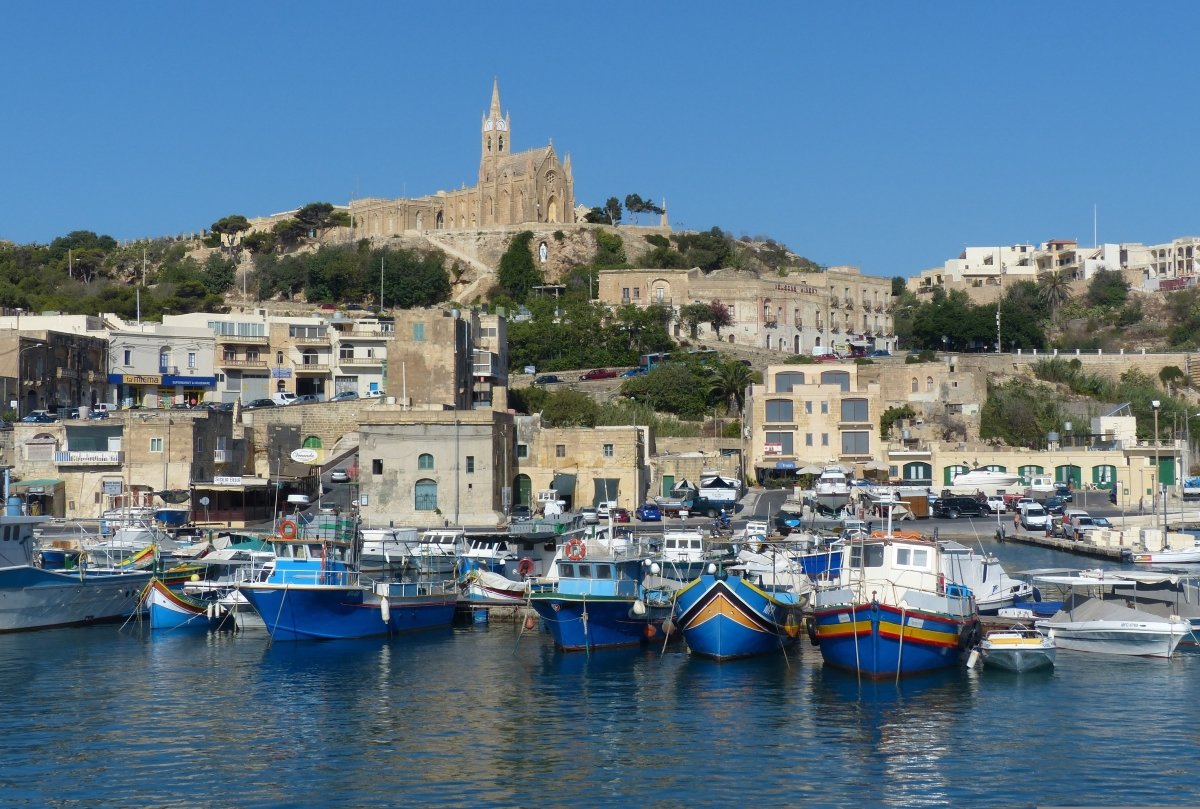
















TL;DR: Crete (Greece), Gozo (Malta), and Kvarner (Croatia) are the official 2026 European Regions of Gastronomy. This complete guide covers ancient food traditions, must-try dishes, farm-to-table dining, cooking workshops, and everything you need to plan your Mediterranean culinary adventure across all three award-winning destinations.
- Understanding the European Region of Gastronomy Award
- Crete, Greece: Where the Mediterranean Diet Was Born
- The Cretan Food Story
- Essential Cretan Dishes
- Where to Eat in Crete
- Unmissable Cretan Experiences
- Getting to Crete
- Where to Stay in Crete
- Gozo, Malta: The Mediterranean’s Best-Kept Secret
- Understanding Gozo’s Unique Position
- Essential Gozitan Foods
- Where to Eat in Gozo
- Unmissable Gozo Experiences
- Getting to Gozo
- Getting Around Gozo
- Where to Stay in Gozo
- Kvarner, Croatia: Eight Regions, One Spectacular Food Scene
- Why Kvarner Is Special
- Essential Kvarner Foods
- Where to Eat in Kvarner
- Unmissable Kvarner Experiences
- Getting to Kvarner
- Getting Around Kvarner
- Where to Stay in Kvarner
- Planning Your 2026 Multi-Region Culinary Adventure
- Should You Visit All Three Regions?
- Sample Itineraries
- Logistics: Connecting the Three Regions
- Best Time to Visit All Three Regions
- Budget Reality Check
- What to Pack
- Language Basics
- Dietary Considerations
- The Deeper Experience: What 2026 Really Means
- Final Thoughts: Why 2026 Is Your Year
2026 is officially the year to eat your way through the Mediterranean. Three extraordinary regions just earned the prestigious European Region of Gastronomy title, and they’re all celebrating with festivals, special events, and the kind of authentic food experiences that make you reconsider your entire relationship with eating.
Crete brings 4,000 years of culinary wisdom and the original Mediterranean diet. Gozo offers a tiny island where Sicilian, North African, and British influences created something completely unique. And Kvarner showcases eight distinct Croatian sub-regions where coastal Adriatic seafood meets mountain traditions in spectacular fashion.
The best part? These aren’t tourist traps trying to cash in on foodie trends. These are places where grandmothers still make cheese by hand, olive groves predate most European countries, and the restaurant owner’s mom is probably cooking in the back. 2026 is your invitation to experience it all before the crowds figure out what’s happening.
Understanding the European Region of Gastronomy Award
This isn’t just some culinary participation trophy. The European Region of Gastronomy award recognizes regions demonstrating excellence in food culture, sustainability, innovation, and education. Winners must show how their food traditions connect to cultural identity, environmental stewardship, and community wellbeing.
Think of it as the Michelin star for entire regions—except instead of just fancy restaurants, it celebrates everything from ancient farming practices to street food vendors who’ve perfected one dish over three generations.
Why 2026 matters: All three regions are hosting special programming throughout the year. Cooking festivals, producer collaborations, culinary tours, and events that won’t happen again. It’s the perfect storm of celebration, accessibility, and—let’s be honest—bragging rights when you tell people where you traveled.
Crete, Greece: Where the Mediterranean Diet Was Born
The Cretan Food Story
Crete didn’t just contribute to Mediterranean cuisine—it basically invented the template. This is where the famous Mediterranean diet that researchers credit with longevity originated. We’re talking about food traditions that ancient Minoans were already perfecting around 2000 BCE.
What makes Cretan food special isn’t complexity—it’s the opposite. Ingredients so good they need almost nothing done to them. Olive oil so pure it tastes like liquid gold. Tomatoes that actually taste like tomatoes. And cooking techniques preserved across millennia because, frankly, you don’t fix what isn’t broken.
Essential Cretan Dishes
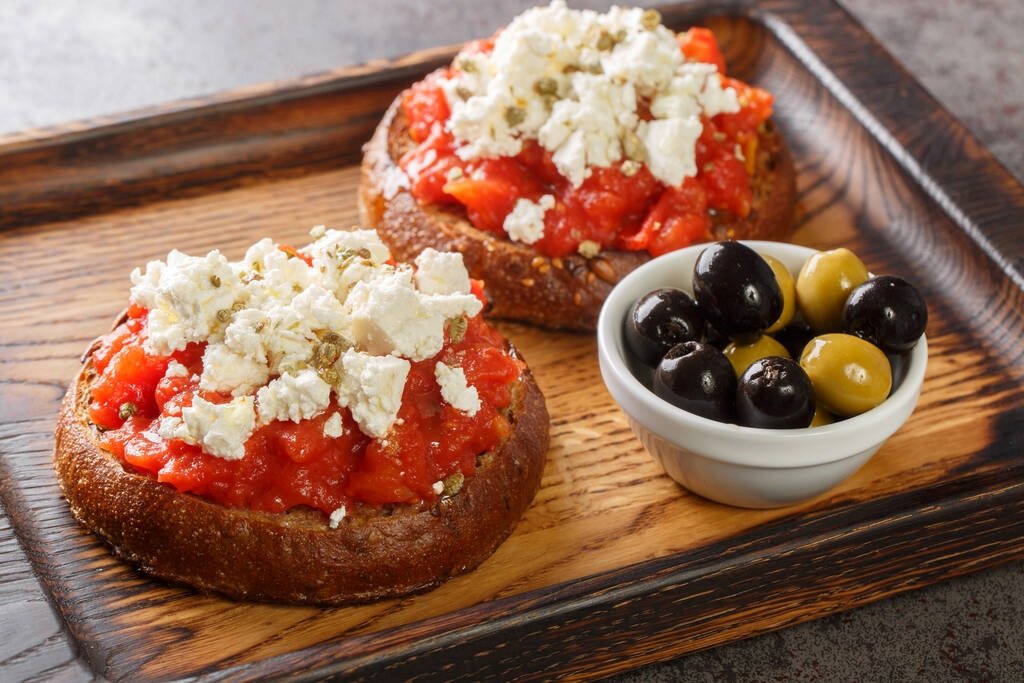
Dakos is your introduction to Cretan philosophy: barley rusk (think fancy hardtack) softened with tomato, topped with creamy mizithra cheese, drenched in olive oil, sprinkled with oregano. Five ingredients, five thousand years of refinement.
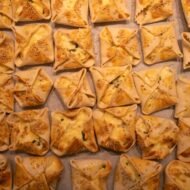
Kalitsounia are small cheese or herb pies that change personality depending on which village you’re in. Some are sweet with mizithra and honey. Others are savory with wild greens. Eating your way through regional variations becomes an obsession.
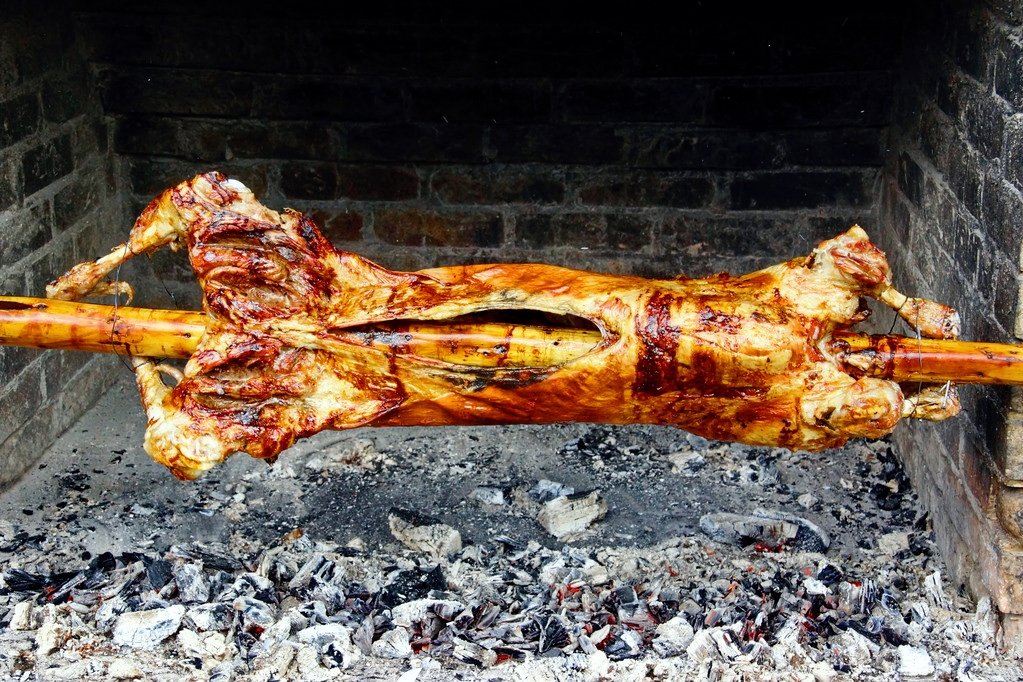
Antikristo lamb is cooked the ancient way—whole pieces arranged around an open fire, taking hours to reach melting tenderness. The meat tastes of the wild herbs the sheep grazed on: thyme, oregano, sage.
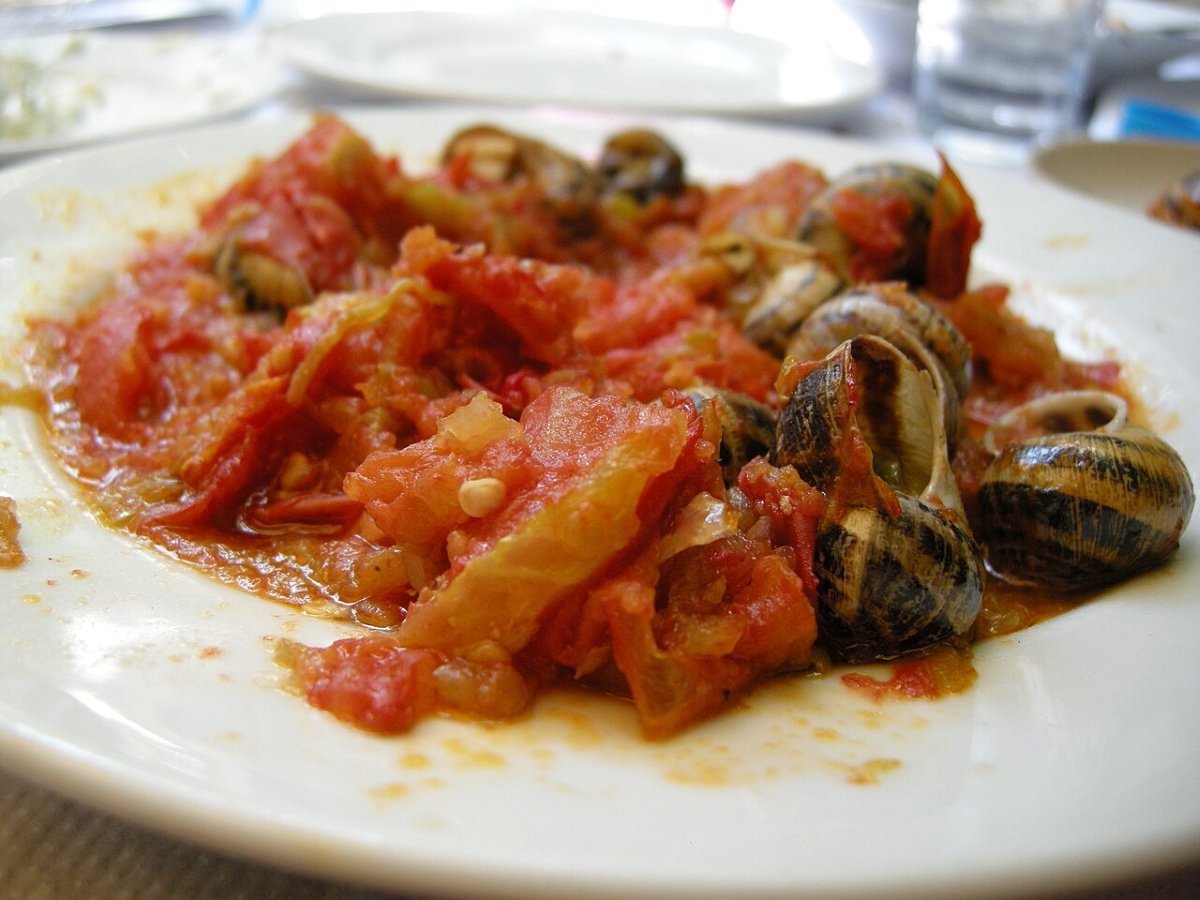
Snails (hohlioi) might make you hesitate, but Cretans have been eating them since Minoan times. Cooked with rosemary and vinegar, they’re actually delicious—earthy, tender, and completely different from French escargot.
Stamnagathi are wild greens that grow in Cretan mountains. Slightly bitter, incredibly nutritious, usually boiled and served with lemon and olive oil. This is what health food actually tastes like when prepared properly.
And the olive oil—Crete produces some of the world’s finest. You’ll use it on everything. You’ll want to bathe in it. You’ll definitely pack bottles in your luggage despite airline weight limits.
Where to Eat in Crete
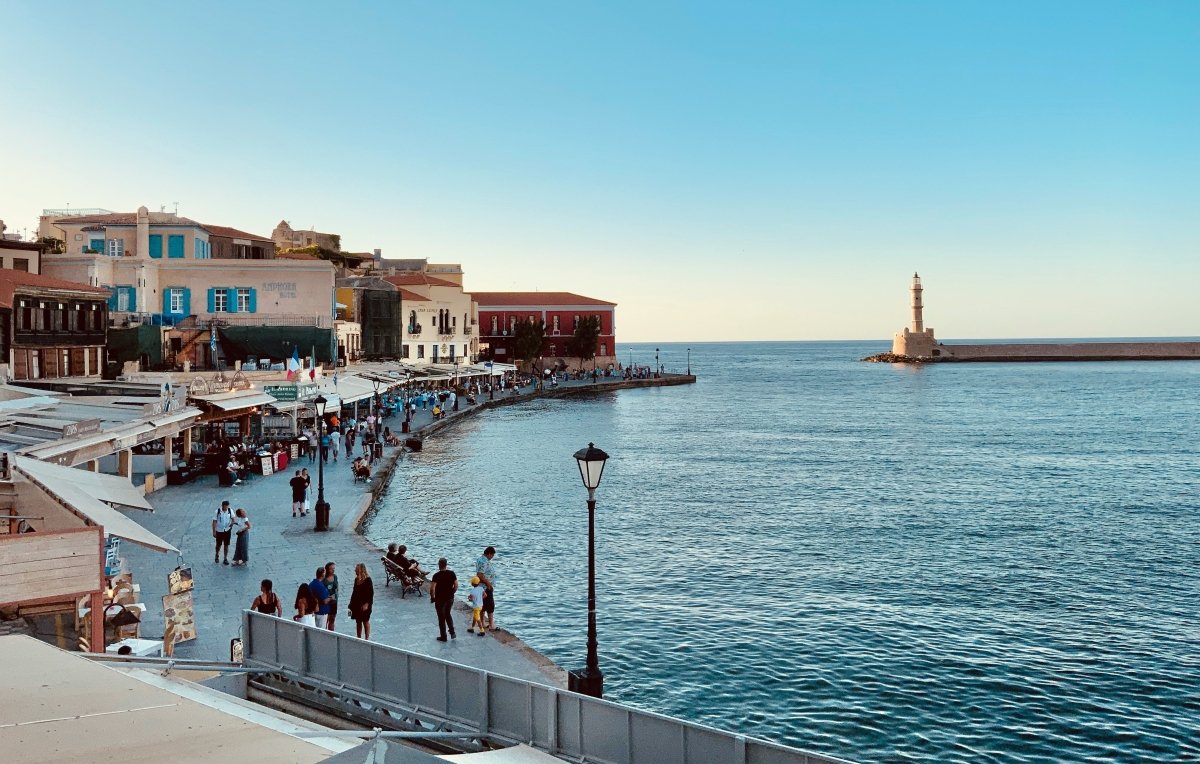
Chania’s Old Town delivers romantic dinners along the Venetian harbor. Skip the restaurants aggressively recruiting tourists. Find the tavernas where locals are arguing about politics over wine—that’s where you want to eat.
Heraklion Central Market is sensory overload in the best way. Vendors selling mountain greens you’ve never seen, cheese wheels bigger than your head, just-caught octopus, and olives in thirty varieties. Grab snacks and people-watch.
Peskesi in Heraklion recreates ancient Minoan recipes using ingredients from their own farm. It’s time-travel dining—expensive by Cretan standards (€30-40 per person) but worth experiencing once.
Rethymno offers Venetian architecture and family tavernas where the menu is whatever grandmother made today. “What’s good?” is always the right question.
Mountain villages like Anogia, Zaros, or Archanes serve the most authentic Cretan food. Yes, you’ll need a car and decent navigation skills. Yes, it’s worth getting temporarily lost.
Unmissable Cretan Experiences
Olive oil tasting tours in the Apokoronas region explain why some bottles cost €50 and why you’ll never want supermarket oil again. Many producers offer free tastings if you visit their mills.
Cooking classes in villages where you’ll make cheese with locals, bake bread in wood-fired ovens, and learn techniques passed through families for generations. Many include meals overlooking stunning mountain or sea views.
Wine routes through indigenous varieties you can’t find elsewhere. Vidiano for whites, Kotsifali and Liatiko for reds—these grapes exist almost exclusively in Crete.
Herb foraging walks reveal what Mediterranean herbs taste like when picked fresh from hillsides. Wild oregano is completely different from dried. Dittany (endemic to Crete) tastes like nothing else on earth.
Raki distilleries where locals make their beloved spirit from grape pomace. Often family operations where you’ll be invited to taste last year’s batch while sitting in someone’s courtyard.
Getting to Crete
Heraklion International Airport (HER) and Chania International Airport (CHQ) connect directly to most European cities, especially April through October. Budget carriers like Ryanair and easyJet run frequent routes.
Ferries from Athens (Piraeus port) take 8-9 hours overnight—romantic if you have time, and you’ll wake up approaching Crete at sunrise.
Getting around: Rent a car. This isn’t negotiable if you want authentic experiences. Buses connect major towns but Crete’s best food hides in mountain villages where public transportation doesn’t go. Plus you’ll want freedom to stop at random taverna signs on dirt roads.
Where to Stay in Crete
Chania and Rethymno offer restored Venetian townhouses turned boutique hotels. Atmospheric, walkable, perfect for couples or anyone who wants historic charm.
Agrotourism stays in villages like Vamos or Archanes put you in renovated stone houses. Breakfast features eggs from chickens you’ll meet, cheese made next door, and bread baked that morning.
Elounda or Agios Nikolaos for beach resort luxury with your gastronomy. Higher prices but excellent amenities.
Budget travelers: Family-run guesthouses cost €30-50/night, often include breakfast, and owners know every great taverna within 50km.
Timing note: Book ahead for April-May and September-October (peak quality season). Summer (June-August) gets crowded. Winter (November-March) offers deals but some places close.
Gozo, Malta: The Mediterranean’s Best-Kept Secret
Understanding Gozo’s Unique Position
Gozo is what happens when you strand a tiny island (just 67 square kilometers) in the middle of Mediterranean shipping lanes for millennia. Phoenicians, Romans, Arabs, Knights of St. John, French, and British all left their mark. The result? Food that’s simultaneously familiar and completely unlike anywhere else.
The island is small enough that everyone knows everyone. This creates accountability—if your ġbejna cheese or ftira bread isn’t excellent, the entire island will know by lunchtime. Quality isn’t optional; it’s survival.
Essential Gozitan Foods
Ġbejna (pronounced “jbay-na”) are small sheep or goat cheese rounds—Gozo’s pride and culinary identity. Fresh versions are soft and mild. Dried versions concentrate flavors intensely. Peppered versions pack heat. You’ll find them everywhere from gas stations to fine dining, and quality varies wildly—buy from producers when possible.
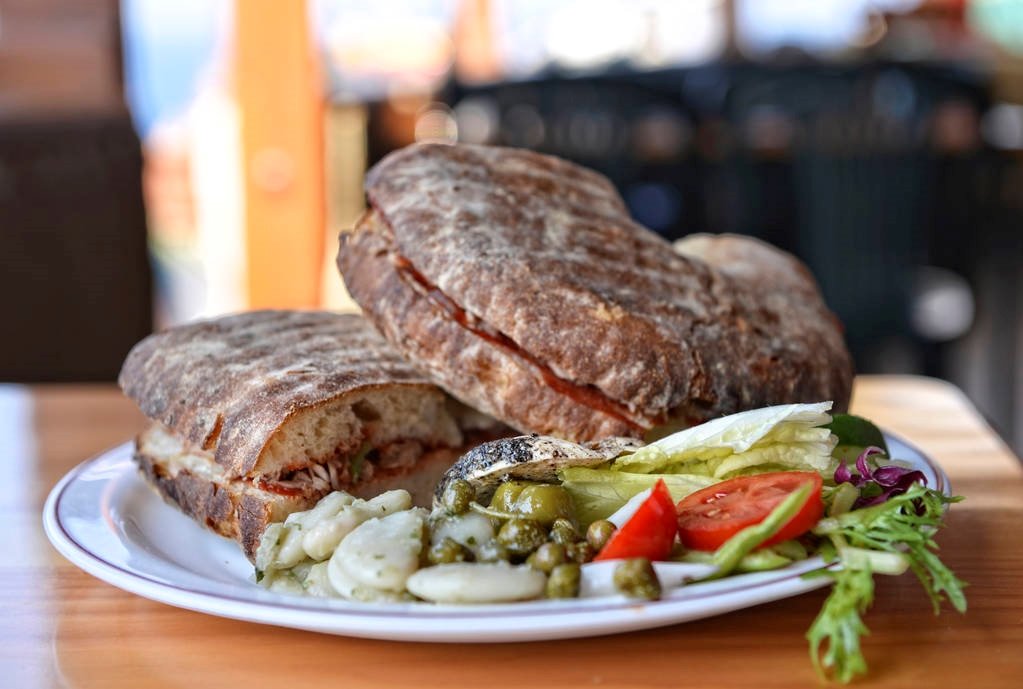
Ftira is Gozitan sourdough flatbread with a texture that’s simultaneously crispy and chewy. Some bakeries use sourdough starters maintained for generations. Eaten plain, as sandwiches, or torn and dipped in olive oil with ġbejna.
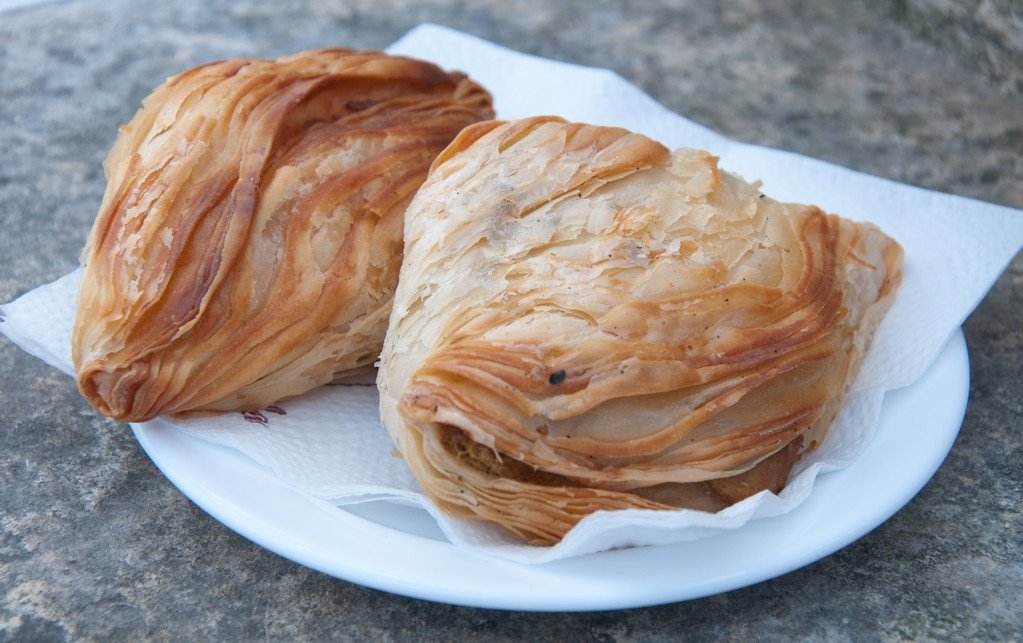
Pastizzi aren’t exclusive to Gozo, but the island’s versions—flaky pastry filled with ricotta or peas—taste better when eaten fresh from village bakeries at 7am while locals argue about football.
Rabbit (fenek) is Malta’s national dish, and Gozitans take it seriously. Stewed with wine and garlic, fried until crispy, or baked with potatoes. Even rabbit-skeptics often convert after trying it here.
Bigilla is a thick paste made from broad beans, garlic, and herbs—Malta’s answer to hummus. Spread on ftira or crackers, often appearing as a free appetizer.
Soppa tal-armla (“widow’s soup”) tells you everything about Gozitan food philosophy—simple ingredients (vegetables, ġbejna, egg) creating something deeply satisfying. Peasant food elevated through technique and freshness.
Honey from wild thyme, carob trees, and Mediterranean flowers tastes like sunshine concentrated in a jar. Drizzle on ġbejna for the perfect sweet-savory combination.
Where to Eat in Gozo
Ta’ Rikardu in Victoria (Rabat) operates inside a 16th-century building, serving ġbejna they make on-site alongside traditional dishes. Tiny, cash-only, often crowded—everything a perfect local restaurant should be.
Mekren Bakery in Nadur for ftira so good you’ll eat three before realizing you’re uncomfortably full. Get there early—they sell out.
Tmun Mgarr focuses on Slow Food certified ingredients, changing menus based on what’s available from local farmers. Expensive by Gozitan standards (€30-40/person) but showcases the island’s best produce.
Port of Mgarr waterfront restaurants serve the catch of the day, simply grilled or baked. This is an island—eat the fish. Avoid places with massive menus; choose spots where fishermen are delivering directly.
It-Tokk in Victoria is the traditional market square where cafés serve breakfast and lunch. People-watch while eating pastizzi and drinking espresso with locals.
Unmissable Gozo Experiences
Salt pan tours in Xwejni Bay show salt harvesting using Roman-era methods—hand-cut pools carved into limestone where seawater evaporates, leaving salt crystals. Some families have worked the same pans for generations.
Cooking workshops at Ta’ Mena Estate teach traditional Gozitan dishes in a setting overlooking vineyard valleys. You’ll make what you eat, using ingredients grown on the property.
Cheese-making classes at farms where you’ll meet the goats personally, learn traditional ġbejna production, and take home cheese you made yourself.
Food festivals throughout 2026 celebrating the Region of Gastronomy designation—dates will be announced closer to the year, but expect specialty markets, producer showcases, and collaborative dinners.
Wine tasting at local wineries like Tal-Massar or Ta’ Mena. Gozitan wine doesn’t export much due to limited production, making this your only chance to try it.
Foraging tours for wild fennel, capers, and Mediterranean herbs that grow abundantly on Gozo’s countryside.
Getting to Gozo
You must ferry from Malta—there’s no airport. Fly into Malta International Airport (MLA), then:
- Bus X1 to Ċirkewwa ferry terminal (90 minutes, €2-3)
- Pre-booked transfer (€25-40, faster and more comfortable)
- Rent a car in Malta and bring it on the ferry (recommended for maximum flexibility)
Gozo Channel ferry runs every 45 minutes in daylight hours, takes 25 minutes, costs roughly €15 per person return (cars extra). The short crossing is actually lovely—watch for dolphins if you’re lucky.
Pro tip: You only pay when leaving Gozo, not arriving. Just drive or walk on, then pay when returning to Malta.
Getting Around Gozo
The island measures roughly 14km x 7km—small but hilly with winding roads. Rent a car or scooter for maximum flexibility and access to farmhouse restaurants. International companies operate from the ferry terminal.
Buses exist and are cheap (€2-3 flat fare), but they’re infrequent and won’t get you to remote locations where the best food hides.
Hop-on-hop-off tourist buses work for quick overviews but you’ll miss authentic experiences.
Taxis are available but expensive for a small island—negotiate day rates if you’re not renting.
Where to Stay in Gozo
Victoria (also called Rabat) is the capital—central, lively, walkable, with excellent restaurant concentration. Base yourself here for convenience.
Xlendi or Marsalforn for seaside stays with fishing village atmosphere and waterfront dining. Xlendi is quieter; Marsalforn has more restaurants.
Traditional farmhouses (restored stone buildings) can be rented for groups. Many include outdoor kitchens—perfect if you hit markets and want to cook your own feasts.
San Lawrenz or Gharb for quiet, rural Gozo with proximity to dramatic coastal views and hiking. More remote but incredibly peaceful.
Budget note: Gozo offers excellent value. Decent guesthouses start at €40-60/night. Mid-range hotels run €80-120. Luxury farmhouses for groups can be €200-400 total (split among multiple people).
Kvarner, Croatia: Eight Regions, One Spectacular Food Scene
Why Kvarner Is Special
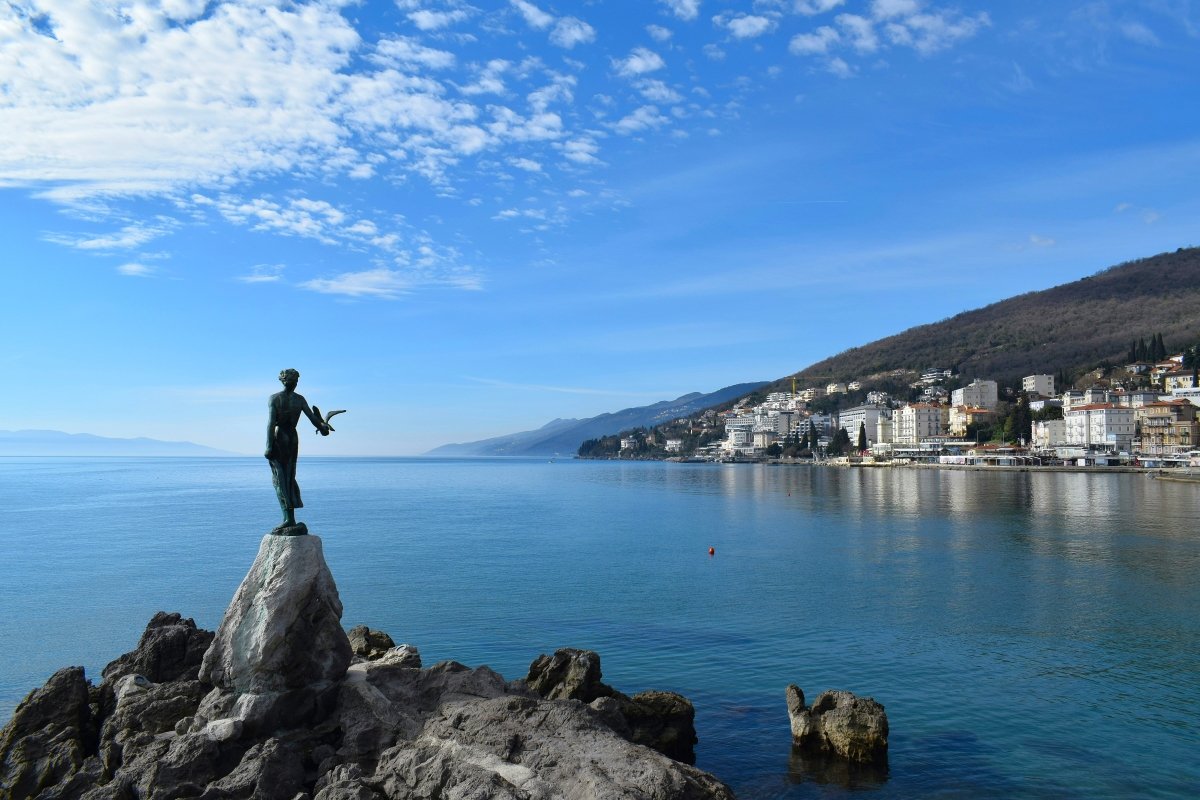
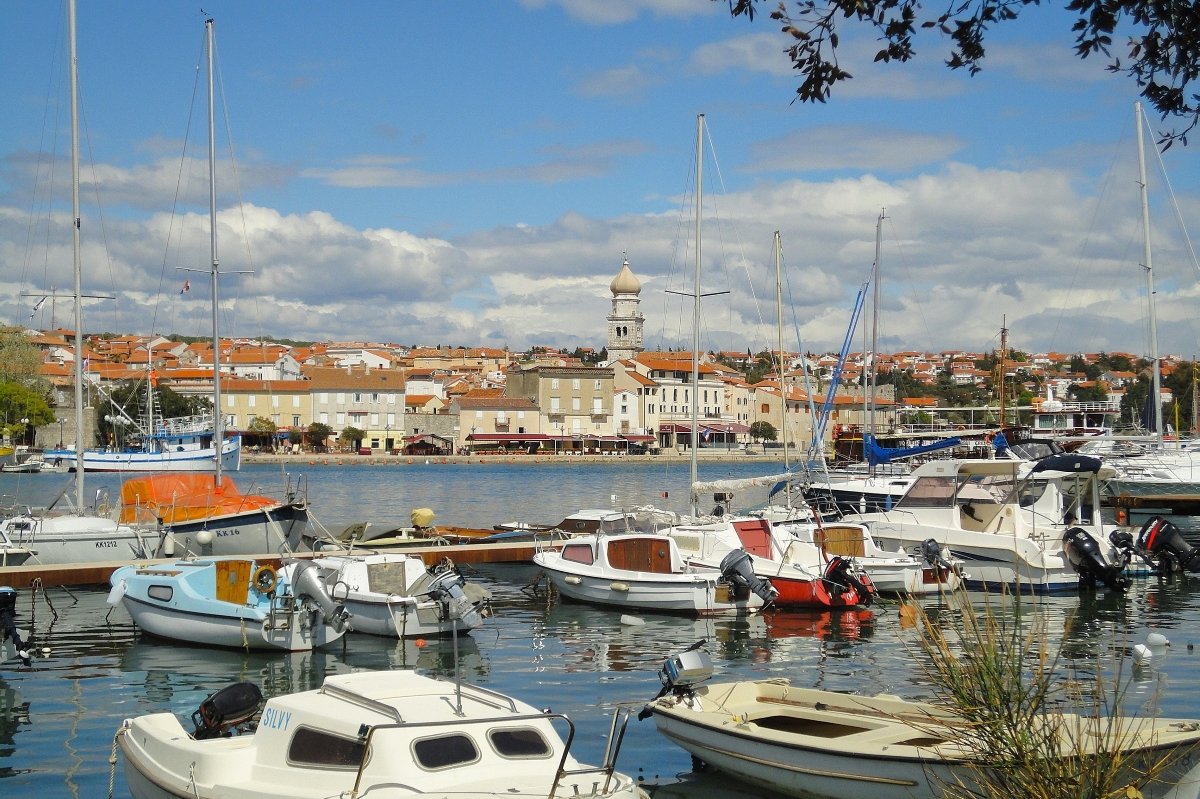
Kvarner is Croatia’s culinary secret weapon—less crowded than Dubrovnik or Split, more diverse than Istria, and just as delicious. The region encompasses eight distinct sub-regions: Rijeka, Opatija Riviera, islands of Krk, Cres, Lošinj, Rab, Gorski Kotar, and Vinodol. Each has its own microclimate, ingredients, and traditions.
What makes this fascinating? You can eat Adriatic seafood for lunch on the coast, then drive 45 minutes inland for mountain lamb and game, experiencing completely different cuisines while technically staying in the same region.
The area sits at a crossroads where Croatian, Italian, Austrian, and Hungarian influences collide. Kvarner earned its 2026 recognition for exceptional commitment to local gastronomy, cultural heritage preservation, sustainable tourism, and showcasing authentic flavors while protecting local biodiversity.
Essential Kvarner Foods
Šurlice are hand-rolled pasta from Krk island—basically Croatian pici or thick spaghetti, traditionally served with goulash or lamb sauce. Every grandmother has her own technique.
Lamb from Krk and Cres rivals anything from Crete. The animals roam freely, eating wild herbs and grasses, producing meat that tastes of sage, rosemary, and the Adriatic wind. Usually spit-roasted or prepared under peka (a bell-shaped lid covered with embers).
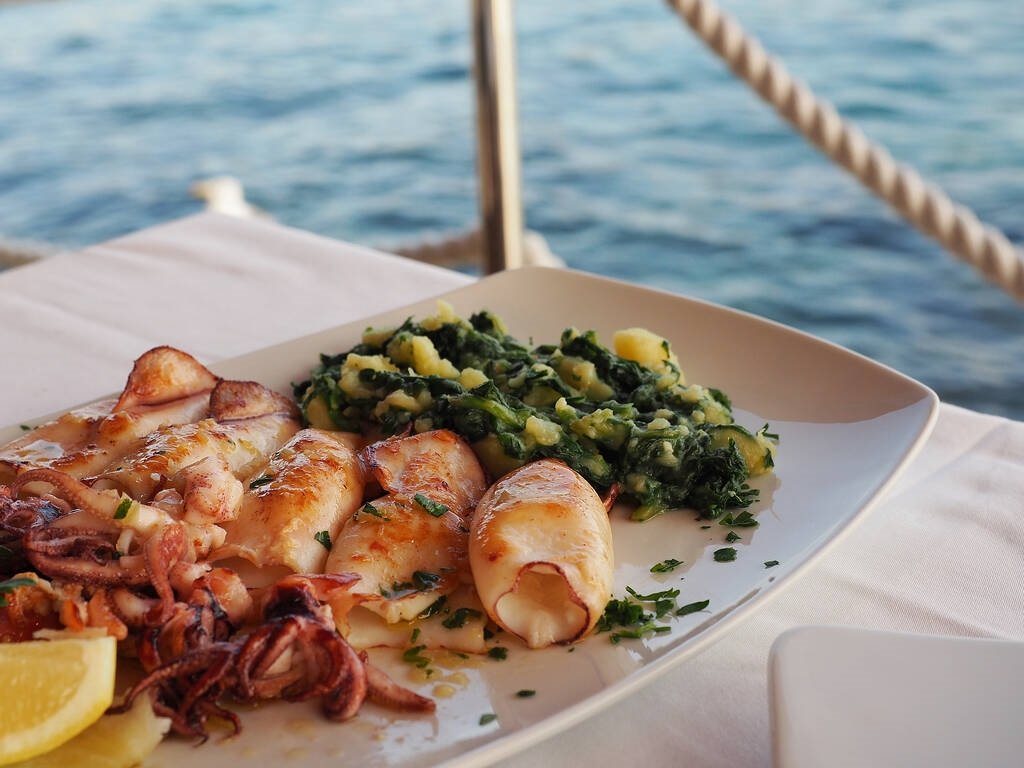
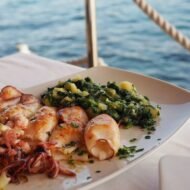
Adriatic seafood is spectacular—ultra-fresh fish, octopus, squid, scampi, and shellfish. Simply grilled or prepared buzara style (stewed with wine, garlic, and parsley).
Škampi na buzaru (scampi in buzara sauce) is Kvarner’s signature seafood dish—sweet Adriatic shrimp swimming in garlicky, winey, tomatoey perfection. Soak up every drop with bread.
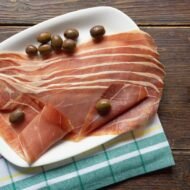
Prosciutto and cured meats show the Italian influence. Istrian prosciutto (if you venture slightly west) is world-class, but Kvarner produces excellent versions too.
Truffles grow in the region’s forests, particularly white truffles in autumn. More affordable than Italian truffles, equally delicious on fresh pasta or scrambled eggs.
Kvarner scampi are famous throughout Croatia—smaller and sweeter than Mediterranean prawns, caught fresh daily in the Kvarner Gulf.
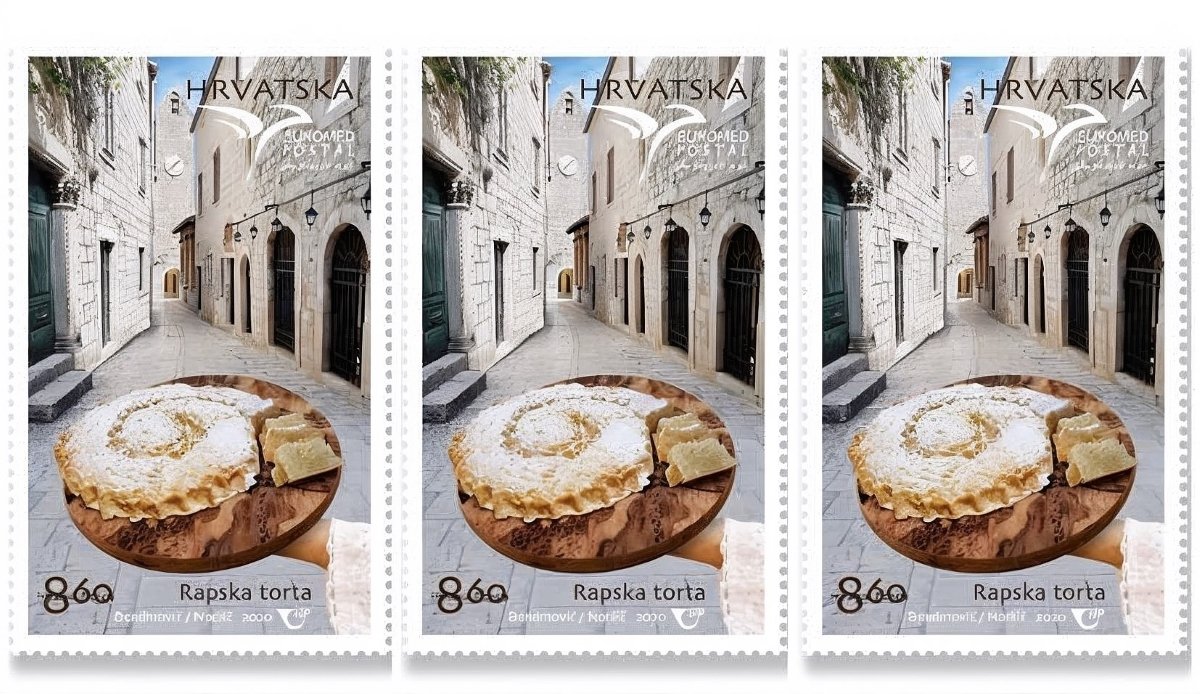
Rapska torta from Rab island is an almond cake whose recipe dates to the 12th century, supposedly created for a papal visit. Sweet, dense, and perfect with coffee.
Local cheeses vary by island—Krk produces the famous Krčki pršut (prosciutto) and sheep cheeses. Pag (just south) is renowned for Paški sir, aged sheep cheese with a distinctive bite.
Wines include indigenous varieties like Žlahtina (white wine from Krk), Trojišćina, and Gegić. Most production is small-scale, rarely exported, making this your only chance to try them.
Where to Eat in Kvarner
Rijeka is the regional capital and Croatia’s third-largest city. The city market (Placa) operates since 1880, offering produce, seafood, and street food. Restaurants in the old town serve everything from seafood to game, often in the same menu—explore the Trsat neighborhood for local favorites.
Opatija Riviera offers elegant Habsburg-era dining with Adriatic views. Historically a retreat for Austro-Hungarian aristocracy, restaurants here blend formal service with coastal Croatian flavors.
Krk island restaurants specialize in šurlice pasta and lamb. Konoba Nono in Dobrinj and Konoba Šime in Vrbnik earn consistent praise from locals—always a good sign.
Cres and Lošinj islands serve incredible seafood. Look for family-run konobas (tavernas) where the fishing boats are visible from your table. If it’s not on the menu, ask what came in fresh that day.
Rab island old town has numerous restaurants along the waterfront. Try Santa Maria for upscale dining or seek out smaller spots in the medieval alleys.
Gorski Kotar (the mountainous inland region) specializes in game, mushrooms, and hearty stews. This is where you’ll find bear, venison, and wild boar on menus—plus fresh river trout.
Unmissable Kvarner Experiences
Island hopping food tour—ferries connect Krk, Cres, Lošinj, and Rab, letting you experience different culinary traditions while covering relatively short distances. Each island insists its lamb or wine or cheese is superior—judge for yourself.
Truffle hunting in Gorski Kotar forests, usually September-December. Some farms offer hunts with trained dogs followed by truffle-based meals.
Wine routes on Krk island showcase family wineries producing Žlahtina—a crisp white wine that pairs perfectly with seafood. Most offer tastings for €5-10.
Cooking workshops where you’ll learn to hand-roll šurlice or prepare fish under peka. Many agrotourism farms offer these experiences.
Rijeka’s Korzo promenade for evening aperitivo culture—Croatian-Italian style, with small bites accompanying drinks at outdoor cafés.
Festival season 2026 will feature special events celebrating the gastronomy designation—cooking competitions, producer markets, collaborative dinners between the three 2026 regions. Check official schedules closer to travel dates.
Getting to Kvarner
Rijeka Airport (RJK) is tiny with limited international flights—mostly seasonal routes from German-speaking countries and UK.
Better options:
- Fly to Zagreb Airport (ZAG), then drive or bus 2 hours to Rijeka
- Fly to Pula Airport (PUY) in Istria (1.5 hours from Rijeka, good for combining regions)
- Fly to Ljubljana, Slovenia (LJU), then drive 1.5 hours to Rijeka
Ferries connect Italian cities (Venice, Ancona) to Rijeka and the islands—romantic but time-consuming.
From other Croatian destinations: Rijeka is 2 hours from Zagreb, 4 hours from Split, 7 hours from Dubrovnik by car or bus.
Getting Around Kvarner
Rent a car for maximum flexibility, especially if island hopping or exploring mountain areas. Ferries between islands accommodate vehicles, though booking ahead in summer is smart.
Buses connect major towns and islands regularly and affordably (€5-15), but you’ll miss remote restaurants and spontaneous stops.
Island ferries from Jadrolinija run frequently in summer, less often off-season. Foot passengers don’t need reservations; cars do in July-August.
Bicycles work well on flatter islands like Krk if you’re fit—the region is increasingly bike-friendly with marked routes.
Where to Stay in Kvarner
Rijeka for urban convenience, restaurants, nightlife, and easy access to everything. Budget to mid-range hotels and apartments available.
Opatija for Habsburg-era elegance and promenade atmosphere. More expensive, more formal, very beautiful.
Krk island offers the most accommodation variety—from budget apartments to luxury hotels. Vrbnik and Baška are particularly charming bases.
Cres and Lošinj tend toward smaller guesthouses and apartments with authentic island atmosphere. Quieter than Krk, fewer crowds.
Rab old town has hotels within medieval walls—atmospheric but pricey in peak season. Nearby areas offer more budget options.
Gorski Kotar mountain lodges and guesthouses suit nature lovers and those seeking cooler temperatures in summer.
Budget reality: Kvarner is more affordable than Dubrovnik or Hvar. Decent accommodation starts at €50-70/night. Mid-range hotels run €100-150. Luxury tops out around €200-300.
Planning Your 2026 Multi-Region Culinary Adventure
Should You Visit All Three Regions?
If you have 2-3 weeks: absolutely. They’re different enough to justify visiting all three, and you’ll gain incredible perspective on how Mediterranean islands developed such distinct food cultures from similar base ingredients.
If you have 10-14 days: Choose two regions and explore them thoroughly rather than rushing through all three.
If you have 7-10 days: Pick one region and really experience it. Quality over quantity always wins with food travel.
Sample Itineraries
The Complete 2026 Gastronomy Tour (18-21 days):
- Days 1-6: Crete (base in Chania, day trips to Heraklion, Rethymno, mountain villages)
- Days 7-8: Travel to Malta/Gozo
- Days 9-13: Gozo (stay in Victoria or farmhouse, explore entire island, day trip to Malta)
- Days 14-15: Travel to Croatia
- Days 16-21: Kvarner (base in Rijeka, 2-3 days island hopping, 1 day in Gorski Kotar)
The Island-Hopper (12-14 days):
- Days 1-6: Crete
- Days 7-11: Gozo (with Malta day trip)
- Days 12-14: Kvarner islands only (skip mainland)
The Budget-Conscious Tour (10-12 days):
- Pick two regions (Gozo + Kvarner are geographically closer; Crete + Gozo are culturally more similar)
- Use budget airlines and basic accommodation
- Focus on markets, street food, and lunch menus (much cheaper than dinners)
The Luxury Deep-Dive (14 days):
- Choose two regions
- Book cooking classes, private tours, wine tastings
- Stay in boutique hotels and restored historic properties
- Dine at top-tier restaurants while also seeking authentic tavernas
Logistics: Connecting the Three Regions
Crete to Gozo:
- Fly Crete to Athens, then Athens to Malta (6-8 hours total with layover)
- Direct seasonal flights may operate—check Ryanair, easyJet
Gozo to Kvarner:
- Ferry to Malta, fly Malta to Zagreb or Rijeka (4-6 hours)
- Or Malta to Venice/Ljubljana, then to Kvarner (full day travel)
Crete to Kvarner:
- Fly Athens to Zagreb, Split, or Ljubljana (3-5 hours)
Pro tip: Book flights with at least 4-hour layovers when connecting regions. Mediterranean airlines and ferries don’t always run on precise schedules, and you don’t want to miss connections because the ferry from Gozo was late.
Best Time to Visit All Three Regions
April-May (Spring):
- Pros: Ideal weather (18-25°C), wildflowers blooming, spring vegetables, baby lamb season, fewer tourists, lower prices
- Cons: Some establishments still closed from winter, sea might be cool for swimming
- Best for: Food-focused travelers who don’t need beach weather
September-October (Autumn):
- Pros: Perfect temperatures (20-28°C), grape and olive harvests, truffle season (Croatia), sea still warm, festivals common
- Cons: Can still be crowded early September, prices drop but not as low as spring
- Best for: Balanced experience of food, weather, and culture
June-August (Summer):
- Pros: Warmest weather, longest days, all establishments open, most festivals and events, best for swimming
- Cons: Crowded, expensive, hot (30-35°C+), locals on vacation too so some family operations close
- Best for: Travelers who need beach time and don’t mind crowds
November-March (Winter):
- Pros: Incredible deals, very few tourists, authentic local life, citrus season
- Cons: Many restaurants and hotels closed, weather unpredictable, short days, some ferry routes reduced
- Best for: Adventurous travelers with flexibility and budget focus
The 2026 sweet spot: Late April through May and late September through mid-October offer the best balance of weather, prices, and authentic experiences.
Budget Reality Check
All three destinations offer excellent value compared to Western European food tourism destinations.
Daily budget per person (including accommodation, food, transport):
Budget:
- €50-70/day in Crete and Gozo
- €60-80/day in Kvarner (slightly more expensive)
- Hostels or basic guesthouses, street food, market picnics, buses, lunch specials
Mid-Range:
- €100-150/day in Crete and Gozo
- €120-180/day in Kvarner
- 3-star hotels or nice guesthouses, mix of tavernas and restaurants, car rental, occasional cooking class
Comfort/Luxury:
- €200-300+/day in all three regions
- Boutique hotels, fine dining mixed with authentic spots, private experiences, wine tastings, guided tours
Money-Saving Strategies:
- Eat lunch as your main meal—lunch menus often cost 50% less than identical dinner portions
- Shop at markets for incredible picnic ingredients at a fraction of restaurant prices
- Free tastings at olive oil mills, wineries (small purchases appreciated but not always required)
- Cooking classes often include the meal, making them better value than restaurants
- Stay in apartments with kitchens—cook some meals using market ingredients
- Travel in shoulder seasons (April-May, September-October) for 30-50% savings on accommodation
- Use public transport when possible—buses are incredibly cheap
- Ask locals for recommendations—they’ll send you to better, cheaper places than guidebooks
What to Pack
Clothing:
- Comfortable walking shoes that handle cobblestones, hiking trails, and boats
- Loose, breathable layers—Mediterranean weather varies throughout the day
- Modest clothing for visiting churches and inland villages (cover shoulders and knees)
- Swimsuit if visiting May-October
- Light jacket for cool evenings, ferry rides, and air-conditioned restaurants
Practical Items:
- Reusable water bottle—all three regions have drinking fountains
- Day pack for market shopping and spontaneous purchases
- Tupperware or zip bags—you’ll want to save leftover cheese, bread, and pastries
- Stretchy pants—seriously, you’re going to eat constantly
- Power adapters (all three use Type C/F European plugs)
- Basic first aid kit including anti-diarrheal medication (new foods sometimes upset stomachs)
Optional but Useful:
- Notebook for recording favorite dishes, restaurants, and recipes
- Cooler bag for transporting cheese, olive oil, and wine home
- Translation app with offline capabilities
- Reusable shopping bags for markets
Language Basics
Greek (Crete):
- Kalimera (good morning)
- Efharisto (thank you)
- Nostimo! (delicious!)
- Parakalo (please/you’re welcome)
- Ti einai afto? (What is this?)
Maltese (Gozo):
- Bongu (good morning)
- Grazzi (thank you)
- Tajjeb! (good/delicious)
- Jekk jogħġbok (please)
- X’inhu dan? (What is this?)
- Note: Most Gozitans speak excellent English
Croatian (Kvarner):
- Dobro jutro (good morning)
- Hvala (thank you)
- Izvrsno! (excellent!)
- Molim (please)
- Što je ovo? (What is this?)
Universal phrases: Point at food, smile, give thumbs up. Food is a universal language, and enthusiasm needs no translation.
Dietary Considerations
Mediterranean cuisine is generally accommodating, though rural areas require patience and clear communication.
Vegetarian/Vegan:
- Excellent options in all three regions—Mediterranean vegetables, legume dishes, many traditional recipes are accidentally plant-based
- Greek: Specify “xortofagos” (vegetarian) or “vegan”
- Maltese: Say “vegetarjan” or “vegan”
- Croatian: Say “vegetarijanac” or “vegan”
- Watch for: Hidden fish stock in soups, lard in pastries, cheese in “vegetable” dishes
Gluten-Free:
- Challenging but manageable—traditional bread/pasta culture strong in all three regions
- Fresh fish, grilled meats, vegetables, and salads are safe
- Tourist areas increasingly offer gluten-free options
- Bring translation cards and be prepared to explain repeatedly
Food Allergies:
- Communicate clearly and repeatedly—language barriers can be dangerous for severe allergies
- Carry translation cards specific to your allergens
- In rural areas, consider carrying an EpiPen if prescribed
- Restaurant kitchens are small—cross-contamination is possible even with good intentions
Kosher/Halal:
- Limited options outside major cities
- Seafood and vegetarian dishes provide alternatives
- Some ingredients may be available in markets for self-catering
The Deeper Experience: What 2026 Really Means
The European Region of Gastronomy designation isn’t about turning these places into culinary theme parks. It’s recognition that food here remains genuinely connected to land, sea, tradition, and community.
Sustainability Matters
All three regions earned their titles partly through commitment to sustainable food systems. Here’s how you can eat responsibly:
Support small producers directly:
- Buy olive oil from mills, not gift shops
- Purchase cheese from farms, not supermarkets
- Visit family wineries, not commercial operations
- Your euros go directly to the people growing and making the food
Eat seasonally:
- If tomatoes aren’t in season, don’t order tomato salad
- Ask “What’s fresh today?” and order that
- Menus highlighting seasonal ingredients show respect for natural cycles
Reduce food waste:
- Take leftovers to go (really, ask for containers)
- Order conservatively—you can always order more
- In these cultures, wasting food is genuinely offensive
Travel mindfully:
- Visit during shoulder seasons (spreading tourism reduces environmental impact)
- Use public transport when practical
- Support businesses using local ingredients and traditional methods
Learn and share:
- These food traditions survive through interest and practice
- Take cooking classes, ask questions, document recipes
- Share what you learned—knowledge kept alive is knowledge preserved
Cultural Sensitivity Tips
Meal timing:
- Greeks eat late—lunch 2-3pm, dinner 9-10pm
- Maltese eat slightly earlier but still late by American standards
- Croatians tend toward more moderate hours but summer means late dinners
Dining customs:
- Mediterranean dining is communal—order multiple dishes for the table, share everything
- Never refuse hospitality—if someone offers food or drink, accept graciously
- Pace yourself—meals last hours, not minutes
- Compliment the food—enthusiastic appreciation is always welcome
Tipping:
- Greece: 5-10% customary but not mandatory
- Malta: 10% expected in restaurants
- Croatia: 10% standard for good service
- All three: round up for taxis and casual cafés
Photography:
- Always ask before photographing people, especially in kitchens
- Respect religious sites—no photos during services
- Markets: generally okay but be considerate of vendors
Dress code:
- Beach towns are casual
- Inland villages are conservative—cover shoulders and knees
- Nice restaurants appreciate smart casual attire
- Remove hats in churches and monasteries
Making Meaningful Connections
The best food experiences happen when you engage with people, not just places.
Ask questions: How long has this recipe been in your family? Where do you source these ingredients? What’s your favorite dish here?
Express genuine interest: People passionate about food love sharing knowledge. Let them talk. Learn something.
Be patient: Language barriers exist. Smile, gesture, use translation apps. The effort matters more than perfect communication.
Return to favorites: Visit the same taverna twice. The owner will remember you, portions will get bigger, and you might get invited to try something special.
Learn a few recipes: Taking a cooking class isn’t just tourism—it’s preserving tradition. You become a link in the chain passing knowledge forward.
Support traditions: Buy the more expensive olive oil if it’s estate-produced. Pay for the cheese-making workshop. These experiences keep traditions economically viable.
Final Thoughts: Why 2026 Is Your Year
Every guidebook tells you to visit “before it gets too touristy.” That’s usually nonsense—most places are already discovered. But 2026 actually is different for Crete, Gozo, and Kvarner.
These three regions are celebrating their culinary heritage with special programming, collaborative events, and genuine pride. They’re being recognized internationally, which means infrastructure improvements and more English-language resources, but before mass tourism discovers what’s happening.
You’ll eat bread made using techniques perfected over 4,000 years. You’ll taste olive oil from trees that witnessed the Roman Empire. You’ll drink wine from grapes that exist nowhere else on Earth. You’ll do it all while sitting at tables where locals actually eat, not tourist traps designed for Instagram.
Crete will teach you that the best food needs almost nothing done to it—just incredible ingredients treated with respect.
Gozo will show you how a tiny island’s geographic position can create entirely unique culinary traditions that defy easy categorization.
Kvarner will prove that diversity—eight sub-regions, multiple cultural influences—creates richness and complexity impossible to achieve otherwise.
All three will remind you that food isn’t just fuel or entertainment. It’s memory, identity, community, and connection to place. It’s grandmothers passing recipes to grandchildren. It’s farmers who know their olive trees by name. It’s fishermen who’ve worked the same waters for generations.
2026 is your invitation to experience all of this before it changes—because it will change. These regions won’t stay secret forever. The question isn’t whether they’ll be discovered, but whether you’ll visit while the discovery is happening, before the crowds arrive, when the celebration is genuine and the welcome is warm.
So book those flights. Learn to pronounce ġbejna and kalitsounia. Practice saying “delicious” in three languages. Prepare your stomach for the journey of a lifetime.
The table is set. The wine is poured. Your seat is waiting.
See you in 2026.
Save this guide, share it with your travel crew, and start planning now. The best tavernas don’t take reservations, the best cheese comes from unmarked farms, the best olive oil is sold from someone’s garage, and the best memories happen when you’re too full to move but somehow still eating. That’s the magic of Europe’s 2026 Regions of Gastronomy—Crete, Gozo, and Kvarner are ready for you.